
Reviewed · WALKING TOURS
BEST OF TOKYO HIGHLIGHTS – WALKING TOUR PART 1
Tokyo feels like two cities at once. This walking-and-trains day strings together old temples, trendy streets, and Shibuya’s big-city energy. You’ll spend the morning on the Asakusa side, then work your way through Ueno and Harajuku, ending at Shibuya with the Hachiko story built right into the finish line.
What I like most is the mix of major landmarks and neighborhood texture. You get Sensoji Temple and Nakamise-dori in Asakusa, plus Ueno Park and Ameyoko, then Meiji Jingu and Harajuku’s Takeshita-dori, before finishing at Shibuya Scramble Square and the Hachiko statue.
One thing to consider: this is a walking tour using public transportation, not a bus ride. If you prefer slower days with fewer transitions, you’ll want to make sure you’re comfortable with trains, crowds, and steady walking.
In This Review
- Quick reasons this Tokyo highlights route works
- Price and value for a one-day Tokyo highlights plan
- Meeting point and how the day actually moves (train + walk, not a bus)
- Asakusa start: from Asakusa Culture Tourist Information to Kaminarimon
- Sensoji Temple grounds and Nakamise-dori shopping street
- Ueno Park and Ameyoko: Tokyo’s everyday market energy
- Meiji Jingu: torii gate, forest path, and shrine etiquette
- Harajuku and Takeshita-dori: where fashion is the language
- Omotesando: the architect’s catwalk
- Shibuya Scramble Square and the Hachiko statue finish
- The guide makes the day: subway help, shortcuts, and cultural context
- Who this tour fits best (and who should consider a different plan)
- Should you book the Best of Tokyo Highlights walking tour part 1?
- FAQ
- Where do I meet the guide?
- How long is the tour?
- Is it a walking tour or a bus tour?
- What’s the group size?
- What languages are available?
- Is a subway pass included?
- Which major areas and sights are covered?
- What’s included in the price?
- What’s not included?
- What happens if I’m late to the meeting point?
Quick reasons this Tokyo highlights route works
- Small group of up to 10 keeps things manageable, especially around crowded photo spots
- English/Japanese local guide helps you connect the dots between neighborhoods and temples
- 1-day subway pass included means you’re not spending time figuring out transit all day
- Asakusa to Shibuya in one day gives you an efficient first-look at Tokyo’s contrasts
- Downloadable souvenir photos add a practical extra, beyond memories
Price and value for a one-day Tokyo highlights plan
At $96 per person for about 8 hours, this tour sits in the “good value if you want structure” category. The price isn’t just paying for a guide’s time. You’re also getting access to the stops, transportation support with a 1-day subway ticket, and a set of downloadable souvenir pictures delivered after the tour via a private drive.
For your money, the real win is planning efficiency. Tokyo can be intimidating on day one, especially if you don’t yet trust the subway system. This tour is designed so you’re moving with a plan: start in Asakusa, work through Ueno and Harajuku, then land in Shibuya. You’re not picking between “old Tokyo” or “modern Tokyo.” You’re getting both in a single day.
What you should budget separately: shopping, food, and drinks. Also, the day is paced as a group schedule—so you’ll want to treat snack stops and browsing as flexible breaks, not a free-form hangout day.
Readers also shortlisted these Tokyo bookings:
- Tokyo Tsukiji Fish Market Food and Culture Walking Tour
★ 5.0 · 3,184 reviews - Tokyo: Imperial Palace and Shogun Historical Walking Tour
★ 5.0 · 2,251 reviews - Tokyo: Shinjuku Local Bar and Izakaya Guided Walking Tour
★ 4.9 · 1,794 reviews - Tokyo: Tsukiji Fish Market Food and Walking tour
★ 5.0 · 1,724 reviews
Meeting point and how the day actually moves (train + walk, not a bus)
This is a walking tour that uses public transportation. You meet your guide just outside Exit 4 of Asakusa Subway Station, and you get an intro before you start. The tour is expected to run about 8 hours, with a small +/- window of around 30 minutes.
I like that the schedule is built around practical transit hops: you’ll walk between nearby sights in Asakusa, then switch to trains for the longer moves to Ueno, Harajuku, and Shibuya. That means you’re spending less time in transit limbo and more time seeing Tokyo.
One important detail: the tour must start on time, and late arrivals can’t join once the group leaves. If you’re the type who runs on Japan schedule, you’ll be fine—just show up early so you can settle in before heading out.
Asakusa start: from Asakusa Culture Tourist Information to Kaminarimon
You begin where Tokyo’s old-school atmosphere is strongest. The first meaningful stop is the Asakusa Culture Tourist Information Center, used as a photo stop and a way to get oriented early. Even if you’re not a museum person, this kind of start helps because it sets you up for the rest of the day: where to walk, what to look for, and what matters most at each stop.
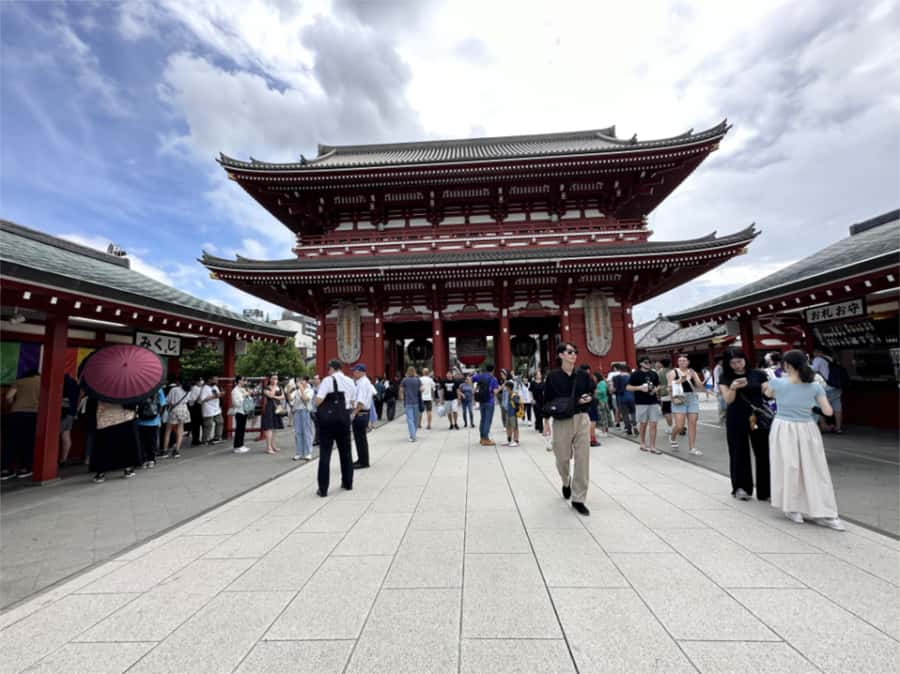
From there, you head toward Kaminarimon, the big entrance gate tied to Asakusa and Sensoji Temple. You’ll get time for photos, and you’ll also notice the details that make this gate iconic: the massive red lantern and the fierce statues of Fujin (god of wind) and Raijin (god of thunder). This is one of those places where a guide’s explanation makes your photos better, because you know what you’re photographing.
A quick drawback to expect here: Asakusa’s popular at peak hours. Plan for lines, tighter walking, and the fact that you’ll occasionally wait for space to snap pictures. The tradeoff is the payoff—this area is exactly why many people come to Tokyo in the first place.
Sensoji Temple grounds and Nakamise-dori shopping street
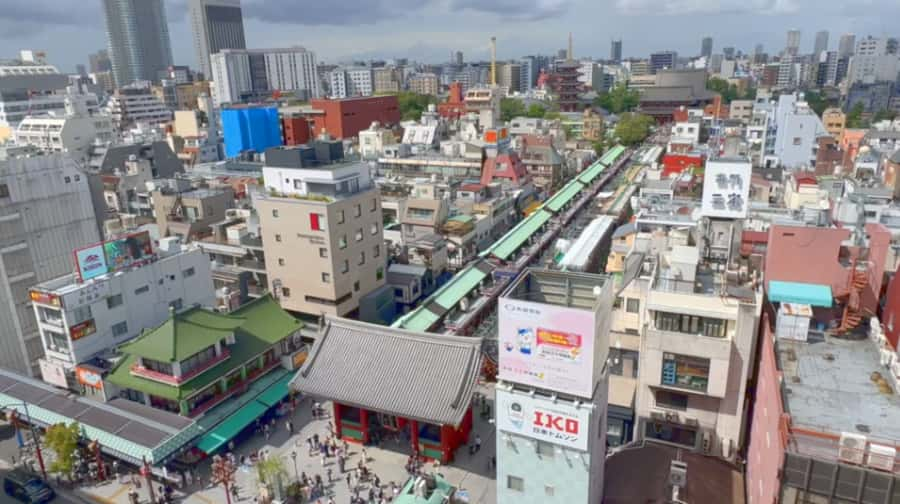
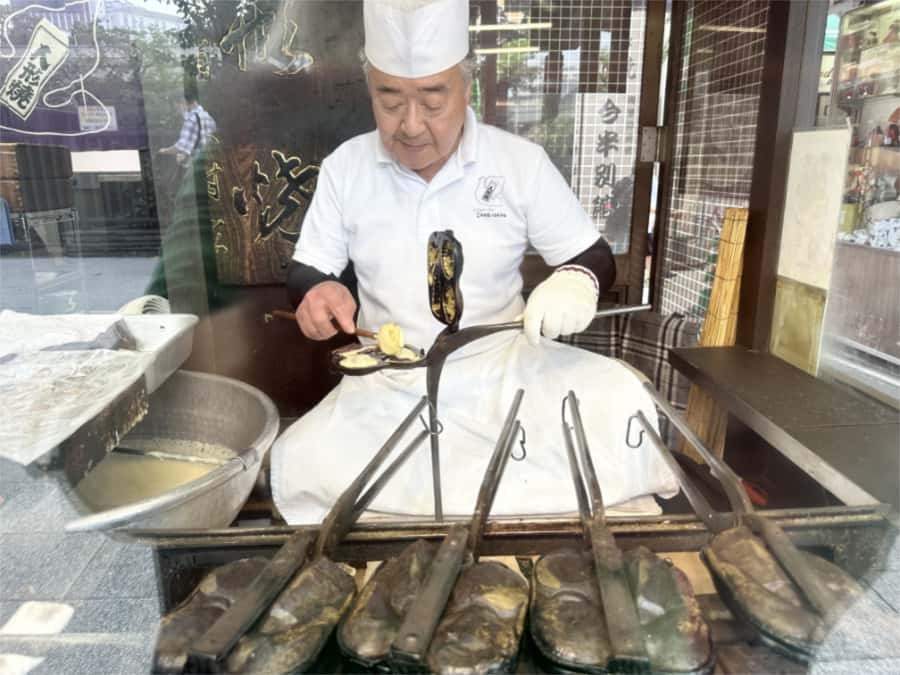
Next comes the heart of the morning: Sensoji Temple, described as Tokyo’s oldest temple. You’ll have time to explore the grounds and spend a moment in the space around the main hall (the Hondo). I like temple time on a guided schedule because you don’t just rush through. You can slow down enough to notice the rhythm of the place.
After the temple stop, you move into Nakamise-dori, the famous shopping street leading into Sensoji. This is where the day turns more sensory. You’ll have a break here, with time for shopping and lingering, plus photo opportunities.
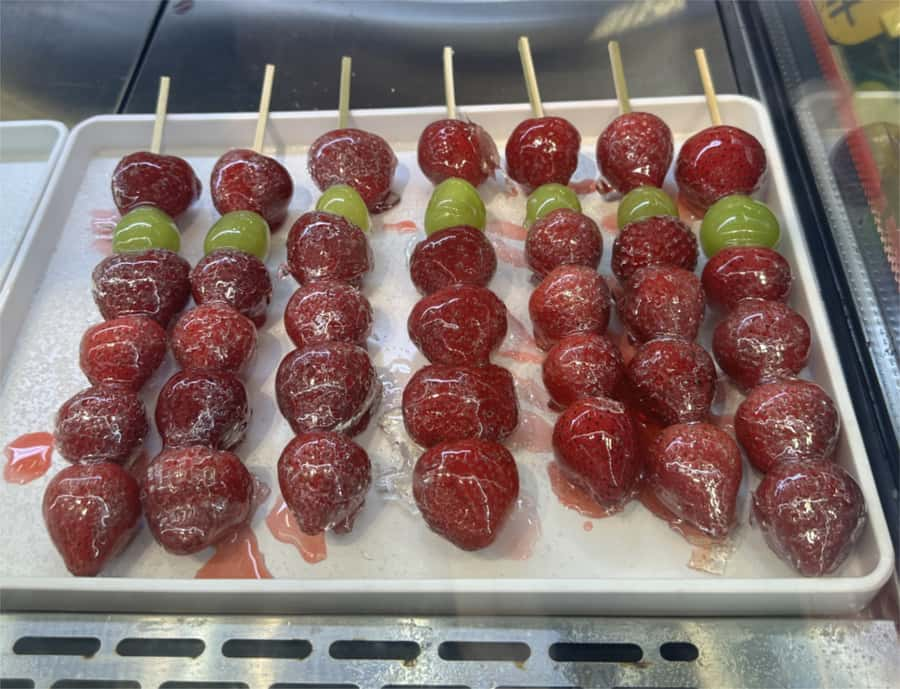
Practical tip: Nakamise-dori is best used as a browse-and-snack zone. If you treat it like a souvenir checklist, you’ll likely feel pressured. If you treat it like a street market—small items, sweets, crafts—you’ll enjoy it more. And if you have a sweet tooth, this is exactly the section of the day where you’ll feel tempted.
Ueno Park and Ameyoko: Tokyo’s everyday market energy
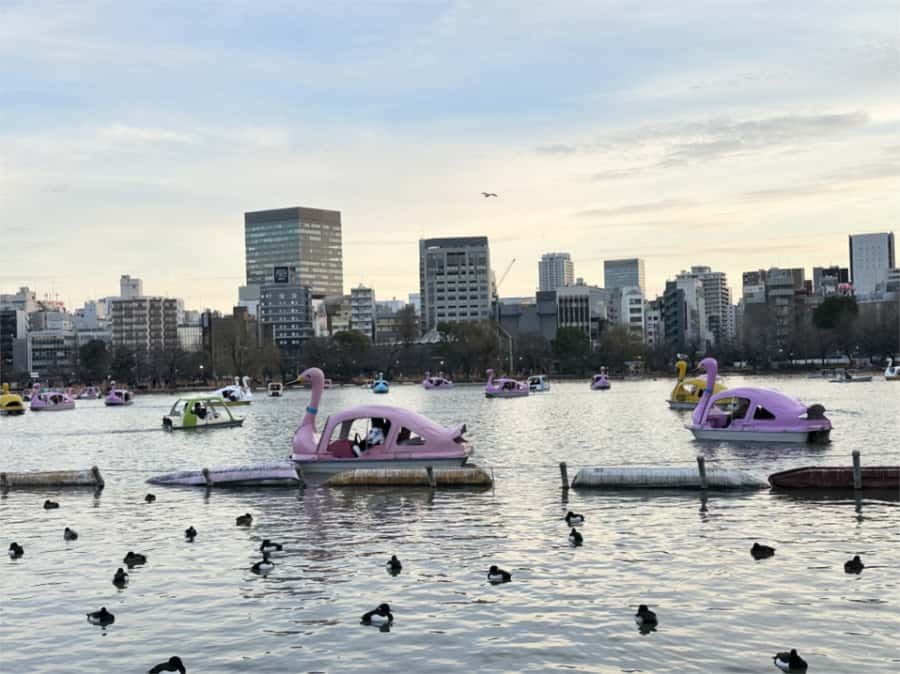
After Asakusa, you shift to Ueno Park, a big public green space that feels like a reset button after the temple crowds. The point of this stop isn’t only photos. It’s contrast. You step into a calmer mood while still staying in the Tokyo conversation.
Then comes Ameyoko, near Ueno Station, known for its market street vibe. This is where you can pick up quick snacks and watch the city move at street level. You’ll have time for photos, browsing, and an unhurried walk.
Here’s the consideration: market areas can get loud and packed, especially around food stands and busy counters. If you don’t like crowds, you’ll want to keep your pace flexible and accept that you may not linger long at the most popular stalls.
Also, even though the tour focuses on sightseeing, this is a great area for a practical meal solution. You can grab something quick rather than plan a sit-down restaurant around the schedule.
- Tokyo: Shinjuku Food Tour (13 Dishes at 4 Local Eateries)★ 5.0 · 6,603 reviews
- Tokyo Mt Fuji 5th St & Hakone Cruise Bus Tour w/Bullet Train★ 4.4 · 5,024 reviews
- Flagship 2-Hours Official Street Go-Kart Tour – Tokyo Bay Shop★ 5.0 · 4,974 reviews
- From Tokyo: Mount Fuji Full-Day Sightseeing Trip★ 4.5 · 4,970 reviews
- Tokyo: Hop-On Hop-Off Sightseeing Bus Ticket★ 3.9 · 4,207 reviews
Meiji Jingu: torii gate, forest path, and shrine etiquette
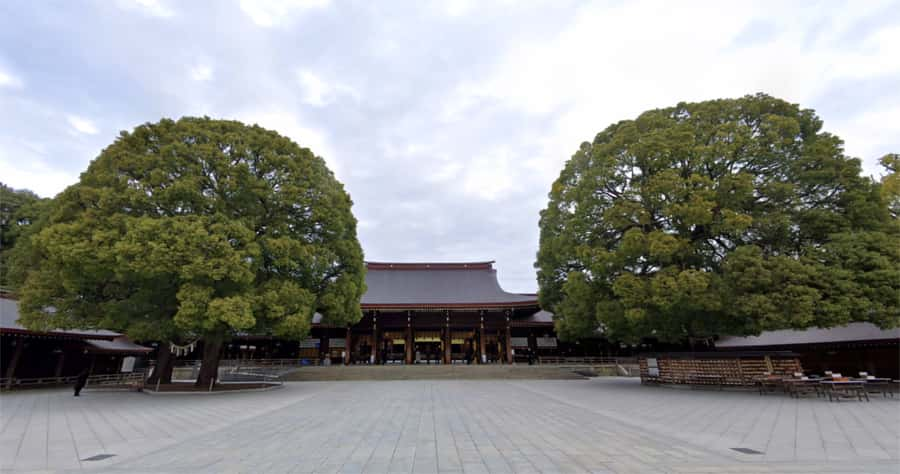
Next you take a train to Meiji Jingu, with time for photos and a longer visit, about an hour. This stop feels like a pause in the Tokyo rush. You’ll go through one of the shrine’s giant torii gates, then follow a gravel path through a lush wooded area.
Meiji Jingu is dedicated to the deified spirits of Emperor Meiji and Empress Shoken. A guide matters here because they’ll explain what you’re seeing and how shrine etiquette works. One review highlighted that the guide taught proper etiquette when visiting shrines and temples, and that’s exactly what you want on this kind of stop—you don’t need to guess the rules on the spot.
The main drawback to expect is less about difficulty and more about timing: you may still meet crowds near the entrance and at the most photographed points. But once you’re along the path, it often feels calmer, and that’s the point of this stop.
Harajuku and Takeshita-dori: where fashion is the language
After the quiet of Meiji Jingu, Tokyo changes again. You head into Harajuku, and the first big hit is Takeshita Street (Takeshita-dori). This is the funhouse mirror of Tokyo trends: quirky fashion, cute culture, colorful stores, and plenty of snack temptations.
You’ll have time for shopping and a break here. And yes, crepes are a classic impulse purchase. If you want that experience, this is the right time window for it—because you’re already in the middle of the street where the lines and smells are part of the show.
A balanced caution: Takeshita-dori can be crowded and a bit chaotic in the best way. If you want Instagram-perfect photos without shoulder-to-shoulder walking, you’ll need patience and smart angles. Moving with your guide helps because they’ll steer you through the busiest pockets and keep you on schedule.
Omotesando: the architect’s catwalk
After Takeshita, you move toward Omotesando, a tree-lined avenue known for sleek, modern architecture and upscale boutiques. This portion feels like Harajuku’s fashion energy translated into design-forward streetscape.
The tour gives you a photo stop and walking time here. And you’ll pass modern landmark-style buildings associated with international architects—an easy way to see Tokyo’s modern side without having to plan a separate architecture day.
Drawback: Omotesando can be pricier for shopping. But that’s okay because the goal isn’t to buy. It’s to walk and look. Even if you just take photos and people-watch, this stop adds a strong visual contrast to the morning’s temples and market streets.
Shibuya Scramble Square and the Hachiko statue finish
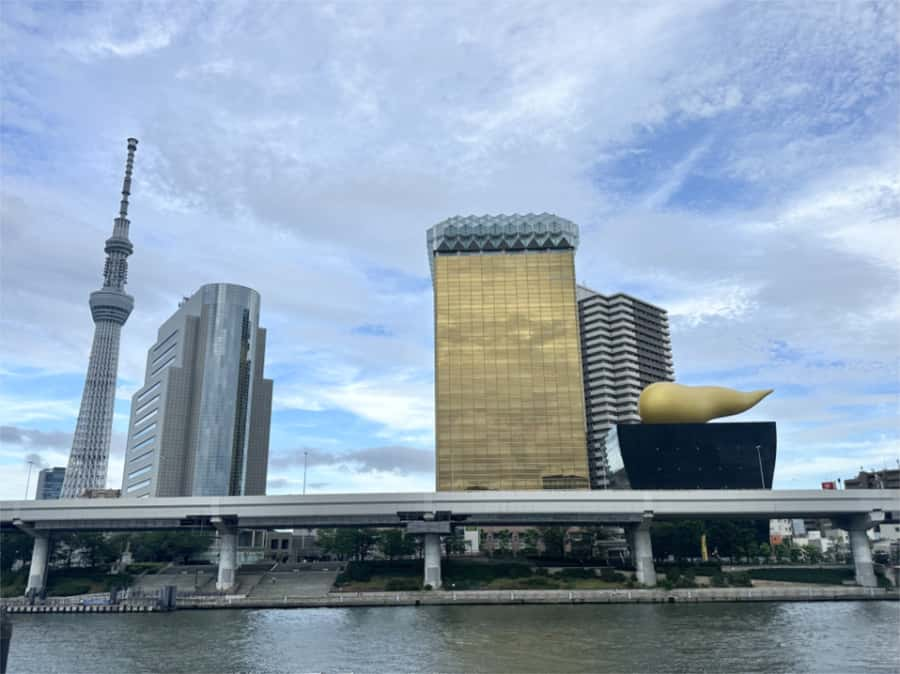
The day ends in one of Tokyo’s most iconic zones: Shibuya. You’ll experience the energy around Shibuya Scramble Square, with time for photos and a walk. Then you’ll also see the Hachiko statue, located right outside Shibuya Station.
The Hachiko story is part of why this stop works so well as a finale: the statue is tied to the loyal Akita dog Hachiko, who waited for his owner at Shibuya Station every day even after his owner passed away. The guide’s context helps you see it as more than a photo prop—this is local storytelling you can stand next to.
One practical consideration: Shibuya is busy by nature. If your goal is photos, you’ll want to follow your guide’s timing and avoid fighting the crowd. Wait for a clear moment and let the crosswalk movement do the work for you.
The guide makes the day: subway help, shortcuts, and cultural context
A standout theme in the feedback is how much the guide did beyond pointing at landmarks. The guide named Gönül was praised for teaching Tokyo’s subway system and even helping with things like loading and using Suica cards when guests weren’t sure. That’s huge for first-timers. It turns a day-trip into a learning day, so you can take confidence into the rest of your Tokyo stay.
Other reviews also praised flexibility when events pop up, plus knowledge of short routes to keep the day moving. In practice, that matters because Tokyo surprises you: a street closure, a crowd swell, or a change in what you want to spend extra time on. A guide who can reroute without losing the “highlights” gives you more control without breaking the structure.
And culturally, the guide explained etiquette for temples and shrines. You don’t just visit. You learn how to act respectfully in spaces where rules matter.
Who this tour fits best (and who should consider a different plan)
This tour is ideal if:
- It’s your first full day in Tokyo and you want an efficient orientation
- You want classic sights plus neighborhood walking, not just a photo checklist
- You prefer small-group pacing and a guide who can help with transit
- You’re comfortable walking and using trains for most of the day
It’s less ideal if:
- You want a slow, low-effort day with minimal crowds
- You hate surprises from group scheduling and prefer fully private flexibility
- You strongly prefer a bus-only or car-only format
In other words: if you want Tokyo to make sense fast, this format usually clicks.
Should you book the Best of Tokyo Highlights walking tour part 1?
I’d book it if your top priority is a first-time hit of Tokyo’s key contrasts—temples and market streets in the morning, modern shopping and architecture in the afternoon, and Shibuya’s big finale at the end. The value improves if you’re not yet comfortable with subway navigation, because the guide support (including practical transit and card help) can save you stress for the rest of your trip.
I would hesitate if you’re recovering from jet lag or you’re very sensitive to crowding. This is a “see a lot” day, and it expects you to keep moving.
If you want a Tokyo sampler that still feels grounded in real neighborhoods, this one-day route is a smart buy.
FAQ
Where do I meet the guide?
You meet your guide just outside Exit 4 of Asakusa Subway station, and you’ll get a full introduction before starting.
How long is the tour?
The tour is approximately 8 hours (it can vary by about 30 minutes).
Is it a walking tour or a bus tour?
It’s a walking tour that uses public transportation. It’s not a bus tour.
What’s the group size?
The group is small, limited to 10 participants.
What languages are available?
The live guide is available in English, French, and Turkish.
Is a subway pass included?
Yes. Each guest receives a 1-day subway pass, and it’s valid until the last subway, even after the tour.
Which major areas and sights are covered?
The day includes Asakusa (Kaminarimon, Sensoji Temple, Nakamise-dori), Ueno Park and Ameyoko, Meiji Jingu, Harajuku (including Takeshita Street), Omotesando, and Shibuya (Scramble Square and the Hachiko statue).
What’s included in the price?
Included: an English/Japanese local guide, access to all sites on the itinerary, public transportation during the tour, and downloadable souvenir pictures through a private drive.
What’s not included?
Shopping and souvenirs, food and drinks, and a gesture of appreciation for the guide.
What happens if I’m late to the meeting point?
As it’s a shared tour, the group must start on time. If you’re late, you cannot join the tour and you won’t be given a refund.
More Walking Tours in Tokyo
- Tokyo Tsukiji Fish Market Food and Culture Walking Tour
★ 5.0 · 3,184 reviews - Tokyo: Imperial Palace and Shogun Historical Walking Tour
★ 5.0 · 2,251 reviews - Tokyo: Shinjuku Local Bar and Izakaya Guided Walking Tour
★ 4.9 · 1,794 reviews - Tokyo: Tsukiji Fish Market Food and Walking tour
★ 5.0 · 1,724 reviews - Tokyo: Asakusa Walking Tour with Sensoji Temple Visit
★ 4.8 · 1,583 reviews
More Tours in Tokyo
- Mt Fuji and Hakone 1-Day Bus Tour Return by Bullet Train
★ 5.0 · 26,383 reviews - 1-Day Tokyo Bus Tour
★ 5.0 · 14,250 reviews - Tokyo: Shinjuku Food Tour (13 Dishes at 4 Local Eateries)
★ 5.0 · 6,603 reviews - Tokyo Mt Fuji 5th St & Hakone Cruise Bus Tour w/Bullet Train
★ 4.4 · 5,024 reviews - Flagship 2-Hours Official Street Go-Kart Tour – Tokyo Bay Shop
★ 5.0 · 4,974 reviews
More Tour Reviews in Tokyo
- Mt Fuji and Hakone 1-Day Bus Tour Return by Bullet Train
★ 5.0 · 26,383 reviews - 1-Day Tokyo Bus Tour
★ 5.0 · 14,250 reviews - Tokyo: teamLab Planets TOKYO Digital Art Museum Entry Ticket
★ 4.6 · 9,779 reviews - Mt Fuji & Hakone Cruise, Drum Show Bullet Train 1 Day from Tokyo
★ 4.0 · 7,413 reviews - Tokyo: Shinjuku Food Tour (13 Dishes at 4 Local Eateries)
★ 5.0 · 6,603 reviews
Latest Tokyo reviews off our desk






Walking Tours, compared.
 ★ 5.0Tokyo Tsukiji Fish Market Food and Culture Walking TourFrom $993,184 reviews
 ★ 5.0Imperial Palace and Shogun Historical Walking TourFrom $222,251 reviews
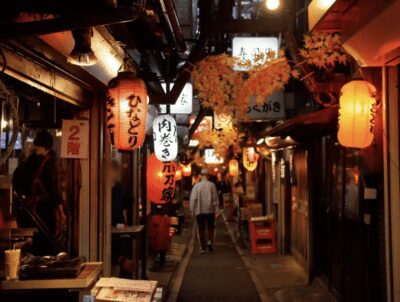 ★ 4.9Shinjuku Local Bar and Izakaya Guided Walking TourFrom $341,794 reviews
 ★ 5.0Tsukiji Fish Market Food and Walking tourFrom $301,724 reviews
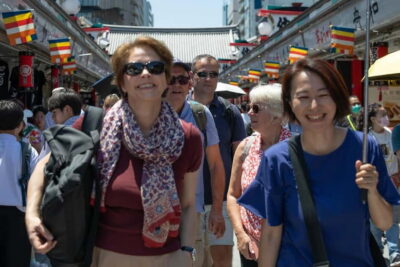 ★ 4.8Asakusa Walking Tour with Sensoji Temple VisitFrom $221,583 reviews
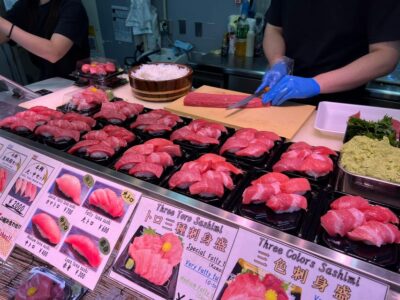 ★ 4.9Tsukiji Fish Market Guided Walking TourFrom $221,397 reviews
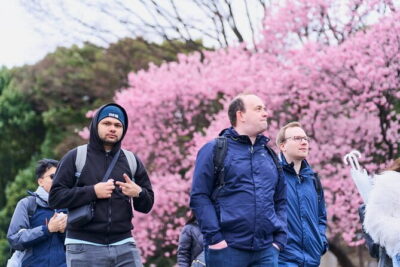 ★ 4.7Tokyo Castle & Imperial PalaceーShogun Walking TourFrom $231,068 reviews
 ★ 4.9Imperial Palace Japanese History Walking TourFrom $32987 reviews
Browse the lists this tour appears in