
Reviewed · COOKING CLASSES
Creative Japanese Cooking in a Beautiful Tokyo Home with Makiko
A Tokyo home kitchen can feel like a secret shortcut. I love that the experience starts with a local supermarket tour led by Makiko, so you see what real people buy day-to-day, not just what ends up in glossy recipe books. I also love the hands-on cooking lesson in her home, followed by sitting down together to eat your own dishes. One consideration: this is a home visit, and there’s a shy cat that usually hides upstairs when guests are in the home.
You’ll meet Makiko at Komazawa-Daigaku Station, then get a focused walk through a neighborhood of shops for ingredients that matter in Japanese cooking. Menu items can change with the season, which is part of the fun (and part of the reason you should message your dietary needs ahead of time).
Over about 3 hours, you get the full arc: shop, cook (about 1.5–2 hours), and enjoy a meal at the table. If you’re hoping for a commercial-style class with generic instructions and lots of templates, you may prefer choosing the Cooking Class Only option instead.
In This Review
- Key things to know before you go
- Why a Tokyo Home Kitchen Beats a Cookbook Class
- Meet Makiko at Komazawa-Daigaku: The First Lesson Is How Tokyo Shops
- Supermarket + Butcher Shop Stops: Buying Japanese Ingredients Like a Local
- The Hands-On Cooking Lesson (1.5–2 Hours): Process, Not Just Steps
- Dinner at the Table: You Eat What You Cook, Together
- Seasonal Menus and Dietary Needs: How to Get the Experience You Want
- Pick-Up From Sakurashinmachi: Simple Getting There, Then You’re Set
- Price and Value: What You’re Paying For at $89
- Who Should Book This, and Who Might Skip
- Book It or Not: My Decision Guide for You
- FAQ
- FAQ
- How long is the cooking experience?
- Where does the host meet you?
- What’s included in the price?
- Is hotel pickup and drop-off included?
- Does the menu stay the same?
- Can you handle dietary restrictions or allergies?
- Is this a private tour or shared group activity?
- What’s the cat situation in the home?
- Where does the tour end?
Key things to know before you go
- Met by Makiko at Komazawa-Daigaku so you start with a local guide, not a handout
- Supermarket + specialty stops (including meat, fruit/vegetables, and a butcher shop) for ingredient reality checks
- Hands-on cooking that takes about 1.5–2 hours depending on your group size
- Seasonal menu means you learn dishes matched to what’s actually available
- Eat together at the dining table, so the meal is part of the lesson, not an afterthought
- A shy cat lives upstairs, usually quiet and hidden during your visit
Why a Tokyo Home Kitchen Beats a Cookbook Class
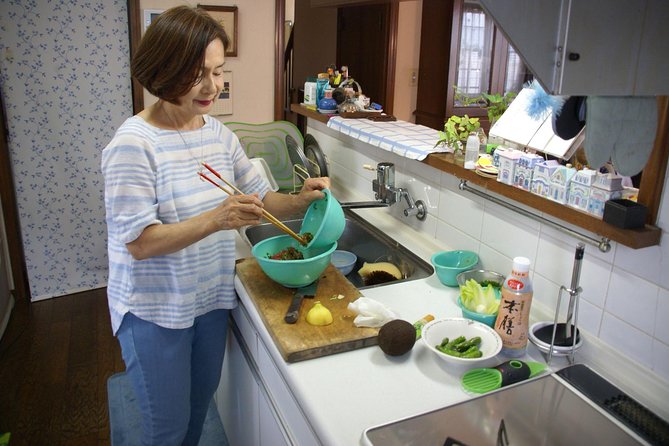
This isn’t a studio class. You’re stepping into a Tokyo home and cooking with Makiko, who shares Japanese food the way it’s actually learned there—by watching, asking questions, and understanding why ingredients are chosen the way they are. That’s a big difference from a typical cooking workshop where you mostly follow steps and move on.
The value here is in the details you can’t easily Google. Makiko explains cooking processes in detail and shares tips that aren’t taught in recipe books. Think of it like learning the logic behind the recipe: how you handle ingredients, how you time steps, and what to watch for as things cook.
Also, the home setting keeps it human-scale. You’re not competing with 20 other people for space or tools. The experience is private and personalized, meaning the pace can match your group. And yes, it’s a real neighborhood home near Komazawa Olympic Park—cozier than a classroom, and more about conversation than performance.
One small reality check: there is a cat in the house, shy and quiet, and it’s usually found hiding upstairs when guests are in the home. If you’re sensitive to that, you’ll want to be aware going in.
Readers also shortlisted these Tokyo bookings:
- Ramen & Gyoza Cooking Class in Tokyo with Local Supermarket Visit
★ 5.0 · 823 reviews - Tokyo: Easy Ramen Cooking Experience in Kabukicho, Shinjuku
★ 4.6 · 321 reviews - Ramen and Sushi Cooking Class with Sake Pairing Set in Tokyo
★ 5.0 · 291 reviews - Tokyo: Wagyu and 7 Japanese Dishes Cooking Class
★ 4.9 · 273 reviews
Meet Makiko at Komazawa-Daigaku: The First Lesson Is How Tokyo Shops
Makiko greets you at Komazawa-Daigaku Station on the start of your experience. That’s more than just convenience. It gets you quickly into a local rhythm—short walks, small shops, and familiar choices that Tokyo residents make without thinking too hard.
In the reviews, people specifically noted how Makiko guides you through grocery areas like meat counters and everyday convenience shopping, plus fruit and vegetables. This is one of the best parts for me, because Japanese cooking often comes down to ingredient quality and correct handling—not just having the right sauces.
If you like food markets, you’ll appreciate that this is not a generic “tour of stores.” It’s a targeted look at what to buy and where, with a local perspective. You’re basically learning how to think when you’re standing in front of shelves back home, deciding what’s worth seeking out.
Supermarket + Butcher Shop Stops: Buying Japanese Ingredients Like a Local
After meeting, you’ll join Makiko for a private tour of a local supermarket and nearby ingredient shops. The goal is simple: learn about Japanese ingredients that show up in daily cooking.
Here’s what makes these stops useful:
- Meat and butcher shop guidance. You’re shown where locals shop for meat and how to navigate those choices. Even if you don’t cook meat often, this teaches you what cuts, texture, and prep matter in Japanese-style cooking.
- Fruit and vegetable shopping with context. Instead of just picking produce, you’ll learn what types are commonly used and why they work in recipes.
- Convenience-store realism. Japanese convenience shopping isn’t just about snacks. It’s part of food culture, and Makiko’s tour shows how everyday ingredients fit into real meals.
- Sweet shop stop. One review mentioned a stop in a sweet shop as part of the route. Even without knowing exactly what you’ll see, this tells you the shopping route isn’t one-note; it’s designed to reflect how a neighborhood picks up variety.
The big takeaway is that you learn shopping as a skill, not just a sightseeing activity. After you’ve watched someone shop for ingredients, you’ll understand what to look for later when you’re back in Tokyo (or recreating dishes at home).
One more practical note: if you have allergies or dietary restrictions, this tour can still work, but you need to advise Makiko at booking. The experience notes that menu items may vary and that dietary needs should be shared up front.
The Hands-On Cooking Lesson (1.5–2 Hours): Process, Not Just Steps
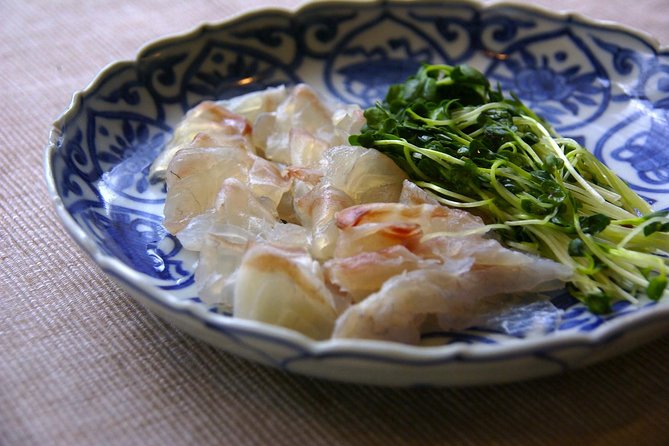
Then you move to Makiko’s home kitchen for the cooking portion. Plan on about 1.5–2 hours, depending on the number of people in your group. That timing matters: it’s long enough to actually cook and learn, not just watch a demonstration.
The menu is traditional-inspired homemade Japanese dishes, and it varies depending on the season. That seasonal variation is a plus. You’re practicing flavors that make sense right now, not forcing ingredients that feel out of place.
What you’ll do in the kitchen is hands-on. Makiko explains the cooking process in detail and shares practical tips. Based on the way people describe their evenings, the best learning moment isn’t one specific dish—it’s the way Makiko teaches technique and decision-making while you cook.
If you like to ask questions, this is a friendly setting for it. The experience is built around meeting Makiko as a cook and conversation partner. People specifically highlighted that she’s great at sharing interesting stories along with instruction, which makes it less like a class and more like learning Japanese home cooking.
And because the experience is private, you don’t have to worry about your question getting lost in the crowd.
Dinner at the Table: You Eat What You Cook, Together
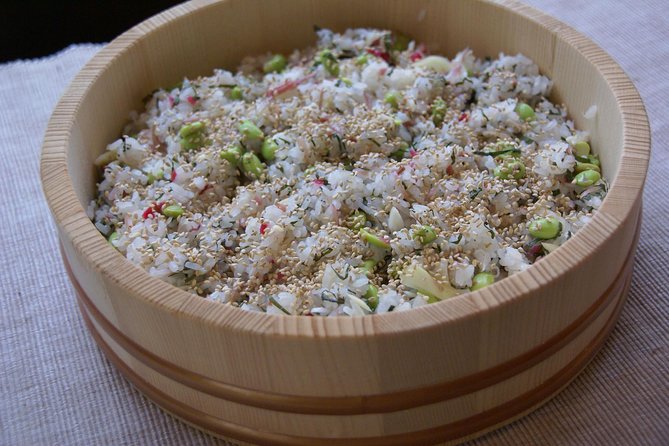
Once the dishes are ready, you sit down at Makiko’s dining table and eat the meal you helped prepare. This part matters more than it sounds. Cooking lessons often end with a quick bite and everyone scatters. Here, you get a real meal and time to talk about Japanese cuisine and ingredients.
That shared eating time turns what you cooked into something memorable. You taste the results, then you can connect flavors back to the shopping choices you made earlier. In practice, it helps you remember not just what you made, but what made it work.
The reviews repeatedly mention the long conversation element—people leaving feeling they had a full evening with Makiko, not just a checklist of activities. If you’re the type who enjoys learning through conversation, this meal-at-the-table format is a big reason to book.
- Tokyo: Shinjuku Food Tour (13 Dishes at 4 Local Eateries)★ 5.0 · 6,603 reviews
- Tokyo Mt Fuji 5th St & Hakone Cruise Bus Tour w/Bullet Train★ 4.4 · 5,024 reviews
- Flagship 2-Hours Official Street Go-Kart Tour – Tokyo Bay Shop★ 5.0 · 4,974 reviews
- From Tokyo: Mount Fuji Full-Day Sightseeing Trip★ 4.5 · 4,970 reviews
- Tokyo: Hop-On Hop-Off Sightseeing Bus Ticket★ 3.9 · 4,207 reviews
Seasonal Menus and Dietary Needs: How to Get the Experience You Want
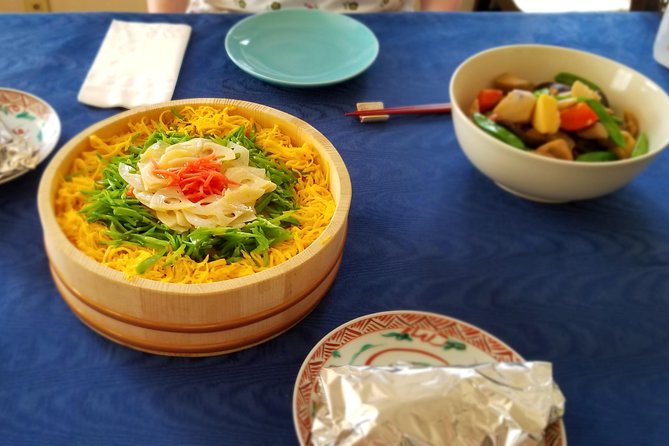
Because the menu can change with the season, you won’t get a one-size-fits-all list. That’s actually a good thing if you want to learn real cooking habits. Japanese home meals respond to what’s fresh and available.
The key is planning for your needs. The experience asks you to advise dietary restrictions or preferences at booking and to include details in the special requirements section. If you have allergies, don’t wait. Make sure Makiko knows what to avoid, so you’re not stuck with a limited option once you arrive.
Also, because this is not presented as a commercial, standardized class, it’s more likely Makiko will tailor what she teaches to the group—another reason to communicate clearly.
Pick-Up From Sakurashinmachi: Simple Getting There, Then You’re Set
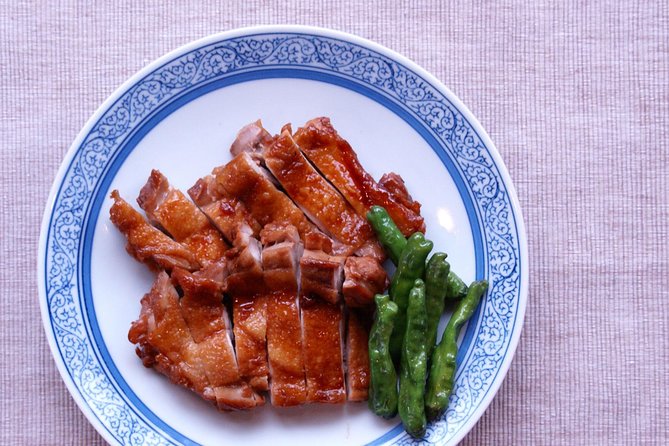
Logistics are refreshingly straightforward. Included is pickup from Sakurashinmachi Station on the Tokyu Denentoshi Line. Hotel pickup and drop-off are not included, so you’ll want to plan your own route to the meeting point.
The tour starts at 2-chōme-8 Sakurashinmachi, Setagaya City, Tokyo 154-0015 and ends back at the meeting point. It’s about a 3-hour experience total, with the cooking portion taking up most of that time.
Also, you receive a mobile ticket, which is practical if you prefer using your phone to check in.
If you’re traveling with tight schedules or limited mobility, this home visit setup is best considered with your walking comfort in mind, since you’ll be doing a shopping walk before you cook.
Price and Value: What You’re Paying For at $89
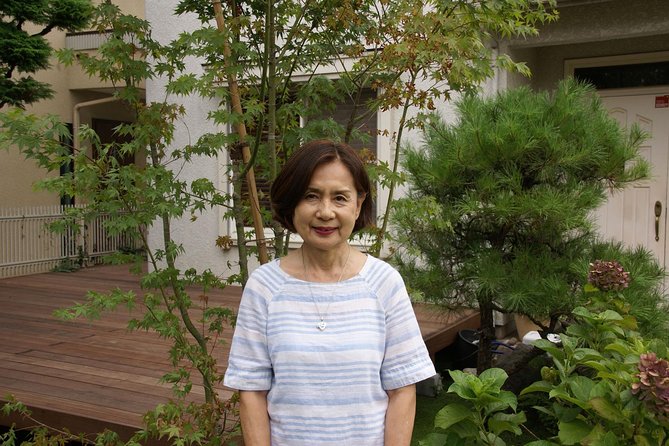
At $89 per person for about 3 hours, the price only makes sense if you factor in what’s included. You’re not just buying a cooking class. You’re getting:
- A private supermarket and ingredient shop tour with Makiko
- The hands-on Japanese cooking lesson
- The meal you help prepare
- Pickup from Sakurashinmachi Station
When you look at it that way, it’s closer to paying for a guided food night plus a cooking lesson, rather than a kitchen-only workshop. And since it’s private and personalized, you’re paying for that attention and the home setting—not just access to a shared kitchen.
If you’re someone who learns best by doing (and by seeing ingredients up close), $89 can be a solid value. If you only want a quick tasting with a recipe handout, it may feel pricier than a group class—but that’s not really what this experience is trying to be.
Who Should Book This, and Who Might Skip
I’d strongly consider this if you want:
- A real look at how Tokyo residents shop for Japanese cooking staples
- Hands-on practice learning how dishes come together
- A home setting where you can ask questions and talk food
- A seasonal menu rather than a generic list
It can also work well for groups, since Makiko is described as accommodating of larger groups while still keeping things personal. That said, because the experience includes shopping and a kitchen in a private home, it’s less ideal if you want a very formal, commercial-class feel.
If you’re mainly interested in cooking and don’t care about the shopping route, there is a Cooking Class Only option. That can be a better match if your schedule is tight or if you already know which ingredients you want to learn.
Book It or Not: My Decision Guide for You
Book this if you want an evening with structure and soul: shop with a Tokyo native, cook together, then eat at the table. The strongest part is the combination of ingredient education and Makiko’s process-focused teaching.
Skip it if you need a standardized, checklist-style cooking class, or if you’re uncomfortable with the idea of a shy cat in the home.
If you’re flexible and curious, this experience is the kind of thing you’ll remember long after you’ve returned from the market.
FAQ
FAQ
How long is the cooking experience?
The total experience runs about 3 hours. The cooking portion is typically 1.5–2 hours depending on your group size.
Where does the host meet you?
Makiko greets you at Komazawa-Daigaku Station.
What’s included in the price?
It includes a private supermarket tour, a Japanese cooking class and meal, and pickup from Sakurashinmachi Station on the Tokyu Denentoshi Line.
Is hotel pickup and drop-off included?
No. Hotel pickup and drop-off are not included.
Does the menu stay the same?
No. The menu may vary depending on the season.
Can you handle dietary restrictions or allergies?
You should advise any allergies, dietary restrictions, or cooking preferences at the time of booking in the special requirements section.
Is this a private tour or shared group activity?
This is a private, personalized experience. Only your group participates.
What’s the cat situation in the home?
There is a cat in the house that is shy and quiet. It is usually found hiding upstairs when guests are in the home.
Where does the tour end?
The activity ends back at the meeting point.
More Cooking Classes in Tokyo
- Ramen & Gyoza Cooking Class in Tokyo with Local Supermarket Visit
★ 5.0 · 823 reviews - Tokyo: Easy Ramen Cooking Experience in Kabukicho, Shinjuku
★ 4.6 · 321 reviews - Ramen and Sushi Cooking Class with Sake Pairing Set in Tokyo
★ 5.0 · 291 reviews - Tokyo: Wagyu and 7 Japanese Dishes Cooking Class
★ 4.9 · 273 reviews - Tokyo Washoku 4-hour Cooking Class: From Market to Table
★ 5.0 · 253 reviews
More Tour Reviews in Tokyo
- Mt Fuji and Hakone 1-Day Bus Tour Return by Bullet Train
★ 5.0 · 26,383 reviews - 1-Day Tokyo Bus Tour
★ 5.0 · 14,250 reviews - Tokyo: teamLab Planets TOKYO Digital Art Museum Entry Ticket
★ 4.6 · 9,779 reviews - Mt Fuji & Hakone Cruise, Drum Show Bullet Train 1 Day from Tokyo
★ 4.0 · 7,413 reviews - Tokyo: Shinjuku Food Tour (13 Dishes at 4 Local Eateries)
★ 5.0 · 6,603 reviews
Latest Tokyo reviews off our desk




Cooking Classes, compared.
 ★ 5.0Ramen & Gyoza Cooking Class in Tokyo with Local Supermarket VisitFrom $122823 reviews
 ★ 4.6Easy Ramen Cooking Experience in Kabukicho, ShinjukuFrom $29321 reviews
 ★ 5.0Ramen and Sushi Cooking Class with Sake Pairing Set in TokyoFrom $79291 reviews
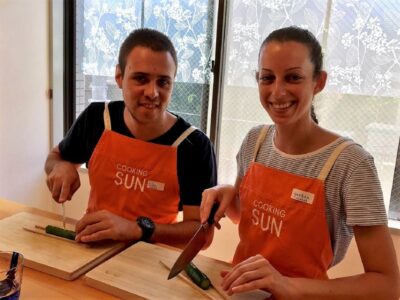 ★ 4.9Wagyu and 7 Japanese Dishes Cooking ClassFrom $67273 reviews
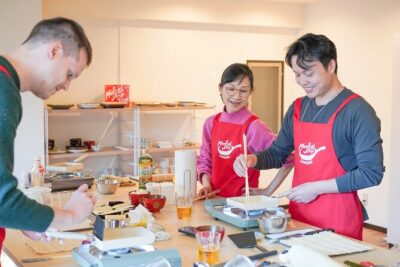 ★ 5.0Tokyo Washoku 4-hour Cooking Class: From Market to TableFrom $79253 reviews
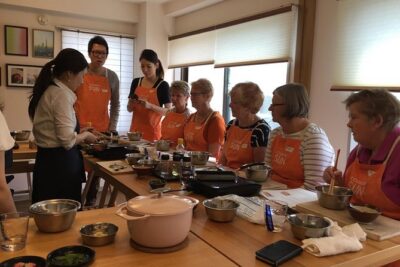 ★ 5.0Small-Group Wagyu Beef and 7 Japanese Dishes Tokyo Cooking ClassFrom $72190 reviews
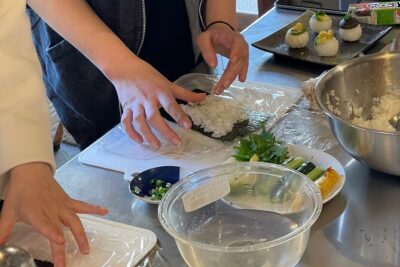 ★ 5.0Private Home Cooking in Yanaka – Local Flavors in a Warm SettingFrom $122173 reviews
 ★ 5.0Tokyo Sushi Making Experience & Japanese Cooking ClassFrom $59150 reviews
Browse the lists this tour appears in