
Reviewed · WALKING TOURS
Discover your Tokyo -Private Tokyo Customized Walking Tour-
Tokyo clicks faster with a local guide. This private walking tour strings together iconic neighborhoods like Meiji Jingu and Shibuya Crossing, plus Tokyo Tower, all with an English-speaking guide who can answer questions as you go.
I especially like two things: first, the logistics are handled for you with hotel pickup and drop-off and transportation during the tour, which saves time in a city that loves complicated routes. Second, you get a real culture stop in Meiji Jingu, including the shrine’s forest setting and its 170-acre atmosphere with 365 different tree species donated when it was established. Guides can bring it to life too—Seiko, for example, is praised for mixing traditional and modern perspectives.
One consideration: food and drinks are not included, so you’ll need to plan your own lunch breaks during the day.
In This Review
- Key things I’d bet on
- A private, 8-hour route that hits Tokyo’s main lanes
- Tsukiji Fish Market: a confident start in the Tsukiji area
- Asakusa and Senso-ji: old Tokyo that still works today
- Meiji Jingu: the forest shrine stop with real scale
- Harajuku Station: fashion energy plus adult-friendly history
- Omotesando: fashion brands and a street that changes as you walk
- Shibuya Crossing: the 30-minute reality check
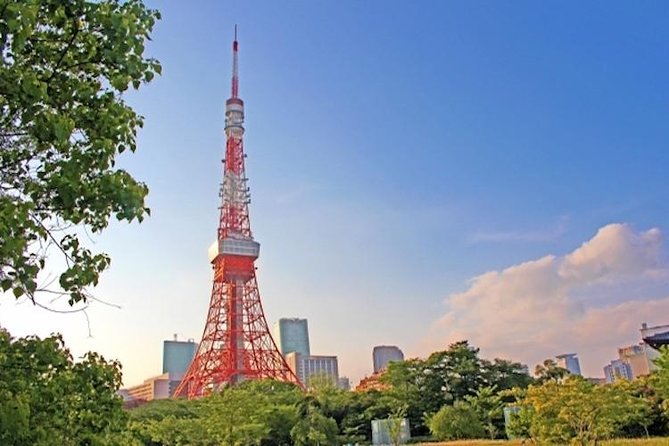
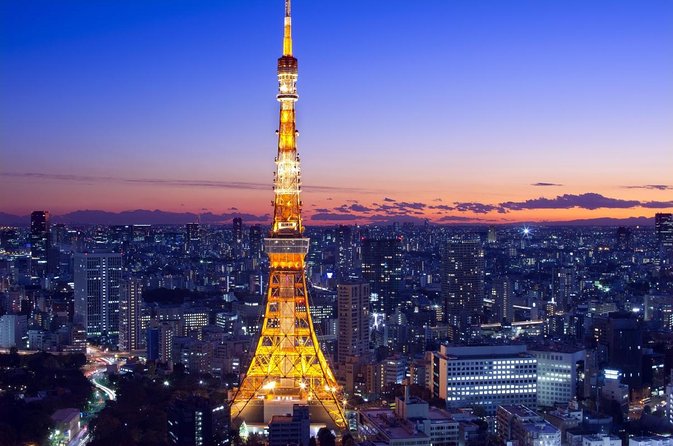
- Tokyo Tower: the modern icon in the highlight mix
- Guides are the difference: Seiko, Sho, Machiko, Shota, Syun
- Price and value: what $402.34 per person buys you
- What you’ll pay for yourself: lunch, drinks, and anything extra
- Who should book this walking tour
- Should you book it?
- FAQ
- How long is the Discover your Tokyo private walking tour?
- Is this tour private or shared?
- Does the tour offer hotel pickup and drop-off?
- What stops are included in the tour?
- Is there an English-speaking guide?
- Are meals or drinks included?
- Are admission tickets included?
- Will I receive a mobile ticket?
- Is the tour affected by weather?
- What is the cancellation refund policy?
Key things I’d bet on
- Private, customized format: Only your group joins you, so the pace can match your questions and interests.
- Big-site coverage in one day: Tsukiji, Asakusa (Senso-ji), Meiji Jingu, Harajuku, Omotesando, and Shibuya Crossing.
- Hotel pickup and drop-off: Starts and ends closer to your base, not across town.
- Forest-and-fashion balance: A calm shrine day paired with Harajuku and Omotesando shopping streets.
- English-speaking guide support: Clear explanations, plus practical help when needed (like ordering food).
- Mobile ticket included: Makes day-of access simpler.
A private, 8-hour route that hits Tokyo’s main lanes
Tokyo can feel like a lot. This tour is designed to make it manageable: one day, multiple neighborhoods, and a guide who keeps the story straight while you move.
Because it’s private, you’re not waiting for other people’s photos to finish or trying to read a museum label while someone else debates lunch. The tour is also described as customized, so you get an angle that fits your group. That flexibility matters most on a day like this, where the sites range from traditional temples to fashion streets.
The duration is about 8 hours, which is the right time window for a highlight loop. The scheduled site blocks are shorter than eight hours, so expect extra time for walking between areas, meeting transitions, and Q&A. In practical terms: you’ll see a lot, but it won’t feel like a single sprint from stop to stop—if your guide keeps things moving at a human pace.
Readers also shortlisted these Tokyo bookings:
- Tokyo Tsukiji Fish Market Food and Culture Walking Tour
★ 5.0 · 3,184 reviews - Tokyo: Imperial Palace and Shogun Historical Walking Tour
★ 5.0 · 2,251 reviews - Tokyo: Shinjuku Local Bar and Izakaya Guided Walking Tour
★ 4.9 · 1,794 reviews - Tokyo: Tsukiji Fish Market Food and Walking tour
★ 5.0 · 1,724 reviews
Tsukiji Fish Market: a confident start in the Tsukiji area
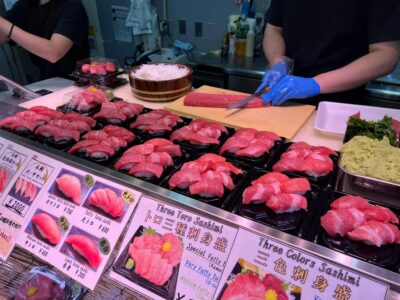
Your day begins in the Tsukiji area at the Tsukiji Fish Market for about 1 hour. Admission is listed as free for this stop, which is a good early sign: you’re not paying your way into the day before you even get started.
What you should expect here is atmosphere. Think movement, food culture, and people watching as the market area does its thing. Even if you’re not buying anything, that first hour helps you get oriented—Tokyo’s energy is very particular, and this is one of the easier places to feel it without needing a map of every sidestreet.
Practical tip: wear shoes you can stand in. Market areas and Tokyo sidewalks don’t play games, and you’ll appreciate comfort from minute one.
Asakusa and Senso-ji: old Tokyo that still works today
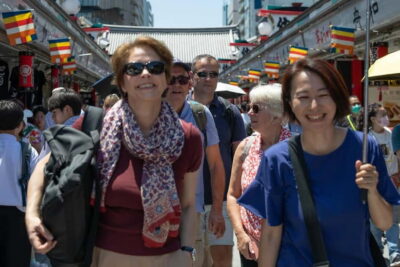
Next up is Asakusa (Senso-ji) for about 1 hour, also marked as free for admission. This is the kind of stop that gives Tokyo its grounding. While your morning may have felt fast, Asakusa tends to slow you down just enough to notice the details—how the area is arranged, how people move through a landmark, and why this spot remains a favorite.
If you love travel that connects you to daily life (not just photos), Asakusa is a strong use of time. Your guide can point out what matters and help you understand the role of a major shrine like Senso-ji in the city’s cultural rhythm.
A small planning note: since food and drinks are not included, you’ll likely want to decide early how you’ll handle lunch. If you wait until late in the day, you’ll spend your best energy searching for something that actually fits your budget and preferences.
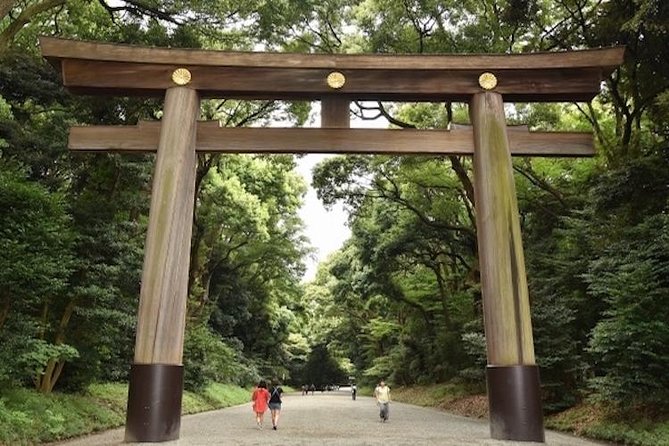
Meiji Jingu: the forest shrine stop with real scale
Meiji Jingu is one of the tour’s major quality jumps. You’re there for about 1 hour, and admission is free.
Here’s what makes this stop special beyond the name: Meiji Jingu is described as being in a 170-acre forest with 365 different species of trees. It also ties those trees to the shrine’s founding story—donated from across Japan. That detail isn’t trivia fluff. It explains why the space feels different from a typical urban shrine visit. You’re not just looking at a building; you’re walking through a designed natural setting.
If you want a break from constant city noise, this is the pause you’re looking for. Even in a packed itinerary, this kind of space gives your brain a reset.
Practical tip: go in expecting quiet, not a theme-park vibe. You’ll get more out of it if you slow your pace slightly and give your guide room to explain.
Harajuku Station: fashion energy plus adult-friendly history
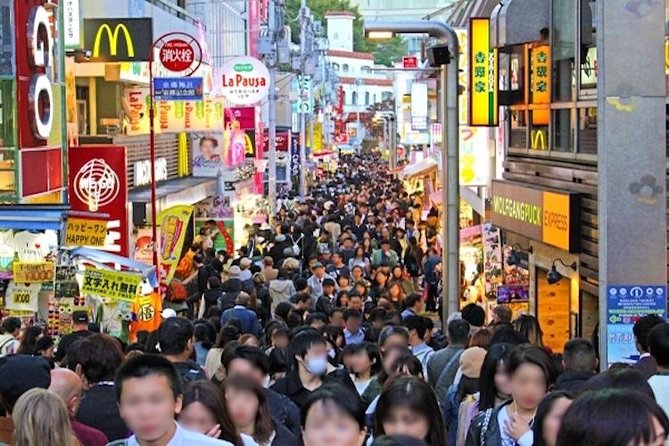
After Meiji Jingu, you shift gears to Harajuku Station for about 1 hour. This stop is also listed with free admission.
The pitch here is clear: you’ve probably seen Harajuku’s teen fashion and headline-grabbing style. But the tour description also calls out something many people miss—Harajuku has shopping for adults and includes some historic sites too.
That balance is why this stop works in a highlight day. It’s not just a fashion parade; it’s a neighborhood with layers. If your guide is good at connecting what you see to why it exists, Harajuku becomes more than window shopping.
In some guide experiences, you can even get practical help with ordering food in the area—one guide instance included helping with Ghibli cream puffs in Harajuku. That kind of support is useful if you’d rather spend your time enjoying the moment than decoding menus.
Readers also shortlisted these Tokyo bookings:
- Tokyo 6hr Private Tour with Government-Licensed Guide★ 5.0 · 3,902 reviews
- Private Tour to Mt. Fuji and Hakone (Fully Licenced Operator)★ 5.0 · 1,910 reviews
- Tokyo Customized Private Tour (Must See Places in 1 Day)★ 5.0 · 1,499 reviews
- Mount Fuji Full-Day Private Tour from Tokyo (Customizable)★ 4.9 · 1,470 reviews
- Tokyo: Private City Highlights Tour with Local Guide★ 4.8 · 1,433 reviews
Omotesando: fashion brands and a street that changes as you walk
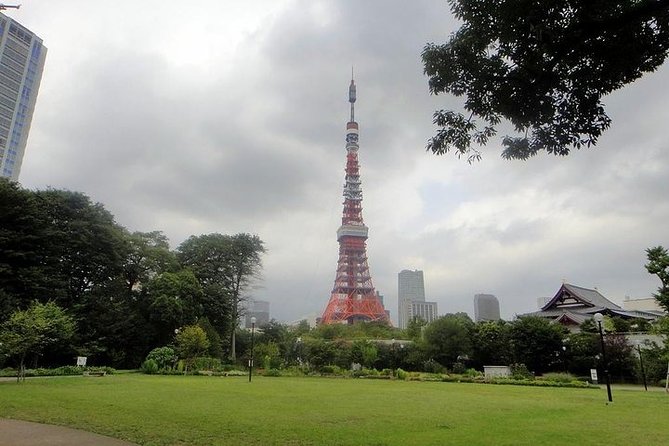
Right near Harajuku is Omotesando, again around 1 hour and admission listed as free. If Harajuku is the culture shock, Omotesando is the sleek follow-up: fashion-focused, and lined with major brands.
This part of Tokyo is great for understanding contrast. Same broad area, different vibe. Harajuku leans more playful and youth-driven. Omotesando feels more polished and design-forward. Your guide can help you read those differences as you move rather than treating them like separate places with unrelated stories.
If you’re not shopping, it still pays off. Omotesando is a good stretch to slow down and just watch how people move through the street—how locals and visitors compare, and how the neighborhood holds different kinds of Tokyo identity at once.
Shibuya Crossing: the 30-minute reality check
Then you land at Shibuya Crossing for about 30 minutes, with admission listed as free.
Shibuya Crossing is one of those places you think you understand until you’re actually standing near it. Your guide’s value here is timing and guidance—knowing when to cross, where the best viewpoint angles usually are, and how to navigate the crowd without feeling like you’re part of a chaotic video game.
Thirty minutes sounds short. It is. But for Shibuya, that’s often the right amount of time. You get the experience, you get photos, and you don’t end up stuck in the worst moment longer than you need.
Tokyo Tower: the modern icon in the highlight mix
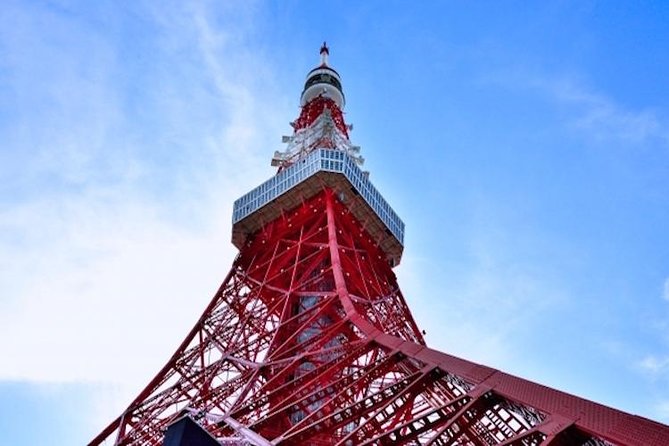
The tour’s highlight list includes Tokyo Tower, even though the stop-by-stop breakdown focuses on specific blocks like Tsukiji, Meiji Jingu, and Shibuya. In a day like this, Tokyo Tower typically works as a modern landmark that helps frame the rest of your route—an easy visual marker that says: this is the Tokyo everyone posts, but it’s also the Tokyo with layers behind it.
Even if you only get a brief window, Tokyo Tower is a strong bookend. It gives the day a distinct ending image that feels different from the forest shrine and the fashion streets.
Guides are the difference: Seiko, Sho, Machiko, Shota, Syun
A private tour rises or falls on the guide. This one is clearly guide-driven, and names from past experiences pop up often—so it’s worth sharing what good looks like here.
Seiko is praised for mixing traditional and modern viewpoints, which is exactly the right skill in Tokyo. Sho is described as making the day flow quickly and helping with practical tasks, like assisting with Shinkansen tickets and even helping place an order for snacks in Harajuku. Machiko is noted for being punctual, extremely pleasant, and knowledgeable, with a day that feels both memorable and relaxed. Shota is called out for finding charm and helpful explanations, including attention to hidden spots along the way. Syun is highlighted for strong English and for weaving in personal conversation, not just lecture-style explanations.
You may not get the same guide as someone else. But the consistent theme is practical storytelling plus real-world help—what train to take, how to handle small logistics, and how to connect a landmark to what it means.
That’s why “customized” matters. If you have preferences—more shopping time, more temple time, more photo breaks—an effective guide turns the itinerary into a day that fits your pace.
Price and value: what $402.34 per person buys you
At $402.34 per person for about 8 hours, this isn’t a bargain-basement option. If you’re the DIY type, you can absolutely plan a highlights day with trains and walking.
But this price can make sense when you add up what’s included:
- English-speaking guide
- Transportation fee during the tour
- Hotel pick-up and drop-off
- Private format for just your group
In other words, you’re paying for fewer headaches. Tokyo is incredible, but navigating it efficiently takes time and attention. When pickup and drop-off are included, you stop losing precious daylight to figuring out how to meet transit lines and transfer routes.
Group discounts can also help if you’re traveling with friends or family. The more people sharing the cost, the more this feels like a smart splurge instead of an expensive “experience just because.”
If you’re traveling solo and you’re budget-conscious, I’d still consider it only if you value guided context and want to avoid logistics work. If you’re traveling with kids, with older relatives, or with someone who prefers structure, it can feel like better value than it looks at first glance.
What you’ll pay for yourself: lunch, drinks, and anything extra
The tour clearly states that food (lunch, dinner) and drinks are not included. Admission fees are also listed as not included, even though the specific stops are marked as free admission in the schedule.
So here’s how I’d handle it in real life: treat the tour as covering the guide time and the site access you’re scheduled for, and keep your own budget for meals and any optional purchases. Your guide can help you with what’s nearby and what might fit your preferences, but you’ll still be responsible for what you choose to eat and drink.
Because the day is packed, you’ll want to decide your lunch strategy early. Some people prefer something quick between stops. Others like sitting down more. Either way, plan for it, or you’ll feel the day getting away from you.
Who should book this walking tour
This tour fits best if you want:
- A first-time Tokyo day with major landmarks
- A private pace where your group can ask questions and adjust
- Hotel pickup to reduce the stress of transit planning
- A balanced mix of tradition (Meiji Jingu, Senso-ji) and modern Tokyo (Harajuku, Omotesando, Shibuya)
It’s also a good match for couples who want an experience with a guide instead of a selfie hunt, and for groups who want fewer decisions and more “just show me the highlights.”
If you’re the type who loves wandering without a schedule, you might prefer self-guided time. But if your goal is efficient, guided coverage without feeling rushed, this makes a lot of sense.
Should you book it?
Yes—if you’re aiming for one strong Tokyo day that combines classic landmarks with fashion-and-culture neighborhoods, and you want the convenience of hotel pickup plus transport handled.
Book it especially if you value a guide who can do both: explain the meaning behind places like Meiji Jingu and also help you navigate the practical parts of Tokyo. The pricing can feel steep, but the included pickup, transportation, and private guide time can make it feel reasonable.
If you hate walking or you’re picky about meals and want full control of lunch choices, go in with a plan since food and drinks aren’t included. And keep the weather in mind: the experience requires good weather, so have flexibility in your dates.
FAQ
How long is the Discover your Tokyo private walking tour?
The tour runs for about 8 hours.
Is this tour private or shared?
It is a private tour/activity. Only your group will participate.
Does the tour offer hotel pickup and drop-off?
Yes. Hotel pick-up and drop-off are included, and pickup is offered.
What stops are included in the tour?
The tour includes Tsukiji Fish Market, Asakusa (Senso-ji), Meiji Jingu Shrine, Harajuku Station, Omotesando, and Shibuya Crossing. Tokyo Tower is listed among the tour highlights.
Is there an English-speaking guide?
Yes. An English-speaking guide is included.
Are meals or drinks included?
No. Foods (lunch, dinner) and drinks are not included.
Are admission tickets included?
Admission fee is listed as not included, but the specific scheduled stops are marked as free admission on the itinerary.
Will I receive a mobile ticket?
Yes. A mobile ticket is included.
Is the tour affected by weather?
Yes. The experience requires good weather. If canceled due to poor weather, you’ll be offered a different date or a full refund.
What is the cancellation refund policy?
The experience is non-refundable and cannot be changed for any reason.
More Walking Tours in Tokyo
- Tokyo Tsukiji Fish Market Food and Culture Walking Tour
★ 5.0 · 3,184 reviews - Tokyo: Imperial Palace and Shogun Historical Walking Tour
★ 5.0 · 2,251 reviews - Tokyo: Shinjuku Local Bar and Izakaya Guided Walking Tour
★ 4.9 · 1,794 reviews - Tokyo: Tsukiji Fish Market Food and Walking tour
★ 5.0 · 1,724 reviews - Tokyo: Asakusa Walking Tour with Sensoji Temple Visit
★ 4.8 · 1,583 reviews
More Tours in Tokyo
- Mt Fuji and Hakone 1-Day Bus Tour Return by Bullet Train
★ 5.0 · 26,383 reviews - 1-Day Tokyo Bus Tour
★ 5.0 · 14,250 reviews - Tokyo: Shinjuku Food Tour (13 Dishes at 4 Local Eateries)
★ 5.0 · 6,603 reviews - Tokyo Mt Fuji 5th St & Hakone Cruise Bus Tour w/Bullet Train
★ 4.4 · 5,024 reviews - Flagship 2-Hours Official Street Go-Kart Tour – Tokyo Bay Shop
★ 5.0 · 4,974 reviews
More Tour Reviews in Tokyo
- Mt Fuji and Hakone 1-Day Bus Tour Return by Bullet Train
★ 5.0 · 26,383 reviews - 1-Day Tokyo Bus Tour
★ 5.0 · 14,250 reviews - Tokyo: teamLab Planets TOKYO Digital Art Museum Entry Ticket
★ 4.6 · 9,779 reviews - Mt Fuji & Hakone Cruise, Drum Show Bullet Train 1 Day from Tokyo
★ 4.0 · 7,413 reviews - Tokyo: Shinjuku Food Tour (13 Dishes at 4 Local Eateries)
★ 5.0 · 6,603 reviews
Latest Tokyo reviews off our desk






Walking Tours, compared.
 ★ 5.0Tokyo Tsukiji Fish Market Food and Culture Walking TourFrom $993,184 reviews
 ★ 5.0Imperial Palace and Shogun Historical Walking TourFrom $222,251 reviews
 ★ 4.9Shinjuku Local Bar and Izakaya Guided Walking TourFrom $341,794 reviews
 ★ 5.0Tsukiji Fish Market Food and Walking tourFrom $301,724 reviews
 ★ 4.8Asakusa Walking Tour with Sensoji Temple VisitFrom $221,583 reviews
 ★ 4.9Tsukiji Fish Market Guided Walking TourFrom $221,397 reviews
 ★ 4.7Tokyo Castle & Imperial PalaceーShogun Walking TourFrom $231,068 reviews
 ★ 4.9Imperial Palace Japanese History Walking TourFrom $32987 reviews
Browse the lists this tour appears in