
Reviewed · HAKONE TOURS
Easygoing Nature Walk in Hakone Tour
Hakone’s wildlife is easier to love here. This easygoing walk links wetlands plants, susuki grass fields, and Hakone’s nature stops without steep climbing, led by the English-speaking guide Yoshi-san using binoculars to spot birds, insects, and maybe even mammals.
I like the small group limit (max 5), because you can actually ask questions and slow down when something interesting moves. I also love that binoculars are included, so you’re not stuck squinting at far-off birds or geological features.
One thing to plan for: the tour depends on weather, and while you’ll get flexibility, you should still show up ready to walk for about 3.5 hours on mostly flat ground—bring the basics like comfy sneakers, water, and an umbrella if rain shows up.
In This Review
- Key Things That Make This Hakone Nature Walk Worth It
- A Gentle Way to See Hakone’s Nature Up Close
- Meet at 9:00 AM and Get Set Up for Spotting Wildlife
- Stop 1: Hakone Botanical Garden of Wetlands (1.5 Hours, Ticket Included)
- Stop 2: Sengokuhara Susuki Grass Fields (About 40 Minutes, Free Entry)
- Stop 3: Hakone Visitor Center (About 1 Hour 20 Minutes, Free Entry)
- The Value in the Price: What $39.19 Really Buys
- Who This Tour Fits Best (and Who Should Skip It)
- Weather Reality: When Rain Happens (and When It Doesn’t)
- Binoculars Are the Secret Sauce
- Finishing at Togendai: Turn This into a Longer Lake Ashi Day
- Should You Book This Easygoing Hakone Nature Walk?
- FAQ
- How long is the Hakone easygoing nature walk?
- What does the tour cost?
- How many people are in the group?
- Where does the tour start and what time does it begin?
- Where does the tour end?
- What’s included in the price?
- What should I bring if I want to be comfortable?
- Is the tour near public transportation?
- Is the guide English-speaking?
- Is this tour dependent on weather?
Key Things That Make This Hakone Nature Walk Worth It
- Max 5 travelers keeps the pace calm and question-friendly
- Binoculars included makes bird and distant scenery spotting actually fun
- Hakone Botanical Garden of Wetlands focuses on wild plants, including marsh plants
- Sengokuhara susuki fields show a rare, well-known grass landscape with local history
- English intro support at the Hakone Visitor Center helps you connect dots fast
- Convenient ending at Togendai station ties neatly into Lake Ashi sightseeing plans
A Gentle Way to See Hakone’s Nature Up Close
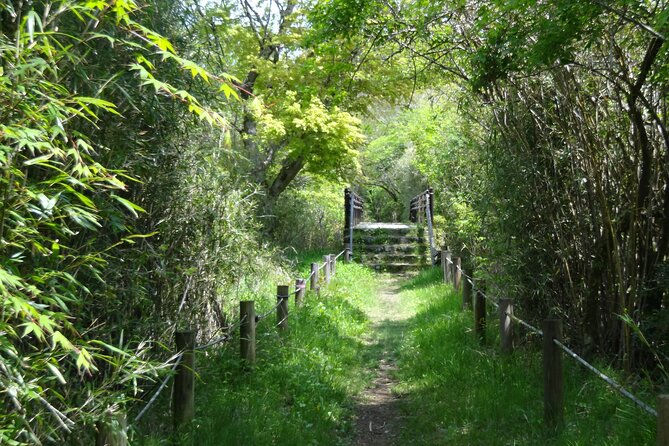
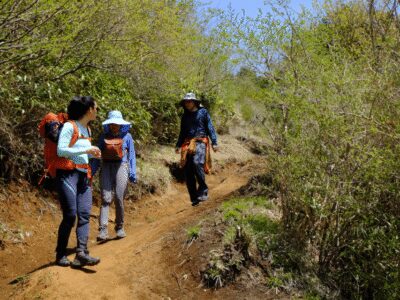
Hakone can feel big and dramatic from far away, but this tour is built for the “slow look” version of the region. You’ll be walking relatively flat areas, so your time goes into paying attention, not fighting steep trails.
What makes it special is the mix of life forms and terrain. You’re in an area where geology shapes what plants can live there, and that shows up in the wild plants you’ll meet across the stops.
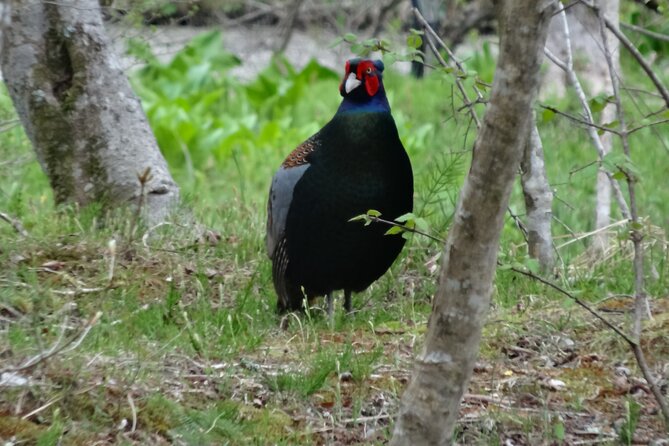
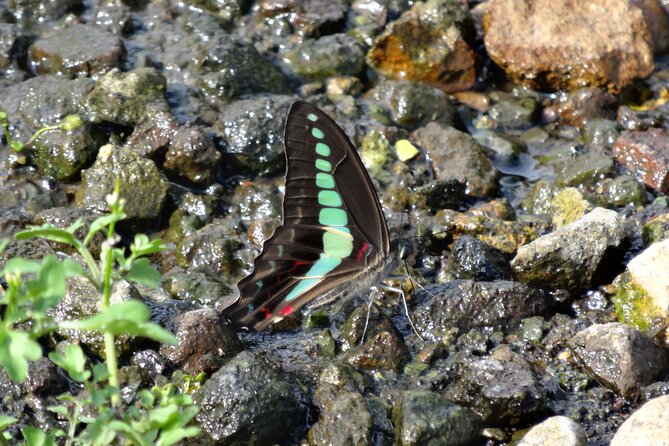
Your guide, Yoshi, is the key ingredient. He’s there to translate what you’re seeing—plants, birds, insects, local fish, and the kinds of mammals you might be lucky enough to spot, such as weasels, deer, foxes, raccoon dogs, and more.
Other Hakone loops worth the fare
- Hakone 6 hour Private Tour with Government-Licensed Guide
★ 5.0 · 218 reviews - Hakone: Train Pass with Unlimited Rides & Activity Discounts
★ 4.4 · 102 reviews - Custom Private Tour in Hakone with a Certified Local Guide
★ 5.0 · 91 reviews - Hakone 8 hour Private Tour with Government-Licensed Guide
★ 5.0 · 63 reviews
Meet at 9:00 AM and Get Set Up for Spotting Wildlife
You start at the Hakone Botanical Garden of Wetlands at 817 Sengokuhara, Hakone with a 9:00 AM departure. The location is easy to reach because it’s near public transportation, and the tour ends at Togendai station, which is convenient for continuing around Lake Ashi.
The tour provides an introductory handout and binoculars for each guest. That’s a big practical plus: you can spot things without spending the first hour learning how to use your phone camera to find tiny subjects.
This is also a good size for people who want guidance without feeling herded. With up to 5 travelers, you’re less likely to miss small details, especially when you stop often to observe plants and wildlife.
Stop 1: Hakone Botanical Garden of Wetlands (1.5 Hours, Ticket Included)
This is where the tour earns its “nature walk” label. The Hakone Botanical Garden of Wetlands focuses on wild plants, with a total collection described as 1,700 wild plants, including 200 marsh plants. That combination matters, because wetlands don’t look or behave like dry forest paths.
You’re not just strolling past flowers. You’re learning what makes this type of ecosystem tick. The garden gives you a chance to encounter seasonal wild plants, including plants that are described as endemic to this part of Japan and the world.
A practical tip: if you want to enjoy wetlands fully, don’t rush. Wet plant life often rewards slow eyes—look for texture, small leaf differences, and where the plant seems to be thriving. The binoculars help too, especially when birds and insects are moving around the edges.
How to make the most of this stop: keep your pace light and ready to stop. Wetland areas can be visually subtle compared to bright flower gardens, but your guide helps you identify what’s worth seeing.
Stop 2: Sengokuhara Susuki Grass Fields (About 40 Minutes, Free Entry)
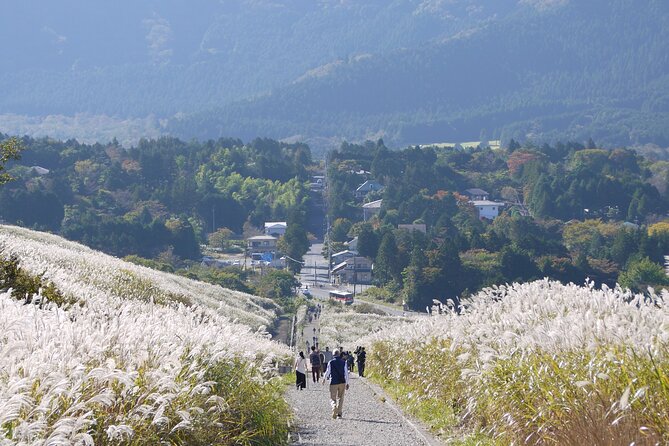
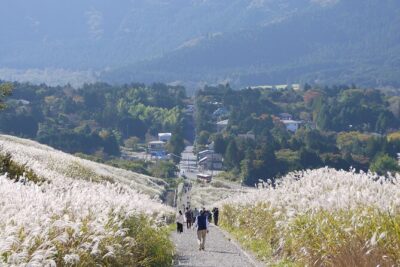
Next you shift from marsh plants to the iconic look of susuki grass in Sengokuhara. The tour calls it one of the remaining pampas grass fields in Japan, and that rarity changes how you should view it. Instead of thinking of it as just a pretty field, think of it as a landscape that has survived where similar areas didn’t.
There’s also a useful cultural layer. The tour explains that Japanese people once used pampas grass for roofing and for feeding livestock. That kind of context makes the grass feel less like a photo background and more like something that shaped everyday life.
This stop is shorter—around 40 minutes—but it’s built for the wow factor. If the morning light is decent, you’ll get wide views and clear lines to watch how the grass moves.
One drawback to consider: because it’s a grass field, there isn’t as much to photograph up close as in the garden. If it’s foggy or raining hard, your guide may still help you keep your eyes on bird and insect activity, but the wide scenery impact can drop.
Stop 3: Hakone Visitor Center (About 1 Hour 20 Minutes, Free Entry)
Then comes the “make sense of it all” stop. The Hakone Visitor Center is described as a must-visit for nature lovers because it offers English-friendly intro materials, including short videos and leaflets.
This part helps you connect what you’ve already seen. After walking through plants and grass fields, you’ll typically understand Hakone’s nature better—where trails go, why certain ecosystems appear here, and what features to watch for as you continue exploring on your own.
You’ll also find a network of trails around the facility, which is great if you want to stretch your legs after the guided portion. Since the guided tour is only about 3 hours 30 minutes total, this stop gives you breathing space without turning the day into a long hike.
Good to know: the center is free to enter, so you’re not paying extra to benefit from the English intro. It’s the kind of stop that quietly raises the value of the whole tour because it helps you interpret what you’re seeing.
- Private Tour – Hakone Day Trip! A Tour to Explore All Must-Sees!★ 5.0 · 58 reviews
- Hike Hakone Hachiri★ 5.0 · 48 reviews
- Private Hakone Half-day Car Tour with Hotel Pickup – Local Guide★ 5.0 · 48 reviews
- Hike Japan Heritage Hakone Hachiri with certified mountain guide★ 5.0 · 46 reviews
- Traverse Outer Rim of Hakone Caldera and Enjoy Onsen Hiking Tour★ 5.0 · 30 reviews
The Value in the Price: What $39.19 Really Buys
At $39.19 per person, this tour sits in the “small guided experience” category, not a full-day tour with transport included. And that matters, because the price is mostly paying for expertise and hands-on wildlife spotting gear—not for buses or trains.
Here’s what you do get:
- Garden admission for the wetlands stop
- Binoculars for each guest
- An introductory handout
- A certified professional nature guide (Yoshi) who focuses on plants, wildlife, and local geography
What you don’t get:
- Private transportation
- Umbrella, hiking shoes/sneakers, or bottled water
So if you already plan to use public transit in Hakone, the price can feel fair quickly. If you’re hoping the tour will handle everything door-to-door, you may feel a gap—because you’ll still be responsible for getting to the start point and managing your own comfort items.
A small-group tour at a set meeting point can be a sweet spot for people who want authenticity without spending the whole day commuting.
Who This Tour Fits Best (and Who Should Skip It)
This works really well if you:
- want an easy pace nature experience
- love learning about wild plants and animals rather than just taking scenic photos
- prefer guided help spotting birds and insects
- are traveling with kids or first-timers who want a calmer introduction to Hakone
It might not be ideal if you:
- want a strenuous hike or big elevation changes
- dislike walking for about 3.5 hours even on flat terrain
- expect transport to be included end-to-end
It’s also best for people who like structure. The stops are clear and timed, and the guide keeps the flow moving while still making time for observation.
Weather Reality: When Rain Happens (and When It Doesn’t)
The tour is described as requiring good weather, and if it’s canceled due to poor conditions, you’ll be offered a different date or a full refund. That’s the safer kind of policy for nature-based plans.
At the same time, there’s real-world evidence that on rainy days the guide may adjust the route to make things easier. So don’t assume every drizzle ends the fun, but do assume the day could shift.
My practical advice: pack a light umbrella, wear grippy sneakers, and bring water. The tour doesn’t include those items, and you’ll enjoy the walk more if you aren’t thinking about blisters or thirst.
Binoculars Are the Secret Sauce
Binoculars sound like a nice extra, but in Hakone they change the whole experience. You’ll be able to:
- follow birds without constantly moving
- watch distant movement in the grass fields
- spot small creatures the casual eye misses
- appreciate the way geology and terrain shape what animals choose to use the area
Yoshi also suggests using binoculars during the tour, and that makes sense. The guide isn’t just showing you what’s nearby; he’s helping you “range out” and see more of Hakone at once.
Finishing at Togendai: Turn This into a Longer Lake Ashi Day
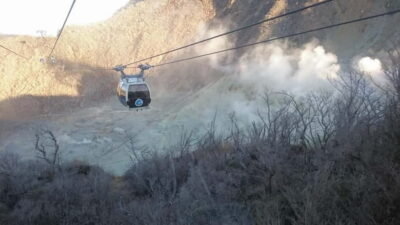
You end at Togendai station, on the northern shore of Lake Ashi. That’s a smart ending point because it’s convenient for multiple options: public buses, sightseeing boats for Hakonemachi/Motohakone areas, the ropeway for Gora/Miyanoshita areas, and taxis.
So you can treat the nature walk as the first act of your Hakone day, then layer on lake views and classic sights afterward. It’s one of those itineraries that doesn’t lock you in—your next steps stay flexible.
Should You Book This Easygoing Hakone Nature Walk?
I think this is a strong pick if your goal is learning and noticing, not conquering trails. The combination of a small group, binoculars included, and stops that go from wetlands plants to susuki fields to an English-friendly visitor center makes the tour feel purposeful.
Book it if you want a gentle day that still feels alive—plants you can identify by looking closer, wildlife you can actually try to spot, and a guide who helps you understand Hakone’s nature in plain terms.
Skip it if you want transport included, big elevation hiking, or a tour that’s mostly scenery-only. This one is about the living details, and it rewards patience.
FAQ
How long is the Hakone easygoing nature walk?
The tour runs for about 3 hours 30 minutes.
What does the tour cost?
The price is $39.19 per person.
How many people are in the group?
The tour has a maximum size of 5 travelers.
Where does the tour start and what time does it begin?
It starts at Hakone Botanical Garden of Wetlands (817 Sengokuhara, Hakone) at 9:00 AM.
Where does the tour end?
It ends at Togendai station (164-17 Motohakone, Hakone).
What’s included in the price?
Included items are the ticket to Hakone Botanical Garden of Wetland, binoculars, and an introductory handout.
What should I bring if I want to be comfortable?
The tour does not include umbrella, hiking shoes (or sneakers), or a bottle of water.
Is the tour near public transportation?
Yes, it is described as being near public transportation.
Is the guide English-speaking?
The tour information indicates English-friendly support through the visitor center materials, and the tour reviews highlight an English-speaking guide.
Is this tour dependent on weather?
Yes. It requires good weather, and if it’s canceled due to poor weather, you’ll be offered a different date or a full refund.
More Tours in Hakone
- Hakone 6 hour Private Tour with Government-Licensed Guide
★ 5.0 · 218 reviews - Custom Private Tour in Hakone with a Certified Local Guide
★ 5.0 · 91 reviews - Hakone 8 hour Private Tour with Government-Licensed Guide
★ 5.0 · 63 reviews - Private Tour – Hakone Day Trip! A Tour to Explore All Must-Sees!
★ 5.0 · 58 reviews - Private Hakone Half-day Car Tour with Hotel Pickup – Local Guide
★ 5.0 · 48 reviews
More Tour Reviews in Hakone
- Hakone 6 hour Private Tour with Government-Licensed Guide
★ 5.0 · 218 reviews - Hakone: Train Pass with Unlimited Rides & Activity Discounts
★ 4.4 · 102 reviews - Custom Private Tour in Hakone with a Certified Local Guide
★ 5.0 · 91 reviews - Hakone 8 hour Private Tour with Government-Licensed Guide
★ 5.0 · 63 reviews - Private Tour – Hakone Day Trip! A Tour to Explore All Must-Sees!
★ 5.0 · 58 reviews
Hakone, A Few More Ways
- Hakone 6 hour Private Tour with Government-Licensed Guide
★ 5.0 · 218 reviews - Hakone: Train Pass with Unlimited Rides & Activity Discounts
★ 4.4 · 102 reviews - Custom Private Tour in Hakone with a Certified Local Guide
★ 5.0 · 91 reviews - Hakone 8 hour Private Tour with Government-Licensed Guide
★ 5.0 · 63 reviews - Private Tour – Hakone Day Trip! A Tour to Explore All Must-Sees!
★ 5.0 · 58 reviews
Latest Hakone reviews off our desk


Hakone Tours, compared.
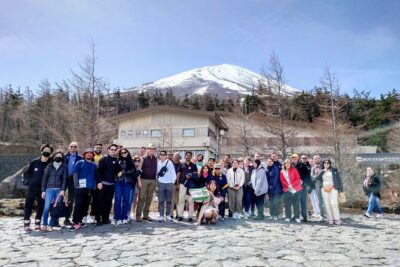 ★ 5.0Mt Fuji and Hakone 1-Day Bus Tour Return by Bullet TrainFrom $16326,383 reviews
 ★ 4.0Mt Fuji & Hakone Cruise, Drum Show Bullet Train 1 Day from TokyoFrom $1497,413 reviews
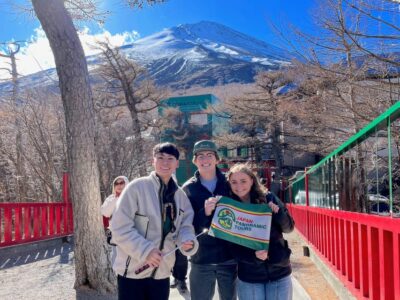 ★ 4.4Tokyo Mt Fuji 5th St & Hakone Cruise Bus Tour w/Bullet TrainFrom $1545,024 reviews
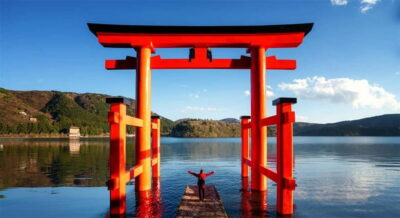 ★ 4.7Mt. Fuji Tour, Hakone Ropeway, Owakudani, Lake AshiFrom $544,002 reviews
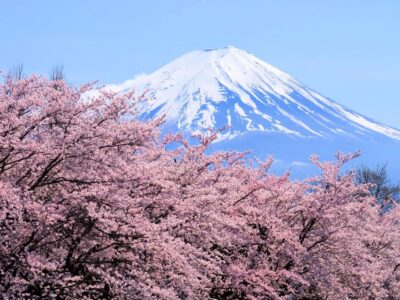 ★ 4.2Mt. Fuji 5th Station & Hakone Cruise 1-Day Bus TourFrom $1292,381 reviews
 ★ 5.0Private Tour to Mt. Fuji and Hakone (Fully Licenced Operator)From $4971,910 reviews
 ★ 4.0Mt Fuji & Hakone Cruise, Drum Show Bus 1 Day from TokyoFrom $1221,287 reviews
 ★ 4.2From Tokyo: Mt. Fuji & Hakone Tour w/ Return by Bullet TrainFrom $1171,278 reviews
Browse the lists this tour appears in