
Reviewed · HAKONE TOURS
Hakone 6 hour Private Tour with Government-Licensed Guide
Hakone works best when you have a plan. This 6-hour private tour lets you choose 3 to 4 stops and match the day to your pace, with a licensed English guide (people have mentioned guides like Yumi and Hiro for clear explanations and smooth timing). I love the custom routing built around your interests, and I love that you get to swap ideas with someone who knows what matters on the ground. One drawback to plan for: Hakone is walk-heavy, and busy public connections can feel crowded.
What makes this feel different is that you are not stuck in a rigid group flow. You can start in the morning (multiple start times are offered) and you can aim for big hits like Lake Ashinoko and Owakudani, while still getting time to wander at each place. My second favorite part is the local context: guides often add small cultural and practical notes that make the sights easier to read. The catch is that some key parts of the Hakone loop can be affected by weather and operations, so you may need a flexible Plan B.
If you want a packed, efficient day without doing mental math on trains, ferries, and walking distance, this is a strong fit. Just go in expecting a private walking tour where your feet do a lot of the work, and budget for transport and entry fees that are not included.
In This Review
- Key highlights worth your attention
- What you’re actually buying: a Hakone route with real-world pacing
- Choosing your 3–4 stops: how to match Hakone to your interests
- If you want iconic Hakone fast
- If you want volcano energy and hot-spring logic
- If you like art without the stress of big city museums
- The itinerary, stop by stop: what each place gives you (and what to watch)
- Lake Ashinoko: Fuji views and volcanic history
- Hakone Shrine: the calm counterweight
- Hakone Ropeway: a fast way to change elevation
- Hakone Open-Air Museum: art as an outdoor walk
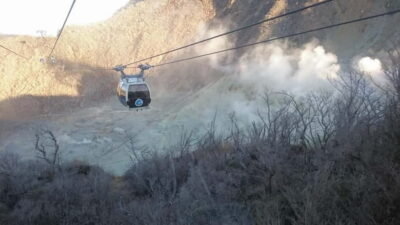
- Owakudani Valley: learning the geothermal engine
- Pola Museum of Art: private-collection energy
- Okada Museum of Art: another art-world stop
- Sengokuhara: pampas-grass scenery
- Hakone Venetian Glass Museum: garden + glass shopping
- Hakone Museum of Art: a classic museum base
- Choanji Temple: Zen calm in Sengokuhara
- Hakone Shisseikaen: wetlands garden time
- Gora Park: unwind with views
- Dollhouse Museum Hakone: odd, charming, and short
- Narukawa Art Museum: nihonga focus
- Owakudani Nature Study Path: closer geothermal views
- Weather changes the day: plan for wind, not perfection
- Pacing and comfort: how a walking tour feels in real life
- Value check: why the $175.76 price can be worth it
- Best for: who should book this tour?
- Should you book this Hakone private walking tour?
- FAQ
- How long is the Hakone 6 hour Private Tour?
- What’s included in the tour price?
- Can I customize the stops in Hakone?
- Are admission tickets included for all stops?
- Is transportation included?
- Is pickup offered?
- Is the Hakone Freepass included?
- What happens if the ropeway or other parts don’t run?
- Do I need to reserve for the Owakudani Nature Research Trail?
Key highlights worth your attention
- Pick 3–4 stops, not a fixed “everything” route so the day matches your mood (nature, art, or hot-spring volcano energy).
- Government-licensed English guide with local navigation and real-world pacing advice.
- Morning start time flexibility helps you time the day around weather and crowds.
- Lake Ashinoko + Hakone’s shrine sites give you iconic Hakone flavor fast, without rushing.
- Volcano-area options (Owakudani) let you learn how the geothermal power ties into the hot springs.
- Art museums on the Hakone route (Open-Air Museum and private collections) make the day feel more like Japan than a theme park.
What you’re actually buying: a Hakone route with real-world pacing
At $175.76 per person for about 6 hours, you’re paying for a guided plan and a smoother day. What you do not pay for in that price is the stuff that adds up on-site: transport fares, most entrance tickets, and lunch. So the value comes from reducing your guesswork. In Hakone, that matters because you can easily spend time figuring out connections, queue patterns, and which direction makes sense for your chosen stops.
This tour is also a private experience. That means the guide can adjust the order of your 3–4 chosen places and keep the day from feeling like a conveyor belt. The trade-off is that since it’s walking-focused, you’ll be moving for real. If you hate walking, you might end up thinking about your shoes more than Mt. Fuji.
One other detail that helps: the tour is designed as a walking experience with pickup offered, and you meet the guide on foot within a designated area. That keeps the day simple: you’re not waiting around for a van, but you are still expected to show up and walk the route.
Other Hakone loops worth the fare
- Hakone 6 hour Private Tour with Government-Licensed Guide
★ 5.0 · 218 reviews - Hakone: Train Pass with Unlimited Rides & Activity Discounts
★ 4.4 · 102 reviews - Custom Private Tour in Hakone with a Certified Local Guide
★ 5.0 · 91 reviews - Hakone 8 hour Private Tour with Government-Licensed Guide
★ 5.0 · 63 reviews
Choosing your 3–4 stops: how to match Hakone to your interests
The heart of this experience is simple: you pick 3 to 4 places from a menu of options, and your guide helps you design a day around them. That’s a big deal in Hakone because the region is spread out and the most famous features (lake views, shrine grounds, ropeway/vistas, volcano zone, and several art stops) don’t all belong in one tight loop without planning.
Here’s how I’d choose, based on what you’re most likely to enjoy.
If you want iconic Hakone fast
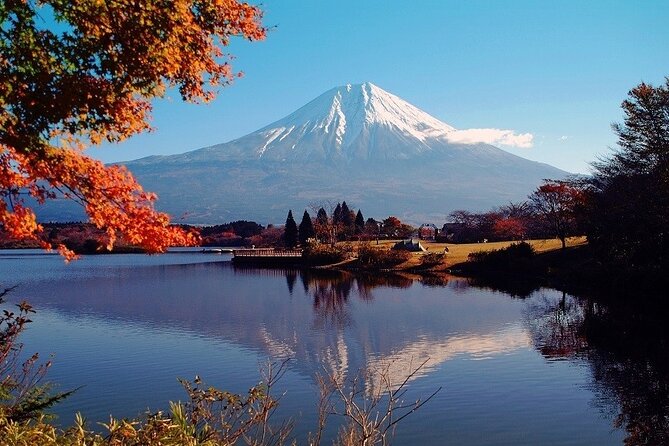
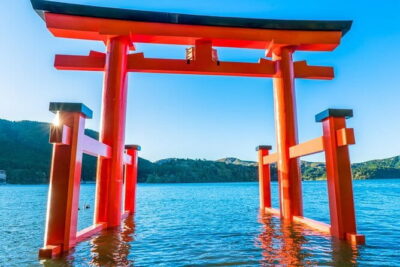
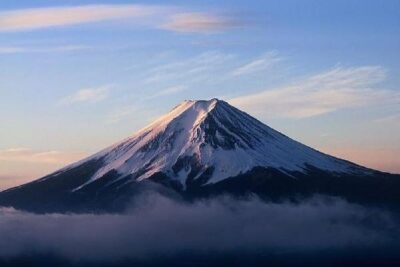
Start with Lake Ashinoko. It’s the symbol of Hakone, formed in the caldera after Mount Hakone’s last eruption about 3,000 years ago, and it’s famous for the view of Mt. Fuji in the background when the sky cooperates. Then add Hakone Shrine for the calm, historic atmosphere. You get contrast: dramatic nature views, then a slower, spiritual stroll.
If you want volcano energy and hot-spring logic
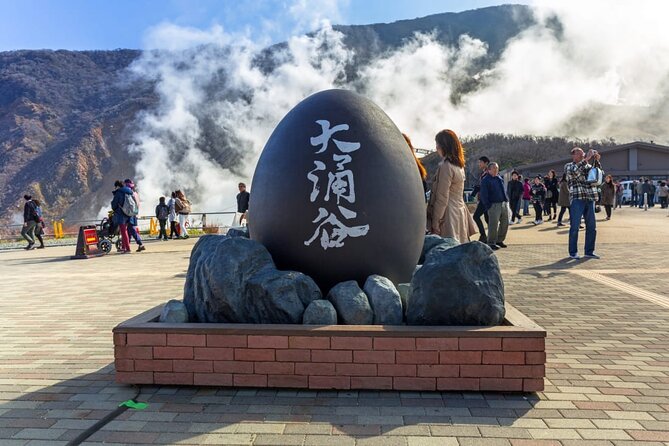
Add Owakudani Valley. It’s an active volcanic zone that powers local hot springs, and you’ll learn how geothermal activity connects to everyday life here. You can pair it with an optional walking component like the Owakudani Nature Study Path, but note the advance reservation requirement and the 800 yen entrance fee.
If you like art without the stress of big city museums
You can build a day around art stops that fit well into a Hakone half-day. The Hakone Open-Air Museum is a standout if you like art placed in outdoor settings. You can also choose from multiple private museums such as the Pola Museum of Art, Okada Museum of Art, Hakone Museum of Art, and smaller options like the Narukawa Art Museum (nihonga-style Japanese painting). If your group includes people who need variety beyond scenery, art stops are the pressure valve.
Readers also shortlisted these Hakone bookings:
- Private Hakone Half-day Car Tour with Hotel Pickup – Local Guide★ 5.0 · 48 reviews
The itinerary, stop by stop: what each place gives you (and what to watch)
Below is the menu of stops your guide can help you pick from. Many of these are built for short, high-impact visits—think photo moments, short walks, and a bit of explanation rather than a long, all-day campus experience.
Lake Ashinoko: Fuji views and volcanic history
What it is: A caldera lake formed after Hakone’s last eruption, with Mt. Fuji often framed in the view.
Why it’s worth time: It’s one of the quickest ways to feel like you’re in Hakone, not just passing through. The scenery is instantly readable.
Practical note: If visibility is low, you’ll still get the lake atmosphere, but your Mt. Fuji photos may be more subtle than you hoped.
Hakone Shrine: the calm counterweight
What it is: A tranquil shrine with history stretching back more than 12 centuries. Buildings have been destroyed by fire and rebuilt over time.
Why it’s worth time: It slows the day down. After walking and transit, the shrine grounds give you a chance to breathe and reset your pace.
Practical note: This stop is short, so use the time for a real walk rather than only photos.
Hakone Ropeway: a fast way to change elevation
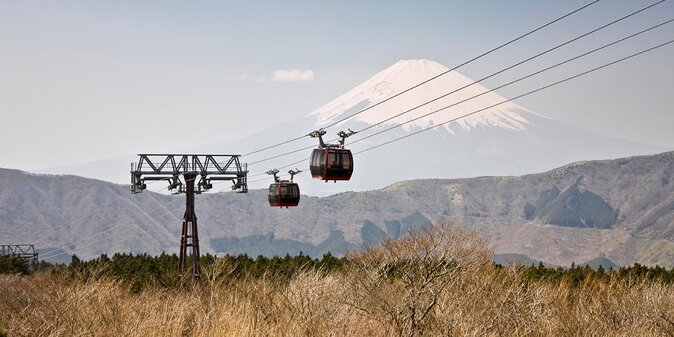
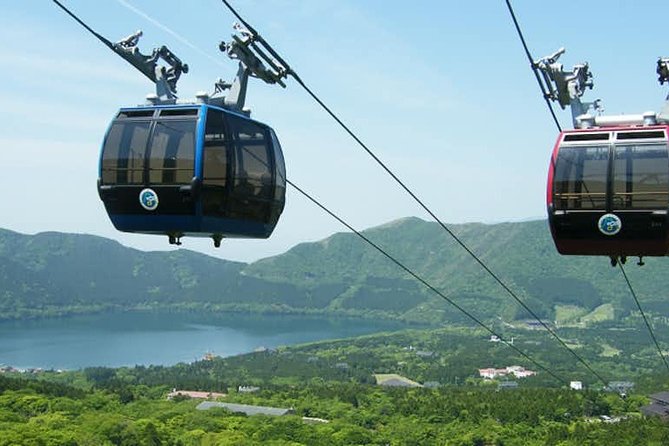
What it is: Part of the Hakone Round Course, connecting Sounzan Station to Togendai Station.
Why it’s worth time: The ropeway route is one of the quickest “views-per-effort” moves in Hakone.
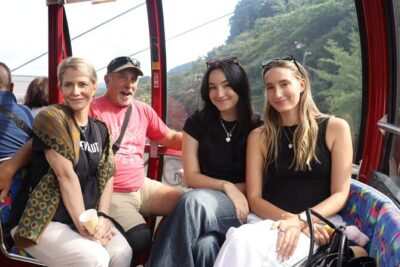
Watch for: Ropeway operation can be disrupted by strong wind. If that happens, your guide should shift plans to keep the day moving.
Hakone Open-Air Museum: art as an outdoor walk
What it is: The first open-air art museum in Japan, built with a nature-and-art approach.
Why it’s worth time: It’s a museum you can pace. You’re not trapped in one gallery room; you’re walking among installations with space to look slowly.
Practical note: Admission is not included, so build in time for ticketing and plan your budget.
Owakudani Valley: learning the geothermal engine
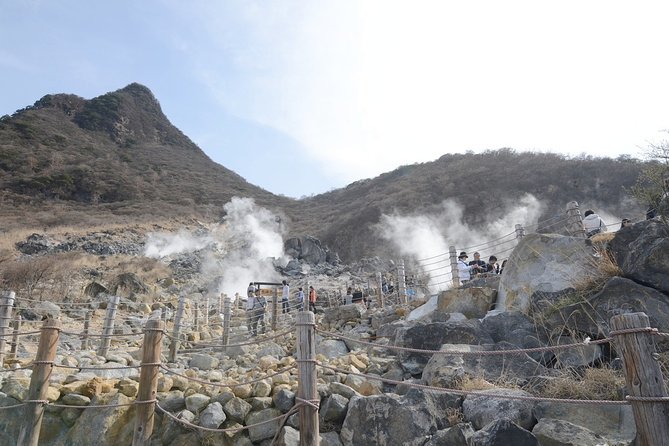
What it is: An active volcanic area tied directly to local hot springs.
Why it’s worth time: This is where Hakone’s “hot spring” story becomes physical. You can connect what you’re seeing to what the area actually does for the region.
Extra option: The ropeway makes getting there easier when it’s running. There’s also the Owakudani Nature Study Path if you want a closer look, but it requires advance reservation and an 800 yen fee.
Pola Museum of Art: private-collection energy
What it is: A museum opened in 2002 to show a large private art collection.
Why it’s worth time: It’s a good fit if your group likes art and you don’t want to drive all over Tokyo for museums.
Watch for: Admission not included, and the stop time listed is short, so you’ll want to focus on a few highlights rather than trying to see everything.
Okada Museum of Art: another art-world stop
What it is: A private museum with works from antiquity to modern times, opened in 2013.
Why it’s worth time: It adds depth if you’re already in art mode from the Open-Air Museum or another stop.
Practical note: With only 3–4 total stops, you’re choosing where art time goes.
Sengokuhara: pampas-grass scenery
What it is: A slope known for pampas grass, especially beautiful in fall.
Why it’s worth time: It’s a scenic palate cleanser between more structured stops like museums and shrine grounds.
Practical note: Seasons matter here, so don’t pick it only if your trip overlaps its best period.
Hakone Venetian Glass Museum: garden + glass shopping
What it is: Hakone Glass no Mori with Italian-styled buildings, museum and shops, plus a strolling garden with a canal-like pond.
Why it’s worth time: It’s more than viewing glass. It’s a walking space with shopping options that can double as souvenir time.
Watch for: Admission not included; also, you might find it easier to enjoy if you like design objects rather than only fine art.
Hakone Museum of Art: a classic museum base
What it is: A museum founded in 1952 in Gora.
Why it’s worth time: Good if you want a more traditional museum feel during your Hakone day.
Practical note: Admission not included, and the time is short, so pick a focus.
Choanji Temple: Zen calm in Sengokuhara
What it is: A Soto Zen temple in the Sengokuhara area established in 1356.
Why it’s worth time: If you like quiet places and small-scale atmosphere, this is a nice match.
Practical note: Admission is free, but it’s still worth dressing comfortably since you’ll be walking.
Hakone Shisseikaen: wetlands garden time
What it is: A botanical garden of wetlands in the Fuji Hakone Izu National Park highlands.
Why it’s worth time: It’s an easy way to add plant life without making the day complicated.
Practical note: Admission not included, and the listed visit time is brief.
Gora Park: unwind with views
What it is: A western-style park on the slope above Gora Station.
Why it’s worth time: This is a low-pressure stop. It helps if your day includes busier places and you want a break.
Practical note: Short visit window.
Dollhouse Museum Hakone: odd, charming, and short
What it is: A dollhouse collection museum, with some dolls houses over 200 years old, plus rotating exhibits.
Why it’s worth time: It’s quirky and easy to enjoy when you have limited time.
Practical note: Admission not included; the value depends on whether your group likes small-scale collections.
Narukawa Art Museum: nihonga focus
What it is: A contemporary art museum dedicated to nihonga, Japanese-style painting.
Why it’s worth time: Great if you want a specific art style rather than a general museum sweep.
Practical note: Admission not included.
Owakudani Nature Study Path: closer geothermal views
What it is: A walking trail through an active volcanic area with close-up geothermal activity.
Why it’s worth time: If your group wants more than scenic stops, this gives you hands-on context.
Watch for: Advance reservation required and the 800 yen fee.
Weather changes the day: plan for wind, not perfection
Hakone is beautiful, but it’s also weather-dependent. I like this tour because it’s built around flexibility: when operations shut down due to high winds, your guide can switch the plan to keep your day productive.
That matters because the ropeway and sometimes boat-like options can be affected. In situations like that, the best outcome is not forcing the original plan. The best outcome is pivoting quickly, then still enjoying the sights that remain open. If you’re the type who gets stressed by “cancelled” signs, this is where a private guide helps most.
Pacing and comfort: how a walking tour feels in real life
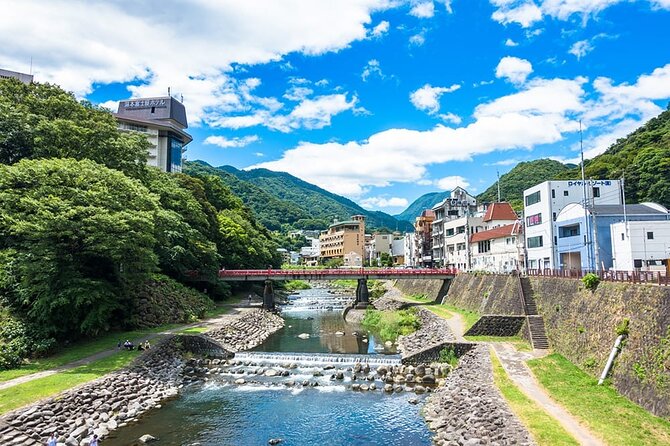
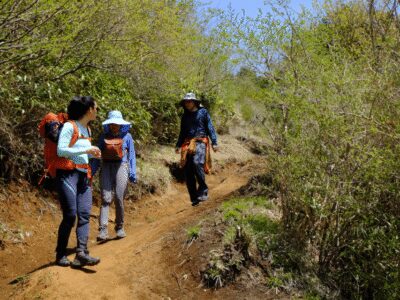
This is described as a walking tour, and pickup is on foot within a designated area. The good news is that walking makes Hakone feel like a place, not like a queue shuffle. The downside is you’ll need comfortable shoes and a realistic expectation of movement.
Some people have noted fast pacing and crowded public connections. That’s not the tour being chaotic; it’s just what happens when you try to cover 3–4 destinations in one day. The remedy is to be upfront with your guide about your comfort level. If you want “relaxed and informative,” ask for it. If you want “get the main sights done,” ask for that too.
Value check: why the $175.76 price can be worth it
Here’s how I judge value for a private tour in Japan: does it replace your stress with ease?
In Hakone, your biggest time-wasters tend to be:
- figuring out which route direction is best for your chosen stops
- managing tickets and lines while you’re also walking a lot
- handling the complexity of multiple transport modes between areas
A guide helps with all of that. People have praised guides for efficiently using different transportation methods, and for helping with practical navigation when plans shift. When the day goes smoothly, the price stops feeling like “paying extra.” It starts feeling like buying peace.
But be honest about costs: entrance tickets are not included for many stops, and transport fees aren’t included either. If you choose only free stops and skip paid attractions, the tour may feel pricier than it would in an all-ticket day. Still, the guide time and planning element remain.
Best for: who should book this tour?
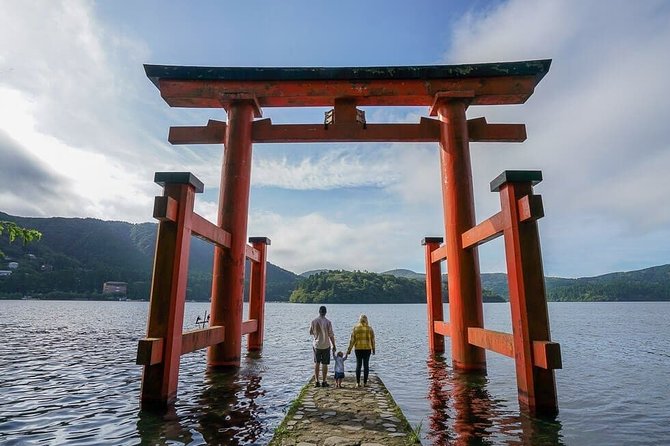
I’d book it if you:
- want a private day without trying to stitch together Hakone routes yourself
- like mixing nature and art (Hakone has both, but they don’t line up neatly without planning)
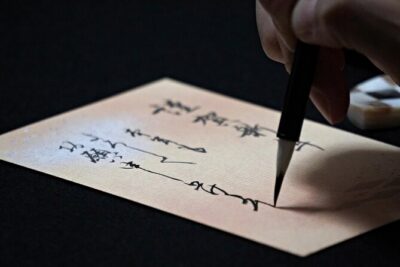
- enjoy learning as you walk, especially with guides who explain the significance of places and even small details like kanji characters
- want to save time and reduce logistical headaches, particularly if your itinerary includes other cities later
I might pass if you:
- strongly dislike walking and steep terrain
- hate weather uncertainty and don’t want any chance of changes
- expect all transport and entrance fees to be included (they are not)
Should you book this Hakone private walking tour?
Yes, with a clear strategy.
Book it if you want a guided Hakone day that feels organized, flexible, and tailored to 3–4 “your type of day” stops. If you’re aiming for the classics like Lake Ashinoko and Hakone Shrine, or you’re serious about volcano scenery at Owakudani, the guide makes those choices easier and less stressful. And if you care about pace, you can ask for relaxed timing and real time to explore at each stop.
Don’t book it expecting a no-cost, do-everything pass. You’ll pay for many entrances and you’ll walk. If you accept that and plan your stop mix thoughtfully, this tour is a strong way to experience Hakone without feeling trapped in a crowd.
FAQ
How long is the Hakone 6 hour Private Tour?
The duration is approximately 6 hours.
What’s included in the tour price?
A licensed local English-speaking guide is included, plus meeting the guide within a designated area on foot. Your tour includes choosing 3 to 4 sites from the available list.
Can I customize the stops in Hakone?
Yes. You pick 3 to 4 places to visit in your personalized tour from the options provided.
Are admission tickets included for all stops?
No. Some stops list admission as free, but many stops have admission tickets not included (for example, the ropeway and most museums).
Is transportation included?
Transportation fees are not included. The tour is primarily a walking experience, and any added transport during the day is covered by you.
Is pickup offered?
Pickup is offered, and the tour notes that pickup is on foot. You will meet the guide within a designated area of Hakone.
Is the Hakone Freepass included?
No. The Hakone Freepass is not included.
What happens if the ropeway or other parts don’t run?
Some parts can be affected by conditions like high wind, and your guide may adjust the plan to keep the day working.
Do I need to reserve for the Owakudani Nature Research Trail?
Yes. The Owakudani Nature Study Path requires advance reservation, and the entrance fee is listed as 800 yen.
More Tours in Hakone
- Custom Private Tour in Hakone with a Certified Local Guide
★ 5.0 · 91 reviews - Hakone 8 hour Private Tour with Government-Licensed Guide
★ 5.0 · 63 reviews - Private Tour – Hakone Day Trip! A Tour to Explore All Must-Sees!
★ 5.0 · 58 reviews - Private Hakone Half-day Car Tour with Hotel Pickup – Local Guide
★ 5.0 · 48 reviews - Traverse Outer Rim of Hakone Caldera and Enjoy Onsen Hiking Tour
★ 5.0 · 30 reviews
More Tour Reviews in Hakone
- Hakone: Train Pass with Unlimited Rides & Activity Discounts
★ 4.4 · 102 reviews - Custom Private Tour in Hakone with a Certified Local Guide
★ 5.0 · 91 reviews - Hakone 8 hour Private Tour with Government-Licensed Guide
★ 5.0 · 63 reviews - Private Tour – Hakone Day Trip! A Tour to Explore All Must-Sees!
★ 5.0 · 58 reviews - Hike Hakone Hachiri
★ 5.0 · 48 reviews
Hakone, A Few More Ways
- Hakone: Train Pass with Unlimited Rides & Activity Discounts
★ 4.4 · 102 reviews - Custom Private Tour in Hakone with a Certified Local Guide
★ 5.0 · 91 reviews - Hakone 8 hour Private Tour with Government-Licensed Guide
★ 5.0 · 63 reviews - Private Tour – Hakone Day Trip! A Tour to Explore All Must-Sees!
★ 5.0 · 58 reviews - Hike Hakone Hachiri
★ 5.0 · 48 reviews
Latest Hakone reviews off our desk
Hakone Tours, compared.
 ★ 5.0Mt Fuji and Hakone 1-Day Bus Tour Return by Bullet TrainFrom $16326,383 reviews
 ★ 4.0Mt Fuji & Hakone Cruise, Drum Show Bullet Train 1 Day from TokyoFrom $1497,413 reviews
 ★ 4.4Tokyo Mt Fuji 5th St & Hakone Cruise Bus Tour w/Bullet TrainFrom $1545,024 reviews
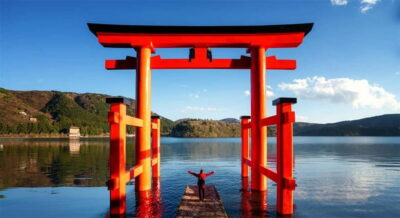 ★ 4.7Mt. Fuji Tour, Hakone Ropeway, Owakudani, Lake AshiFrom $544,002 reviews
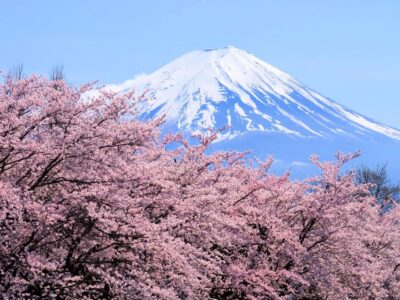 ★ 4.2Mt. Fuji 5th Station & Hakone Cruise 1-Day Bus TourFrom $1292,381 reviews
 ★ 5.0Private Tour to Mt. Fuji and Hakone (Fully Licenced Operator)From $4971,910 reviews
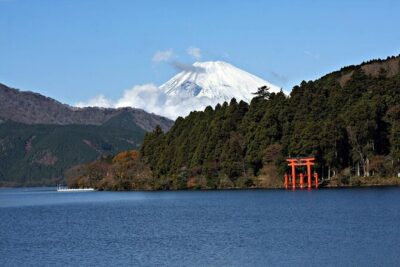 ★ 4.0Mt Fuji & Hakone Cruise, Drum Show Bus 1 Day from TokyoFrom $1221,287 reviews
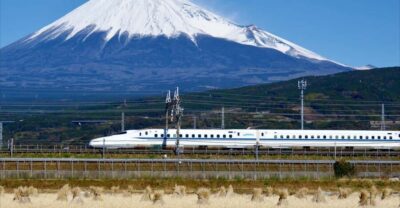 ★ 4.2From Tokyo: Mt. Fuji & Hakone Tour w/ Return by Bullet TrainFrom $1171,278 reviews
Browse the lists this tour appears in