
Reviewed · HAKONE TOURS
Hakone Geology & History Tour
Hakone feels like a living classroom. You’ll trace volcanic forces and old travel routes in one smooth day, with an experienced guide translating what you’re seeing. The stops are built around Hakone caldera sights, from Owakudani to Lake Ashi, plus a rare family-run tea stop.
I especially like how the tour makes geology feel personal, not textbook. The Amazake Teahouse visit adds a real human story because you’ll chat with the 13th generation manager of the Yamamoto family. I also like that you get classic Hakone touring on boats and ropeways, without losing time to figuring things out.
One consideration: the ropeway over an active crater isn’t recommended if you have respiratory or heart conditions. If that’s you, this day may be too much from a comfort-safety standpoint.
In This Review
- Key moments that make this Hakone tour worth your day
- Getting your bearings in Hakone’s volcanic “big bowl”
- Owakudani Valley: the ropeway view (and the safety note you must take seriously)
- Lake Ashi: why it never freezes and how the cruise changes the mood
- A short Old Tokaido Foot Highway walk with cedar giants on both sides
- Tea time with the Yamamoto family: 400 years of Amazake culture
- How the private guide changes everything (including extra help at the edges)
- The 8-hour flow: what to expect without getting rushed
- Price and value: $483 per group up to 8
- Who this Hakone tour fits best
- Should you book this Hakone Geology & History Tour?
- FAQ
- How long is the Hakone Geology & History Tour?
- What’s the group size?
- Where do pickups happen?
- What’s included in the price?
- Is lunch included?
- Is the ropeway ride safe for everyone?
Key moments that make this Hakone tour worth your day
- Owakudani ropeway crossing an active crater mouth gives you dramatic context for what’s still happening below
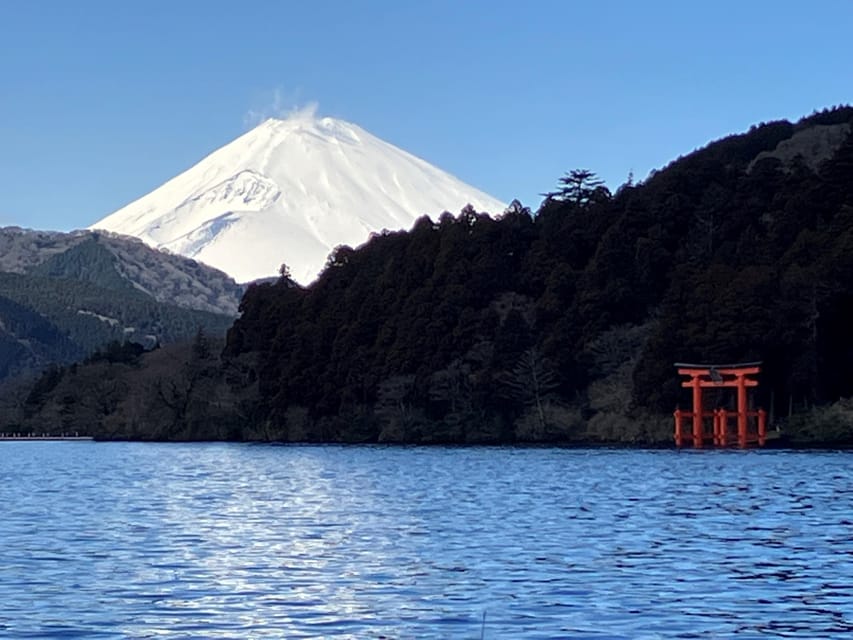
- Lake Ashi hot-spring rule: it never freezes because hot spring water rises from its depths
- Pirate ship cruise turns the lake crossing into an easy sightseeing loop
- Short walk on the Old Tokaido Foot Highway with towering 400-year-old Japanese cedars on both sides
- Amazake Teahouse with Yamamoto family leadership: you can talk with the 13th generation manager
- Weather-fit Mt. Fuji views: you’ll hope for it, but you’ll be ready to enjoy Hakone even when it’s not visible
Getting your bearings in Hakone’s volcanic “big bowl”
Hakone is famous for good reason: it’s an ancient caldera—about 15 miles across—shaped by volcano activity long before today’s tourist routes existed. What makes this area extra compelling is that it’s not just geology in the past. There’s still a very low level eruption ongoing in the Owakudani crater, so you’re seeing a landscape that’s actively doing its thing.
You’ll start the day with pickup options that make the tour workable whether you’re basing in Hakone or doing a day trip. Common starting points include Hakone-Yumoto Station, Yumoto Station Hotel MIRAHAKONE, or Odawara Station (with the guide meeting you at the ticket gate for day return from Tokyo). That matters because a tight schedule is the difference between savoring Hakone and spending half your day in transit.
Other Hakone loops worth the fare
- Hakone 6 hour Private Tour with Government-Licensed Guide
★ 5.0 · 218 reviews - Hakone: Train Pass with Unlimited Rides & Activity Discounts
★ 4.4 · 102 reviews - Hakone 8 hour Private Tour with Government-Licensed Guide
★ 5.0 · 63 reviews - Private Tour – Hakone Day Trip! A Tour to Explore All Must-Sees!
★ 5.0 · 58 reviews
Owakudani Valley: the ropeway view (and the safety note you must take seriously)
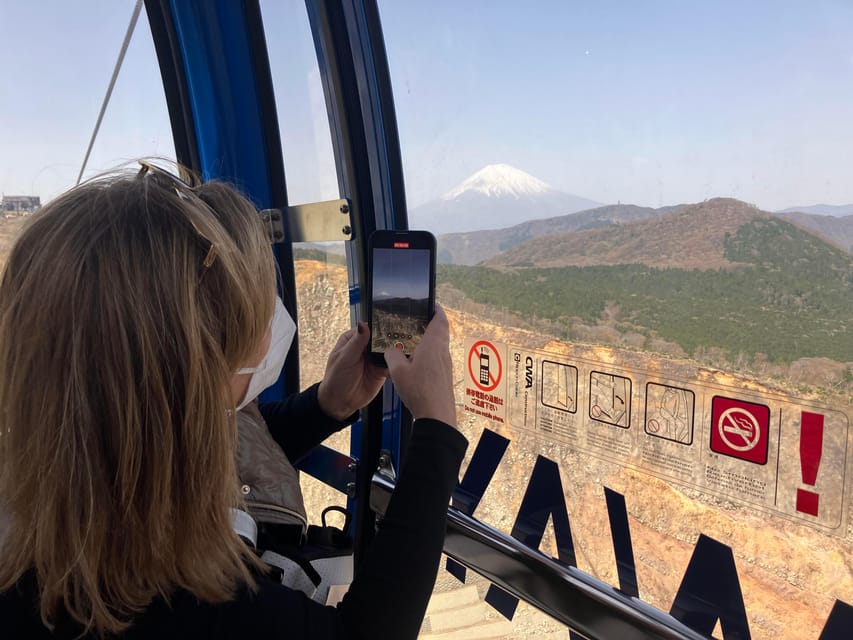
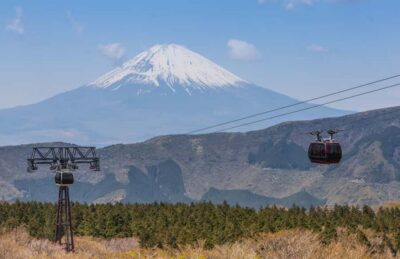
Your first major wow-factor stop is Owakudani Valley, where you take a gondola/ropeway ride. This is one of the most direct ways to experience the caldera’s volcanic heart: you’ll fly across the mouth of an active crater. It’s scenic, but it’s also the part of the day that comes with a clear health warning.
If you have respiratory or heart disorders, this is not the day for you. That warning isn’t there to be dramatic; it’s based on the activity itself—time spent on a ropeway in open views and the general strain/comfort considerations that come with it. If you’re in that category, ask for a different plan before you commit.
Even if you’re a confident traveler, I’d treat Owakudani as the place to slow down. You’ll get a fuller picture when you spend a moment watching how steam, color, and rock features fit into the story your guide is telling. This is where the tour’s “history meets nature” promise actually becomes real.
Lake Ashi: why it never freezes and how the cruise changes the mood
After the crater, the day shifts to water—and that shift is part of what makes the itinerary work. Lake Ashinoko sits inside the Hakone caldera and is described as a mini crater itself. It’s about half a mile deep, and the big practical point is that it never freezes because of volcanic hot spring water gushing up from the depths.
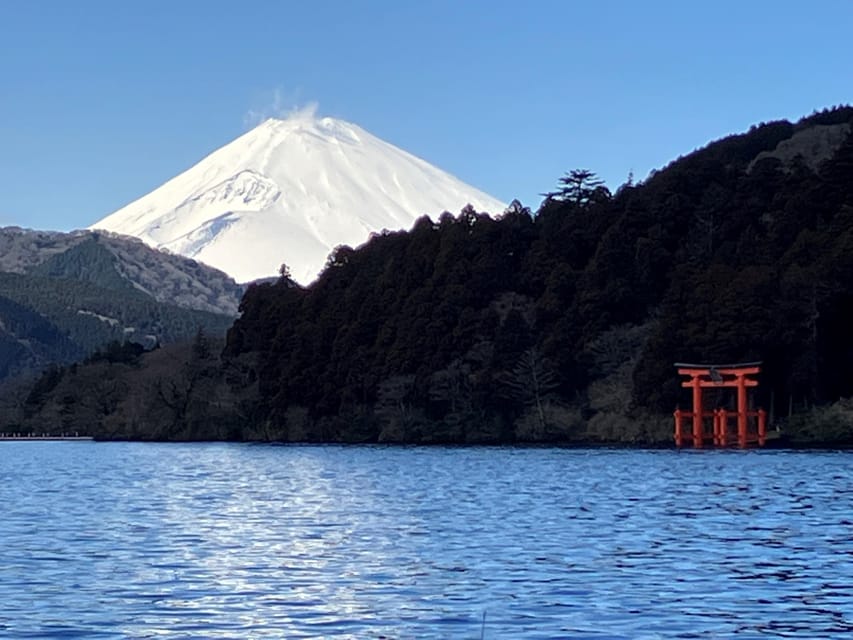
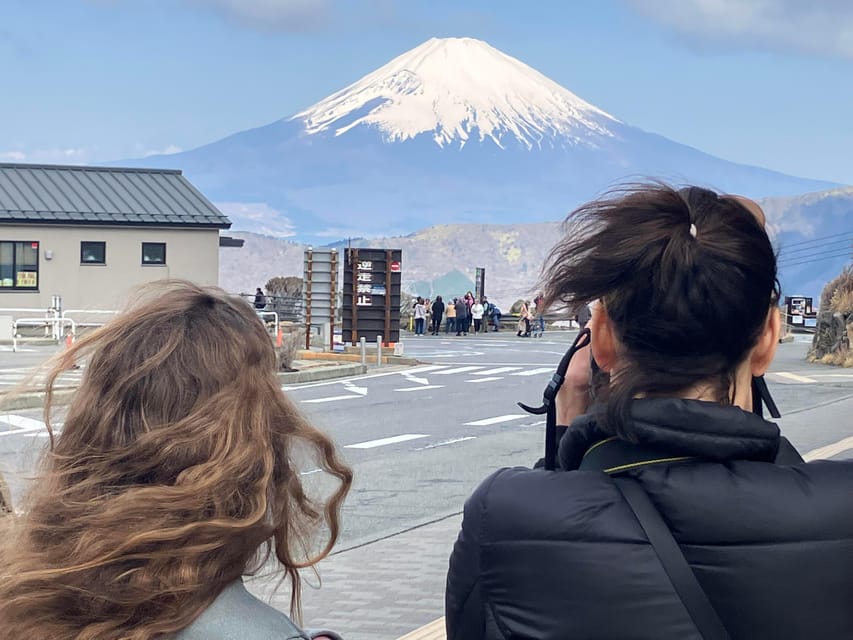
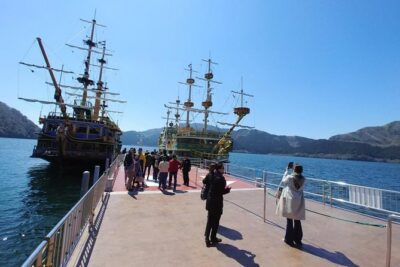
To cross the lake, you’ll take Hakone’s pirate ship for a cruise (about an hour). This isn’t just transport; it’s a relaxing way to absorb the scale of Hakone. You’ll also be in position to catch Mt. Fuji views, weather permitting, which is the kind of bonus that can make a good day feel unforgettable.
The smart way to handle Fuji is simple: enjoy the lake no matter what. When the weather is good, it’s a recognizable highlight. When it’s not, you’ll still have a strong experience because Lake Ashi’s heat-driven behavior gives you a fresh angle on what makes this place special.
A short Old Tokaido Foot Highway walk with cedar giants on both sides
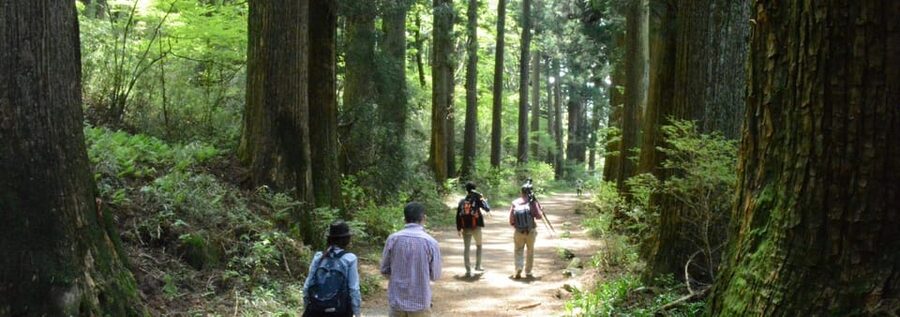
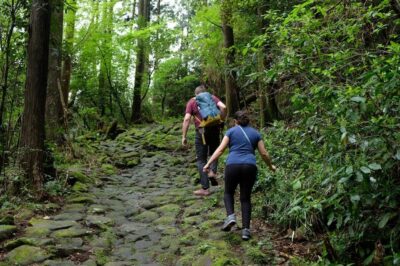
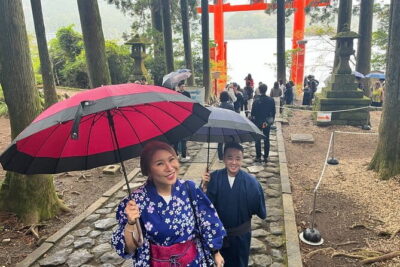
Hakone isn’t only volcanoes. It also ties into Japan’s long-distance movement of people and goods. You’ll stroll a short section of the Old Tokaido Foot Highway, a historic route that connected major centers including Tokyo, Kyoto, and Osaka for centuries.
This part feels grounded and human-scale. The real atmosphere comes from the setting: the path is lined with towering 400-year-old Japanese cedars on both sides. Even if you don’t know much about Japanese history, that kind of age in the trees changes how you walk. The road stops feeling like a route and starts feeling like a record.
Practical note: since it’s a short section, you don’t need to train like you’re summiting something. But you do want comfortable shoes—Hakone days often mix gentle walking with transit legs.
Tea time with the Yamamoto family: 400 years of Amazake culture
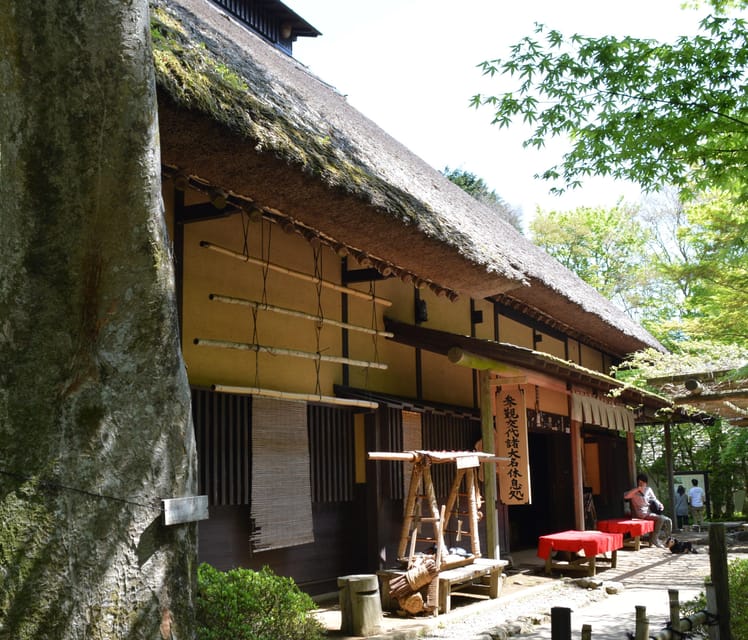
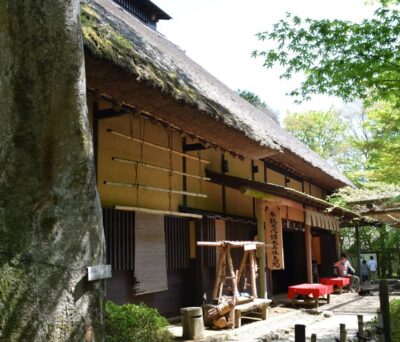
Now for the most intimate stop of the day: the Amazake Teahouse, a place with a history measured in centuries. You’ll visit a teahouse that’s said to be about 400 years old, and the special ingredient is the connection to living tradition—you’ll chat with the 13th generation manager of the Yamamoto family.
This is where the tour becomes more than sightseeing. Your guide interprets what you’re tasting and seeing, so you’re not just sampling tea. You’re learning how a family-run craft and hospitality style fits into Japan’s broader cultural habits, from seasonal comfort to community identity.
Food-wise, you’ll likely encounter Amazake flavors that go beyond what many people expect. In recent experiences connected to this tour, guests have enjoyed rice tea and mochi at the tea house—small, memorable bites that make the tea ceremony feel like an actual moment, not a stop you rush through.
Readers also shortlisted these Hakone bookings:
- Hike Japan Heritage Hakone Hachiri with certified mountain guide★ 5.0 · 46 reviews
- Hike Japan Heritage Hakone Hachiri (Half Day)★ 5.0 · 18 reviews
How the private guide changes everything (including extra help at the edges)
This is a private group tour, sized for up to 8 people. That matters because the day isn’t treated like a conveyor belt. You can ask questions as they come up, and your guide can help you interpret each place in context instead of giving a single speech and moving on.
In past tours, guides such as Tony have been singled out for bringing together Hakone’s natural history and Japan’s wider societal development. That combination is rare: you get volcano context, but also a sense of how people lived around these landscapes over time.
You’ll also feel the guide’s helpful instincts at the edges of the day. One example from recent experiences: when plans hit a snag with getting onward transport near an end-of-day museum area, the guide didn’t vanish. Instead, they walked guests to help them reach a bus stop and even continued on foot about a mile to help everyone find their hotel. That’s not a guarantee of your exact route, but it shows the tone of service you can expect: practical, present, and willing to help you get your bearings fast.
The 8-hour flow: what to expect without getting rushed
Here’s the rhythm you’ll live with during the day: pickup and train transfer, then Owakudani by ropeway, then Lake Ashi by boat, then tea ceremony time, and finally the day ending around Odawara Station.
That sequence is smart. It starts with the dramatic volcanic core, then cools down into lake scenery, then ends with slower cultural time. By the time you reach the tea house, you’ll likely have the mental bandwidth to actually enjoy the conversation instead of being mentally stuck in transit.
The time split is also helpful for planning your energy. The ropeway stop is about an hour, the cruise is about an hour, and the tea ceremony is about an hour—three anchor blocks that give the day shape. You’re not trying to squeeze in ten things; you’re doing fewer things better.
Price and value: $483 per group up to 8
The price is $483 per group, for groups up to 8, and the tour runs 8 hours. The value question really comes down to how you’ll share the cost. If you fill the group capacity, the per-person cost drops dramatically; if you come as a small party, the expense per person rises. Either way, you’re paying for an experienced English-speaking guide and guided costs included in the fee.
What’s not included is local transport, lunch, and afternoon tea. The practical takeaway: you should budget for those add-ons and be ready to handle the Hakone transport system. The tour suggests prepping by purchasing a Hakone Free Pass in advance, since local transport is on you.
I like this pricing model because it’s transparent: you know you’re funding the guide-led experience, and you keep control over meals. If you prefer lunch on your own terms—quiet, fast, or local—you won’t feel forced into a set meal.
Who this Hakone tour fits best
I’d point you toward this tour if you want a day that mixes geology, history, and culture without jumping between independent tickets and translations. It’s especially attractive if Hakone is one of the main stops on your trip and you only have a single day (or a single concentrated block) to do it well.
It’s also a strong fit for couples or small families who want private guiding but still want classic Hakone routes—ropeway views, boat cruise, and cedar-lined history walking. And if you enjoy guided interpretation more than self-guided wandering, the guide-led pacing is a real plus.
If you have respiratory or heart conditions, you should treat the ropeway warning as a stop sign. That one factor alone can outweigh almost everything else.
Should you book this Hakone Geology & History Tour?
Yes, if you want one guided day that connects volcano science to the lived experience of traveling Japan—plus a rare family-run 400-year-old Amazake conversation. The strongest reason to book is the blend of natural wonder with clear interpretation, especially at Owakudani and along Lake Ashi.
Skip it (or ask hard questions first) if the ropeway is a problem for you. And if you’re hoping for guaranteed Mt. Fuji, remember it’s weather dependent. Still, the lake cruise and cedar-lined Tokaido walk give you enough to enjoy even when Fuji hides.
If your schedule is flexible, this tour offers free cancellation up to 24 hours in advance and a reserve now, pay later option, which makes it easier to match Hakone’s weather reality to your plans.
FAQ
How long is the Hakone Geology & History Tour?
The tour lasts 8 hours.
What’s the group size?
It’s a private group for up to 8 people.
Where do pickups happen?
You can be picked up at Hakone-Yumoto Station, Yumoto Station Hotel MIRAHAKONE, or Odawara Station. If you’re doing a day return from Tokyo, the guide meets you at Odawara Station ticket gate; if you’re staying overnight in Hakone, pickup is at your hotel.
What’s included in the price?
The price includes an experienced English-speaking guide and the guide’s own costs.
Is lunch included?
No. Lunch, and also afternoon tea, are not included.
Is the ropeway ride safe for everyone?
It’s not recommended for customers with heart or respiratory disorders.
More Tours in Hakone
- Hakone 6 hour Private Tour with Government-Licensed Guide
★ 5.0 · 218 reviews - Custom Private Tour in Hakone with a Certified Local Guide
★ 5.0 · 91 reviews - Hakone 8 hour Private Tour with Government-Licensed Guide
★ 5.0 · 63 reviews - Private Tour – Hakone Day Trip! A Tour to Explore All Must-Sees!
★ 5.0 · 58 reviews - Private Hakone Half-day Car Tour with Hotel Pickup – Local Guide
★ 5.0 · 48 reviews
More Tour Reviews in Hakone
- Hakone 6 hour Private Tour with Government-Licensed Guide
★ 5.0 · 218 reviews - Hakone: Train Pass with Unlimited Rides & Activity Discounts
★ 4.4 · 102 reviews - Custom Private Tour in Hakone with a Certified Local Guide
★ 5.0 · 91 reviews - Hakone 8 hour Private Tour with Government-Licensed Guide
★ 5.0 · 63 reviews - Private Tour – Hakone Day Trip! A Tour to Explore All Must-Sees!
★ 5.0 · 58 reviews
Hakone, A Few More Ways
- Hakone 6 hour Private Tour with Government-Licensed Guide
★ 5.0 · 218 reviews - Hakone: Train Pass with Unlimited Rides & Activity Discounts
★ 4.4 · 102 reviews - Custom Private Tour in Hakone with a Certified Local Guide
★ 5.0 · 91 reviews - Hakone 8 hour Private Tour with Government-Licensed Guide
★ 5.0 · 63 reviews - Private Tour – Hakone Day Trip! A Tour to Explore All Must-Sees!
★ 5.0 · 58 reviews
Latest Hakone reviews off our desk
Hakone Tours, compared.
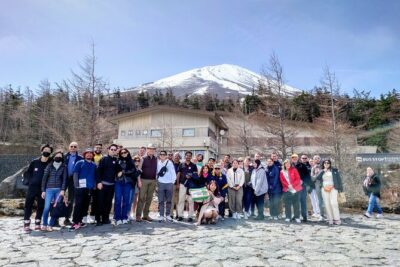 ★ 5.0Mt Fuji and Hakone 1-Day Bus Tour Return by Bullet TrainFrom $16326,383 reviews
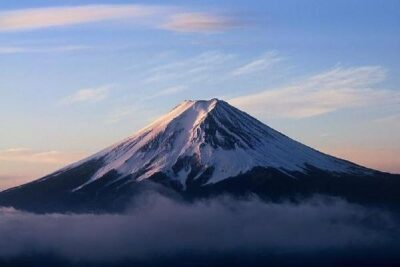 ★ 4.0Mt Fuji & Hakone Cruise, Drum Show Bullet Train 1 Day from TokyoFrom $1497,413 reviews
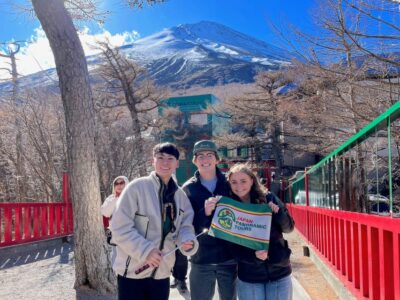 ★ 4.4Tokyo Mt Fuji 5th St & Hakone Cruise Bus Tour w/Bullet TrainFrom $1545,024 reviews
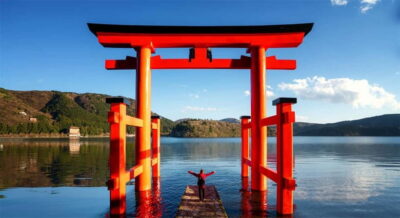 ★ 4.7Mt. Fuji Tour, Hakone Ropeway, Owakudani, Lake AshiFrom $544,002 reviews
 ★ 4.2Mt. Fuji 5th Station & Hakone Cruise 1-Day Bus TourFrom $1292,381 reviews
 ★ 5.0Private Tour to Mt. Fuji and Hakone (Fully Licenced Operator)From $4971,910 reviews
 ★ 4.0Mt Fuji & Hakone Cruise, Drum Show Bus 1 Day from TokyoFrom $1221,287 reviews
 ★ 4.2From Tokyo: Mt. Fuji & Hakone Tour w/ Return by Bullet TrainFrom $1171,278 reviews
Browse the lists this tour appears in