
Reviewed · HAKONE TOURS
Hakone : Private Tour with Government-Licensed Guide
Hakone can hit fast, and it pays off with the right guide. This private day tour mixes active-volcano weirdness at Owakudani with classic Hakone views from the ropeway and Lake Ashinoko, plus a choice of museums and temples. I like that you get a government-licensed local guide who can build a route for you, and I also like the built-in rhythm of walking, short rides, and focused stops. The main consideration: it’s a walking day in a mountainous area, so you’ll want comfortable shoes and a pace that matches the terrain.
If you’re the kind of traveler who wants Hakone to make sense (not just be checked off), this tour has a strong structure. You can pick 3 to 4 stops from a clear menu, and the guide handles the “how do we get there efficiently” part using public transport or local taxis. One possible drawback: entrance fees, transport between sights, and lunch are on you, so your final cost depends on what you choose.
In This Review
- Key things that make this tour worth your time
- Why a licensed Hakone guide changes the whole day
- Owakudani: where the heat (and smell) makes it real
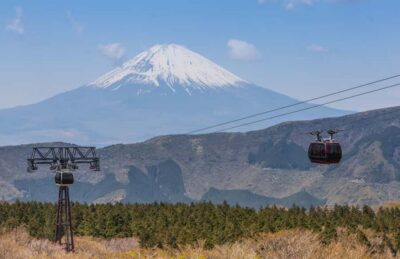
- The ropeway drop to Lake Ashinoko and the Fuji viewpoint angle
- Kuzuryu Shrine Torii: the 9-headed dragon story, seen from the water
- Hakone town time: history, culture, and how the guide shapes your day
- Choosing your 3–4 stops: art museums, parks, temples, and quirky odds-and-ends
- Lake Ashinoko
- Hakone Shrine (Hakone Shrine)
- Hakone Ropeway
- Owaku-dani Valley (Owakudani)
- Art stops: Pola Museum, Okada Museum, Narukawa Art Museum
- Hakone Open-Air Museum
- Sengokuhara and Gora Park
- Choanji Temple
- Hakone Venetian Glass Museum
- Hakone Shisseikaen
- Dollhouse Museum Hakone
- Price and logistics: what $171 gets you, and what you’ll pay separately
- When this tour fits you best (and when it doesn’t)
- Quick packing and mindset tips that actually help
- Should you book this Hakone private tour?
- FAQ
- How long is the Hakone private tour?
- How much does the tour cost?
- What’s included in the price?
- What is not included?
- Can I choose which places to visit?
- Is this tour walking-based?
- How do we get between stops?
- Where do I meet the guide?
- What languages are the guides?
- Is it refundable?
Key things that make this tour worth your time
- Licensed, local English-speaking guide: You’re not guessing your way around.
- Pick 3–4 sites from a real menu: You control the balance of nature, shrine, and art.
- Owakudani + black boiled eggs: Sulfur heat and a quirky food tradition.
- Ropeway-to-Lake Ashi flow: Designed for the best viewpoints with less backtracking.
- Lake cruise to Kuzuryu Shrine Torii: A memorable myth-and-place combo.
- Public transport or taxis (no private vehicle): You’ll move smartly, but you’ll need cash.
Why a licensed Hakone guide changes the whole day
Hakone is the kind of place where transport is half the game. Things are spread out, sights can be uphill or down, and the area uses a mix of buses, trains, cableways, and lake routes. A government-licensed local guide helps you avoid the classic problem of arriving somewhere and then spending the next hour figuring out how to reach the next stop.
I also like that this is set up as a true private experience. It’s a private group, and you’ll meet your guide within the designated Hakone area. Pickup is included within a 10 km radius of Hakone-Yumoto Station, and your guide waits 10 minutes before the scheduled time in the lobby or train station you request. That matters because Hakone timing can get tricky—especially if you’re trying to stay efficient while still enjoying the stops.
One more practical upside: the tour is flexible. You tell your guide which 3–4 places from the list you want, and they build the day around it. Even if you don’t know Hakone well, you can choose your “must haves” and let the guide handle the order.
Other Hakone loops worth the fare
- Hakone 6 hour Private Tour with Government-Licensed Guide
★ 5.0 · 218 reviews - Hakone: Train Pass with Unlimited Rides & Activity Discounts
★ 4.4 · 102 reviews - Hakone 8 hour Private Tour with Government-Licensed Guide
★ 5.0 · 63 reviews - Private Tour – Hakone Day Trip! A Tour to Explore All Must-Sees!
★ 5.0 · 58 reviews
Owakudani: where the heat (and smell) makes it real
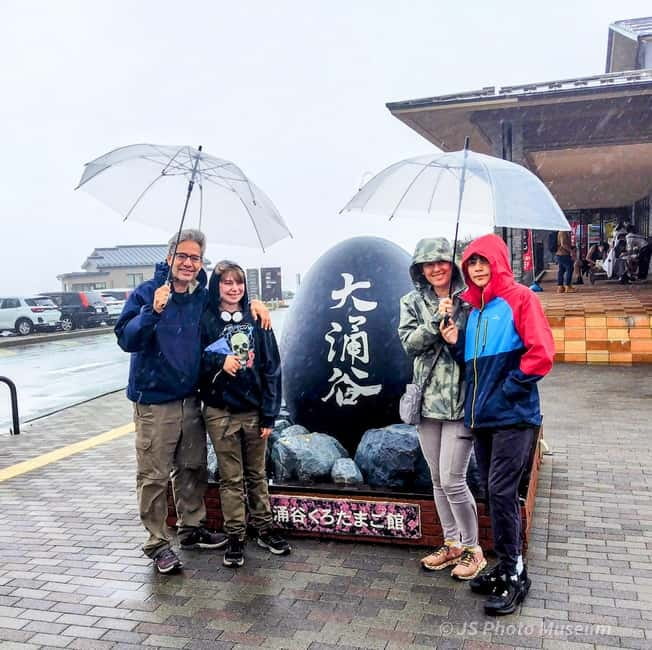
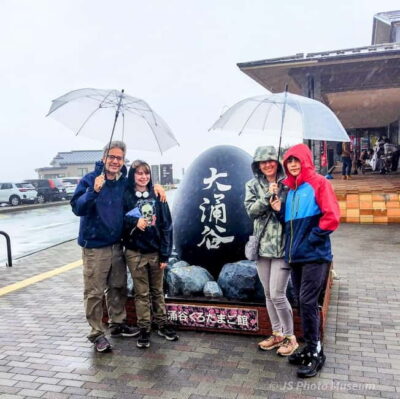
Owakudani is the star of the day for a reason. You’ll go to the volcanic valley where you can see sulfurous gases rising from the active volcano system. It’s not a museum explanation you can skim past. The place is active and physical—the heat and fumes are part of the experience.
And yes, this is where the famous black boiled eggs come in. The eggs are turned black and infused with minerals from the spring. You’ll have the chance to try them while you’re there, which is exactly the kind of “food as culture” stop that makes a tour feel grounded instead of generic. Just remember: tasting food like this is usually a personal expense, so it’s not something to assume is included.
What I like about starting here is the energy. You go from “Japan history and tradition” into something that feels almost otherworldly, and then you transition into Hakone’s calmer scenic side right after. The sulfur stop gives you a story you can carry to the lake and shrine later.
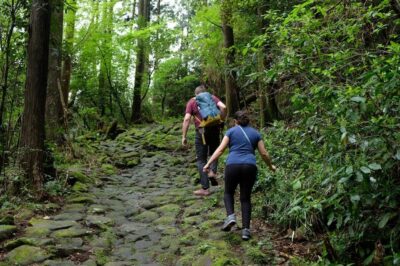
Watch-outs are simple. The area is mountainous and you’ll be walking as part of the day, so wear shoes you can trust. If you’re sensitive to strong smells, be prepared—the gases are the point.
The ropeway drop to Lake Ashinoko and the Fuji viewpoint angle
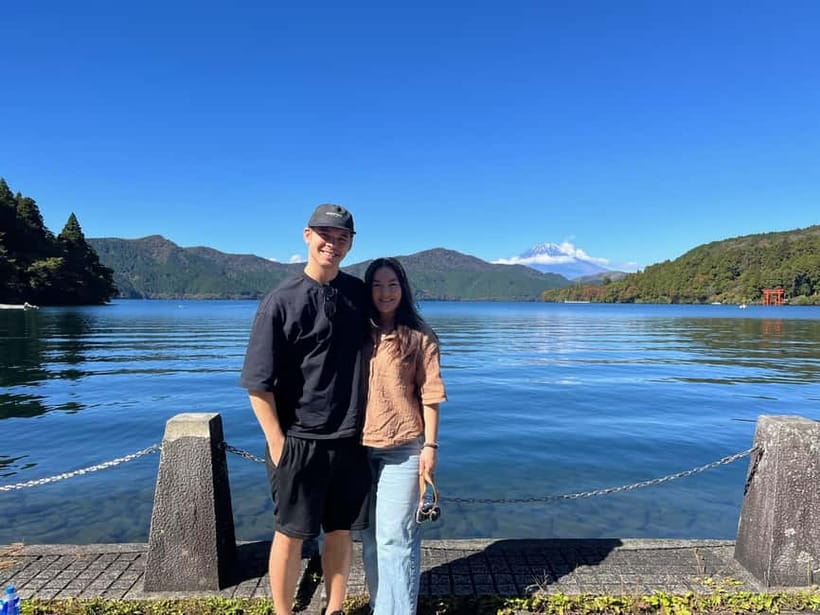
After Owakudani, the route moves toward the view stage: the Hakone Ropeway. Riding the ropeway down the mountain to Lake Ashinoko is one of those “transport that feels like an attraction” moments. Instead of a long back-and-forth, you get an efficient descent with the chance to spot Hakone’s bigger scenery.
This stop is specifically timed for views of Mount Fuji from the Lake Ashinoko area. You’re aiming at one of Hakone’s most famous photo lines, and the guide’s job is to get you there at the right time relative to the rest of the day. Do plan for the fact that mountain visibility can change with weather and season, but the ropeway-to-lake movement is still the right approach for maximizing your odds without wasting time.
Why this matters for you: if you’re only doing a single Hakone day, you don’t want to spend half your time lost in transfers. This tour keeps the big scenic payoff close to the volcanic stop, so the day has a clean arc.
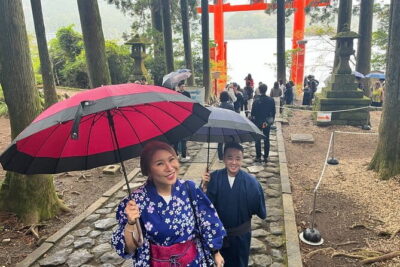
Kuzuryu Shrine Torii: the 9-headed dragon story, seen from the water
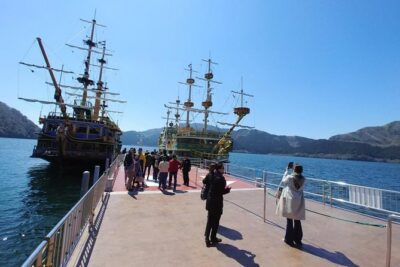
From Lake Ashinoko, you’ll sail across to the Torii gate by Kuzuryu Shrine. This is where the tour shifts from “scenery” to “place with meaning.”
Kuzuryu is tied to the area’s 9-headed dragon deity, so the stop is more than a photo spot. You’re stepping into a myth that helps explain why people built shrines like this in the first place—on water, connected to the spiritual geography of the region.
Practically, it also breaks up your walking time. A boat ride gives your legs a breather after Owakudani and the ropeway. If you like travel that combines atmosphere with quick cultural context from a guide, this is one of the best parts of the whole structure.
Hakone town time: history, culture, and how the guide shapes your day
Beyond the headline nature stops, you’ll explore the beautiful mountain resort town of Hakone. This is where a guide can turn “I was there” into “I understood what I saw.”
The tour is described as a walking day tour, using public transportation or local taxis between sites. That’s a big deal: you’re not just riding around with a private vehicle and hopping out for photos. You’ll have time in the town to connect what you’re seeing with the explanations you’re getting—history, culture, and Japanese traditions.
This is also where your guide’s personality and planning style show. In prior trip experiences, guides like Kate have been described as planning a tailored itinerary after contacting you before the trip, and helping travelers move through Hakone efficiently using local options. Another guide, Yumi, has been described as adapting to a planned theme and even helping solve a real-world transport hiccup with an alternative route back. That’s the value you’re buying: flexibility plus local know-how.
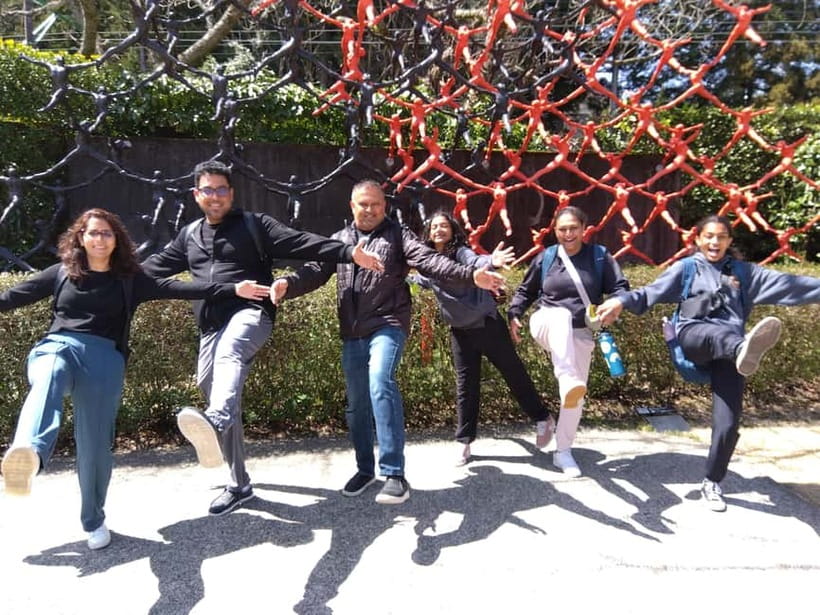
For you, that means you can choose your vibe. Want art and calm? Museum time works. Prefer temples and classic atmosphere? Swap in a shrine or temple stop from the menu.
Readers also shortlisted these Hakone bookings:
- Private Hakone Half-day Car Tour with Hotel Pickup – Local Guide★ 5.0 · 48 reviews
- Hike Japan Heritage Hakone Hachiri with certified mountain guide★ 5.0 · 46 reviews
- Hakone : Private Tour with Government-Licensed Guide★ 5.0 · 4 reviews
Choosing your 3–4 stops: art museums, parks, temples, and quirky odds-and-ends

The best feature here is that you can pick from a focused list of stops, and you’ll generally see 3 to 4 places total. That’s a sweet spot for a 6–8 hour day in Hakone. It’s enough variety to feel like a real Hakone visit, but not so many stops that you’re constantly sprinting between locations.
Here’s how the options usually work in a day like this:
Lake Ashinoko
If you want the “views and water” side emphasized, Lake Ashinoko is a natural anchor. It pairs especially well with the ropeway and the sail to the Torii gate.
Hakone Shrine (Hakone Shrine)
Choose this if you want more of the classic shrine experience in the Hakone mix. It also helps balance the volcanic and scenic stops with cultural heritage.
Hakone Ropeway
Even if you don’t choose it as a separate item, the flow toward Lake Ashinoko often includes the ropeway segment described in the experience. If you do select it, it reinforces that view-first strategy.
Owaku-dani Valley (Owakudani)
This is the heat-and-sulfur must. It’s the emotional peak of the day for most people because it feels alive.
Art stops: Pola Museum, Okada Museum, Narukawa Art Museum
If you’re an art fan, Hakone is a smart place to do it. You can choose one of several art museums (like Pola Museum of Art or Okada Museum of Art) depending on what you’re drawn to. These stops also help when weather is changeable, because museums give you controlled time indoors.
Hakone Open-Air Museum
Pick this when you want art with open air and scenery. It’s a good match for travelers who don’t want art only behind glass.
Sengokuhara and Gora Park
Choose Sengokuhara if you want a more open, laid-back Hakone feel. Gora Park can add greenery and a resort-town mood without being too demanding in pacing (though you’ll still be walking).
Choanji Temple
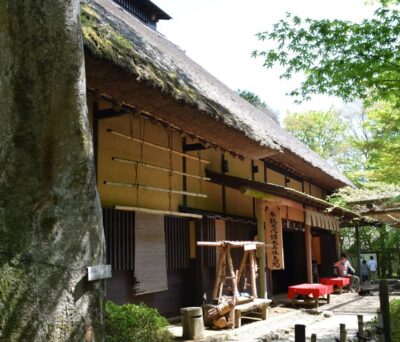
If you like quiet, traditional spaces, this is your cultural counterbalance. A temple stop can also help break up the more modern-feeling museum visits.
Hakone Venetian Glass Museum
This is for you if you want something playful and hands-on-adjacent in spirit. Glass museums tend to be visually satisfying even when you’re not trying to study art history.
Hakone Shisseikaen
This option fits travelers who want a garden-focused stop. In a day already packed with dramatic volcanic and water scenery, a garden can slow the pace in a good way.
Dollhouse Museum Hakone
This is where you can go a little quirky. It can be a fun contrast to the grandeur of Fuji and volcanoes, and it’s an easy win if you like odd specialties.
Price and logistics: what $171 gets you, and what you’ll pay separately
At $171 per person for 6–8 hours, you’re mostly paying for the guide and the planning power. What’s included is clear: a licensed local English-speaking guide, a meet-up within the designated area of Hakone, and a customizable tour of 3–4 sites based on what you choose.
What’s not included is equally important. You’ll pay for transportation fees, entrance fees, lunch, and other personal expenses. There’s no private vehicle included, which means you should expect to use public transportation or local taxis to move between stops. The exact transport costs can be discussed with the guide after a reservation is finalized, and you should have Japanese yen on hand.
So does the cost make sense? For many people, yes—if you value efficiency and local context. If you were to DIY Hakone without knowing the routes, you could easily spend time figuring out transfers and still miss the best sequencing. With a private guide, you’re buying fewer mistakes and a smoother day.
If you do want a private vehicle, it’s possible, but you’d need to arrange it directly and book 5 days in advance. The private vehicle also has a maximum number of passengers (up to 7). For most travelers, the standard walking-and-local-transport approach is the right balance.
When this tour fits you best (and when it doesn’t)
This tour is a great fit if you want:
- A private day with a guide who can tailor your route
- Volcano + lake + shrine as the backbone
- Art and culture choices that you can swap based on your interests
- A plan that reduces wasted time between Hakone’s spread-out sights
It’s less ideal if you have mobility issues. The information notes the tour is a walking day tour in a mountainous region and lists it as not suitable for people with mobility impairments. Even though wheelchair accessibility is stated, you should treat the walking demands as the bigger reality: bring a conservative mindset about your stamina.
If you’re traveling solo, this is still worth it because you get private guidance. If you’re traveling in a small group, the private format can turn into a cost-effective way to see more than you could manage solo in a short window.
Quick packing and mindset tips that actually help
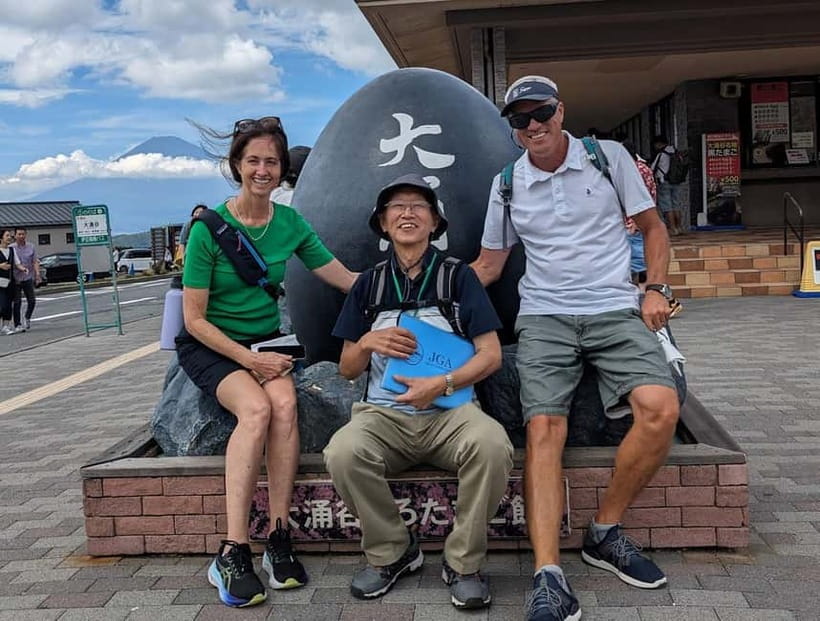
You’ll walk. So pack for walking. Bring comfortable shoes, weather-appropriate clothing, and cash for transport and any personal purchases like food (including the black boiled eggs you can try at Owakudani).
Also, go in ready to let the guide steer the day. Hakone is not a place where speed comes from rushing—it comes from smart sequencing, and the guide is there to help you get it right.
Should you book this Hakone private tour?
Book it if you want a structured, flexible Hakone day without the stress of figuring out transport and order by yourself. The big value is the pairing of Owakudani’s volcanic spectacle with Lake Ashinoko’s scenic and shrine stops, plus the ability to add one museum or cultural option that matches your interests.
Skip it or rethink it if you don’t handle walking well, or if you’re the kind of traveler who wants zero spending on guides and prefers a fully independent plan. Also, if you’re budgeting tightly, remember that entrance fees and local transportation aren’t included—so your total will depend on your chosen stops.
My bottom line: for first-time Hakone visitors who want the highlights and context, this is a smart way to buy time and understanding in one day.
FAQ
How long is the Hakone private tour?
The duration is 6 to 8 hours.
How much does the tour cost?
The price is $171 per person.
What’s included in the price?
You get a licensed local English-speaking guide, a meet-up within the designated Hakone area, and a customizable tour of 3 to 4 sites you choose from the listed options.
What is not included?
Not included are transportation fees, entrance fees, lunch, and other personal expenses. A private vehicle is also not included.
Can I choose which places to visit?
Yes. You’ll choose 3 to 4 sites from the options listed in the experience description, and you should inform your guide after booking which ones you want.
Is this tour walking-based?
Yes. It’s described as a walking day tour, and it does not include a private vehicle.
How do we get between stops?
Public transportation or local taxis may be used to transfer between sites. You’ll want Japanese yen available for these transport costs.
Where do I meet the guide?
Pickup is available within a 10 km radius of Hakone-Yumoto Station. The guide will wait in the hotel lobby or at the train station you request, about 10 minutes before the scheduled pickup time.
What languages are the guides?
The guide language options are English and Japanese.
Is it refundable?
Yes, free cancellation is available up to 24 hours in advance for a full refund.
More Tours in Hakone
- Hakone 6 hour Private Tour with Government-Licensed Guide
★ 5.0 · 218 reviews - Custom Private Tour in Hakone with a Certified Local Guide
★ 5.0 · 91 reviews - Hakone 8 hour Private Tour with Government-Licensed Guide
★ 5.0 · 63 reviews - Private Tour – Hakone Day Trip! A Tour to Explore All Must-Sees!
★ 5.0 · 58 reviews - Private Hakone Half-day Car Tour with Hotel Pickup – Local Guide
★ 5.0 · 48 reviews
More Tour Reviews in Hakone
- Hakone 6 hour Private Tour with Government-Licensed Guide
★ 5.0 · 218 reviews - Hakone: Train Pass with Unlimited Rides & Activity Discounts
★ 4.4 · 102 reviews - Custom Private Tour in Hakone with a Certified Local Guide
★ 5.0 · 91 reviews - Hakone 8 hour Private Tour with Government-Licensed Guide
★ 5.0 · 63 reviews - Private Tour – Hakone Day Trip! A Tour to Explore All Must-Sees!
★ 5.0 · 58 reviews
Hakone, A Few More Ways
- Hakone 6 hour Private Tour with Government-Licensed Guide
★ 5.0 · 218 reviews - Hakone: Train Pass with Unlimited Rides & Activity Discounts
★ 4.4 · 102 reviews - Custom Private Tour in Hakone with a Certified Local Guide
★ 5.0 · 91 reviews - Hakone 8 hour Private Tour with Government-Licensed Guide
★ 5.0 · 63 reviews - Private Tour – Hakone Day Trip! A Tour to Explore All Must-Sees!
★ 5.0 · 58 reviews
Latest Hakone reviews off our desk
Hakone Tours, compared.
 ★ 5.0Mt Fuji and Hakone 1-Day Bus Tour Return by Bullet TrainFrom $16326,383 reviews
 ★ 4.0Mt Fuji & Hakone Cruise, Drum Show Bullet Train 1 Day from TokyoFrom $1497,413 reviews
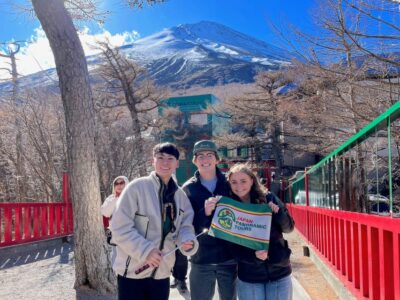 ★ 4.4Tokyo Mt Fuji 5th St & Hakone Cruise Bus Tour w/Bullet TrainFrom $1545,024 reviews
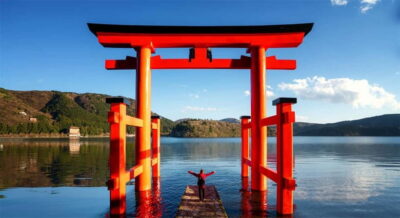 ★ 4.7Mt. Fuji Tour, Hakone Ropeway, Owakudani, Lake AshiFrom $544,002 reviews
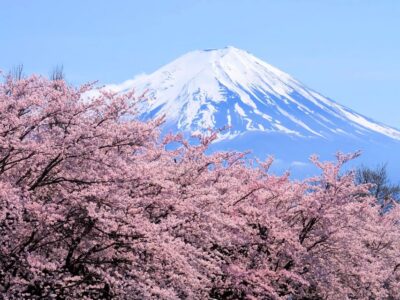 ★ 4.2Mt. Fuji 5th Station & Hakone Cruise 1-Day Bus TourFrom $1292,381 reviews
 ★ 5.0Private Tour to Mt. Fuji and Hakone (Fully Licenced Operator)From $4971,910 reviews
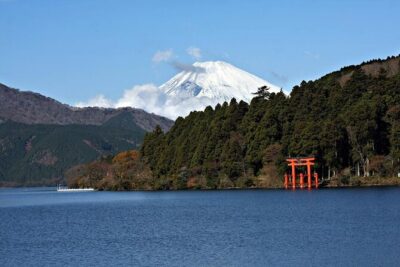 ★ 4.0Mt Fuji & Hakone Cruise, Drum Show Bus 1 Day from TokyoFrom $1221,287 reviews
 ★ 4.2From Tokyo: Mt. Fuji & Hakone Tour w/ Return by Bullet TrainFrom $1171,278 reviews
Browse the lists this tour appears in