
Reviewed · HAKONE TOURS
Hike Japan Heritage Hakone Hachiri with certified mountain guide
Hakone’s Edo trail makes time feel close. This Hakone Hachiri hike gives you a hands-on walk through the old Tokaido route around 8 km, with a guide who connects the stone paths, checkpoints, and travel culture of the Edo period. I especially like the small group size (max 6) and the way the certified mountain guide keeps the day moving with smart on-foot sections plus local bus shortcuts. One thing to consider: the day depends on weather for big views like Mt Fuji, so plan for clouds and bring realistic expectations.
If you’ve only seen Hakone from a gondola or postcard, this tour changes your pace fast. You start at Hakone-Yumoto, work your way toward Lake Ashi via the tea house and old roads, then continue along the Hachiri heritage path with a reroute around any temporarily closed sections. The history lands better here because you’re walking where travelers once climbed, sweated, and negotiated steep slopes.
In This Review
- Key Points Before You Go
- Edo-Era Routes, Modern Comfort: What This Hike Feels Like
- Start at Hakone-Yumoto, Then Aim for the Tea House Trailhead
- Lake Ashi at Motohakone-Ko: The Torii + Fuji View Moment
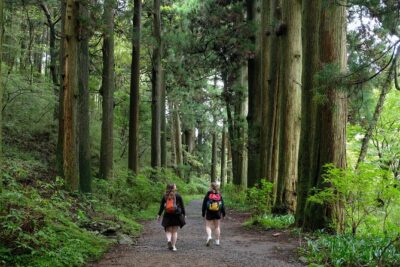
- Hakone Checkpoint Stories on the Cedar Trees Old Road
- Lunch in Hakone-machi, Then a Bus Reroute to Keep the Day Smooth
- Yamanaka Castle Ruins on the Hachiri Heritage Path
- Finish in Mishima: Mishima Taisha and Genbe River
- Price and Logistics: Is $158.52 Good Value?
- How Fit Do You Need to Be for an About 8 km Day?
- Weather, Mt Fuji, and the Smart Way to Think About Views
- Who Should Book This (and Who Might Not)
- Should You Book Hike Japan Heritage Hakone Hachiri?
- FAQ
- Where do we meet, and where do we end?
- How long is the tour and how much do we hike?
- What stops are included on the route?
- What’s included in the price?
- What costs extra during the day?
- Is Mt Fuji part of the experience?
- Do we use buses, or is it all hiking?
- What group size should I expect?
- What if the weather is bad?
Key Points Before You Go
- Edo-era route in a hike-and-bus format: you get trail time without spending the whole day trapped in transfers
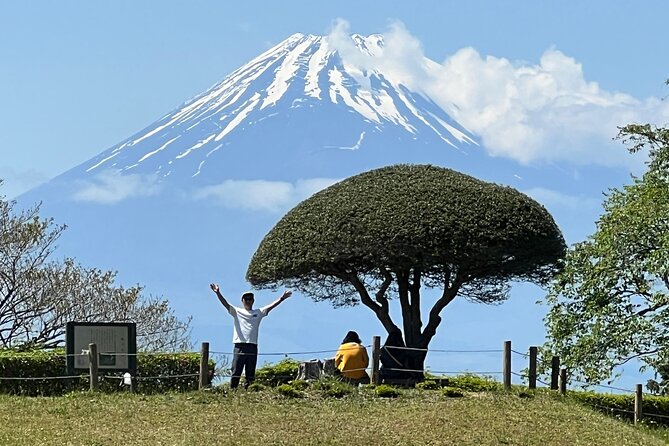
- Mt Fuji photo chances, not promises: you’ll get viewpoints, but weather decides how clear they are
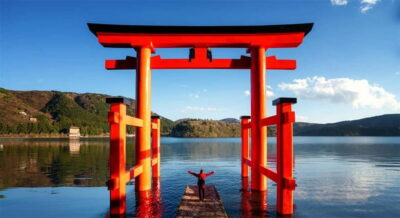
- Lake Ashi classics on foot: Heiwa no Torii and the torii-area views near Hakone Shrine
- Checkpoint stop with context: you learn why Hakone-machi mattered as an entry point
- Yamanaka Castle Ruins and then Mishima: the day ends with shrine and riverside scenery
- Small group with safety-minded guidance: national certified pro guide with wilderness first aid
Edo-Era Routes, Modern Comfort: What This Hike Feels Like
This is not a full-day “let’s see where the trail takes us” wandering hike. It’s a guided route that follows the logic of historic travelers—walk the meaningful sections, then use local transit to stay on schedule when terrain or closures get in the way.
The practical payoff is simple: you end up with a connected story. You’ll trace parts of the Old Tokaido Highway system, walk steep Hakone mountain slopes the way Edo-period travelers did, and then tie it all together with places like the checkpoint area and castle ruins.
Other Hakone loops worth the fare
- Hakone 6 hour Private Tour with Government-Licensed Guide
★ 5.0 · 218 reviews - Hakone: Train Pass with Unlimited Rides & Activity Discounts
★ 4.4 · 102 reviews - Custom Private Tour in Hakone with a Certified Local Guide
★ 5.0 · 91 reviews - Hakone 8 hour Private Tour with Government-Licensed Guide
★ 5.0 · 63 reviews
Start at Hakone-Yumoto, Then Aim for the Tea House Trailhead
Meet at Hakone-Yumoto Station and expect a straightforward start. After meeting, the group takes a shared taxi to the trailhead, then you walk for about an hour toward the Hakone Amazake Tea House area.
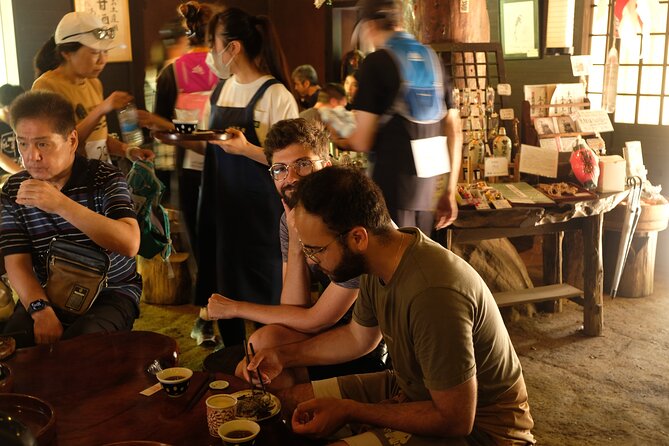
Along the way, you pass through a wood crafting village setting where you can watch artisans making use of local materials. It’s one of those stops that helps you shift gears from sightseeing to understanding how daily life and travel culture mixed in older Japan.
Tip for your comfort: this portion sets the tone. Wear shoes with grip and plan for a steady effort early, since you’re already climbing before the day’s biggest scenery stops.
Lake Ashi at Motohakone-Ko: The Torii + Fuji View Moment
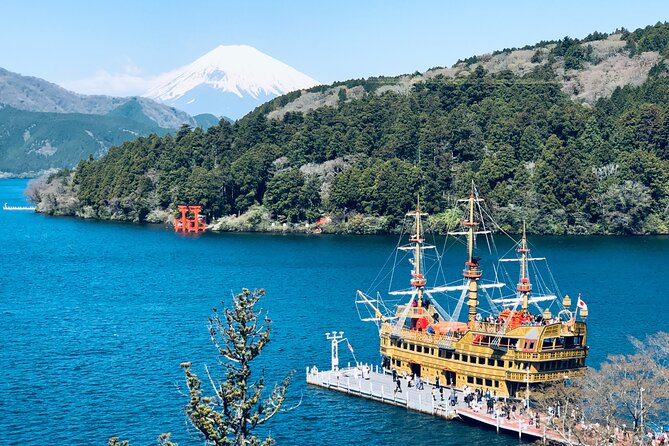
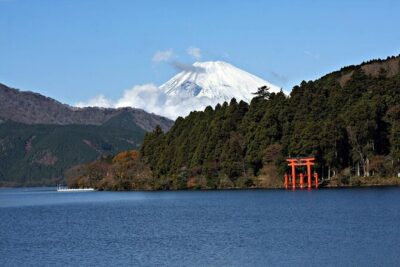
Once you reach Lake Ashi, the route turns into classic Hakone visuals. At Motohakone-Ko Pier, you walk the shoreline area with time to spot the Heiwa no Torii and look for Mt Fuji in the background if weather allows.
Even when the mountain isn’t visible, Lake Ashi’s scale and the lakeside atmosphere still feel like you’re standing in a real travel corridor, not just at a viewpoint.
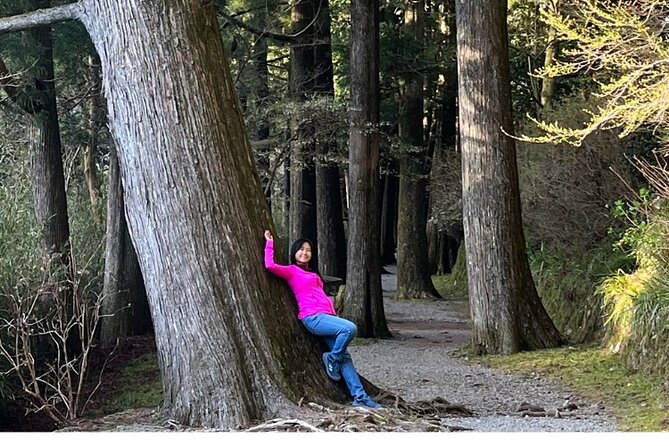
Then comes the shift from open views to texture underfoot. You’ll move through the cedar avenue on the old road, where the huge trees and the narrow path make the hike feel like a moving corridor—very different from the more modern Hakone sightseeing routes.
Hakone Checkpoint Stories on the Cedar Trees Old Road
After the cedar avenue, you reach the Hakone Checkpoint area (the “immigration” style checkpoint travelers would have encountered). This stop is short, but it matters because it explains what the checkpoint represented in practice.
In other words: it’s not just a photo stop. You’ll connect the checkpoint to why Hakone was a choke point on the route—where people and goods had to pass through, and where rules shaped movement.
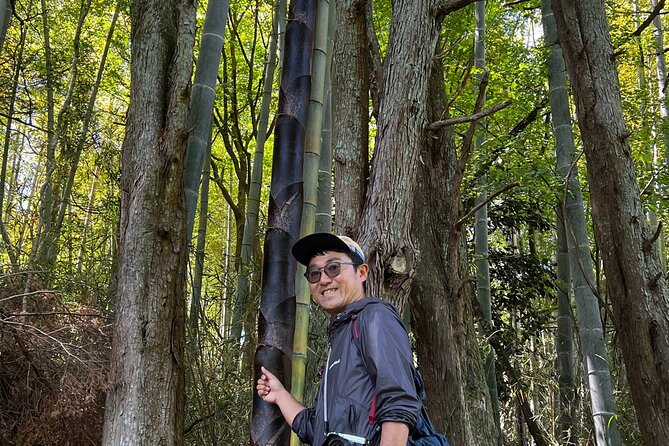
This is also where the guide’s approach really shows. Guides like Aki (also seen as Akihiro) often have a calm, photo-friendly style, so you don’t feel rushed even when the walk is steady.
Lunch in Hakone-machi, Then a Bus Reroute to Keep the Day Smooth
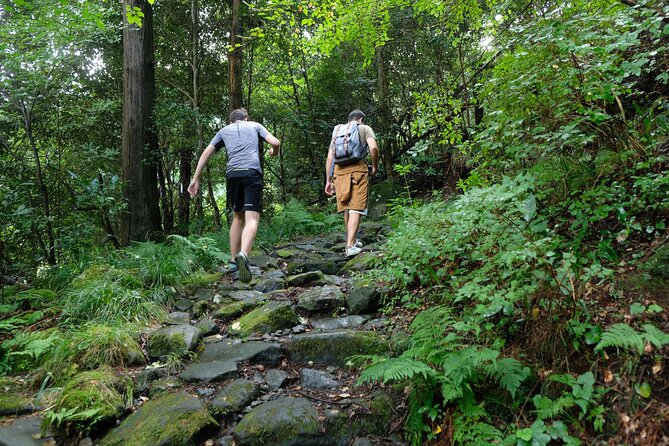
Lunch happens in Hakone-machi at a local Japanese restaurant. You’re not just eating; you’re taking the pause that makes the rest of the route work. Plan for the lunch to be around 2,000 yen for your group (not included), and expect it to reset your legs for the next leg.
After lunch, the itinerary handles a very real Japan hiking problem: parts of the route can be temporarily closed. The tour uses a bus to skip the closed section, then resumes walking toward the next heritage area on the Shizuoka side of Hachiri.
That reroute is a big part of the value. It keeps you from burning time backtracking or dealing with detours that can stretch a 7-hour plan into a much longer day.
Readers also shortlisted these Hakone bookings:
- Private Hakone Half-day Car Tour with Hotel Pickup – Local Guide★ 5.0 · 48 reviews
Yamanaka Castle Ruins on the Hachiri Heritage Path
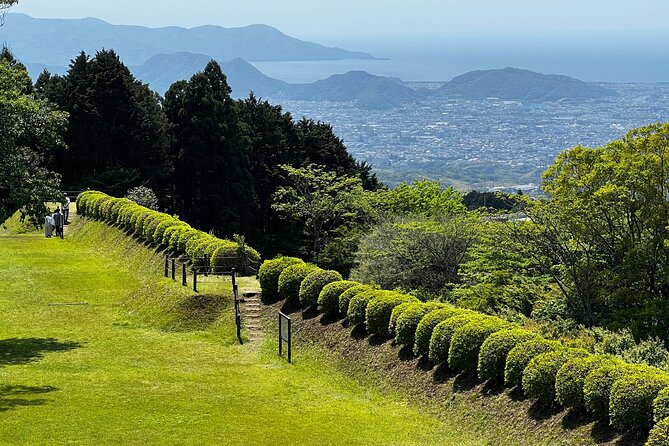
Next up: Yamanaka Castle Ruins, reached along the Hachiri Heritage path. This portion is one of the best ways to experience the route as a travel corridor rather than a list of landmarks—because ruins, slopes, and viewpoints tell you why people chose certain ways through the mountains.
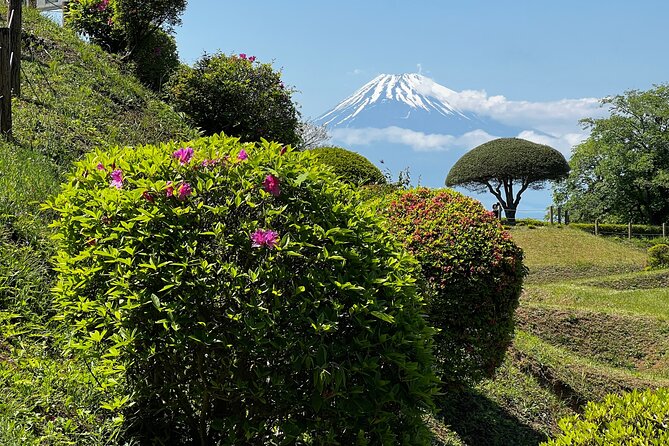
If the sky cooperates, you might get Mt Fuji views from this area too. Even without Fuji, castle-ruins terrain has a distinct “why it was built here” logic: sightlines, elevation, and control of movement through the region.
You’ll usually have around an hour here, which gives you time to look around without making the stop drag.
Finish in Mishima: Mishima Taisha and Genbe River
The walk ends in Mishima, at Mishima Station. Before you’re on your way, you’ll visit Mishima Taisha, described as the biggest shrine in Mishima, and you’ll spend time at Genbe River.
This ending is smart for two reasons. First, it ties the day into living local space—shrines and riverside atmosphere. Second, it sets up your departure, since from Mishima you can take the Shinkansen back toward Odawara (about 15 minutes) or on to Tokyo (about 45 minutes).
Important cost note: Shinkansen is not included. Odawara is listed around 2,500 yen, and Tokyo is listed around 4,400 yen.
Price and Logistics: Is $158.52 Good Value?
At $158.52 per person, this costs more than a standard bus-only day. You pay for three things you usually can’t DIY easily without serious planning: a national certified pro guide with wilderness first aid, a route that mixes walking and transit to stay on schedule, and historical interpretation tied to where you’re standing.
What’s not included also matters for budget. You’ll plan for:
- Lunch (around 2,000 yen)
- Local transport to trailhead and between sites (around 2,000 yen, by shared taxi or buses)
- Shinkansen from Mishima to Odawara or Tokyo (around 2,500 yen or 4,400 yen)
So the “all-in” cost depends on what you already spend for train travel that day. Still, if you want the Edo-route context plus guidance on the steep, heritage-focused route, this strikes a fair balance.
One more practical plus: the tour notes a maximum of 6 travelers and uses a mobile ticket, which helps keep check-in smooth.
How Fit Do You Need to Be for an About 8 km Day?
You should expect moderate physical fitness. The total walking distance is about 8 km, but the shape of the day matters more than the number: you’re on historic roads, with cedar avenues, old paths, and mountain-slope walking.
You also get transit breaks. You walk a meaningful amount, then use shared taxi and local bus segments to manage time and avoid the day turning into a marathon of uphill or detours.
If you’re comfortable walking for much of the morning and handling gradual climbs, you’ll likely feel fine. If you’re dealing with mobility limits, the “moderate” label is still a real warning: this route is not flat-city strolling.
Weather, Mt Fuji, and the Smart Way to Think About Views
Mt Fuji is the headline here, but it’s also a weather-dependent guest star. The tour explicitly frames Fuji sightings as possible if weather permits, and you’ll have multiple chances through the day (Lake Ashi area and the Yamanaka Castle Ruins area).
The honest move: treat Fuji as a bonus. Enjoy the cedar avenue walking, the Lake Ashi shore views, and the heritage-path context even if the mountain is hidden behind clouds.
The tour also requires good weather. If it’s canceled due to poor weather, you’ll be offered a different date or a full refund, but it’s also listed as non-refundable once you’ve booked—so read your plans carefully before you lock it in.
Who Should Book This (and Who Might Not)
This tour fits best if you want:
- A guided, story-linked hike through Hakone’s Edo-era travel corridor
- Small-group pacing with a guide who can shift routes when needed
- Meaningful stops like the Hakone checkpoint area, castle ruins, and Mishima shrine
You might consider a different option if you only want short, easy sightseeing with minimal walking. The route includes active segments and historic terrain, even though the day uses buses to keep things manageable.
Also, because it’s often booked about 61 days in advance on average, it’s smart to reserve early if your dates are fixed.
Should You Book Hike Japan Heritage Hakone Hachiri?
I’d book it if you like your travel days to feel connected—where each stop explains the next one. You’re paying for a guide-led interpretation of an old route, not just for walking through scenery.
It’s also a great choice if you’re traveling with people who enjoy photos and clear pacing. Guides in this program (including Aki/Akihiro) often help with family-style photo moments and keep the group moving with the local transit timing.
If your #1 goal is guaranteed Mt Fuji, then set a Plan B mindset. If your goal is a meaningful heritage hike with historical context, this delivers.
FAQ
Where do we meet, and where do we end?
You meet at Hakone-Yumoto Station in Hakone. The tour ends at Mishima Station.
How long is the tour and how much do we hike?
The tour runs about 7 hours and includes hiking around 8 km.
What stops are included on the route?
The route includes stops around Hakone Amazake Tea House, Lake Ashi at Motohakone-Ko Pier, the cedar trees on the Hakone Old Road, Hakone-machi (lunch), Yamanaka Castle Ruins, and ends in Mishima with Mishima Taisha and Genbe River.
What’s included in the price?
The price includes a national certified pro guide with wilderness first aid certificate, plus a mobile ticket. The listed admissions for the stops are free.
What costs extra during the day?
Lunch is not included (around 2,000 yen). Local transportation to the trailhead and between sites is not included (around 2,000 yen). Shinkansen from Mishima to Odawara or Tokyo is also not included (around 2,500 yen to Odawara, or 4,400 yen to Tokyo). Amasake and snacks along the way are not included.
Is Mt Fuji part of the experience?
You might be able to see Mt Fuji from different angles while walking, including at Lake Ashi and possibly from Yamanaka Castle Ruins, if weather permits.
Do we use buses, or is it all hiking?
It’s a mix. Transportation between sites is on foot or by local bus, with a shared taxi used early to reach the trailhead. After lunch, a bus may skip a temporarily closed section.
What group size should I expect?
The tour has a maximum of 6 travelers.
What if the weather is bad?
The experience requires good weather. If it’s canceled due to poor weather, you’ll be offered a different date or a full refund.
More Guided in Hakone
- Hakone 6 hour Private Tour with Government-Licensed Guide
★ 5.0 · 218 reviews - Custom Private Tour in Hakone with a Certified Local Guide
★ 5.0 · 91 reviews - Hakone 8 hour Private Tour with Government-Licensed Guide
★ 5.0 · 63 reviews - Private Hakone Half-day Car Tour with Hotel Pickup – Local Guide
★ 5.0 · 48 reviews
More Tour Reviews in Hakone
- Hakone 6 hour Private Tour with Government-Licensed Guide
★ 5.0 · 218 reviews - Hakone: Train Pass with Unlimited Rides & Activity Discounts
★ 4.4 · 102 reviews - Custom Private Tour in Hakone with a Certified Local Guide
★ 5.0 · 91 reviews - Hakone 8 hour Private Tour with Government-Licensed Guide
★ 5.0 · 63 reviews - Private Tour – Hakone Day Trip! A Tour to Explore All Must-Sees!
★ 5.0 · 58 reviews
Hakone, A Few More Ways
- Hakone 6 hour Private Tour with Government-Licensed Guide
★ 5.0 · 218 reviews - Hakone: Train Pass with Unlimited Rides & Activity Discounts
★ 4.4 · 102 reviews - Custom Private Tour in Hakone with a Certified Local Guide
★ 5.0 · 91 reviews - Hakone 8 hour Private Tour with Government-Licensed Guide
★ 5.0 · 63 reviews - Private Tour – Hakone Day Trip! A Tour to Explore All Must-Sees!
★ 5.0 · 58 reviews
Latest Hakone reviews off our desk

Hakone Tours, compared.
 ★ 5.0Mt Fuji and Hakone 1-Day Bus Tour Return by Bullet TrainFrom $16326,383 reviews
 ★ 4.0Mt Fuji & Hakone Cruise, Drum Show Bullet Train 1 Day from TokyoFrom $1497,413 reviews
 ★ 4.4Tokyo Mt Fuji 5th St & Hakone Cruise Bus Tour w/Bullet TrainFrom $1545,024 reviews
 ★ 4.7Mt. Fuji Tour, Hakone Ropeway, Owakudani, Lake AshiFrom $544,002 reviews
 ★ 4.2Mt. Fuji 5th Station & Hakone Cruise 1-Day Bus TourFrom $1292,381 reviews
 ★ 5.0Private Tour to Mt. Fuji and Hakone (Fully Licenced Operator)From $4971,910 reviews
 ★ 4.0Mt Fuji & Hakone Cruise, Drum Show Bus 1 Day from TokyoFrom $1221,287 reviews
 ★ 4.2From Tokyo: Mt. Fuji & Hakone Tour w/ Return by Bullet TrainFrom $1171,278 reviews
Browse the lists this tour appears in