
Reviewed · HAKONE TOURS
Hakone 8 hour Private Tour with Government-Licensed Guide
Hakone in one day, minus the scramble. This private walking tour is built for choice: you pick 4 to 5 stops from a list (Lake Ashi, Owakudani, ropeway, art stops, gardens, temples), and your licensed guide helps you avoid the usual crush. I especially like the custom pace—you’re not stuck with a fixed group script—and I also like that the itinerary is designed around what you actually want to see, from black boiled eggs to scenic transport breaks.
One consideration: it’s not a “sit back in a car” day. You’ll walk, and you’ll still pay for many admissions and all transportation yourself, so you need a little money and comfortable shoes ready. Also, Mt. Fuji views depend on weather, and not every day cooperates.
If you’ve got just one day in Hakone, this format is a smart way to get your bearings fast while still feeling local. I’ve seen guides run tight plans when the weather turned (like when rain pushed an art museum into the day), and I’ve seen them tailor to food and small detours too—like one guide helping a family line up a coffee stop and another keeping timings so everyone could enjoy the boat and volcano stops.
In This Review
- Key things to know before you go
- Hakone in one day, planned around your feet
- How the 8-hour private format works (and why 4 to 5 stops is the sweet spot)
- Lake Ashinoko and Hakone-jinja: the fast start that sets the mood
- Owakudani black eggs and the volcanic walking options
- Ropeway time, Sengokuhara pampas grass, and choosing your art lane
- Choanji Temple and the quiet side of Sengokuhara
- Gora Park and museum-heavy add-ons when you want variety
- Real-world guide skills: timing, pacing, and small fixes
- Price and logistics: what the $201.46 buys you (and what to budget)
- Best for: who should book this Hakone private tour
- Should you book this Hakone tour or plan it solo?
- FAQ
- How many places will we visit in an 8-hour tour?
- Is the tour walking-only, or is there a private vehicle?
- What’s included in the price?
- What costs are not included?
- Do any stops require reservations?
- Is Mt. Fuji guaranteed during Lake Ashi?
Key things to know before you go
- Choose 4–5 stops, not the whole checklist: you stay focused instead of sprinting between attractions.
- Morning start times give you control: you can match plans to your train timing or weather.
- Walking tour with “pickup offered,” but no vehicle: expect you’ll move by public transit at your own expense.
- Many admissions are not included: budget for museum and transport tickets, plus lunch.
- Volcano stops can include a reserved nature trail: Owakudani Nature Study Path requires advance reservation and has an 800 yen entry fee.
Hakone in one day, planned around your feet
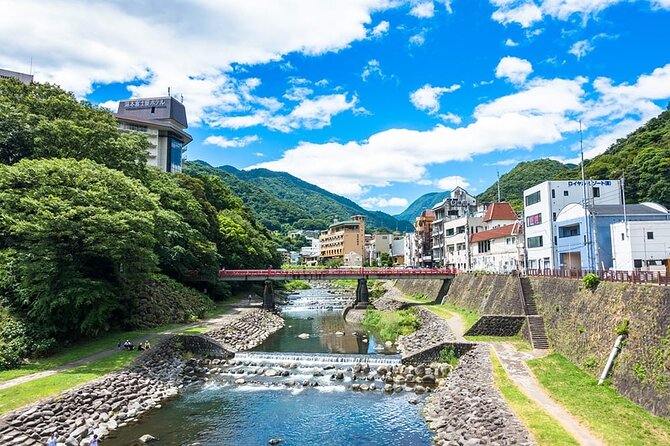
This tour is built for “Hakone highlights, but make it personal.” You meet your guide within a designated area and then move through Hakone by foot, using public transport as needed along the way. Since it’s private, you can ask questions as you go—why a shrine was rebuilt, what volcanic activity is really doing in the background, or how Hakone’s transport system fits together.
What makes it work is that the guide isn’t just reading a script. In real day-to-day operation, guides adjust routes and time with you. For example, some guides are known for handling sudden changes on rainy, cold days by swapping the order to include an indoor art stop until conditions improve.
You also get the best kind of flexibility: you’re not forced into every single “standard” photo stop. Want more time at Lake Ashi? Want museums? Want temples and a calmer pace? You can steer the day.
Other Hakone loops worth the fare
- Hakone 6 hour Private Tour with Government-Licensed Guide
★ 5.0 · 218 reviews - Hakone: Train Pass with Unlimited Rides & Activity Discounts
★ 4.4 · 102 reviews - Custom Private Tour in Hakone with a Certified Local Guide
★ 5.0 · 91 reviews - Hakone 8 hour Private Tour with Government-Licensed Guide
★ 5.0 · 63 reviews
How the 8-hour private format works (and why 4 to 5 stops is the sweet spot)
You’re looking at about 8 hours total, and you’ll typically visit 4 to 5 sites chosen from the provided list. That’s the main value here: each stop gets enough time to breathe, not just “see it from the sidewalk.”
You can start in the morning at multiple times, which matters because Hakone traffic and crowds shift through the day. Also, timing is everything for Mt. Fuji views. Lake Ashi is the classic vantage point, but fog and cloud happen—so you’ll want your guide to think like a local about when to be in position.
Here’s how I’d think about your selection if you’re planning:
- If you want the big iconic loop: Lake Ashi + Hakone Shrine + ropeway + an art stop + Owakudani.
- If you want arts and gardens: Hakone Open-Air Museum + wetlands garden + a museum like Okada or Pola + a quieter park stop.
- If you want temples and slow culture: Hakone Shrine + Choanji Temple + a museum + Hakone’s older neighborhood vibes around Gora.
The tour does not include a private vehicle. That’s fine—Hakone’s best moments often come from moving through areas on foot and using the local transport hubs properly.
Lake Ashinoko and Hakone-jinja: the fast start that sets the mood
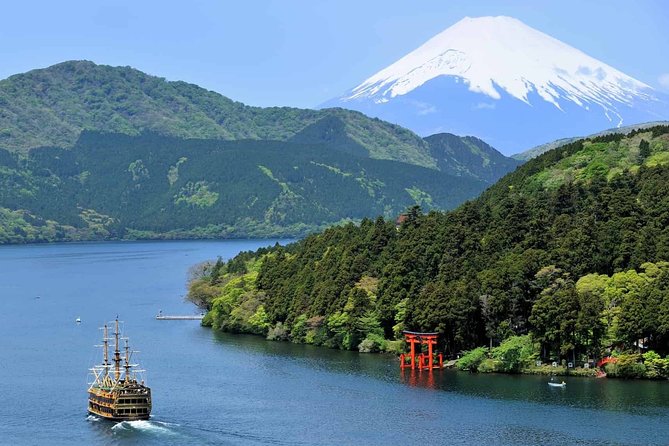
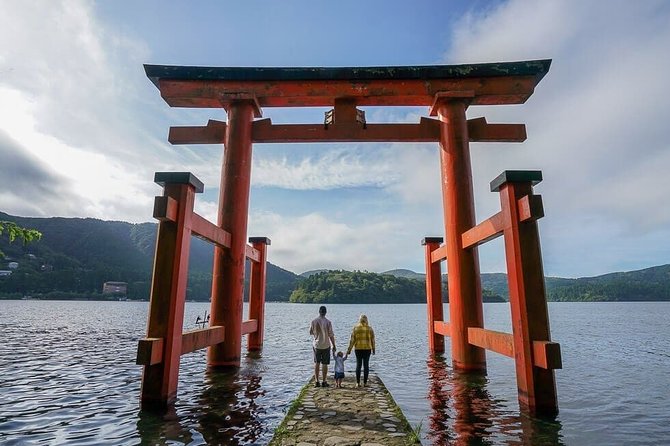
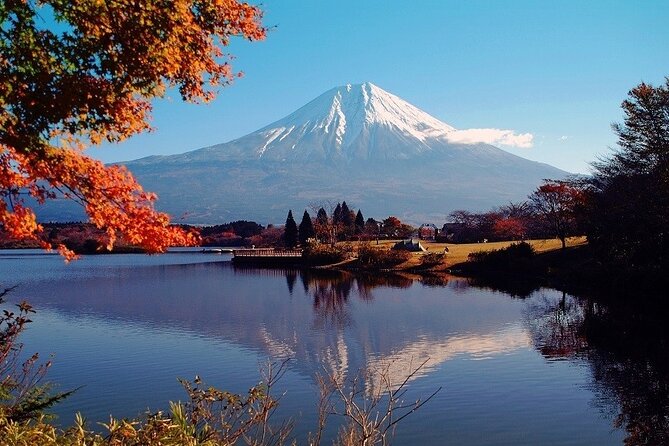
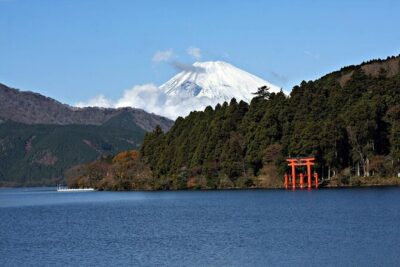
Lake Ashinoko is the postcard heart of Hakone. It sits inside the caldera formed after Mount Hakone’s last eruption centuries ago, and it’s the place where Mount Fuji often appears in the background—when the sky cooperates. This stop is short on paper (about 15 minutes), but it’s used as a quick orientation moment: you arrive, you get the view, you get your bearings.
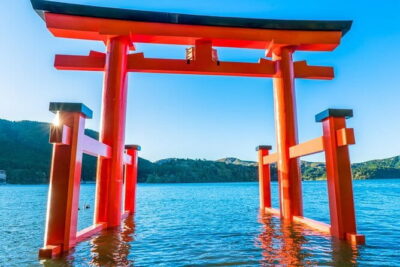
Hakone-jinja Shrine is the calm counterpoint. It’s a long-running place of worship with buildings rebuilt after fires, so it has that “stayed standing through change” feeling. It’s typically a quick stop too, but it helps you understand Hakone beyond scenery.
Practical tip: if Fuji is showing, this is where your guide will likely want to bring you to the right spot first. One downside—if conditions are poor—is that your photos may feel a bit underwhelming. Still, even without Fuji, the lake and shrine area can feel peaceful and not too busy compared with some other Hakone corners.
Owakudani black eggs and the volcanic walking options
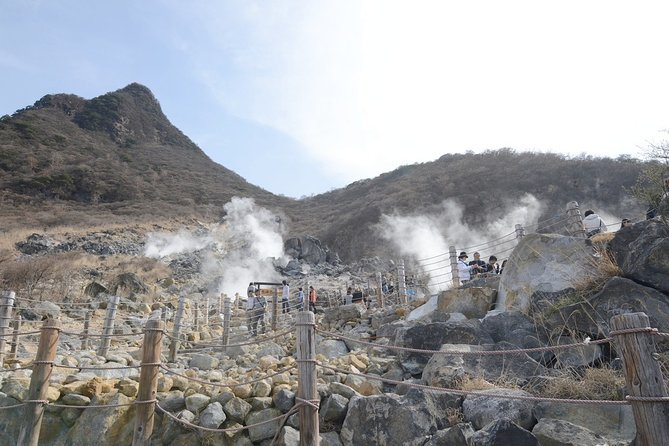
Owaku-dani Valley is where Hakone turns from pretty into dramatic. It connects to the volcano system that powers nearby hot springs, and it’s famous for the black boiled eggs. These eggs are more than a gimmick: they’re a local food ritual tied to volcanic activity and the lore around it.
On this tour, the black egg area is typically a short stop (around 15 minutes), so you’ll want to make the most of it:
- Eat first if you’re hungry.
- Then slow down for photos and geothermal details.
- Ask your guide how the volcano connects to hot spring culture.
If you upgrade your day with the Owakudani Nature Research Trail, that’s a different mood: closer views of geothermal activity, and it runs longer (about 40 minutes). But it comes with rules. Advance reservation is required, and the trail has an 800 yen entrance fee.
A key consideration: volcano weather can be tricky. Wind and mist are common, and paths can feel steamy or slippery. Your guide can usually steer you to the safer, best-timed route.
Ropeway time, Sengokuhara pampas grass, and choosing your art lane
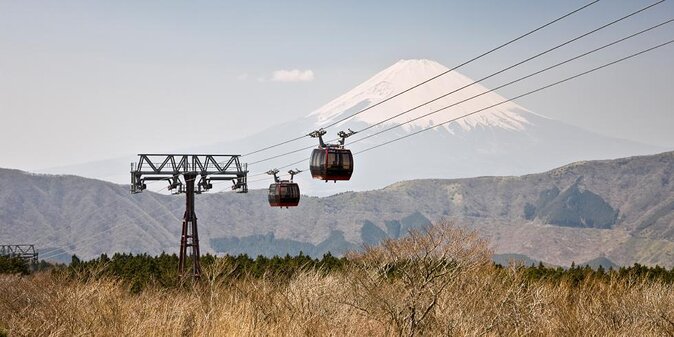
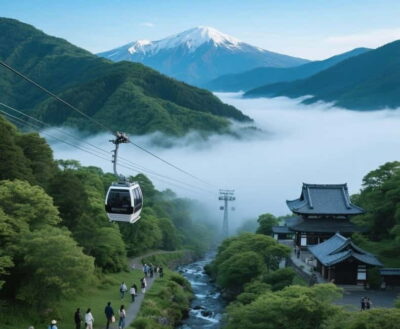
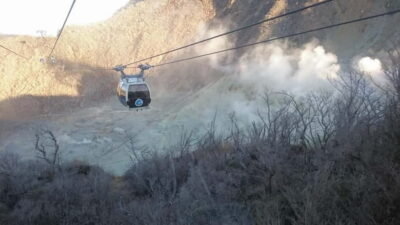
The Hakone Ropeway is a core transport highlight. It links Sounzan Station (connected to the Tozan Cablecar) with Togendai Station—so it’s not just a view ride, it’s also the bridge between zones. This tour usually keeps the ropeway stop tight (about 10 minutes), which works well if you’re trying to cover multiple areas within 8 hours.
Sengokuhara adds a seasonal hit. Pampas grass fields are especially beautiful in autumn, and this stop gives you an open-air break without turning the day into a full hike. It’s a short stop on paper (about 15 minutes), so treat it as a mood reset.
Then you get to choose the art and culture side. You can slot in:
- Hakone Museum of Art (Gora)
- Hakone Open-Air Museum (a major reason many people come to Hakone)
- Okada Museum of Art
- Narukawa Museum of Art
- Dollhouse Museum Hakone
- Venetian glass museum
- POLA Museum of Art
Most museum admissions are not included, so this is where your “what do I want to spend on” decision matters. If you love art and gardens, adding one bigger museum can justify the cost because it gives you a long, satisfying block where you won’t be watching for the next train.
A real plus from the guide style: in rainy cold weather, some guides swap your plan so you can keep moving without losing the day. One guide used an art museum as a weather buffer until conditions improved, which is exactly the kind of flexibility you want from a private guide.
Readers also shortlisted these Hakone bookings:
- Private Hakone Half-day Car Tour with Hotel Pickup – Local Guide★ 5.0 · 48 reviews
Choanji Temple and the quiet side of Sengokuhara
Choanji Temple is a small but atmospheric stop. It’s Soto Zen, established in 1356, and it sits quietly in the Sengokuhara area at the base of a hill. It’s listed as about 15 minutes and admission is free, so it’s a strong value addition.
This is the kind of stop that helps if you’re trying to balance sensory overload. After volcano drama or transport rides, a calm temple moment makes the day feel human again.
If you’re choosing between multiple free stops, Choanji is a good “low-cost, high-feel” pick because it adds a different texture: quiet, shaded, and a bit removed from the busiest photo circuits.
Gora Park and museum-heavy add-ons when you want variety
Gora Park is a western-style landscape park above Gora Station. It’s meant for lingering—scenery, viewpoints, and a breather between busier attractions. It’s listed around 15 minutes, but in practice it can stretch a bit depending on your interests and the weather.
Then the tour offers a lot of “smaller museum” options depending on your vibe:
- Narukawa Museum of Art (nihonga style)
- Okada Museum of Art (a private collection, opened in 2013)
- Venetian Glass Museum area with Italian-styled buildings and a strolling garden
- POLA Museum of Art (another private collection-style stop)
- Hakone’s dollhouse museum (a surprisingly charming diversion)
Here’s the tradeoff: you can pack variety in a private tour, but you still only have 8 hours. If you pick too many indoor stops, you’ll spend less time on the classic Hakone scenery. If you pick no indoor options, you risk losing time to weather. That’s where your guide’s judgment helps.
If you care about good timing more than ticking boxes, choose one bigger anchor museum (like the Open-Air Museum) and keep the rest light.
Real-world guide skills: timing, pacing, and small fixes
The biggest difference between an average tour and this one is how guides manage the day in the real world. In actual use, guides like Ryuta, Yoshi, Hide, Seky, Shuji, Masa, Hiro, Yukie, and others are described as planning detailed itineraries around personal interests and adjusting when conditions change.
A few concrete examples from the guide styles you’ll likely experience:
- Strategic pacing: one guide arranged a tight path through cable, gondola-style views, then onto volcanic side, keeping the day smooth even with a lot of movement.
- Food and comfort help: guides have helped with lunch planning and even with practical needs like getting help finding a pharmacy or handling food ordering in a local restaurant.
- On-time transport thinking: several guides are praised for getting people onto the right transport connections on schedule, including boats and cable cars.
- Weather logic: when rain hit, some guides pushed art indoors first so the rest of the day wasn’t wasted waiting.
One thing to watch: English clarity can vary a bit from guide to guide. I’ve seen comments that some guides were harder to understand, and there are also mentions of guides moving ahead if the group lagged. That’s not a dealbreaker—just a reason to communicate early. If you need slower pacing or more explanation, say it at the start.
And Mt. Fuji is never guaranteed. If you get clear skies, it’s a win. If not, you’ll still get Lake Ashi and the rhythm of Hakone, plus volcanic and cultural stops.
Price and logistics: what the $201.46 buys you (and what to budget)
At about $201.46 per person for an 8-hour private tour, the value is mostly in the guide service and the flexibility. You’re paying for:
- A licensed local English-speaking guide
- The ability to select 4 to 5 sites from the list
- A plan that can be adjusted to your interests and timing
- A private experience where you don’t have to share attention with strangers
But you should budget for what’s not included:
- Transportation fees (since there’s no private vehicle)
- Entrance fees for many museums and attractions
- Lunch and personal expenses
- Many transport tickets like ropeway/other rides if you choose them
So the real “value math” is simple: if you’d otherwise pay for a guide-less day and still buy tickets and transport, this private plan can pay off because it prevents wasted time. It also helps you avoid the most common mistake in Hakone: spending hours moving between areas without understanding the best order.
Also note: this tour doesn’t include a Hakone Freepass, even though that pass might be useful for some routes. If you’re considering one, compare your likely transport and admissions to the pass cost before assuming it covers everything.
Best for: who should book this Hakone private tour
This is a strong fit if:
- You have limited time in Hakone and want a guided hit list.
- You want choices (food, volcano views, ropeway, art, temples) without rushing through everything.
- You like asking questions and adjusting the plan as you learn what you enjoy most.
It’s less ideal if:
- You hate walking or standing in lines for transport hubs.
- You prefer purely scenic viewpoints with minimal museum time.
- You want guaranteed Mt. Fuji views. No one controls the weather.
If you’re traveling with kids or multi-generational groups, private pacing can be a lifesaver. Some guides have been praised for flexibility, including slowing down when needed and handling family logistics like finding a table for lunch.
Should you book this Hakone tour or plan it solo?
Book it if you want someone else to handle the order of sites, the timing between transport zones, and the “what should we do next” decisions. For one full day, having a licensed guide can turn Hakone from a confusing transit maze into a story you understand.
Skip or consider alternatives if your budget is tight and you’re already comfortable building your own route. Hakone is doable solo, but you’ll spend more time figuring out connections, ticket timing, and which stops actually match your mood that day.
My practical suggestion: choose 1 anchor scenic stop (Lake Ashi), 1 “Hakone in a sentence” stop (Owakudani black eggs), and then 1 cultural anchor (Open-Air Museum or a major art museum). Leave only one slot for a smaller extra, like Gora Park or a temple. That keeps the day enjoyable, not frantic.
FAQ
How many places will we visit in an 8-hour tour?
You customize your day and choose 4 to 5 sites from the provided options during the approx. 8-hour schedule.
Is the tour walking-only, or is there a private vehicle?
It is a walking tour with no private vehicle included. You may have pickup offered, but you still meet the guide on foot within a designated area, and you use public transportation for travel between zones.
What’s included in the price?
Included items are a licensed local English-speaking guide, and a customizable plan selecting 4 to 5 sites. Most of the guide’s entry coverage is limited to sights in the What to Expect list, while many admissions are not included.
What costs are not included?
Transportation fees, entrance fees (for many stops), lunch, and other personal expenses are not included. The Hakone Freepass is not included either.
Do any stops require reservations?
Yes. The Owakudani Nature Research Trail requires advance reservation and has an 800 yen entrance fee.
Is Mt. Fuji guaranteed during Lake Ashi?
No. The tour includes Lake Ashinoko, which is a classic Fuji-view area, but views depend on weather and visibility.
More Tours in Hakone
- Hakone 6 hour Private Tour with Government-Licensed Guide
★ 5.0 · 218 reviews - Custom Private Tour in Hakone with a Certified Local Guide
★ 5.0 · 91 reviews - Private Tour – Hakone Day Trip! A Tour to Explore All Must-Sees!
★ 5.0 · 58 reviews - Private Hakone Half-day Car Tour with Hotel Pickup – Local Guide
★ 5.0 · 48 reviews - Traverse Outer Rim of Hakone Caldera and Enjoy Onsen Hiking Tour
★ 5.0 · 30 reviews
More Tour Reviews in Hakone
- Hakone 6 hour Private Tour with Government-Licensed Guide
★ 5.0 · 218 reviews - Hakone: Train Pass with Unlimited Rides & Activity Discounts
★ 4.4 · 102 reviews - Custom Private Tour in Hakone with a Certified Local Guide
★ 5.0 · 91 reviews - Private Tour – Hakone Day Trip! A Tour to Explore All Must-Sees!
★ 5.0 · 58 reviews - Hike Hakone Hachiri
★ 5.0 · 48 reviews
Hakone, A Few More Ways
- Hakone 6 hour Private Tour with Government-Licensed Guide
★ 5.0 · 218 reviews - Hakone: Train Pass with Unlimited Rides & Activity Discounts
★ 4.4 · 102 reviews - Custom Private Tour in Hakone with a Certified Local Guide
★ 5.0 · 91 reviews - Private Tour – Hakone Day Trip! A Tour to Explore All Must-Sees!
★ 5.0 · 58 reviews - Hike Hakone Hachiri
★ 5.0 · 48 reviews
Latest Hakone reviews off our desk
Hakone Tours, compared.
 ★ 5.0Mt Fuji and Hakone 1-Day Bus Tour Return by Bullet TrainFrom $16326,383 reviews
 ★ 4.0Mt Fuji & Hakone Cruise, Drum Show Bullet Train 1 Day from TokyoFrom $1497,413 reviews
 ★ 4.4Tokyo Mt Fuji 5th St & Hakone Cruise Bus Tour w/Bullet TrainFrom $1545,024 reviews
 ★ 4.7Mt. Fuji Tour, Hakone Ropeway, Owakudani, Lake AshiFrom $544,002 reviews
 ★ 4.2Mt. Fuji 5th Station & Hakone Cruise 1-Day Bus TourFrom $1292,381 reviews
 ★ 5.0Private Tour to Mt. Fuji and Hakone (Fully Licenced Operator)From $4971,910 reviews
 ★ 4.0Mt Fuji & Hakone Cruise, Drum Show Bus 1 Day from TokyoFrom $1221,287 reviews
 ★ 4.2From Tokyo: Mt. Fuji & Hakone Tour w/ Return by Bullet TrainFrom $1171,278 reviews
Browse the lists this tour appears in