
Reviewed · ASAKUSA & SENSOJI TOURS
[electric bicycle tour]: 6-hour travel course by electric bicycle Asakusa, Ueno Park, Edo-Tokyo Museum, and Sky Tree. (There is a support car.)
Tokyo by bike feels faster.
This 6- to 7-hour electric bicycle course strings together some of Tokyo’s most memorable east-side stops, using an easy pace with a guide who can explain what you’re seeing. I like the electric bikes (you cover ground without turning it into a workout), and I like the support car option for loading bikes and luggage if you get tired.
You’ll spend real time at the Edo-Tokyo Museum and then move through Asakusa’s temple streets and Ueno Park at a human pace. The tour also runs with small groups (up to 6), and it can be guided in Japanese while supporting Korean, English, Chinese, and Vietnamese.
One drawback to consider: the timing can feel a little uneven, and you may not always get deep detail at every stop—so go in with the mindset of enjoying the ride plus the highlights, not expecting an all-encompassing lecture.
In This Review
- Key things to know before you go
- How the electric bike makes Asakusa and Ueno feel effortless
- Edo-Tokyo Museum: a guided shortcut to the city’s timeline
- Edonoren lunch in Sumida: monjayaki and okonomiyaki without extra planning
- Ueno Park on an e-bike: walking space with history points
- Senso-ji and Kaminarimon streets: the classic Asakusa route
- SkyTree by electric bike: the optional ride that can change your energy level
- Price and value: what you get for about $283
- Timing, group dynamics, and why the pace can feel uneven
- Logistics that matter: meeting points, pickup, weather, and vouchers
- What this tour is best for (and who might find it frustrating)
- Should you book the Asakusa–Ueno–Skytree e-bike loop?
- FAQ
- How long is the electric bicycle tour?
- Where does the tour start and end?
- Is pickup available?
- What language will the guide speak?
- Are entrance fees included for the main sights?
- Is lunch included?
- What happens if I get tired while riding?
- Are helmets provided?
- What are the minimum age and riding requirements?
- What should I bring?
- What if the weather is bad?
- How much notice can I cancel with for a refund?
Key things to know before you go
- Small group size (max 6): easier conversation and less waiting around.
- Two ways to handle fatigue: electric assistance plus a support car for luggage and loading.
- Museum + old-meets-new sightseeing: Edo-Tokyo Museum, Ueno Park, Senso-ji, and optional Skytree.
- Multiple language support: Japanese guide, but languages like English and Korean may be available.
- Comfort-focused planning: helmets are offered (option), plus bottled water, WiFi, and snacks onboard.
How the electric bike makes Asakusa and Ueno feel effortless
Electric bikes change the rhythm of Tokyo. Instead of stitching together trains and long walks, you get a guided route that links neighborhoods you’d otherwise piece together in bits. The bike is the main tool here, and that matters because you’ll be hopping between very different vibes: museum indoors time, then park strolling, then shrine-and-shopping-street energy.
The practical win is pacing. You’re on the bike long enough to feel like you’re moving through Tokyo, but short enough that you’re not exhausted by the end of the day. And if you want to keep your day flexible, the tour is built to support that: the company provides a support car, and the bike and luggage can be handled there when needed.
I also appreciate the “comfort layer.” You’re not just handed a bike and sent off into traffic. You’ll have bottled water, snacks, and coffee or tea, and the tour includes WiFi onboard, which is handy for translations, maps, or just keeping everyone’s phone ready.
More temple mornings in old Asakusa
- Tokyo: Japanese Dance Cabaret Theater Asakusa-Kaguwa Ticket
★ 4.8 · 2,270 reviews - Tokyo: Meiji Shrine, Asakusa, Skytree Bus Tour and Cruise
★ 4.7 · 1,986 reviews - Tokyo: Roll and Authentic Sushi Making Class in Asakusa
★ 4.9 · 1,957 reviews - Tokyo: Asakusa Walking Tour with Sensoji Temple Visit
★ 4.8 · 1,583 reviews
Edo-Tokyo Museum: a guided shortcut to the city’s timeline
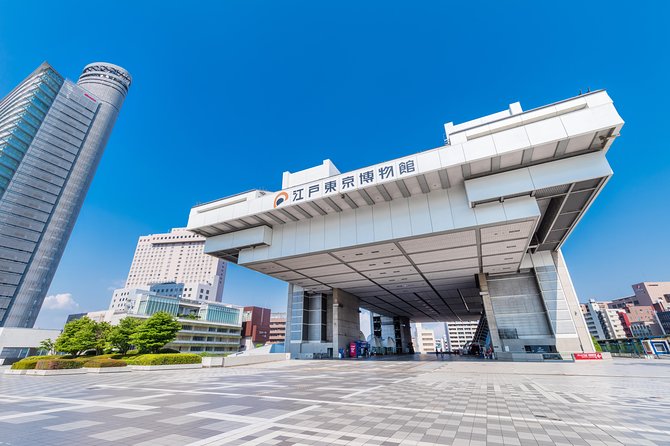
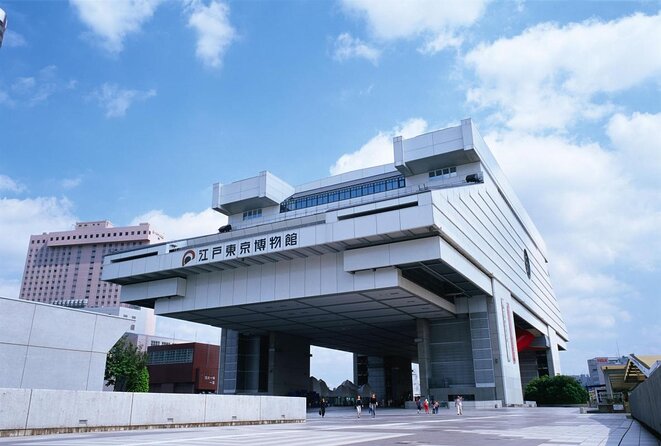
Your first major anchor is the Edo-Tokyo Museum, where you’ll spend about 2 hours with a guide. This is the stop that does the heavy lifting for context. Tokyo can feel like a stack of eras, but the museum helps you see the logic behind how those eras connect.
What I like about this arrangement is that it’s early. You’re not spending the whole day guessing what you’re looking at. After the museum explanation, Asakusa and Ueno Park start to make more sense as part of the larger story of the city.
The guide here matters. The experience includes guided storytelling by someone with strong command of Japanese history, and that makes a difference when you’re walking through galleries that can otherwise feel like information overload.
A small consideration: since the overall experience is a timed loop, you may not get equally detailed explanation at every single stop after the museum. If you’re the type who wants deep, minute-by-minute history, plan to treat the museum as your main “knowledge stop,” then enjoy the rest for atmosphere and key highlights.
Edonoren lunch in Sumida: monjayaki and okonomiyaki without extra planning
Lunch is about 1 hour at Edonoren. This is one of the smartest parts of the itinerary because it saves you from making a decision while you’re already riding and sightseeing. And the menu options are broad enough that most diets should find something.
You can expect choices including:
- Monjayaki and okonomiyaki (pan-fried batter style dishes)
- Seafood dishes
- Chanko and seasonal dishes
- Sushi
- Chicken and gamecock
- Tempura
- Fukagawa meshi
- Japanese soba noodles
The big practical note: lunch itself isn’t listed as included in the tour cost, but the tour provides the lunch location and timing, and reservation is possible if you apply in advance. So think of this stop as part of the structure, not a surprise bill you can’t predict.
Also, since you’ll be eating during a guided day, you’ll likely move faster between locations than you would on your own. That’s value in real terms, especially if you’re visiting Tokyo for the first time.
Ueno Park on an e-bike: walking space with history points
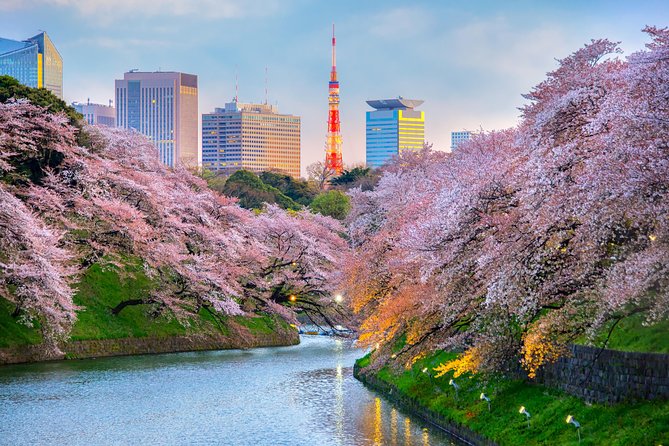
After lunch, you ride to Ueno Park (about 30 minutes). Then you get roughly 1 hour for a walk. This part is less about ticking off buildings and more about using the park as a “buffer” between big attractions.
The guide includes brief history points around the park, including Kaneiji. Even if you only get a few key facts, they help you read what you see without turning the walk into a checklist. Ueno Park is large, so a guided route can keep you from wandering too far off-track.
One reason I think this stop works well in a bike tour: Ueno Park is one of those places where the scenery changes as you move, but you don’t need to rush. The electric bike gets you there quickly, and then the walk brings you back to a relaxed tempo.
Tip for your day: you’ll likely want to keep your phone accessible for quick photos and for mapping nearby landmarks, because the route depends on timing and comfort level.
Senso-ji and Kaminarimon streets: the classic Asakusa route
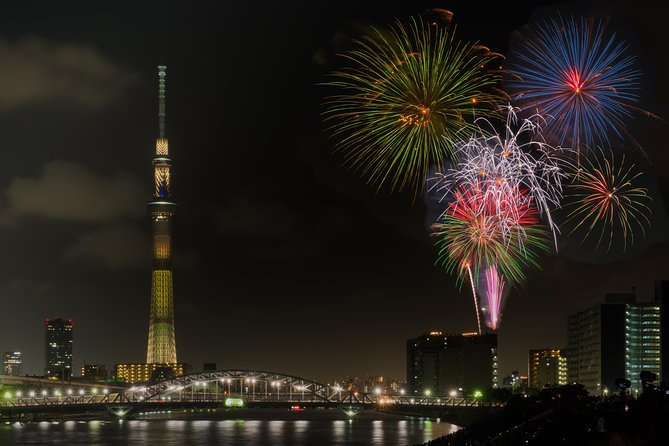
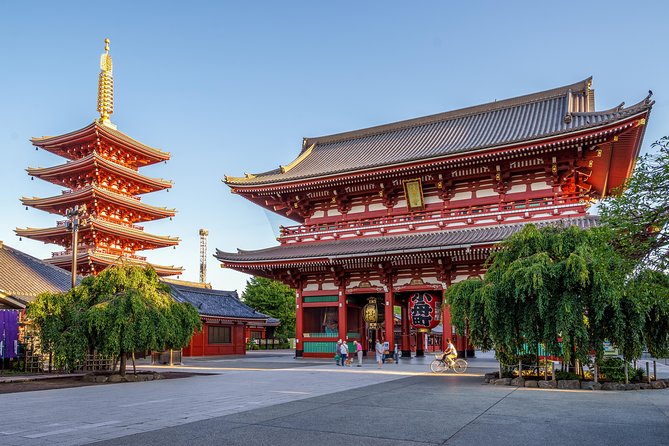
Next comes the short bike ride to Asakusa (around 15 minutes), then time around Senso-ji. You’ll get 30 minutes to 1 hour for a guided temple walk that starts from Kaminarimon and works its way toward the shrine area.
This is the stop where the tour’s “guided loop” structure really shows. Starting at Kaminarimon gives you a clean entry point, and then you flow through the shopping street environment rather than treating the temple like a standalone photo spot. You get the sense of Asakusa as a lived-in district, not just a landmark.
You’ll also feel why the electric bike matters here. Asakusa can get crowded, and stopping/starting on foot in dense areas can be exhausting. The bike helps you reach the next segment without losing your whole day to walking.
If you’re shopping, plan to do it in the shrine-street time window rather than trying to squeeze purchases into the rides. The tour includes luggage storage, and after souvenirs are bought, you can store them in the support car—so your hands can stay free while you browse.
More Ueno tastings on our list
- Eat and Drink Like a Local: Tokyo Ueno Food Tour-Taverns&Ramen★ 5.0 · 957 reviews
- Tokyo: Food Tour in Ueno with 10+ Tastings of Japanese Classics★ 5.0 · 303 reviews
- Tokyo Ueno Food Tour Sushi Ramen and Local Favorites★ 5.0 · 54 reviews
- Japanese Food Experience Night Tour in Ueno★ 5.0 · 47 reviews
- Tokyo Ueno Food & Nature & Localtown Tour: 10Dishes+ Drinks★ 5.0 · 34 reviews
SkyTree by electric bike: the optional ride that can change your energy level
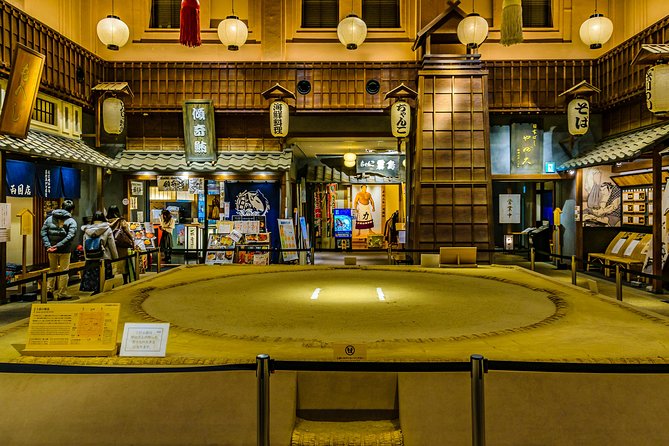
The route includes an optional extension to Tokyo Skytree. If you want it, the ride is about 10 minutes and you’ll spend around 30 minutes there (with timing that fits the rest of your day).
This is a good option for two kinds of people:
- You want a final “big viewpoint” moment after temples and parks.
- You’re feeling good and want to stretch the day a bit rather than heading out early.
But since it’s optional, it’s also easy to skip if you’d rather protect your energy for photos, shopping, or just sitting down and taking in the atmosphere.
Remember: the bike ride still happens on the electric bike, and you can shift your luggage/bike handling to the support car if you’re tired.
Price and value: what you get for about $283
At $283.17 per person, this tour is not the cheapest way to see Asakusa and Ueno. But it’s also not trying to be budget travel. The value comes from the combo of guided time, electric bike transport, and the extra logistics support that makes the day flow.
Here’s what you’re effectively paying for:
- Guide-led museum time (2 hours at Edo-Tokyo Museum)
- Bike transport between major districts, without train wrangling
- Included basics like snacks, coffee/tea, bottled water, and WiFi
- Helmet offered (optional) and luggage storage
- A small group size (up to 6), which generally means fewer delays
If you planned to do this on your own, you’d spend time coordinating routes and paying for transport and museum entry. The tour bundles a lot of friction out of your day, and in Tokyo, “less friction” is often worth more than saving a few dollars.
Group size also influences value. With fewer people, the guide can adjust pacing and handling if someone needs a breather.
Timing, group dynamics, and why the pace can feel uneven
The tour runs about 6 to 7 hours. It also departs weekly, with a condition that the group must meet a minimum number of travelers. If the minimum isn’t reached, you’ll be contacted, or you may shift dates.
One of the key practical points is that the itinerary is time-boxed. You’re given solid blocks—museum, lunch, Ueno Park walk, Asakusa temple route—and short travel segments between them. But one detail to keep in mind: the day can feel a bit like a moving schedule, not a slow “wander until you feel like stopping” day.
In plain terms: you’ll enjoy it most if you’re okay with a guided pace and you’re not trying to do extra detours beyond what the plan allows. If you want maximum flexibility, plan for the possibility that you’ll have to keep your shopping and side stops within the built-in windows.
Logistics that matter: meeting points, pickup, weather, and vouchers
This tour is designed to be easy to join, even if you’re staying in different parts of Tokyo.
- Pickup: available from the hotel lobby within Tokyo’s 23 wards (so you may not even need to travel to the meeting point first).
- Meeting area (address): there’s also a stated meet point around Ryogoku Station (near 1-chōme-4-29 Yokoami, Sumida City).
- Ticket redemption point: near Toei Ryogoku Station (1-chome-5 Yokoami).
You’ll also want to bring your voucher. If the weather turns, they will contact you in case of bad weather, so it’s smart to check messages as the day approaches.
On the riding side, there are clear requirements:
- Participants must be at least 11 years old
- Bike riders must be between 135 cm and 190 cm
- Weight limit is up to 100 kg
- You should be able to ride bicycles
They also recommend insurance. The tour asks you to purchase overseas travel insurance just in case, and they offer bicycle insurance if you need it.
And don’t forget the basics they ask for: wear comfortable clothes and bring a backpack.
What this tour is best for (and who might find it frustrating)
This tour is especially good if you’re:
- visiting Tokyo for the first time and want a tight loop of landmarks
- the type who likes structure but still wants to move through neighborhoods on foot when it counts
- someone who wants a “first day” feel for Asakusa and Ueno without planning every transfer
It’s also a strong choice if you care about history context but don’t want to spend the whole day trapped inside museums. The museum gives you the foundation, and the rest of the day lets you enjoy the look and feel.
Where it might not fit perfectly:
- If you want long, slow, detailed explanations at every stop, you may feel the day is more highlight-focused.
- If you hate any schedule at all, the time-boxed blocks could feel restrictive.
- If you don’t fit the bike height/weight rules, you can’t ride this tour as designed.
Should you book the Asakusa–Ueno–Skytree e-bike loop?
I’d book it if you want Tokyo sightseeing that feels like a smart route, not a transport puzzle. The electric bikes do the real work, the support car protects your comfort, and the itinerary hits major names without wasting half your day in transit.
Skip it (or think carefully) if you’re the kind of traveler who needs a lot of deep narration at every single stop. In this day format, the museum is where the detailed story lands most clearly, and the rest is more about guided highlights and easy movement.
If you’re ready for a well-timed ride with classic Tokyo stops—and you’ll enjoy learning while you walk—this is a solid, practical way to see Asakusa and Ueno in one day.
FAQ
How long is the electric bicycle tour?
The tour lasts about 6 to 7 hours.
Where does the tour start and end?
The tour starts in the Ryogoku area (with a stated meeting point around Ryogoku Station) and ends in Asakusa.
Is pickup available?
Yes. Pickup is offered from hotel lobbies within Tokyo’s 23 wards.
What language will the guide speak?
The plan is guided by a Japanese guide, but it is possible to respond in Korean, English, Chinese, and Vietnamese.
Are entrance fees included for the main sights?
Edo-Tokyo Museum admission is included. Ueno Park and Senso-ji are free in the itinerary timing, and the SkyTree stop is listed as optional/free in the schedule.
Is lunch included?
Lunch is not included in the tour list. Lunch is scheduled for about 1 hour at Edonoren.
What happens if I get tired while riding?
There is a support car. If you are tired of riding, you can load your bicycle and luggage into the support car.
Are helmets provided?
Helmet use is offered as an option, and luggage storage is also available.
What are the minimum age and riding requirements?
Participants must be at least 11 years old, and riders must be able to ride a bicycle. Rider height should be between 135 cm and 190 cm, and weight must be up to 100 kg.
What should I bring?
Bring your voucher, wear comfortable clothes, and bring a backpack. They also recommend overseas travel insurance just in case, and bicycle insurance is available if you need it.
What if the weather is bad?
The tour will contact you in case of bad weather.
How much notice can I cancel with for a refund?
You can cancel up to 24 hours in advance for a full refund. Canceling less than 24 hours before start time is not refunded.
More Skytree Entries
- Tokyo: Meiji Shrine, Asakusa, Skytree Bus Tour and Cruise
★ 4.7 · 1,986 reviews - Tokyo Panoramic 1 Day: Meiji Shrine, Asakusa, Odaiba and SKYTREE®
★ 4.5 · 1,222 reviews - Tokyo Go Kart: Asakusa, Skytree, and Akihabara **IDP MUST**
★ 5.0 · 988 reviews - Tokyo: Asakusa, Skytree & Akhihabara Go-Kart City Experience
★ 4.7 · 761 reviews - Tokyo Skytree Admission Ticket with Tembo Deck and Galleria
★ 4.0 · 589 reviews
More Ueno Tastings
- Eat and Drink Like a Local: Tokyo Ueno Food Tour-Taverns&Ramen
★ 5.0 · 957 reviews - Tokyo: Food Tour in Ueno with 10+ Tastings of Japanese Classics
★ 5.0 · 303 reviews - Tokyo Ueno Food Tour Sushi Ramen and Local Favorites
★ 5.0 · 54 reviews - Japanese Food Experience Night Tour in Ueno
★ 5.0 · 47 reviews - Tokyo Ueno Food & Nature & Localtown Tour: 10Dishes+ Drinks
★ 5.0 · 34 reviews
More Mornings in Old Asakusa
- Tokyo: Japanese Dance Cabaret Theater Asakusa-Kaguwa Ticket
★ 4.8 · 2,270 reviews - Tokyo: Meiji Shrine, Asakusa, Skytree Bus Tour and Cruise
★ 4.7 · 1,986 reviews - Tokyo: Roll and Authentic Sushi Making Class in Asakusa
★ 4.9 · 1,957 reviews - Tokyo: Asakusa Walking Tour with Sensoji Temple Visit
★ 4.8 · 1,583 reviews - Tokyo Asakusa Rickshaw Tour
★ 5.0 · 1,375 reviews
Latest Tokyo reviews off our desk






Asakusa & Sensoji Tours, compared.
 ★ 4.8Japanese Dance Cabaret Theater Asakusa-Kaguwa TicketFrom $492,270 reviews
 ★ 4.7Meiji Shrine, Asakusa, Skytree Bus Tour and CruiseFrom $1221,986 reviews
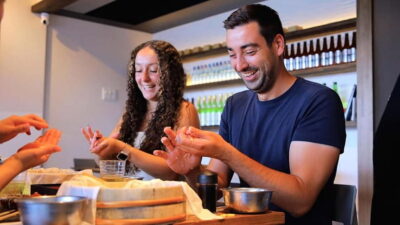 ★ 4.9Roll and Authentic Sushi Making Class in AsakusaFrom $581,957 reviews
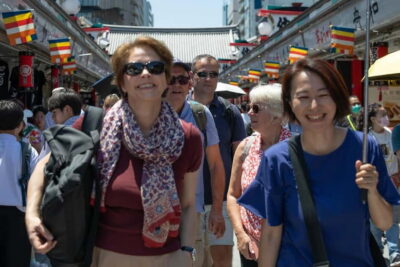 ★ 4.8Asakusa Walking Tour with Sensoji Temple VisitFrom $221,583 reviews
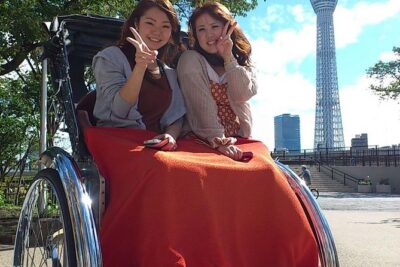 ★ 5.0Tokyo Asakusa Rickshaw TourFrom $421,375 reviews
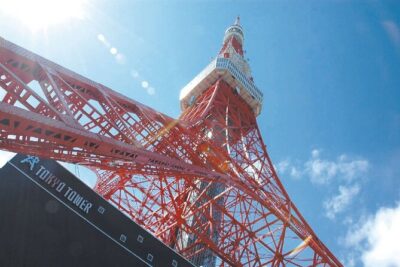 ★ 4.5Tokyo Panoramic 1 Day: Meiji Shrine, Asakusa, Odaiba and SKYTREE®From $851,222 reviews
 ★ 5.0Tokyo Go Kart: Asakusa, Skytree, and Akihabara **IDP MUST**From $99988 reviews
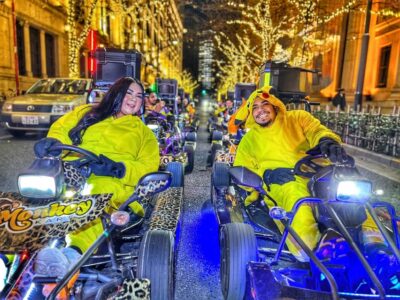 ★ 4.7Asakusa, Skytree & Akhihabara Go-Kart City ExperienceFrom $96761 reviews
Browse the lists this tour appears in