
Reviewed · YANAKA OLD TOWN WALKS
Experience the Taste of Old Tokyo in Backstreet Yanesen
Tokyo has an older side. In Yanesen, a historic pocket of Yanaka, Nezu, and Sendagi, you’ll mix shrine streets with serious local eating—onigiri, unagi, sweets, retro kissaten coffee, and sake—on a 6-hour small-group walk.
I love that the day balances food and place. You don’t just snack; you stop at landmarks like Nezu Shrine and the temple-town vibe of Yanaka, then taste why the neighborhood’s daily life still matters.
One thing to consider: it’s built around walking and tastings, not big sit-down meals or modern attractions. You’ll also want decent weather, since the experience is weather-dependent.
In This Review
- Key highlights you’ll feel on this walk
- Yanesen is “old Tokyo” you can actually walk through
- Price and value: what $195 really covers
- Start at Saint Marc Cafe, end at Echigoya Honten
- Stop 1: Yanaka District streets and the feel of a temple town
- Stop 2: Nezu Shrine, where the timeline is the main character
- Stop 3: Nichika Shrine of Enju-ji Temple and the scale of Yanaka’s temples
- Stop 4: Sendagi after WWII, plus the sweet-and-sake side
- What you’ll actually eat and drink: onigiri, unagi, sweets, coffee, sake
- The guide matters: Kan, Michelle, Diana, Mairi
- Timing, pace, and how to get your best day
- Who this tour is for (and who may prefer something else)
- Should you book A Taste of Old Tokyo in Backstreet Yanesen?
- FAQ
- How long is the Yanesen old Tokyo food walk?
- How much does the tour cost?
- Where does the tour start and when?
- Where does the tour end?
- What is the group size?
- Are shrine and temple admissions included?
- What’s included in the price?
- Is private transportation included?
- What kind of ticket do I receive?
- What if the weather is bad?
- What is the cancellation policy?
Key highlights you’ll feel on this walk
- Six hours, max 6 people: small-group pacing that lets you ask questions and actually hear the story behind each stop
- Nezu Shrine’s deep timeline: current structures from the early 1700s with origins said to stretch back about 1,900 years
- Temple-town Yanaka context: Yanesen’s unusually high number of temples, including 76 in Yanaka
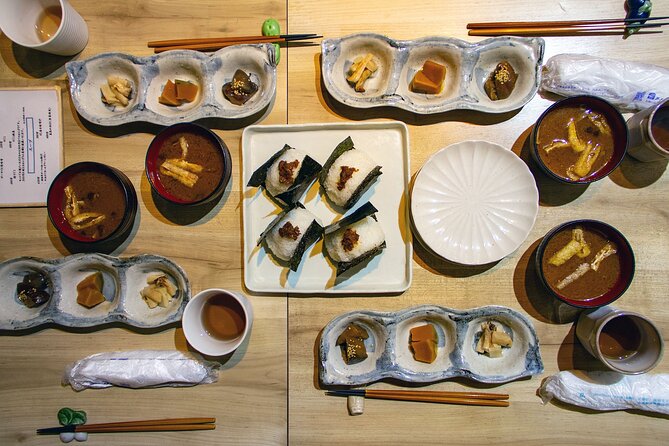
- A real taste mix: handmade onigiri, fresh unagi, nostalgic sweets, kissaten coffee, and sake
- Alcohol included: you’ll pair drinks with snacks along the way, not just have one tasting at the end
Yanesen is “old Tokyo” you can actually walk through
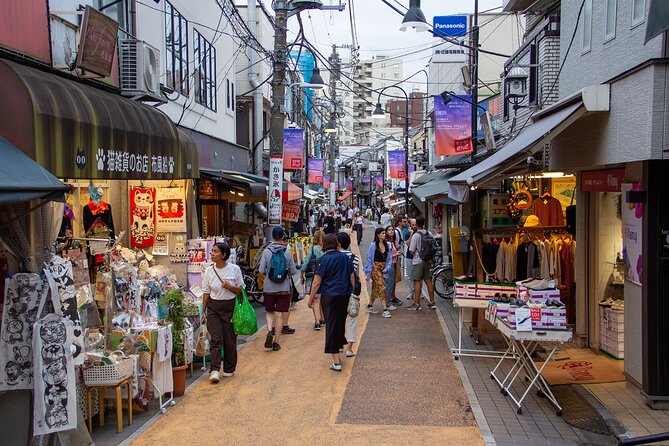
Yanesen is Tokyo as a neighborhood, not a museum. Between Yanaka, Nezu, and Sendagi, you’ll move through narrow backstreets lined with wooden townhouses, small shrines, and temple grounds. After WWII, much of Tokyo changed fast—but this area kept more of its earlier daily rhythm, so the streets still feel human-scaled.
That matters because this tour is not only about food. It’s about why food tastes like something: the shops you pass, the old religious landmarks you see, and the long-standing habits of people living nearby. You’re walking the same general route where locals keep doing everyday things, so your tastings feel grounded.
You’ll also get a day-long mix of moments: quiet shrine time, snack stops, and little surprises like century-old shops and a drink break in a converted bathhouse. It’s the kind of outing where history isn’t a lecture—it’s the setting for what you eat.
More slow walks through old Yanaka
- Yanaka Walking Tour: Historic and Traditional District of Tokyo
★ 5.0 · 530 reviews - Tokyo: Old Quarter Yanaka Walking Tour
★ 4.8 · 406 reviews - Tokyo:Stroll in Old traditional culture towns~Yanaka & Nezu
★ 4.9 · 186 reviews - Yanaka Historical Walking Tour in Tokyo’s Old Town
★ 5.0 · 182 reviews
Price and value: what $195 really covers
At $195 per person, this isn’t a budget street-food crawl. But you’re also not paying just for “a few bites.”
Your included items include breakfast, lunch, meals, snacks, plus coffee/tea and alcoholic beverages. That’s a big part of the value equation. In a lot of food tours, you pay for the guide’s time and maybe one or two tastings. Here, the day is designed as a full food program, spread across the neighborhoods, with drinks along the way.
Then there’s the structure: you’re guided through multiple areas, with context at major cultural stops. You’re not just guessing what you’re looking at when you hit Nezu Shrine or the temple clusters in Yanaka. That guidance often turns an ordinary photo stop into “oh, that’s why this place feels like it does.”
If you’re the type who likes to eat well while also understanding where you are, this price can feel fair. If you mostly want freedom to wander independently and pick your own places, you might spend less on your own—though you’d lose the planned combination of tastings, drinks, and shrine-temple context.
Start at Saint Marc Cafe, end at Echigoya Honten
This tour begins at Saint Marc Cafe – Sendagi at 10:00 am (near Sendagi Station). You’ll finish at Echigoya Honten in Yanaka.
I like this kind of routing. It keeps you moving through the neighborhood arc—from Sendagi into Yanaka—so you’re not backtracking all day. And because it’s near public transportation at both ends, you can usually build it into a wider Tokyo plan without stress.
You’ll also get a mobile ticket, so you’re not hunting for paper. Simple, but it matters when you’re coordinating transit and dinner reservations later.
Stop 1: Yanaka District streets and the feel of a temple town
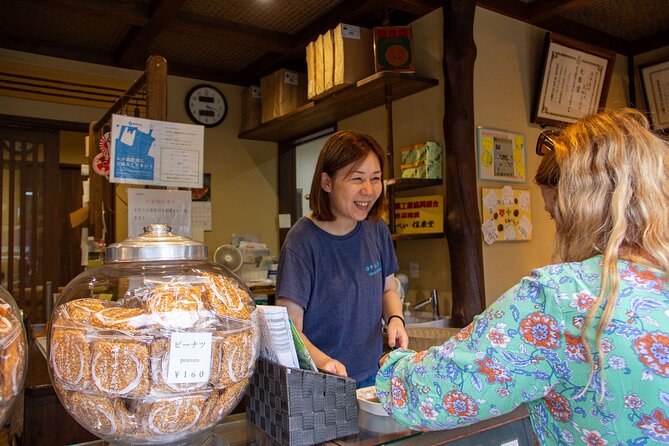
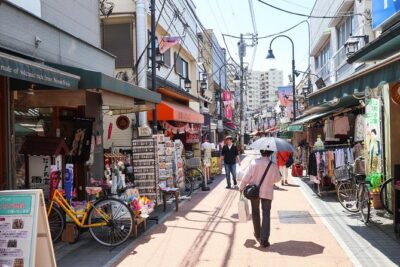
Yanaka is where “old Tokyo” becomes visible fast. As you walk the backstreets, you’ll see the texture of neighborhood life—quiet corners, traditional storefronts, and temple-town energy. Yanaka is part of the Yanesen trio (Yanaka, Nezu, Sendagi), and it’s the kind of area where daily routines still shape the street scene.
This stop is also built to set your taste expectations. The tour pairs atmosphere with eating: you’ll be sampling foods tied to local traditions rather than hunting for trendy, one-off dishes. The overview points to handmade onigiri and fresh unagi as part of the day’s core flavor set. Even if you love Japanese food already, there’s a difference between eating in “Tokyo style” and eating in a place that locals treat as normal.
A practical consideration: Yanaka’s charm comes from its smaller lanes and slower pacing. If you’re craving huge views, landmark skyline photos, or a lot of modern architecture, this portion may feel more intimate than flashy. Think side streets and small textures, not big wow moments.
Stop 2: Nezu Shrine, where the timeline is the main character
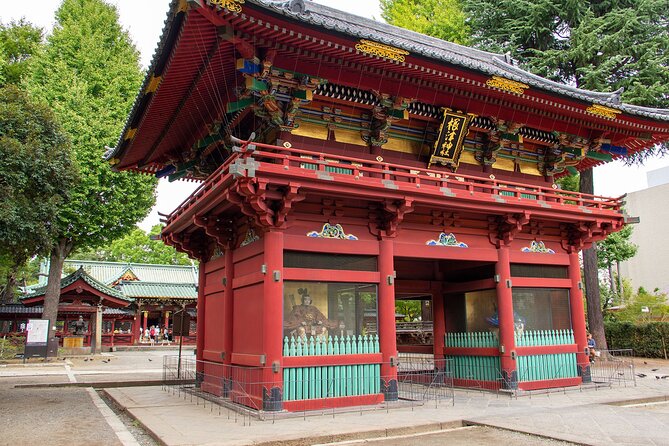
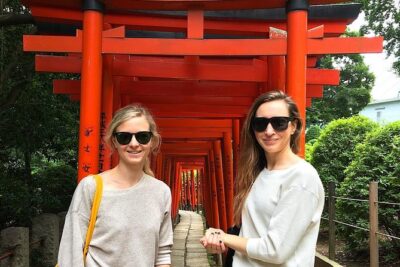
Nezu Shrine is one of Japan’s older Shinto shrines. The current main structures date to the early 18th century, but the origins are said to go back about 1,900 years. That gives the stop a different energy: you’re not just visiting a building, you’re stepping into layers of time.
You’ll spend about 30 minutes here, and it’s one of the easiest stops to connect with during the food day. Shrines have a rhythm—calmer moments, slower walking, more attention to surroundings. That’s a nice counterweight to the eating pace, so you don’t feel like the day is one constant buffet line.
Also, the tour keeps it grounded by noting that admissions are free for these stops. You’re not paying extra to see the religious sites, which makes the overall “what you get for your money” math cleaner.
- Tokyo: Shinjuku Food Tour (13 Dishes at 4 Local Eateries)★ 5.0 · 6,603 reviews
- Tokyo Mt Fuji 5th St & Hakone Cruise Bus Tour w/Bullet Train★ 4.4 · 5,024 reviews
- Flagship 2-Hours Official Street Go-Kart Tour – Tokyo Bay Shop★ 5.0 · 4,974 reviews
- From Tokyo: Mount Fuji Full-Day Sightseeing Trip★ 4.5 · 4,970 reviews
- Tokyo: Hop-On Hop-Off Sightseeing Bus Ticket★ 3.9 · 4,207 reviews
Stop 3: Nichika Shrine of Enju-ji Temple and the scale of Yanaka’s temples
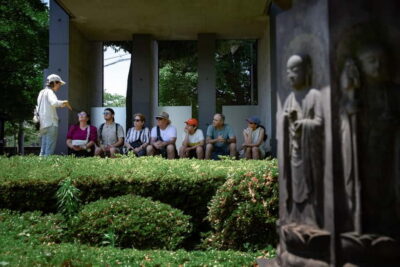
Yanaka’s “temple town” identity is unusually strong. In the Yanesen area, there are 117 temples, with 76 in Yanaka. That’s a big number, and you’ll feel it as you move through the area: religious spaces aren’t rare here; they’re woven into the neighborhood fabric.
This stop centers on Nichika Shrine of Enju-ji Temple and includes about 30 minutes on site. The best way to appreciate it is to look at the overall distribution: you’re not seeing one isolated landmark. You’re seeing a whole religious ecosystem within a city district.
Why I like pairing this with food: temples and shrine neighborhoods often create demand for long-standing local shops—places that serve nearby people and support everyday life. When you taste things later in the day, you’re eating in a context that explains why these culinary traditions survive instead of turning over every few years.
One note: this is still a walking tour. If you need lots of time to sit down repeatedly, you’ll probably prefer pace breaks at the food stops rather than here.
Stop 4: Sendagi after WWII, plus the sweet-and-sake side
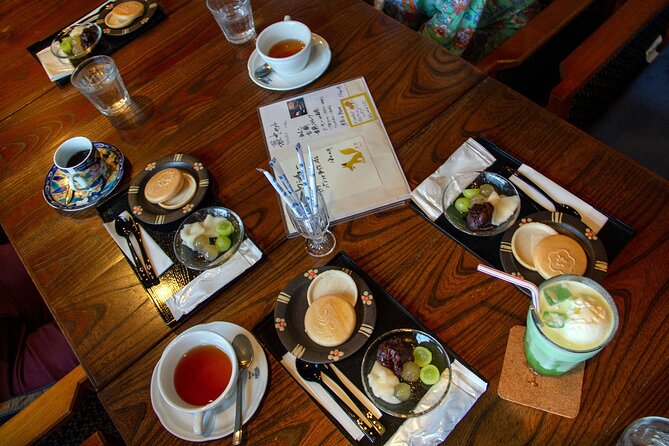
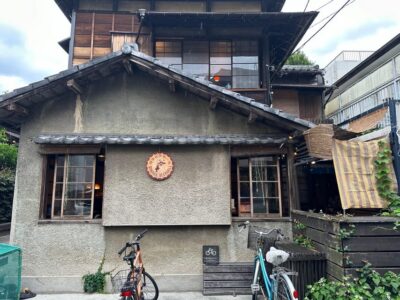
Sendagi is where the “postwar Tokyo that stayed partly old” idea becomes concrete. The area has narrow alleys, temples and cemeteries, and wooden townhouses, plus an overall pace that feels slower than the rest of the city.
You’ll spend about 2 hours in Sendagi. That’s the longest stop, and it makes sense: this is the neighborhood where you can slow down without losing momentum in the itinerary. It’s also where the tour’s flavors often feel most at home, since sweets, coffee, and drinks fit naturally into this kind of street setting.
The overview mentions a few memorable elements that fit Sendagi well:
- nostalgic sweets
- retro kissaten coffee
- sake
- drinks in a converted bathhouse
- century-old shops
In other words, you get more than one type of taste. You’re not stuck in a single flavor track, and you’re not constantly switching between “new” places far from each other.
The possible drawback here is simple: if you’re already full from earlier tastings, Sendagi is where you’ll feel that. Pace matters. I’d plan your day so you’re not stacking another heavy meal right before the tour.
What you’ll actually eat and drink: onigiri, unagi, sweets, coffee, sake
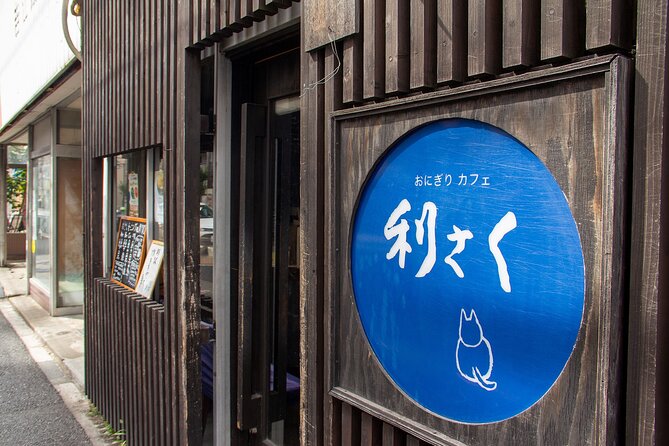
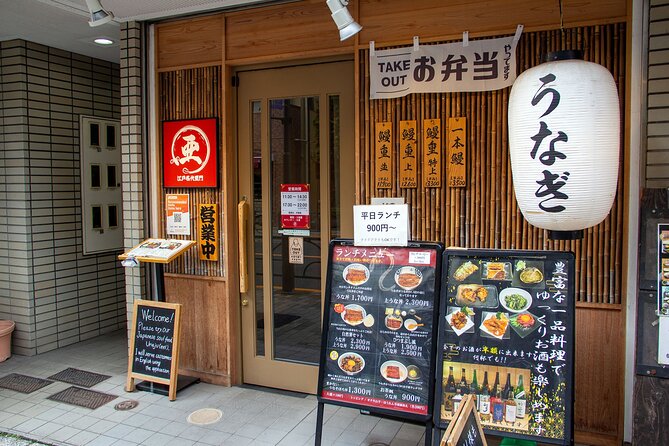
The tour’s food identity is clear. You’ll experience a mix designed to show off culinary tradition and neighborhood flavors, including:
- handmade onigiri
- fresh unagi
- nostalgic sweets
- retro kissaten coffee
- sake
- plus alcoholic beverages along the way
This mix is smart because it gives you contrast: savory staples (onigiri), richer protein (unagi), lighter dessert notes (sweets), and then the calming or stimulating coffee-and-sake angle. It also makes the day feel like a journey rather than one long repeat of similar bites.
Also, your day is structured so those tastings connect to where you are. When you’re near shrines and temple streets, the sweets and drinks don’t feel random. They feel like part of everyday life in that neighborhood: eat, pause, sip, continue walking.
And because coffee/tea and alcoholic beverages are included, you’re not scrambling mid-tour to find a place that matches your preferences. That’s a hidden value, especially if you don’t want to spend your mental energy searching when you could be enjoying the walk.
The guide matters: Kan, Michelle, Diana, Mairi
The most consistently praised part of this experience is the human one: the guides. Multiple names show up in the feedback, including Kan, Michelle, Diana, and Mairi.
What stands out across the reviews is how the guides connect food to place and history without turning it into a textbook. People specifically highlight how the guide helped them understand context—temple area background, architecture ideas, and why certain traditions matter.
Pacing also gets credit. When you’re doing a 6-hour walk with tastings and shrine stops, pacing is everything. Reviews mention a balance of food and drink with the historical/cultural stops, which is exactly what keeps the day from feeling rushed or repetitive.
If you care about asking questions while you eat, a small group (max 6) helps a lot. You’re more likely to get answers that fit your interest rather than a generic script for the whole group.
Timing, pace, and how to get your best day
This tour runs about 6 hours, starting at 10:00 am. That timing is good if you want a full day with fewer decision points. You’re fed through the morning and into lunch and snacks, with coffee and drinks moving through the afternoon.
Still, you’ll want to show up hungry enough to enjoy the tastings but not so empty that you feel overwhelmed by the volume. Because meals, snacks, and multiple drinks are included, I’d treat this tour like your main meal plan for the day.
Other practical considerations based on the provided details:
- The tour requires good weather. If weather cancels it, you’ll be offered a different date or a full refund.
- It says most travelers can participate, so it’s not positioned as an extreme outing, but you are walking between neighborhoods.
- You’ll want a comfortable daypack and shoes you don’t mind wearing on uneven street corners and narrow lanes.
Who this tour is for (and who may prefer something else)
This is a great fit if you:
- love Japanese food and want to taste more than just one category
- enjoy shrines and temples but want the context to be practical, not academic
- like small groups and personal explanations
- want a classic neighborhood feel without spending all day routing yourself
It may not be the best match if you:
- want modern Tokyo highlights or big-ticket sights
- dislike alcohol in food experiences (alcoholic beverages are included)
- prefer long restaurant meals over snack-and-walk pacing
Should you book A Taste of Old Tokyo in Backstreet Yanesen?
I’d book this if you want your Tokyo day to feel like a neighborhood experience with a story. The combination is hard to beat: Yanesen streets, free shrine/temple stops, and a full tasting program that includes onigiri, unagi, sweets, kissaten coffee, and sake, all guided by people like Kan, Michelle, Diana, and Mairi who make the context land.
Pass if you’re looking for modern sights, or if you don’t like a walking-based schedule where you’re eating multiple small portions throughout the day.
Overall, the value comes from alignment: the food choices match the places you’re seeing, and the pacing keeps the day moving without sacrificing the meaning of each stop.
FAQ
How long is the Yanesen old Tokyo food walk?
It’s about 6 hours.
How much does the tour cost?
The price is $195.00 per person.
Where does the tour start and when?
It starts at Saint Marc Cafe – Sendagi at 10:00 am.
Where does the tour end?
It ends at Echigoya Honten in Yanaka.
What is the group size?
The tour has a maximum of 6 travelers.
Are shrine and temple admissions included?
Yes. The listed stops show free admission.
What’s included in the price?
Included are alcoholic beverages, coffee and/or tea, breakfast, lunch, meals, and snacks.
Is private transportation included?
No, private transportation is not included.
What kind of ticket do I receive?
You receive a mobile ticket.
What if the weather is bad?
The experience requires good weather. If it’s canceled due to poor weather, you’ll be offered a different date or a full refund.
What is the cancellation policy?
You can cancel for free up to 24 hours in advance for a full refund. If you cancel less than 24 hours before the start time, the amount paid is not refunded.
More Tour Reviews in Tokyo
- Mt Fuji and Hakone 1-Day Bus Tour Return by Bullet Train
★ 5.0 · 26,383 reviews - 1-Day Tokyo Bus Tour
★ 5.0 · 14,250 reviews - Tokyo: teamLab Planets TOKYO Digital Art Museum Entry Ticket
★ 4.6 · 9,779 reviews - Mt Fuji & Hakone Cruise, Drum Show Bullet Train 1 Day from Tokyo
★ 4.0 · 7,413 reviews - Tokyo: Shinjuku Food Tour (13 Dishes at 4 Local Eateries)
★ 5.0 · 6,603 reviews
More Old Yanaka on Foot
- The Old Quarter of Tokyo – Yanaka Walking Tour
★ 4.5 · 590 reviews - Yanaka Walking Tour: Historic and Traditional District of Tokyo
★ 5.0 · 530 reviews - Tokyo: Old Quarter Yanaka Walking Tour
★ 4.8 · 406 reviews - Tokyo:Stroll in Old traditional culture towns~Yanaka & Nezu
★ 4.9 · 186 reviews - Yanaka Historical Walking Tour in Tokyo’s Old Town
★ 5.0 · 182 reviews
Latest Tokyo reviews off our desk
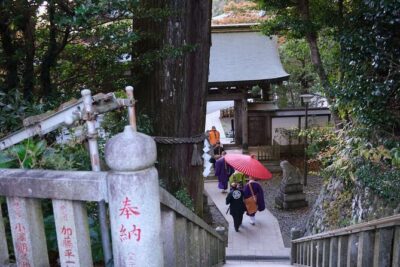


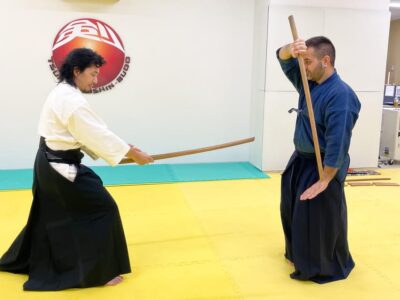

Yanaka Old Town Walks, compared.
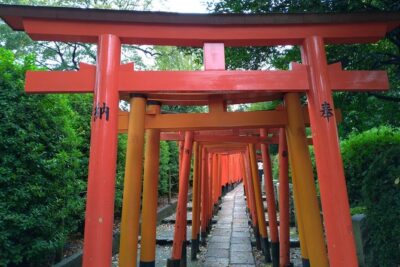 ★ 4.5The Old Quarter of Tokyo – Yanaka Walking TourFrom $40590 reviews
 ★ 5.0Yanaka Walking Tour: Historic and Traditional District of TokyoFrom $72530 reviews
 ★ 4.8Old Quarter Yanaka Walking TourFrom $32406 reviews
 ★ 4.9Stroll in Old traditional culture towns~Yanaka & NezuFrom $29186 reviews
 ★ 5.0Yanaka Historical Walking Tour in Tokyo’s Old TownFrom $81182 reviews
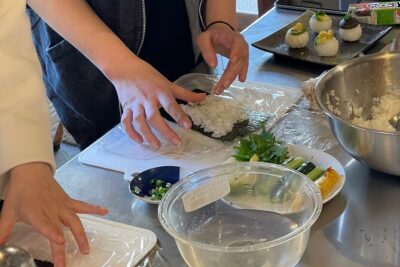 ★ 5.0Private Home Cooking in Yanaka – Local Flavors in a Warm SettingFrom $122173 reviews
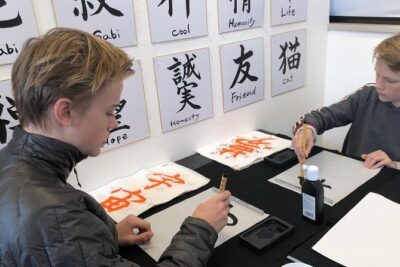 ★ 5.0Let’s experience calligraphy in YANAKA, Taito-ku, TOKYO !!From $75127 reviews
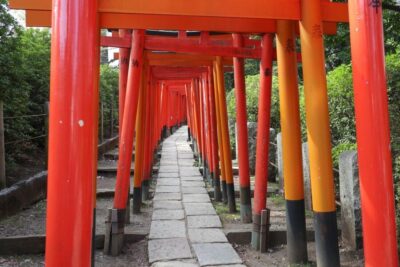 ★ 4.8Yanaka District: Historical Walking Tour in Tokyo’s Old TownFrom $79117 reviews
Browse the lists this tour appears in