
Reviewed · WALKING TOURS
Explore the Local “Non-touristy” Side of Tokyo: Jujo and Akabane Walking Tour
Tokyo has a quieter side most miss. On this 3-hour Jūjō and Akabane walking tour, you’ll trade big-bus sightseeing for old shopping streets, local rhythms, and stories you can only hear on foot. It’s a small group too, capped at eight, so the guide can actually talk with you instead of rushing you along.
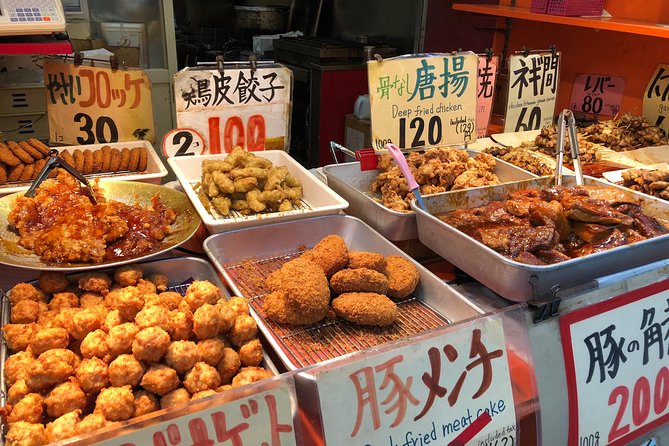
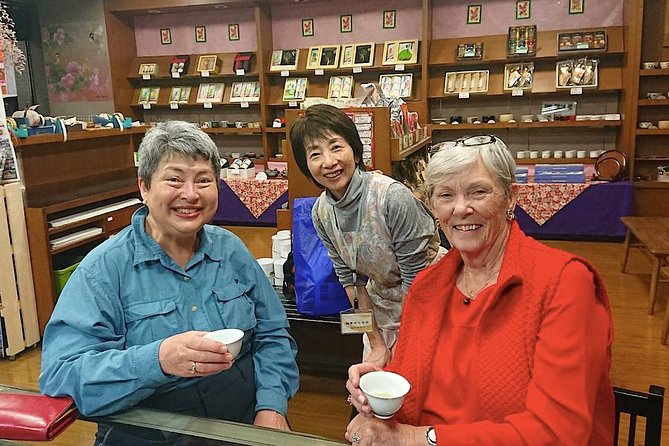
I especially like the chance to experience Jūjō Ginza as more than a postcard: it’s known as one of Tokyo’s best old shopping streets, with about 500 shops covering prepared foods, fresh foods, and clothing. I also love the way the tour uses culture as a “how things work” lens—my favorite moments are when the guide (for example, Fumiko, from one recent review) connects daily life to what you’re seeing, including foodie info, a tea tasting, and even learning how offerings and prayers work at a temple.
One thing to consider: food and drinks aren’t included, so you’ll want a small budget for snacks, tea, or an izakaya stop if you want it. Also, this is walk-and-stand travel, so bring comfortable shoes and expect a steady pace.
In This Review
- Key takeaways before you go
- Why Jūjō and Akabane work better than the usual Tokyo circuit
- Jūjō Ginza arcade: a 500-shop lesson in how Tokyo shops
- A calm pause at Shimizuzaka Park
- Inatsuki Castle remains and the Ota Dokan connection
- Akabane Ichibangai: lunch-hour izakaya energy, up close
- The guide’s job: making street life feel readable
- Price and what you’re really paying for
- Practical tips that make the walk smoother
- Who this tour suits best
- Should you book the Jujo and Akabane walking tour?
- FAQ
- FAQ
- How long is the Jujo and Akabane walking tour?
- What does the tour cost?
- How many people are in the group?
- Where do I meet the guide?
- Where does the tour end?
- What time does the tour start?
- What’s included in the price?
- What’s not included?
- Do all stops have free admission?
- What’s the cancellation policy?
- Is the tour walkable for most people?
Key takeaways before you go
- Small group (max eight) means better questions and less crowd stress.
- Jūjō Ginza is an old-style shopping street with around 500 shops to watch and learn from.
- Shimizuzaka Park is a calm reset, with a 52 m roller slide, pond, and kid-friendly play area.
- Inatsuki Castle remains lets you connect today’s neighborhood to 15th-century Ota Dokan and Edo-castle history.
- Akabane Ichibangai is a local pub-and-izakaya strip, with many places open around noon.
- Cultural extras can include tea tasting and an explanation of offerings/prayers you’d otherwise miss.
Why Jūjō and Akabane work better than the usual Tokyo circuit
Most first-time Tokyo days get packed with major sights. This is different. Jūjō and Akabane are neighborhoods where the streets themselves do the talking—signs, storefronts, casual conversation, and the slow logic of daily errands.
You start at Jūjō Station (meeting at the station area) and finish at Akabane Station at the ticket gate. The start time is 3:00 pm, which is a smart choice: it gives you daylight for walking and then enough time for the neighborhood atmosphere to shift toward evening.
What makes this tour feel “non-touristy” is that you’re not chasing photo stops. You’re learning how locals shop, snack, and socialize—especially around shotengai, Tokyo’s historic shopping streets. When you understand that format, the whole city makes more sense.
Value-wise, the price isn’t only for walking. Your cost includes local taxes and a local guide. You’re paying for interpretation: what you’re looking at, why it’s there, and what it means for daily life. The only real “watch-outs” are that food and drinks aren’t included, and you’ll need to handle your own way to and from the meeting point.
Readers also shortlisted these Tokyo bookings:
- Tokyo Tsukiji Fish Market Food and Culture Walking Tour
★ 5.0 · 3,184 reviews - Tokyo: Imperial Palace and Shogun Historical Walking Tour
★ 5.0 · 2,251 reviews - Tokyo: Shinjuku Local Bar and Izakaya Guided Walking Tour
★ 4.9 · 1,794 reviews - Tokyo: Tsukiji Fish Market Food and Walking tour
★ 5.0 · 1,724 reviews
Jūjō Ginza arcade: a 500-shop lesson in how Tokyo shops
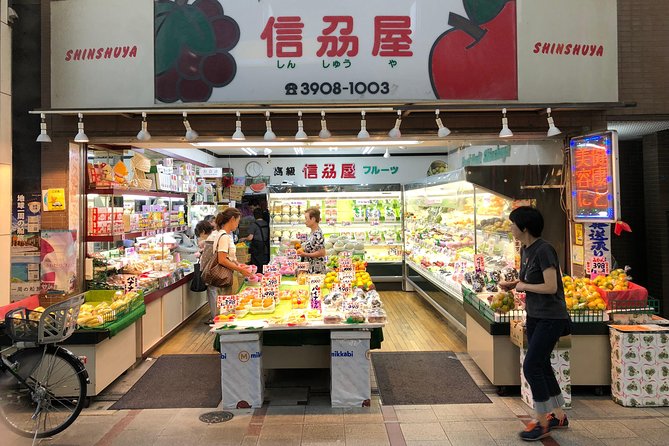
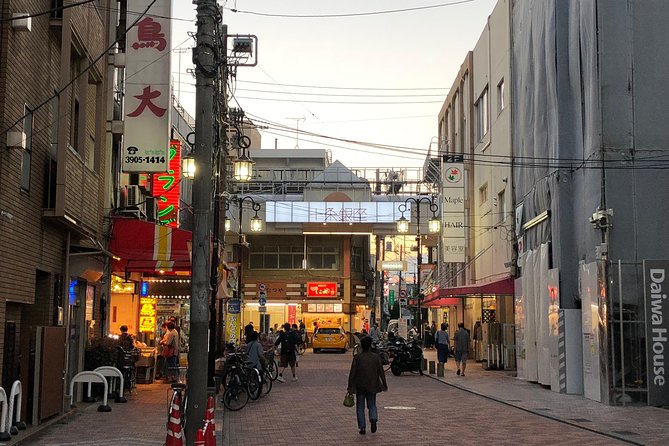
Your first real stop is the Jūjō Ginza shopping arcade, where you’ll spend about 1 hour. This is one of those places that makes you slow down without realizing it. The arcade format keeps things easy to explore, and the variety keeps it interesting.
From what you’ll see and how the guide frames it, this isn’t one specialty street. It’s a full neighborhood ecosystem:
- prepared foods for quick meals
- fresh foods for cooking later
- clothing and everyday essentials
And because it’s known as one of Tokyo’s best three old shopping streets, it has that layered, long-standing feel rather than the “newly themed” look you sometimes get near major tourist areas.
Here’s what you’ll likely enjoy most: the guide doesn’t treat the shops like museum displays. You’ll learn how vendors think, how locals browse, and what people tend to buy for real life. If you’re the type who likes food scenes, this is where you get real context—what’s common, what’s practical, and why certain stalls are part of the neighborhood’s routine.
Possible drawback: if you’re expecting English-language shopping like a department store, you may need to accept a more observational role. You’re there for culture and street understanding first, not a structured shopping spree.
A calm pause at Shimizuzaka Park
After the busy shopping street, you get a small breather at Shimizuzaka Park (about 20 minutes). This isn’t a “major landmark” stop. It’s a quiet oasis: trees around you, less noise, more air.
The park is also built for everyday enjoyment. Kids have access to a roller-style slide with a 52 m length, plus a square area and a pond. For adults, that translates into a simple benefit: you can reset your legs and eyes before the next walk segment.
I like stops like this because they change your whole perspective. Tokyo feels overwhelming when every minute is packed with sights. A park gives you a moment to feel the neighborhood between the commercial corridors.
If you have limited time, you might wonder if this stop is “too small.” But that short reset is part of what keeps the tour comfortable and readable.
Inatsuki Castle remains and the Ota Dokan connection
Next up is Inatsuke Castle Remains (about 15 minutes). Admission isn’t included here, so if you decide to go in for a closer look, you’ll pay separately.
Even though it’s ruins, the point isn’t grand spectacle. It’s history you can place into the landscape. This site connects to Ota Dokan, a 15th-century warlord. The ruins sit about 21 m above sea level, and Ota Dokan is known for building Edo castle—so the story bridges medieval power and the later shape of Tokyo.
You also get a more personal feeling for history because you’re not reading it from a sign miles away. You’re standing near the remains and hearing how the area fits into bigger historical patterns.
Possible drawback: if you want lots of interpretation time, this stop is short. It’s best if you treat it as a meaningful “one stop” history beat inside a tour that’s mostly about living streets.
Akabane Ichibangai: lunch-hour izakaya energy, up close
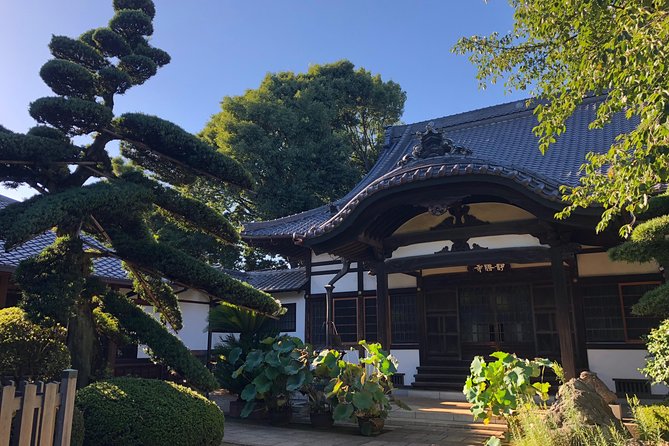
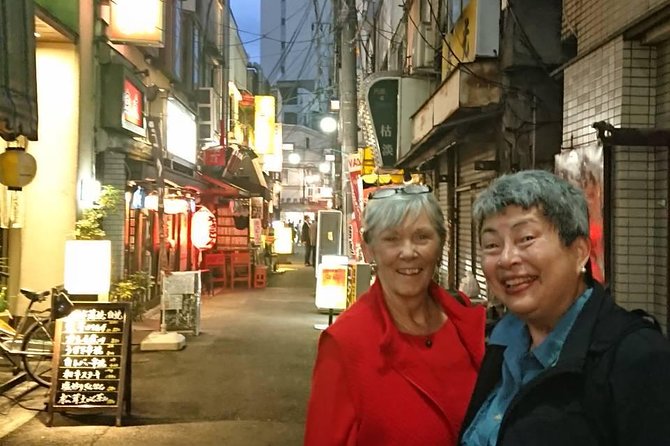
Your final neighborhood segment is Akabane Ichibangai shopping street, where you’ll spend about 40 minutes. This is where the tour’s tone shifts from shopping and history into social life.
The street is occupied by several dozen pubs and izakayas, and many of them are open around noon. That matters, because you get to see how the area works earlier than the late-night version most tourists imagine. You’ll also hear examples of everyday scenes—like elderly men enjoying a mid-afternoon cup of sake in a local setting.
This is one of my favorite kinds of tour endings. It shows Tokyo not as a single night-out city, but as a place where social routines happen throughout the day. And it’s a good “finish line” because you can choose what you want to do after the tour without needing a big transition.
Keep in mind: this segment is about atmosphere and local culture. If you want to actually eat or drink, plan to buy on your own since food and drinks aren’t included.
- Tokyo: Shinjuku Food Tour (13 Dishes at 4 Local Eateries)★ 5.0 · 6,603 reviews
- Tokyo Mt Fuji 5th St & Hakone Cruise Bus Tour w/Bullet Train★ 4.4 · 5,024 reviews
- Flagship 2-Hours Official Street Go-Kart Tour – Tokyo Bay Shop★ 5.0 · 4,974 reviews
- From Tokyo: Mount Fuji Full-Day Sightseeing Trip★ 4.5 · 4,970 reviews
- Tokyo: Hop-On Hop-Off Sightseeing Bus Ticket★ 3.9 · 4,207 reviews
The guide’s job: making street life feel readable
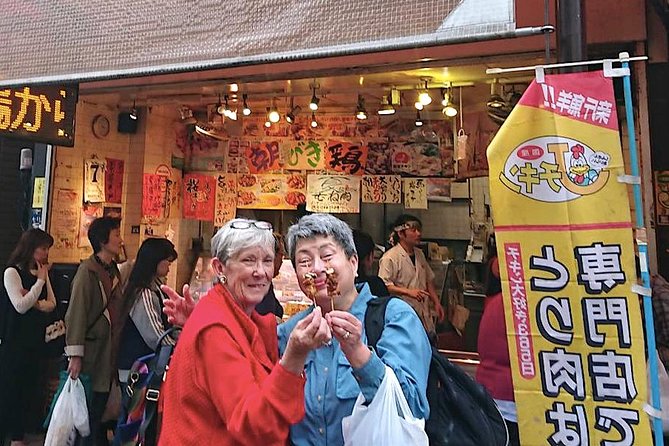
The magic of this tour is how the guide turns what you see into something you understand. In at least one recent experience, the guide name Fumiko was mentioned as especially strong for food information and tastes, plus added cultural explanations like tea tasting and temple practices.
That kind of guidance matters because Tokyo can be visually dense. A shopping street is easy to walk through. Understanding the logic of it—why certain stalls cluster, what people buy, and how local culture shows up in small rituals—is harder. A good guide makes it click.
You’ll also feel the difference of small group size (maximum eight). It’s not just comfort. It’s practical. In a smaller group, you can ask quick questions and get answers that match your curiosity—food, history, daily life, or how to read the street without feeling lost.
Price and what you’re really paying for
At $71.53 per person, this tour is priced like a guided local experience rather than a pure “walk around” activity. The value comes from three places:
- You get a local guide plus interpretation (included).
- You visit multiple neighborhood elements in a tight 3-hour window.
- The tour includes local taxes and uses a mobile ticket.
What’s not included is also important. Food and drinks are on you, and there’s no hotel pickup/drop-off and no transportation to the attractions. So budget for metro/train time to the meeting point, and expect to pay for anything you choose to snack on.
If you’re the type who hates paying for tours that only show you views you could find on your own, this one is likely a better match. The stops are ordinary by tourist standards, but the guide’s explanations are the product.
Also, this tour seems popular enough that it’s booked on average about 68 days in advance, so booking earlier can help you lock a spot—especially if you’re traveling during busier seasons.
Practical tips that make the walk smoother
This is a moderate physical fitness kind of outing—think walking time and standing, not hiking. To make it easier:
- Wear comfortable shoes you trust on uneven sidewalk sections.
- Carry water. Drinks aren’t included, and shopping streets can make you forget to pause.
- If you care about food tastes, decide your budget before you start, so surprises don’t derail your plan.
- Keep your camera ready, but focus on listening. The explanations are where the “non-touristy” magic comes from.
And because you start at 3:00 pm and end around the Akabane Station area, think ahead about what your evening plan is. You’ll likely want flexibility for a casual snack or a quick stop after the tour.
Who this tour suits best
This walk tour is ideal if you:
- want to see Tokyo through local street culture instead of major monuments
- enjoy food and everyday-life context
- like smaller groups where the guide can answer questions
- prefer a history explanation that’s tied to what you can still see on the street
It might not be your best pick if you’re only looking for big-ticket sights or you want a tour where meals are fully included and planned out in advance.
Should you book the Jujo and Akabane walking tour?
I’d book this if you want a Tokyo experience that feels lived-in, not staged. The mix of a historic shopping arcade, a calm park break, a short history stop tied to Ota Dokan, and then an izakaya-lane atmosphere at the right time of day makes the route feel balanced and human.
The main reason to hesitate is the one you can plan for: food and drinks aren’t included, so you’ll need to budget for snacks if you want to eat. If you’re okay buying your own treats and you’re excited to learn from the street instead of just walk past it, this is a strong choice.
FAQ
FAQ
How long is the Jujo and Akabane walking tour?
It’s about 3 hours.
What does the tour cost?
The price is $71.53 per person.
How many people are in the group?
The group is small, with a maximum of eight people.
Where do I meet the guide?
You meet at Jūjō Station (Japan, 114-0034 東京都北区上十条11210).
Where does the tour end?
The tour ends at Akabane Station, at the ticket gate.
What time does the tour start?
It starts at 3:00 pm.
What’s included in the price?
Local taxes and a local guide are included.
What’s not included?
Food and drinks, hotel pickup and drop-off, and transportation to/from attractions are not included.
Do all stops have free admission?
Some stops have free admission, while the Inatsuke Castle Remains stop has admission not included.
What’s the cancellation policy?
Free cancellation is available up to 24 hours in advance for a full refund. If you cancel less than 24 hours before the start time, the amount paid isn’t refunded.
Is the tour walkable for most people?
It’s listed for travelers with moderate physical fitness.
More Walking Tours in Tokyo
- Tokyo Tsukiji Fish Market Food and Culture Walking Tour
★ 5.0 · 3,184 reviews - Tokyo: Imperial Palace and Shogun Historical Walking Tour
★ 5.0 · 2,251 reviews - Tokyo: Shinjuku Local Bar and Izakaya Guided Walking Tour
★ 4.9 · 1,794 reviews - Tokyo: Tsukiji Fish Market Food and Walking tour
★ 5.0 · 1,724 reviews - Tokyo: Asakusa Walking Tour with Sensoji Temple Visit
★ 4.8 · 1,583 reviews
More Tours in Tokyo
- Mt Fuji and Hakone 1-Day Bus Tour Return by Bullet Train
★ 5.0 · 26,383 reviews - 1-Day Tokyo Bus Tour
★ 5.0 · 14,250 reviews - Tokyo: Shinjuku Food Tour (13 Dishes at 4 Local Eateries)
★ 5.0 · 6,603 reviews - Tokyo Mt Fuji 5th St & Hakone Cruise Bus Tour w/Bullet Train
★ 4.4 · 5,024 reviews - Flagship 2-Hours Official Street Go-Kart Tour – Tokyo Bay Shop
★ 5.0 · 4,974 reviews
More Tour Reviews in Tokyo
- Mt Fuji and Hakone 1-Day Bus Tour Return by Bullet Train
★ 5.0 · 26,383 reviews - 1-Day Tokyo Bus Tour
★ 5.0 · 14,250 reviews - Tokyo: teamLab Planets TOKYO Digital Art Museum Entry Ticket
★ 4.6 · 9,779 reviews - Mt Fuji & Hakone Cruise, Drum Show Bullet Train 1 Day from Tokyo
★ 4.0 · 7,413 reviews - Tokyo: Shinjuku Food Tour (13 Dishes at 4 Local Eateries)
★ 5.0 · 6,603 reviews
Latest Tokyo reviews off our desk






Walking Tours, compared.
 ★ 5.0Tokyo Tsukiji Fish Market Food and Culture Walking TourFrom $993,184 reviews
 ★ 5.0Imperial Palace and Shogun Historical Walking TourFrom $222,251 reviews
 ★ 4.9Shinjuku Local Bar and Izakaya Guided Walking TourFrom $341,794 reviews
 ★ 5.0Tsukiji Fish Market Food and Walking tourFrom $301,724 reviews
 ★ 4.8Asakusa Walking Tour with Sensoji Temple VisitFrom $221,583 reviews
 ★ 4.9Tsukiji Fish Market Guided Walking TourFrom $221,397 reviews
 ★ 4.7Tokyo Castle & Imperial PalaceーShogun Walking TourFrom $231,068 reviews
 ★ 4.9Imperial Palace Japanese History Walking TourFrom $32987 reviews
Browse the lists this tour appears in