
Reviewed · ASAKUSA & SENSOJI TOURS
From Asakusa: Old Tokyo, Temples, Gardens and Pop Culture
Tokyo’s old-meets-new pace is real. This 4-hour, small-group walk links Senso-ji and Nakamise-dori with the neon world of Akihabara’s electric-pop culture. You also get a rare pause in Koishikawa Korakuen, so the whole loop feels balanced, not just one long street crawl.
Two things especially work: you get context for why these neighborhoods look the way they do today, and your guide keeps the route lively with real examples as you move. One drawback to consider: it’s a high-variety route, so if you want long museum time or deep temple time, you’ll have to save that for another day.
In This Review
- Key things to know before you go
- Why this East Tokyo loop works: temple streets, market noise, and a garden reset
- Meeting at Kamiya Bar and what the small group really changes
- Asakusa and Sensō-ji: the fastest way to orient yourself in old Tokyo
- Nakamise-dori and Asakusa street shopping without the stress
- Ueno and Okachimachi: marketplace grit, museums nearby, and the street-food logic
- Akihabara Electric Town: electronics roots, anime culture, and cosplay street energy
- Koishikawa Korakuen garden: the calm chapter after neon and noise
- Price and value: $68 for a guided 4-hour East Tokyo sampler
- Who should book this tour, and who might feel time-crunched
- Tips for making the most of the 4 hours
- Should you book this tour of Asakusa, Ueno, Akihabara, and Koishikawa Korakuen?
- FAQ
- How long is the tour?
- What does the tour cost?
- Where do I meet the guide?
- What language is the tour guide?
- Is this a private tour?
- Is the tour wheelchair accessible?
- What is included in the price?
- Is Tokyo National Museum admission included?
- Are food and drinks included?
- What should I bring?
- Can I cancel for a full refund?
- Is there a flexible payment option?
Key things to know before you go
- Small group, up to 8 people, with an English live guide (wheelchair accessible)
- Asakusa to Ueno on the old transit logic, including the historic Asakusa–Ueno subway connection
- Street-market realism in Ueno/Okachimachi, including Ameya-Yokocho-style energy and snack-shop lanes
- Akihabara’s tech-to-otaku story, from electronics roots to anime and cosplayer street life
- Koishikawa Korakuen as a reset, with seasonal charm like cherry blossoms or autumn color
Why this East Tokyo loop works: temple streets, market noise, and a garden reset
This tour is built for people who get tired of two extremes: either you only do formal sights, or you only do shopping districts. Here, you move from spiritual Tokyo at Sensō-ji to the loud pop-culture rooms of Akihabara, then you end in a traditional garden where your brain finally gets quiet.
The value is in the ordering. By the time you reach Akihabara, you’ve already seen how older Tokyo formed patterns around transit and neighborhoods. Then the garden at Koishikawa Korakuen gives you contrast: same city, different tempo. It’s an easy way to understand Tokyo as a living place, not a museum.
You’ll want comfortable shoes because this is walking all the way. Also, it’s set up to show you a lot in 4 hours, so expect “guided orientation plus highlights,” not hours of slow wandering.
More temple mornings in old Asakusa
- Tokyo: Japanese Dance Cabaret Theater Asakusa-Kaguwa Ticket
★ 4.8 · 2,270 reviews - Tokyo: Meiji Shrine, Asakusa, Skytree Bus Tour and Cruise
★ 4.7 · 1,986 reviews - Tokyo: Roll and Authentic Sushi Making Class in Asakusa
★ 4.9 · 1,957 reviews - Tokyo: Asakusa Walking Tour with Sensoji Temple Visit
★ 4.8 · 1,583 reviews
Meeting at Kamiya Bar and what the small group really changes
You meet at Kamiya bar in Asakusa. That matters because it’s in the middle of where you want to start, not across town. When you join a group that’s limited to 8 participants, the guide can actually adjust on the fly. You can ask questions without yelling over a crowd, and you’re more likely to keep moving at a pace that feels doable.
The tour is English live guided and listed as wheelchair accessible. I like tours that acknowledge mobility from the start. It usually means the plan is realistic for different walkers and not just for the sprinters.
Also, it’s 4 hours. For a day that already includes Tokyo logistics, this duration is a sweet spot. Long enough to get meaning from multiple neighborhoods, short enough that you can still eat on your own afterward.
Asakusa and Sensō-ji: the fastest way to orient yourself in old Tokyo
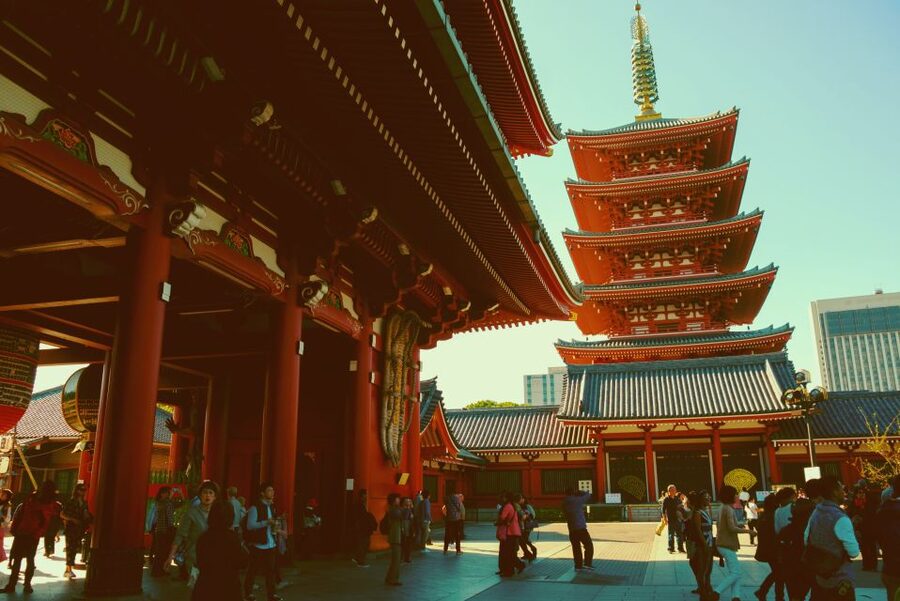
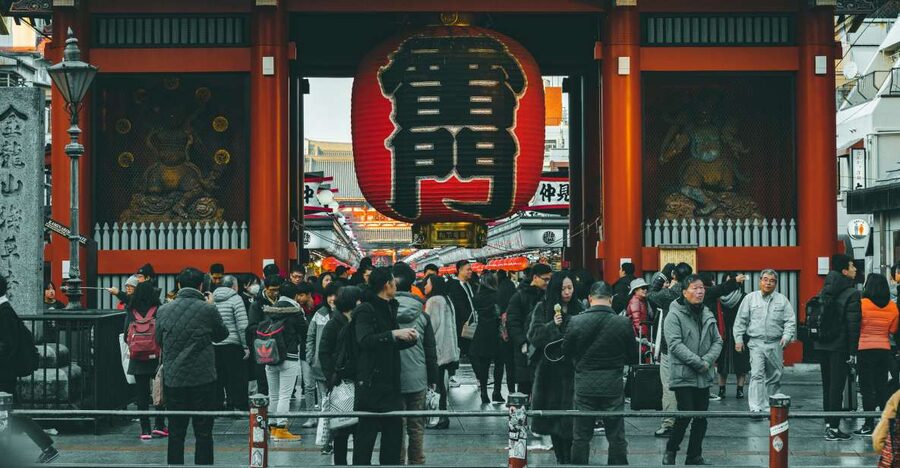
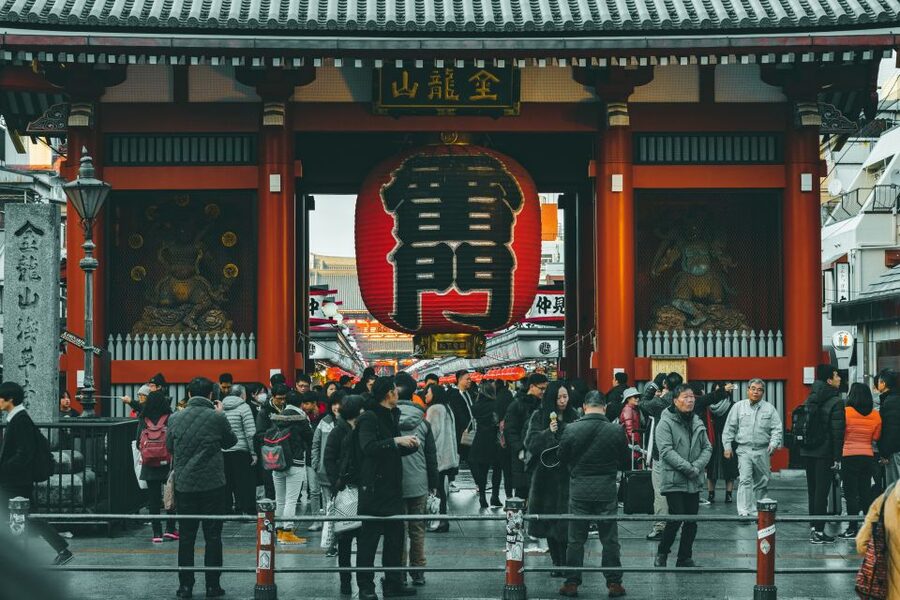
Asakusa is where you go to see Tokyo’s past written into street layout and daily life. You spend about 45 minutes in the Asakusa area before the main Sensō-ji segment. Your guide helps you connect what you’re seeing to what came before, so you don’t just photograph landmark after landmark.
Sensō-ji itself is scheduled for a shorter guided stop (around 15 minutes). That’s intentional. You’ll get the basics of this early Buddhist temple and why it’s been so important for visitors coming into the neighborhood for generations. Then you’re not stuck in one spot. You’re learning enough to appreciate the details as you walk through.
If you’re the kind of person who always wonders what people are doing and why, this is where the guide earns their fee. Guides on this experience have been described as very informative around Asakusa’s details, and names like Taka show up in past-led sessions as someone who packs the walk with useful context.
Practical tip: Asakusa can feel packed as you move toward temple approaches. Go in with a calm expectation: you’re there to watch real daily Tokyo energy, not to have an empty street.
Nakamise-dori and Asakusa street shopping without the stress
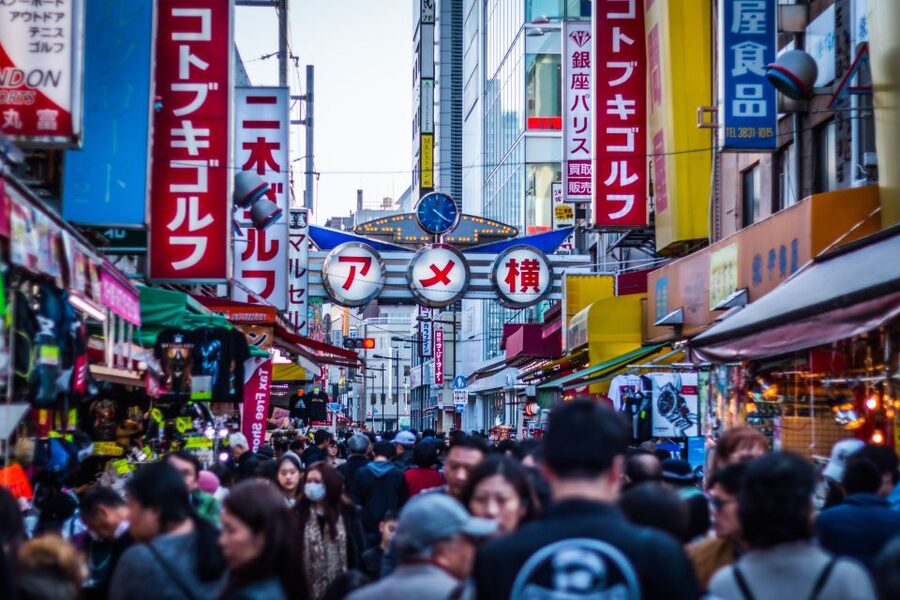
After Sensō-ji, you’re in the Nakamise-dori orbit, the classic shopping street that sits right at the temple approach. The practical win here is that your guide helps you read what’s going on instead of letting you get swept up and lost.
This is also one of those times when it helps to decide your goal early:
- If you want small souvenirs, plan for quick purchases you can carry.
- If you want snacks, keep it light and focus on one or two stops so you don’t miss later parts of the walk.
Because food and drinks aren’t included, you’ll likely buy something on your own. That’s normal for this kind of tour, but it does mean you should keep some cash or a card ready so you’re not stuck searching for payment when you finally spot the snack you want.
Ueno and Okachimachi: marketplace grit, museums nearby, and the street-food logic
Next, you head toward Ueno and Okachimachi, spending about 25 minutes at Ueno and another 25 minutes around Okachimachi. This is a different mood from Asakusa. Instead of temple approach and souvenir lanes, you’re in a neighborhood shaped by markets, museums, and everyday vendors.
Your guide frames Ueno and Okachimachi as places where street vendors and shops have long sold food and goods. It’s not a corporate, “everything the same” shopping zone. It feels more like real commerce, where you can see variety in what people buy and how stalls set up.
A particularly interesting context point is the historic subway link between Asakusa and Ueno, described as Asia’s first subway connection. You’ll understand the geography better after that. Tokyo’s growth doesn’t happen randomly; it follows access and movement, and you can feel that here.
Okachimachi’s vibe is also where you get a taste of the area’s market energy, including the idea of Ameya-Yokocho-style lanes. Even if you don’t go deep into every shop, the guided orientation helps you know what you’re looking at: food counters, bargain storefronts, and the kind of day-to-day street life that doesn’t require a ticket.
One consideration: if you’re expecting a quiet, curated museum day, this stop will feel more lived-in. That’s the point. You’ll learn more about how people actually use these streets.
- Tokyo: Shinjuku Food Tour (13 Dishes at 4 Local Eateries)★ 5.0 · 6,603 reviews
- Tokyo Mt Fuji 5th St & Hakone Cruise Bus Tour w/Bullet Train★ 4.4 · 5,024 reviews
- Flagship 2-Hours Official Street Go-Kart Tour – Tokyo Bay Shop★ 5.0 · 4,974 reviews
- From Tokyo: Mount Fuji Full-Day Sightseeing Trip★ 4.5 · 4,970 reviews
- Tokyo: Hop-On Hop-Off Sightseeing Bus Ticket★ 3.9 · 4,207 reviews
Akihabara Electric Town: electronics roots, anime culture, and cosplay street energy
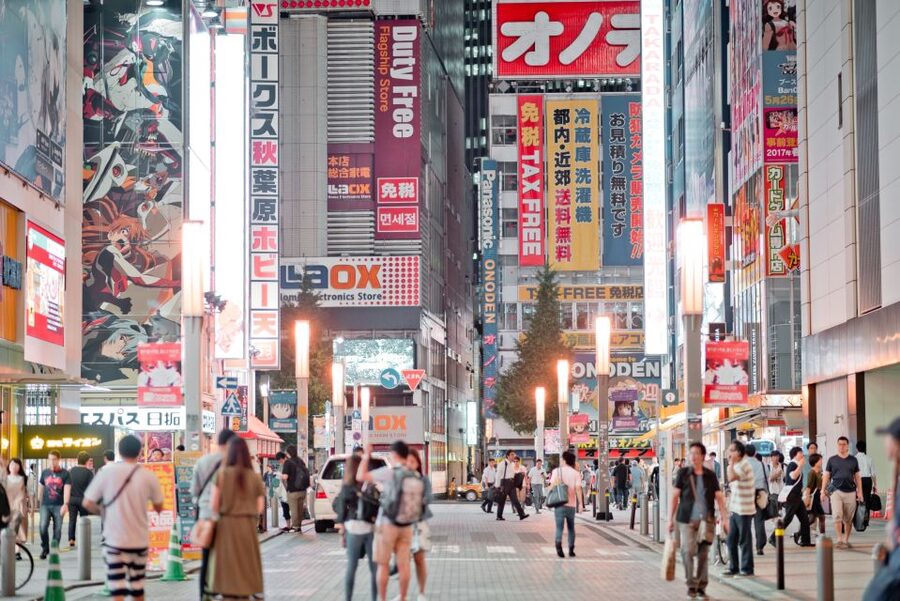
Then comes the left turn into pop culture. Akihabara is about 45 minutes of guided time, which is just enough to get the story without feeling like you have to understand every product on every rack.
The guide explains Akihabara’s identity as a hub for electronics going back decades, with roots described as pre-war. Over time, that same district energy shifted into a strong “otaku” culture presence: anime, manga, gaming, and the fan world built around them. The key is that Akihabara isn’t just themed retail. It’s a place where fandom becomes part of the street scene.
You’ll likely notice cosplayers and playful performance energy as you walk. The tour doesn’t ask you to participate; it helps you understand the why behind the costumes and the fact that this is normal here. If you’ve ever felt like pop culture is too global and too “samey,” Akihabara is where you see how a local neighborhood built a scene around it.
Guide style matters a lot on this stop. In past sessions, Takee has been described as engaging and fun, with extra friendly touches like origami and even a pub stop for a group that wanted one. That kind of rapport can make a short pop-culture stop feel personal instead of transactional.
Practical tip: Akihabara can be visually intense. Pace yourself. If you need a quick reset, step aside for a minute. Your eyes will thank you before you hit the next street.
Koishikawa Korakuen garden: the calm chapter after neon and noise
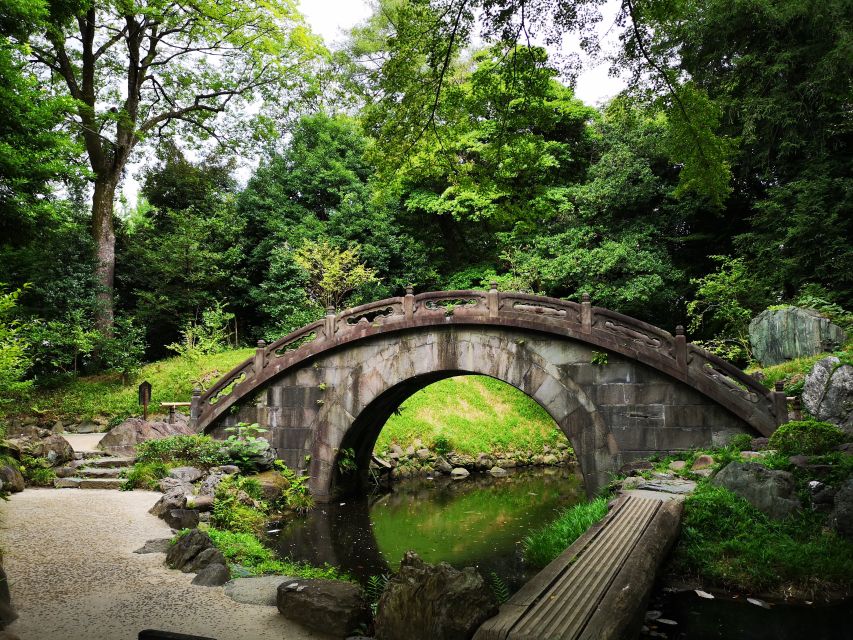
Ending in Koishikawa Korakuen is smart. You spend about 45 minutes in this garden area, and the tour uses that time to switch gears from crowds and storefronts to paths, scenery, and seasonal signals.
You’ll walk an Edo-era style garden layout (traditional Japanese garden design) and get help noticing what makes it work: the way water, stones, and planted views build a sequence as you move. The tour also flags that seasons change the experience. Spring cherry blossoms are highlighted, while autumn is described with fiery color imagery.
This stop is not just “pretty for photos.” It’s where your earlier neighborhoods start to make more sense emotionally. Tokyo can feel loud because it layers different worlds on top of each other. Koishikawa gives you a small, focused break so you can process everything you just walked through.
If you’re traveling with someone who isn’t into anime or electronics, this is the segment that often earns a smile. It’s a different kind of Tokyo cool.
Price and value: $68 for a guided 4-hour East Tokyo sampler
The price is listed at $68 per person for 4 hours. That’s not a bargain-sticker price, but it also isn’t a “charge because it’s famous” price.
Here’s what you get for the money:
- A live English guide
- All standard costs on the tour, including admissions and local train rides
- Guided time through multiple neighborhoods (not just one)
What you don’t get:
- Food and drinks
- Tokyo National Museum admission if you choose to go (it’s not included)
- Costs that happen if you customize beyond the standard plan
So the real value test is this: are you the type who wants to spend your day navigating transit and figuring out what you’re looking at? If yes, you’ll probably feel the value fast. If you’re comfortable planning everything yourself and you prefer to wander freely, then you may not need a guided loop like this.
For many visitors, $68 works because it buys you context plus momentum. Tokyo is easier when you know what matters and what’s just there to distract you.
Who should book this tour, and who might feel time-crunched
This experience fits best if you:
- Want tradition and modern pop culture in one outing
- Like guided context more than solo wandering
- Appreciate contrasts: temple approach, market lanes, electronics street life, and a garden calm
You might want to skip or pair it with other plans if you:
- Want a deep dive into one major site (like spending hours inside a museum)
- Plan to do long food breaks and want the tour to slow down for that
- Hate walking. This is built around a continuous route.
It’s also a great format for families, since guides like Takee have been described as engaging with kids and keeping the mood fun without losing the informative side.
Tips for making the most of the 4 hours
Bring comfortable shoes. Seriously. You’re on foot across different terrain and street density, and the tour hits a lot of distinct vibes.
If you care about photos, keep your expectations realistic. You’ll be moving through crowded streets. Focus on capturing moments like shopfront textures, temple approach details, and garden path views, not on getting a perfect empty shot.
Also, plan your food separately. Food and drinks aren’t included, and you’ll likely want to choose what you eat based on your own tastes. The tour will set you up with the right neighborhood energy to make good food decisions without a long detour.
Should you book this tour of Asakusa, Ueno, Akihabara, and Koishikawa Korakuen?
I’d book this if you want a smart day that explains Tokyo’s why, not just Tokyo’s what. The route gives you the city’s spiritual centerpiece at Sensō-ji, the marketplace logic around Ueno and Okachimachi, the pop-culture engine of Akihabara, and then a calm reset in Koishikawa Korakuen.
I’d skip it if your ideal day is mostly one long museum visit or if you want full freedom to decide stop-by-stop with no guidance. The trade-off here is variety for speed.
If your goal is to understand how Tokyo became Tokyo, this tour is built for that goal.
FAQ
How long is the tour?
It lasts 4 hours.
What does the tour cost?
The price is $68 per person.
Where do I meet the guide?
You meet at Kamiya bar in Asakusa.
What language is the tour guide?
The tour offers a live guide in English.
Is this a private tour?
It is a small-group tour limited to 8 participants.
Is the tour wheelchair accessible?
Yes, it’s listed as wheelchair accessible.
What is included in the price?
The price includes guide costs and standard tour costs such as admissions and local train rides.
Is Tokyo National Museum admission included?
No, Tokyo National Museum admission is not included (if you choose to go).
Are food and drinks included?
No, food and drinks are not included.
What should I bring?
You should wear or bring comfortable shoes.
Can I cancel for a full refund?
Yes, you can cancel up to 24 hours in advance for a full refund.
Is there a flexible payment option?
Yes, it offers reserve now & pay later.
More Tour Reviews in Tokyo
- Mt Fuji and Hakone 1-Day Bus Tour Return by Bullet Train
★ 5.0 · 26,383 reviews - 1-Day Tokyo Bus Tour
★ 5.0 · 14,250 reviews - Tokyo: teamLab Planets TOKYO Digital Art Museum Entry Ticket
★ 4.6 · 9,779 reviews - Mt Fuji & Hakone Cruise, Drum Show Bullet Train 1 Day from Tokyo
★ 4.0 · 7,413 reviews - Tokyo: Shinjuku Food Tour (13 Dishes at 4 Local Eateries)
★ 5.0 · 6,603 reviews
More Mornings in Old Asakusa
- Tokyo: Japanese Dance Cabaret Theater Asakusa-Kaguwa Ticket
★ 4.8 · 2,270 reviews - Tokyo: Meiji Shrine, Asakusa, Skytree Bus Tour and Cruise
★ 4.7 · 1,986 reviews - Tokyo: Roll and Authentic Sushi Making Class in Asakusa
★ 4.9 · 1,957 reviews - Tokyo: Asakusa Walking Tour with Sensoji Temple Visit
★ 4.8 · 1,583 reviews - Tokyo Asakusa Rickshaw Tour
★ 5.0 · 1,375 reviews
Latest Tokyo reviews off our desk






Asakusa & Sensoji Tours, compared.
 ★ 4.8Japanese Dance Cabaret Theater Asakusa-Kaguwa TicketFrom $492,270 reviews
 ★ 4.7Meiji Shrine, Asakusa, Skytree Bus Tour and CruiseFrom $1221,986 reviews
 ★ 4.9Roll and Authentic Sushi Making Class in AsakusaFrom $581,957 reviews
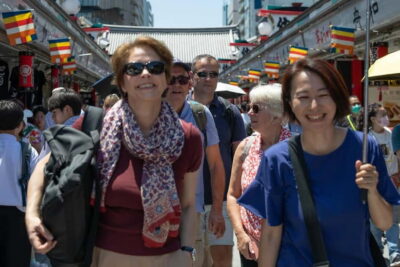 ★ 4.8Asakusa Walking Tour with Sensoji Temple VisitFrom $221,583 reviews
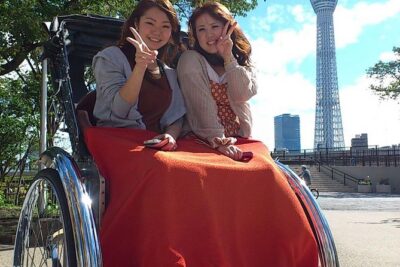 ★ 5.0Tokyo Asakusa Rickshaw TourFrom $421,375 reviews
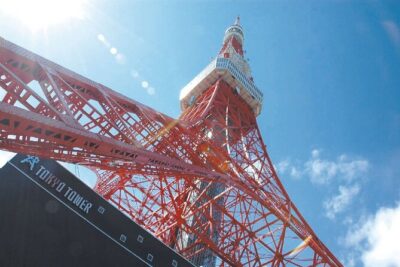 ★ 4.5Tokyo Panoramic 1 Day: Meiji Shrine, Asakusa, Odaiba and SKYTREE®From $851,222 reviews
 ★ 5.0Tokyo Go Kart: Asakusa, Skytree, and Akihabara **IDP MUST**From $99988 reviews
 ★ 4.7Asakusa, Skytree & Akhihabara Go-Kart City ExperienceFrom $96761 reviews
Browse the lists this tour appears in