
Reviewed · ASAKUSA & SENSOJI TOURS
Get to know the secret of Asakusa! Shrine and Temple Tour
Some tours just tick off sights. This one explains the why. You’ll follow the Seven Gods of Fortune through Asakusa’s temples and shrines, collect stamp souvenirs, and hear the stories that link each stop to everyday hopes like health, marriage, art luck, and good business.
I really like the pacing of a private tour for your party. Guides you may be paired with (including people like Nanako, Kazumi, Nobu, Tom Harada, Harada Taketsugu, and Eric) have a pattern of being friendly, flexible, and good at sharing small details, plus they’ll help with practical stuff like route flow on rainy days. One consideration: this is a fair amount of walking, and the main “extra” cost comes from the teahouse meal option, so wear comfortable shoes and budget a bit beyond the base price.
In This Review
- Key things to look forward to in Asakusa’s Seven Gods tour
- Why Asakusa’s Seven Gods route changes the way you see temples
- Private group flow for 5.5 hours (and why it matters)
- Start with Honryuin Matsuchiyama Shoden: Bishamonten and the wish for well-being
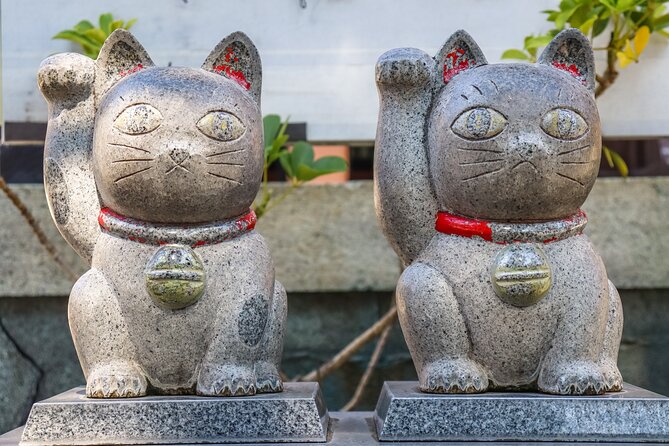
- Imado Shrine and the Maneki Neko connection you can’t miss
- Hashiba Fudoson: Edo-era architecture you’ll notice once someone points it out
- Raku Ishihama Teahouse inside Ishihama Shrine: a break that costs extra
- Yoshiwara Shrine: Benzaiten and luck for women’s wishes (art and marriage)
- Otori Shrine’s giant rake and the Rooster Market story
- Asakusa Shrine to Senso-ji: Ebisu, stamps, and the red-lantern payoff
- Nakamise Shopping Street near Kaminarimon: souvenirs and snack strategy
- Price and value: what you’re really paying for (and what you still need)
- Rainy day durability and photo help you’ll actually notice
- Who this tour suits best
- Should you book Get to know the secret of Asakusa?
- FAQ
- What is included in the tour price?
- How long is the Asakusa shrine and temple tour?
- Where does the tour start and end?
- Is the teahouse stop included?
- What should I budget for meals and other extras?
- What happens if it is Wednesday?
- Do I collect souvenirs during the tour?
- Is this tour private or shared?
- Is it near public transportation?
- What is the cancellation policy?
Key things to look forward to in Asakusa’s Seven Gods tour
- Seven Gods of Fortune stops that connect luck themes to specific temples and shrines
- Stamp collection at shrines and temples as a take-home free souvenir
- Maneki Neko and marriage luck at Imado Shrine, plus lots of cute-photo opportunities
- Edo-period design details you’ll notice more with a guide explaining what you’re seeing
- A planned teahouse stop inside Ishihama Shrine grounds (good break, but extra cost)
- Nakamise Shopping Street guidance for souvenirs and snack stops near Kaminarimon
Why Asakusa’s Seven Gods route changes the way you see temples
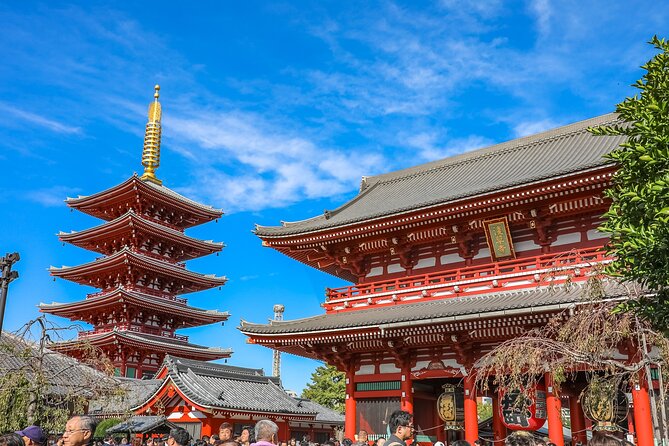
Asakusa can feel like a photo loop: lanterns here, incense there, gift shops everywhere. This tour gives you a different lens. Instead of treating each stop as a standalone landmark, you follow a set of sites tied to the Seven Gods of Fortune, so the signs, prayers, and even the little ritual details start to make more sense.
You’ll also get more than “what this is.” The guide’s job is to connect the place to culture and everyday wish-making in Japan, including how those Edo-period values shaped local life. If you like travel that turns into stories you can retell on the train, this format fits.
More temple mornings in old Asakusa
- Tokyo: Japanese Dance Cabaret Theater Asakusa-Kaguwa Ticket
★ 4.8 · 2,270 reviews - Tokyo: Meiji Shrine, Asakusa, Skytree Bus Tour and Cruise
★ 4.7 · 1,986 reviews - Tokyo: Roll and Authentic Sushi Making Class in Asakusa
★ 4.9 · 1,957 reviews - Tokyo: Asakusa Walking Tour with Sensoji Temple Visit
★ 4.8 · 1,583 reviews
Private group flow for 5.5 hours (and why it matters)
The biggest practical win is simple: it’s private for your party. That means you’re not stuck in a crowd shuffle at every gate, and the guide can adjust timing if your group moves slowly, takes extra photos, or wants a short detour.
The tour runs about 5 hours 30 minutes, and it’s structured with short shrine/temple stops plus a longer food break. Reviews mention a good sense of pacing, with guides helping take photos and even adjusting the route when needed. Still, plan for a solid walking day. Bring comfortable shoes and keep a light layer for weather shifts.
Start with Honryuin Matsuchiyama Shoden: Bishamonten and the wish for well-being
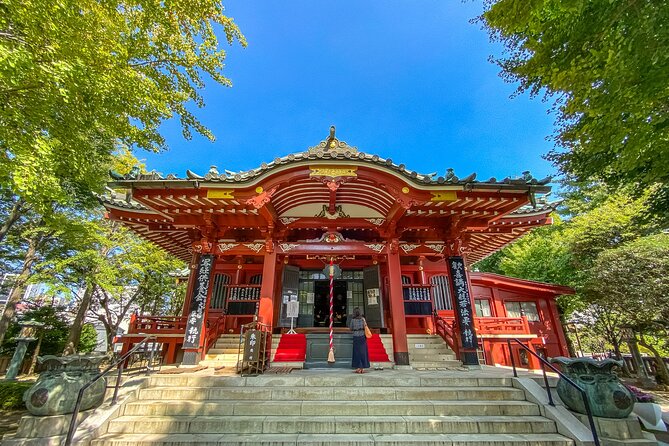
Your first stop is Honryuin Matsuchiyama Shoden, a temple known for health, good relations, and marital relations, with a strong tie to prosperity for business. The Seven Gods of Fortune theme matters here because each site has a different “luck angle,” and the guide helps you match the prayer intention to the deity honored at the location.
This is the kind of stop where you’ll appreciate a guide pointing out what to look for before you even raise your hand for a prayer. It also sets the tone for the whole day: calm, purposeful, and focused on meaning rather than speed.
Time on site is about 25 minutes, with admission free for this stop.
Imado Shrine and the Maneki Neko connection you can’t miss
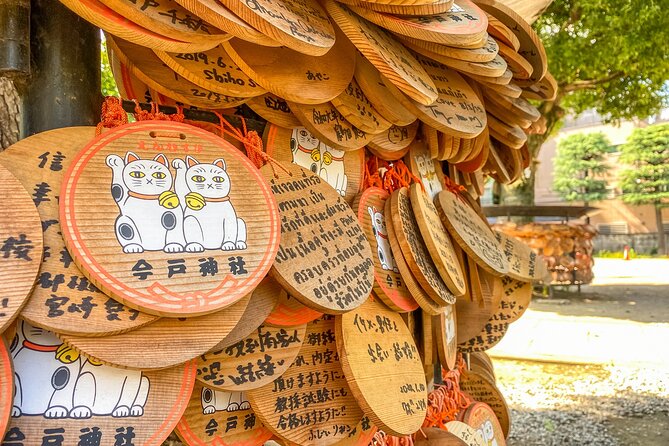
Next comes Imado Shrine, famous as a birthplace of the Maneki Neko (the beckoning cat). The place is basically a cat magnet. You’ll see Maneki Neko figures everywhere, and the guide ties the setting to the luck patterns people come for—especially love and marriage hopes for many female worshipers.
What I like about this stop is how it blends spiritual practice with something you’ll recognize even if you don’t know Japanese religious traditions. You’re not just standing in front of an idol; you’re seeing how a local belief becomes a cultural icon.
Plan on about 20 minutes here, also free admission.
Hashiba Fudoson: Edo-era architecture you’ll notice once someone points it out
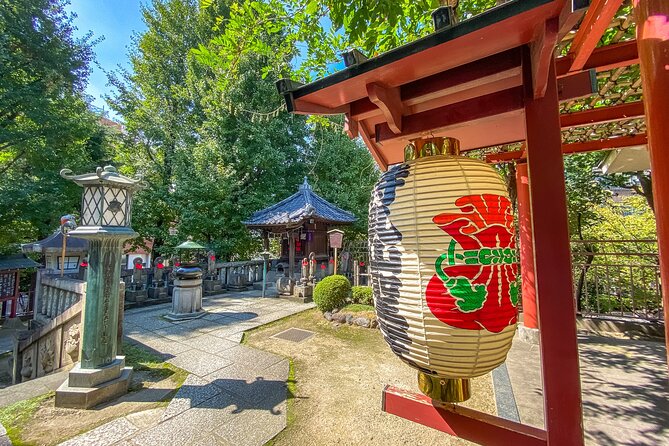
At Hashibafudo-son (Hashiba Fudoson), the emphasis shifts to atmosphere and design. This is a small, simple temple where you can feel the Edo-period architectural style more than you’d expect from a quick glance.
The Seven Gods theme shows up again through Hotei-son (a deity associated with good fortune). Even if you’re not a religion-history nerd, this stop works because it’s visually readable. With a guide, you start noticing proportions, layout, and the quiet “working temple” feel that big tourist sites sometimes lose.
This stop is about 15 minutes, and it’s free.
- Tokyo: Shinjuku Food Tour (13 Dishes at 4 Local Eateries)★ 5.0 · 6,603 reviews
- Tokyo Mt Fuji 5th St & Hakone Cruise Bus Tour w/Bullet Train★ 4.4 · 5,024 reviews
- Flagship 2-Hours Official Street Go-Kart Tour – Tokyo Bay Shop★ 5.0 · 4,974 reviews
- From Tokyo: Mount Fuji Full-Day Sightseeing Trip★ 4.5 · 4,970 reviews
- Tokyo: Hop-On Hop-Off Sightseeing Bus Ticket★ 3.9 · 4,207 reviews
Raku Ishihama Teahouse inside Ishihama Shrine: a break that costs extra
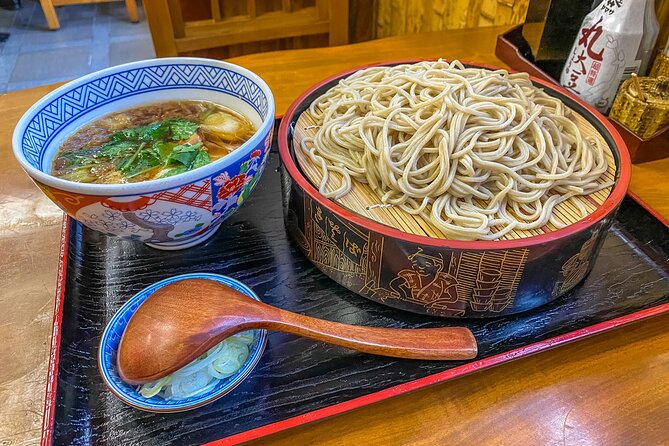
Stop four is your built-in reset: Raku Ishihama Teahouse, located within the grounds of Ishihama Shrine. This is where you’ll slow down, sit, and eat something local, often a mix of options like soba and tempura-style bowls and sweets.
One key reality check: the teahouse stop is not included, and the listed admission fee for it is ¥4,800 per person. Meal costs are also noted in the tour’s estimated extra spending. So think of this as a planned paid experience, not a quick snack that’s magically free.
Also note a scheduling wrinkle: on Wednesdays, Ishihama Saryo Raku is closed, and the tour will show you an alternative spot. If you’re traveling midweek, that’s worth factoring in so you don’t build your day around one specific menu.
Time here is about 40 minutes.
Yoshiwara Shrine: Benzaiten and luck for women’s wishes (art and marriage)
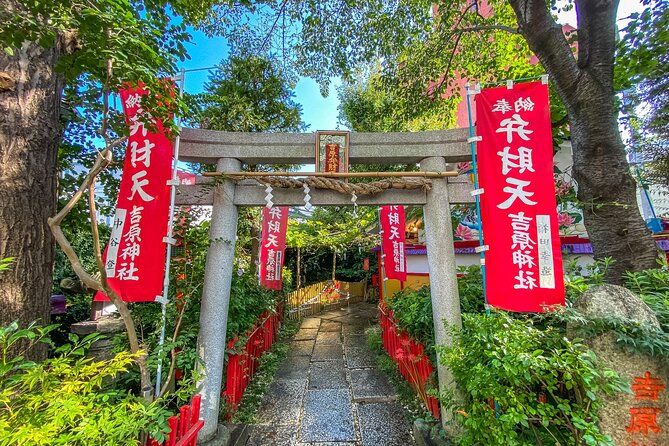
At Yoshiwara Shrine, the focus is Benzaiten, the female deity among the Seven Gods of Fortune. The description ties her to wishes connected to women, including luck for art and marriage.
This stop can feel more personal than some of the others, because the guide frames why certain prayers repeat in everyday life—how people come back with the same hope, year after year. You’ll also get a different shrine vibe than the bigger “everyone takes photos here” spots.
Time is about 20 minutes, with free admission.
Otori Shrine’s giant rake and the Rooster Market story
Otori Shrine brings the day’s most theatrical detail: a gorgeous, large rake. It’s famous for holding the Rooster Market, where lucky rakes are sold. There’s also a link to Japanese Noh imagery through a mask associated with Okame-san.
Even if you don’t buy anything, the story makes the scene more fun. It’s not just a prop; it’s local folk symbolism turned into something you can see and touch.
Expect around 20 minutes and free admission.
Asakusa Shrine to Senso-ji: Ebisu, stamps, and the red-lantern payoff
You’ll finish the core shrine run at Asakusa Shrine and then Senso-ji Temple, with a strong “stamp and meaning” feel.
At Asakusa Shrine, the guide connects the site to Ebisu, one of the Seven Gods of Fortune. Ebisu’s association tends to show up in hopes for steady luck, and with the guide explaining what it means at this location, you’ll understand why people pray here even if you’ve never heard of Ebisu before.
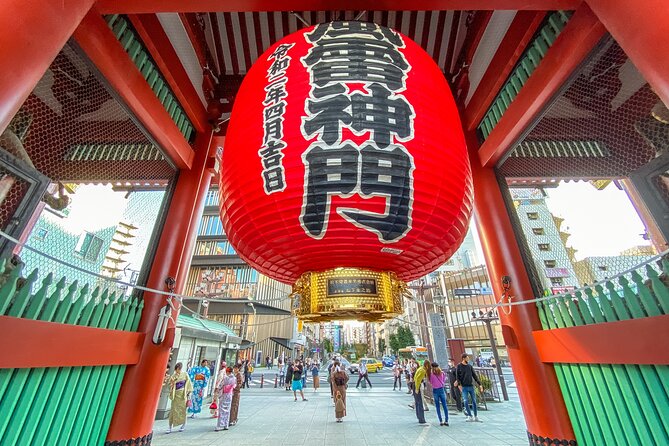
Senso-ji is the big headline: it’s the oldest temple in Tokyo, with the iconic giant red lantern marking Asakusa. You’ll spend about 30 minutes here. Admission is free, and this is where the day’s theme starts paying off visually—because you’re not just looking at a temple, you’re watching how ritual and belief play out in a real place.
A big free souvenir is part of this stretch: you’ll collect stamps from the shrines and temples along the way. That means you leave with something more tactile than photos, and you can keep the “seven lucky stops” idea as a memory.
Nakamise Shopping Street near Kaminarimon: souvenirs and snack strategy
After Senso-ji, you’ll walk through Nakamise Shopping Street near Kaminarimon. This part is useful because it turns a crowded tourist strip into an organized plan. The guide will guide you through recommended shops and help you with what to buy or where to snack.
I like this structure because it helps you avoid the “I’ll just wander and hope” approach. You get a short, purposeful stroll, then you can decide how much time you want in the shops you like.
Time is about 20 minutes, and admission here is free.
Price and value: what you’re really paying for (and what you still need)
At $103.92 per person with a 5.5-hour private format, you’re paying mainly for two things: a guide who can connect the spiritual stops into one story, and the time saved by moving efficiently between sites.
What’s not included is where you’ll spend extra:
- Estimated costs around ¥4,800 per person (includes transportation estimate and meal costs around ¥1,000)
- Optional experience costs around ¥3,500 per person
- The teahouse option at Raku Ishihama Teahouse is listed at ¥4,800 per person
So the “true total” depends on whether you treat the teahouse as a must-do. If you’re okay skipping that paid stop and grabbing something elsewhere, your day could stay closer to the basic add-on estimate. If you’re the type who likes experiencing food tied to the shrine grounds, then budget for the teahouse.
Either way, the big value move is the private guide and the Seven Gods stamp trail, since you’re not just buying entry tickets—you’re buying context and a smoother flow through Asakusa.
Rainy day durability and photo help you’ll actually notice
One common theme in the guide feedback is that weather didn’t derail the plan. Even on rainy days, you can still cover the full set of shrines and collect your stamps.
Also, photo help isn’t just a vague promise. Guides such as Kazumi have been mentioned for helping with photos and guiding guests to spots with views of Tokyo Tower. That’s not the core point of the tour, but it’s a nice bonus if you want a couple of skyline shots after the temple lanterns.
Who this tour suits best
This is a great fit if you want:
- A private day in Asakusa instead of a group cattle-walk
- A clear route built around the Seven Gods of Fortune
- A guided explanation of meaning and rituals (not just “where to take a picture”)
- A souvenir you can keep, thanks to stamp collection
It’s also a good choice for couples and small families who want a calmer pace. The only real mismatch is if you hate walking. The day includes multiple stops across the area, and even reviews call it “quite a lot of walking,” so plan for that with shoes you trust.
Should you book Get to know the secret of Asakusa?
I’d book it if you like tours that give you a framework. Asakusa is easy to wander, but this turns wandering into understanding. The stamp trail, the Seven Gods theme, and the way the guide connects each site to a specific type of luck make the day feel cohesive.
Skip it only if you’re strictly budget-only and you’re not interested in the teahouse stop. The pricing makes sense when you treat the guide time as the main value and don’t ignore that extra-food reality at Ishihama Shrine.
If you’re deciding today, here’s the quick call:
- You should book if you want story + meaning + a guided route.
- You might pass if you want a cheap, casual walk-through with no paid add-ons.
FAQ
What is included in the tour price?
The tour includes a guide, a private tour exclusively for your party, and the necessary expenses for the guide during the tour. Admission fees at visited sites are listed as free for the temple/shrine stops, but additional costs for food or optional experiences are not included.
How long is the Asakusa shrine and temple tour?
The tour runs for about 5 hours 30 minutes.
Where does the tour start and end?
It starts at Asakusa Sta. 1-chōme-1-3, Taito City, Tokyo 111-0032 and ends back at the meeting point area. The finishing spot is noted as different from the starting spot, and you can let your guide know if you want to change the finishing spot.
Is the teahouse stop included?
No. The teahouse stop at Raku Ishihama Teahouse is not included, and it lists an admission fee of ¥4,800 per person.
What should I budget for meals and other extras?
The tour lists estimated additional costs of ¥4,800 per person, including about ¥1,000 for meal costs and transportation around ¥300. It also lists optional experience costs of ¥3,500 per person. Exact spending will depend on what you choose at the stops.
What happens if it is Wednesday?
On Wednesday, Ishihama Saryo Raku is closed, and the tour will show you an alternative spot.
Do I collect souvenirs during the tour?
Yes. You can collect stamps from the shrines and temples as a free souvenir.
Is this tour private or shared?
It’s private. Only your group participates.
Is it near public transportation?
Yes. The meeting point is near public transportation.
What is the cancellation policy?
Free cancellation is available if you cancel up to 24 hours in advance of the experience start time for a full refund.
More Tours in Tokyo
- Mt Fuji and Hakone 1-Day Bus Tour Return by Bullet Train
★ 5.0 · 26,383 reviews - 1-Day Tokyo Bus Tour
★ 5.0 · 14,250 reviews - Tokyo: Shinjuku Food Tour (13 Dishes at 4 Local Eateries)
★ 5.0 · 6,603 reviews - Tokyo Mt Fuji 5th St & Hakone Cruise Bus Tour w/Bullet Train
★ 4.4 · 5,024 reviews - Flagship 2-Hours Official Street Go-Kart Tour – Tokyo Bay Shop
★ 5.0 · 4,974 reviews
More Tour Reviews in Tokyo
- Mt Fuji and Hakone 1-Day Bus Tour Return by Bullet Train
★ 5.0 · 26,383 reviews - 1-Day Tokyo Bus Tour
★ 5.0 · 14,250 reviews - Tokyo: teamLab Planets TOKYO Digital Art Museum Entry Ticket
★ 4.6 · 9,779 reviews - Mt Fuji & Hakone Cruise, Drum Show Bullet Train 1 Day from Tokyo
★ 4.0 · 7,413 reviews - Tokyo: Shinjuku Food Tour (13 Dishes at 4 Local Eateries)
★ 5.0 · 6,603 reviews
More Mornings in Old Asakusa
- Tokyo: Japanese Dance Cabaret Theater Asakusa-Kaguwa Ticket
★ 4.8 · 2,270 reviews - Tokyo: Meiji Shrine, Asakusa, Skytree Bus Tour and Cruise
★ 4.7 · 1,986 reviews - Tokyo: Roll and Authentic Sushi Making Class in Asakusa
★ 4.9 · 1,957 reviews - Tokyo: Asakusa Walking Tour with Sensoji Temple Visit
★ 4.8 · 1,583 reviews - Tokyo Asakusa Rickshaw Tour
★ 5.0 · 1,375 reviews
Latest Tokyo reviews off our desk






Asakusa & Sensoji Tours, compared.
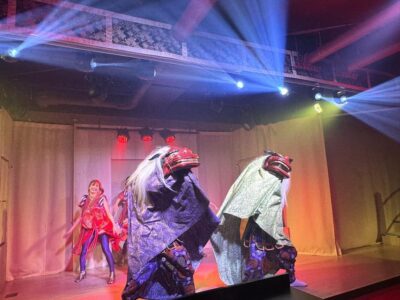 ★ 4.8Japanese Dance Cabaret Theater Asakusa-Kaguwa TicketFrom $492,270 reviews
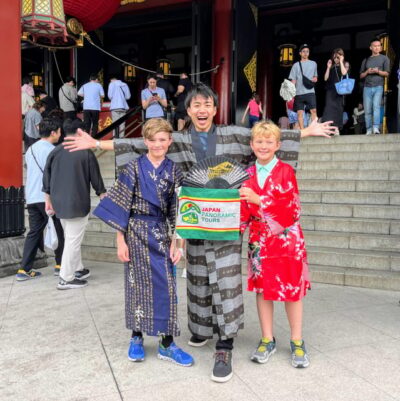 ★ 4.7Meiji Shrine, Asakusa, Skytree Bus Tour and CruiseFrom $1221,986 reviews
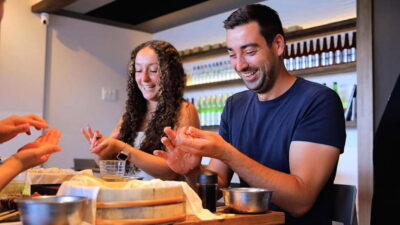 ★ 4.9Roll and Authentic Sushi Making Class in AsakusaFrom $581,957 reviews
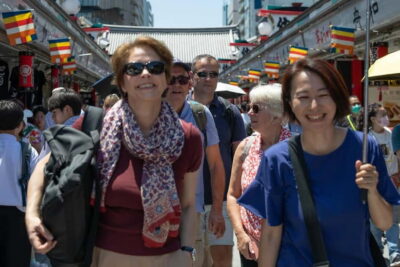 ★ 4.8Asakusa Walking Tour with Sensoji Temple VisitFrom $221,583 reviews
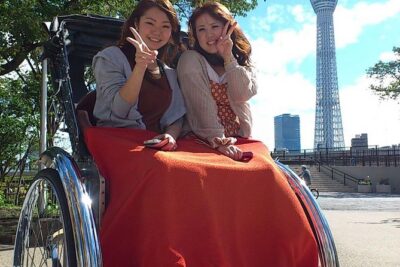 ★ 5.0Tokyo Asakusa Rickshaw TourFrom $421,375 reviews
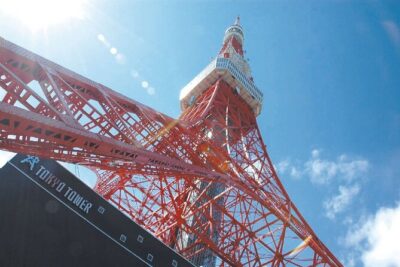 ★ 4.5Tokyo Panoramic 1 Day: Meiji Shrine, Asakusa, Odaiba and SKYTREE®From $851,222 reviews
 ★ 5.0Tokyo Go Kart: Asakusa, Skytree, and Akihabara **IDP MUST**From $99988 reviews
 ★ 4.7Asakusa, Skytree & Akhihabara Go-Kart City ExperienceFrom $96761 reviews
Browse the lists this tour appears in