
Reviewed · WALKING TOURS
Goshuin Collecting & Garden Walk in Local Tokyo
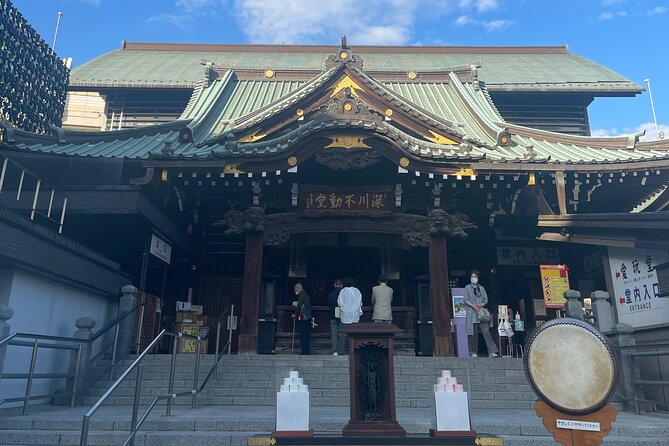
Goshuin day in Tokyo feels like a secret quest. I like that this private half-day tour sends you off the main routes to collect goshuin at multiple shrines and temples, with time to ask questions as you go. You also get small perks along the way, like snacks and souvenir extras, without the scramble of chasing a packed group schedule.
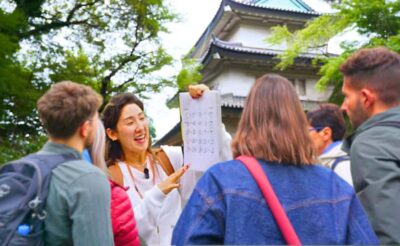
My favorite part is the guidance from Masami, who helps you request goshuin properly and understand what you’re seeing instead of just ticking boxes. I also like that the plan includes a garden walk stop (garden admission covered) plus a 1-day bus pass, so you can relax between sites and keep the momentum.
One consideration: this is a walking tour for about 2–3 hours, so it’s best if you’re comfortable moving and standing for periods. Also, stamps are not listed as a purchased add-on—you’ll collect what you request at the places you visit, and your goshuin book is key.
In This Review
- Key highlights you’ll actually feel on the day
- Why this Goshuin & Garden Walk works in Tokyo
- Meet Masami: a guide who makes the etiquette feel simple
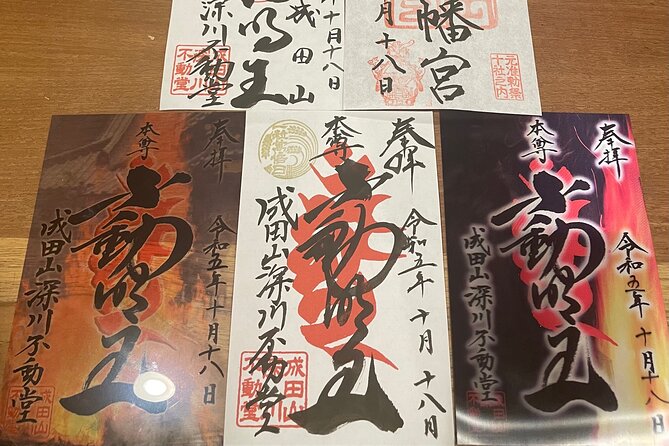
- What you collect: goshuin plus pilgrimage-calligraphy culture
- Stop-by-stop: from Monzennakacho snacks to Koto’s quieter shrines
- Stop 1: Monzennakacho and the sweet start
- Stops 2–5: multiple Koto-area temple and shrine moments
- The garden walk break (admission included)
- Ending near Kiyosumi-shirakawa Station
- The included 1-day bus pass: why it changes the pacing
- Snacks, souvenir extras, and small gifts that feel personal
- Comfort and timing: what to expect for a 2–3 hour walking tour
- Price and value: $35.14 for a guided culture day
- Who should book this tour (and who might skip it)
- A note on weather and practical expectations
- Should you book this Goshuin & Garden Walk in Koto?
- FAQ
- How long is the Goshuin collecting and garden walk?
- Is it a private tour?
- Where does the tour start and end?
- What’s included in the price?
- Are goshuin stamps included?
- What should I bring or plan for?
Key highlights you’ll actually feel on the day
- Off-the-main-route shrines and temples around Koto that many visitors skip
- Masami’s etiquette coaching so you can ask for goshuin with confidence
- Garden time with admission included for a calmer break from shrine-hopping
- A 1-day bus pass plus snacks, which makes the pace easier to handle
- A private setting, so you can slow down or ask follow-ups without a group crowding you
Why this Goshuin & Garden Walk works in Tokyo
Tokyo can feel temple-heavy in the best way. But most sightseeing plans go to the same few famous spots, leaving you with lines, rush-hour crowd energy, and very little time to understand the rituals. This tour aims for the opposite vibe: quieter religious places, a slower pace, and a guide who can explain what’s going on while you’re standing right there.
The value is in the combination. You don’t just walk from point A to point B—you get a structure for collecting goshuin, plus context for how Shinto shrines and Buddhist temples differ in practice. And then you get a breather with a local Japanese garden stop, which fits perfectly between concentrated shrine visits.
Readers also shortlisted these Tokyo bookings:
- Tokyo Tsukiji Fish Market Food and Culture Walking Tour
★ 5.0 · 3,184 reviews - Tokyo: Imperial Palace and Shogun Historical Walking Tour
★ 5.0 · 2,251 reviews - Tokyo: Shinjuku Local Bar and Izakaya Guided Walking Tour
★ 4.9 · 1,794 reviews - Tokyo: Tsukiji Fish Market Food and Walking tour
★ 5.0 · 1,724 reviews
Meet Masami: a guide who makes the etiquette feel simple
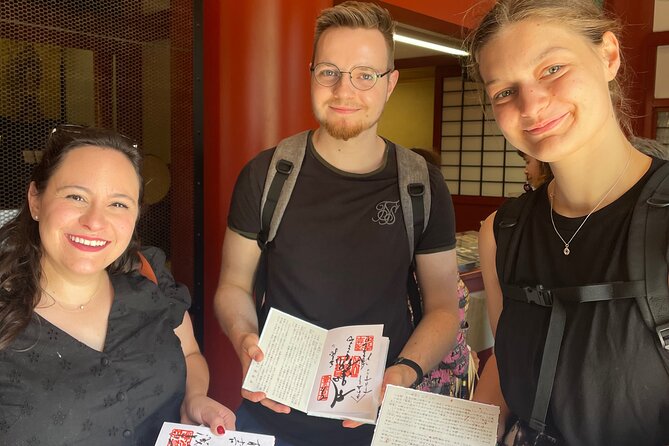
The tour is led by Masami (and you’ll hear her referred to with the friendly name Mas-chan). In the reviews, her warmth and practical explanations come up again and again. That matters because goshuin collecting isn’t complicated, but it can feel intimidating when you’re not sure how to behave.
What Masami does well is giving you enough guidance to feel comfortable in the moment:
- how to approach and request properly
- what to pay attention to while you’re there
- how to connect the calligraphy and stamp tradition to the site
This is the kind of help that lets you enjoy the experience instead of worrying you’re doing it wrong. And because it’s private, you can ask short questions when something looks unusual or you want clarification on a detail you noticed.
What you collect: goshuin plus pilgrimage-calligraphy culture
This experience is centered on collecting goshuin stamps and related pilgrimage-style calligraphy. Even if you’re brand-new to collecting, you’ll be in good hands because the focus isn’t only on the final book page count. The aim is understanding the meaning behind what you’re collecting and learning how the practice works at each place.
One practical note: the tour listing says stamps are not included. In real terms, that usually means you’re not buying stamps as a separate product through the tour operator. Instead, you request goshuin at the shrines and temples themselves. So bring your goshuin book (or whatever format you’re using to collect) and be ready to politely ask for what you want.
Stop-by-stop: from Monzennakacho snacks to Koto’s quieter shrines
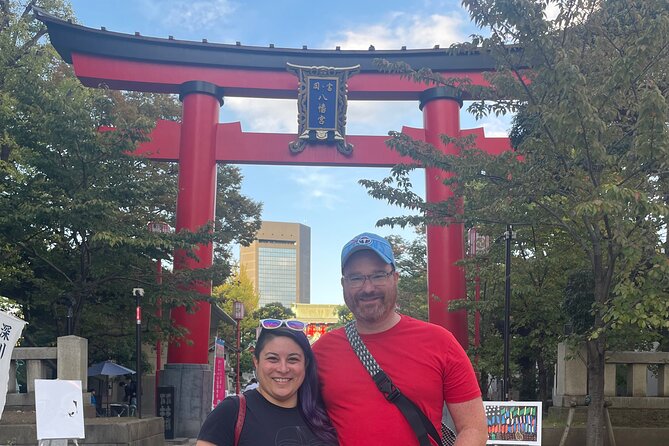
The day is designed as a sequence of short visits. You won’t spend hours stuck in one place, and you also won’t feel rushed. You go at your own pace with time for questions.
Stop 1: Monzennakacho and the sweet start
Your first stop is Monzennakacho, and it kicks off with snack time. You can enjoy Japanese sweets, which is a small thing—but it’s smart for a tour like this. Goshuin collecting can involve waiting, walking, and standing, and a snack early keeps your energy stable.
This also sets the tone: instead of arriving already stressed, you’re already comfortable, hydrated, and ready to focus on the religious etiquette.
- Tokyo: Shinjuku Food Tour (13 Dishes at 4 Local Eateries)★ 5.0 · 6,603 reviews
- Tokyo Mt Fuji 5th St & Hakone Cruise Bus Tour w/Bullet Train★ 4.4 · 5,024 reviews
- Flagship 2-Hours Official Street Go-Kart Tour – Tokyo Bay Shop★ 5.0 · 4,974 reviews
- From Tokyo: Mount Fuji Full-Day Sightseeing Trip★ 4.5 · 4,970 reviews
- Tokyo: Hop-On Hop-Off Sightseeing Bus Ticket★ 3.9 · 4,207 reviews
Stops 2–5: multiple Koto-area temple and shrine moments
After Monzennakacho, the route stays in Koto for several additional stops. The exact site details for those middle stops aren’t spelled out here, but the pattern is clear: you’ll visit multiple temples and shrines, each with enough time to slow down, request goshuin, and listen to what Masami explains.
In the reviews, people highlight that these are the kinds of places you’d have trouble finding on your own. That’s a huge part of the “value” of going with a guide in Tokyo. You’re not paying just for entry fees—you’re paying for access to locations that feel quieter and more local, with less crowd pressure.
The garden walk break (admission included)
A garden stop is part of the experience, and garden admission is included. Reviews mention a local Japanese garden and describe it as time for something different between the shrine moments.
This is more than a nice pause. It helps you reset your senses. Shrines and temples can feel intense in their beauty and symbolism; a garden gives you space to breathe, notice seasonal details, and come back to the spiritual sites with calmer focus.
Ending near Kiyosumi-shirakawa Station
The tour finishes near Kiyosumi-shirakawa Station. Masami helps you figure out where you want to go next, and that’s practical. Tokyo navigation can be easy once you know the lines, but after a few hours of walking and stops, it’s helpful to have a clear plan for your next move.
The included 1-day bus pass: why it changes the pacing
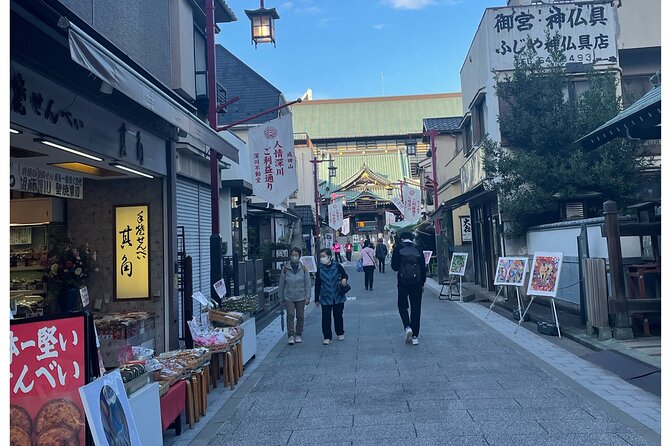
One of the most useful inclusions here is the 1-day bus pass. Even if you love walking, Tokyo’s distances between neighborhoods can chew up time. A bus pass lets you keep the tour comfortable and on schedule without feeling like you’re sprinting between stops.
It also reduces decision fatigue. Instead of constantly asking yourself whether it’s faster by train, taxi, or foot, you can follow the flow of the day. That matters because the whole point is to spend your energy on the shrines, not on logistics.
Snacks, souvenir extras, and small gifts that feel personal
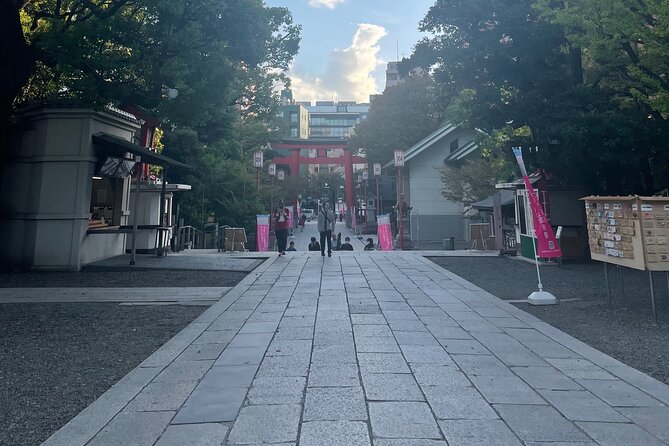
This tour includes snacks and small surprise gifts. On paper, that might sound minor. In practice, it adds to the day’s comfort and makes the experience feel thoughtful rather than transactional.
There’s also a souvenir component, plus an extra small souvenir for groups of 3 or more. If you’re traveling with friends or family, that’s a nice bonus that doesn’t require extra planning.
Comfort and timing: what to expect for a 2–3 hour walking tour
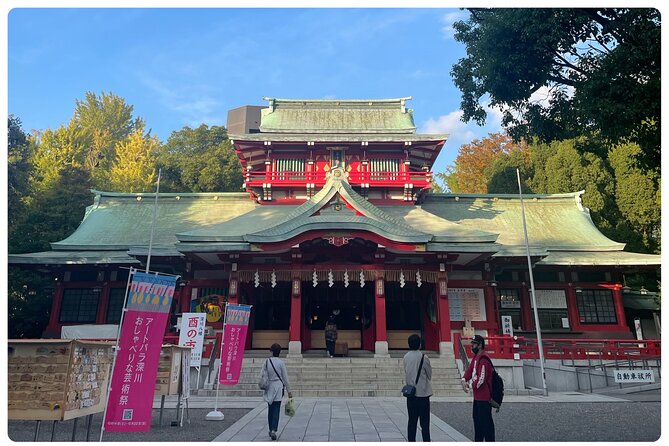
The duration is about 2 to 3 hours, and it’s built around walking between nearby sites. Wear comfortable shoes. You’ll likely stand during requests and while looking around, and you’ll want footwear that doesn’t punish you after the second stop.
In hot weather, pay attention to how you pace yourself. One review mentions a UV umbrella and breaks that helped keep things comfortable in summer heat. So if you’re visiting in peak sunshine months, go in expecting to take shade when offered.
Also, the meeting point is near public transportation, and the tour uses a mobile ticket, so you’re not dealing with printed paper hassles.
Price and value: $35.14 for a guided culture day
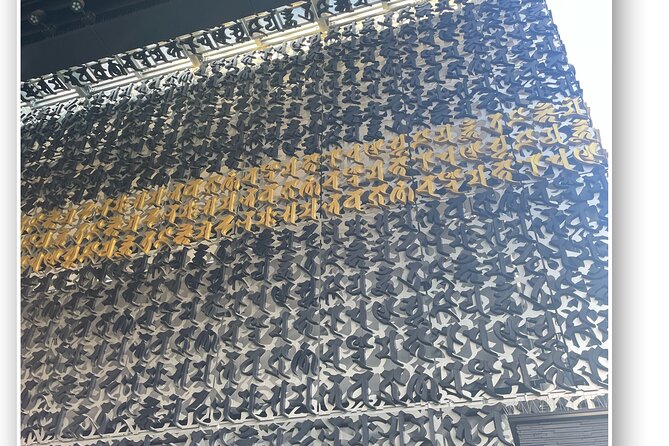
At $35.14 per person, this is priced like a budget-friendly cultural tour—but with a smart mix of included items:
- a guide-led route that helps you find and access lesser-visited sites
- a 1-day bus pass
- snacks
- garden admission
- souvenir gifts and extras
What you’re paying for isn’t only transportation or entry. It’s the comfort of having a guide who knows how goshuin requests work and can explain what you’re seeing without turning it into a lecture marathon.
Is it expensive? No. Is it super cheap? Also no. It sits in the sweet spot for travelers who want meaningful experiences without going full private-driver-price. If you care about doing goshuin correctly and want a quieter Tokyo day, the price starts to make a lot more sense.
Who should book this tour (and who might skip it)
This tour is a great fit if you:
- are new to goshuin and want etiquette help fast
- like quieter places instead of only famous landmarks
- enjoy a balanced day that includes both spiritual sites and a garden break
- want a private setting where your pace matters
You might skip it if:
- you want a self-guided, super-flexible “pick-your-own-temple” day with no structure
- you’re hoping for a long all-day itinerary with many dozens of goshuin opportunities
- you don’t want to walk or stand for short periods
A note on weather and practical expectations
The experience depends on good weather. If weather is poor, you’ll be offered a different date or a full refund. That’s a normal reality for walking tours, and it’s also why you should keep the day on your calendar with a little flexibility.
Good to know: service animals are allowed, and most travelers can participate as long as you can handle a walking format.
Should you book this Goshuin & Garden Walk in Koto?
I’d book it if your Tokyo trip includes goshuin on your list and you’d rather learn the etiquette than wing it. Masami’s role is the difference-maker: she helps you request, understand, and enjoy the experience without awkward guesswork. Add in the bus pass, snacks, and the garden stop, and you get a day that feels complete instead of fragmentary.
If you’re simply chasing the biggest-name shrines, you may not care as much about quieter sites. But if you want a calmer Tokyo, where you can slow down and actually connect with the ritual side of temple and shrine culture, this is an easy yes.
FAQ
How long is the Goshuin collecting and garden walk?
It runs about 2 to 3 hours.
Is it a private tour?
Yes. Only your group participates.
Where does the tour start and end?
It starts at 1-chōme-9-10 Tomioka, Koto City, Tokyo 135-0047, and ends near Kiyosumi-shirakawa Station at 1-chōme-6-13 Shirakawa, Koto City, Tokyo 135-0021.
What’s included in the price?
The price includes a 1-day bus pass, snacks, entrance fees for the garden, and small surprise gifts/souvenirs.
Are goshuin stamps included?
The tour listing notes stamps are not included. You should expect to collect goshuin at the places you visit by requesting them.
What should I bring or plan for?
Wear comfortable shoes since it’s a walking tour. You’ll also want to have whatever you use for collecting goshuin ready (like your goshuin book).
More Walking Tours in Tokyo
- Tokyo Tsukiji Fish Market Food and Culture Walking Tour
★ 5.0 · 3,184 reviews - Tokyo: Imperial Palace and Shogun Historical Walking Tour
★ 5.0 · 2,251 reviews - Tokyo: Shinjuku Local Bar and Izakaya Guided Walking Tour
★ 4.9 · 1,794 reviews - Tokyo: Tsukiji Fish Market Food and Walking tour
★ 5.0 · 1,724 reviews - Tokyo: Asakusa Walking Tour with Sensoji Temple Visit
★ 4.8 · 1,583 reviews
More Tour Reviews in Tokyo
- Mt Fuji and Hakone 1-Day Bus Tour Return by Bullet Train
★ 5.0 · 26,383 reviews - 1-Day Tokyo Bus Tour
★ 5.0 · 14,250 reviews - Tokyo: teamLab Planets TOKYO Digital Art Museum Entry Ticket
★ 4.6 · 9,779 reviews - Mt Fuji & Hakone Cruise, Drum Show Bullet Train 1 Day from Tokyo
★ 4.0 · 7,413 reviews - Tokyo: Shinjuku Food Tour (13 Dishes at 4 Local Eateries)
★ 5.0 · 6,603 reviews
Latest Tokyo reviews off our desk






Walking Tours, compared.
 ★ 5.0Tokyo Tsukiji Fish Market Food and Culture Walking TourFrom $993,184 reviews
 ★ 5.0Imperial Palace and Shogun Historical Walking TourFrom $222,251 reviews
 ★ 4.9Shinjuku Local Bar and Izakaya Guided Walking TourFrom $341,794 reviews
 ★ 5.0Tsukiji Fish Market Food and Walking tourFrom $301,724 reviews
 ★ 4.8Asakusa Walking Tour with Sensoji Temple VisitFrom $221,583 reviews
 ★ 4.9Tsukiji Fish Market Guided Walking TourFrom $221,397 reviews
 ★ 4.7Tokyo Castle & Imperial PalaceーShogun Walking TourFrom $231,068 reviews
 ★ 4.9Imperial Palace Japanese History Walking TourFrom $32987 reviews
Browse the lists this tour appears in