
Reviewed · WALKING TOURS
Gotokuji and Setagaya Walking Tour: Home of the Lucky Cat Statue
Lucky cats meet real neighborhood Tokyo life. This half-day walk links Gotokuji Temple and Shoinjinja Shrine with Setagaya’s back-street shopping, so the famous cat statues feel less like a novelty and more like local tradition you can actually understand.
I love the guide-led shrine know-how, especially how the better guides like Mitsuko, Yumi, Emiko, and Yoshimi explain the right way to enter and pray. I also love the included tea or coffee stop at Shoin Jinja Shopping Street, with up to ¥800 to keep your energy up during the 3.5-hour walk. The main drawback is simple: you’ll be on foot on some mountain paths, so pack comfortable shoes and be ready for steady walking.
In This Review
- Key things to know before you go
- Gotokuji and lucky cats: why this area feels different
- Price and what you actually get for $84.70
- Timing, route flow, and why the two-station finish helps
- Stop 1: Setagaya Hachimangu and the sumo dohyo setup
- Stop 2: Gotokuji Temple, and how the cat story starts
- Stop 3: Shoinjinja Shrine and Yoshida Shoin’s precinct details
- Setagaya Castle Ruins Park: local history under your feet
- Shoin Jinja Shopping Street: the included drink and real local errands
- The Sengenjacha landmark and the Tokyu Setagaya Line stop
- What I’d pack (so the walk feels easy, not annoying)
- Who should book this Gotokuji and Setagaya walking tour
- Should you book this tour?
- FAQ
- Where do I meet the guide, and where does the tour end?
- What time does the tour start, and how long is it?
- What’s included in the tour price?
- Are there admissions costs at the stops?
- Is lunch or transportation included?
- Can I cancel for a full refund?
Key things to know before you go
- Hundreds of lucky cats and the story behind why they ended up in this part of Setagaya
- Shoin Jinja Shopping Street drink included, coffee or tea up to ¥800
- Setagaya Hachimangu with a sumo dohyo setup and a honosumo connection
- Temple and shrine stops are free on your route, so your money goes to the guide
- Practical guidance for shrine rituals, not just sightseeing photos
- Setagaya Castle Ruins Park and the surrounding streets, for local context beyond the cat statues
Gotokuji and lucky cats: why this area feels different
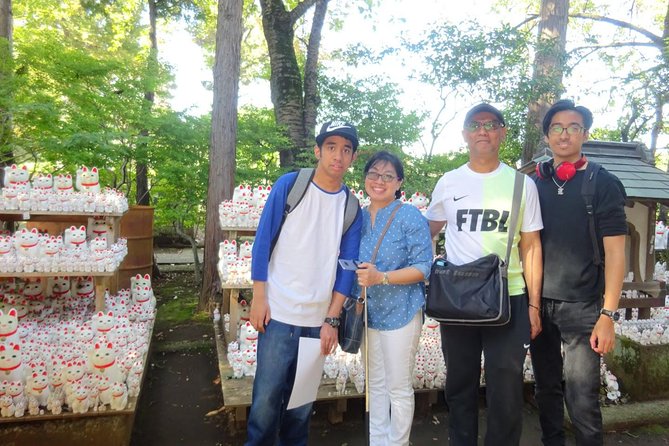
If you’ve seen photos of rows of cat statues, you might expect a quick temple stop and then done. This tour works because it slows you down. You don’t just look at lucky cats—you learn how shrine and temple routines connect to why people pray, offer, and return.
In Setagaya, the cat story is part of a larger neighborhood rhythm. That’s what makes the tour satisfying: you come away with more than a single attraction. You also get a sense of where people live, shop, and stop for tea on a normal day.
Readers also shortlisted these Tokyo bookings:
- Tokyo Tsukiji Fish Market Food and Culture Walking Tour
★ 5.0 · 3,184 reviews - Tokyo: Imperial Palace and Shogun Historical Walking Tour
★ 5.0 · 2,251 reviews - Tokyo: Shinjuku Local Bar and Izakaya Guided Walking Tour
★ 4.9 · 1,794 reviews - Tokyo: Tsukiji Fish Market Food and Walking tour
★ 5.0 · 1,724 reviews
Price and what you actually get for $84.70
At $84.70 per person for about 3 hours 30 minutes, this is not the cheapest Tokyo tour. But it’s also not priced like a luxury experience. What you’re really paying for is a professional guide plus the structure of a half-day walk that covers multiple sacred sites and the local shopping lanes between them.
The included drink matters more than you’d think. Up to ¥800 for coffee or tea at Shoin Jinja Shopping Street gives you a built-in break without having to hunt for something mid-route. Since lunch isn’t included, that drink helps fill the gap between stops.
Also, the tour is private for your group. That usually means fewer awkward time gaps and less “stand and wait” energy than you get on big group bus tours.
Timing, route flow, and why the two-station finish helps
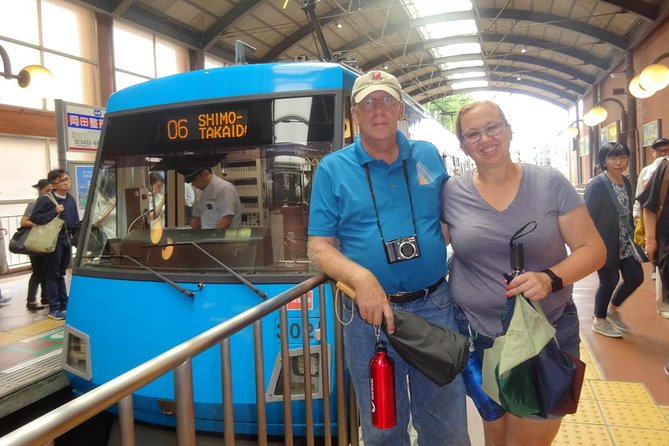
The start time is 10:00 am, and the walk runs about 3 hours 30 minutes. You meet at Gotokuji Station (Setagaya City) and end at Shoin-jinja-mae Station. That “start and end at different stations” format is practical in Tokyo: you’re not backtracking the whole way, and the route naturally fans out through Setagaya.
You’ll want to arrive a little early so you’re not scrambling before your guide does the group check-in. If you’re used to Tokyo station signage, you’ll still appreciate the clear meeting address details, because Setagaya streets can feel like a puzzle at first.
One more practical note: this is listed as a private activity with mobile ticket use and near public transportation access. Translation: it’s designed to be straightforward once you’re at the right station.
Stop 1: Setagaya Hachimangu and the sumo dohyo setup
Setagaya Hachimangu kicks off the day with shrine atmosphere and a fascinating detail—there’s a dohyo (sumo ring) set up in the grounds, plus a honosumo (奉納相撲) event connection.
This stop is only about 20 minutes, and that’s perfect. It gives you context fast: shrines here aren’t just quiet stone paths. They’re tied to community events, and sports-linked traditions show how old customs stay active.
If you’re the type who likes to understand what you’re seeing, this is a great “warm-up.” You’ll get a feel for how the guide frames faith and local culture before you hit the cat-focused sites.
Stop 2: Gotokuji Temple, and how the cat story starts
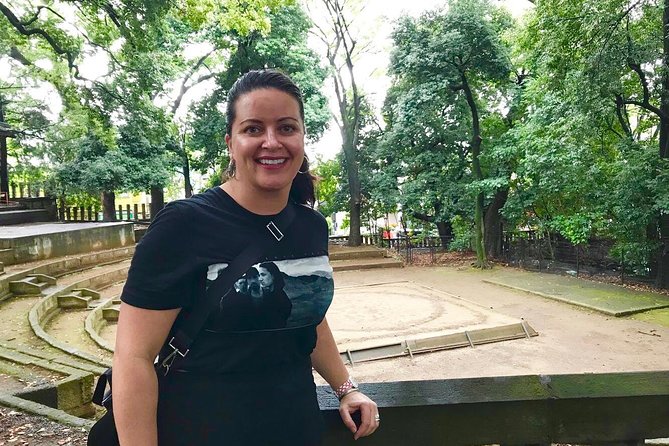
Gotokuji Temple is the core of the experience. You spend about 35 minutes here, with free admission.
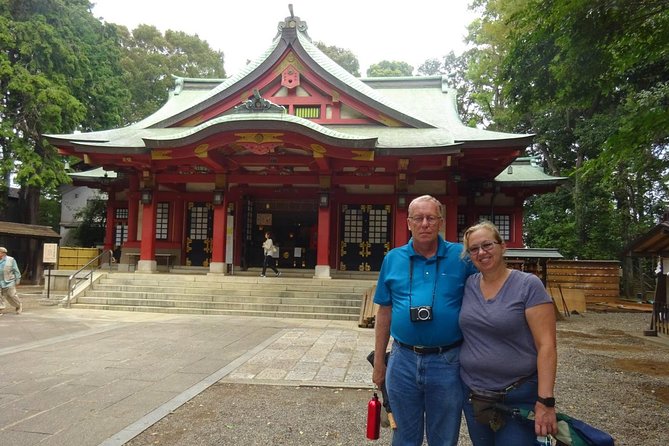
What makes this stop more than a photo op is the historical framing. The tour context connects Gotokuji to the beginning of the Kotokuin hermitage, built by Kira Masatada, who also built Setagaya Castle in 1480. Then there’s the shift in temple affiliation: it was originally Rinzai sect, and in 1584 it became a Soto sect temple.
You don’t need a timeline degree to enjoy this, but the guide’s explanations help you read the grounds with better eyes. When you understand how the place evolved, the lucky cat statues stop feeling like “random decoration” and start feeling like part of a longer devotional tradition.
One practical tip: bring patience for the walking paths inside temple grounds. The tour guidance emphasizes mountain-path walking, and this whole area includes small routes that take more steps than you might expect.
- Tokyo: Shinjuku Food Tour (13 Dishes at 4 Local Eateries)★ 5.0 · 6,603 reviews
- Tokyo Mt Fuji 5th St & Hakone Cruise Bus Tour w/Bullet Train★ 4.4 · 5,024 reviews
- Flagship 2-Hours Official Street Go-Kart Tour – Tokyo Bay Shop★ 5.0 · 4,974 reviews
- From Tokyo: Mount Fuji Full-Day Sightseeing Trip★ 4.5 · 4,970 reviews
- Tokyo: Hop-On Hop-Off Sightseeing Bus Ticket★ 3.9 · 4,207 reviews
Stop 3: Shoinjinja Shrine and Yoshida Shoin’s precinct details
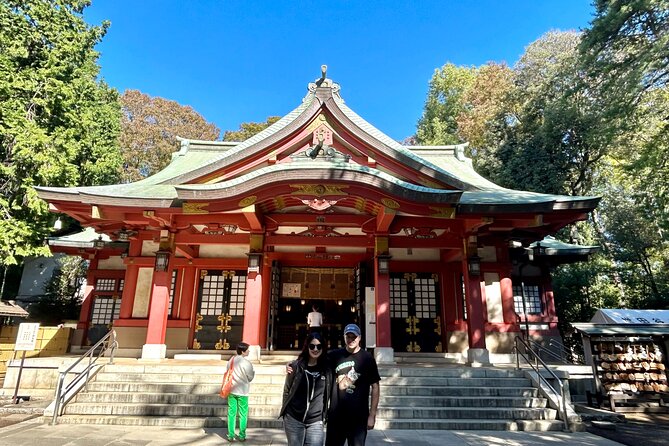
Next is Shoinjinja Shrine (often written as Shoin Shrine on tours), around 25 minutes with free admission.
This place has a more educational, human-scale story than you might guess from the cats alone. The shrine was founded in 1882 with the master Yoshida Shoin at the center. In the precincts, you can find tombs connected to Shoka Village school children, including Yoshida Shoin himself, and you’ll also see a building described as a reproduction tied to the site’s background.
This stop is a good balance point. After cat temple intensity, you get a different kind of meaning: people honoring learning, memory, and local identity through sacred spaces.
And again, you’re not just wandering. The better guides—like Yumi in the guide feedback—focus on how to enter shrines and do basic purity/prayer routines. That turns “I stood there” into “I understood what I was doing.”
Setagaya Castle Ruins Park: local history under your feet
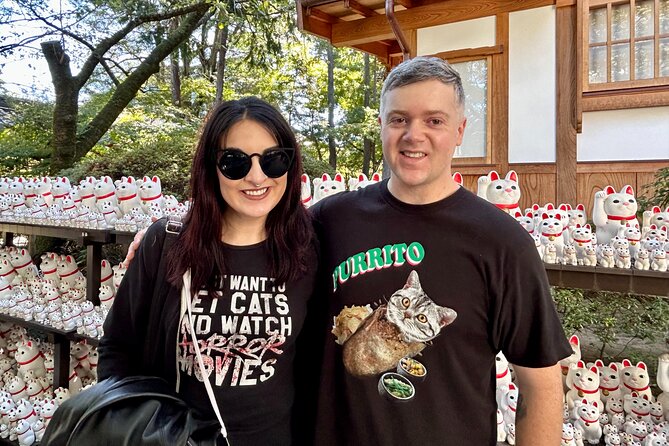
The overview includes Setagaya Castle Ruins Park, and it’s the right bridge between the religious stops and the everyday neighborhood streets.
Even when you don’t have detailed castle knowledge, a ruins park gives you a sense of scale and location. It helps explain why this area developed the way it did and why temples and shrines took root here.
Because the tour mentions mountain paths, this is also where comfort matters. If your shoes are squishy or slippery, you’ll feel it. If you wear proper walking shoes, the park leg feels easier and less “why did I choose this pair of sneakers?”
Shoin Jinja Shopping Street: the included drink and real local errands
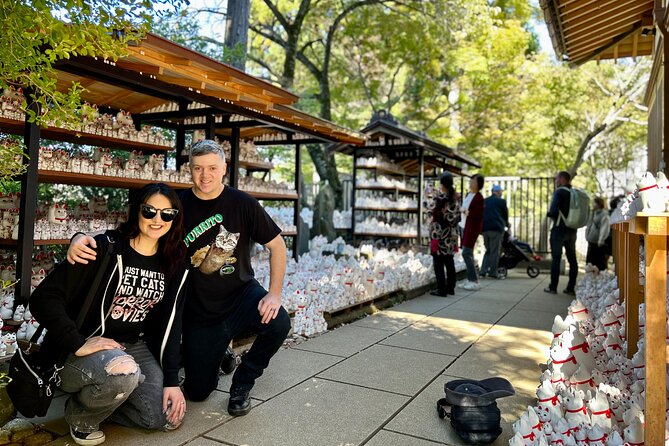
Now for the part that makes the whole experience feel like a neighborhood tour, not just a shrine checklist: Shoin Jinja Shopping Street.
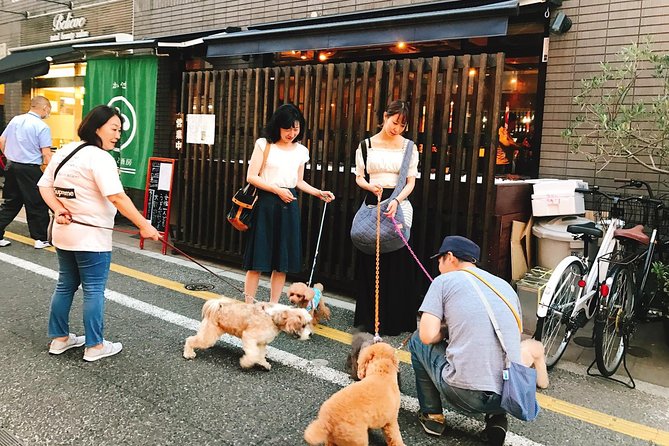
You get an included drink here—coffee and/or tea, up to ¥800. It’s timed perfectly for a break, and it also turns the street into something more than background scenery. You can use the restrooms, look at what shops sell, and watch how locals move through the same lanes you’re walking.
The instructions also highlight that this is where locals gather, and that shows. It feels like Setagaya’s daily rhythm: not tourist-only stalls, more everyday commerce and quick stops.
You’ll also hear advice from your guide on where to eat after the tour and what else is worth seeing nearby. Lunch isn’t included, so this guidance is genuinely useful. Use it while it’s fresh, and you’ll save time versus guessing on your own.
The Sengenjacha landmark and the Tokyu Setagaya Line stop
The tour includes a “landmark of Sengenjacha” in Setagaya. The name suggests tea, and even without getting overly specific, it’s a smart kind of stop: it points you toward what this area is associated with, so your cat temple day doesn’t end with cats only.
Near the end, there’s also a stop connected to the Tokyu Setagaya Line. The point is practical: you can hop onto this local line filled with regular commuters after the tour. That’s a nice way to transition out of the half-day walk without feeling cut off from the rest of Tokyo.
What I’d pack (so the walk feels easy, not annoying)
This tour calls for moderate physical fitness and mentions mountain paths. That doesn’t mean you need hiking gear. It means you should plan like you’re walking more than the average city stroll.
Bring:
- Easy walking shoes (the tour explicitly suggests this)
- A light layer (shrines and temple grounds can feel cooler in shade)
- Water (not included, so you’ll want your own)
If you’re sensitive to stairs or uneven ground, your pacing matters. The guide can help set a comfortable rhythm, but your footwear still does the heavy lifting.
Who should book this Gotokuji and Setagaya walking tour
This fits best if you:
- Want your Tokyo time to include a real local neighborhood, not only major sights
- Like learning the meaning behind what you see, not just collecting pictures
- Enjoy shrine and temple etiquette explanations
- Prefer a small-group or private feel where questions actually get answered
You might skip it if you:
- Hate walking for extended periods (about 3.5 hours)
- Have trouble with uneven mountain paths
- Are looking for a purely “cat statues only” experience with zero culture context
Should you book this tour?
Book it if you want a cat-themed Tokyo day that doesn’t feel shallow. The strongest value here is the combination of lucky cat origins, respectful shrine routines, and the practical local flavor of Shoin Jinja Shopping Street—plus the guide help that makes the whole route easier to navigate.
If you’re the kind of traveler who reads signage, pauses to understand rituals, and likes to end with a good local meal recommendation, this tour is a great match. If you just want the fastest possible cat photo, you may find it too much structure.
Either way, wear good shoes. The cats are great, but the walking comfort is what decides whether the day feels like a win.
FAQ
Where do I meet the guide, and where does the tour end?
You start at Gotokuji Station (1 Chome-43 Gotokuji, Setagaya City, Tokyo 154-0021, Japan). The tour ends at Shoin-jinja-mae Station (4-chōme-21-16 Wakabayashi, Setagaya City, Tokyo 154-0023, Japan).
What time does the tour start, and how long is it?
The start time is 10:00 am, and the tour runs for about 3 hours 30 minutes.
What’s included in the tour price?
The tour includes a professional guide and one free coffee and/or tea drink (up to ¥800) at Shoin Jinja Shopping Street.
Are there admissions costs at the stops?
The listed admission tickets for the shrine/temple stops are free (including Setagaya Hachimangu, Gotokuji Temple, and Shoinjinja Shrine).
Is lunch or transportation included?
Lunch is not included. Transportation to/from the attractions is also not included.
Can I cancel for a full refund?
Yes. Free cancellation is available up to 24 hours in advance for a full refund. If you cancel less than 24 hours before the start time, the amount you paid is not refunded.
More Walking Tours in Tokyo
- Tokyo Tsukiji Fish Market Food and Culture Walking Tour
★ 5.0 · 3,184 reviews - Tokyo: Imperial Palace and Shogun Historical Walking Tour
★ 5.0 · 2,251 reviews - Tokyo: Shinjuku Local Bar and Izakaya Guided Walking Tour
★ 4.9 · 1,794 reviews - Tokyo: Tsukiji Fish Market Food and Walking tour
★ 5.0 · 1,724 reviews - Tokyo: Asakusa Walking Tour with Sensoji Temple Visit
★ 4.8 · 1,583 reviews
More Tours in Tokyo
- Mt Fuji and Hakone 1-Day Bus Tour Return by Bullet Train
★ 5.0 · 26,383 reviews - 1-Day Tokyo Bus Tour
★ 5.0 · 14,250 reviews - Tokyo: Shinjuku Food Tour (13 Dishes at 4 Local Eateries)
★ 5.0 · 6,603 reviews - Tokyo Mt Fuji 5th St & Hakone Cruise Bus Tour w/Bullet Train
★ 4.4 · 5,024 reviews - Flagship 2-Hours Official Street Go-Kart Tour – Tokyo Bay Shop
★ 5.0 · 4,974 reviews
More Tour Reviews in Tokyo
- Mt Fuji and Hakone 1-Day Bus Tour Return by Bullet Train
★ 5.0 · 26,383 reviews - 1-Day Tokyo Bus Tour
★ 5.0 · 14,250 reviews - Tokyo: teamLab Planets TOKYO Digital Art Museum Entry Ticket
★ 4.6 · 9,779 reviews - Mt Fuji & Hakone Cruise, Drum Show Bullet Train 1 Day from Tokyo
★ 4.0 · 7,413 reviews - Tokyo: Shinjuku Food Tour (13 Dishes at 4 Local Eateries)
★ 5.0 · 6,603 reviews
Latest Tokyo reviews off our desk



Walking Tours, compared.
 ★ 5.0Tokyo Tsukiji Fish Market Food and Culture Walking TourFrom $993,184 reviews
 ★ 5.0Imperial Palace and Shogun Historical Walking TourFrom $222,251 reviews
 ★ 4.9Shinjuku Local Bar and Izakaya Guided Walking TourFrom $341,794 reviews
 ★ 5.0Tsukiji Fish Market Food and Walking tourFrom $301,724 reviews
 ★ 4.8Asakusa Walking Tour with Sensoji Temple VisitFrom $221,583 reviews
 ★ 4.9Tsukiji Fish Market Guided Walking TourFrom $221,397 reviews
 ★ 4.7Tokyo Castle & Imperial PalaceーShogun Walking TourFrom $231,068 reviews
 ★ 4.9Imperial Palace Japanese History Walking TourFrom $32987 reviews
Browse the lists this tour appears in