
Reviewed · HAKONE TOURS
Hakone Adventure: Explore Nature’s Beauty and Tranquility
Hakone has a way of slowing your pace fast. I love the way this day starts on the Hakone Tozan Railway, Japan’s only mountain train, and I love the mood shift at Owakudani, where steam and sulfur fill the air. The tradeoff: you’re paying a tour price plus you’ll still need to cover transportation fares, and on busy days the ropeway lines can steal time from the last stop.
What makes this work well is the human side of the plan. Guides like Yumiko, Taku, Yuuki, and Kyo are described as prompt and attentive, and that matters when you’re moving between multiple transport types in one day.
One more thing to know up front: there’s some walking and weather changes fast in Hakone. Bring comfortable shoes and a warm layer, because you’ll be outdoors for parts of the route.
In This Review
- Key highlights worth your attention
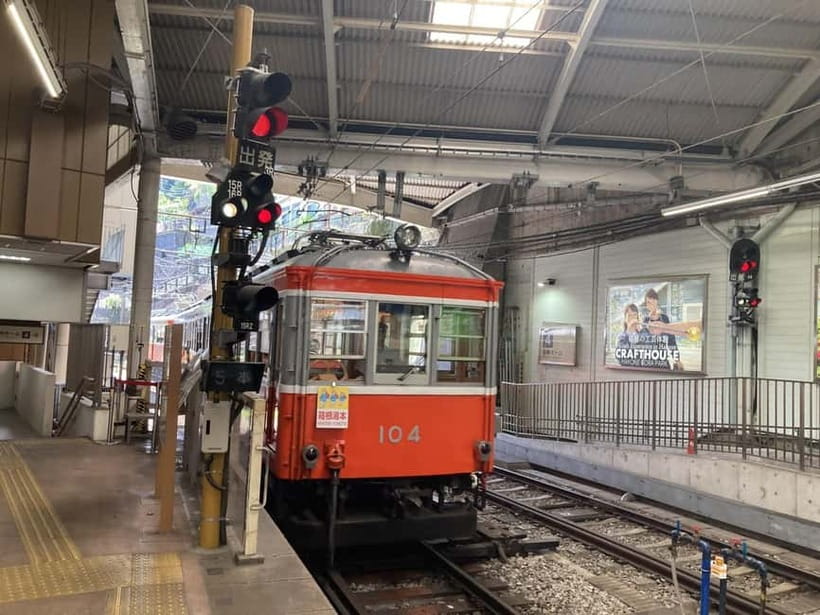
- Entering the Hakone day with the Tozan mountain train
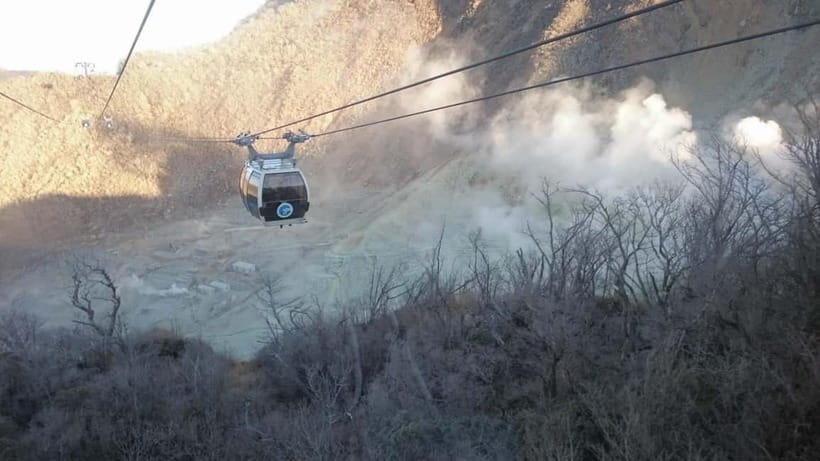
- Cable car and ropeway: your high-altitude viewing window
- Owakudani: geothermal steam, sulfur air, and the living volcano
- That “next stop” hour: where the caldera viewpoint becomes real
- Lake Ashi cruise: torii gates and Fuji when the sky behaves
- Hakone Shrine: finishing with a cultural note (and enough time to enjoy it)
- How the day really moves: timing, crowds, and multiple transport legs
- Price and value: what you’re paying for (and what you must budget)
- What to expect from the guides (and why they matter here)
- Comfort and accessibility notes you should take seriously
- Practical tips to make Hakone feel easy
- Who should book this Hakone guided day?
- Should you book this tour?
- FAQ
- What’s included in the tour price?
- Where can I meet the guide?
- How long is the experience?
- Is Mt. Fuji guaranteed?
- Does the tour include the sightseeing cruise on Lake Ashi?
- Is it suitable for people with mobility issues?
- Can I cancel for a full refund?
Key highlights worth your attention
- Japan’s only mountain railway to start: a steady climb through forested slopes sets the tone early.
- Owakudani steam stop with guided context: you’re not just looking at vents; you get the why behind the sulfur air.
- Cable car and ropeway above the caldera: you trade street-level sightseeing for high, panoramic views.
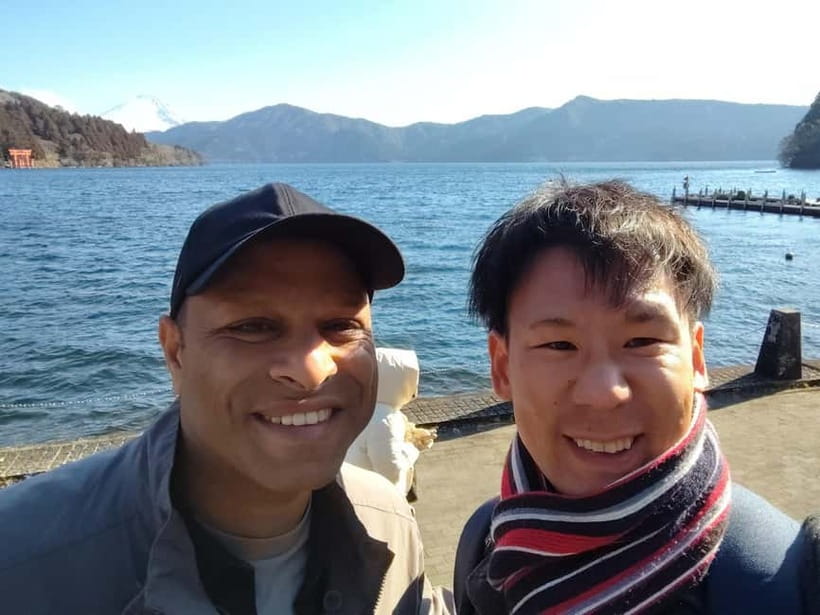
- Lake Ashi cruise with torii and possible Fuji: the cruise format helps you relax while the scenery does the work.
- Hakone Shrine time is built in: you get a meaningful cultural finish instead of rushing straight back.
- Private-group, English guiding: you have someone managing transitions between train, cable car, ropeway, and boat.
Entering the Hakone day with the Tozan mountain train
The best part of this tour isn’t one single view. It’s the way the whole day is built around switching modes of transport, each one matching a different side of Hakone.
It starts with the Hakone Tozan Railway, and that’s not a random choice. This is Japan’s only mountain railway, and the ride gives you an immediate sense of Hakone’s geography: valleys, slopes, and seasonal scenery rolling past like a moving panorama. Even if you’re not a transit nerd, you’ll feel the altitude change and the “getting closer to the volcano” vibe without effort on your part.
Why this is valuable: the mountain train acts like a warm-up. It helps you settle into the rhythm of Hakone before you hit the higher, more dramatic sights. And for first-timers, it reduces decision fatigue. You show up at your chosen meeting point, then the day flows.
Other Hakone loops worth the fare
- Hakone 6 hour Private Tour with Government-Licensed Guide
★ 5.0 · 218 reviews - Hakone: Train Pass with Unlimited Rides & Activity Discounts
★ 4.4 · 102 reviews - Custom Private Tour in Hakone with a Certified Local Guide
★ 5.0 · 91 reviews - Hakone 8 hour Private Tour with Government-Licensed Guide
★ 5.0 · 63 reviews
Cable car and ropeway: your high-altitude viewing window
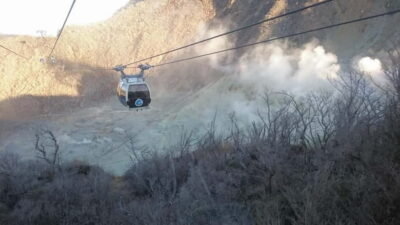
After the train, you continue by cable car and ropeway above Hakone’s volcanic terrain. This is where the views usually feel most dramatic, because you’re elevated above the caldera area and you can look out over the rugged structure of the region.
The key benefit of bundling this into a guided circuit is timing. You’re not trying to figure out what comes next or how to get across the different systems. The guide helps keep you moving between modes so you spend more time looking and less time checking screens.
One practical note: ropeway lines can be real on busier days. One traveler pointed out that even on a Monday, crowds caused long queues, and the delay squeezed the back half of the schedule. If you have a tight train or flight later that day, build in buffer time when you book your return.
Owakudani: geothermal steam, sulfur air, and the living volcano
Owakudani is the showstopper for a reason: it’s an active geothermal valley. You’ll see steam rising from vents, and the air carries that sulfur smell that turns the whole area into a sensory experience, not just a photo stop.
What I like about having a guide here is context. You don’t just watch steam. You learn how the geology and the region’s traditions connect to what you’re seeing. That changes the stop from scenery-only into something that feels grounded and memorable.
Timing-wise, you’re given a guided portion and a short sightseeing window. In plain terms: you get enough time to look, understand what’s happening, and still move on before the day runs away from you.
Also, keep an eye out for black-egg snacks sold around this area—one guide-led experience specifically mentioned the black eggs as part of their time at Owakudani. Even if you skip it, it’s a fun cultural detail to notice while you’re there.
That “next stop” hour: where the caldera viewpoint becomes real
After Owakudani, the day includes about an hour of guided visiting and sightseeing before the Lake Ashi portion. The tour format here matters: by the time you’re leaving the vents behind, you’ll usually be transitioning into broader view territory—still within the volcanic zone’s influence—then rolling into the calmer, lake-based part of Hakone.
Why you’ll appreciate this section: Hakone can feel like two different places in one day. The volcanic side is intense and strange-feeling. The lake side is serene and slow. That in-between hour is the bridge, and having a guide help you make sense of what you’re looking at makes it easier to enjoy both moods instead of treating them as disconnected stops.
If you’re hoping for maximum photo time, remember that weather controls everything in Hakone. Cloud cover can turn stunning panoramas into gray “maybe later.” Your best strategy is to shoot when you can and stay flexible.
Lake Ashi cruise: torii gates and Fuji when the sky behaves
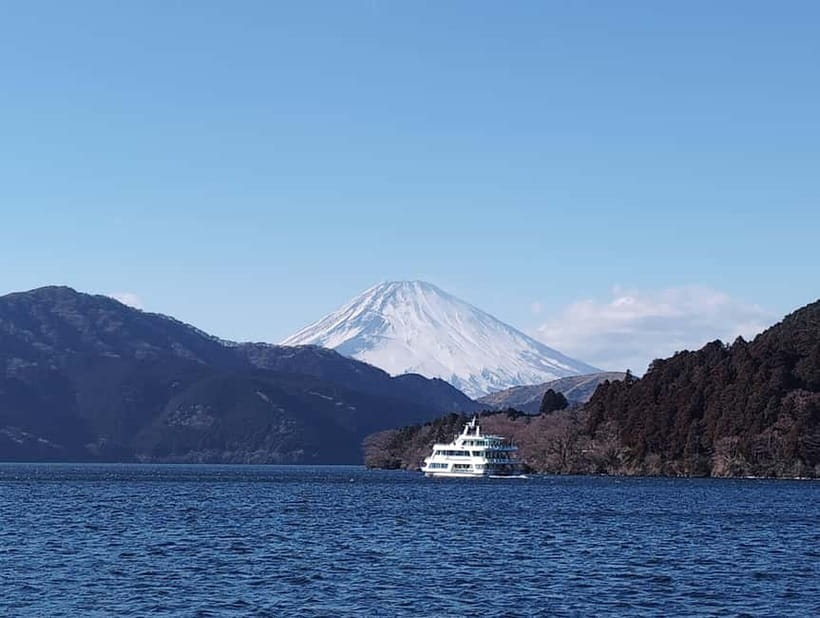
Then comes the calm. You board a sightseeing cruise across Lake Ashi, and this is one of the most relaxing parts of the day—less climbing, more drifting.
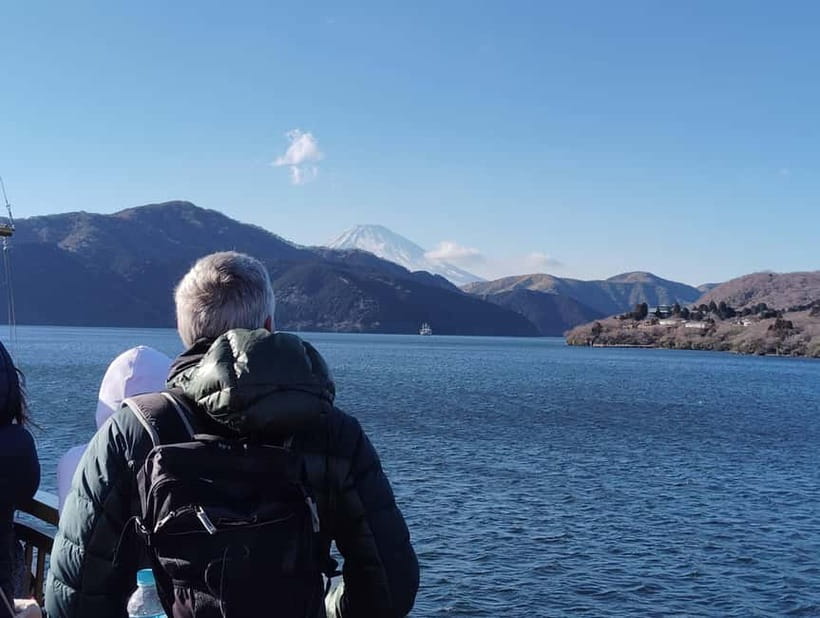
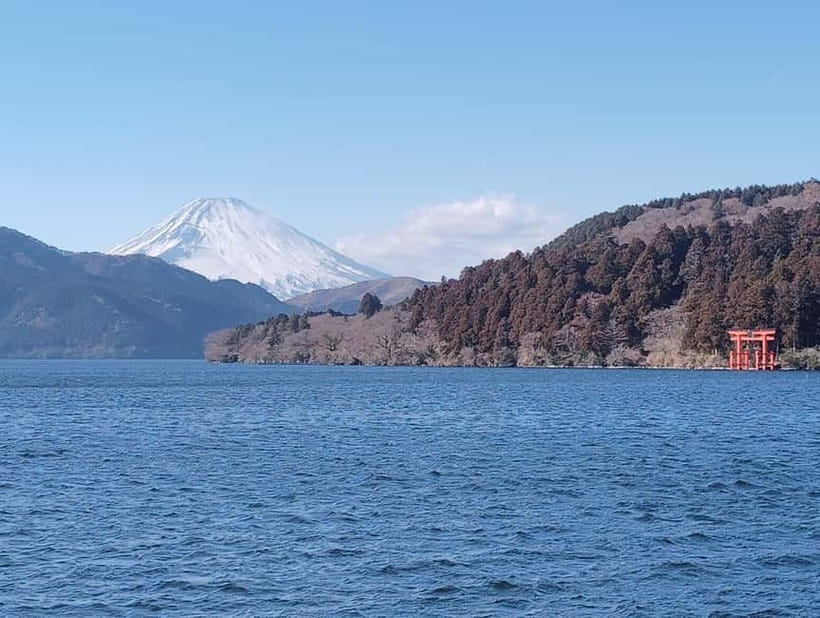
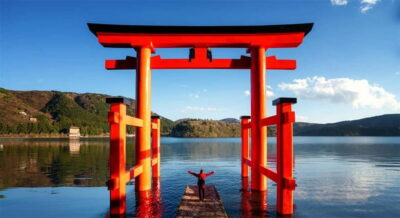
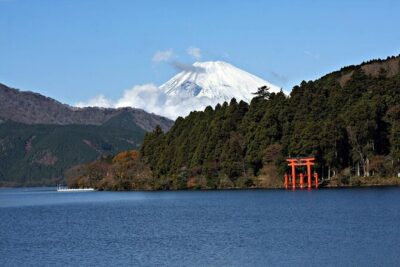
The highlights you’re aiming for here are clear: classic views around the lake, including iconic torii gates, and on clear days, a chance to see Mount Fuji in the distance. One traveler was lucky enough to catch Fuji. Another had cloud cover and missed it, but still enjoyed the lake scenery and the volcanic contrast from earlier in the day.
That tells you what to expect: Fuji is not guaranteed. But the cruise itself is. If the mountain is hidden, you’ll still get the lake experience, and the scenery still carries that “Hakone postcard” feel because the torii landmarks are built into the viewpoint.
Practical tip: if Fuji matters to you, check the weather before your tour date and consider scheduling your best lookout day on clearer conditions. If it’s cloudy, don’t panic. Treat the cruise as the payoff even without Fuji.
- Private Tour – Hakone Day Trip! A Tour to Explore All Must-Sees!★ 5.0 · 58 reviews
- Hike Hakone Hachiri★ 5.0 · 48 reviews
- Private Hakone Half-day Car Tour with Hotel Pickup – Local Guide★ 5.0 · 48 reviews
- Hike Japan Heritage Hakone Hachiri with certified mountain guide★ 5.0 · 46 reviews
- Traverse Outer Rim of Hakone Caldera and Enjoy Onsen Hiking Tour★ 5.0 · 30 reviews
Hakone Shrine: finishing with a cultural note (and enough time to enjoy it)
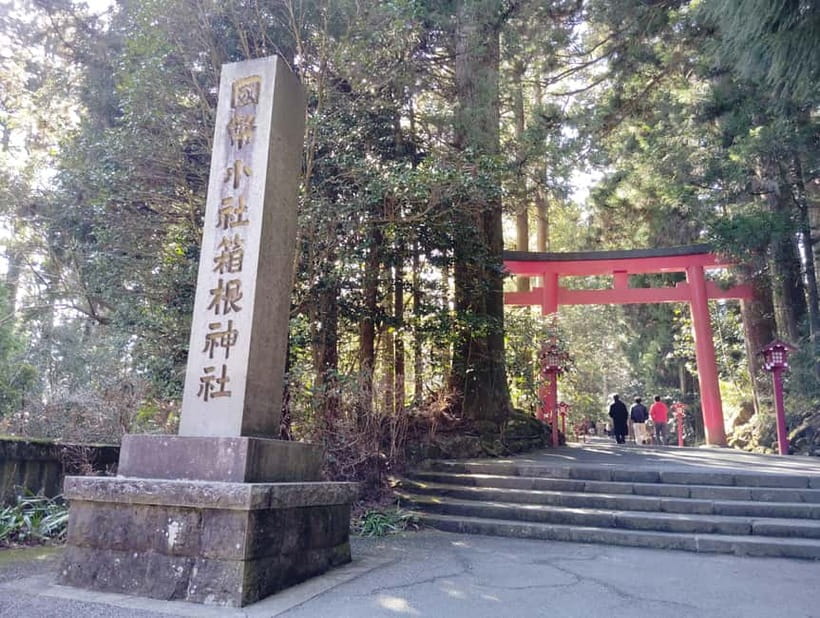
The final major sight is Hakone Shrine, with guided time and a focused sightseeing window. This is where the day turns from geology and scenery into spiritual and cultural context.
Even if you’re not a shrine person, the shrine stop helps round out Hakone’s story. It shows how this place evolved into a resort area and how spiritual tradition shaped what people do here. After steam vents and high views, the shrine feels like a reset for your senses.
But there’s one scheduling risk you should respect. When crowds slow down the ropeway earlier, it can affect what’s possible at the end of the day. In one account, time ran out before the shrine visit due to queues and a planned return to Tokyo. If you want the shrine experience, try to book your Tokyo return with extra breathing room.
How the day really moves: timing, crowds, and multiple transport legs
This trip is designed to pack a lot into one guided day, which is great for time-strapped travelers. It also means your day can swing based on two things: weather and crowd flow.
- Duration is listed as 270 to 570 minutes, depending on the starting time and logistics. That range is a sign you should plan your day loosely, not like a minute-by-minute military operation.
- You’ll use train, cable car, ropeway, and cruise. Each step is a transition point. When those transitions stay smooth, you’ll feel like you’re gliding. When one step hits a queue, the knock-on effect shows up later.
If you can choose when to go, do it. One traveler specifically suggested avoiding weekends to reduce crowd pressure. Even without that tip, the core idea holds: Hakone’s iconic transport draws lines, especially around ropeway segments.
Price and value: what you’re paying for (and what you must budget)
At $139 per person, this sounds like a straightforward day tour. But here’s the value math that actually matters: the tour price does not include transportation fares.
The tour includes an expert English-speaking guide, the planned route covering the major sights, and help navigating between train, cable car, ropeway, and cruise. That’s not nothing. Guides can save time, explain what you’re seeing, and keep you from getting stuck at the wrong station or losing the thread of the day.
Still, at least a couple of travelers raised a fair concern: the total can feel steep once you add the separate transport fares. One reviewer called out that they ended up buying transport tickets on top of the tour cost and felt the overall package didn’t beat DIY options.
So how do you decide? I’d do this:
- Add the expected transport fares to your tour cost before you commit.
- If you’re the type who enjoys transit research and route planning, you may prefer a DIY approach.
- If you’d rather buy certainty—someone else managing the switching between transport systems and giving context at each stop—then the guide can be worth the premium.
What to expect from the guides (and why they matter here)
The guiding is repeatedly described as the difference between “I visited places” and “I understood places.”
Yumiko is noted as prompt, enthusiastic, and considerate of preferences. Taku is described as helping the day run smoothly even when transport changes popped up. Yuuki and Kyo show up as reliable, attentive, and knowledgeable, with added explanations that make the volcanic and lake sights click faster.
This tour also seems built for clear communication in English. You’re not left to guess what you’re looking at while you figure out how the next vehicle works.
Comfort and accessibility notes you should take seriously
There are real physical and health considerations here. The day includes walking and outdoor time, and the operator lists it as not suitable for pregnant women, people with mobility impairments, and people with heart problems.
One traveler appreciated assistance for slight mobility issues, which suggests guides can be helpful in the moment. But because the official suitability guidance is strict, don’t rely on anecdotal kindness—use the stated limitations as your baseline.
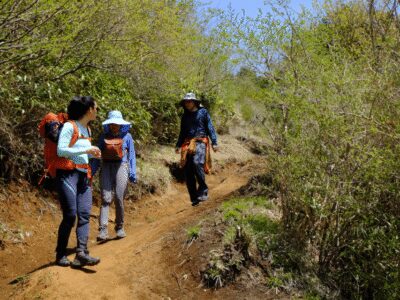
If you’re unsure, ask questions before booking. Bring shoes with grip. Plan for stairs and uneven surfaces that come with station areas and viewpoint zones.
Practical tips to make Hakone feel easy
Here’s what will help you enjoy the day instead of wrestling it:
- Wear comfortable shoes. There’s walking between stops and around viewpoints.
- Bring warm clothing even in nicer seasons. Hakone can feel cooler at elevation.
- Pack a camera and sunscreen. You’re in open view corridors and on the water.
- Arrive at the meeting point 15 minutes early so the day starts on time.
- Check the weather forecast. If clouds roll in, you’ll still enjoy the volcanic and lake parts, but Fuji odds change.
And a small mindset shift: treat Mt. Fuji as a bonus, not a requirement. The tour is designed so the volcanic steam and the lake cruise still deliver even when the mountain hides.
Who should book this Hakone guided day?
This tour is a strong fit if:
- You want Hakone’s top sights in one day without doing transit research.
- You like explanations that connect geology and culture rather than just collecting viewpoints.
- You’d rather relax on a cruise than plan multiple train changes yourself.
It’s not the best fit if:
- You’re price-sensitive and want the lowest-cost way to do Hakone.
- You have a hard, immediate return to Tokyo with no buffer for delays.
- You have mobility, pregnancy, or heart-related concerns listed by the operator.
Should you book this tour?
Book it if you want an efficient, guide-led circuit that hits the big Hakone themes: mountain railway, volcanic vents, caldera views, Lake Ashi calm, and a cultural finish at Hakone Shrine. The guides (like Yumiko, Taku, Yuuki, and Kyo) are repeatedly singled out for keeping things on track and making the day understandable.
Don’t book it if you’re hoping to pay only the headline price. Add transportation fares into the total before you decide, and be honest about whether you’d rather DIY and save money. And if Mt. Fuji is your #1 goal, pick a clear-weather day and keep your later schedule flexible.
If you do book, I’d focus on one strategy: show up early, dress for weather, and give yourself time at the end so the shrine visit doesn’t get squeezed by ropeway lines.
FAQ
What’s included in the tour price?
The tour price includes an expert English-speaking guide, a curated route covering Hakone’s top sights, and help navigating between train, cable car, ropeway, and cruise. Transportation fares and food/drinks are not included.
Where can I meet the guide?
You can start from one of several meeting points, which may vary by booking option: 向山公園, 新宿警察署 新宿駅東口交番, 箱根湯本駅, or 小田原駅観光案内所.
How long is the experience?
The duration is listed as 270 to 570 minutes, depending on the starting time and availability.
Is Mt. Fuji guaranteed?
No. The cruise can offer views of Mt. Fuji on clear days, but cloud cover can block it.
Does the tour include the sightseeing cruise on Lake Ashi?
Yes. You’ll board a sightseeing cruise on Lake Ashi, with views that may include the lake’s famous torii gates.
Is it suitable for people with mobility issues?
The tour is not suitable for people with mobility impairments, and it also lists restrictions for pregnant women and people with heart problems.
Can I cancel for a full refund?
You can cancel up to 24 hours in advance for a full refund.
More Tour Reviews in Hakone
- Hakone 6 hour Private Tour with Government-Licensed Guide
★ 5.0 · 218 reviews - Hakone: Train Pass with Unlimited Rides & Activity Discounts
★ 4.4 · 102 reviews - Custom Private Tour in Hakone with a Certified Local Guide
★ 5.0 · 91 reviews - Hakone 8 hour Private Tour with Government-Licensed Guide
★ 5.0 · 63 reviews - Private Tour – Hakone Day Trip! A Tour to Explore All Must-Sees!
★ 5.0 · 58 reviews
Hakone, A Few More Ways
- Hakone 6 hour Private Tour with Government-Licensed Guide
★ 5.0 · 218 reviews - Hakone: Train Pass with Unlimited Rides & Activity Discounts
★ 4.4 · 102 reviews - Custom Private Tour in Hakone with a Certified Local Guide
★ 5.0 · 91 reviews - Hakone 8 hour Private Tour with Government-Licensed Guide
★ 5.0 · 63 reviews - Private Tour – Hakone Day Trip! A Tour to Explore All Must-Sees!
★ 5.0 · 58 reviews
Latest Hakone reviews off our desk
Hakone Tours, compared.
 ★ 5.0Mt Fuji and Hakone 1-Day Bus Tour Return by Bullet TrainFrom $16326,383 reviews
 ★ 4.0Mt Fuji & Hakone Cruise, Drum Show Bullet Train 1 Day from TokyoFrom $1497,413 reviews
 ★ 4.4Tokyo Mt Fuji 5th St & Hakone Cruise Bus Tour w/Bullet TrainFrom $1545,024 reviews
 ★ 4.7Mt. Fuji Tour, Hakone Ropeway, Owakudani, Lake AshiFrom $544,002 reviews
 ★ 4.2Mt. Fuji 5th Station & Hakone Cruise 1-Day Bus TourFrom $1292,381 reviews
 ★ 5.0Private Tour to Mt. Fuji and Hakone (Fully Licenced Operator)From $4971,910 reviews
 ★ 4.0Mt Fuji & Hakone Cruise, Drum Show Bus 1 Day from TokyoFrom $1221,287 reviews
 ★ 4.2From Tokyo: Mt. Fuji & Hakone Tour w/ Return by Bullet TrainFrom $1171,278 reviews
Browse the lists this tour appears in