
Reviewed · HAKONE TOURS
Hakone and Kamakura: 3-day Rail Pass
A mountain-view loop with free transit. This 36-hour rail pass is a practical way to stack Hakone sights (including Owakudani and Lake Ashi) plus Kamakura’s old-temple atmosphere without nickel-and-diming every ride.
What I like most is the simple freedom: unlimited rides on the Hakone local network and Enoden, so you can move as your energy and weather allow. I also like the value angle—pair it with a couple of paid “extras” and it can stop feeling like a budget gimmick. The main drawback is coverage: it’s not every bus and every operator in the region, so you’ll want to plan around the routes it actually includes.
In This Review
- Key takeaways
- What This Rail Pass Covers (And What It Doesn’t)
- Redeeming the Voucher at Odakyu Shinjuku West (Go Straight There)
- Building a Hakone Day: Owakudani, Lake Ashi, and the Big Views
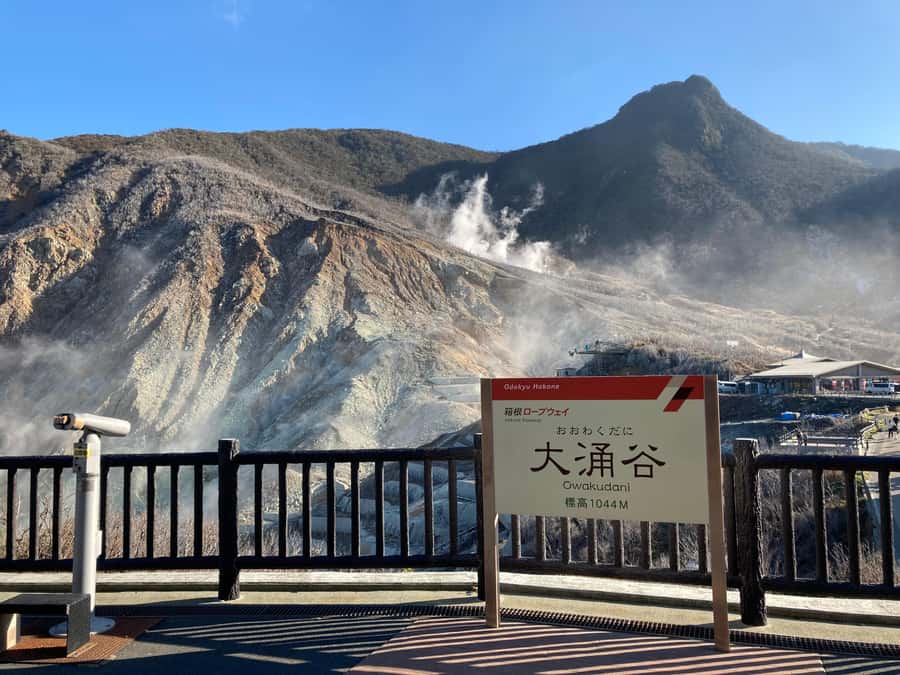
- Owakudani Volcano
- Lake Ashinoko by Sightseeing Cruise
- Hakone Open-air Museum
- How the Transport Pieces Fit Together (Without Overthinking It)
- Kamakura on Your Schedule: Enoden Plus Old Temples and Bay Air
- Discounts at 90+ Facilities: The Value You Should Actually Check
- Price and Value: When $54 Makes Sense
- Best-Fit Travelers (And Who Should Rethink It)
- Practical Tips That Save You Stress
- Should You Book This Hakone and Kamakura Rail Pass?
- FAQ
- Who is this pass for?
- Where do I redeem the voucher?
- What hours is the service center open?
- How long is the pass valid?
- What transportation is included?
- What isn’t included?
- Do I need to return the pass?
Key takeaways
- Unlimited Odakyu Lines + Enoden means flexible days instead of fixed timetables
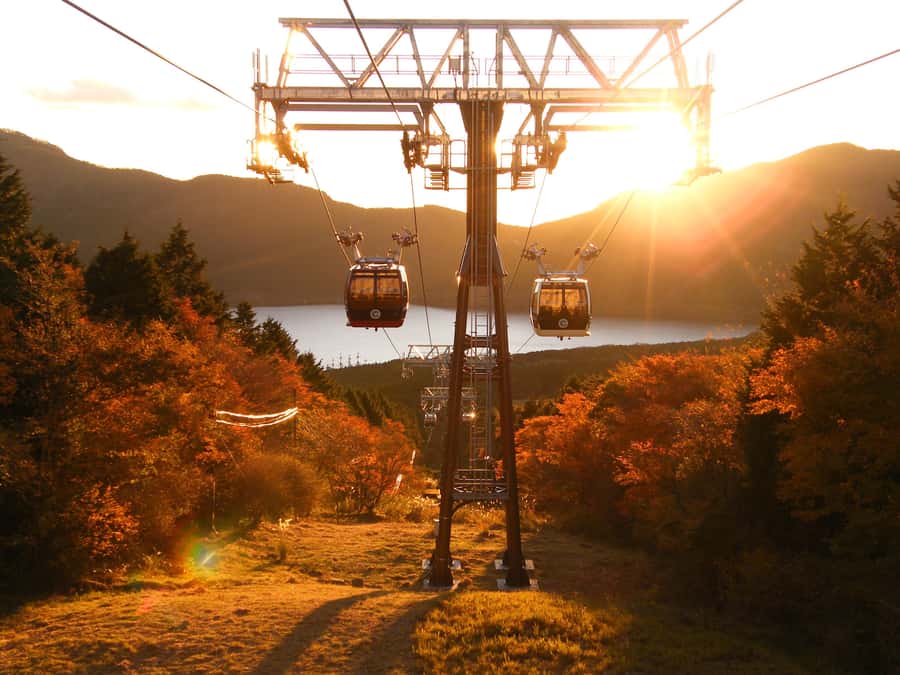
- Hakone coverage is broad: Tozan train, cable car, ropeway, cruise, plus several designated buses
- Kamakura is the easy add-on with Enoden rides in an old samurai-city setting
- 90+ facility discounts can meaningfully cut costs if you pre-check ticketed attractions
- Voucher exchange at Shinjuku West can be a hassle if you show up without the exact office location
- Weather matters in Hakone: strong winds can shut down ropeway/cruise options
What This Rail Pass Covers (And What It Doesn’t)
This is a 3-day, 36-hour-style pass designed specifically for the Hakone and Kamakura areas. You’re not buying a general “Japan rail” product—you’re buying access to a targeted web of local transport, mostly connected to Odakyu and Enoden.
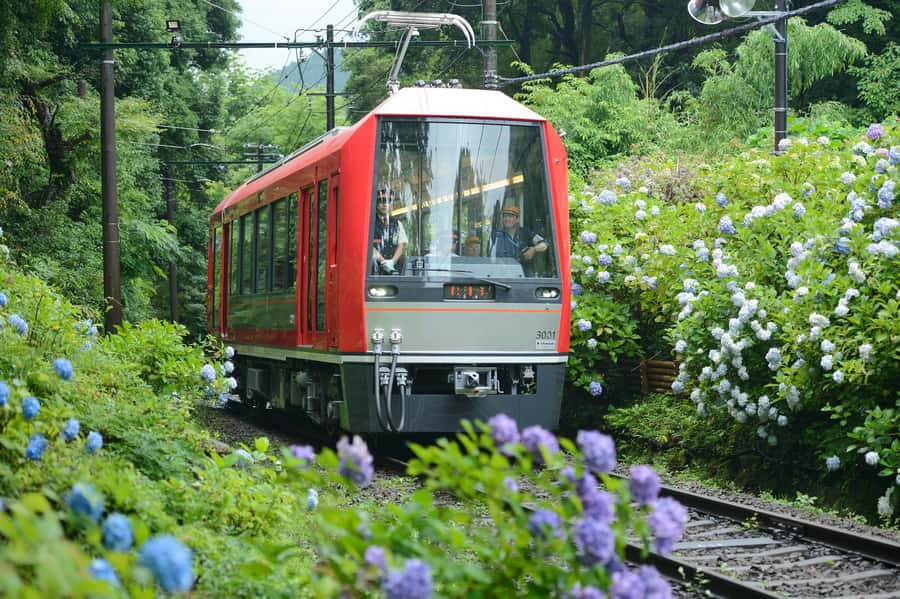
On the Hakone side, the pass includes unlimited rides on a full set of sightseeing-friendly modes:
- Hakone Tozan Train
- Hakone Tozan Cable Car
- Hakone Ropeway
- Hakone Sightseeing Cruise
- Hakone Tozan Bus (only in designated areas)
- Odakyu Hakone Highway Bus (only in designated areas)
- Tokai Bus (only in designated areas)
- KANKO SHISETSU-MEGURI bus, a tourist-attraction loop bus
For Kamakura, the key part is simple:
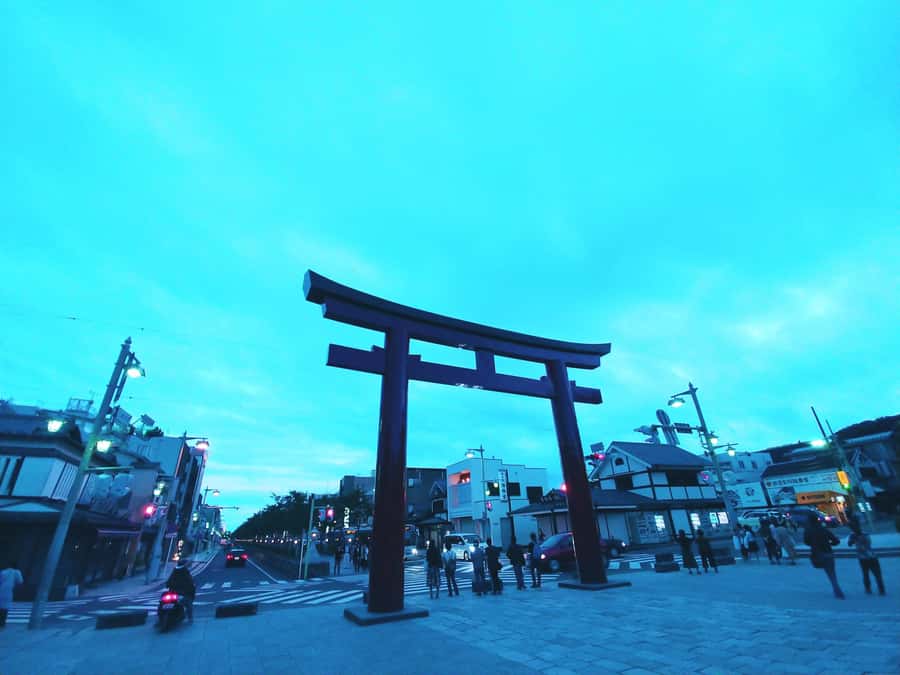
- Unlimited rides on Enoden Lines
Now the fine print that affects your planning:
- Limited Express Romance Car fare is not included. You can still ride the broader Odakyu system with the pass, but don’t assume the fastest Romance Car option is covered.
- Izu Hakone Bus is not included.
- The pass is only valid for non-Japanese passport holders, and it’s tied to the person named on the pass.
If you love the idea of “I’ll just hop on whatever looks fun,” this pass works—as long as your stops match the included operators and designated bus zones. If you’re trying to reach places outside that web, you may end up paying extra anyway.
Other Hakone loops worth the fare
- Hakone 6 hour Private Tour with Government-Licensed Guide
★ 5.0 · 218 reviews - Hakone: Train Pass with Unlimited Rides & Activity Discounts
★ 4.4 · 102 reviews - Custom Private Tour in Hakone with a Certified Local Guide
★ 5.0 · 91 reviews - Hakone 8 hour Private Tour with Government-Licensed Guide
★ 5.0 · 63 reviews
Redeeming the Voucher at Odakyu Shinjuku West (Go Straight There)
Your real start point is not Hakone—it’s Shinjuku. You exchange your voucher at the Odakyu Sightseeing Service Center, Shinjuku West, located on the B1 floor of Odakyu Line Shinjuku Station West Exit, in front of the ticket gate. Hours are 8:00 AM–6:00 PM.
This is where I’d be most careful, because the exchange point is the kind of detail that can turn a smooth first day into extra wandering. One common pain point is that people have trouble locating the correct office quickly. The fix is boring but effective:
- confirm the exact office location before you arrive
- plan to reach it during daytime hours, not late in the afternoon
Also bring what you must:
- passport or ID card (and you may be asked to show it)
One more important operational detail: you’ll need to return the physical pass at the final station of your trip. That means you should be mentally set to stop and hand it in rather than tossing it in a pocket and forgetting.
Building a Hakone Day: Owakudani, Lake Ashi, and the Big Views
Hakone is famous for two things: changing scenery and those days when Mount Fuji shows up clearly. Even if Fuji hides behind clouds, the area still works because you’re riding between viewpoints and switching transport modes constantly.
With this pass, your Hakone “anchor experiences” are the places you can reliably structure around:
- Owakudani Volcano
- Lake Ashinoko
- Hakone Open-air Museum
Here’s a practical way to think about your Hakone day: use the included transport to create a loop, not a single linear commute. The included set of systems (train + cable car + ropeway + cruise) is built for sightseeing, so you’re not just traveling—you’re also changing the view.
Owakudani Volcano
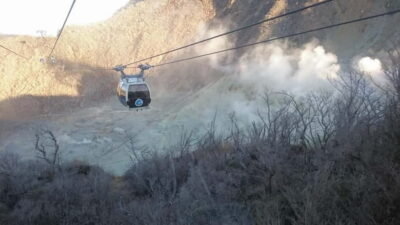
Owakudani is the volcanic centerpiece. When conditions are good, it’s the kind of place where the landscape does the talking. If you’re in a “scenery first” mood, schedule it early enough to avoid turning your trip into a rushed scramble.
One reality check: Hakone’s ropeway and related sightseeing can be sensitive to wind. If you hit a strong-wind day, you might not get the full experience.
Lake Ashinoko by Sightseeing Cruise
Lake Ashinoko is where your day slows down. The included Hakone Sightseeing Cruise is a nice break from stairs, stations, and time tables. If Fuji is visible, Lake Ashi can feel like you’re watching the mountain instead of chasing it.
But again: weather. Strong wind can affect operations, so keep this part flexible.
- Private Tour – Hakone Day Trip! A Tour to Explore All Must-Sees!★ 5.0 · 58 reviews
- Hike Hakone Hachiri★ 5.0 · 48 reviews
- Private Hakone Half-day Car Tour with Hotel Pickup – Local Guide★ 5.0 · 48 reviews
- Hike Japan Heritage Hakone Hachiri with certified mountain guide★ 5.0 · 46 reviews
- Traverse Outer Rim of Hakone Caldera and Enjoy Onsen Hiking Tour★ 5.0 · 30 reviews
Hakone Open-air Museum
This is a good counterbalance. When the weather is cool or you’re not feeling another round of viewpoint hopping, the museum gives you a more relaxed, strolling pace.
Even if you’re not an “I collect art” person, open-air layouts work well in Japan because you’re outside, but you’re not standing in line at every stop.
How the Transport Pieces Fit Together (Without Overthinking It)
The pass is built around the Hakone local network, which is why it feels so convenient. You get unlimited use across multiple transport types, and that matters more than you might think.
Instead of planning an exact route down to the minute, you can plan the area and let the network handle the jump points. That’s especially useful when:
- you start the day with one plan and realize you want more time at a viewpoint
- you’re taking breaks and returning later rather than rushing through
Included transport modes and why they matter:
- Hakone Tozan Train: efficient link between areas; good when you want fewer changes
- Hakone Tozan Cable Car: adds a big elevation shift and scenic value
- Hakone Ropeway: a viewpoint payoff, but also the one most likely to be affected by wind
- Hakone Sightseeing Cruise: turns travel into downtime
And because designated bus areas are included, you can smooth gaps when the “perfect” train-only route isn’t what you want.
Kamakura on Your Schedule: Enoden Plus Old Temples and Bay Air
Kamakura is a different vibe than Hakone. Where Hakone is about scenery and movement, Kamakura is about atmosphere—old temples, shrines, and the sense of walking through a long-lived city.
This pass keeps Kamakura simple by giving you:
- Unlimited Enoden rides
Enoden is the practical tool here. It’s the transit backbone for reaching the area’s temple lanes and those coastal/bay views. If you enjoy wandering—stopping when something catches your eye—you’ll like how the transit fits the mood.
Kamakura highlights you can aim for with the pass’s Enoden access include:
- the old samurai capital feel
- bay views
- old temples
- scenic beaches
I’d treat Kamakura like a slow second chapter. Think: one or two main clusters of walking, plus frequent stops for snacks and photos. You don’t need to sprint.
Discounts at 90+ Facilities: The Value You Should Actually Check
The pass includes special discounts at over 90 sightseeing facilities. That’s a nice marketing line—until you ask whether those discounts line up with the places you care about.
Here’s the approach I’d use:
- make a short list of the ticketed things you’re likely to pay for (museums, attractions, tours)
- check whether those are among the discount participants
- estimate your savings, not just the theoretical discount
If you plan to buy more paid entries (not just wander), this is where the pass can quietly pay off again on top of the unlimited rides.
Price and Value: When $54 Makes Sense
The pass costs $54 per person for 3 days. On paper, it can sound too good. The real question is whether your itinerary matches what it covers.
One helpful way to gauge value is to compare the pass to the kinds of add-on fares people often pay in Hakone: for example, there are cases where folks estimated a round trip Shinjuku–Hakone at about $25, and then tacked on ropeway and boat rides at about $25 each. Even with rough numbers, you can see why this becomes math-friendly fast.
To keep the value calculation honest, watch two things:
- Romance Car fare isn’t included. If you were hoping to use the Romance Car as your default, your savings may shrink.
- Buses are designated-area only, so if your planned stops rely on excluded routes, you might pay extra.
Bottom line: if you’re doing a proper Hakone loop (volcano + lake/cruise + at least one major paid site) and adding Kamakura by Enoden, the $54 price often looks like a clean deal.
Best-Fit Travelers (And Who Should Rethink It)
This pass is best for people who:
- want flexibility more than they want speed
- like scenic hopping: trains/cable/ropeway/cruise in Hakone, Enoden wandering in Kamakura
- are comfortable planning around operators included in the pass
It’s also a good match if you’re the type who enjoys building a day on the fly—because unlimited rides give you permission to adjust.
It might be less ideal if:
- you rely on the Romance Car as your main mode
- your planned Hakone or surrounding-region stops depend on buses outside the designated coverage
- you’re arriving during a narrow window and you’d hate dealing with the Shinjuku West exchange point
This pass is listed as wheelchair accessible, which is a helpful checkbox if you need step-free planning. Still, Hakone’s mixed transport can involve stairs or transitions, so you’ll want to factor that into your day pacing.
Practical Tips That Save You Stress
A few details can make your trip feel effortless instead of fiddly:
- Go for exchange first, not last. Redeem your voucher at Odakyu Shinjuku West within 8:00 AM–6:00 PM so you don’t risk missing the window.
- Use a weather buffer in Hakone. Strong winds can interrupt ropeway and cruise operations, so keep one flexible “Plan B” mindset for those segments.
- Carry your ID. The pass is tied to you, and you may need to show ID on request.
- Return the physical pass at the end. Don’t leave that step until you’re already trying to board your final train.
Should You Book This Hakone and Kamakura Rail Pass?
I’d book it if your goal is a Hakone + Kamakura combo with lots of sightseeing movement and you want unlimited local rides—especially if you plan to use the Hakone route around Owakudani and Lake Ashinoko, then shift gears to Kamakura’s Enoden and temple-and-bay strolling.
I wouldn’t book it if your plan depends heavily on Romance Car travel, buses outside the included designated zones, or you hate the idea of navigating the Odakyu Shinjuku West voucher exchange in the first place.
FAQ
Who is this pass for?
This pass is only for non-Japanese passport holders, and it can only be used by the person whose name is written on the pass.
Where do I redeem the voucher?
You redeem it at the Odakyu Sightseeing Service Center, Shinjuku West on the B1 floor of Odakyu Line Shinjuku Station West Exit, in front of the ticket gate.
What hours is the service center open?
The center is open from 8:00 AM to 6:00 PM.
How long is the pass valid?
It’s valid for 3 days, starting from the first activation.
What transportation is included?
It includes unlimited rides on multiple Hakone transport types (Tozan Train, Cable Car, Ropeway, Sightseeing Cruise, and designated-area buses) plus unlimited Enoden rides.
What isn’t included?
It does not include the Limited Express Romance Car fare, and it does not include the Izu Hakone Bus.
Do I need to return the pass?
Yes. You need to return the physical pass at the final station of your trip.
More Tour Reviews in Hakone
- Hakone 6 hour Private Tour with Government-Licensed Guide
★ 5.0 · 218 reviews - Hakone: Train Pass with Unlimited Rides & Activity Discounts
★ 4.4 · 102 reviews - Custom Private Tour in Hakone with a Certified Local Guide
★ 5.0 · 91 reviews - Hakone 8 hour Private Tour with Government-Licensed Guide
★ 5.0 · 63 reviews - Private Tour – Hakone Day Trip! A Tour to Explore All Must-Sees!
★ 5.0 · 58 reviews
Hakone, A Few More Ways
- Hakone 6 hour Private Tour with Government-Licensed Guide
★ 5.0 · 218 reviews - Hakone: Train Pass with Unlimited Rides & Activity Discounts
★ 4.4 · 102 reviews - Custom Private Tour in Hakone with a Certified Local Guide
★ 5.0 · 91 reviews - Hakone 8 hour Private Tour with Government-Licensed Guide
★ 5.0 · 63 reviews - Private Tour – Hakone Day Trip! A Tour to Explore All Must-Sees!
★ 5.0 · 58 reviews
Latest Hakone reviews off our desk
Hakone Tours, compared.
 ★ 5.0Mt Fuji and Hakone 1-Day Bus Tour Return by Bullet TrainFrom $16326,383 reviews
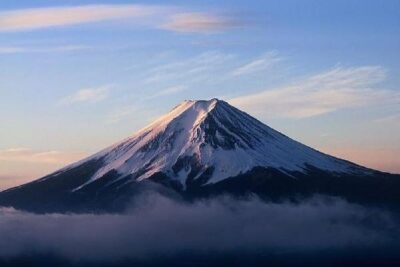 ★ 4.0Mt Fuji & Hakone Cruise, Drum Show Bullet Train 1 Day from TokyoFrom $1497,413 reviews
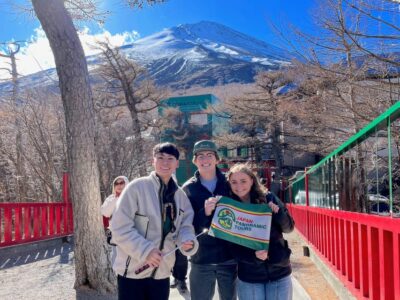 ★ 4.4Tokyo Mt Fuji 5th St & Hakone Cruise Bus Tour w/Bullet TrainFrom $1545,024 reviews
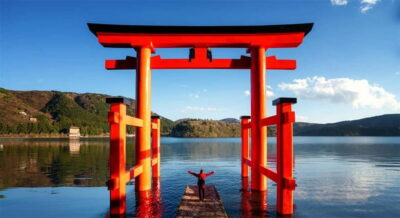 ★ 4.7Mt. Fuji Tour, Hakone Ropeway, Owakudani, Lake AshiFrom $544,002 reviews
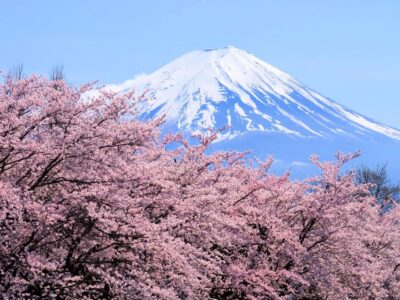 ★ 4.2Mt. Fuji 5th Station & Hakone Cruise 1-Day Bus TourFrom $1292,381 reviews
 ★ 5.0Private Tour to Mt. Fuji and Hakone (Fully Licenced Operator)From $4971,910 reviews
 ★ 4.0Mt Fuji & Hakone Cruise, Drum Show Bus 1 Day from TokyoFrom $1221,287 reviews
 ★ 4.2From Tokyo: Mt. Fuji & Hakone Tour w/ Return by Bullet TrainFrom $1171,278 reviews
Browse the lists this tour appears in