
Reviewed · ASAKUSA & SENSOJI TOURS
Hand-carved stamps made with craftsmen in Asakusa, Tokyo
Carving a hanko is calming and oddly rewarding. In an Asakusa workshop, you carve your own design into Japanese name-stamp wood (often sakura or sansho), then take the finished hanko home as a real keepsake. It’s hands-on, practical, and steeped in everyday Japanese tradition.
I really like the private, one-on-one guidance. You’re not just watching a demo; you’re actually carving, and the craftsperson steps in when you need help.
One consideration: if you want a very complex design, it may be hard to finish within the workshop time. That’s not a deal-breaker, but it does mean you should plan for a simpler first attempt.
In This Review
- Key Points You’ll Care About
- Asakusa’s Hanko Workshop: What Makes This Experience Different
- Price and Value: Why $93.33 Can Still Make Sense
- Where You’ll Go in Taito: The Workshop Setup
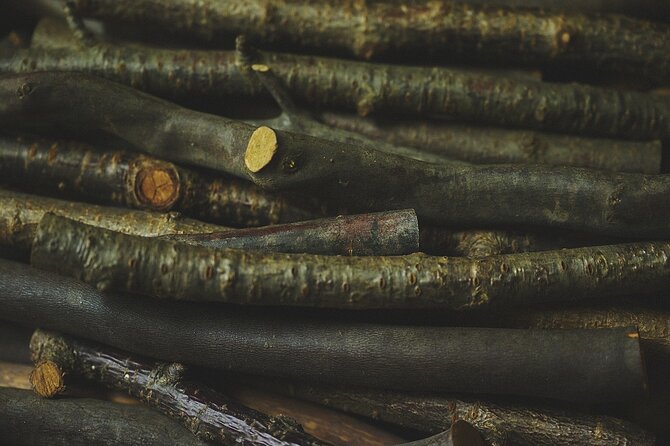
- Your Hanko Materials: Sakura or Sansho Twigs
- The Tools and Step-by-Step Carving Process
- Stop in Taito: What Happens During the Private Workshop Session
- Using the Vermilion Inkpad: From Wood to Print
- The Real Souvenir Advantage: A Keepsake You’ll Actually Use
- Who This Workshop Is For (and Who Should Think Twice)
- Scheduling Tips for a Smooth Asakusa Day
- Should You Book This Asakusa Hanko Workshop?
- FAQ
- What will I make during this workshop?
- What kind of wood is used?
- How long does the experience take?
- Do I need prior carving experience?
- Is there English support and is it private?
- Is this experience refundable if I cancel?
Key Points You’ll Care About
- Private workshop feel in Asakusa: only your group participates, so you get personal attention.
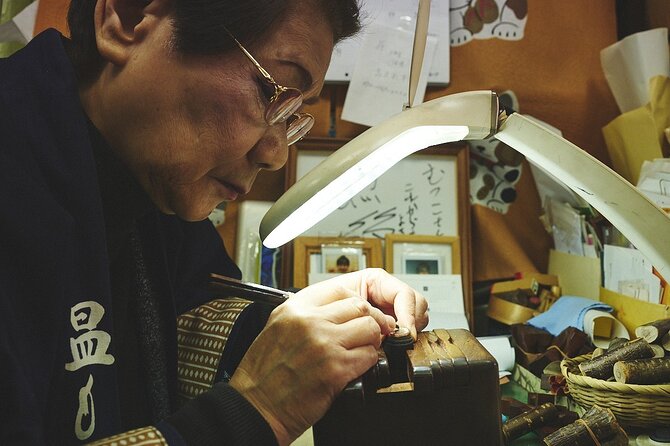
- Real carving tools and natural wood: small twig pieces make your seal, not a pre-made souvenir.
- Vermilion ink included: you’ll get the inkpad for immediate use after you carve.
- English interpreter: you can follow the process and explanations without guessing.
- Time range is 90–120 minutes: it may run shorter depending on how quickly you finish.
- No need to bring special supplies: casual clothes are fine; an apron is optional if you’re worried about debris.
Asakusa’s Hanko Workshop: What Makes This Experience Different
Asakusa is one of those Tokyo areas where old crafts still show up in daily life, not just on signs. This workshop keeps the focus where it should be: you carve a Japanese name stamp, using traditional methods and tools.
What I’d call the heart of the experience is the direct attention from the artisan and interpreter. You’re guided through how to carve lines and forms so the seal prints cleanly, not just how to use the tool. The result is something you can actually use and gift, not a made-for-tourist trinket.
And yes, it’s also fun in a very hands-on way. Wood carving forces you to slow down and think in shapes, which is a nice break from the usual Tokyo checklist of temples and trains.
More temple mornings in old Asakusa
- Tokyo: Japanese Dance Cabaret Theater Asakusa-Kaguwa Ticket
★ 4.8 · 2,270 reviews - Tokyo: Meiji Shrine, Asakusa, Skytree Bus Tour and Cruise
★ 4.7 · 1,986 reviews - Tokyo: Roll and Authentic Sushi Making Class in Asakusa
★ 4.9 · 1,957 reviews - Tokyo: Asakusa Walking Tour with Sensoji Temple Visit
★ 4.8 · 1,583 reviews
Price and Value: Why $93.33 Can Still Make Sense
At $93.33 per person for about 2 hours, this isn’t a bargain workshop. You’re paying for a private setup, tools, natural wood materials, an English interpreter, and a finished hanko (plus a vermilion inkpad).
So the value question becomes simple: do you want the process and the finished artifact, or do you just want a photo and a small souvenir? If you’re after the real craft experience—tool work, guidance, and a seal that feels personal—this price can make sense.
There’s one caution. The session is listed as roughly 90 to 120 minutes, and it can go faster if you’re efficient. One drawback I’d plan around is that if you expect a full two-hour block no matter what, you might feel it’s shorter in practice.
Where You’ll Go in Taito: The Workshop Setup
The meeting point is 伊藤印房 1-chōme-19-4 Senzoku, Taito City, Tokyo 111-0031, Japan. From there, you’ll head into the workshop space and get the tools and materials for your carving.
It’s near public transportation, which matters because you’ll likely want to pair this with an Asakusa day that already includes walking and nearby sights. Also, the workshop itself doesn’t have a toilet on site, so it’s smart to use the restroom before you start. There’s a public restroom about a 1-minute walk away, but don’t count on a late mid-session break.
Clothes are casual, and you don’t need to bring anything special. If you’re worried about carving debris, bringing your own apron is a practical idea.
Your Hanko Materials: Sakura or Sansho Twigs
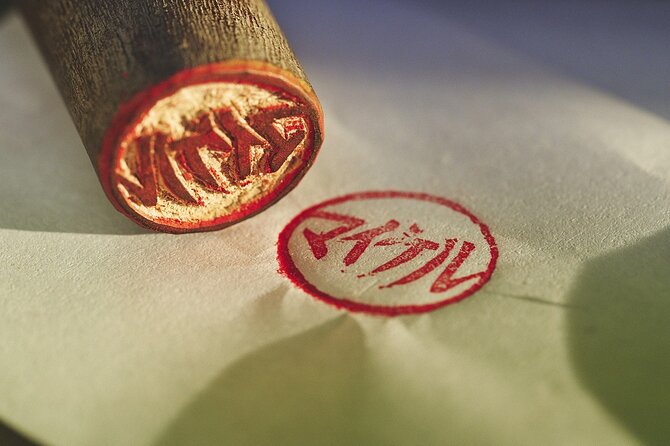
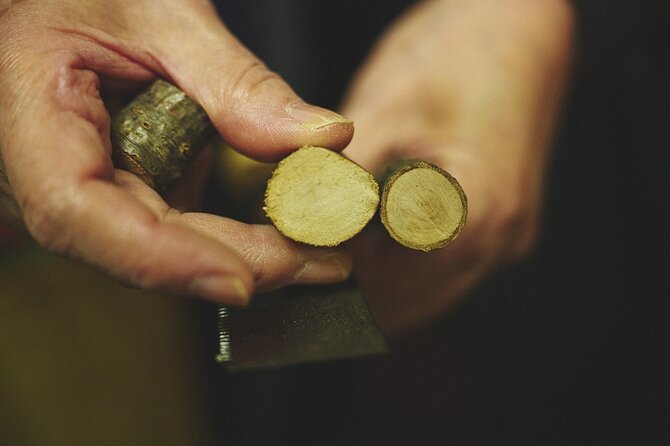
You won’t be carving into a block that looks like it came straight from a hardware store. The material is small twigs of natural wood, such as sakura or sansho.
The wood is about 10 centimeters long, and your pattern is carved into that piece. This is important because the natural shape and grain affect how you carve. You’ll be able to follow guidance, but the material choice is part of what makes each stamp feel real and individual.
Your design can be your name or a custom pattern with expert help. One more practical note: very complex patterns can be harder to pull off within the time limit, so you’ll likely get the best results with a design that matches your patience and the workshop timing.
The Tools and Step-by-Step Carving Process
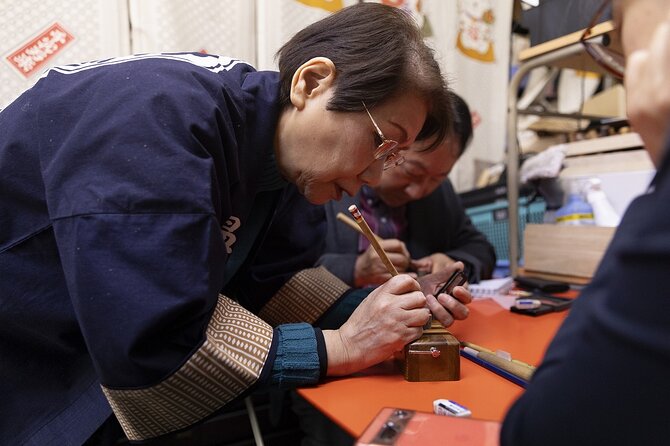
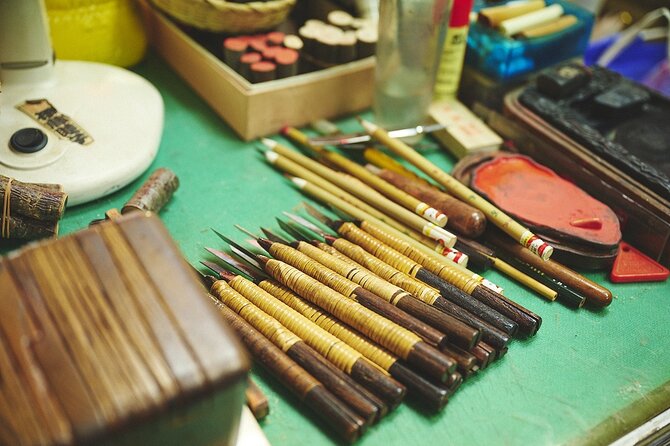
The core of your session is carving your design into the stamp surface using wooden carving tools. You’ll get the tools as part of the experience, so you won’t need to hunt down anything ahead of time.
Some carving skill is required. That’s not the same as needing prior experience—more like you should expect a short learning curve. The artisan’s job is to keep you moving and help you correct when something won’t cut cleanly.
Here’s how to think about it while you’re carving:
- Your cuts create the negative space. The parts you carve away are what determine how the seal prints.
- Precision beats force. Pressing harder won’t magically improve the result. Small controlled movements usually work better.
- Simplify the fine details. If you’re aiming for something intricate, be ready to adjust with the guidance you’re given.
A big reason this workshop earns top ratings is that the teaching stays supportive and respectful. The environment is described as friendly and helpful, and the guide steps in when you need it so you can finish with a stamp you feel proud of.
- Tokyo: Shinjuku Food Tour (13 Dishes at 4 Local Eateries)★ 5.0 · 6,603 reviews
- Tokyo Mt Fuji 5th St & Hakone Cruise Bus Tour w/Bullet Train★ 4.4 · 5,024 reviews
- Flagship 2-Hours Official Street Go-Kart Tour – Tokyo Bay Shop★ 5.0 · 4,974 reviews
- From Tokyo: Mount Fuji Full-Day Sightseeing Trip★ 4.5 · 4,970 reviews
- Tokyo: Hop-On Hop-Off Sightseeing Bus Ticket★ 3.9 · 4,207 reviews
Stop in Taito: What Happens During the Private Workshop Session
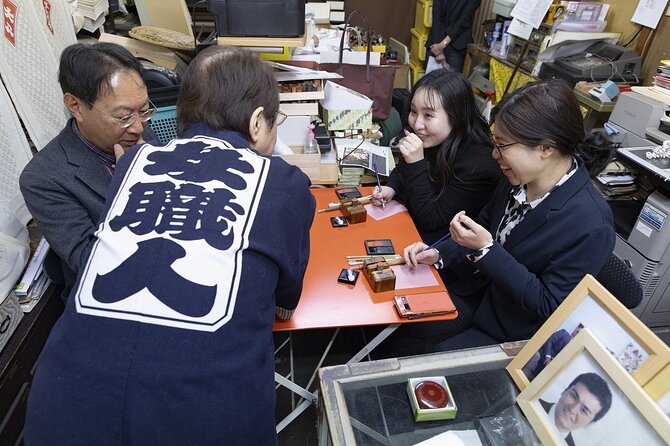
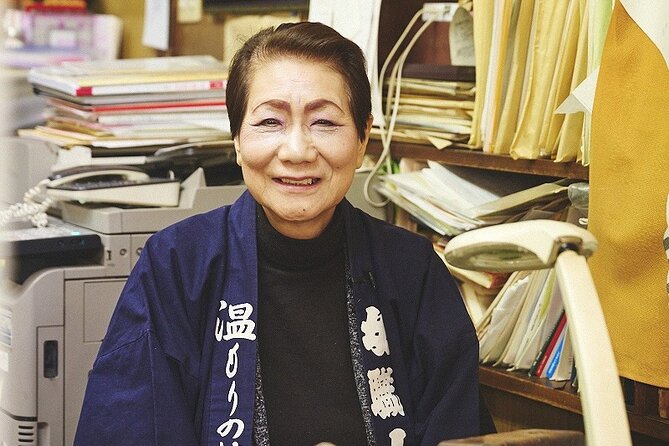
There’s only one main stop: your workshop time in Taito, where you carve and finish your hanko. Because it’s a private experience, you won’t be competing for attention or getting rushed by a larger group.
That private structure matters more than people expect. Name-stamp carving is slow work when you’re learning, and it’s the kind of craft where even a small correction can change how your lines print. In a group setting, you’d often lose that back-and-forth. Here, you keep momentum.
Also, you’ll get cultural context from the artisan. One standout detail is that the host shares an inspiring personal story, including that the artisan is one of the first female hanko craftsmen. That kind of context gives the craft more meaning than just a technical how-to.
Using the Vermilion Inkpad: From Wood to Print
Your kit includes a vermilion inkpad, so you can test your seal right away. This matters because it turns the workshop from an art project into a usable tool.
When you press your stamp, you’re checking two things:
- Are the carved channels clean enough to transfer ink?
- Do your carved lines form the shape you intended?
If anything isn’t crisp, you’ll at least understand what went wrong while you still have the process fresh in your mind. And even if the first print isn’t perfect, you’ll be leaving with a real object made by your own hands, not a generic design.
The Real Souvenir Advantage: A Keepsake You’ll Actually Use
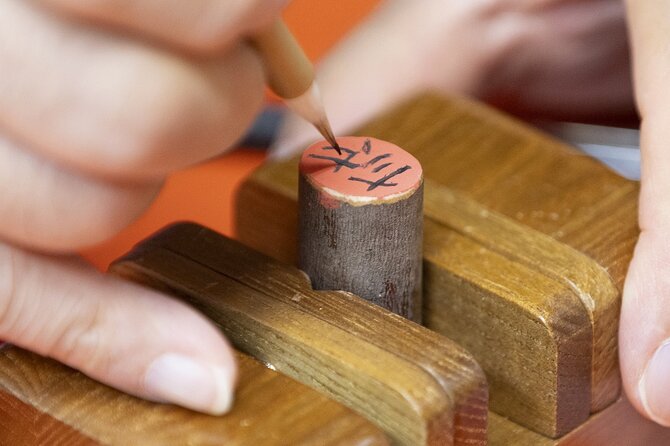
Lots of Japan souvenirs are nice to look at and then quietly disappear into a drawer. A hand-carved hanko is different. It’s personal by design, and it’s tied to a real Japanese practice.
It also makes a thoughtful gift. The best souvenirs feel like you understood what someone values. This one communicates effort, craft, and care—because you’re literally carving the mark yourself.
There’s also a practical side. If you like stationery, art crafts, or calligraphy-adjacent hobbies, you’ll probably find excuses to use your stamp more than once.
Who This Workshop Is For (and Who Should Think Twice)
This experience fits well if you want an active craft rather than a passive tour. You’ll enjoy it most if you’re curious about Japanese naming traditions and you like the idea of making something functional, not just decorative.
It’s also a good match for:
- Couples or friends who want a shared activity in Asakusa
- Travelers who enjoy hands-on classes and want to take home a skill-based item
- People who want a meaningful souvenir with a story attached
Think twice if:
- You want a very intricate, highly detailed design without any compromise. Complex patterns may not fit the workshop time.
- You expect the full session to always run the maximum listed length. The carving can finish earlier depending on how quickly you complete your work.
- You strongly dislike mess. Carving debris is a possibility, so consider bringing an apron if that bothers you.
Scheduling Tips for a Smooth Asakusa Day
Because you don’t need special prep and the duration is typically 90 to 120 minutes, you can slot this into a day already planned around Asakusa. Plan your day so you can arrive with a little breathing room before the workshop.
Also, don’t plan a rushed next appointment right after. Even if the session ends quickly, you’ll likely want a moment afterward to handle your finished stamp carefully before heading back into the flow of sightseeing.
If you’re booking during peak periods, it’s worth noting this kind of experience tends to be booked ahead. The average booking lead time listed is 38 days, which suggests good demand.
Should You Book This Asakusa Hanko Workshop?
If you want a hands-on Japanese craft with a friendly artisan, a clear result, and a souvenir you’ll actually value, I think this is a smart booking. The private format, included tools and natural wood, English interpretation, and inkpad combine into a complete experience, not a half-finished demo.
Book it especially if you’re willing to keep your first design simpler and focus on carving cleanly. That’s where you’ll get the best outcome within the time you have.
Skip it if you mainly want a quick photo stop or if you’re set on a complex design and don’t want to adjust. Carving is patient work, and the workshop time is part of the reality.
FAQ
What will I make during this workshop?
You’ll carve your own Japanese hanko name stamp seal using natural wood, and you take the finished stamp home.
What kind of wood is used?
The material is small twigs of natural wood, such as sakura or sansho, sized at about 10 centimeters in length.
How long does the experience take?
The duration is listed as about 90 to 120 minutes, and the exact time can vary depending on the customer.
Do I need prior carving experience?
Some skill is required for hand-carving, but the artisan provides thorough guidance during the process, including help when you need it.
Is there English support and is it private?
Yes. An English interpreter is included, and it’s a private experience for only your group.
Is this experience refundable if I cancel?
No. The experience is non-refundable and cannot be changed for any reason.
If you tell me your rough design idea (name vs. pattern, and how complex you want it), I can help you think through what’s likely to work best for the time you’ll have.
More Tour Reviews in Tokyo
- Mt Fuji and Hakone 1-Day Bus Tour Return by Bullet Train
★ 5.0 · 26,383 reviews - 1-Day Tokyo Bus Tour
★ 5.0 · 14,250 reviews - Tokyo: teamLab Planets TOKYO Digital Art Museum Entry Ticket
★ 4.6 · 9,779 reviews - Mt Fuji & Hakone Cruise, Drum Show Bullet Train 1 Day from Tokyo
★ 4.0 · 7,413 reviews - Tokyo: Shinjuku Food Tour (13 Dishes at 4 Local Eateries)
★ 5.0 · 6,603 reviews
More Mornings in Old Asakusa
- Tokyo: Japanese Dance Cabaret Theater Asakusa-Kaguwa Ticket
★ 4.8 · 2,270 reviews - Tokyo: Meiji Shrine, Asakusa, Skytree Bus Tour and Cruise
★ 4.7 · 1,986 reviews - Tokyo: Roll and Authentic Sushi Making Class in Asakusa
★ 4.9 · 1,957 reviews - Tokyo: Asakusa Walking Tour with Sensoji Temple Visit
★ 4.8 · 1,583 reviews - Tokyo Asakusa Rickshaw Tour
★ 5.0 · 1,375 reviews
Latest Tokyo reviews off our desk






Asakusa & Sensoji Tours, compared.
 ★ 4.8Japanese Dance Cabaret Theater Asakusa-Kaguwa TicketFrom $492,270 reviews
 ★ 4.7Meiji Shrine, Asakusa, Skytree Bus Tour and CruiseFrom $1221,986 reviews
 ★ 4.9Roll and Authentic Sushi Making Class in AsakusaFrom $581,957 reviews
 ★ 4.8Asakusa Walking Tour with Sensoji Temple VisitFrom $221,583 reviews
 ★ 5.0Tokyo Asakusa Rickshaw TourFrom $421,375 reviews
 ★ 4.5Tokyo Panoramic 1 Day: Meiji Shrine, Asakusa, Odaiba and SKYTREE®From $851,222 reviews
 ★ 5.0Tokyo Go Kart: Asakusa, Skytree, and Akihabara **IDP MUST**From $99988 reviews
 ★ 4.7Asakusa, Skytree & Akhihabara Go-Kart City ExperienceFrom $96761 reviews
Browse the lists this tour appears in