
Reviewed · DESSERT TOURS
Japanese dried-type Sweets (Ohigashi) making
Wasanbon sweet-making beats most souvenir shopping. This 30-minute Tokyo class lets you craft Japanese dried sweets, ohigashi, using 100% wasanbon.
What I like right away is how tactile it is: you’re not just watching. You’re pressing, shaping, and eating something you made on the spot.
My second favorite part is the emphasis on flavor quality. You can taste the mellow, smooth sugar that you only get from traditional wasanbon. One thing to watch: the standard session has no coloring, so if you want bright, colorful sweets, you’ll need the optional add-on.
In This Review
- Key points before you go
- Ohigashi with 100% Wasanbon: the flavor lesson you can taste
- Price and time: why $10 is actually fair value
- The meeting point and what to expect when you arrive
- Inside the 30-minute flow: explanation, shaping, photos, then eating
- 0:00 to about 20 minutes: learn the tradition, then make
- Around 20 minutes: picture time
- About 30 minutes: eating and drinking, then you’re done
- Choosing the wooden mold: the fun part that also improves your control
- What fresh ohigashi tastes like (and why it’s different)
- The optional colorful version: when it’s worth paying extra
- Completion certificate: small extra, optional meaning
- Language and guidance: how smooth it feels in real use
- Who this ohigashi class is best for
- Should you book this Japanese ohigashi (wasanbon) experience?
- FAQ
- How long is the Japanese dried-type sweets (ohigashi) making experience?
- How much does it cost?
- What do I make during the class?
- Do I add color to the sweets?
- What’s included in the price?
- Is English available during the class?
- When does the experience run?
- Is the completion certificate included?
Key points before you go
- 100% wasanbon is the star ingredient, and it’s meant to be tasted right after shaping
- You choose from cute wooden molds to decide the shape of your ohigashi
- The class is short and focused at 30 minutes, with shaping and then eating time
- No color by default; colorful options cost extra (200 JPY)
- English support is provided as much as possible, but the class language is Japanese
- You can add extras like a completion certificate (300 JPY)
Ohigashi with 100% Wasanbon: the flavor lesson you can taste
If you’ve ever tried Japanese sweets and thought, I know I liked it, but I can’t explain why, this class helps you sort that out fast. Ohigashi are Japanese dried-type sweets, and in this experience you’re working with traditional sugar called wasanbon.
Wasanbon is not just “sugar.” It’s known for melting into a soft, smooth texture rather than behaving like typical refined sugar. The experience is built around that idea: you’ll make something without hiding behind flavors, colors, or extras. The result is a sweet where the sugar taste leads.
I especially like that the experience pushes quality at the ingredient level. They specifically note you can make ohigashi using 100% wasanbon, so you’re getting a clearer sense of what makes it different. That’s useful for your future Japan food choices too. Once you’ve tasted wasanbon at its best, you’ll start noticing it in other sweets and noticing when something is just sweet but not particularly special.
Readers also shortlisted these Tokyo bookings:
- Matcha Making Class in Tokyo with Authentic Japanese Sweets Set
★ 5.0 · 744 reviews - Tokyo: Matcha Making Experience with Mochi Sweets in Asakusa
★ 4.9 · 388 reviews - Make Traditional Nerikiri Sweets & Matcha experience in Shibuya
★ 5.0 · 130 reviews - Private Mochi Sweets Making class near Shibuya area
★ 5.0 · 93 reviews
Price and time: why $10 is actually fair value
At about $10 per person for a 30-minute hands-on session, this is priced like a quick cultural stop, not a long workshop. The value comes from what you actively do: you choose a mold, you shape the sweet, and you eat it during the session.
A lot of “food experiences” in Tokyo are either pricey or more like watching. Here, the core activity is making the ohigashi. You’re paying for the instruction and a structured time slot where the sweet-making and eating happen in a tight window.
Also, the session cost is straightforward, because the main “base” class includes the ohigashi making set. The extra spending is optional: add color for 200 JPY or get a completion certificate for 300 JPY. That means you can keep your budget controlled if you just want the standard white, wasanbon-only look and flavor.
The meeting point and what to expect when you arrive
You’ll meet at AN TOKYO Japanese Culture Experience, in Tokyo (coordinates: 35.6916541, 139.7715022). The key practical point: this is scheduled tightly. The experience notes they can’t hold the event for delays, so plan to arrive early enough to breathe before you start.
The session also states the instructor is Japanese. English translation is provided as much as possible, but it isn’t described as guaranteed for every word. If you care about understanding every step, it’s worth contacting them in advance to request added translation support.
This matters because ohigashi-making is hands-on. When you know what the instructor wants—how the sugar should be handled, how the mold is used—you get better results and a smoother time.
Inside the 30-minute flow: explanation, shaping, photos, then eating
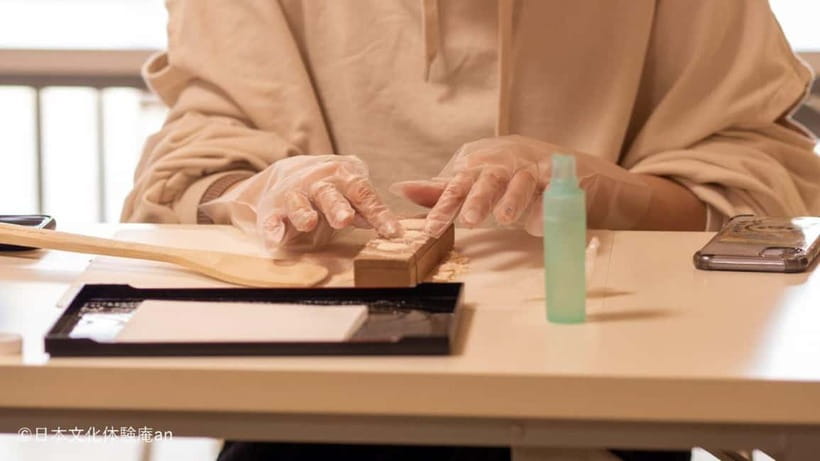
This is a compact class. Here’s the rhythm you can expect.
0:00 to about 20 minutes: learn the tradition, then make
The session starts with an explanation of Japanese traditional sweets. This isn’t just background fluff. It’s there to set context for what you’re about to do and why the sugar matters.
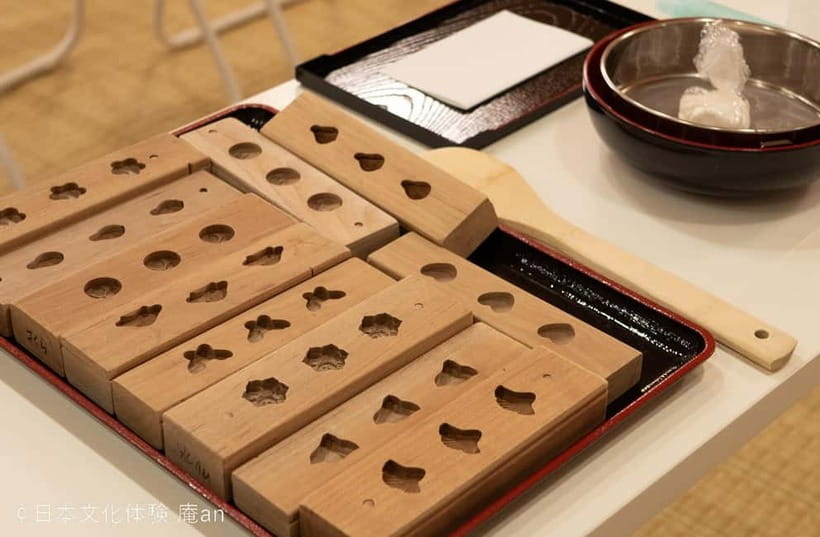
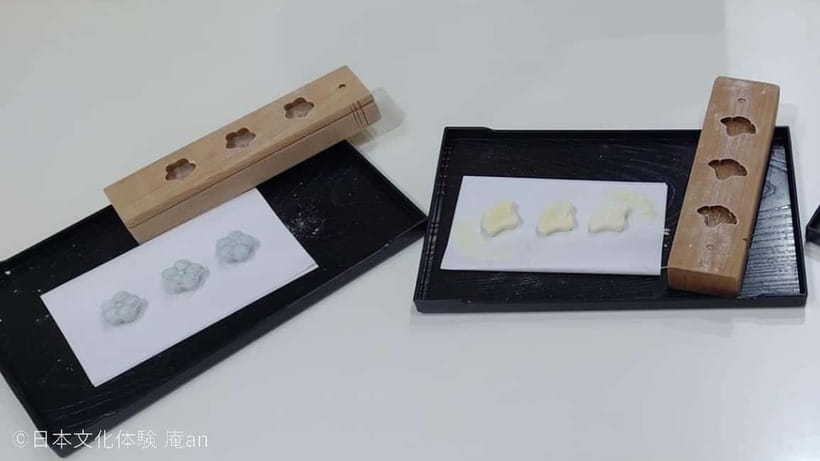
Then comes the main part: Japanese dried-type sweets (ohigashi) making. You’ll choose your favorite shape using cute wooden molds. From there, you’ll work with the wasanbon base and form your sweet without adding color in the standard option.
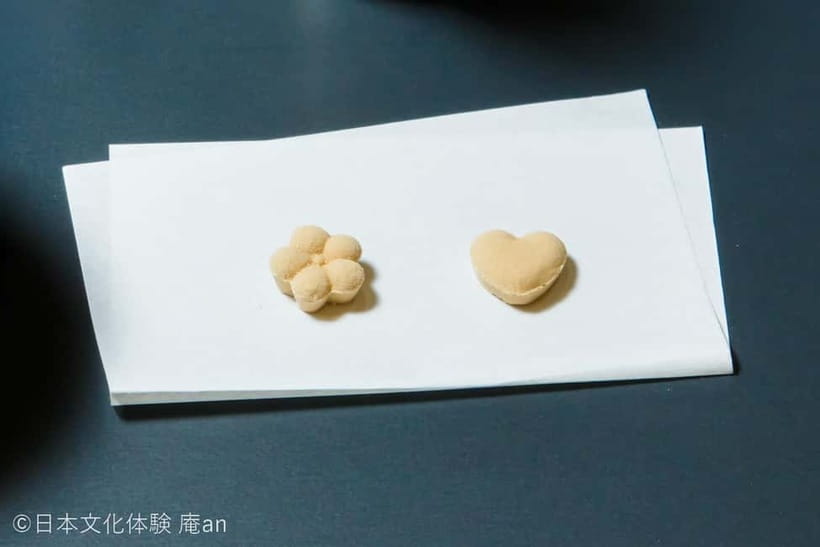
The “no color” detail is important. White, molded ohigashi highlight the sugar itself. If you’ve only had brightly colored sweets in packaging back home, you may be surprised how much character plain wasanbon has once it’s freshly made.
- Tokyo: Shinjuku Food Tour (13 Dishes at 4 Local Eateries)★ 5.0 · 6,603 reviews
- Tokyo Mt Fuji 5th St & Hakone Cruise Bus Tour w/Bullet Train★ 4.4 · 5,024 reviews
- Flagship 2-Hours Official Street Go-Kart Tour – Tokyo Bay Shop★ 5.0 · 4,974 reviews
- From Tokyo: Mount Fuji Full-Day Sightseeing Trip★ 4.5 · 4,970 reviews
- Tokyo: Hop-On Hop-Off Sightseeing Bus Ticket★ 3.9 · 4,207 reviews
Around 20 minutes: picture time
At about 20 minutes, there’s a picture time. This is your chance to document what you made before the eating portion.
I find this is a smart inclusion in short classes. In many workshops, you miss the “moment” because everyone is focused on moving on. Here, they give you a small built-in pause for photos.
About 30 minutes: eating and drinking, then you’re done
The session wraps with eating and drinking time, followed by room departure. That timing is part of the value. You’re not shipping your sweet around in a bag for later. You’re tasting what you made right after.
Choosing the wooden mold: the fun part that also improves your control
The class gives you a clear interactive choice: select the shape from wooden molds. That’s where the fun starts.
There’s a psychological trick here too. When you’re allowed to choose a mold, you focus better. You’re paying attention to the feel and the pressure as you shape your ohigashi. It makes the “how” stick in your head more than if you were assigned a single form.
And because the mold shapes are described as cute, this is also a nice photo-and-memory factor. You’ll likely leave with something visually pleasing on top of the taste experience, even if you’re only doing it for 30 minutes.
One more practical note: because the class is short, don’t show up planning to linger. Commit to the session and you’ll get the full experience—making, photos, and tasting.
What fresh ohigashi tastes like (and why it’s different)
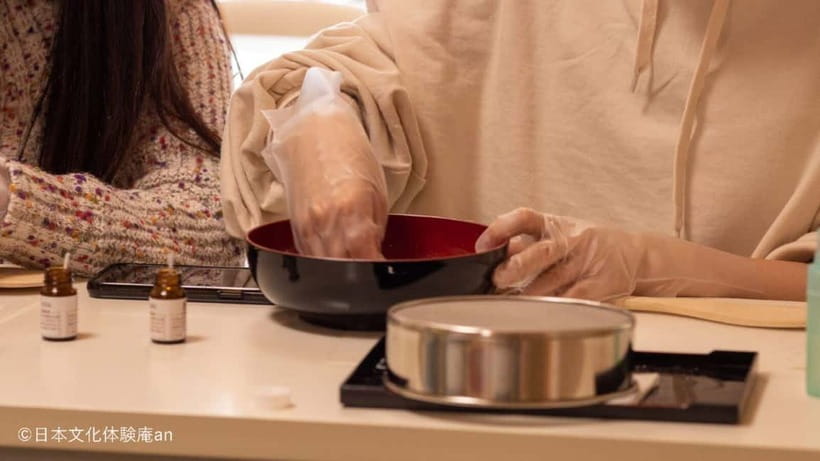
The experience emphasizes that you can enjoy a taste that comes from freshly made sweets. That’s a big deal for dried-type sweets, because timing changes texture and flavor.
They also describe wasanbon’s texture as fluffy and smooth, melting in your mouth. In other words, you’re not just eating something sweet—you’re noticing mouthfeel. That matters if you’re the type who wants to understand what you’re tasting, not just whether you liked it.
And because you’re using traditional Japanese sugar called wasanbon (and specifically 100% wasanbon), you get the sugar’s mellow character. It’s not pretending to taste like something else.
If you’re a bit picky about sweets—too sugary, too artificial—this class is a good test. The sugar-focused approach makes it easier to tell whether the quality is in the ingredient or in the seasoning.
The optional colorful version: when it’s worth paying extra
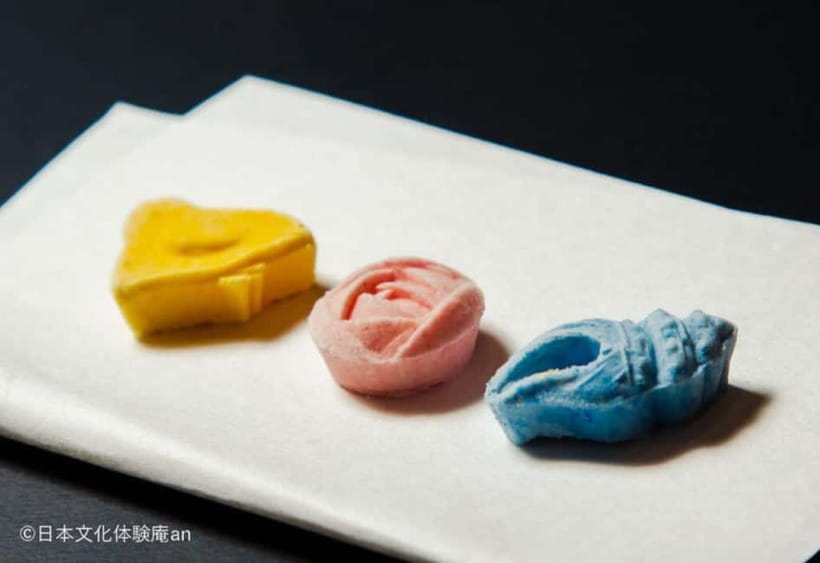
By default, you’ll make ohigashi without adding any color. If you want the colorful look, the experience offers an add-on: for an extra 200 JPY, you can make colorful ohigashi.
Is it worth it? If you care about aesthetics and want something that matches typical image searches for Japanese wagashi, color can make your finished sweets more Instagram-friendly and festive.
If you’re there mainly for flavor education, you can skip it. The standard approach already spotlights what makes wasanbon special, because it doesn’t compete with added color.
My practical suggestion: decide based on your goal.
- If you’re collecting the look and want variety, do the color add-on.
- If you want the clean tasting lesson, stick with the uncolored version.
Completion certificate: small extra, optional meaning
There’s also an optional completion certificate for 300 JPY. The key idea here is that it’s not part of the core making and tasting experience. If you’re someone who likes keepsakes from classes, it can be a nice souvenir.
But if you’re traveling light or focused on experiences over paper, you don’t need it to get value from the class.
Language and guidance: how smooth it feels in real use
The class is taught in Japanese, and English translation is provided as much as possible. In practice, what matters most is whether you can follow the steps and feel comfortable asking for help.
One review noted the activity guide was very sweet and good at guiding participants through the process. That lines up with what you want from a short class: clear instructions, friendly pacing, and quick reassurance if you’re unsure about the mold or texture.
If you’re not fluent in Japanese, don’t panic. The class is structured and hands-on, which reduces the amount of language you need to enjoy it. Still, being on time helps a lot, because the session can’t be held for delays.
Who this ohigashi class is best for
This is a great fit if you want:
- A short, hands-on food experience in Tokyo
- A clear focus on wasanbon flavor rather than complicated cooking
- A simple way to make something beautiful and taste it immediately
- A low-commitment cultural activity that fits between other sights
It may be less ideal if:
- You only want fully personalized experiences with lots of downtime. This is a timed session with set stages.
- You’re looking for a long, deep culinary workshop. You’ll get the main steps and then you move on.
Should you book this Japanese ohigashi (wasanbon) experience?
Book it if you want a compact Tokyo class that teaches you through your hands and your mouth. The 100% wasanbon focus is the headline, and the fact that there’s optional color means you can tailor the look without messing with the main flavor lesson.
Skip or consider carefully if you have a strong preference for non-stop language support. English translation is provided as much as possible, but the session language is Japanese, and there’s no mention that every detail is fully translated.
If you’re planning your day in Honshu and want an authentic taste moment that isn’t a generic “make a snack and leave,” this one hits the sweet spot: structured, friendly, and built around the kind of ingredient you’ll remember long after you leave the room.
FAQ
How long is the Japanese dried-type sweets (ohigashi) making experience?
The experience lasts 30 minutes.
How much does it cost?
It’s listed at $10 per person.
What do I make during the class?
You make Japanese dried-type sweets called ohigashi using traditional Japanese sugar (wasanbon).
Do I add color to the sweets?
In the standard experience, you make ohigashi without adding color. You can add colorful coloring for an additional 200 JPY on the day.
What’s included in the price?
The set for making Japanese dried-type sweets (ohigashi) is included.
Is English available during the class?
English translation is provided as much as possible, and you can contact them if you’d like to request additional help.
When does the experience run?
Operation hours are from 10:00 to 17:00. Reservations received after 17:00 are processed the next day.
Is the completion certificate included?
No. A completion certificate can be added for 300 JPY.
More Dessert Tours in Tokyo
- Matcha Making Class in Tokyo with Authentic Japanese Sweets Set
★ 5.0 · 744 reviews - Tokyo: Matcha Making Experience with Mochi Sweets in Asakusa
★ 4.9 · 388 reviews - Make Traditional Nerikiri Sweets & Matcha experience in Shibuya
★ 5.0 · 130 reviews - Private Mochi Sweets Making class near Shibuya area
★ 5.0 · 93 reviews - Japanese Traditional Sweets making and Tea Ceremony
★ 4.7 · 50 reviews
More Tour Reviews in Tokyo
- Mt Fuji and Hakone 1-Day Bus Tour Return by Bullet Train
★ 5.0 · 26,383 reviews - 1-Day Tokyo Bus Tour
★ 5.0 · 14,250 reviews - Tokyo: teamLab Planets TOKYO Digital Art Museum Entry Ticket
★ 4.6 · 9,779 reviews - Mt Fuji & Hakone Cruise, Drum Show Bullet Train 1 Day from Tokyo
★ 4.0 · 7,413 reviews - Tokyo: Shinjuku Food Tour (13 Dishes at 4 Local Eateries)
★ 5.0 · 6,603 reviews
Latest Tokyo reviews off our desk






Dessert Tours, compared.
 ★ 5.0Matcha Making Class in Tokyo with Authentic Japanese Sweets SetFrom $21744 reviews
 ★ 4.9Matcha Making Experience with Mochi Sweets in AsakusaFrom $22388 reviews
 ★ 5.0Make Traditional Nerikiri Sweets & Matcha experience in ShibuyaFrom $60130 reviews
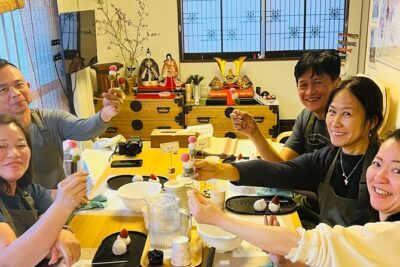 ★ 5.0Private Mochi Sweets Making class near Shibuya areaFrom $7993 reviews
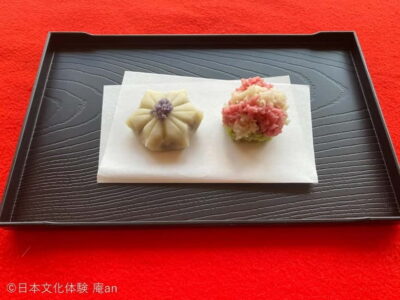 ★ 4.7Japanese Traditional Sweets making and Tea CeremonyFrom $1850 reviews
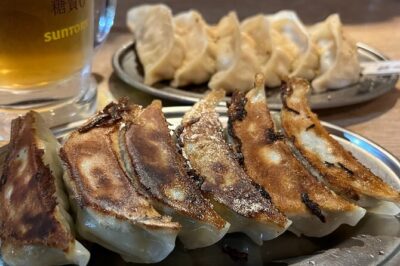 ★ 5.0Tokyo Local Food Tour: Noodles, Skewers, Dumplings, SweetsFrom $7448 reviews
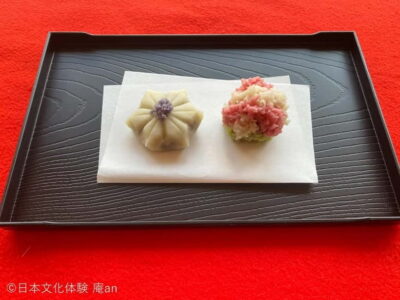 ★ 4.6Two Types of Japanese Sweets Making and Tea CeremonyFrom $2826 reviews
 ★ 5.0Mochi Matcha Gluten Free Japanese Sweets Class near Shibuya areaFrom $11226 reviews
Browse the lists this tour appears in