
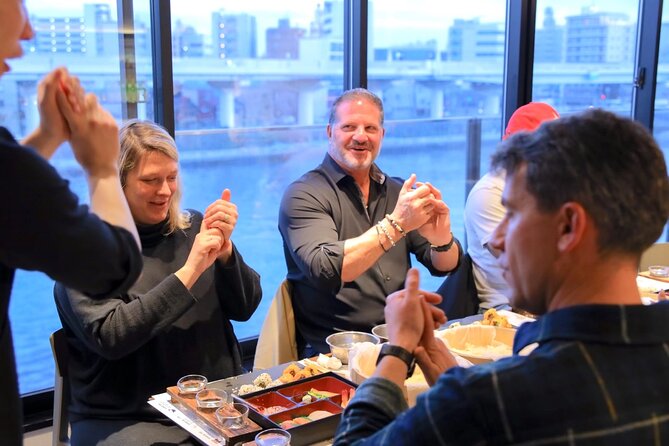
Reviewed · ASAKUSA & SENSOJI TOURS
Japanese Food Cooking Class in Asakusa, Tokyo
Sushi and matcha in one class is a smart Asakusa stop. I like that you get two hands-on skills in about three hours, and both happen close to the historic lanes around Sensoji Temple. That combo makes it more than a snack break.
What I really like is the English step-by-step instruction and the calm, patient pace reported in the class—people specifically called out instructors Jun and Kazu for being friendly and thorough. The only real drawback to weigh: there’s no hotel pickup, so you’ll need to make your own way to the meeting point near Kaminarimon.
Quick highlights
- Two lessons in one session: matcha whisking first, then sushi rolling and nigiri
- Small group size: up to 15 people, so you’re not lost in a crowd
- English speaking instructor with hands-on guidance
- You eat what you make, since ingredients and the meal are included
- Near Sensoji, making it easy to pair with a temple walk
In This Review
- Asakusa in 3 Hours: Why This Cooking Class Makes Sense
- Matcha Making: The Quiet Skill Before the Sushi Rush
- Sushi Making in Asakusa: Rolling, Shaping, and Getting It Right
- The Instructor Team: What English-Friendly Teaching Looks Like
- Meeting Point Near Kaminarimon: Easy to Find, Not Hard to Skip
- Time Planning: How the 3-Hour Flow Fits a Tokyo Day
- Price and Value: What You’re Paying For
- What You’ll Take Home: Skills, Food, and a Tokyo Story
- Who Should Book This (and Who Might Not)
- FAQ
- FAQ
- Is this cooking class near public transportation?
- Where does the class meet?
- How long is the experience?
- What do we make during the class?
- Is an instructor included, and do they speak English?
- What’s included in the price?
- Do I need to arrange hotel pickup?
- How many people are in the group?
- Do I need experience to join?
- What’s the cancellation policy?
- Final Call: Should You Book This Asakusa Class?
Asakusa in 3 Hours: Why This Cooking Class Makes Sense
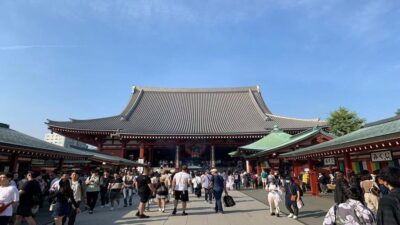
Asakusa is one of those neighborhoods where your Tokyo day can swing between old and new without effort. You can do temples, street scenes, and shopping, then switch gears to something hands-on that gives you a story to take home.
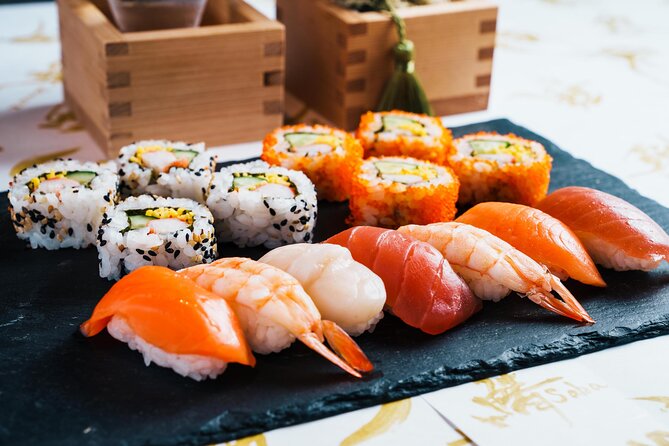
This class is built around two iconic Japanese experiences: you’ll whisk matcha the traditional way, then make sushi from scratch. The format is straightforward—short lessons, clear instruction, and a finished plate at the end—so you’re not stuck watching while everyone else cooks.
The value angle is good for a food-focused activity. You’re paying for an instructor, the ingredients, and the meal itself. That matters in Tokyo, where many cooking experiences either teach but don’t feed you much, or they feed you but keep the instruction brief.
Matcha Making: The Quiet Skill Before the Sushi Rush
The session starts with matcha, about an hour. This is your slower, more mindful warm-up, and it changes the mood of the class right away. You’ll be learning the art of Japanese tea and whisking matcha using the traditional method, which is more than just mixing powder and water.
Why this part is worth your time: matcha has a texture and foaminess that depend on technique. When you learn the proper whisking approach, you don’t just leave with a drink—you leave with a method you can repeat later. It also sets you up well for sushi, because both parts of the class are about doing small steps correctly.
If you’re the type who likes cultural detail, this section tends to satisfy. One big theme from what people report is that the instructors explain what they’re doing and why, not just tell you what to copy. Even if you’re a total beginner, you should find it approachable because you’ll have real-time coaching.
More temple mornings in old Asakusa
- Tokyo: Japanese Dance Cabaret Theater Asakusa-Kaguwa Ticket
★ 4.8 · 2,270 reviews - Tokyo: Meiji Shrine, Asakusa, Skytree Bus Tour and Cruise
★ 4.7 · 1,986 reviews - Tokyo: Roll and Authentic Sushi Making Class in Asakusa
★ 4.9 · 1,957 reviews - Tokyo: Asakusa Walking Tour with Sensoji Temple Visit
★ 4.8 · 1,583 reviews
Sushi Making in Asakusa: Rolling, Shaping, and Getting It Right
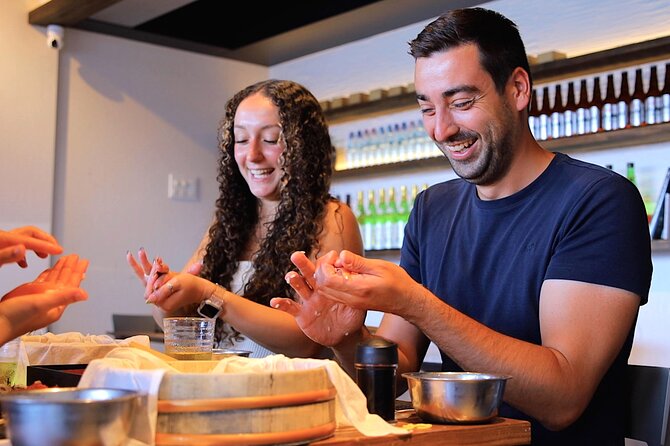
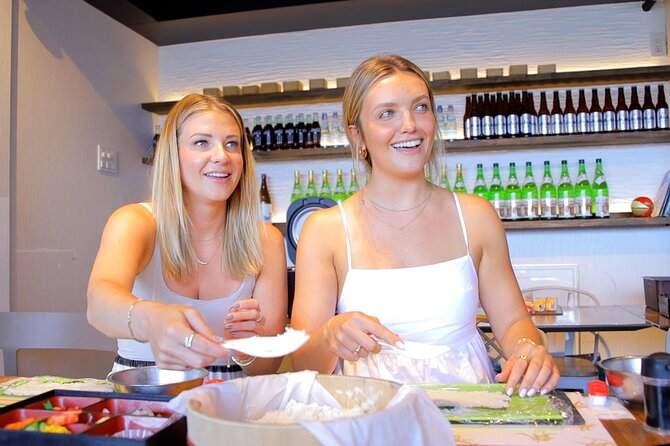
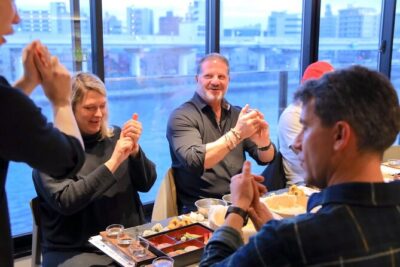
Then it’s time for the sushi portion, running about 1 hour 40 minutes. This is the main event—rolling sushi and making nigiri—with fresh ingredients and lots of time to practice.
A key reason this class earns strong praise is the way it’s taught. People highlight step-by-step instruction and a patient pace, which is exactly what you want when you’re learning technique that feels fiddly at first. Sushi rice matters, shaping matters, and the way you handle your ingredients affects the final look and taste.
You’ll also get a sense of sushi basics beyond just the mechanics. Some participants mention the class sharing context about sushi, which helps your work feel less random and more like a craft. That’s the difference between a fun activity and a skill you understand.
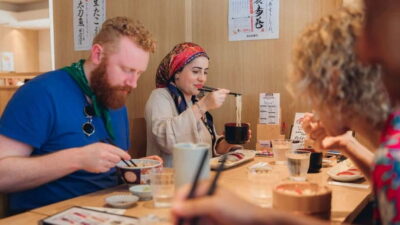
And yes, the end product matters. If your goal is to eat great sushi you made yourself, this format is built for it: you’re not just making one roll and walking out. People specifically said they ended up making several pieces, with sushi that tasted good at the end of class.
The Instructor Team: What English-Friendly Teaching Looks Like
This is a small-group cooking class with an English speaking instructor. That sounds simple, but it’s a huge deal in practice. When you’re learning food technique, you need fast, clear feedback. English guidance reduces the risk that you’ll do it “kind of right” while missing the details that make sushi taste right.
Two instructor names show up in the class feedback: Jun and Kazu. People described them as knowledgeable and patient, and also funny and friendly. That combination is underrated. You don’t just want someone who can teach; you want someone who keeps the room calm while you concentrate.
Also pay attention to pacing. Several comments mention that the team makes sure you end up with great sushi. That usually means the instructors actively check your work, not just lecture and hope for the best.
Meeting Point Near Kaminarimon: Easy to Find, Not Hard to Skip
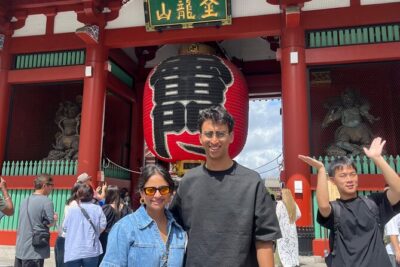
The class meets at 2-chōme-17-9 Kaminarimon, Taito City, Tokyo 111-0034. The good news: it’s a short walk from the Sensoji Temple area. That makes it convenient if you’re already doing the classic Asakusa route.
There’s no hotel pickup or drop-off. So plan to arrive on your own and return to the same meeting point afterward. In a city like Tokyo, that’s totally doable, but it does mean you shouldn’t book this as a last-minute add-on if you’re relying on taxis or if you’re tired from a long day.
Ticket wise, you’ll use a mobile ticket. That’s typically smooth—no searching for paper tickets. Still, it’s smart to have your phone charged and your ticket ready when you arrive.
Time Planning: How the 3-Hour Flow Fits a Tokyo Day
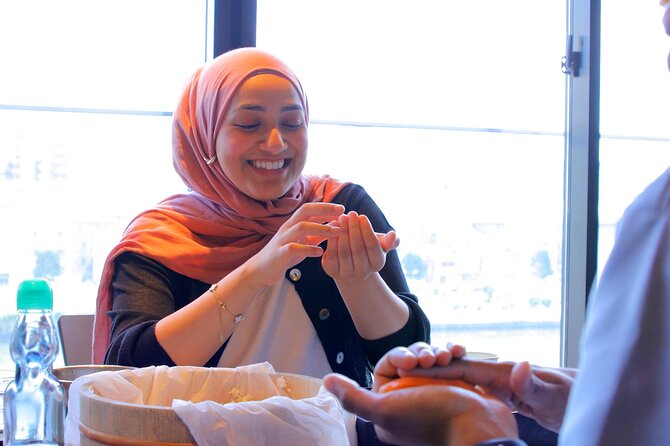
The class runs about three hours. In that window, you’ll do matcha first (about an hour), then sushi (about 1 hour 40 minutes). The exact pacing can vary by group, but the structure is consistent.
How I’d slot it into your day: if you want Asakusa sightseeing, do your temple walk first, then come to class while you’re still energized. You’ll finish with something filling, so you can often keep dinner simple afterward.
If you’re visiting with kids, the timing is also workable. People specifically praised it as family-friendly, including a case where children aged 7 and 9 had a great time. Sushi is tactile and matcha is interesting to watch—so kids usually stay engaged as long as the instructor keeps the process clear.
One more scheduling tip: build in a little cushion for getting there. The meeting point is near public transportation, but Asakusa streets can be lively, and you’ll want time to settle in.
Readers also shortlisted these Tokyo bookings:
- Tokyo: Shinjuku Food Tour (13 Dishes at 4 Local Eateries)★ 5.0 · 6,603 reviews
- Tokyo Tsukiji Fish Market Food and Culture Walking Tour★ 5.0 · 3,184 reviews
- Tokyo: Shinjuku Food Tour (15 Dishes and 4 Eateries)★ 4.9 · 2,033 reviews
- Best of Shinjuku: Izakaya Food Tour (4 Stops, 14+ Tastings)★ 5.0 · 1,863 reviews
- Tokyo: Tsukiji Fish Market Food and Walking tour★ 5.0 · 1,724 reviews
Price and Value: What You’re Paying For
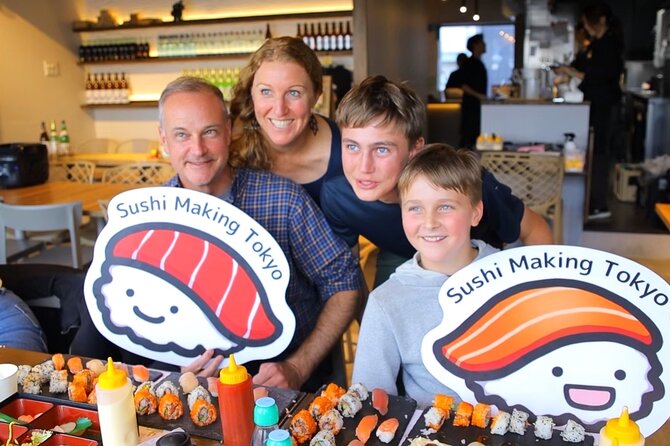
The price is listed at $85.87 per group (up to 1). For a cooking class, that can sound like a lot until you compare what’s included.
Here, ingredients and the meal are included, and you get an English speaking instructor for about three hours of hands-on time. That’s the core value: you’re not paying for a demo, you’re paying for coaching plus what you eat.
The class also limits group size to a maximum of 15 travelers. Smaller groups usually mean more time for questions and more practical attention, especially for technique like sushi shaping and matcha whisking.
If you’re traveling solo, this format can be especially attractive because you still get personal instruction rather than getting pushed into a giant group workflow. If you’re traveling with others, you’ll want to check how the up-to-1 group wording works for your booking—but the overall structure is still small-group.
What You’ll Take Home: Skills, Food, and a Tokyo Story
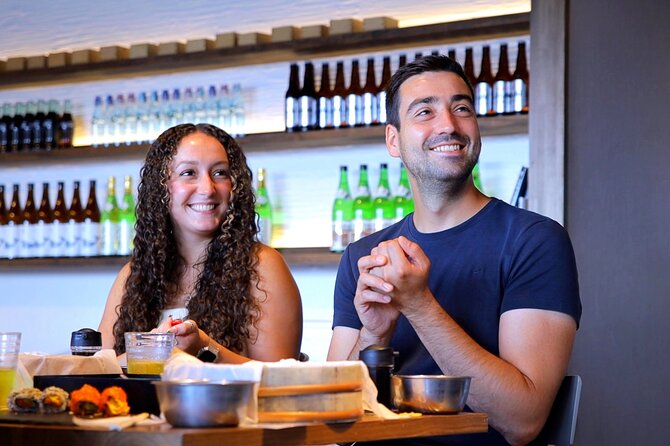
This class is good at producing a clear payoff: you learn sushi technique, you learn matcha preparation, and you eat the results. That’s a rare combination. Many food tours teach you something but don’t let you fully participate, or they let you participate but don’t cover technique.
What I like about the overall experience is that it connects Tokyo food culture to something you can actually repeat. Matcha whisking is the kind of skill you can bring home and practice. Sushi making is harder to master instantly, but you’ll start with real fundamentals and a better sense of how rice, seasoning, and shaping come together.
And because the class is in Asakusa, the memory comes with a sense of place. When you’re done, you’re right where old Tokyo energy is visible—so it feels like part of your travel story, not a separate activity in a random district.
Who Should Book This (and Who Might Not)
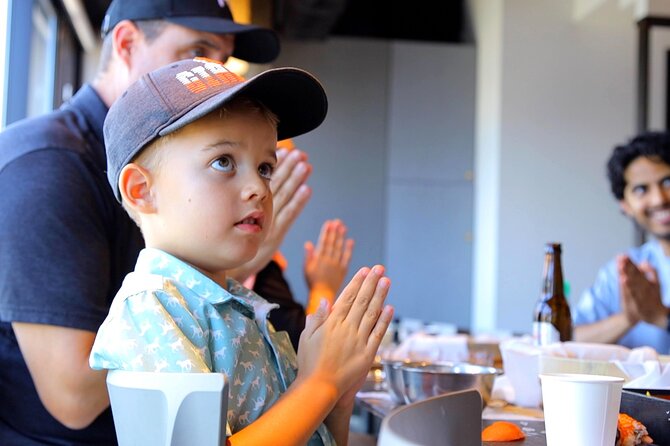
This is a strong fit if you want an experience that’s:
- hands-on, not just a meal
- taught in English
- close to major Asakusa sights like Sensoji
- structured with enough time to make multiple sushi pieces
It’s also a good choice for families who want kids to participate. People have pointed out it works well for children, with clear instructions and a focus on getting good results.
Who might reconsider: if you strongly prefer a casual sightseeing day with no need to travel to a set meeting point, the lack of hotel pickup could feel annoying. Also, if you’re not interested in cooking at all and only want to eat, you might find a food tour with tastings more comfortable than hands-on technique.
FAQ
FAQ
Is this cooking class near public transportation?
Yes. The experience is listed as near public transportation, and it uses a specific meeting point near Kaminarimon.
Where does the class meet?
The start point is 2-chōme-17-9 Kaminarimon, Taito City, Tokyo 111-0034, Japan. The activity ends back at the meeting point.
How long is the experience?
It runs about 3 hours in total.
What do we make during the class?
You’ll do matcha making first (about 1 hour), then sushi making (about 1 hour 40 minutes), including sushi rolling and making nigiri.
Is an instructor included, and do they speak English?
Yes. An English speaking instructor is included, and they guide you through the steps.
What’s included in the price?
Included are the ingredients of the cooking class and the meal, plus the instructor.
Do I need to arrange hotel pickup?
No. Hotel pickup and drop-off are not included, so you’ll need to get to the meeting point yourself.
How many people are in the group?
The maximum group size is 15 travelers.
Do I need experience to join?
No experience is needed, and most travelers can participate.
What’s the cancellation policy?
Free cancellation is available. You can cancel up to 24 hours in advance for a full refund.
Final Call: Should You Book This Asakusa Class?
If your Tokyo trip needs one activity that’s practical, interactive, and tied to a real neighborhood, book it. The two-part setup—matcha whisking plus sushi making—gives you a full cultural and food experience in about three hours, and the instruction is designed to get you to a good result.
I’d especially pick it if you like learning by doing, or if you’re traveling with kids who want to make their own food. Just go in knowing you’ll meet at Kaminarimon without hotel pickup, and you’ll be set for a satisfying day in Asakusa.
More Food & Drink in Tokyo
- Tokyo: Shinjuku Food Tour (13 Dishes at 4 Local Eateries)
★ 5.0 · 6,603 reviews - Tokyo Tsukiji Fish Market Food and Culture Walking Tour
★ 5.0 · 3,184 reviews - Tokyo: Shinjuku Food Tour (15 Dishes and 4 Eateries)
★ 4.9 · 2,033 reviews - Best of Shinjuku: Izakaya Food Tour (4 Stops, 14+ Tastings)
★ 5.0 · 1,863 reviews - Tokyo: Tsukiji Fish Market Food and Walking tour
★ 5.0 · 1,724 reviews
More Tour Reviews in Tokyo
- Mt Fuji and Hakone 1-Day Bus Tour Return by Bullet Train
★ 5.0 · 26,383 reviews - 1-Day Tokyo Bus Tour
★ 5.0 · 14,250 reviews - Tokyo: teamLab Planets TOKYO Digital Art Museum Entry Ticket
★ 4.6 · 9,779 reviews - Mt Fuji & Hakone Cruise, Drum Show Bullet Train 1 Day from Tokyo
★ 4.0 · 7,413 reviews - Tokyo: Shinjuku Food Tour (13 Dishes at 4 Local Eateries)
★ 5.0 · 6,603 reviews
More Mornings in Old Asakusa
- Tokyo: Japanese Dance Cabaret Theater Asakusa-Kaguwa Ticket
★ 4.8 · 2,270 reviews - Tokyo: Meiji Shrine, Asakusa, Skytree Bus Tour and Cruise
★ 4.7 · 1,986 reviews - Tokyo: Roll and Authentic Sushi Making Class in Asakusa
★ 4.9 · 1,957 reviews - Tokyo: Asakusa Walking Tour with Sensoji Temple Visit
★ 4.8 · 1,583 reviews - Tokyo Asakusa Rickshaw Tour
★ 5.0 · 1,375 reviews
Latest Tokyo reviews off our desk

Asakusa & Sensoji Tours, compared.
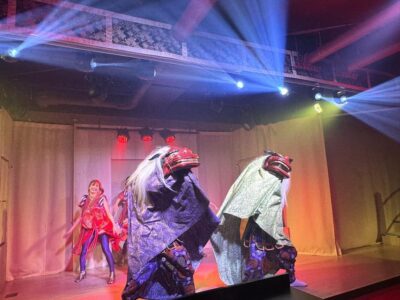 ★ 4.8Japanese Dance Cabaret Theater Asakusa-Kaguwa TicketFrom $492,270 reviews
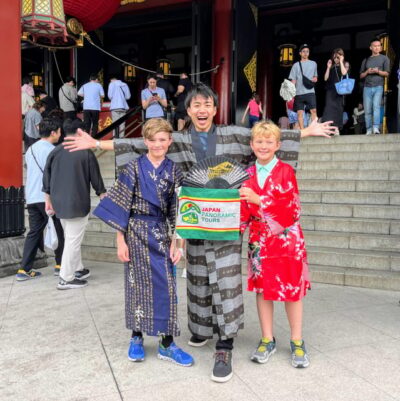 ★ 4.7Meiji Shrine, Asakusa, Skytree Bus Tour and CruiseFrom $1221,986 reviews
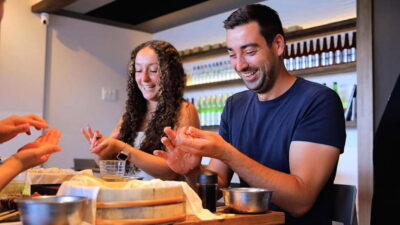 ★ 4.9Roll and Authentic Sushi Making Class in AsakusaFrom $581,957 reviews
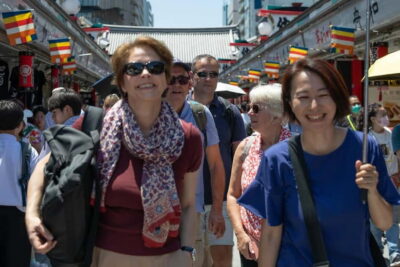 ★ 4.8Asakusa Walking Tour with Sensoji Temple VisitFrom $221,583 reviews
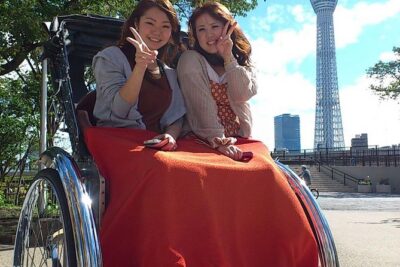 ★ 5.0Tokyo Asakusa Rickshaw TourFrom $421,375 reviews
 ★ 4.5Tokyo Panoramic 1 Day: Meiji Shrine, Asakusa, Odaiba and SKYTREE®From $851,222 reviews
 ★ 5.0Tokyo Go Kart: Asakusa, Skytree, and Akihabara **IDP MUST**From $99988 reviews
 ★ 4.7Asakusa, Skytree & Akhihabara Go-Kart City ExperienceFrom $96761 reviews
Browse the lists this tour appears in