
Reviewed · DESSERT TOURS
Japanese Traditional Sweets making
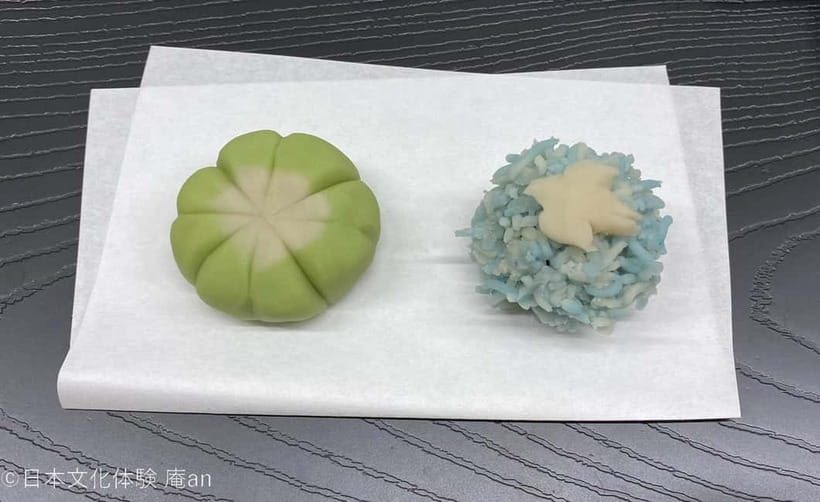
Japanese sweets can look like art, fast. This hands-on class focuses on Nerikiri shaping with Kyoto-sourced white/red bean paste, and you’ll build two seasonal sweets to match the time of year. I like that the session is structured and clear, and I also like that you can taste your finished sweets right there on the spot. One thing to consider: the class can feel rushed, with little time at each step, and the room may be large enough that sightlines from the back are not great.
Here in Tokyo, at AN TOKYO Japanese Culture Experience in Honshu, you’re not just watching. You’re working with real ingredients and producing two finished pieces that you plate like an artwork before eating. If you like practical lessons and want something more active than another photo stop, this is a solid fit.
The experience is best for people who want a short, focused workshop (about 65 minutes) and don’t mind moving along on the instructor’s timing. If you’re the type who prefers slow, detailed pacing and extra time for photos, you may want to mentally prepare for a quick run-through.
In This Review
- Key highlights you’ll care about
- Making Nerikiri in Tokyo: what you’ll actually create
- Kyoto bean paste: why the ingredient detail matters
- The 65-minute flow: explanation, two Nerikiri styles, and eating time
- Classroom setup, sightlines, and how to avoid feeling stuck
- Instructor energy: clear guidance with a fast pace
- Price and value: what $11 covers (and what costs extra)
- Where you’ll meet: AN TOKYO Japanese Culture Experience in central Tokyo
- Who this Nerikiri class suits best
- Should you book this workshop
- FAQ
- What sweets will I make during the experience?
- How long is the experience?
- Can I eat the sweets on the spot?
- What is the price per person?
- Where is the meeting point?
- What’s included in the fee, and what costs extra?
- Is English translation available?
- Are there any optional certificate details I should know?
- What is the cancellation policy?
Key highlights you’ll care about
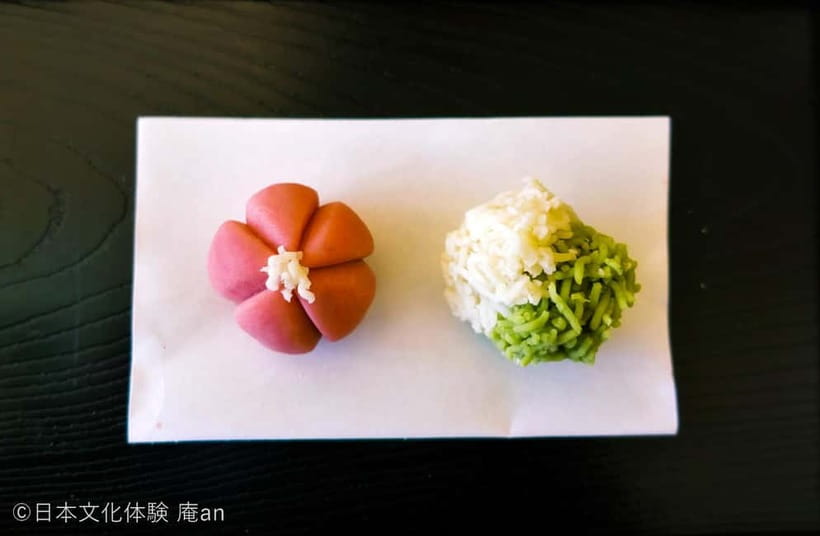
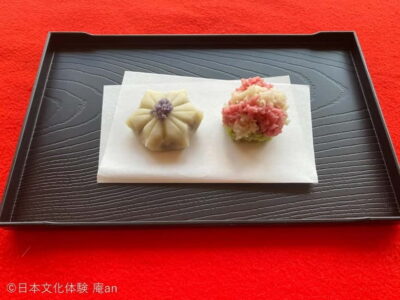
- Two seasonal Nerikiri sweets: you make a flower-shaped one plus a Kinton Nerikiri
- Kyoto bean paste ingredients: white/red bean paste from long-established shops in Kyoto
- Made and eaten in class: you can try the sweets on the spot
- Short, timed workshop flow: short stages, then picture time, then eating
- English support as available: Japanese is used, with English translation provided as much as possible
- Value for the time: included instruction and materials for a low per-person price
Making Nerikiri in Tokyo: what you’ll actually create
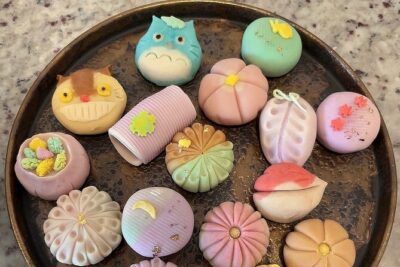
This class centers on Nerikiri, a traditional Japanese sweet format you shape into seasonal designs. Your hands-on part is not vague or open-ended. You’re guided through making two sweets, both chosen to match the season.
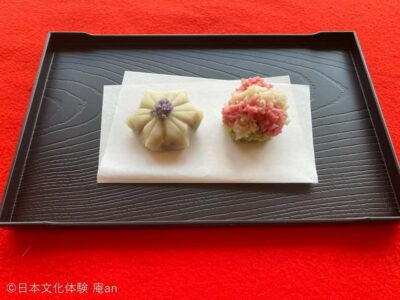
You start with a short orientation to the sweets, then you move into shaping. One is a flower-shaped Nerikiri, and the second is Kinton Nerikiri. When you place your completed sweets on the plate, the whole point is that your work looks like you assembled a small edible artwork, not just a snack.
I like the clarity of that goal. You can walk out with something tangible: two finished sweets that reflect the season and your own hands-on work.
Readers also shortlisted these Tokyo bookings:
- Matcha Making Class in Tokyo with Authentic Japanese Sweets Set
★ 5.0 · 744 reviews - Tokyo: Matcha Making Experience with Mochi Sweets in Asakusa
★ 4.9 · 388 reviews - Make Traditional Nerikiri Sweets & Matcha experience in Shibuya
★ 5.0 · 130 reviews - Private Mochi Sweets Making class near Shibuya area
★ 5.0 · 93 reviews
Kyoto bean paste: why the ingredient detail matters
One detail that makes this class feel more grounded is the ingredient sourcing. You use white/red bean paste produced by Kyoto’s long-established shops. That’s not just marketing fluff. If you’re the kind of person who can taste small differences, you’ll probably appreciate knowing the sweetness base is coming from a well-established source.
Also, bean paste is the core of Nerikiri style sweets. So when the class highlights that the paste is from Kyoto shops, it tells you what they’re paying attention to: the part that defines the sweetness and texture experience.
In plain terms: the ingredient quality matters because you’re not making a craft with a placeholder filling. You’re making an actual sweet with a real, consistent filling.
The 65-minute flow: explanation, two Nerikiri styles, and eating time
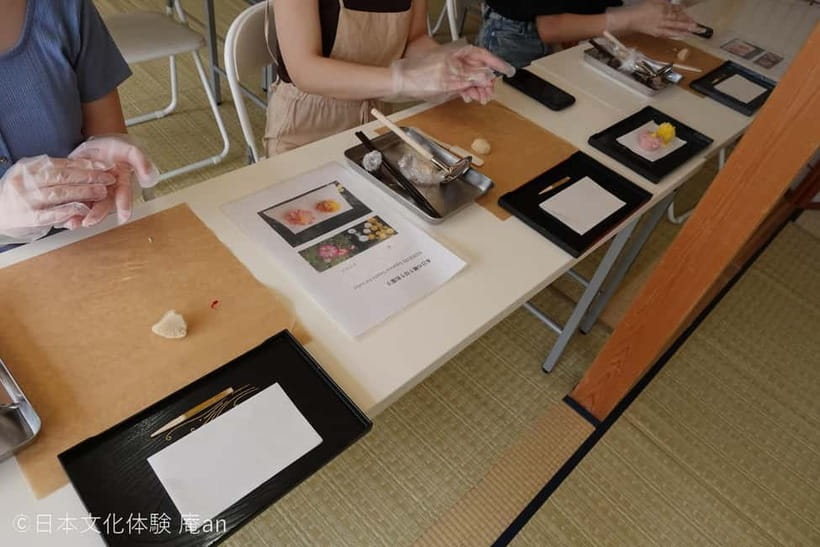
The timing is tight, and the structure is predictable. That’s good if you like a schedule you can trust.
Here’s how the session runs:
- You begin with a short start to the experience, then get an explanation of Japanese traditional sweets.
- Next comes the first hands-on stage: making the flower-shaped Nerikiri.
- Then you make the second one: Kinton Nerikiri.
- After the making portion ends, there’s picture time.
- Finally, you get time to eat the sweets on the spot.
A practical note: some past participants felt the class can be very rushed, with very brief windows to complete each step before moving on. I’d plan like that might be the pace. If you want to work slowly, you might feel pressure even if you’re doing fine.
On the bright side, that same speed can work in your favor. You’re not stuck in a long workshop. You’ll be finished, photographed, and eating within about an hour.
Classroom setup, sightlines, and how to avoid feeling stuck
This is the part where your comfort level can make or break the experience.
The setting can be a larger classroom that holds around 30 people, and if you’re seated toward the back, you might struggle to see the details clearly. If you’re booking with a friend or solo and you care about visibility, try to choose seating early when you arrive.
There’s also a practical issue with personal items. One review mentioned that there’s nowhere to hang coats, so bags and coats may end up on the floor. If you’re carrying a backpack, it’s worth arriving with less bulky outerwear if possible.
Finally, language is another factor. The experience lists that Japanese is used, and English translation is provided as much as possible. If you’re not comfortable with fast instruction, you’ll have an easier time if you show up ready to watch, follow gestures, and copy the steps.
Instructor energy: clear guidance with a fast pace
The instructor is listed as Japanese, and the class uses Japanese plus English support when available. In a well-run workshop, that combination usually works: you watch the movement, get the key meaning, then follow along.
What I’d watch for is the tempo. Some participants reported the instructor moving quickly through each stage, with only about 30–40 seconds to finish each task before the next step begins, and a push to eat and leave promptly.
That doesn’t automatically mean it’s a bad class. It means you should treat it like a time-boxed craft lesson. You’ll get instruction, but you’ll also need to stay ready to shift tasks quickly.
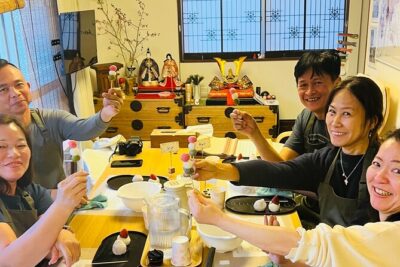
If you’re the kind of person who likes social, short activities, this can also be a nice fit. One highlight in feedback was that it’s a good way for solo travelers to connect in the room, even though you’re each making your own sweets.
- Tokyo: Shinjuku Food Tour (13 Dishes at 4 Local Eateries)★ 5.0 · 6,603 reviews
- Tokyo Mt Fuji 5th St & Hakone Cruise Bus Tour w/Bullet Train★ 4.4 · 5,024 reviews
- Flagship 2-Hours Official Street Go-Kart Tour – Tokyo Bay Shop★ 5.0 · 4,974 reviews
- From Tokyo: Mount Fuji Full-Day Sightseeing Trip★ 4.5 · 4,970 reviews
- Tokyo: Hop-On Hop-Off Sightseeing Bus Ticket★ 3.9 · 4,207 reviews
Price and value: what $11 covers (and what costs extra)
At $11 per person for a 65-minute workshop, the value is driven by how much is included.
What’s included:
- A set of Nerikiri making experience (the class itself and the sweet-making activity)
What’s not included:
- A sweets take-out box for 100 JPY
- An optional experience completion certificate for 300 JPY
- If you want a nominative certificate, you need to provide your names in advance. Otherwise, they may leave a blank space.
So you get the core experience without surprises. The take-out box is a simple add-on if you want to bring sweets home, and the certificate is mostly for keepsake or gifting.
Is it worth it? For many people, yes, because you’re paying for:
- hands-on instruction,
- real ingredients (the Kyoto bean paste detail),
- two finished seasonal sweets,
- picture time,
- and a chance to eat what you made immediately.
If you’re expecting a slow, deep explanation of ingredients and technique, the price might feel low compared to that kind of service, but that’s not what this format is built for.
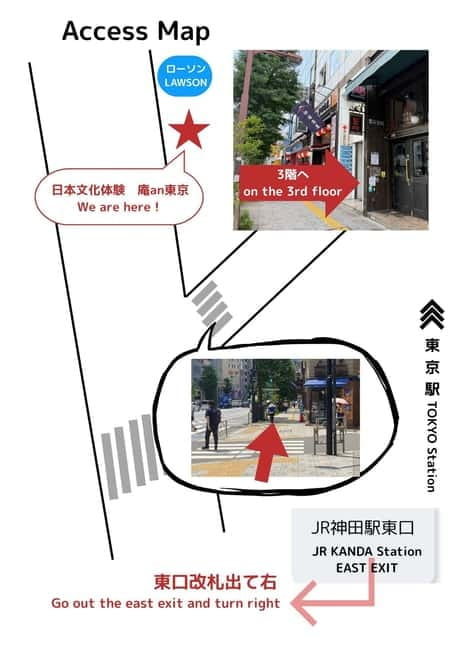
Where you’ll meet: AN TOKYO Japanese Culture Experience in central Tokyo
You meet at AN TOKYO Japanese Culture Experience. The provided coordinates are 35.6916541, 139.7715022.
Operational hours are listed as 10:00 to 17:00. Reservations made after 17:00 are processed the next day. Since the class is time-boxed and the event may not be held to accommodate delays, try to arrive a bit early so you can settle and find your spot.
Who this Nerikiri class suits best
This experience fits best if you:
- want a short hands-on workshop with a clear output (two sweets)
- like seasonal themes and don’t mind moving at the instructor’s pace
- want a low-cost activity in Tokyo that ends with tasting your own work
- enjoy social energy in a shared classroom while still making your own sweets
It may not fit as well if you:
- hate feeling rushed or need extra time at each step
- care a lot about being able to see fine instructions from where you sit (especially if you might be at the back)
- need a place to properly hang coats or keep bags elevated and out of the way
Should you book this workshop
Book it if you want a fast, practical taste of Japanese traditional sweets making, with Kyoto bean paste at the center and a payoff of two seasonal Nerikiri you can see, photograph, and eat.
Skip it or consider alternatives if your ideal class is slow, detailed, and calm. The workshop format here can feel quick, and classroom visibility and item storage might be less comfortable than a smaller, quieter setting.
If you’re on the fence, here’s my simple decision rule: if you can follow steps quickly and you’re happy with a 65-minute craft sprint, this is good value.
FAQ
What sweets will I make during the experience?
You will make two seasonal Japanese traditional sweets called Nerikiri: one flower-shaped Nerikiri and one Kinton Nerikiri.
How long is the experience?
The duration is 65 minutes.
Can I eat the sweets on the spot?
Yes. There is an eating time, and you can try and eat the sweets on site.
What is the price per person?
The price is listed as $11 per person.
Where is the meeting point?
The meeting point is AN TOKYO Japanese Culture Experience, with coordinates 35.6916541, 139.7715022.
What’s included in the fee, and what costs extra?
Included is the Nerikiri making experience. Not included are a sweets take-out box (100 JPY) and an optional completion certificate (300 JPY).
Is English translation available?
English translation is provided as much as possible. The experience also notes that if you want to add English translation, you should contact them.
Are there any optional certificate details I should know?
If you want a nominative completion certificate, you need to let them know your names in advance. Otherwise, they will leave a blank space.
What is the cancellation policy?
Free cancellation is available up to 24 hours in advance for a full refund. Reservations after 17:00 are treated as the next day for processing.
More Dessert Tours in Tokyo
- Matcha Making Class in Tokyo with Authentic Japanese Sweets Set
★ 5.0 · 744 reviews - Tokyo: Matcha Making Experience with Mochi Sweets in Asakusa
★ 4.9 · 388 reviews - Make Traditional Nerikiri Sweets & Matcha experience in Shibuya
★ 5.0 · 130 reviews - Private Mochi Sweets Making class near Shibuya area
★ 5.0 · 93 reviews - Japanese Traditional Sweets making and Tea Ceremony
★ 4.7 · 50 reviews
More Tour Reviews in Tokyo
- Mt Fuji and Hakone 1-Day Bus Tour Return by Bullet Train
★ 5.0 · 26,383 reviews - 1-Day Tokyo Bus Tour
★ 5.0 · 14,250 reviews - Tokyo: teamLab Planets TOKYO Digital Art Museum Entry Ticket
★ 4.6 · 9,779 reviews - Mt Fuji & Hakone Cruise, Drum Show Bullet Train 1 Day from Tokyo
★ 4.0 · 7,413 reviews - Tokyo: Shinjuku Food Tour (13 Dishes at 4 Local Eateries)
★ 5.0 · 6,603 reviews
Latest Tokyo reviews off our desk




Dessert Tours, compared.
 ★ 5.0Matcha Making Class in Tokyo with Authentic Japanese Sweets SetFrom $21744 reviews
 ★ 4.9Matcha Making Experience with Mochi Sweets in AsakusaFrom $22388 reviews
 ★ 5.0Make Traditional Nerikiri Sweets & Matcha experience in ShibuyaFrom $60130 reviews
 ★ 5.0Private Mochi Sweets Making class near Shibuya areaFrom $7993 reviews
 ★ 4.7Japanese Traditional Sweets making and Tea CeremonyFrom $1850 reviews
 ★ 5.0Tokyo Local Food Tour: Noodles, Skewers, Dumplings, SweetsFrom $7448 reviews
 ★ 4.6Two Types of Japanese Sweets Making and Tea CeremonyFrom $2826 reviews
 ★ 5.0Mochi Matcha Gluten Free Japanese Sweets Class near Shibuya areaFrom $11226 reviews
Browse the lists this tour appears in