
Reviewed · KAMAKURA DAY TRIPS
Kamakura Zen Temples and Gardens Private Trip with Government-Licensed Guide
Kamakura temples work better with a plan. This private 6-hour tour lets you pick your own mix of Zen temples and historic shrines, with context you won’t get from wandering alone. I especially like the government-licensed guide attention and the way the pacing stays realistic for walking and short stops. One drawback to know up front: entry fees, transport, and lunch are extra, so your final day budget will be higher than the headline price.
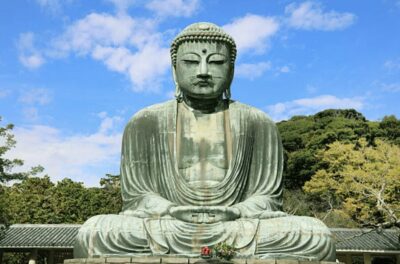
I also like how the route can be customized around what you actually care about, whether that’s bamboo at Hokoku-ji, the huge Buddha at Kotoku-in, or the hydrangea season at Meigetsuin. It’s a walking tour, and you may end up on uphill temple lanes and forested paths if you add the hiking-trail segment. If you don’t love hills or you want long stays in one place, you’ll want to choose your stops carefully.
In This Review
- Key highlights worth planning around
- Why Kamakura Zen temples feel different with a guide
- Price and logistics: what’s included vs what you’ll budget
- Building your ideal route from the 3–4 stop menu
- Engaku-ji and Kencho-ji: the Zen “top tier” start
- Hydrangeas at Meigetsuin and garden-temple context at Jochiji
- Hillside Zen temples: Jomyo-ji, Zuisen-ji, and the slow pace of the east
- Hokoku-ji bamboo grove and Kotoku-in’s Great Buddha
- Shrines that feel local: Tsurugaoka Hachimangu and Zeniarai Benten
- Enoshima Island: the coastal change of pace
- Hasedera’s eleven-headed Kannon and Nichiren stops for variety
- Kamakura hiking trails: the forest-side connection between temples
- What to do with your guide’s “customizable” power
- Should you book this private Zen tour?
- FAQ
- How long is the Kamakura Zen temples private trip?
- What’s included in the tour price?
- Are entrance fees included for all the temples and shrines?
- Is this tour walking only?
- Can I customize the stops on the tour?
- Is it a private tour?
- What’s the cancellation policy?
Key highlights worth planning around
- Pick 3–4 sights so you don’t lose your day in transit and ticket lines
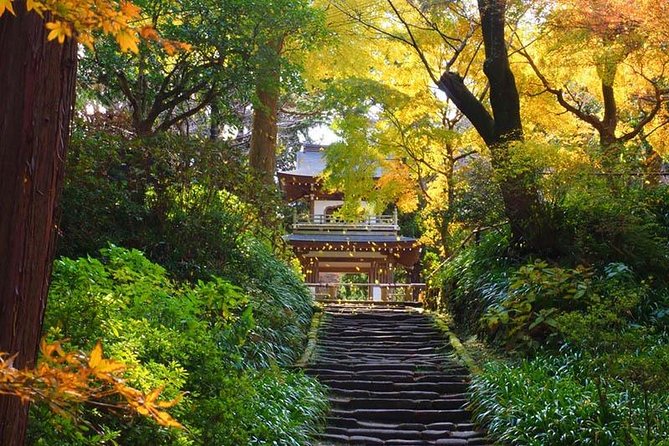
- Hokoku-ji bamboo grove with a dense backdrop of bamboo behind the main hall
- Kotoku-in Great Buddha and its practical photo moment in real courtyard space
- Tsurugaoka Hachimangu and coin-washing traditions that make the shrines feel alive
- Meigetsuin Hydrangea Temple for a flower-focused Zen stop when conditions are right
- Optional forest connections via Kamakura hiking trails linking temple areas
Why Kamakura Zen temples feel different with a guide
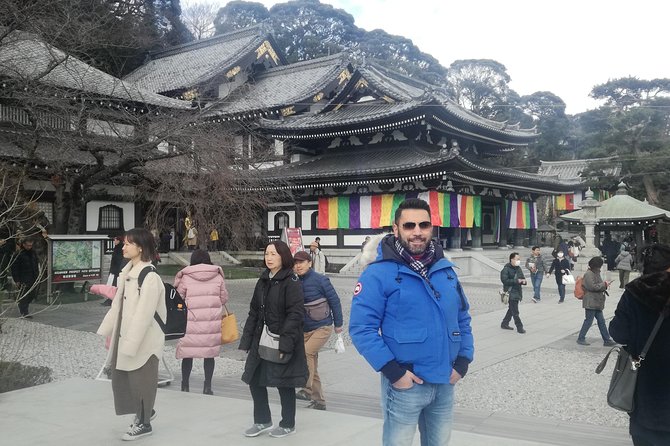
Kamakura can look simple on a map: hop between a shrine, a temple, and a viewpoint. In practice, it’s easy to overdo it. Stops are spread out across neighborhoods and hills, and you can spend more time figuring out where to go next than noticing what’s in front of you.
That’s where this private setup helps. You get a licensed English-speaking guide and a plan that can flex. You’re not locked into one long checklist, which matters when you’re trying to choose between classic Zen temple architecture, a Buddhist statuary highlight, and shrine traditions that don’t look like temples but feel just as meaningful.
I also like the way the tour keeps the day structured around short visits. Many stops are around 10–30 minutes, which is a good match for temple gardens and courtyard layouts—especially when there are multiple places you want to see.
Coast-and-Buddha days near Kamakura, rated
- Tokyo: Kamakura & Enoshima Day Trip including Temple Tickets
★ 4.5 · 1,375 reviews - From Tokyo: Kamakura & Enoshima 1-Day Bus Tour
★ 4.5 · 189 reviews - Kamakura Historical Walking Tour with the Great Buddha
★ 5.0 · 129 reviews - Kamakura Private Tour: Temples, Nature, and the Great Buddha
★ 5.0 · 121 reviews
Price and logistics: what’s included vs what you’ll budget
The tour price is $153.11 per person for about 6 hours. That covers the private guide time and the customizable selection of 3–4 sites from the available list. It’s not just “someone walks you around.” The value comes from interpretation—history, layout, and customs tied to what you’re looking at in each garden and hall.
What you should plan to pay separately:
- Entry fees (listed as not included)
- Transportation fees between sites
- Lunch and personal expenses
A small practical point: the tour uses a mobile ticket, and you meet your guide on foot within a designated Kamakura area. Because it’s a walking tour, you’ll want comfortable shoes. And because transport costs are extra, you’ll likely use buses or trains some of the time if the day includes scattered hills.
So yes, it can be pricier than a group bus tour. But for a private day where you choose fewer, better stops, it can end up feeling like you’re paying for time, comfort, and smart selection.
Building your ideal route from the 3–4 stop menu
The best part of this tour is that you don’t have to force yourself into every famous name. You can mix:
- Top Zen temples (Engaku-ji, Kencho-ji, Jufukuji, Jochiji, Jomyo-ji, Zuisen-ji, and more)
- A famous bamboo experience (Hokoku-ji)
- The classic “Kamakura Great Buddha” stop (Kotoku-in)
- Shrines with local rituals (Tsurugaoka Hachimangu, Zeniarai Benten)
- A Buddhist art heavy hitter (Hasedera)
- A coastal reset (Enoshima Island)
- Optional Nichiren/Jodo variety (Ankokuronji, Myohonji, Hasedera, and others)
- A short forest walk connection (Kamakura hiking trails)
Think of it like picking chapters. If you love Zen gardens and temple halls, stack the Zen sites. If you want photo icons plus one or two deeper garden stops, go Zen-light but add the big names.
Timing matters too. Many stops are 10–30 minutes, so if you pick four places, you’ll usually be moving at a steady walking pace rather than spending a long, slow afternoon inside one garden.
Engaku-ji and Kencho-ji: the Zen “top tier” start
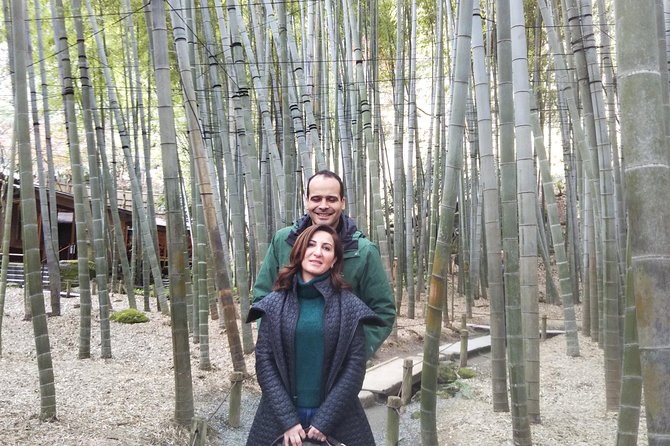
A strong way to begin is with Engaku-ji and Kencho-ji, two pillars of Kamakura’s Zen world.
Engaku-ji is a leading Zen temple in Eastern Japan and the number two of Kamakura’s five great Zen temples. It was founded in 1282 by the ruling regent Hojo Tokimune. Even if you only spend a short time here, it’s the kind of place where the setting and layout help you understand why Zen temples were built for quiet routine, not just sightseeing.
Kencho-ji is the number one of the five great and is also the oldest Zen temple in Kamakura, founded in 1253 by Hojo Tokiyori. If you like history with clear anchors, this is where you get it fast: the founding date, the rank, and the temple’s status.
Practical tip: these two stops set your mental picture for the day. Once you’ve seen the basic Zen temple rhythm, it’s easier to enjoy the differences at the next sites instead of feeling like you’re repeating the same courtyard again.
Hydrangeas at Meigetsuin and garden-temple context at Jochiji
If your timing matches the season, Meigetsuin (Hydrangea Temple) is the most “garden-forward” Zen option. It’s tied to the Rinzai Zen Sect, founded in 1160, and is nicknamed Ajisaidera because hydrangeas bloom in abundance on the temple grounds. When you walk through, you’re not just reading architecture—you’re watching how the grounds are designed to hold beauty at a specific time of year.
Then there’s Jochiji, a Rinzai branch temple connected to the Engaku-ji school, and it’s listed as the fourth of the five great Zen temples. This is the kind of stop that rewards a guide. Even in a short visit, you’ll notice that “Zen temple” isn’t one template. The emphasis changes by school, lineage, and setting.
If you’re planning photos, Meigetsuin is the one where you’re likely to want your camera ready. Jochiji is more about subtle details and the feeling of a maintained sacred space.
More quiet temple hours, reviewed
- Buddha, Bamboo & Zen – Bespoke Kamakura Private Walking Tours★ 5.0 · 25 reviews
Hillside Zen temples: Jomyo-ji, Zuisen-ji, and the slow pace of the east
Kamakura’s Zen temples aren’t all in one flat zone. Some are positioned in hillside areas or quieter valleys, which naturally slows you down.
Jomyo-ji sits in the hills of eastern Kamakura and is ranked fifth among the five great Zen temples. It was founded by the influential Ashikaga family, which helps explain why it feels tied to political power and patronage, not just religious devotion.
Zuisen-ji takes that hillside vibe further. It’s in the far east in a narrow valley surrounded by wooded hills, and it’s a branch temple of Engaku-ji. If you’re the type who likes places that feel slightly removed from the main flow, Zuisen-ji can be the calm mid-day reset.
Two more Zen-related names you might add if you go for variety:
- Tokeiji, a smaller branch temple of the Engaku-ji school (Rinzai), with Engaku-ji just a few hundred meters away
- Jufukuji, the number three of the five great Zen temples, a branch of Kencho-ji’s school, established by order of Minamoto Yoritomo’s wife Ma… (the text cuts off, but the Minamoto connection is clear)
These short visits are often easier with a guide because they help you notice what to look at in each setting—stonework, garden layout, temple lineage, and why the site is where it is.
Hokoku-ji bamboo grove and Kotoku-in’s Great Buddha
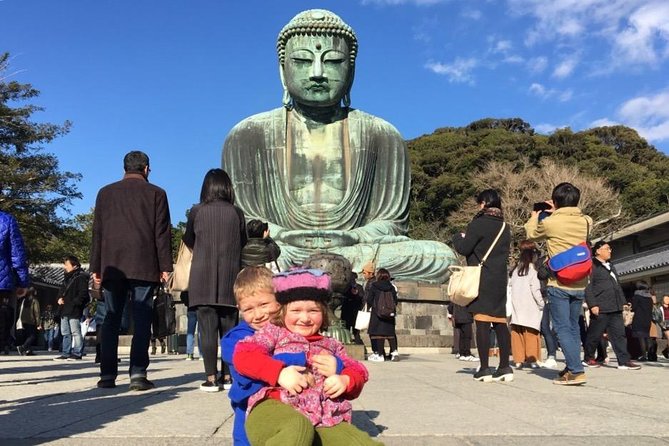
Two stops are basically Kamakura’s “signature combo,” and this tour includes both.
Hokoku-ji is best known for its small but dramatic bamboo grove behind the main hall, with over 2,000 dark green bamboo stalks. You walk through narrow pathways, and the density creates that classic bamboo effect: shade, texture, and a feeling of stepping into another sound world.
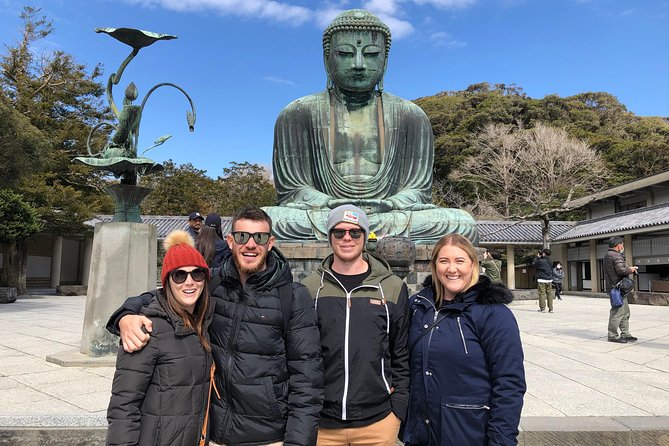
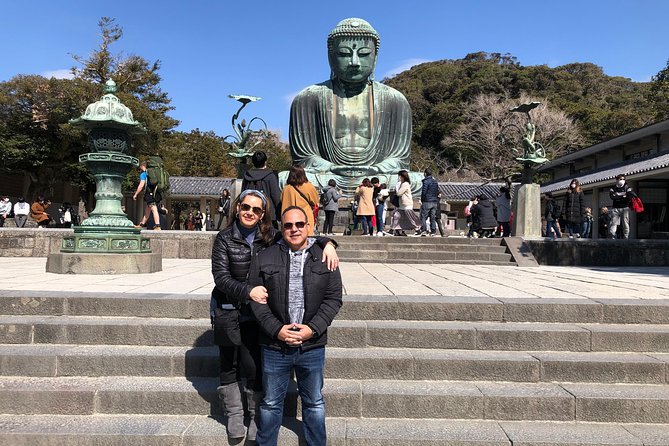
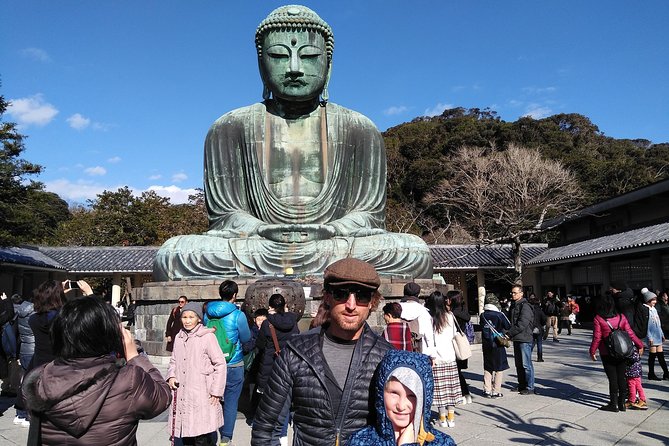
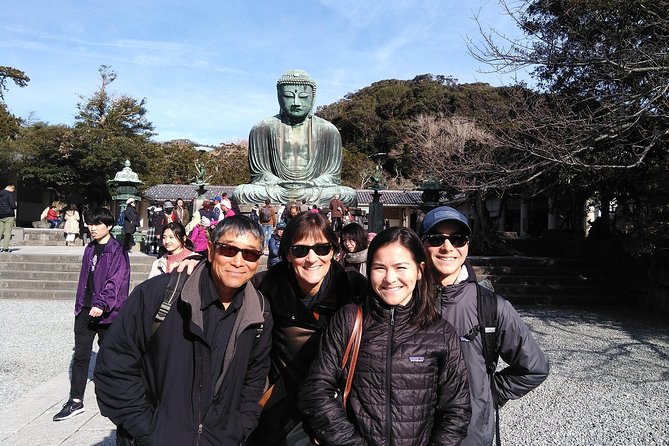
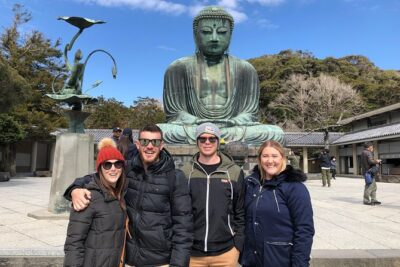
Then, Kotoku-in delivers the big image most first-time visitors come for: the Great Buddha of Kamakura. The statue is a bronze Amida Buddha standing on Kotoku-in’s grounds, and it’s 11.4 meters tall. This isn’t a tiny shrine statue you pass by. It’s big enough that your viewpoint changes as you walk around it.
One tip from practical experience in places like this: keep your expectations for photos realistic. Courtyards can be crowded depending on timing, so focus on angles and moments where the surrounding architecture frames the statue rather than trying to “solve” the crowd problem.
Shrines that feel local: Tsurugaoka Hachimangu and Zeniarai Benten
Kamakura is famous for Zen, but it’s also a shrine town with distinct traditions.
Tsurugaoka Hachimangu Shrine is dedicated to Hachiman, the patron god of the Minamoto family and samurai in general. The description also notes connections to the deified spirits of Emperor Ojin (identified with Hachiman) and Hime-gami. Admission here is free, which is a nice budget win if you want at least one no-ticket stop in your selection.
Then there’s Zeniarai Benten Shrine, a popular spot in western Kamakura where people visit to wash their money. The name, Zeniarai, literally refers to coin washing. The belief is that money washed in the shrine’s spring brings good fortune—so yes, you might see people with small coins and a very focused mindset.
I love how these stops add cultural texture without requiring a long museum-style explanation. You watch the ritual, you learn what it means, and the whole thing clicks faster than it would from a guidebook.
Enoshima Island: the coastal change of pace
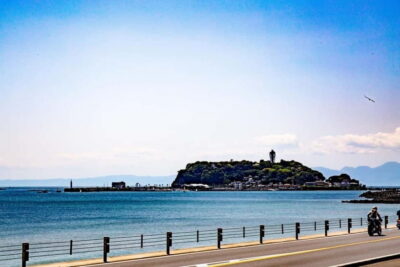
If you want variety beyond temples, the tour list includes Enoshima Island. It’s only a short train ride west of Kamakura and is connected to the mainland by a bridge. Admission is listed as free, and the island is described as pleasantly touristy, with a variety of attractions including a shrine.
This stop works well when you’re doing a temple-heavy day and your legs are starting to feel the walking in the hills. It also gives you a different kind of atmosphere: coastal air, different views, and a break from garden courtyards.
Hasedera’s eleven-headed Kannon and Nichiren stops for variety
If one stop can tug at your attention like a magnet, it’s Hasedera Temple. It’s part of the Jodo sect and is famous for an eleven-headed statue of Kannon. The gilded wooden statue is listed as 9.18 meters tall, and it’s regarded as one of the largest wooden sculpture types in its category (the text notes this but cuts off on exact wording). Either way, it’s the kind of scale that changes how you experience the temple space.
If you like having different Buddhist strands represented in one day, the tour list also includes Nichiren temples:
- Ankokuronji (Nichiren sect), founded around 1253 when Nichiren first came to Kamakura
- Myohonji (Nichiren sect), founded in 1260 by Hiki Yoshimoto
These stops can be great contrast points after Zen sites. The architecture and devotional focus feel different, and a guide can explain why those differences matter.
Kamakura hiking trails: the forest-side connection between temples
Kamakura isn’t only temples on a street. It also has wooded hills that connect temple areas through trails.
The tour includes time for Kamakura Hiking Trails, described as connecting temples via attractive paths through the woods. The city is surrounded by the ocean in the south and hills in other directions, so even short trail segments can give you that “Kamakura is more than one district” feeling.
This is where you’ll want to be honest about your energy. The listed hiking time is short (about 10 minutes), but even short trail walks involve uneven ground and stairs depending on where you go. If you’re visiting in hot weather or rain, this is one segment where good shoe choice pays off.
What to do with your guide’s “customizable” power
The tour’s flexibility is the main reason it feels worth it. Before you start, I’d use the guide to solve your biggest unknowns fast:
- Which sites do you want most: Zen gardens or shrines and rituals?
- Are you more interested in big icons (Great Buddha) or flower-season garden detail (Meigetsuin)?
- Do you want a coastal break (Enoshima), or keep the day fully inland?
One nice example of this customization showed up in real guide experiences. In at least one case, the route focused on buses toward Kotoku-in (Big Buddha) and then Hasedera, and the day included a lunch stop for hiyashi udon, chilled white wheat noodles served at room temperature. That kind of practical local food advice is exactly what turns a temple tour into a day you remember.
Also, guides have reportedly handled weather and pacing well. One guide named Kappa was associated with a rainy-day plan and a focus on appreciating nature. Another guide named Seky was reported to connect the day with a cooler moment around the bamboo area and green tea. Even if your exact day differs, it’s a signal that your guide should help you adjust, not just “read facts.”
Should you book this private Zen tour?
Book it if you want Kamakura Zen temples and shrines with real context, and you like the idea of choosing 3–4 stops instead of racing through 10. It’s also a good match if you care about variety: Zen lineage places like Engaku-ji and Kencho-ji, a bamboo walk at Hokoku-ji, the scale of Kotoku-in’s Great Buddha, and ritual shrines like Tsurugaoka Hachimangu and Zeniarai Benten.
Skip it or adjust expectations if you’re trying to maximize raw number of sights, or if you hate walking hills. Because it’s a walking tour and because entry fees, lunch, and transport cost extra, you’ll want to budget and plan your comfort.
If you get the balance right—fewer stops, well chosen—you’ll come away with Kamakura that feels specific, not generic.
FAQ
How long is the Kamakura Zen temples private trip?
It’s listed as about 6 hours.
What’s included in the tour price?
The tour includes a licensed local English-speaking guide and a customizable walking tour of 3–4 sites. A mobile ticket is included. Entry fees, transport, and lunch are not included.
Are entrance fees included for all the temples and shrines?
No. Admission ticket costs are not included, and the guide entry fees are only covered for sights listed under what to expect.
Is this tour walking only?
Yes. It’s described as a walking tour, and pickup is on foot. You meet your guide within a designated area of Kamakura.
Can I customize the stops on the tour?
Yes. The tour is described as customizable, and you choose your preferred attractions from the available sites.
Is it a private tour?
Yes. It’s a private tour/activity, so only your group will participate.
What’s the cancellation policy?
It offers free cancellation. You can cancel up to 24 hours in advance for a full refund.
More Tour Reviews in Kamakura
- Tokyo: Kamakura & Enoshima Day Trip including Temple Tickets
★ 4.5 · 1,375 reviews - From Tokyo: Kamakura & Enoshima 1-Day Bus Tour
★ 4.5 · 189 reviews - Kamakura Historical Walking Tour with the Great Buddha
★ 5.0 · 129 reviews - Kamakura Private Tour: Temples, Nature, and the Great Buddha
★ 5.0 · 121 reviews - Kamakura Walking Tour – The City of Shogun
★ 5.0 · 100 reviews
More Quiet Temple Hours
- Buddha, Bamboo & Zen – Bespoke Kamakura Private Walking Tours
★ 5.0 · 25 reviews
More Kamakura and Enoshima Days
- Tokyo: Kamakura & Enoshima Day Trip including Temple Tickets
★ 4.5 · 1,375 reviews - From Tokyo: Kamakura & Enoshima 1-Day Bus Tour
★ 4.5 · 189 reviews - Kamakura Historical Walking Tour with the Great Buddha
★ 5.0 · 129 reviews - Kamakura Private Tour: Temples, Nature, and the Great Buddha
★ 5.0 · 121 reviews - Kamakura Walking Tour – The City of Shogun
★ 5.0 · 100 reviews
Latest Kamakura reviews off our desk
Kamakura Day Trips, compared.
 ★ 4.5Kamakura & Enoshima Day Trip including Temple TicketsFrom $581,375 reviews
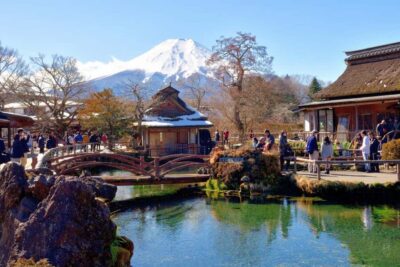 ★ 4.5Mt. Fuji, Kamakura, Big Buddha, & Lake Ashi Day TripFrom $49867 reviews
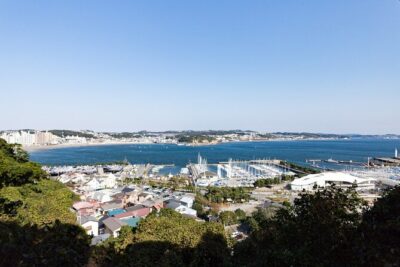 ★ 4.5From Tokyo: Kamakura & Enoshima 1-Day Bus TourFrom $66189 reviews
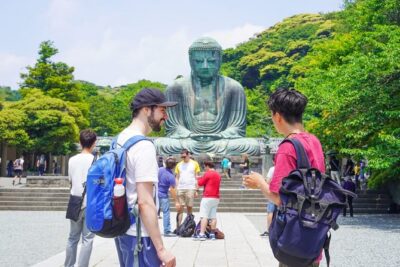 ★ 5.0Kamakura Historical Walking Tour with the Great BuddhaFrom $98129 reviews
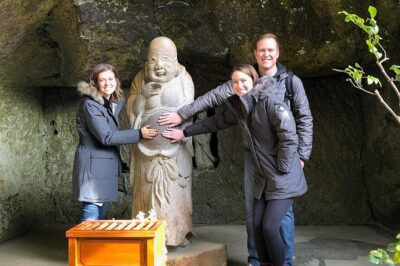 ★ 5.0Kamakura Private Tour: Temples, Nature, and the Great BuddhaFrom $98121 reviews
 ★ 5.0Kamakura Walking Tour – The City of ShogunFrom $35100 reviews
 ★ 4.9Sea of Mount Fuji, Hakone Ropeway, Ōwakudani, EnoshimaFrom $5084 reviews
 ★ 5.0Kamakura 8 hr Private Walking Tour with Licensed Guide from TokyoFrom $20180 reviews
Browse the lists this tour appears in