
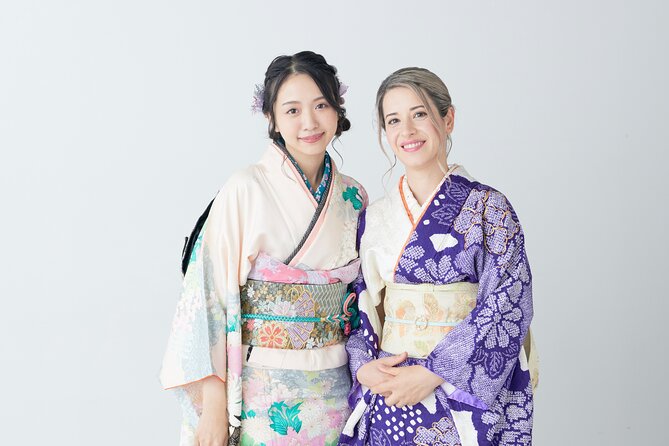
Reviewed · KIMONO & PHOTO SESSIONS
Let’s make kimono !(Kimono is a gift for you
A kimono workshop in a real Tokyo home. This is the kind of experience that feels personal fast: you’re in a residential setting, you pick from vintage kimonos, and you leave with a wearable result plus guidance on how to put it on yourself. It also comes with a service badge, including the Gold Award at the Omotenashi Selection for outstanding visitor experiences.
I especially like the free obi rental bundle and the way the staff helps you tailor what you choose to your size. Another big plus is the hands-on process: you’re not just dressed and sent out, you learn the steps and get photo time at the end.
One consideration: because the kimonos are vintage and the fit/final outfit can involve alteration, you may see small stains or notice the result isn’t always a perfectly formal, traditional look in every case.
In This Review
- Key things to know before you go
- Entering a Tokyo home, not a factory line
- Choosing your vintage kimono and understanding upgrades
- How the fitting works: customization that actually helps you wear it
- Obi and accessories: what’s included and how to make it look right
- The photo moment: where your effort becomes a memory
- Women’s kimono flow: choice, fitting, and learning to wear
- Men’s kimono flow: name in Kanji and more ironing time
- Kids can join: the children’s kimono experience is its own track
- Price and value: what you’re paying for, and what might cost extra
- Location and logistics: Koto City, easy if you give yourself time
- Small-group attention and the vibe that makes it comfortable
- What to wear and what to bring
- Should you book this kimono class?
- FAQ
- What is included in the workshop price?
- Do I get an obi as part of the experience?
- How long does the class take?
- Are there morning and afternoon sessions?
- Can I bring kids?
- Is it a big group?
- Are the kimonos new or vintage?
- Do I need to bring sandals and tabi?
- Can I cancel and get a refund?
- How does personalization work for men’s kimono?
Key things to know before you go
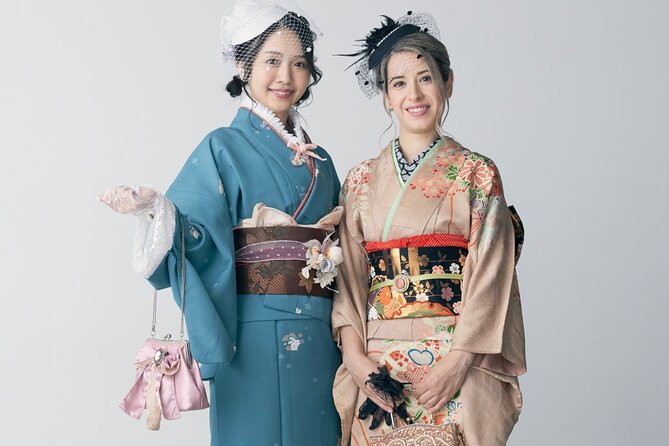
- Free obi rental included: you get obiage, obijime, and an obi pillow (with the option to buy your own)
- Pick your own vintage print: basic options are included, but upgraded kimonos cost extra (often for more ornate fabrics)
- Small group (max 5): you get real attention during the fitting and dressing steps
- Photos are part of the finish: plan to use this as your memory-maker moment
- Men’s and kids programs differ: men personalize with name writing, and children follow a separate flow
Entering a Tokyo home, not a factory line
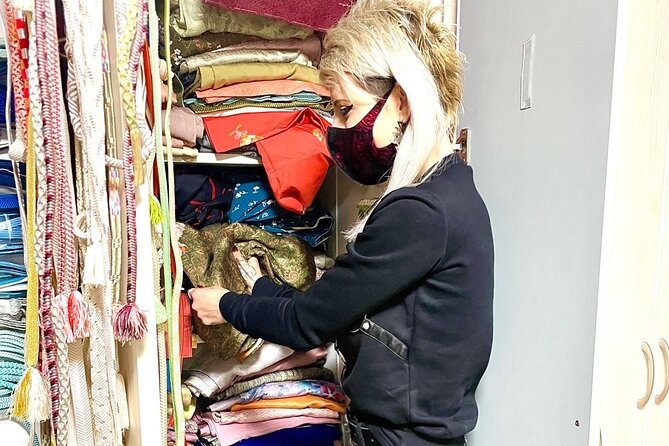
The best part of this kimono class is the feel. Instead of a big, generic rental shop, you’re guided through your choices in a small studio setting that feels like someone’s home district in Tokyo. It’s also capped at 5 travelers, which matters because kimono fitting is slow work and you don’t want to be rushed.
Another thing I like: the experience has real cross-cultural recognition. The Gold Award at the Omotenashi Selection is designed for products and services chosen by foreigners living in Japan, and it shows in the level of attention people report getting. In plain terms, the staff seems to know what visitors need to feel comfortable.
More kimono shoots, compared
- Tokyo: Kimono Dressing, Walking, and Photography Session
★ 4.9 · 427 reviews - Let’s make kimono !(Kimono is a gift for you
★ 5.0 · 252 reviews - Tokyo: Matcha and Kimono Experience
★ 4.7 · 219 reviews - Tokyo: Asakusa Kimono Dressing and Matcha Experience
★ 4.9 · 173 reviews
Choosing your vintage kimono and understanding upgrades
You start by selecting a kimono from a rack of vintage options. This is where the workshop becomes yours. The base price includes a basic kimono option, and upgrades let you choose something more ornate or detailed if you want a more dramatic look.
Women’s upgrades typically run JYP 2,000 to 6,000 depending on what you select. For men, the kimono and haori pairing is treated as a set, with the haori + kimono set listed as an additional charge of JYP 2,000. If you like control over fabrics and patterns, this is a good workshop because the staff works around your taste rather than forcing a single outfit.
One practical tip: since you’re choosing from vintage pieces, you should expect that some kimonos may have minor stains in certain areas. That doesn’t automatically mean a bad choice—sometimes it’s in a part that won’t show much once dressed—but it’s smart to keep it in mind as you decide how picky you want to be.
How the fitting works: customization that actually helps you wear it
The class is built around fitting and making your kimono work for your body. For women, you choose your kimono, then you customize it to your size. You learn how to wear it step-by-step and then you get time for photos in the finished look.
A theme that keeps showing up is that the technique is simple enough to learn in the time available. People mention basic construction steps and ironing/taping-type guidance that help the kimono stay in place. If you’re thinking it will be complicated and stressful, it likely won’t be. The staff is meant to make it approachable, even if you’ve never worn one before.
For men, the process is described more specifically as: choose a kimono (and potentially add a haori set), personalize it, and then follow the dressing steps that include ironing the kimono. Men also choose the color of the font for their name in Kanji, and the collar area becomes part of the customization.
Obi and accessories: what’s included and how to make it look right
You get a free obi rental included in the experience, with the option to purchase upgrades later. On top of that, the class includes obiage, obijime, and an obi pillow (also listed as free rentals with an optional purchase). These smaller items are what make the whole outfit look complete in photos.
Why this matters: obi styling is where most first-timers get lost. If you’re wearing a kimono for the first time, the goal is to look tidy and feel secure, and that’s exactly what the included accessories are for. You’re not expected to bring your own supplies or solve Japanese dressing culture by yourself.
Also, the workshop doesn’t include Japanese sandals and tabi. That’s not a deal-breaker, but it does mean you’ll either wear what you have nearby or plan a quick addition if you want the full traditional look. If your kimono photo matters, consider adding these so your feet match the outfit.
The photo moment: where your effort becomes a memory
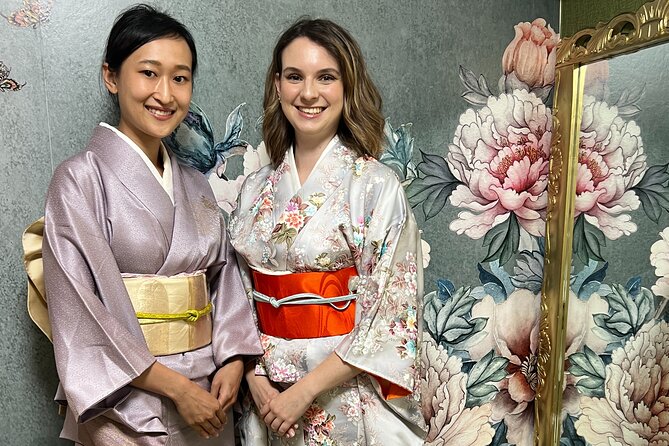
At the end of your session, you get photo time. This isn’t just a quick snapshot; it’s the final step after your kimono is fitted, your obi is arranged, and you’ve learned how to wear it. People describe the photos as a big part of the satisfaction, and some mention receiving images after when phone battery or similar issues got in the way.
My advice: treat the photo time like a small photo session, not an afterthought. Wear your kimono confidently. If you’ve just learned the steps, you’ll be tempted to rush back into street clothes. But this is the payoff window where you get to see how your choices and fit work together.
- Tokyo: Shinjuku Food Tour (13 Dishes at 4 Local Eateries)★ 5.0 · 6,603 reviews
- Tokyo Mt Fuji 5th St & Hakone Cruise Bus Tour w/Bullet Train★ 4.4 · 5,024 reviews
- Flagship 2-Hours Official Street Go-Kart Tour – Tokyo Bay Shop★ 5.0 · 4,974 reviews
- From Tokyo: Mount Fuji Full-Day Sightseeing Trip★ 4.5 · 4,970 reviews
- Tokyo: Hop-On Hop-Off Sightseeing Bus Ticket★ 3.9 · 4,207 reviews
Women’s kimono flow: choice, fitting, and learning to wear
Women’s sessions focus on selecting a kimono, customizing it to your size, learning how to wear it properly, and finishing with photos. You can pick a basic kimono included in the fee, or upgrade for more ornate options.
The workshop also makes room for the reality that body types vary. People highlight that the staff helped them fit the kimono even when they weren’t the typical size. That’s an underrated value: it’s not just about picking a pretty print; it’s about making it wearable for you.
If you care about details, you’ll probably enjoy the fitting talk. You’re likely to come away with a better sense of why the layers and positioning matter, which is useful if you ever want to try wearing a kimono again later.
Men’s kimono flow: name in Kanji and more ironing time
Men’s sessions add a fun personalization element. You print out your name in Kanji and choose the color of the font. Then you proceed through the kimono process, which includes ironing the kimono and completing the dressing steps.
There’s also a noted upgrade path: a haori + kimono set is listed as additional cost. If you want the extra formality or structure that a haori brings, plan for that in your budget.
The personalization part is a big reason men’s sessions feel different. Even if you don’t wear kimono often, having your name in Kanji on the outfit gives you a keepsake that feels more personal than a standard rental photo.
Kids can join: the children’s kimono experience is its own track
Yes, kids can join, and the workshop notes that children’s programs use a different itinerary from women’s. That matters because some children’s kimono options don’t require adjustment, meaning a child may be able to wear it without cutting materials.
For girls, the class mentions that some children’s kimono sets don’t require adjustment. For boys, the customization is a printed Japanese name on the collar.
Practical takeaway: if you’re traveling with kids, you’ll likely appreciate that the staff planned a kid-friendly flow instead of just fitting children into a completely adult-style process.
Price and value: what you’re paying for, and what might cost extra
The experience price is listed as $43.11 per person, and the duration is about 1 hour 30 minutes. That’s a solid baseline for a hands-on tailoring-and-dressing class, especially because the free obi rental and included accessories reduce what you’d otherwise need to purchase or figure out.
Still, you should expect optional upgrade costs. The basic kimono options are included, but more ornate vintage selections cost extra. Women’s upgrades are listed as JYP 2,000 to 6,000, and men may have additional cost for the haori + kimono set.
Is it worth it? In my view, it’s best if you want more than a quick rental. This isn’t only about wearing a kimono for an hour; it’s about learning how it works and getting a fitted result that you can keep as a souvenir. If you only want a low-cost costume, you might feel the extras quickly. But if you like the idea of picking your own fabrics and getting customized help, the value is strong.
Location and logistics: Koto City, easy if you give yourself time
The meeting point is 6-chōme-8-6 Kiba, Koto City, Tokyo 135-0042. The activity ends back at the meeting point. It’s noted as near public transportation, and it uses a mobile ticket, which reduces paper hassle.
Because you’re going to a residential-area studio, I suggest treating it like an appointment. Give yourself a little buffer time so you’re not hunting with a crowd. One review notes arriving in an older district can make you briefly worry you’re lost, but the experience staff helps you find the right place once you reach the area.
If you’re planning your day, schedule something flexible around the class. You’ll likely spend some time walking, settling in, and then moving into the fitting process.
Small-group attention and the vibe that makes it comfortable
A major strength is the staff vibe: people describe friendly, patient help and clear communication. One review specifically called out Oto Ha as very helpful, and that lines up with what you want in a first-time kimono experience: someone who can explain without judgment and adjust quickly when your fit or posture needs help.
Also, the cap of 5 travelers makes a difference for photos and dressing time. You’re not one person among ten trying to squeeze into a chair. The staff can slow down, correct small positioning issues, and help you feel like you’re doing it right.
If you’re worried about sitting on the floor or general comfort, it’s worth knowing that people reported no big issues even when older family members joined. Still, if you have mobility concerns, you might want to ask ahead how the seating setup works for your session.
What to wear and what to bring
The workshop includes kimono and the free rental accessories, but Japanese sandals and tabi aren’t included. That’s the main wardrobe gap to plan for.
Beyond that, keep your body comfortable. You’ll be learning to wear the kimono, and you’ll likely spend time being positioned and adjusted. Wear something easy to remove and put back on, and consider bringing a small bag for your personal items while you’re in your outfit.
Should you book this kimono class?
Book it if you want a small-group, hands-on kimono fitting with free obi rental and real time to make choices. It’s a great fit for couples, friends, and anyone who wants a memorable Tokyo activity that feels personal, not mass-produced.
Skip it or consider alternatives if you’re very focused on seeing a single, perfectly formal traditional kimono look start-to-finish. Because the kimonos are vintage and the process includes fitting and tailoring, the end result can be less “museum mannequin” and more “wearable, customized outfit,” depending on your selected option.
If you want a fun, creative cultural activity in a calm setting, this one is easy to recommend—especially because the staff helps you walk out understanding what you did and how to wear it with more confidence next time.
FAQ
What is included in the workshop price?
The experience includes the kimono plus a free obi rental. It also includes obiage, obijime, and an obi pillow as free rentals (with the option to purchase them).
Do I get an obi as part of the experience?
Yes. A free obi rental is included. You can also purchase an obi if you want.
How long does the class take?
The duration is about 1 hour 30 minutes.
Are there morning and afternoon sessions?
Yes. Morning or afternoon sessions are available to fit your schedule.
Can I bring kids?
Yes. Kids can join with children’s kimono experiences. The children’s itinerary differs from the women’s itinerary.
Is it a big group?
No. This activity has a maximum of 5 travelers.
Are the kimonos new or vintage?
The kimonos are described as vintage, and there might be stains in some areas.
Do I need to bring sandals and tabi?
Japanese sandals and tabi are not included.
Can I cancel and get a refund?
This experience is non-refundable and cannot be changed. If it’s canceled due to poor weather, you’ll be offered a different date or a full refund.
How does personalization work for men’s kimono?
Men’s kimono includes printing your name in Kanji and choosing the color of the font.
More Tour Reviews in Tokyo
- Mt Fuji and Hakone 1-Day Bus Tour Return by Bullet Train
★ 5.0 · 26,383 reviews - 1-Day Tokyo Bus Tour
★ 5.0 · 14,250 reviews - Tokyo: teamLab Planets TOKYO Digital Art Museum Entry Ticket
★ 4.6 · 9,779 reviews - Mt Fuji & Hakone Cruise, Drum Show Bullet Train 1 Day from Tokyo
★ 4.0 · 7,413 reviews - Tokyo: Shinjuku Food Tour (13 Dishes at 4 Local Eateries)
★ 5.0 · 6,603 reviews
More Kimono Photo Shoots
- Tokyo: Kimono Dressing, Walking, and Photography Session
★ 4.9 · 427 reviews - Tokyo: Matcha and Kimono Experience
★ 4.7 · 219 reviews - Tokyo: Asakusa Kimono Dressing and Matcha Experience
★ 4.9 · 173 reviews - Asakusa: Kimono Tea Ceremony with Matcha and Sweet
★ 4.9 · 153 reviews - Matcha Kimono Tea Ceremony in Tokyo
★ 5.0 · 104 reviews
Latest Tokyo reviews off our desk




Kimono & Photo Sessions, compared.
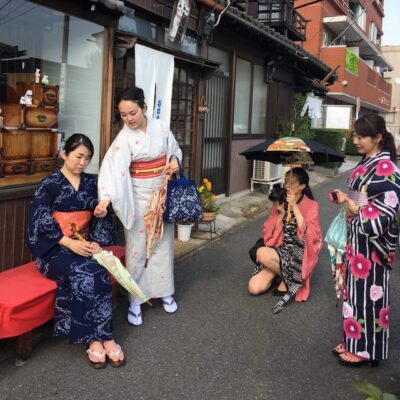 ★ 4.9Kimono Dressing, Walking, and Photography SessionFrom $67427 reviews
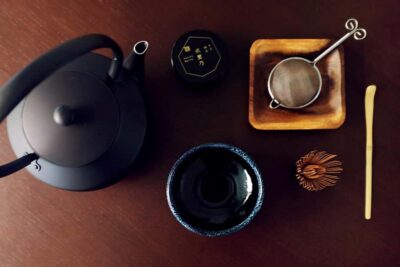 ★ 4.7Matcha and Kimono ExperienceFrom $57219 reviews
 ★ 4.9Asakusa Kimono Dressing and Matcha ExperienceFrom $56173 reviews
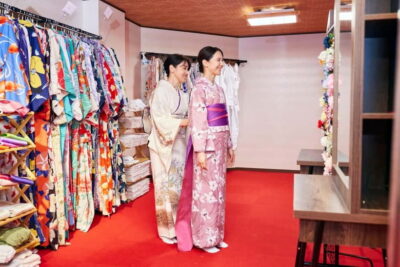 ★ 4.9Asakusa: Kimono Tea Ceremony with Matcha and SweetFrom $66153 reviews
 ★ 5.0Matcha Kimono Tea Ceremony in TokyoFrom $59104 reviews
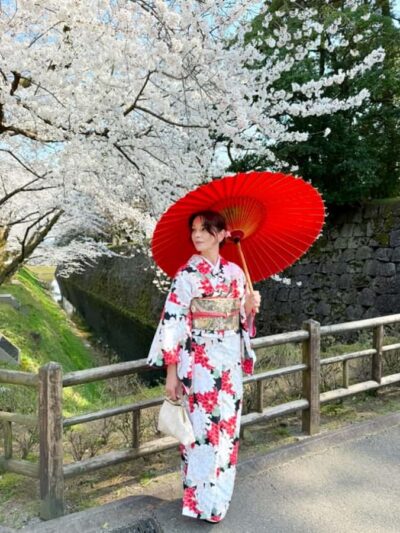 ★ 4.7Tokyo Asakusa: Traditional Kimono Rental Experience at WargoFrom $3387 reviews
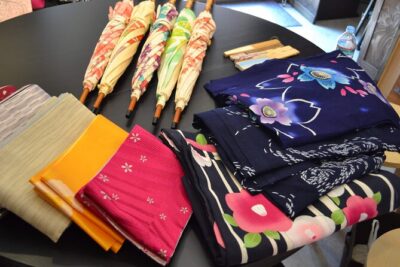 ★ 5.0Authentic Kimono Culture Experience Dress, Walk, and CaptureFrom $7157 reviews
 ★ 5.0Tokyo Authentic Kimono Rental in Asakusa with Photography OptionFrom $4546 reviews
Browse the lists this tour appears in