
Reviewed · TEA CEREMONY & MATCHA
Matcha Kimono Tea Ceremony in Tokyo
Ninety minutes, one bowl, and a new tea skill. This Shinjuku workshop pairs an easy-to-wear kimono with guided matcha tasting and hands-on instruction, so you’re not just watching a demo. You’ll get a real lesson on different teas and tea ceremony philosophy, then try making a bowl the traditional way with the right tools, plus snacks and a welcome drink.
Two things I love for practical Tokyo travel: the kimono is designed to go on fast, and the experience is small enough that you can ask questions and get help. The one consideration is simple: the activity includes a tatami room, so you’ll need socks (and late arrivals can lose your spot).
In This Review
- Key highlights at a glance
- Entering Shinjuku tea time without the intimidation factor
- Easy-to-wear kimono: fast costume, real confidence
- The matcha tasting lesson: 100+ choices and the first-flush focus
- Tea ceremony philosophy and manners: more than just steps
- Making your bowl: tools, technique, and small-group coaching
- What’s included: snacks, a welcome drink, and the tools you actually need
- Who this workshop suits best (and who might not love it)
- Price and timing: making it work with your day in Tokyo
- Should you book this matcha and kimono workshop?
- FAQ
- How long does the Matcha Kimono Tea Ceremony take?
- Where does the experience start and end?
- Is this a small group activity?
- What’s included in the price?
- Do I need socks for the tatami room?
- Is there a decaf option?
- What matcha does the workshop focus on?
- Is transportation included?
- What is the cancellation policy?
Key highlights at a glance
- Quick, easy kimono rental designed to be put on faster than a typical kimono
- First-flush matcha tasting from an in-house selection of 100+ matcha varieties
- Guided matcha comparison with the differences between Japanese and overseas matcha
- Tea ceremony etiquette coaching plus how to drink matcha properly
- Hands-on bowl making using tea tools, not just a lecture
- Decaf and alternative matcha options available for your cup
Entering Shinjuku tea time without the intimidation factor
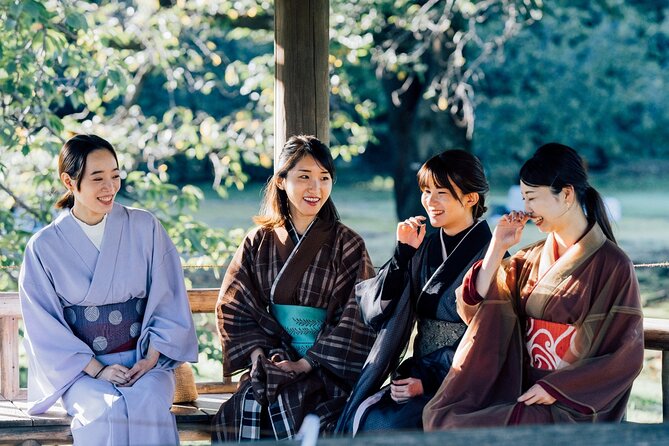
This is a matcha experience built for regular humans with limited patience between subway stops. The format is short (about 1 hour 30 minutes), the group is capped at 10, and the instruction is geared toward making you comfortable early—starting with clothing.
You’re also starting with the right mindset. Instead of pretending matcha is one single thing, the session frames it as a set of choices: varieties, aromas, and how they show up in flavor and texture. That makes the tasting part feel less like homework and more like a guided search for your personal favorite.
More tea rooms our readers rated
- Matcha Making Class in Tokyo with Authentic Japanese Sweets Set
★ 5.0 · 744 reviews - Tokyo: Traditional Tea Ceremony with a Tea Master
★ 5.0 · 528 reviews - Tokyo: Matcha Making Experience with Mochi Sweets in Asakusa
★ 4.9 · 388 reviews - Tokyo: Matcha and Kimono Experience
★ 4.7 · 219 reviews
Easy-to-wear kimono: fast costume, real confidence
The kimono is one of the biggest reasons this workshop works for visitors who want the look without the hassle. The rental is described as specially designed to be easy and quick to put on. In fact, the contrast is clear: a normal kimono can take about 30 minutes to put on, while this one is built for speed.
What that means for you on a Tokyo day:
- You spend less time standing around being adjusted, and more time learning.
- You don’t feel stuck if you’re anxious about getting dressed wrong.
- You can focus on the tea part instead of your own belt knot.
From what you’re told before the lecture starts, you’ll wear your chosen easy-to-wear kimono in the workshop setting, then move into the presentation. You’ll also get help getting it right and, if you’re hoping to capture the moment, a photo is included as part of the experience flow.
The matcha tasting lesson: 100+ choices and the first-flush focus
This is where matcha lovers get very happy. The session emphasizes an exclusive first flush matcha, described as the highest quality, selected from a collection of 100+ matcha varieties from across Japan. That’s a lot of range to compare in a short time, but the structure is what keeps it manageable.
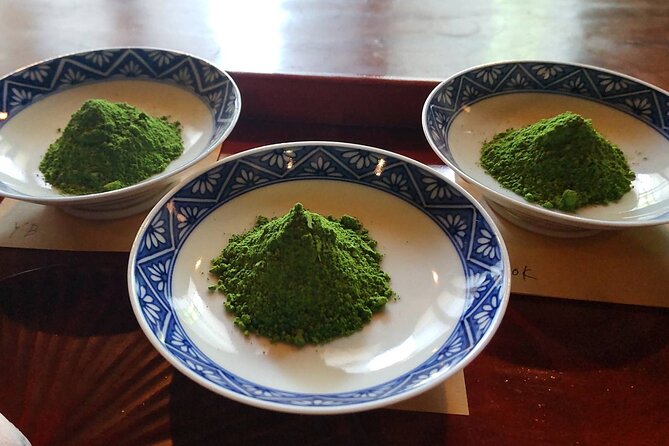
You’re guided to find your favorite using your eyes, nose, and tongue. That matters because matcha isn’t only about taste—it’s also about color and aroma. Looking at the hue can help you understand why different matcha feel different, and smelling first helps you avoid the surprise of a flavor you weren’t expecting.
The lesson also tackles something most people don’t realize until they’re told: Japanese matcha and overseas matcha can be very different. If you’ve only tried matcha from home or a generic café version, this is a useful reality check. You learn why the same word can mask different production choices—and how that translates in the cup.
If you’re worried you might not like matcha, the setup still gives you options: decaf and “Terror matcha” are available. The takeaway here is that the workshop isn’t designed as a one-size-fits-all green powder test.
Tea ceremony philosophy and manners: more than just steps
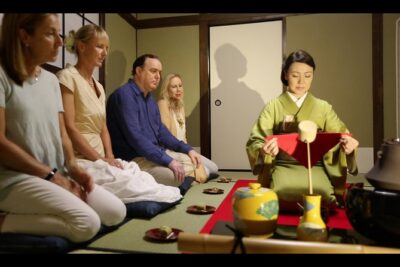
After the tasting and the kimono portion, you’ll shift into the tea presentation. The workshop covers the differences between teas—green, black, and even Chinese tea—so you understand that matcha sits inside a bigger world of tea traditions, not a separate universe.
Then comes the philosophy side. You’ll hear about the important concepts of tea ceremony, including the idea of “Teaism.” That might sound abstract, but in practice it’s a way to explain why people slow down for tea. It helps you understand why the ceremony is not only about making a drink, but about how you treat the moment, the tools, and the people around you.
They also teach basic drinking manner. That’s a big deal if you’re the type who wants to do things respectfully when you’re a visitor. You’ll get more than technique—you’ll get the etiquette that keeps you from feeling out of place.
Making your bowl: tools, technique, and small-group coaching
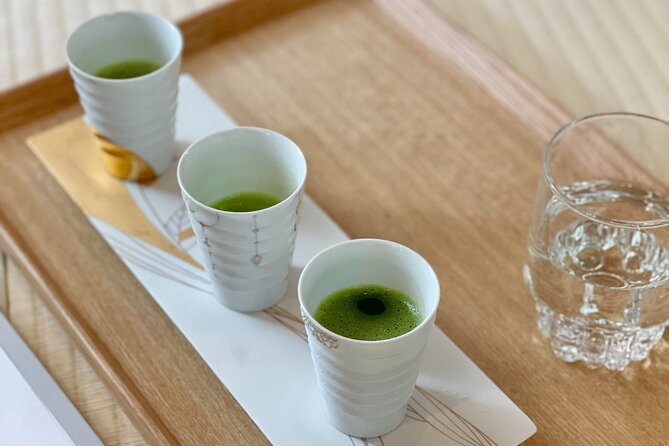
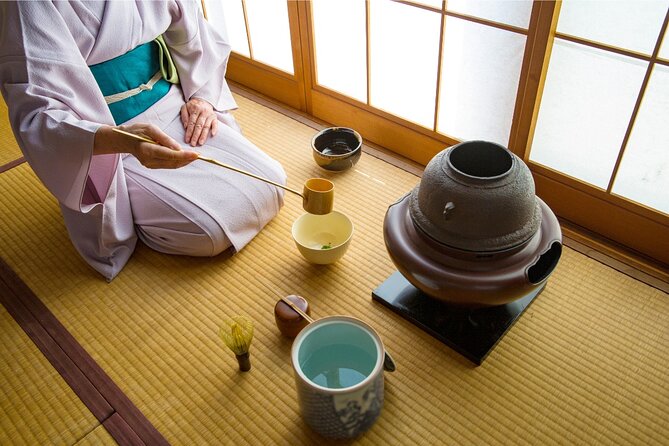
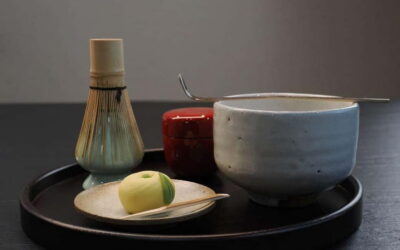
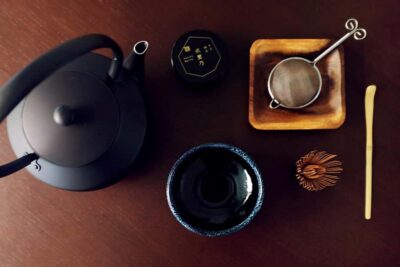
The final section is hands-on: you prepare a beautiful bowl of matcha using tea ceremony tools rental. This is not a “watch and hope” format. You’re learning the act of making the bowl the traditional way, and you’re doing it with the proper implements, not kitchen substitutes.
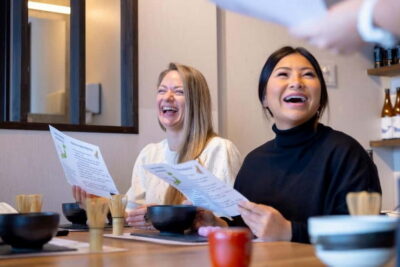
In a small group (max 10), you can usually ask a question without feeling rushed. And in the workshop vibe described, the host/teacher style is patient and supportive, including answering questions in fluent English. If you’re worried about pronunciation of tea terms or you want clarity on technique, you’ll likely appreciate that approach.
You’ll also learn basic manner for how to drink your bowl. That means the activity ends with more than a beverage. It ends with you understanding what to do with it once it’s in your hands.
And yes, this is still a matcha experience. The payoff is that you’re making the tea after learning what makes different matcha feel different.
More kimono shoots, compared
- Tokyo: Kimono Dressing, Walking, and Photography Session★ 4.9 · 427 reviews
- Let’s make kimono !(Kimono is a gift for you★ 5.0 · 252 reviews
- Tokyo: Matcha and Kimono Experience★ 4.7 · 219 reviews
- Tokyo: Asakusa Kimono Dressing and Matcha Experience★ 4.9 · 173 reviews
- Asakusa: Kimono Tea Ceremony with Matcha and Sweet★ 4.9 · 153 reviews
What’s included: snacks, a welcome drink, and the tools you actually need
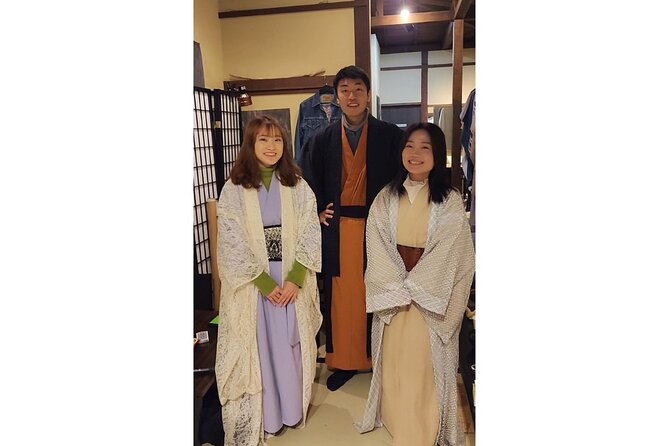
Let’s talk value, because at $59.46 per person, you want to know what you’re really buying. This price isn’t only for a lecture.
Included in the package:
- Easy-to-wear kimono rental
- Tea ceremony tools rental
- Japanese traditional snacks
- A welcome drink (coffee and/or tea), plus high-quality matcha as part of the tea experience
That combo matters in Tokyo. Kimono rentals alone can easily become pricey once you factor in time, photo handling, and the fact that you still need something to do with the costume. Here, the kimono and the tools are connected directly to a structured experience, not just a rental for walking around.
You’re also getting the tasting and the lesson. So the meal/snack component is small, but it fills the gap so you’re not going in hungry and then leaving to find food immediately.
Who this workshop suits best (and who might not love it)
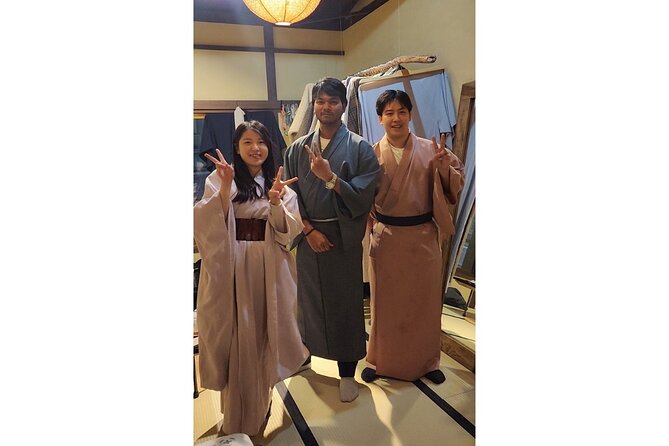
This matcha and kimono experience is well matched to visitors who want a cultural activity that’s:
- Short enough to fit real travel schedules
- Hands-on (you make the bowl)
- Guided with plenty of time to ask questions
- Built around a small group size
You’ll likely love it if:
- You’re a matcha fan or you want to learn what you actually like.
- You want a kimono try-on experience without dealing with a long dressing process.
- You like clear explanations and basic etiquette, not just a craft demo.
You might think twice if:
- You strongly dislike matcha. Even with options, the whole workshop centers on matcha.
- You’re traveling with very little time in your day. The activity is about 90 minutes, and it includes preparation and instruction steps.
Price and timing: making it work with your day in Tokyo
Tokyo rewards planning that respects your energy. This experience is designed to fit a busy schedule, which helps if you’ve got a crowded itinerary.
A few practical notes that affect your comfort:
- It’s near public transportation, so you’re not committing to a long private transfer.
- The workshop is in a tatami room, and you’re asked to wear socks. If you forget, you can buy them at the workshop place.
- The group is capped at 10, so you’ll want to arrive on time and avoid the start-time cutoff. (If you’re even a little late, it can cost you your reservation.)
If you’re doing it on a day with lots of walking, I’d place it earlier rather than later. Once you’re tired, the kimono and tea tools can feel like more effort than you want.
Should you book this matcha and kimono workshop?
Book it if you want a friendly introduction to Japanese tea culture that’s practical and structured: fast kimono dressing, a guided matcha tasting using first flush, and hands-on bowl making with tools and etiquette.
Skip (or pick a different activity) if you’re only looking for a quick photo opportunity or you don’t want matcha at all. This is an honest matcha-centered experience.
For most first-timers, it’s one of those rare cultural workshops where you leave with more than memories—you leave with a better sense of what matcha actually tastes like, why it differs, and how tea ceremony manners work.
FAQ
How long does the Matcha Kimono Tea Ceremony take?
It lasts about 1 hour 30 minutes.
Where does the experience start and end?
It starts at the meeting point in Shinjuku (MPPG+HH, Shinjuku City, Tokyo, Japan) and ends back at the same meeting point.
Is this a small group activity?
Yes. The maximum group size is 10 travelers.
What’s included in the price?
You get Japanese traditional snacks, easy-to-wear kimono rental, tea ceremony tools rental, and a welcome drink (coffee and/or tea) along with the matcha tea experience.
Do I need socks for the tatami room?
Yes. You’re asked to wear socks at the tatami room, and you can buy them at the workshop place if you forget to bring them.
Is there a decaf option?
Yes. Decaf matcha is available, and there is also a Terror matcha option available.
What matcha does the workshop focus on?
The session highlights an exclusive first flush matcha, selected from a collection of 100+ matcha varieties.
Is transportation included?
No. Private transportation is not included.
What is the cancellation policy?
You can cancel for a full refund up to 24 hours in advance. If you cancel less than 24 hours before the start time, the amount paid is not refunded.
More Tour Reviews in Tokyo
- Mt Fuji and Hakone 1-Day Bus Tour Return by Bullet Train
★ 5.0 · 26,383 reviews - 1-Day Tokyo Bus Tour
★ 5.0 · 14,250 reviews - Tokyo: teamLab Planets TOKYO Digital Art Museum Entry Ticket
★ 4.6 · 9,779 reviews - Mt Fuji & Hakone Cruise, Drum Show Bullet Train 1 Day from Tokyo
★ 4.0 · 7,413 reviews - Tokyo: Shinjuku Food Tour (13 Dishes at 4 Local Eateries)
★ 5.0 · 6,603 reviews
More Kimono Photo Shoots
- Tokyo: Kimono Dressing, Walking, and Photography Session
★ 4.9 · 427 reviews - Let’s make kimono !(Kimono is a gift for you
★ 5.0 · 252 reviews - Tokyo: Matcha and Kimono Experience
★ 4.7 · 219 reviews - Tokyo: Asakusa Kimono Dressing and Matcha Experience
★ 4.9 · 173 reviews - Asakusa: Kimono Tea Ceremony with Matcha and Sweet
★ 4.9 · 153 reviews
More Tea and Matcha Rooms
- Matcha Making Class in Tokyo with Authentic Japanese Sweets Set
★ 5.0 · 744 reviews - Tokyo: Traditional Tea Ceremony with a Tea Master
★ 5.0 · 528 reviews - Tokyo: Matcha Making Experience with Mochi Sweets in Asakusa
★ 4.9 · 388 reviews - Tokyo: Matcha and Kimono Experience
★ 4.7 · 219 reviews - Tea Ceremony Workshop in Tokyo by the Experienced Instrucor
★ 5.0 · 189 reviews
Latest Tokyo reviews off our desk






Tea Ceremony & Matcha, compared.
 ★ 5.0Matcha Making Class in Tokyo with Authentic Japanese Sweets SetFrom $21744 reviews
 ★ 5.0Traditional Tea Ceremony with a Tea MasterFrom $38528 reviews
 ★ 4.9Matcha Making Experience with Mochi Sweets in AsakusaFrom $22388 reviews
 ★ 4.7Matcha and Kimono ExperienceFrom $57219 reviews
 ★ 5.0Tea Ceremony Workshop in Tokyo by the Experienced InstrucorFrom $38189 reviews
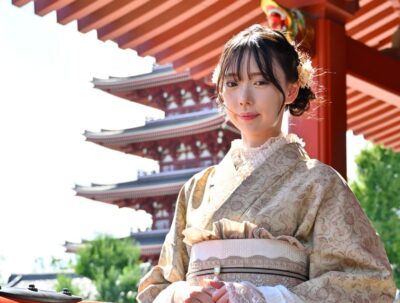 ★ 4.9Asakusa Kimono Dressing and Matcha ExperienceFrom $56173 reviews
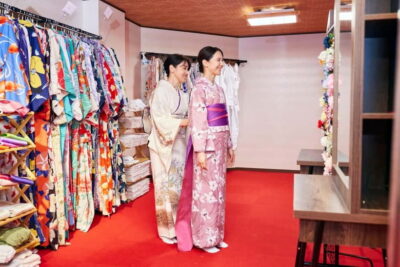 ★ 4.9Asakusa: Kimono Tea Ceremony with Matcha and SweetFrom $66153 reviews
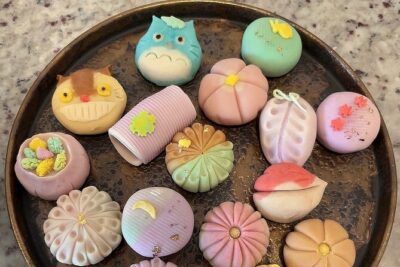 ★ 5.0Make Traditional Nerikiri Sweets & Matcha experience in ShibuyaFrom $60130 reviews
Browse the lists this tour appears in