
Reviewed · WALKING TOURS
Old Town Tokyo: Shinagawa-Juku Walking Tour
Old Tokyo hides in plain sight here. This Shinagawa-Juku tour threads together Edo-era street life along the Old Tokaido Road, using back alleys and side streets you’d miss if you were winging it on your own. You also get hot drinks to keep you comfortable while you piece together how this post-town worked.
I especially like two things: the small group size (up to 8) that makes it easy to hear your guide, and the hot coffee/tea that turns a 3-hour walk into something more relaxed. When you learn how the area functioned—fishing shore, inns for travelers, and temple lanes—you stop seeing Tokyo as just skyscrapers and start spotting the older patterns.
The main drawback is simple: it’s a walking tour that depends on good weather, so you’ll want comfy shoes and a flexible mindset if conditions change. Also, you’re starting near Kitashinagawa Station, so plan your train route before you show up.
In This Review
- Key Points You’ll Actually Care About
- Why Shinagawa-Juku Feels Like Old Tokyo and Not a Museum
- The Price and Value: What You’re Paying For (And Why It’s Reasonable)
- A 3-Hour Walk That’s Built for Hearing the Story
- Start at Kitashinagawa: Close to Shinagawa Without the Chaos
- Stop 1: Shinagawa-Ura Park and the Fishing Shore Story
- Stop 2: Kyu-Tokaido Street and Why Inns Crowded Here
- Stop 3: Hozenji Temple and the Green-Over-Alley Atmosphere
- Stop 4: Shotokuji Temple, Shinbaba Street, and Autumn-Friendly Details
- Stop 5: Ebara Jinja Shrine by the Meguro River
- Stop 6: Shinagawa Shrine and the Mini-Fuji (Fujizuka)
- The Guide Factor: Why Charlotte’s Style Changes the Walk
- What to Wear and What to Expect on the Ground
- Who This Tour Suits Best (And Who Might Want to Skip It)
- Should You Book Old Town Tokyo: Shinagawa-Juku Walking Tour?
- FAQ
- How long is the Old Town Tokyo: Shinagawa-Juku Walking Tour?
- How much does the tour cost?
- Where do you meet for the tour?
- Where does the tour end?
- Are admission fees included?
- What’s included besides the guide?
- What happens if the weather is poor?
Key Points You’ll Actually Care About
- Small group (max 8) keeps the walk comfortable and questions easy
- Hot coffee/tea included helps on cooler mornings or breezy riverside spots
- Old Tokaido Road focus connects streets, inns, temples, and shrines into one story
- Most stops are free entry, with Shinagawa Shrine included
- Meet by Kitashinagawa Station (1 stop from major Shinagawa Station) and end at Shimbamba Station
Why Shinagawa-Juku Feels Like Old Tokyo and Not a Museum
Shinagawa has a way of mixing the new with the old. On the surface, Tokyo can feel like a maze of crossings. But this walk is designed to reduce that stress: instead of trying to figure out where the historic streets are, you follow a guide through the kind of side lanes that don’t announce their importance.
What makes this area click is the timeline. Shinagawa-Juku was tied to travel on the Old Tokaido Road, the main artery between Edo (Tokyo area) and Kyoto. Once you understand that, the small details start to make sense—why inns gathered where they did, why certain spots mattered to travelers, and how local temples and shrines stayed woven into daily life even as the big roads changed over time.
And yes, the tour helps you spot things you can’t reliably find alone. If you’ve ever walked into a temple lane thinking you’ll figure it out later, you’ll appreciate the structure here. You’re not just looking at sights; you’re learning the logic behind them.
Readers also shortlisted these Tokyo bookings:
- Tokyo Tsukiji Fish Market Food and Culture Walking Tour
★ 5.0 · 3,184 reviews - Tokyo: Imperial Palace and Shogun Historical Walking Tour
★ 5.0 · 2,251 reviews - Tokyo: Shinjuku Local Bar and Izakaya Guided Walking Tour
★ 4.9 · 1,794 reviews - Tokyo: Tsukiji Fish Market Food and Walking tour
★ 5.0 · 1,724 reviews
The Price and Value: What You’re Paying For (And Why It’s Reasonable)
At $94.88 per person for about 3 hours, this isn’t a “cheap and cheerful” add-on. But it also isn’t trying to be a long bus tour with a bunch of waiting around. You’re paying mainly for three things:
First, you’re paying for a guide who can connect the dots across multiple neighborhoods and time periods. The walk matters because it turns scattered landmarks into a coherent story about travel, faith, and community in Edo-era Tokyo.
Second, you’re paying for small-group comfort. A maximum of 8 people means less scrambling to hear, and more chances to ask questions about what you’re seeing—especially in a city where street names and entrances can be confusing even when you’re doing everything “right.”
Third, you’re paying for included drinks (coffee and/or tea) and mostly free entry at stops. Many of the stops are listed as free, and Shinagawa Shrine is included. That helps the value feel more balanced, because you’re not constantly adding ticket costs on top.
If you like self-guided Tokyo wandering, you could technically recreate parts of this. But if you’d rather spend your energy looking at streets and buildings instead of navigating, the guide time is the key value.
A 3-Hour Walk That’s Built for Hearing the Story
This is the kind of tour where the format actually matters. You’re moving at a walking pace through older streets and shrine/temple areas, and that’s where small groups pay off. With up to 8 travelers, you’re less likely to end up stuck behind someone’s camera shoulder. You can pay attention to the guide’s explanations, and you’re not fighting the crowd noise.
The timing—about 3 hours—also strikes a practical balance. It’s long enough to cover several distinct places (fishing shore, traveler road, temple alleyways, shrines), but short enough that you’re not spending half your day stuck in transit or under a strict schedule.
One more comfort piece: you get hot drinks during the walk. That’s not just a nice touch—it’s the difference between a pleasant stroll and a “why am I doing this in wind and cold” moment.
Start at Kitashinagawa: Close to Shinagawa Without the Chaos
Your meeting point is by Kitashinagawa Station (1 stop from major Shinagawa Station). That’s a smart choice. Shinagawa can be busy and overwhelming, especially if you arrive at the big station and then try to locate your exact meeting spot on your own. Starting near Kitashinagawa gives you a calmer entry into the neighborhood.
You also get an easy mental setup: you’re already on the Tokyo side of things, and you’re walking deeper into the old post-town texture from there. By the end, you finish near Shimbamba Station, so you don’t have to backtrack the entire route.
Tip for you: on arrival day, don’t wait until the last second to orient. Check which exit you plan to use at Kitashinagawa. Tokyo stations are good, but they’re still huge.
Stop 1: Shinagawa-Ura Park and the Fishing Shore Story
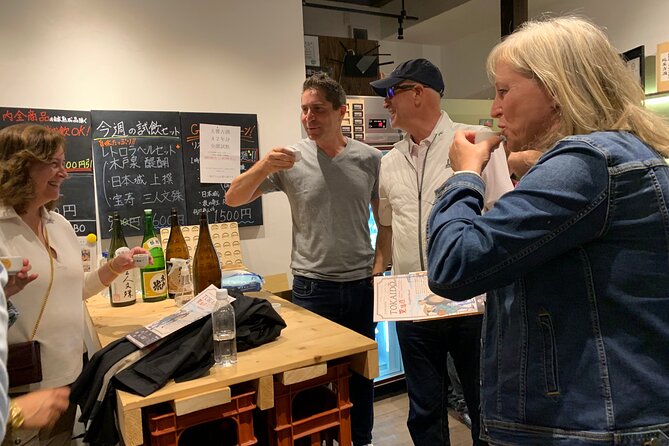
The walk begins at Shinagawa-Ura Park, a spot that links the modern area to what used to happen along the shore. In Edo times, the shoreline near Shinagawa supported fishing, and a small but prosperous fishing village formed around that activity.
Even though commercial fishing isn’t the point anymore, the area holds onto that sense of place. For me, this first stop works because it sets up a theme: Shinagawa wasn’t only for travelers passing through. It was also a working community tied to the sea and local needs.
Possible drawback: since this is a park area, if the weather is poor or visibility is limited, you might feel less anchored than you would in a more enclosed historic street. Still, it’s a useful orientation to understand how the neighborhood started.
- Tokyo: Shinjuku Food Tour (13 Dishes at 4 Local Eateries)★ 5.0 · 6,603 reviews
- Tokyo Mt Fuji 5th St & Hakone Cruise Bus Tour w/Bullet Train★ 4.4 · 5,024 reviews
- Flagship 2-Hours Official Street Go-Kart Tour – Tokyo Bay Shop★ 5.0 · 4,974 reviews
- From Tokyo: Mount Fuji Full-Day Sightseeing Trip★ 4.5 · 4,970 reviews
- Tokyo: Hop-On Hop-Off Sightseeing Bus Ticket★ 3.9 · 4,207 reviews
Stop 2: Kyu-Tokaido Street and Why Inns Crowded Here
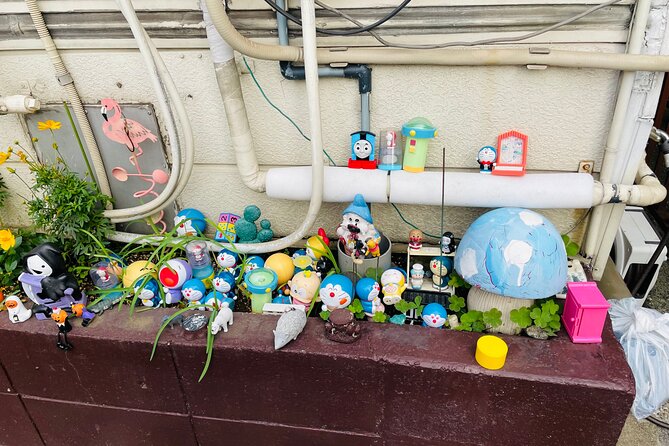
Next up is Kyu-tokaido Street, tied to the Old Tokaido Road’s early steps for travelers heading from Tokyo to Kyoto. This is where the tour starts to feel like a living route rather than a list of destinations.
Kyu-Tokaido Road is described as a lively traveler zone: inns and shops clustered here to service people moving long distances. If you’ve ever wondered how travel worked before high-speed trains and cars, this is the kind of place where you can almost picture the “stop, rest, resupply” rhythm.
What I like about this stop is that it turns architecture and street layout into practical meaning. Buildings and lanes don’t exist just to look pretty—they existed to support a traveler economy. Once you notice that, you’ll start seeing the neighborhood differently as you continue.
Drawback to consider: it’s one of the longer blocks in the route (about an hour), so it’s worth paying attention early. If you tune out for the first 20 minutes, you’ll lose some of the story thread.
Stop 3: Hozenji Temple and the Green-Over-Alley Atmosphere
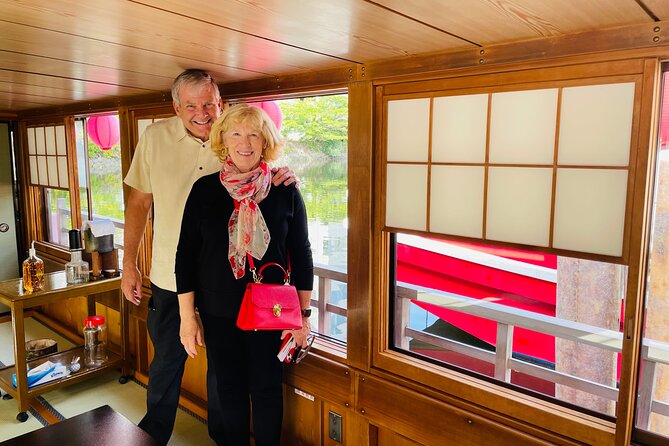
Then you get the quiet shift: Hozenji Temple, tucked off the main route through smaller streets and alleyways. This is the part of Tokyo that feels like it’s actively working to hide its age from people just walking past.
The tour’s description focuses on how you can find local temples tucked away behind everyday residential scenes. There’s even a mention of a water well in a residential-like setting in the middle of the area. That matters because it hints at how spiritual sites weren’t separated from daily life. People lived near them. They used spaces near them. The temple world wasn’t locked away.
You’ll also get a sense of how greenery can soften the edges of a city lane. Even if you’re not a temple person, it’s a nice reset from street-level bustle.
One practical consideration: alleyways can be tight. If you prefer lots of personal space, go slow and watch your footing as you follow the guide.
Stop 4: Shotokuji Temple, Shinbaba Street, and Autumn-Friendly Details
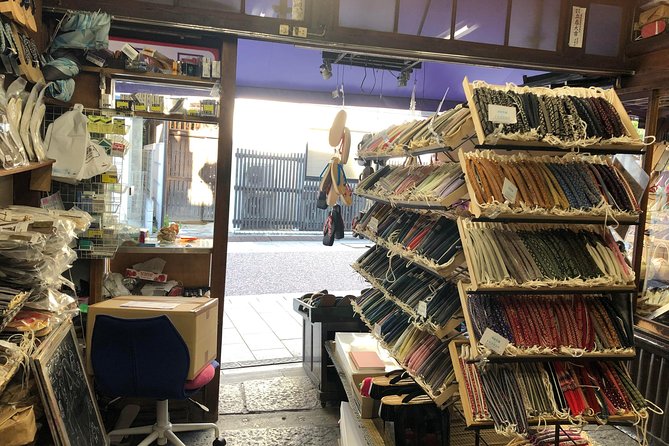
After Kyu-Tokaido Street, the route takes you along Shinbaba Street to Shotokuji Temple. This stop is especially pretty in autumn, surrounded by maple trees, and that’s a rare, seasonal detail that helps you decide when to visit.
The tour also calls out an unusual fence, which is the kind of small feature you might miss if you were just snapping photos and moving on. When a place like this has a distinctive boundary detail, it’s usually worth a few minutes of attention.
If you’re visiting outside autumn, don’t stress. You can still appreciate the hidden-street feel and the temple’s layout. But autumn is the time when the scenery gets extra credit.
Stop 5: Ebara Jinja Shrine by the Meguro River
From temples in alleyways, the tour steps into shrine territory at Ebara Jinja Shrine, located next to the Meguro River. This is one of the most clearly “place-based” stops because the shrine’s identity is linked to rain and a dragon god.
The shrine dates back to 709, and the story here is that people come to pray for rain. There’s also a historical note that in 1062 they took water from the nearby river to… keep the details tied to that community need. Even without quoting the full story, you’ll come away with the idea that shrines weren’t just ceremonial stops—they were part of how communities managed real needs like water.
I like pairing this with the previous temple stops because it widens your view: you’re not only seeing religious architecture; you’re seeing how faith connects to practical survival.
Stop 6: Shinagawa Shrine and the Mini-Fuji (Fujizuka)
The final major stop is Shinagawa Shrine, founded in 1187 as a guardian for the nearby post-town. This is where you get a fascinating shortcut to what pilgrimage and worship could look like when people couldn’t travel far or didn’t have the strength to climb Mt. Fuji.
Inside the shrine grounds is a fujizuka, described as a mini-Fuji built for worshippers who couldn’t climb the actual mountain. That’s a detail I love because it makes devotion feel human and local. Not everyone could make the big journey. So the community shaped a smaller version of the goal right nearby.
Spend time here, because the payoff is in noticing how the shrine embodies the post-town identity: it’s both a spiritual site and a protector of the travel community.
The stop is listed at about 50 minutes, which tells you the pace here is meant to slow down. Use it. Look around before you rush to the next train.
The Guide Factor: Why Charlotte’s Style Changes the Walk
One of the standout themes from prior participants is the guide experience, and the name that comes up is Charlotte. Her approach is described as friendly and very grounded in local context—history, the district itself, and even practical navigation like the subway system.
That matters more than it sounds. In Tokyo, a good walking tour can either be “look at this” or “here’s how the place works.” When your guide can explain both the story and the practical reality of moving through the area, you leave with more than photos. You leave with confidence.
So if you care about understanding rather than just collecting stamps, this is the kind of tour that delivers.
What to Wear and What to Expect on the Ground
Because this is a walking tour, your comfort budget matters. Wear shoes you can stand and walk in for a few hours without thinking about it. You’ll pass through multiple temple/shrine areas and older streets where footing can vary.
Also keep weather in mind. The tour notes that it’s weather dependent. If conditions are poor, you’ll either be offered a different date or a full refund—so plan with that flexibility.
Finally, you’ll be switching between older lanes and more open points like parks and riverside areas. Bring a light layer and expect Tokyo weather to change faster than you’d like.
Who This Tour Suits Best (And Who Might Want to Skip It)
This tour is a great fit if you want:
- A guided way to understand Edo-era travel culture along the Old Tokaido Road
- A small-group experience that doesn’t feel like a crowded lecture
- A route that combines shrines, temples, and street history in one connected loop
- Practical context for navigating the area around Shinagawa
You might want to skip it if you only care about major, famous sights with straightforward signage, or if you strongly prefer completely independent walking without a set route. Also, if you hate walking in weather changes, the weather dependency could be annoying.
Should You Book Old Town Tokyo: Shinagawa-Juku Walking Tour?
I think you should book it if you’re the kind of traveler who likes stories that make streets legible. The best part is that it’s not just “see a temple.” It’s how Shinagawa’s fishing shore connects to traveler roads, which connect to hidden religious lanes and community shrines. That flow is what makes the experience feel worth the cost.
It’s also a solid value for what’s included: coffee/tea, an English-speaking guide, mostly free admissions, and a group capped at 8 people. If you want to reduce the stress of wandering through older districts and keep your attention on what you’re seeing, this is a strong choice.
FAQ
How long is the Old Town Tokyo: Shinagawa-Juku Walking Tour?
It runs for about 3 hours.
How much does the tour cost?
The price is $94.88 per person.
Where do you meet for the tour?
The meeting point is Kitashinagawa Station (1 Chome-1 Kitashinagawa, Shinagawa City, Tokyo).
Where does the tour end?
The tour ends at Shimbamba Station (2-chōme-18-1 Kitashinagawa, Shinagawa City, Tokyo).
Are admission fees included?
Most stops are listed as free entry, and Shinagawa Shrine is included.
What’s included besides the guide?
You’ll get coffee and/or tea (hot drinks).
What happens if the weather is poor?
The tour requires good weather; if it’s canceled due to poor weather, you’ll be offered a different date or a full refund.
More Walking Tours in Tokyo
- Tokyo Tsukiji Fish Market Food and Culture Walking Tour
★ 5.0 · 3,184 reviews - Tokyo: Imperial Palace and Shogun Historical Walking Tour
★ 5.0 · 2,251 reviews - Tokyo: Shinjuku Local Bar and Izakaya Guided Walking Tour
★ 4.9 · 1,794 reviews - Tokyo: Tsukiji Fish Market Food and Walking tour
★ 5.0 · 1,724 reviews - Tokyo: Asakusa Walking Tour with Sensoji Temple Visit
★ 4.8 · 1,583 reviews
More Tours in Tokyo
- Mt Fuji and Hakone 1-Day Bus Tour Return by Bullet Train
★ 5.0 · 26,383 reviews - 1-Day Tokyo Bus Tour
★ 5.0 · 14,250 reviews - Tokyo: Shinjuku Food Tour (13 Dishes at 4 Local Eateries)
★ 5.0 · 6,603 reviews - Tokyo Mt Fuji 5th St & Hakone Cruise Bus Tour w/Bullet Train
★ 4.4 · 5,024 reviews - Flagship 2-Hours Official Street Go-Kart Tour – Tokyo Bay Shop
★ 5.0 · 4,974 reviews
More Tour Reviews in Tokyo
- Mt Fuji and Hakone 1-Day Bus Tour Return by Bullet Train
★ 5.0 · 26,383 reviews - 1-Day Tokyo Bus Tour
★ 5.0 · 14,250 reviews - Tokyo: teamLab Planets TOKYO Digital Art Museum Entry Ticket
★ 4.6 · 9,779 reviews - Mt Fuji & Hakone Cruise, Drum Show Bullet Train 1 Day from Tokyo
★ 4.0 · 7,413 reviews - Tokyo: Shinjuku Food Tour (13 Dishes at 4 Local Eateries)
★ 5.0 · 6,603 reviews
Latest Tokyo reviews off our desk

Walking Tours, compared.
 ★ 5.0Tokyo Tsukiji Fish Market Food and Culture Walking TourFrom $993,184 reviews
 ★ 5.0Imperial Palace and Shogun Historical Walking TourFrom $222,251 reviews
 ★ 4.9Shinjuku Local Bar and Izakaya Guided Walking TourFrom $341,794 reviews
 ★ 5.0Tsukiji Fish Market Food and Walking tourFrom $301,724 reviews
 ★ 4.8Asakusa Walking Tour with Sensoji Temple VisitFrom $221,583 reviews
 ★ 4.9Tsukiji Fish Market Guided Walking TourFrom $221,397 reviews
 ★ 4.7Tokyo Castle & Imperial PalaceーShogun Walking TourFrom $231,068 reviews
 ★ 4.9Imperial Palace Japanese History Walking TourFrom $32987 reviews
Browse the lists this tour appears in