
Reviewed · WALKING TOURS
Private Ginza Architecture Walking Tour
Ginza rewards looking up. A private guide helps you spot why Ginza feels like Tokyo’s showroom for both old and new design, with English context as you walk.
I especially like that you can slow down or speed up with your guide, so you’re not stuck photographing through a crowd. I also like the mix of stops: you do more than glance at facades—you get inside several key places, including Tsukiji Hongwanji Temple and Kabukiza Theater. The main drawback is simple: it’s still a 3.5-hour walk with moderate physical effort and no hotel pickup, so you’ll want comfortable shoes and an easy plan to reach the Tsukiji meeting spot.
In This Review
- Key things to know before you go
- Ginza’s architecture mix, and why this tour actually helps
- How the 3.5-hour route flows from Tsukiji into Ginza
- The stops, what makes each one worth your time, and what to watch for
- Stop 1: Ginza walking segment (about 40 minutes)
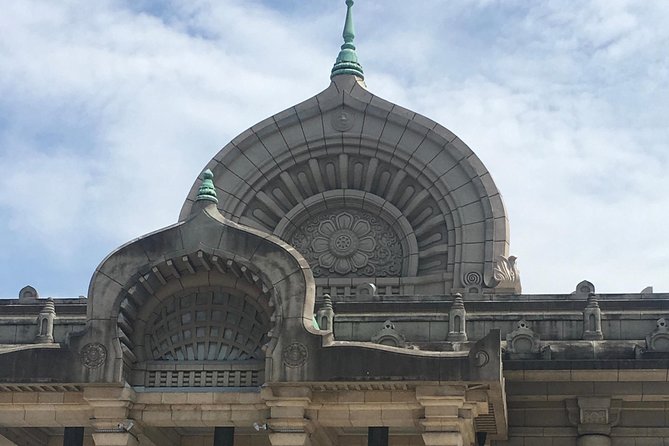
- Stop 2: Tsukiji Hongwanji Temple (inside, about 10 minutes)
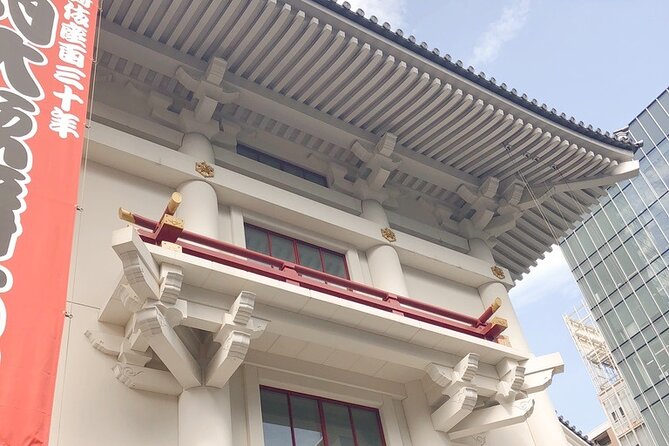
- Stop 3: Kabukiza Theater (inside, about 20 minutes)
- Stop 4: Nicolas G. Hayek Center (inside, about 15 minutes)
- Stop 5: Toyoiwa Inari Shrine (about 5 minutes)
- Stop 6: Ginza Maison Hermes Le Forum (inside, about 15 minutes)
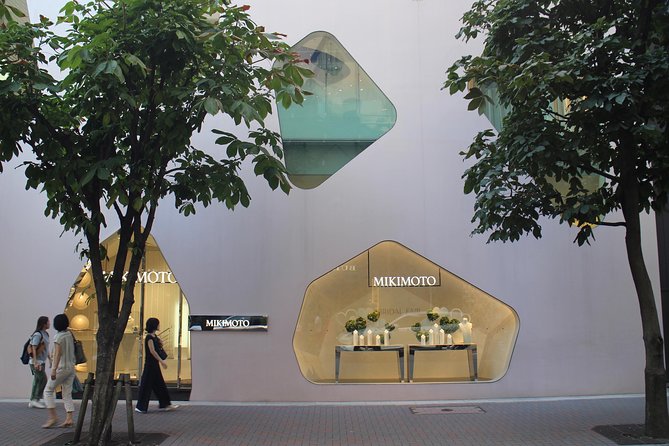
- Stop 7: Mikimoto Boutique Ginza 2-chome (about 5 minutes, if time)
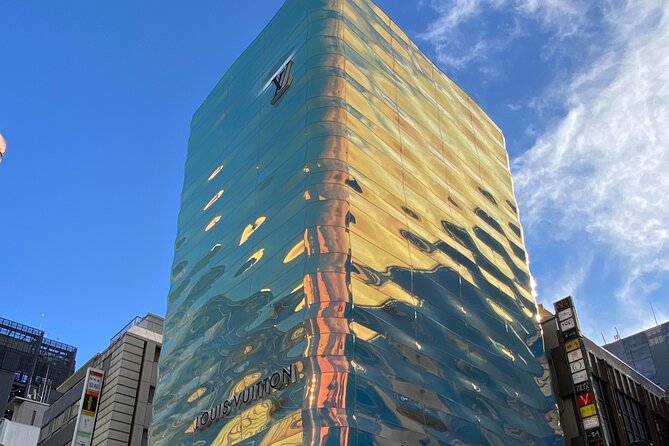
- Stop 8: UNIQLO Tokyo (outside view, about 10 minutes)
- Stop 9: Mikimoto Ginza 4-chōme Honten (outside view, about 5 minutes)
- Stop 10: Wako Ginza (outside view, about 10 minutes)
- Stop 11: Okuno Building (inside, about 10 minutes)
- The private guide factor: how personalization turns buildings into stories
- Price and value: is $132.10 a smart use of your Tokyo time?
- Pacing, walking comfort, and the small practical stuff that matters
- Who should book this Ginza architecture walking tour
- Should you book it? My honest call
- FAQ
- FAQ
- How long is the Ginza architecture walking tour?
- Is this tour private or shared?
- What language is the tour in?
- What’s included in the price?
- Do we need tickets for the stops?
- Where do we meet and where does the tour end?
- Is the tour suitable for people who aren’t very mobile?
Key things to know before you go
- Private tour, max 5 people: a smaller group means more questions and less waiting around.
- Inside access at standout sites: temple, kabuki theater, and several architecture-linked interiors.
- 3 hours 30 minutes at your own pace: you control the rhythm, not the guidebook.
- Two departure times: helpful when you’re juggling shopping, museums, or dinner plans.
- Cozy pause with drinks included: you get a real break, not just walking to the next stop.
- Mostly free entry on the listed sights: the itinerary includes multiple spots with free admission.
Ginza’s architecture mix, and why this tour actually helps
Ginza can feel like two cities at once. One side is polished and brand-forward, where architects have fun with bold facades and dramatic interiors. The other side is older Tokyo, where religion, theater, and crafts still shape the street rhythm.
This tour works because it teaches you how to read the neighborhood. You don’t just hear facts. You learn how to look: at entrances, at materials, at how buildings frame views, and at how the area balances commercial life with cultural landmarks. The result is that Ginza starts to make sense fast—especially if it’s your first time in the district.
And since it’s private, your guide can tailor explanations to what you care about: more design details if you’re into architecture, or more cultural context if you’re here for Tokyo’s traditions. That flexibility is a big part of the value.
Readers also shortlisted these Tokyo bookings:
- Tokyo Tsukiji Fish Market Food and Culture Walking Tour
★ 5.0 · 3,184 reviews - Tokyo: Imperial Palace and Shogun Historical Walking Tour
★ 5.0 · 2,251 reviews - Tokyo: Shinjuku Local Bar and Izakaya Guided Walking Tour
★ 4.9 · 1,794 reviews - Tokyo: Tsukiji Fish Market Food and Walking tour
★ 5.0 · 1,724 reviews
How the 3.5-hour route flows from Tsukiji into Ginza
The tour starts near Tsukiji Station (Exit 1) at a specific meeting point in Tsukiji, then ends in Ginza at the 4-chōme intersection in front of Mitsukoshi. That matters because you get a natural “before and after” feeling: you move from Tsukiji’s temple and market-adjacent atmosphere toward central Ginza’s brand icons and landmark buildings.
Expect the walk to be steady. There’s a total walking segment of about 40 minutes across the day, plus shorter time at each stop (some inside, some quick view moments). Your guide is meant to keep the pacing comfortable, and the tour is described as 3-hour walking at your own pace, with the full experience clocking in at about 3 hours 30 minutes.
You should also know it’s near public transportation, but it does not include hotel pickup or drop-off. So plan to arrive at the meeting point under your own steam.
The stops, what makes each one worth your time, and what to watch for
Stop 1: Ginza walking segment (about 40 minutes)
You start with a walking section right in Ginza. This is where you’ll likely get your orientation: what to notice on street level, how signage and entrances relate to architecture, and why Ginza’s form feels intentional.
What you’ll get from this segment: a framework so later buildings aren’t just pretty. Instead, you can connect style choices to purpose—commerce, public gathering, theater culture, or religious space.
Small practical tip: keep your camera ready, but pause now and then to look upward. Several guides are praised for teaching people to shift attention from the street to the building planes above.
Stop 2: Tsukiji Hongwanji Temple (inside, about 10 minutes)
Next you step into a Buddhist temple space. The tour specifically includes going inside, with time to learn about the temple and what it represents.
Why this stop matters: Ginza’s architecture story isn’t only modern design. It’s also about how religious buildings and community spaces anchor the area’s longer timeline.
What to watch for: temples often mean quieter behavior and a bit of slower movement. If you need the rest of your group to move at a calm pace, this is a good place to take it easy.
Readers also shortlisted these Tokyo bookings:
- Tokyo 6hr Private Tour with Government-Licensed Guide★ 5.0 · 3,902 reviews
- Private Tour to Mt. Fuji and Hakone (Fully Licenced Operator)★ 5.0 · 1,910 reviews
- Tokyo Customized Private Tour (Must See Places in 1 Day)★ 5.0 · 1,499 reviews
- Mount Fuji Full-Day Private Tour from Tokyo (Customizable)★ 4.9 · 1,470 reviews
- Tokyo: Private City Highlights Tour with Local Guide★ 4.8 · 1,433 reviews
Stop 3: Kabukiza Theater (inside, about 20 minutes)
Kabukiza is one of the big names in Tokyo theater, and you don’t just pass by. You go inside and spend time taking in features.
Why this is a highlight for architecture lovers: theater buildings are built for spectacle—sightlines, entrances, and how the space flows matter. Even in a short visit, it helps you see how architecture supports performance culture.
What to watch for: interiors can be busy, so keep an eye on your guide’s timing. If photography is a priority for you, follow the guide’s cues about where to stand.
Stop 4: Nicolas G. Hayek Center (inside, about 15 minutes)
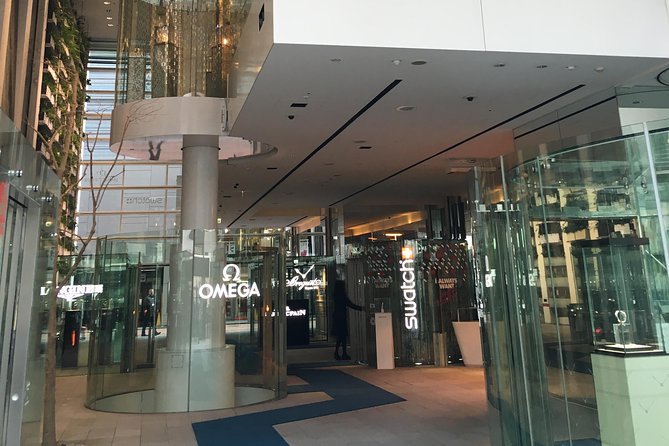
This stop takes you inside a distinctive building associated with design and watchmaking culture. It’s part of the Ginza rhythm where craft meets architectural statement.
Why it’s valuable: it adds a modern “maker” angle to the architecture conversation. You get context that you might miss if you’re only thinking about luxury as branding.
What to watch for: inside time here is shorter, so you’ll want to ask questions quickly if something grabs you—materials, structure, or how the public space is shaped.
Stop 5: Toyoiwa Inari Shrine (about 5 minutes)
This is a quick stop at an Inari shrine. The tour includes time to enjoy the site features.
Why it’s worth a brief visit: shrines add a human-scale layer to the Ginza story. Even when you’re surrounded by large buildings, these small spiritual spaces change how the neighborhood feels.
What to watch for: this is short, so don’t plan to turn it into a long pause. Let it be a snapshot.
Stop 6: Ginza Maison Hermes Le Forum (inside, about 15 minutes)
Here the tour moves into the luxury architecture zone. You go inside this building to enjoy its features.
What this teaches you: branded buildings aren’t just about products. They’re also public experiences—how you enter, how you move, and how the building makes you feel while shopping.
Practical note: if you’re not a luxury shopper, you can still enjoy the architecture by focusing on layout and design choices rather than the brand itself.
Stop 7: Mikimoto Boutique Ginza 2-chome (about 5 minutes, if time)
This is a short stop that happens only if the schedule allows time. You go inside if you have room in the day.
Why it can be fun: Mikimoto is tied to design identity, and even a short visit can show you how Ginza’s design culture supports brand storytelling.
What to watch for: if it doesn’t fit, you won’t be missing a major cultural anchor. The big architecture and cultural beats come earlier.
Stop 8: UNIQLO Tokyo (outside view, about 10 minutes)
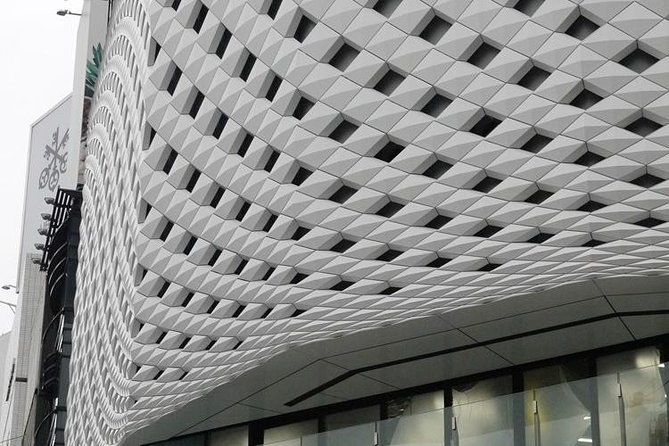
You view this location from outside. It’s a change of pace: a big retail identity in a district where you also see luxury flagships.
Why it matters in an architecture tour: it shows how mainstream retail can still be part of a district-wide design language. You’re learning to compare approaches.
What to watch for: keep your attention on the building’s form and street presence rather than products.
Stop 9: Mikimoto Ginza 4-chōme Honten (outside view, about 5 minutes)
Another Mikimoto location, viewed from outside. This works like a second angle—how different buildings express the same identity at different scales.
Why the quickness can help: it prevents the tour from becoming one long shopping loop. You get the visual comparison, then move on.
Stop 10: Wako Ginza (outside view, about 10 minutes)
Wako is a major Ginza landmark. You get outside viewing time to enjoy features.
Why this stop earns its minutes: landmark buildings create mental maps. Even if you don’t memorize dates or architects, you’ll remember the silhouette.
What to watch for: look for how the building interacts with the intersection and how it frames the street around it.
Stop 11: Okuno Building (inside, about 10 minutes)
You finish with an inside visit to the Okuno Building, spending time enjoying features.
Why it’s a good closer: ending with an interior helps summarize the tour’s core lesson: Ginza architecture isn’t only what you see from across the street. The atmosphere and details inside can be just as important.
The private guide factor: how personalization turns buildings into stories
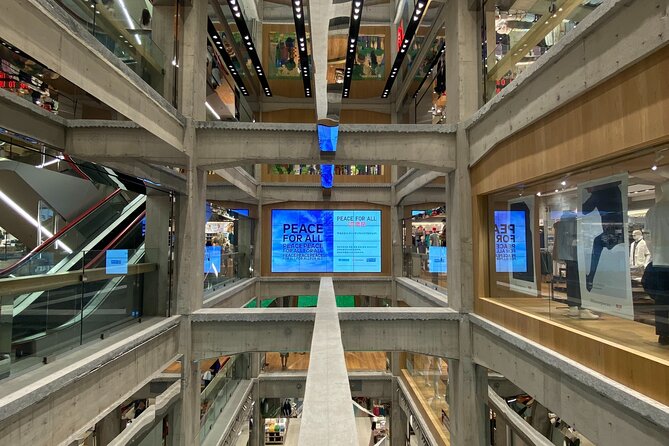
The strongest theme from what’s been said about this tour is not just that guides explain things. It’s that they adapt the route and the talk to match what you want.
Some guides you might be paired with include Yoko, Yuki, and Eriko, with notes about clear explanations and friendliness. Others like Taka Yamamura-San are described with a deeper urban-planning lens, which can be great if you enjoy how cities are shaped. If you’re more into tradition and performance culture, guides such as Mari and Haruka have been praised for connecting modern Ginza to wider cultural context. Yoshi and Makoto are also highlighted for changing how people look at the city—especially the idea of noticing what’s above you, not only straight ahead.
Here’s the practical advantage for you: if you know almost nothing about architecture, a good guide slows down and teaches the basics (what to look at, what questions to ask). If you already enjoy design, the guide can point out more precise details and give you better context than a generic walking route.
This is also why the tour offers two departure times. Even if you’re busy, you’re not stuck with one rigid slot.
Price and value: is $132.10 a smart use of your Tokyo time?
At $132.10 per person, this isn’t a budget group tour. But it’s also not pricing itself like a private driver with a full day charter.
What you get for your money:
- A private guide for your group (max 5 people)
- English interpretation of architecture, culture, and history
- Several inside visits at meaningful stops
- A cozy pause with drinks along the way (included)
- Mobile ticket option
There’s also a practical value angle: the listed admission is free for the stops in the route, which helps keep the total cost under control once you’re already committed. And because the experience is only about 3.5 hours, it’s a manageable block that doesn’t eat your entire day.
One more detail: it’s typically booked around 44 days in advance on average. That’s a sign this is a popular slot for people who want something focused without sacrificing an entire day. If your dates are fixed, book earlier rather than later.
Pacing, walking comfort, and the small practical stuff that matters
This is labeled for moderate physical fitness, and it’s a walking tour. That means you should expect time on your feet, plus indoor-outdoor transitions.
My advice for making the tour feel easy:
- Wear shoes you can stand in for a while. You’ll be moving between areas and stepping inside multiple places.
- Bring a layer. Tokyo interiors can be cool even when streets are warm.
- Plan to meet your guide on time. The start point is in Tsukiji, and the tour does not include hotel pickup.
If you want the most comfortable experience, consider choosing the departure time that matches your energy level. With two start options, you can avoid trying to do this right after a long day out.
And if your plans change, there is free cancellation up to 24 hours before the experience start time, with a full refund if you cancel in that window.
Who should book this Ginza architecture walking tour
You’ll enjoy this most if:
- You want Ginza beyond shopping and street photos
- You like architecture but also want cultural context
- You prefer a small group where your questions get answered quickly
- You’re visiting Tokyo for the first time and want to learn the neighborhood fast
You might think twice if:
- You hate walking in general, even short blocks between indoor stops
- You’re only interested in exterior architecture and don’t care about interiors or cultural landmarks
This tour also fits well for couples and small friend groups. A max of 5 keeps the vibe calm, and private guiding makes it easier to tailor attention.
Should you book it? My honest call
If you’re going to spend time in Ginza anyway, this is one of the smarter ways to do it. The private guide, the mix of cultural anchors (like the temple and kabuki theater), and the repeated lesson of how to look up and around make the architecture feel meaningful, not just decorative.
Book it if you want a guided shortcut to understanding Ginza’s contrasts—religion beside luxury, performance culture beside modern retail identity, and street views matched with interiors. Skip it only if you want a long, free-form wander with no structure. Here, the structure is the point.
FAQ
FAQ
How long is the Ginza architecture walking tour?
It lasts about 3 hours 30 minutes.
Is this tour private or shared?
It’s a private tour. Only your group participates, with a maximum of 5 people per booking.
What language is the tour in?
The tour is in English.
What’s included in the price?
A local licensed tour guide is included, plus a cozy pause with drinks along the way.
Do we need tickets for the stops?
The tour includes stops where admission tickets are listed as free, and the itinerary also notes that you’ll go inside several locations.
Where do we meet and where does the tour end?
You meet near Tsukiji Station (Tsukiji, 3-chōme, 1st Exit area). The tour ends at the Ginza 4-chōme intersection in front of Mitsukoshi department store.
Is the tour suitable for people who aren’t very mobile?
It’s recommended for travelers with moderate physical fitness level, since it is a walking tour. The tour does not include hotel pickup and drop-off.
More Walking Tours in Tokyo
- Tokyo Tsukiji Fish Market Food and Culture Walking Tour
★ 5.0 · 3,184 reviews - Tokyo: Imperial Palace and Shogun Historical Walking Tour
★ 5.0 · 2,251 reviews - Tokyo: Shinjuku Local Bar and Izakaya Guided Walking Tour
★ 4.9 · 1,794 reviews - Tokyo: Tsukiji Fish Market Food and Walking tour
★ 5.0 · 1,724 reviews - Tokyo: Asakusa Walking Tour with Sensoji Temple Visit
★ 4.8 · 1,583 reviews
More Tours in Tokyo
- Mt Fuji and Hakone 1-Day Bus Tour Return by Bullet Train
★ 5.0 · 26,383 reviews - 1-Day Tokyo Bus Tour
★ 5.0 · 14,250 reviews - Tokyo: Shinjuku Food Tour (13 Dishes at 4 Local Eateries)
★ 5.0 · 6,603 reviews - Tokyo Mt Fuji 5th St & Hakone Cruise Bus Tour w/Bullet Train
★ 4.4 · 5,024 reviews - Flagship 2-Hours Official Street Go-Kart Tour – Tokyo Bay Shop
★ 5.0 · 4,974 reviews
More Tour Reviews in Tokyo
- Mt Fuji and Hakone 1-Day Bus Tour Return by Bullet Train
★ 5.0 · 26,383 reviews - 1-Day Tokyo Bus Tour
★ 5.0 · 14,250 reviews - Tokyo: teamLab Planets TOKYO Digital Art Museum Entry Ticket
★ 4.6 · 9,779 reviews - Mt Fuji & Hakone Cruise, Drum Show Bullet Train 1 Day from Tokyo
★ 4.0 · 7,413 reviews - Tokyo: Shinjuku Food Tour (13 Dishes at 4 Local Eateries)
★ 5.0 · 6,603 reviews
Latest Tokyo reviews off our desk






Walking Tours, compared.
 ★ 5.0Tokyo Tsukiji Fish Market Food and Culture Walking TourFrom $993,184 reviews
 ★ 5.0Imperial Palace and Shogun Historical Walking TourFrom $222,251 reviews
 ★ 4.9Shinjuku Local Bar and Izakaya Guided Walking TourFrom $341,794 reviews
 ★ 5.0Tsukiji Fish Market Food and Walking tourFrom $301,724 reviews
 ★ 4.8Asakusa Walking Tour with Sensoji Temple VisitFrom $221,583 reviews
 ★ 4.9Tsukiji Fish Market Guided Walking TourFrom $221,397 reviews
 ★ 4.7Tokyo Castle & Imperial PalaceーShogun Walking TourFrom $231,068 reviews
 ★ 4.9Imperial Palace Japanese History Walking TourFrom $32987 reviews
Browse the lists this tour appears in