
Reviewed · WALKING TOURS
Private Harajuku Omotesando Architecture Walking Tour
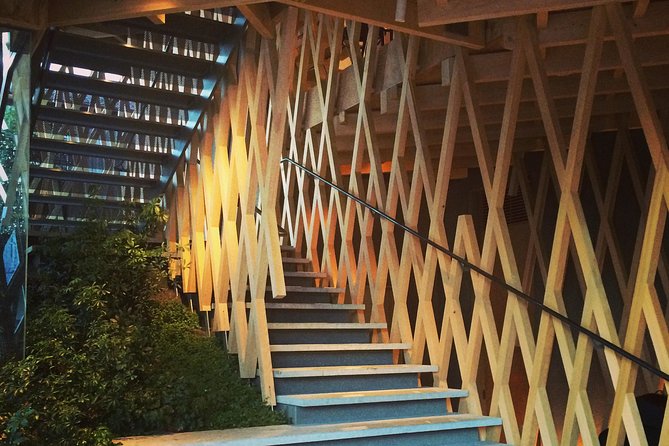
Harajuku is more than shopping. This private architecture walking tour pairs Harajuku fashion energy with Olympics-linked landmarks and a guide who points out details you’d miss on your own. You start at Meiji Jingu, then move into Omotesando’s designer streets and side backstreets, with built-world stories tied to what you’re seeing.
I especially like the way the tour blends famous buildings with small, easy-to-overlook spots, so your brain keeps getting new “oh, that’s why it’s there” moments. I also love that guides often show photo sets (not just a speech), which makes the architecture feel concrete instead of vague. One possible drawback: English clarity can vary by guide—most accounts praise it, but there’s at least one note about difficulty following at times.
In This Review
- Key points before you go
- Why Harajuku and Omotesando are an easy win for architecture lovers
- Starting at Meiji Jingu, then hitting Yoyogi gymnasium from the right angle
- The Omotesando fashion stretch: where storefront architecture becomes the lesson
- Side streets and the under-the-radar cafe stop that actually breaks the spell
- Modern architecture icons you may see: Prada glass, vertical gardens, and an Ando-style twist
- How the customization works (and how good guides make it feel personal)
- Pace, comfort, and what to bring for a 3.5-hour walk
- Price and value: what $132.14 buys you in real-world tour time
- Should you book this Harajuku and Omotesando architecture tour?
- FAQ
- How long is the Private Harajuku Omotesando Architecture Walking Tour?
- Where does the tour start and end?
- What’s included in the tour price?
- Is this a private tour?
- Is hotel pickup or drop-off included?
- Can I cancel for a full refund?
Key points before you go
- Private and customizable: you set the tone and the guide adjusts the route.
- Olympics-era context: you’re not just staring at buildings—you’re getting the why.
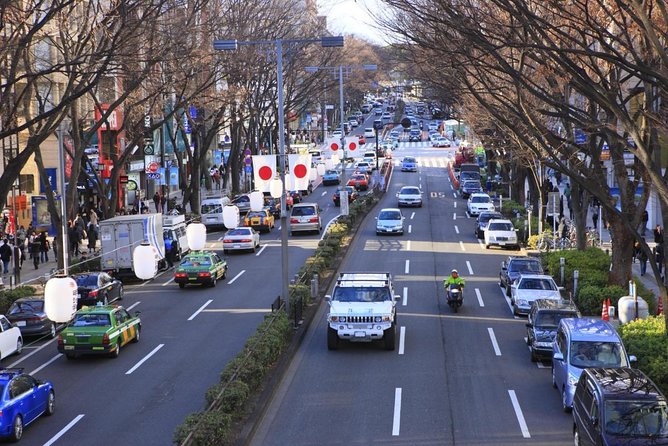
- Designer streets, explained: storefront architecture matters on Omotesando.
- Backstreets + a drink break: you slow down and step away from the main flow.
- Strong guide materials: many guides use photo notebooks, iPads, and even floor-plan type references.
- End point is central: you finish near Omotesando and Aoyama-dori for an easy next stop.
Why Harajuku and Omotesando are an easy win for architecture lovers
Harajuku and Omotesando are perfect for walking architecture because the city is built like a living exhibit. You get instant contrasts: shrines and ceremonial spaces near modern performance buildings, then sleek storefronts, then quiet side lanes where the city’s everyday rhythm shows through.
This tour leans into that mix. You’re not stuck in one “style zone.” Instead, you bounce between iconic works (like Yoyogi gymnasium by Kenzo Tange, viewed from nearby) and fashion-heavy streets where the design of retail buildings is part of the story.
It’s also the kind of experience that works even if you’re not an architecture nerd. The route is built around clear stop-by-stop moments: look up, look sideways, notice materials, then get the short explanation in plain language.
Readers also shortlisted these Tokyo bookings:
- Tokyo Tsukiji Fish Market Food and Culture Walking Tour
★ 5.0 · 3,184 reviews - Tokyo: Imperial Palace and Shogun Historical Walking Tour
★ 5.0 · 2,251 reviews - Tokyo: Shinjuku Local Bar and Izakaya Guided Walking Tour
★ 4.9 · 1,794 reviews - Tokyo: Tsukiji Fish Market Food and Walking tour
★ 5.0 · 1,724 reviews
Starting at Meiji Jingu, then hitting Yoyogi gymnasium from the right angle
The tour begins at Meiji Jingu (Harajuku Eki), at the entrance area where you can orient yourself quickly. From there, you head toward Yoyogi gymnasium by Kenzo Tange, with a distance view that lets you take in the overall massing before the finer details come later (or show up in related stops).
That first transition matters. Meiji Jingu is ceremonial and calm, while the Yoyogi area signals a more public, modern Tokyo—so your eyes adjust. And because the tour includes Olympics history as part of the theme, Yoyogi isn’t just a “pretty building.” It’s treated like a landmark that helped shape how Tokyo presents itself.
If you like good tour pacing, this start has it. You don’t begin with a steep learning curve. You begin with place, then you get pulled toward architecture that’s easy to read from street level.
The Omotesando fashion stretch: where storefront architecture becomes the lesson
Once you’re in the shopping-and-design zone, the tour goes beyond big names. You stop by a chain of major-brand storefronts and architecture statements along the corridor that people often compare to Tokyo’s own Rodeo Drive.
The specific brands mentioned include:
- The Iceberg
- Dior
- Louis Vuitton
- Tod’s
- Sunny Hills
- Prada
Here’s the practical value: retail in Japan often treats the façade like a small design project. Your guide points out what to look for—angles, glass, frontage rhythm, how entrances pull you in, and how the building communicates luxury without feeling like a theme park.
One of the best parts of this stretch is that it’s not only about the buildings. It’s also about the way the neighborhood shifts as you move block by block, and how Harajuku style “reads” differently depending on where you stand.
Side streets and the under-the-radar cafe stop that actually breaks the spell
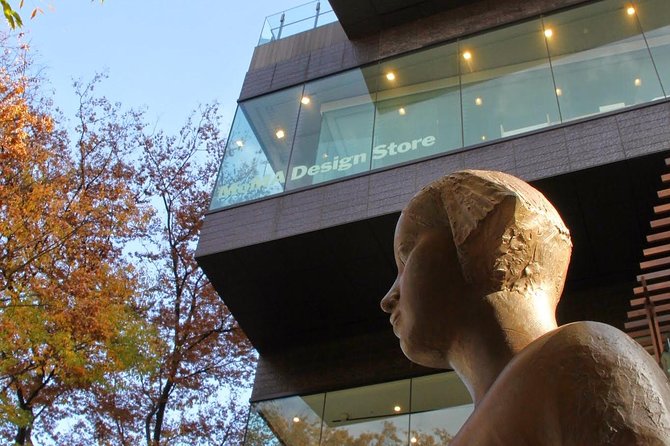
The route doesn’t stay glued to the main shopping lanes. There’s a side trip into a backstreet neighborhood where you can see a different layer of the area—more local in feel, less showroom in vibe.
You also get a short break with a drink included as part of the tour. This matters more than you think in Tokyo: without a planned pause, walking tours turn into endurance tests. With the break built in, you can keep your attention sharp for the next architecture stop.
What I like about this portion is that it gives you a reality check. Harajuku can look like a fashion display from a distance. But when you step into the side lanes, you get the everyday city running underneath the design branding.
Modern architecture icons you may see: Prada glass, vertical gardens, and an Ando-style twist
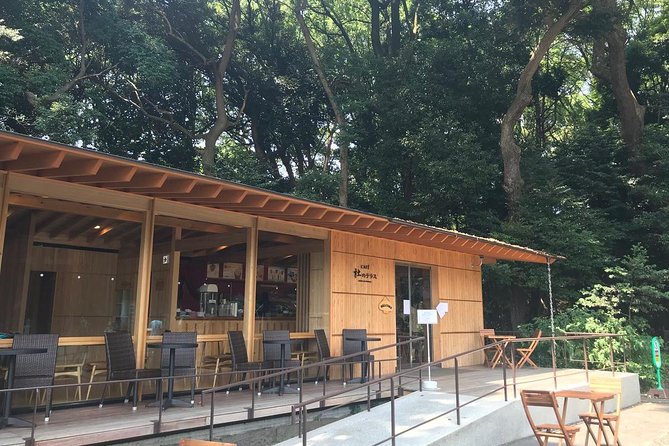
Many architecture walkers want “wow” moments on schedule. This tour tends to deliver that kind of wow because guides frequently connect stops to major modern architects.
Based on past tour experiences, you may encounter stops such as:
- Tokyo Plaza Harakado, associated with Akinisa Hirata, including a planted rooftop vertical garden concept
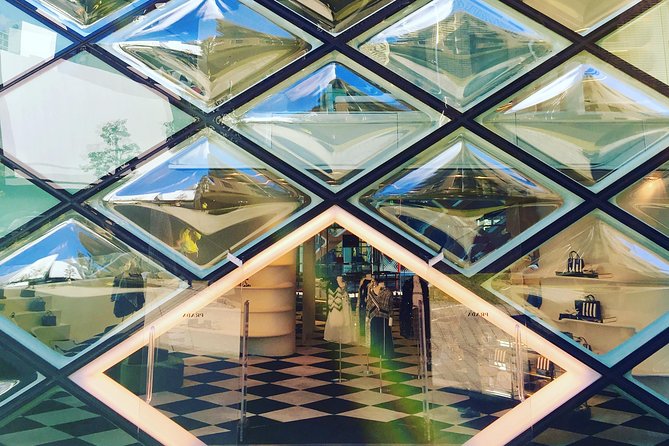
- A closer look at Prada’s distinctive glass design, including the kind of convex/concave visual effects linked to Jacques Herzog and Pierre de Meuron
- Collezione, associated with Tadao Ando, where the experience includes the interesting idea of part of the building going underground
Even if you’re not familiar with those names, the guide’s job is to translate what you’re seeing into usable observations: how light changes the view, why the façade behaves differently from various angles, and how the building’s structure supports the design.
Also, some guides will move indoors for specific stops when possible, and they may extend indoor time when weather gets harsh. That flexibility shows up in the feedback—one guide increased indoor portions because it was hot outside—so you’re not stuck “just walking” when conditions push you toward smarter pacing.
Readers also shortlisted these Tokyo bookings:
- Tokyo 6hr Private Tour with Government-Licensed Guide★ 5.0 · 3,902 reviews
- Private Tour to Mt. Fuji and Hakone (Fully Licenced Operator)★ 5.0 · 1,910 reviews
- Tokyo Customized Private Tour (Must See Places in 1 Day)★ 5.0 · 1,499 reviews
- Mount Fuji Full-Day Private Tour from Tokyo (Customizable)★ 4.9 · 1,470 reviews
- Tokyo: Private City Highlights Tour with Local Guide★ 4.8 · 1,433 reviews
How the customization works (and how good guides make it feel personal)
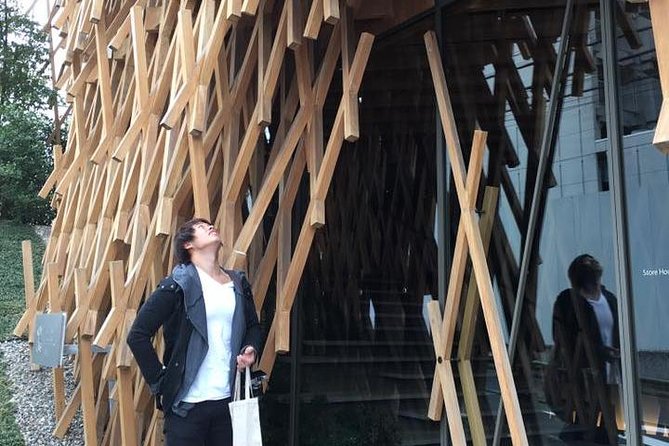
This is a private tour, so your group is the only one on the route. That changes everything. If you care more about modern form, your guide can spend more time on materials and shape. If you care about shopping streets and the human vibe, you’ll get more street-level context and calmer stops.
The customization is also practical: guides adjust the length of indoor time, add explanations to match your level, and keep detours aligned with what you’re actually interested in.
One standout pattern in the feedback: many guides arrive prepared with documented photos for each architect or building. You’ll also see tours where a guide uses an iPad with background info, sometimes even referencing floor-plan-type views and explaining where to stand for the best angles. That approach is a big reason this tour earns such strong scores—people feel guided, not just led.
Guide names mentioned include Yoshi, Yoko, Aki, Mari, Junko, Taka, Eriko, and Yuki. What matters for you is the style: professional prep, good pacing, and the ability to answer questions without making you feel rushed.
Pace, comfort, and what to bring for a 3.5-hour walk
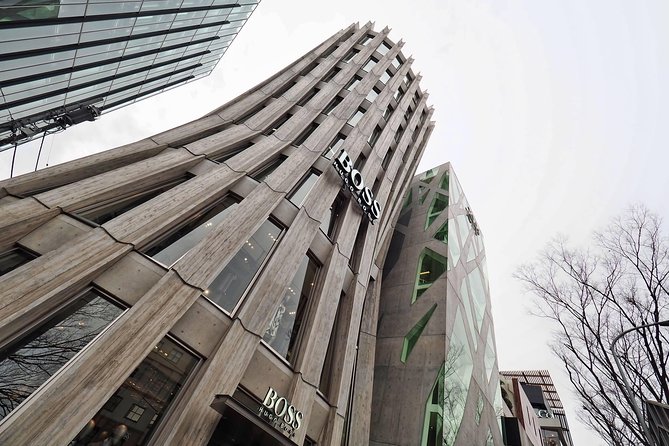
The duration is listed at about 3 hours 30 minutes, and it’s described as requiring moderate physical fitness. In plain terms, expect real walking time with a couple of strategic stops—this isn’t a sit-and-watch museum tour.
What you’ll want most:
- Comfortable walking shoes (Omotesando shopping sidewalks are fine, but it adds up)
- Water (there’s a drink pause, but Tokyo weather can still surprise you)
- A phone camera (you’ll likely want to capture angles your guide points out)
Also, there’s no hotel pickup or drop-off. The meeting is Meiji Jingu (Harajuku Eki), and the tour concludes at Omotesando and Aoyama-dori intersection, in front of Mizuho bank. That matters for planning your day: build in time to get yourself to the start point and then continue easily after you finish.
Because it’s near public transportation, you don’t need a complicated plan—just show up ready to walk.
Price and value: what $132.14 buys you in real-world tour time
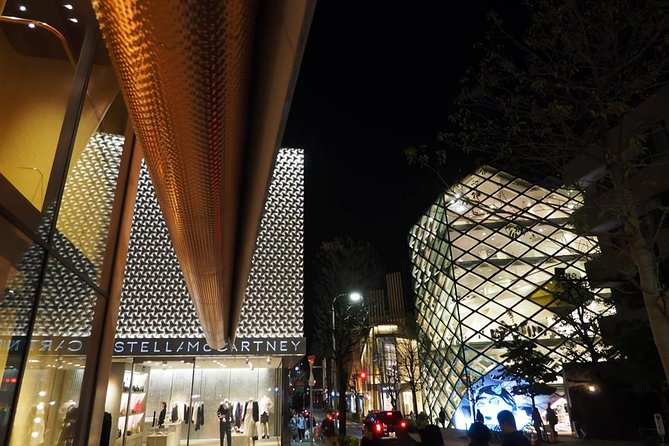
The price is $132.14 per person for a private architecture walk. That can sound steep until you compare it to what you get: a licensed local guide, a custom route, multiple architecture-focused stops, and a planned break with drinks.
The value gets even better if you’re traveling with someone who shares your interests. Since it’s a private group experience, your money goes toward your guide time rather than spreading attention across a big crowd.
Two small notes that affect value and convenience:
- The tour includes mobile ticket handling, which usually reduces friction on arrival.
- There are group discounts, which can make the price feel more reasonable if you book with additional people.
It’s also a well-reviewed experience: the overall rating is 4.9 with 67 reviews, and it’s recommended by 99%. That kind of consistency is usually a good sign for architecture tours, where guide quality matters a lot.
One more practical tip: it’s commonly booked about 53 days in advance on average, so if you have a narrow travel window, don’t wait until the last minute.
Should you book this Harajuku and Omotesando architecture tour?
Book it if you want Tokyo architecture with style-smart context. You’ll like this tour if you enjoy designer streets, want the stories behind modern landmarks (especially Yoyogi gymnasium and the Olympics theme), and you appreciate a guide who brings visuals like photos or iPad references.
Skip it (or consider a different style tour) if you hate walking, prefer a strictly historical deep lecture, or you’re looking for architecture with zero fashion influence. This route is architecture-first, but it’s still built around Harajuku’s retail atmosphere and Omotesando’s design storefronts.
My advice: if you can, go early in your trip. It helps you “read” the neighborhoods faster for the rest of your Tokyo days—how buildings sit, how people move, and where to stand to see the design choices.
FAQ
How long is the Private Harajuku Omotesando Architecture Walking Tour?
It runs for approximately 3 hours 30 minutes.
Where does the tour start and end?
You meet at Meiji Jingu (Harajuku Eki), 1 Yoyogikamizonocho, Shibuya, Tokyo 151-0052. The tour concludes near Omotesando and Aoyama-dori intersection, in front of Mizuho bank.
What’s included in the tour price?
The tour includes a local licensed tour guide and a cozy pause with drinks along the way.
Is this a private tour?
Yes. It’s private, meaning only your group participates.
Is hotel pickup or drop-off included?
No. Hotel pickup and drop-off are not included.
Can I cancel for a full refund?
Yes, you can cancel for a full refund if you do it at least 24 hours before the experience starts. If you cancel less than 24 hours before, the amount paid is not refunded.
More Walking Tours in Tokyo
- Tokyo Tsukiji Fish Market Food and Culture Walking Tour
★ 5.0 · 3,184 reviews - Tokyo: Imperial Palace and Shogun Historical Walking Tour
★ 5.0 · 2,251 reviews - Tokyo: Shinjuku Local Bar and Izakaya Guided Walking Tour
★ 4.9 · 1,794 reviews - Tokyo: Tsukiji Fish Market Food and Walking tour
★ 5.0 · 1,724 reviews - Tokyo: Asakusa Walking Tour with Sensoji Temple Visit
★ 4.8 · 1,583 reviews
More Tours in Tokyo
- Mt Fuji and Hakone 1-Day Bus Tour Return by Bullet Train
★ 5.0 · 26,383 reviews - 1-Day Tokyo Bus Tour
★ 5.0 · 14,250 reviews - Tokyo: Shinjuku Food Tour (13 Dishes at 4 Local Eateries)
★ 5.0 · 6,603 reviews - Tokyo Mt Fuji 5th St & Hakone Cruise Bus Tour w/Bullet Train
★ 4.4 · 5,024 reviews - Flagship 2-Hours Official Street Go-Kart Tour – Tokyo Bay Shop
★ 5.0 · 4,974 reviews
More Tour Reviews in Tokyo
- Mt Fuji and Hakone 1-Day Bus Tour Return by Bullet Train
★ 5.0 · 26,383 reviews - 1-Day Tokyo Bus Tour
★ 5.0 · 14,250 reviews - Tokyo: teamLab Planets TOKYO Digital Art Museum Entry Ticket
★ 4.6 · 9,779 reviews - Mt Fuji & Hakone Cruise, Drum Show Bullet Train 1 Day from Tokyo
★ 4.0 · 7,413 reviews - Tokyo: Shinjuku Food Tour (13 Dishes at 4 Local Eateries)
★ 5.0 · 6,603 reviews
Latest Tokyo reviews off our desk






Walking Tours, compared.
 ★ 5.0Tokyo Tsukiji Fish Market Food and Culture Walking TourFrom $993,184 reviews
 ★ 5.0Imperial Palace and Shogun Historical Walking TourFrom $222,251 reviews
 ★ 4.9Shinjuku Local Bar and Izakaya Guided Walking TourFrom $341,794 reviews
 ★ 5.0Tsukiji Fish Market Food and Walking tourFrom $301,724 reviews
 ★ 4.8Asakusa Walking Tour with Sensoji Temple VisitFrom $221,583 reviews
 ★ 4.9Tsukiji Fish Market Guided Walking TourFrom $221,397 reviews
 ★ 4.7Tokyo Castle & Imperial PalaceーShogun Walking TourFrom $231,068 reviews
 ★ 4.9Imperial Palace Japanese History Walking TourFrom $32987 reviews
Browse the lists this tour appears in