
Reviewed · ASAKUSA & SENSOJI TOURS
Private Japanese Sample Food Making and Asakusa History Tour
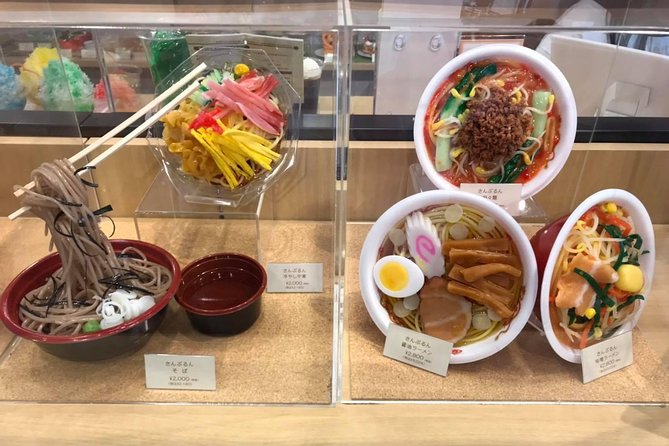
Sample food looks easy, but it is craft.
This private Japanese sample food making and Asakusa history tour turns that famous fake-food wonder into a hands-on workshop where you create a take-home piece, not just pose for photos. I also like that it stays small (capped at 15), so your English-speaking guide can actually help while you work.
One drawback to plan for: you make your model using wax with your hands, so skip the fancy nail art/polish on arrival day. Also, no meals are included, so you’ll want to snack before or plan to eat after.
The flow is simple: start with sampuru history and making, then walk Kappabashi Street (Kitchen Town), and finish at Sensoji Temple plus Nakamise Dori shopping street. You’ll get photo stops along the way and a real sense of why these glossy restaurant displays are a big deal in Japan.
In This Review
- Key things to know before you go
- How the sampuru workshop works (and why wax makes it memorable)
- Kappabashi Street, Kitchen Town: where tools and models tell the story
- Sensoji Temple and Nakamise Dori: classic Asakusa with time to breathe
- The real history behind fake food (it is older and more serious than you think)
- Price and timing: what $172.66 really buys you
- Accessibility and who the tour suits best
- Guides and small-group feel: warmth plus practical help
- Should you book the Japanese sample food and Asakusa history tour?
- FAQ
- FAQ
- What is the duration of the tour?
- What time does the tour start, and where do we meet?
- Is Sensoji Temple admission included?
- What will I make in the workshop?
- Do I need to speak Japanese?
- Are strollers and wheelchairs accommodated?
- What is the minimum age for participants?
- Are meals included in the price?
- What should I do about nail polish or nail art?
- Where does the tour end?
Key things to know before you go
- You make a real takeaway: you leave with the sample sampuru you craft during class.
- It is small-group private feel: the group is capped at 15, and only your group participates.
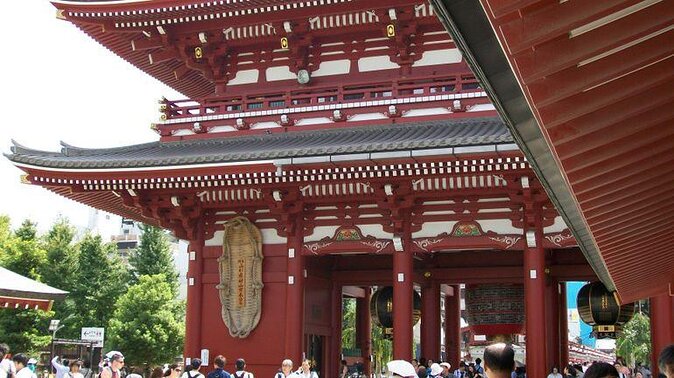
- Sensoji admission is included: you get a ticket for the temple visit (about 30 minutes).
- Kappabashi is built for sample food spotting: expect tools, displays, and the craft culture behind restaurant signage.
- Hands-on wax work needs prep: avoid nail art or polish since wax may remove it.
- Guides can be extra helpful: guides such as Hitomi and Mami have shared practical local help beyond the tour script.
How the sampuru workshop works (and why wax makes it memorable)
The workshop is the heart of the experience. Before you touch anything, you’ll see different types of sampuru models and learn how the craft started and why the displays matter in daily restaurant life. This matters because otherwise it is easy to see the food models as just cute décor. With the background, you notice details you would normally miss.
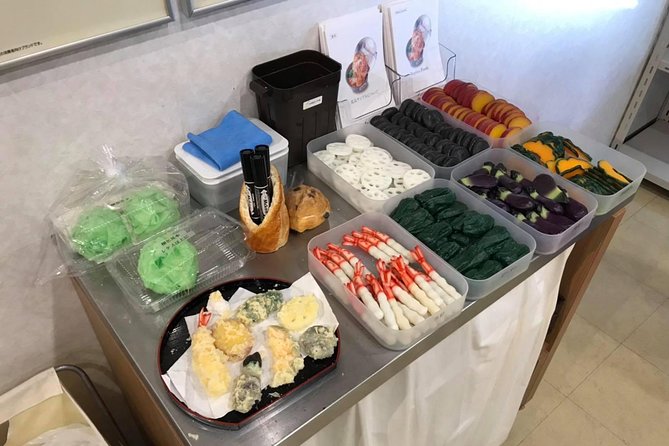
Then you get the hands-on part: you make tempura-style sampuru foods in a small group. The process is designed so you can finish and take your own model home, which is a big part of the value here. Even if you are not a crafty person, the class format is built around doing the steps with guidance, not just watching.
You should also know what to bring psychologically: it is tactile and a little messy in the best way. The tour specifically recommends not having nail art or polish because the wax may remove it. If you show up with bare hands, you keep the experience stress-free.
More temple mornings in old Asakusa
- Tokyo: Japanese Dance Cabaret Theater Asakusa-Kaguwa Ticket
★ 4.8 · 2,270 reviews - Tokyo: Meiji Shrine, Asakusa, Skytree Bus Tour and Cruise
★ 4.7 · 1,986 reviews - Tokyo: Roll and Authentic Sushi Making Class in Asakusa
★ 4.9 · 1,957 reviews - Tokyo: Asakusa Walking Tour with Sensoji Temple Visit
★ 4.8 · 1,583 reviews
Kappabashi Street, Kitchen Town: where tools and models tell the story
After the workshop, you walk Kappabashi Street, often called Kitchen Town. This is where the tour stops being an indoor class and starts turning into a living showroom. You’ll see the world that supports the displays—kitchen tools, restaurant-related goods, and sample food craftsmanship all in the same area.
This is also where your workshop knowledge pays off. Once you’ve made something yourself, you start looking for craftsmanship choices: how colors are blended, how textures read from a distance, and how the pieces are arranged to catch the eye through storefront glass. You’ll likely find yourself doing quick comparisons all along the street, which makes the walk more fun than a standard sightseeing loop.
Photo opportunities are built into this portion too, and that’s a practical bonus. The streetscape in Asakusa is full of small visual details, but the best shots usually come when you pause with purpose—like when you’re spotting the kinds of display food you just learned how to make.
Sensoji Temple and Nakamise Dori: classic Asakusa with time to breathe
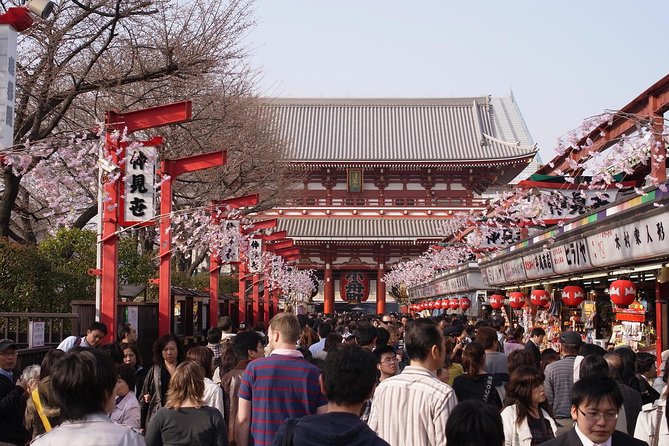
The final segment goes to Sensoji Temple (also known as Asakusa Kannon Temple). This is described as Tokyo’s most popular and oldest temple, and the tour gives you about 30 minutes for the visit with an admission ticket included. That time is enough to get oriented, see the main areas, and still feel like you weren’t rushed.
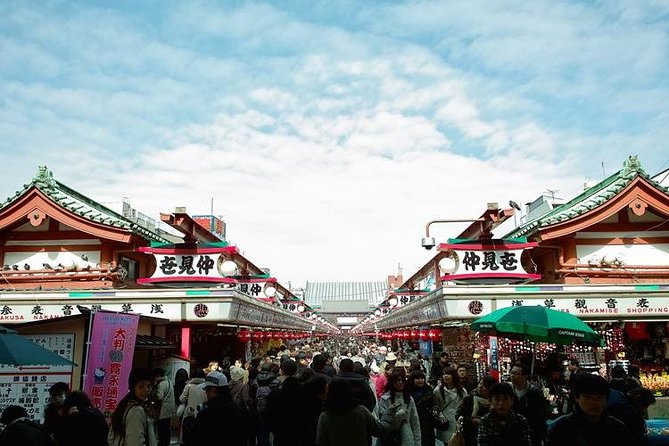
Then you head to Nakamise Dori, the shopping street that connects the temple’s main gate and the main hall. This stretch is where Asakusa feels like Asakusa—lots of snack and souvenir energy, with the temple as the anchor. The tour plan keeps it focused: you’re not trying to do everything in the neighborhood, you’re moving along the route that matters most for first-timers.
One practical note: the tour ends back at the meeting point, so you’re not stuck figuring out your next step at the end. That’s helpful after a day of walking and workshop effort.
The real history behind fake food (it is older and more serious than you think)
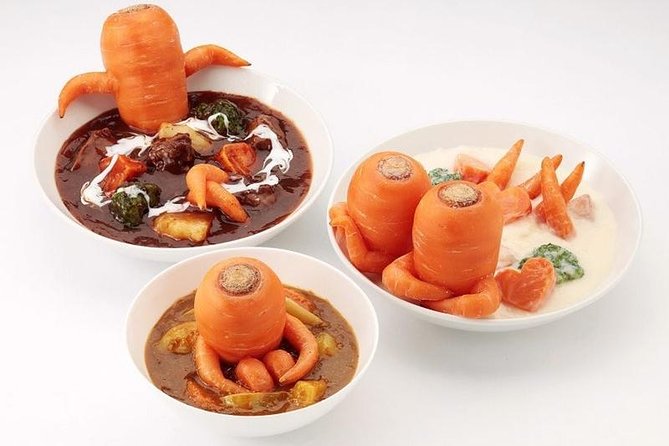
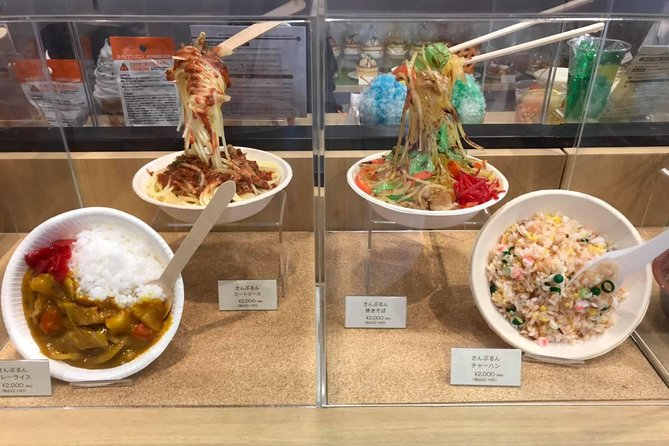
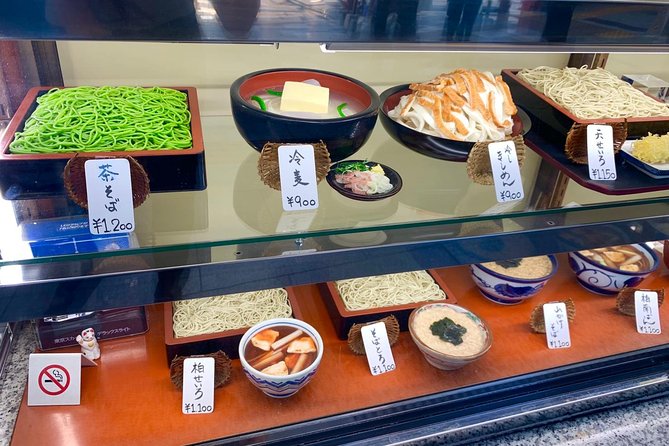
The sampuru story is one of those Tokyo oddities that becomes oddly believable once you hear the details. The craft is made from plastic or wax, and each piece is crafted by hand—sometimes taking hours for simpler items, and longer for more complex entrees. Some pieces can take up to a week to complete.
There is also a serious investment in realism. Because the models look almost indistinguishable from real food, the craft has real pressure to get details right. Artisans say it can take up to 10 years to perfect the technique, and the cost can be high enough that imitation pieces may cost up to 10 times the real food they represent (sometimes quoted up to around $500 USD / 55,000 JPY). That contrast—small storefront windows, big craft effort—helps you understand why Japan treats sampuru like a profession.
You’ll also hear the origin story tied to the 1930s: Takizo Iwasaki, an artisan from Gujo Hachiman, reportedly made a wax omelet so realistic his wife couldn’t tell it from real food. From there he helped start a major plastic food manufacturing business that controls an estimated 60% of the fake food market. By the 1950s, sampuru displays gained popularity, and the craft stuck around because restaurant decision-making still depends on what people can see fast from the street.
This history is valuable because it changes how you shop and look. When you understand the why, the displays stop being a gimmick and start being an information system for hungry people.
Price and timing: what $172.66 really buys you
At $172.66 per person for about 3 hours, the price looks high if you’re thinking only in terms of walking. But for this specific tour, you’re paying for three things that add up:
- An English-speaking guide plus translator support during the explanations and workshop.
- The workshop itself, including the take-home sample sampuru you make.
- Temple admission included for the Sensoji stop, plus structured photo stops.
Also, the group cap of 15 helps protect the workshop experience. In a bigger crowd, hands-on classes usually turn into a conveyor belt. Here, the format is designed for people to actually work and ask questions.
Timing-wise, it runs at 10:00 AM (meeting time is 9:45 AM). The meeting point is APA Hotel Asakusa Tawaramachi Station Mae, and the tour is described as near public transportation, which is a real advantage in Tokyo. The schedule availability is Tuesdays, Thursdays, and Sundays from 10:00 AM to 12 PM (with some holidays excluded), so plan your trip around those days.
One thing to remember: meals are not included. If you go straight from breakfast or plan to eat afterward, you’ll feel better. If you arrive hungry, the workshop will still be fun, but your focus might wobble when you smell real food nearby in Asakusa.
Readers also shortlisted these Tokyo bookings:
- Tokyo: Shinjuku Food Tour (13 Dishes at 4 Local Eateries)★ 5.0 · 6,603 reviews
- Tokyo Tsukiji Fish Market Food and Culture Walking Tour★ 5.0 · 3,184 reviews
- Tokyo: Shinjuku Food Tour (15 Dishes and 4 Eateries)★ 4.9 · 2,033 reviews
- Best of Shinjuku: Izakaya Food Tour (4 Stops, 14+ Tastings)★ 5.0 · 1,863 reviews
- Tokyo: Tsukiji Fish Market Food and Walking tour★ 5.0 · 1,724 reviews
Accessibility and who the tour suits best
The tour says wheelchairs and strollers are accessible, and it’s suitable for ages 7 and up. It is also a good match for families because the workshop is hands-on and the take-home souvenir is something kids and adults can both enjoy.
That said, the most important “fit” factor is comfort with materials. Since you put your hands into wax to make the food samples, you’ll want to show up with simple hand prep and no manicure stress. If that is a deal-breaker for you, you might prefer a more observation-based tour.
If you love food culture, craft, or just enjoy weird Japan details that make your photos feel smarter than average, this works well. If you want a long temple day, this is shorter and more structured: you’re getting Asakusa highlights without losing the afternoon to navigation.
Guides and small-group feel: warmth plus practical help
The guide experience can make or break this kind of workshop-tour mix. The information you receive before you start making matters, because it sets you up to notice details and helps you understand what you are building.
In the reviews, guides such as Hitomi and Mami are praised for friendliness and solid explanations. Mami is also highlighted for helping with a tax-free refund and directing people to their next stop. That kind of extra, local-practical assistance can save time in Asakusa, where it is easy to get sidetracked by snacks and souvenirs.
Because the tour is capped at 15, you’re not just hearing history while everyone else disappears into the crowd. You can ask questions, get help during the workshop steps, and keep moving as a group.
Should you book the Japanese sample food and Asakusa history tour?
I think it’s worth booking if you want more than sightseeing. The combination of a hands-on sampuru workshop, Kappabashi Street walking, and a focused Sensoji visit creates a satisfying arc: make it, see it in context, then connect it to the neighborhood where you’re standing.
Book it sooner rather than later if you’re traveling with kids age 7+ or you want a Tokyo experience that feels different from standard temple-and-museum days. And if you’re the type who loves taking home something you made, this has that built in.
Skip it if you hate working with wax, if you need lots of free time for wandering, or if meals are a must-have for your tour budget. For everyone else, it’s a clever value deal: you pay for instruction, materials, admission, and a real takeaway in about three hours—tight timing, strong payoff.
FAQ
FAQ
What is the duration of the tour?
It lasts about 3 hours.
What time does the tour start, and where do we meet?
Meeting time is 9:45 AM, with the tour starting at 10:00 AM. The meeting point is APA Hotel Asakusa Tawaramachi Station Mae, 1-chōme-2-3 Nishiasakusa, Taito City, Tokyo 111-0035, Japan.
Is Sensoji Temple admission included?
Yes. The Sensoji stop includes an admission ticket and is scheduled for about 30 minutes.
What will I make in the workshop?
You’ll make tempura sampuru foods and take your sample sampuru home as a souvenir.
Do I need to speak Japanese?
No. The tour includes an English-speaking guide (with a translator as part of the tour support).
Are strollers and wheelchairs accommodated?
Yes. Wheelchairs and strollers are accessible for participants.
What is the minimum age for participants?
Only people age 7 and up can participate. Children aged 7 to 14 must be accompanied by a guardian age 20 or older.
Are meals included in the price?
No. Meals, food, and drinks are not included.
What should I do about nail polish or nail art?
The tour recommends that you do not have nail art or polish on your hands, since the wax may remove some of it during the sample food making process.
Where does the tour end?
It ends back at the meeting point.
More Tours in Tokyo
- Mt Fuji and Hakone 1-Day Bus Tour Return by Bullet Train
★ 5.0 · 26,383 reviews - 1-Day Tokyo Bus Tour
★ 5.0 · 14,250 reviews - Tokyo: Shinjuku Food Tour (13 Dishes at 4 Local Eateries)
★ 5.0 · 6,603 reviews - Tokyo Mt Fuji 5th St & Hakone Cruise Bus Tour w/Bullet Train
★ 4.4 · 5,024 reviews - Flagship 2-Hours Official Street Go-Kart Tour – Tokyo Bay Shop
★ 5.0 · 4,974 reviews
More Tour Reviews in Tokyo
- Mt Fuji and Hakone 1-Day Bus Tour Return by Bullet Train
★ 5.0 · 26,383 reviews - 1-Day Tokyo Bus Tour
★ 5.0 · 14,250 reviews - Tokyo: teamLab Planets TOKYO Digital Art Museum Entry Ticket
★ 4.6 · 9,779 reviews - Mt Fuji & Hakone Cruise, Drum Show Bullet Train 1 Day from Tokyo
★ 4.0 · 7,413 reviews - Tokyo: Shinjuku Food Tour (13 Dishes at 4 Local Eateries)
★ 5.0 · 6,603 reviews
More Mornings in Old Asakusa
- Tokyo: Japanese Dance Cabaret Theater Asakusa-Kaguwa Ticket
★ 4.8 · 2,270 reviews - Tokyo: Meiji Shrine, Asakusa, Skytree Bus Tour and Cruise
★ 4.7 · 1,986 reviews - Tokyo: Roll and Authentic Sushi Making Class in Asakusa
★ 4.9 · 1,957 reviews - Tokyo: Asakusa Walking Tour with Sensoji Temple Visit
★ 4.8 · 1,583 reviews - Tokyo Asakusa Rickshaw Tour
★ 5.0 · 1,375 reviews
Latest Tokyo reviews off our desk






Asakusa & Sensoji Tours, compared.
 ★ 4.8Japanese Dance Cabaret Theater Asakusa-Kaguwa TicketFrom $492,270 reviews
 ★ 4.7Meiji Shrine, Asakusa, Skytree Bus Tour and CruiseFrom $1221,986 reviews
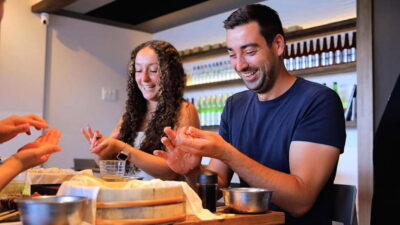 ★ 4.9Roll and Authentic Sushi Making Class in AsakusaFrom $581,957 reviews
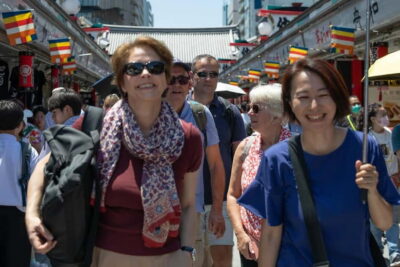 ★ 4.8Asakusa Walking Tour with Sensoji Temple VisitFrom $221,583 reviews
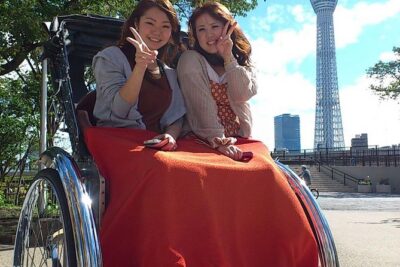 ★ 5.0Tokyo Asakusa Rickshaw TourFrom $421,375 reviews
 ★ 4.5Tokyo Panoramic 1 Day: Meiji Shrine, Asakusa, Odaiba and SKYTREE®From $851,222 reviews
 ★ 5.0Tokyo Go Kart: Asakusa, Skytree, and Akihabara **IDP MUST**From $99988 reviews
 ★ 4.7Asakusa, Skytree & Akhihabara Go-Kart City ExperienceFrom $96761 reviews
Browse the lists this tour appears in