
Reviewed · KAMAKURA DAY TRIPS
Private Kimono photo shooting tour in ancient city Kamakura
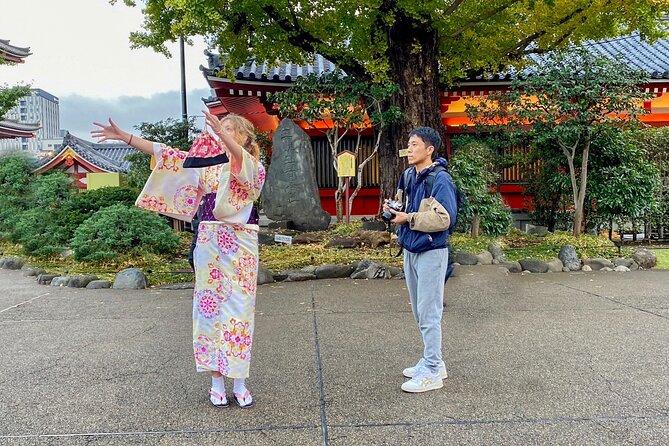
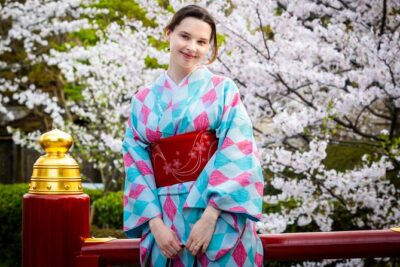
Kamakura looks better in kimono. This private kimono photo tour puts you in front of classic Kamakura scenes, with photographer Shuhei helping you get comfortable and camera-ready. I also like that you leave with 30 edited photos, so it’s not just a few quick snaps.
You’ll spend 2 to 3 hours moving through calm temple stops and a major shrine, with time to pose, walk, and reset at each location. One thing to watch: kimono rental costs extra (3800Yen), so the headline price won’t be the full cost if you need wardrobe help.
In This Review
- Key highlights
- Kamakura in kimono: why this setting works so well
- Getting set up near Komachi Street (and why the start matters)
- Daigyoji Temple: quiet start for confident first photos
- Myohonji Temple: old wooden structures and seasonal drama
- Tsurugaoka Hachimangu: the shrine icon you came for
- Jufukuji Temple: calm trees, photo-friendly walking paths
- Komachi Street: souvenirs, snacks, and a lifestyle finish
- Photos you’ll actually want to keep: 30 edited images and more control
- Cost and value: what $85.20 really covers
- How flexible is it, really?
- Who this private kimono photo shoot is best for
- Should you book this Kamakura kimono photo tour?
- FAQ
- How long is the private kimono photo shooting tour in Kamakura?
- Is this tour private?
- What photos are included?
- Is kimono included in the price?
- Where does the tour start and end?
- Are there admission fees at the stops?
- Can the route be customized?
- Is bottled water included?
- What if the weather is bad?
- What is the cancellation policy?
Key highlights
- Private photographer (Shuhei) with pose guidance so you’re not guessing what to do with your hands
- 30 edited photos included, with editing done for up to the max set
- Quieter temple start near Kamakura Station to get portraits before the crowds gather
- Tsurugaoka Hachimangu photo time along the long approach and around the pond area
- Flexible route so you can adjust where you go during the tour window
Kamakura in kimono: why this setting works so well
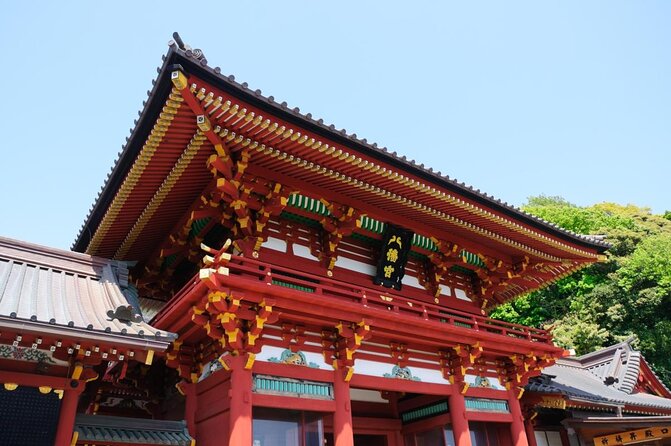
Kamakura is one of those places where old Japan is still visible without feeling like a theme park. The city has temple lanes, shrine paths, and neighborhood streets that feel lived in. And yes, it was an important samurai power center long ago—so the vibes match the look.
Wearing kimono changes how people see you, but it also changes how you move. Your pace slows. Your posture tightens. That’s exactly what you want for photos. Instead of standing in one place and hoping for the best, you get a series of backdrops that look natural together: quiet temple grounds, a famous shrine approach, then the everyday energy of Komachi Street.
The tour is built around that mix. You don’t just get a costume and a photo location. You get a guided walking flow, with a photographer who knows how to shoot you in a way that feels like you’re actually part of the scene.
Coast-and-Buddha days near Kamakura, rated
- Tokyo: Kamakura & Enoshima Day Trip including Temple Tickets
★ 4.5 · 1,375 reviews - From Tokyo: Kamakura & Enoshima 1-Day Bus Tour
★ 4.5 · 189 reviews - Kamakura Historical Walking Tour with the Great Buddha
★ 5.0 · 129 reviews - Kamakura Private Tour: Temples, Nature, and the Great Buddha
★ 5.0 · 121 reviews
Getting set up near Komachi Street (and why the start matters)
The meeting point is the Kamakura City Tourist Information Center, right by Komachi Street (1-chōme-1-1 Komachi, Kamakura). That’s a smart location because you’re close to the action without being thrown into the busiest zone immediately.
The tour is private, meaning only your group is along for the shoot. No waiting for other people. No awkward choreography while you try to pose. This matters most when you’re wearing kimono, because fitting and styling often needs a calm moment—and because you’ll want the photographer’s full attention when you’re adjusting sleeves, collar, and stance.
Also, the tour begins at Daigyoji Temple, a small temple beside Kamakura Station. Starting here is a big deal for photos. You get a quieter atmosphere right away, which helps you settle in before you head toward the larger, more famous sights.
Daigyoji Temple: quiet start for confident first photos
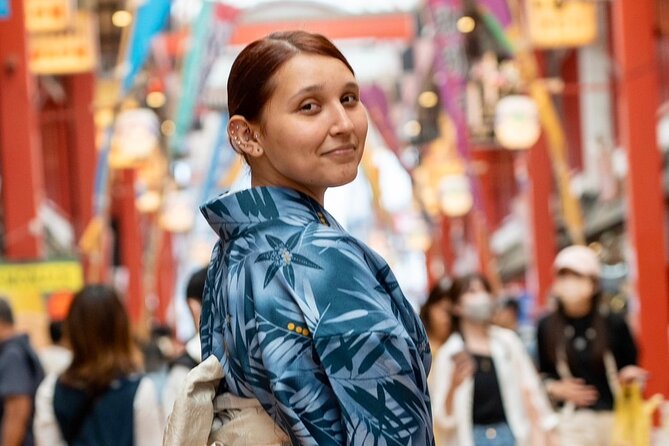
Daigyoji Temple is a small site next to Kamakura Station, and it’s listed as a short stop (about 5 minutes). That sounds quick, but it’s the right length for a first “get rolling” location.
Why it works:
- It’s a low-pressure environment to test poses and angles.
- You can start with photos where you’re still fresh and adjusting.
- Because it’s calmer, you won’t feel rushed.
If you’re worried about posing, this first stop is where you figure it out. The photographer can coach you on simple body angles and how to hold your kimono naturally while you walk or pause.
Myohonji Temple: old wooden structures and seasonal drama
Next up is Myohonji Temple, known as the oldest temple of the Nichiren school of Buddhism. It was founded around 1260, so the buildings carry that unmistakable “handed down” feel. This stop is about 20 minutes, and it’s one of the more visually rich segments of the route.
Myohonji also gets described for its seasonal beauty—sakura in spring and autumn leaves. Even if you’re there off-season, you still get something valuable: historic wooden structures and a calmer pace that suits kimono portraits.
A practical note: 20 minutes is enough time to get a mix of shots—close portraits, mid-distance compositions, and some walking photos—without turning the stop into a marathon. If you’re the type who likes to see results on the spot, this is one of the best places to ask the photographer to refine what you’re trying to achieve.
Tsurugaoka Hachimangu: the shrine icon you came for
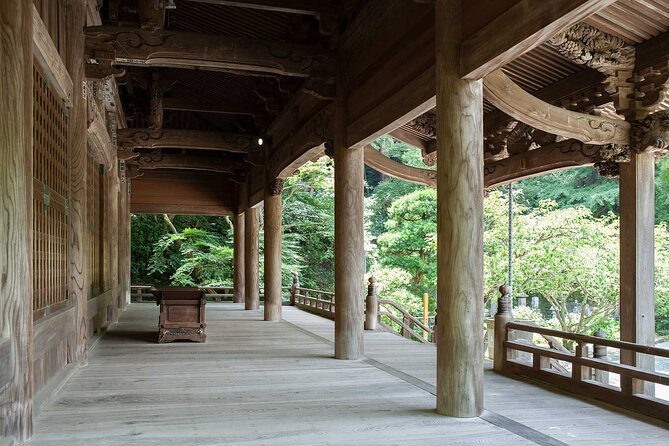
Then you reach Tsurugaoka Hachimangu, Kamakura’s landmark shrine. This is where the tour earns its headline fame. It’s a Shinto shrine founded in the 12th century by Minamoto no Yoritomo, and it’s dedicated to Hachiman—the god of war and a divine protector of the Minamoto clan.
This stop is about 25 minutes, including time for photo breaks.
What you’ll likely want to capture:
- The impressive entrance gate and the long approach lined with cherry trees (when in season).
- The pond area, where there’s space to sit and reset.
- Wide shrine views that frame you in the setting, not just as a person in the corner.
Here’s the real value: a professional photographer helps you make the shrine feel cinematic without over-staging it. If you only had the time to take a few quick photos at a famous shrine, you’d probably come home with the “I was there” shots. With this tour, you’re given a reason to slow down and let your kimono and surroundings match.
More kimono shoots, compared
- Kanagawa: Kimono Rental in Kamakura Provided by RikaWafuku★ 4.8 · 8 reviews
Jufukuji Temple: calm trees, photo-friendly walking paths
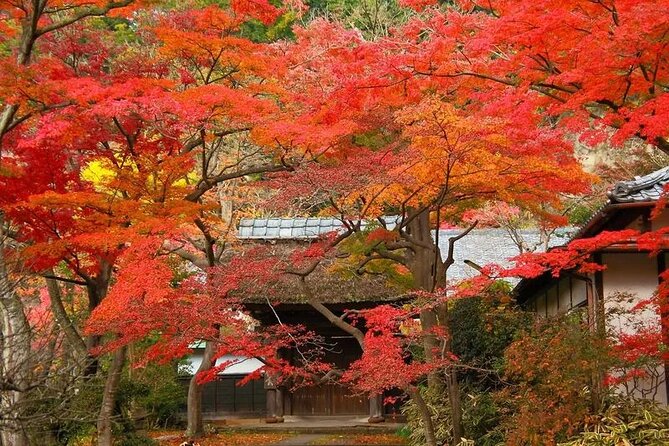
Jufukuji Temple is a shorter stop (about 10 minutes), and that’s actually a strength. It’s an opportunity to shift from the larger shrine energy to a more tranquil mood.
Jufukuji was established around 1200 by Hojo Masako, the wife of Minamoto no Yoritomo. The temple is known for a road approaching the main area lined with trees, plus a quieter, peaceful atmosphere. There’s also a small nearby shrine where you can look and take a few more photos.
Because the time here is short, I recommend thinking of it as a “bonus set” rather than a main event. Ask for:
- One clean full-body shot with the tree-lined path as a guide.
- One portrait-style frame where the background stays soft.
- A couple of hands-and-sleeves shots, since kimono details photograph beautifully.
And yes—this kind of stop also helps you avoid the feeling of being stuck in one place. You’re moving, and the photos reflect that natural flow.
Komachi Street: souvenirs, snacks, and a lifestyle finish
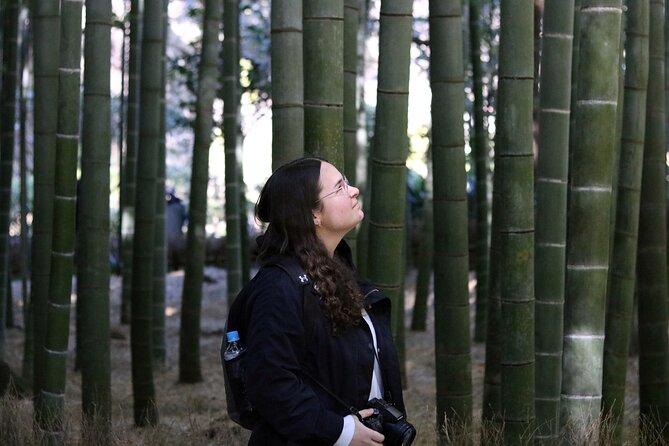
After the temple and shrine segments, you shift to Komachi Street, Kamakura’s main shopping street. It’s named after Ono no Komachi, a famous poetess from the Heian period (784–1184), and the area feels like a classic mix of boutiques, cafes, and small shops.
This part is more flexible in how you use it. You can browse souvenirs and local crafts, stop for a snack, or just enjoy the change of pace after the more formal temple grounds.
If you want a practical tip: keep your kimono situation in mind while walking through shops and crowds. Komachi Street is lively, so you may want to step carefully on uneven pavement and plan your stops rather than wandering without a direction.
Photos you’ll actually want to keep: 30 edited images and more control
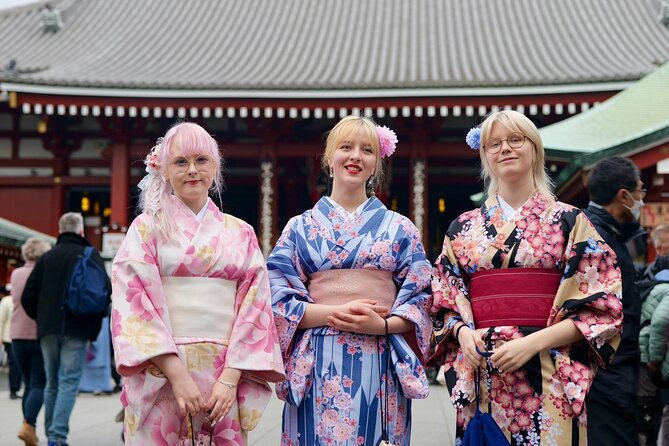
The most important number here is 30 edited photos included. That’s the difference between a fun activity and something you’ll post, print, or save for years.
Also, you can choose to receive all the photos you want, and the set you get is edited up to that maximum of 30. Translation: you can aim for variety rather than forcing yourself to only take photos you think will be perfect.
In the photo sessions, you’re not left to figure out posing alone. One review highlights that Shuhei suggested lots of poses and made the process comfortable, especially if you don’t know what to do. That’s a huge value-add. People often worry they’ll look awkward. A good photographer fixes that by giving simple, repeatable instructions.
If you’re the “I need a plan” type, think about what you want represented:
- Formal shrine look
- Calm temple look
- Full-body walk-through shot
- A portrait that feels like you’re part of Kamakura, not just standing in it
The route supports all of that.
Cost and value: what $85.20 really covers
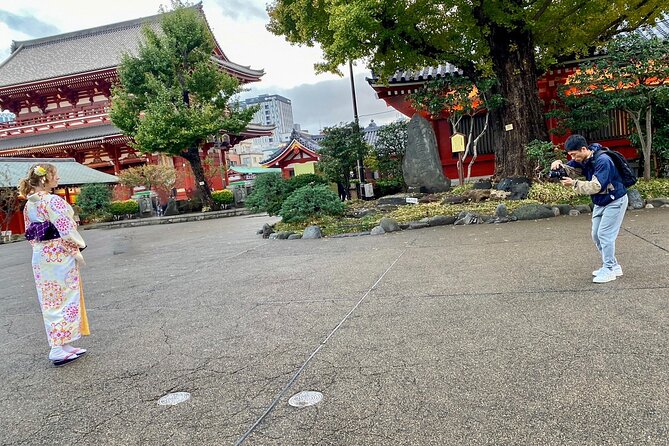
The price is listed as $85.20 per person, and the tour runs about 2 to 3 hours total including changing time and travel. On average, it’s booked about 42 days in advance, which tells me this fills up during popular periods. If you’re traveling in peak seasons, booking earlier is smart.
What you get included:
- Bottled water
- 30 edited photos
- WiFi on board
- A private shoot (only your group participates)
- Mobile ticket (so you’re not scrambling for paperwork)
What is not included:
- Rental kimono for 3800Yen
That kimono rental add-on is the one cost you should plan for. If you already have your own kimono, then you’re basically paying for the photographer time, editing, and guided shoot. If you don’t have one, you should budget the rental so you don’t get surprised at checkout.
In value terms, the best part is the mix of time + editing. A lot of cheaper photo activities give you unedited files or just a handful of shots. Here, you’re paying for a process: guided locations, pose direction, and a consistent editing set.
Also, admissions at the listed stops are shown as free, which helps keep the day simpler budget-wise.
How flexible is it, really?
The tour can be customized to where you go. That’s helpful if you have strong preferences—like spending more time near Komachi Street for photos with a street vibe, or keeping things calmer if you want gentler pacing.
Because it’s private, your adjustments won’t be slowed down by other groups. That’s one of the biggest reasons to choose private here. You can fine-tune the pace without derailing a schedule that others depend on.
Who this private kimono photo shoot is best for
This is a strong fit if you:
- Want professional photos and not just phone snapshots
- Prefer a calmer route with quiet temple stops mixed in with a big-name shrine
- Like the idea of wearing traditional clothing while walking through real streets
- Need posing help and direction (especially if you’re camera-shy)
It may be less ideal if you:
- Want a long, deep museum-style sightseeing day. This is a photo-first plan with short, efficient stops.
- Hate weather dependency. The experience requires good weather, and if conditions are poor, you’ll be offered another date or a full refund.
Good news: the itinerary is compact by design. That’s what keeps the day manageable when you’re also changing into kimono.
Should you book this Kamakura kimono photo tour?
If your goal is to get photos you’ll truly keep, I think it’s an easy yes. 30 edited photos plus pose support makes this feel more like a real portrait session than a quick tourist trick. Add in the mix of Daigyoji and Myohonji for quieter temple vibes, then Tsurugaoka Hachimangu for the iconic shrine backdrop, and you’ve got a photo set with variety.
Book it if you’re excited about kimono and you want that guided flow. Consider it again if you’re trying to keep costs ultra-low, since kimono rental is 3800Yen if you need it.
If you want a clean, photo-focused Kamakura day that still feels authentic, this private kimono shoot is a solid way to do it.
FAQ
How long is the private kimono photo shooting tour in Kamakura?
It’s about 2 to 3 hours in total, including travel and changing time.
Is this tour private?
Yes. It’s a private tour/activity, and only your group participates.
What photos are included?
You get up to 30 edited photos included as part of the tour.
Is kimono included in the price?
Kimono rental is not included. Rental is 3800Yen. A non-kimono option is also available.
Where does the tour start and end?
It starts at the Kamakura City Tourist Information Center (1-chōme-1-1 Komachi, Kamakura, Kanagawa 248-0006, Japan) and ends back at the meeting point.
Are there admission fees at the stops?
The stops listed include free admission (Daigyoji Temple, Myohonji Temple, Tsurugaoka Hachimangu Shrine, and Jufukuji Temple).
Can the route be customized?
Yes. The tour can be customized to where you go.
Is bottled water included?
Yes, bottled water is included.
What if the weather is bad?
The experience requires good weather. If it’s canceled due to poor weather, you’ll be offered a different date or a full refund.
What is the cancellation policy?
Free cancellation is available up to 24 hours before the experience starts for a full refund.
More Tour Reviews in Kamakura
- Tokyo: Kamakura & Enoshima Day Trip including Temple Tickets
★ 4.5 · 1,375 reviews - From Tokyo: Kamakura & Enoshima 1-Day Bus Tour
★ 4.5 · 189 reviews - Kamakura Historical Walking Tour with the Great Buddha
★ 5.0 · 129 reviews - Kamakura Private Tour: Temples, Nature, and the Great Buddha
★ 5.0 · 121 reviews - Kamakura Walking Tour – The City of Shogun
★ 5.0 · 100 reviews
More Kimono Photo Shoots
- Kanagawa: Kimono Rental in Kamakura Provided by RikaWafuku
★ 4.8 · 8 reviews
More Kamakura and Enoshima Days
- Tokyo: Kamakura & Enoshima Day Trip including Temple Tickets
★ 4.5 · 1,375 reviews - From Tokyo: Kamakura & Enoshima 1-Day Bus Tour
★ 4.5 · 189 reviews - Kamakura Historical Walking Tour with the Great Buddha
★ 5.0 · 129 reviews - Kamakura Private Tour: Temples, Nature, and the Great Buddha
★ 5.0 · 121 reviews - Kamakura Walking Tour – The City of Shogun
★ 5.0 · 100 reviews
Latest Kamakura reviews off our desk
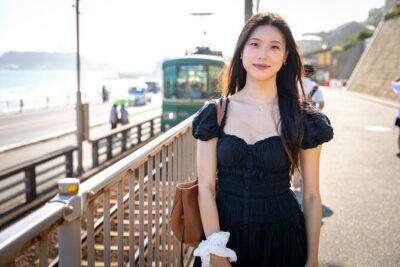
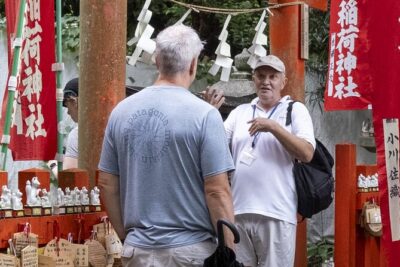
Kamakura Day Trips, compared.
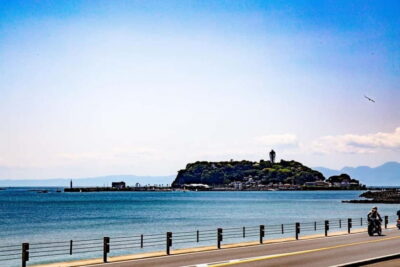 ★ 4.5Kamakura & Enoshima Day Trip including Temple TicketsFrom $581,375 reviews
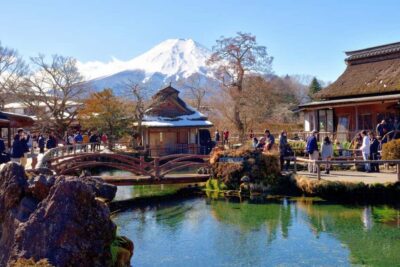 ★ 4.5Mt. Fuji, Kamakura, Big Buddha, & Lake Ashi Day TripFrom $49867 reviews
 ★ 4.5From Tokyo: Kamakura & Enoshima 1-Day Bus TourFrom $66189 reviews
 ★ 5.0Kamakura Historical Walking Tour with the Great BuddhaFrom $98129 reviews
 ★ 5.0Kamakura Private Tour: Temples, Nature, and the Great BuddhaFrom $98121 reviews
 ★ 5.0Kamakura Walking Tour – The City of ShogunFrom $35100 reviews
 ★ 4.9Sea of Mount Fuji, Hakone Ropeway, Ōwakudani, EnoshimaFrom $5084 reviews
 ★ 5.0Kamakura 8 hr Private Walking Tour with Licensed Guide from TokyoFrom $20180 reviews
Browse the lists this tour appears in