
Reviewed · SUMO TOURNAMENTS & SHOWS
Private Ryogoku Walking Tour with Sumo Wrestler and Master Guide
Sumo meets temple streets on one walk. It’s a private sumo wrestler–led tour that takes you from Ryogoku’s big-stadium world to Asakusa’s famous Senso-ji and Nakamise shopping streets, with a translator to keep everything clear. I particularly love the chance to hear the sport explained firsthand, in plain language, while you’re actually in sumo territory. I also like how the walk isn’t all about arenas and rankings—it mixes in real local Tokyo stops where you can snack, browse, and slow down.
One thing to consider: at about $402.32 per person, this is pricey. If you’re price-sensitive, it only feels worth it if you’re excited about sumo culture enough to pay for a private guide plus translation (and you’re not expecting food to be included).
In This Review
- Key Points You’ll Care About
- Ryogoku Station to Ryogoku Edo Noren: start in authentic sumo-town style
- Ryogoku Kokugikan: seeing Japan’s huge sumo stadium up close
- Nomi Sukune Shrine: where the origin story becomes real
- From wrestlers’ stable vibes to a calm Japanese-garden pause
- Asakusa Senso-ji and Nakamise Street: the Tokyo counterweight
- The optional Hokusai stop: when art time fits your interests
- What you really get from a sumo wrestler guide and translator
- Price and planning: is $402.32 per person worth it?
- Who should book, and who should skip?
- Should you book the Private Ryogoku Walking Tour with a Sumo Wrestler?
- FAQ
- How long is the tour?
- Where does the tour start and when?
- Is this a private tour?
- What’s the group size limit?
- Is a translator included?
- Will the guide always be an active sumo wrestler?
- What are the main stops?
- Are admission tickets included?
- Is food and drinks included?
- What is the cancellation policy?
Key Points You’ll Care About
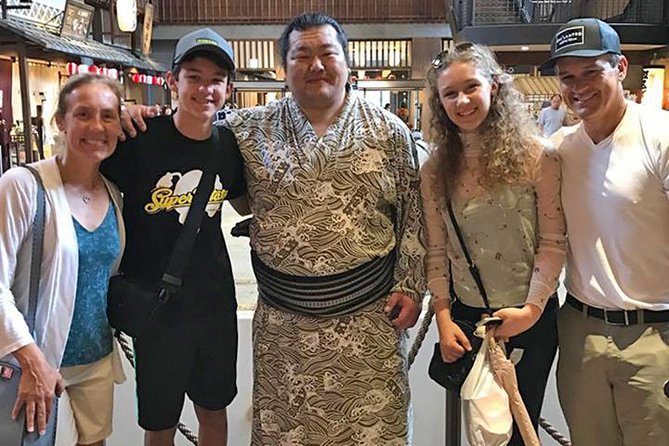
- A sumo wrestler guide (sometimes just-retired): you still get the same kind of experience and know-how during tournament periods.
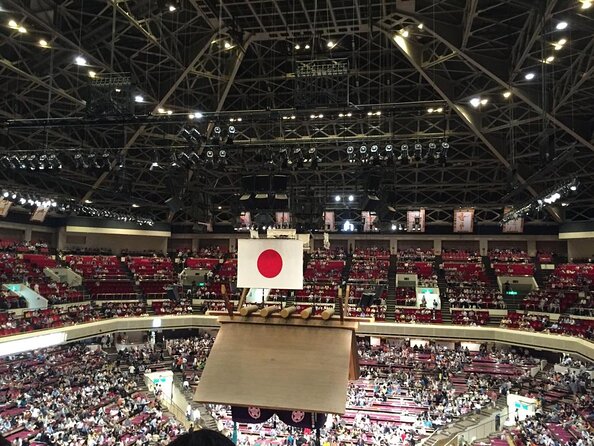
- Ryogoku Kokugikan in context: you’ll see the stadium and learn what it means to the sport, even outside a tournament day.
- Nomi Sukune Shrine stop: a quieter, meaningful break that ties sumo to its origin story.
- Asakusa’s Senso-ji + Nakamise Street time: temple atmosphere paired with snack-and-shopping street energy.
- Ryogoku Edo Noren as a local warm-up: a restored historic station setting that feels made for slow wandering.
- Private group of max 5: easier conversation with your guide and translator than big-group tours.
Ryogoku Station to Ryogoku Edo Noren: start in authentic sumo-town style
Your afternoon starts at Ryōgoku Station (1-chōme-3-20 Yokoami, Sumida City). The whole point of meeting here is simple: you’re already in Tokyo’s sumo neighborhood, not hopping across town hoping for the best.
The first stop is Ryogoku Edo Noren, set inside a fully restored former Ryogoku Station building. The façade dates back to 1929, and the modern complex keeps that nostalgic streetfront feel while functioning as shops and restaurants. Your tour includes an admission ticket here, and you’ll have about 30 minutes—enough time to orient yourself, browse a bit, and let the sumo theme settle in.
What I like about this setup is that it gives you a “Tokyo of layers” start. You’re not just walking past landmarks; you’re stepping into a place that already tells a story. One consideration: since food and drinks aren’t included overall, treat the “shopping/restaurant complex” time as inspiration, not a free meal.
Other ringside bookings readers scored
- Tokyo: Sumo Show and Dining Experience
★ 4.8 · 2,742 reviews - the SUMO show
★ 5.0 · 1,960 reviews - Tokyo Shinjuku Sumo Show & Experience with Photo
★ 5.0 · 1,750 reviews - Tokyo: Sumo Show and Experience in Shinjuku
★ 4.8 · 1,001 reviews
Ryogoku Kokugikan: seeing Japan’s huge sumo stadium up close
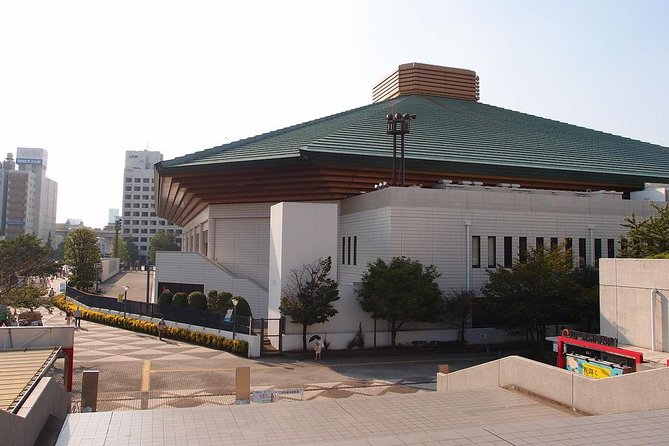
Next comes Ryogoku Kokugikan, the big stadium built in 1985. It can seat over 10,000 people, so even without a match day, you get the scale instantly. Your time here is about 30 minutes, and admission is free for this stop.
The best part of having a sumo guide is context. You don’t just look at a building—you learn why the stadium matters and what you’re looking for. If you’ve ever watched sumo on TV, the tournament focus is obvious. Here, you can understand the everyday rhythm around it: training, routines, and the seriousness of the whole world.
Even if you’re not a hardcore fan, this stop is still a win because stadium spaces have a certain kind of energy. I’d just manage expectations: this is a walking tour experience, so you’re not buying tickets to a tournament match. Still, you’ll come away with a stronger sense of why Kokugikan is treated like the sport’s center of gravity.
Nomi Sukune Shrine: where the origin story becomes real
After the stadium, the tour shifts gears to something quieter: Nomi Sukune Shrine. This small stop is dedicated to the deity said to have initiated sumo in ancient Japan. It’s about 20 minutes and admission is free.
You also get one of those details that makes the whole sport feel less like sports entertainment. There’s a stone statue in the garden engraved with yokozuna names, and the new yokozuna champion pays a visit to worship here. That practice makes the shrine feel like a living tradition rather than a postcard.
Why this matters on a tour like this: it gives you meaning beyond the ropes-and-slaps image. You understand sumo as ritual and respect, not only technique. The trade-off is time. If you’re hunting for maximum shopping or maximum photo stops, this is a calmer moment—worth it, but not a constant spectacle.
From wrestlers’ stable vibes to a calm Japanese-garden pause
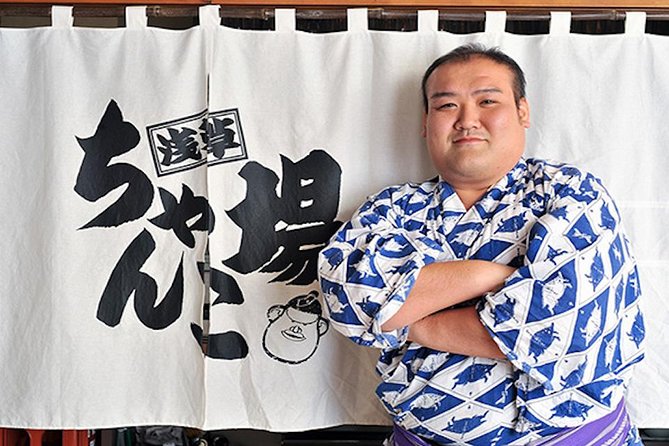
The tour is designed to connect stadium scale to real sumo life, including time around where wrestlers practice. The listing emphasizes exploring the Kokugikan area and the wrestlers’ stable side of the world, and in practice that means you’ll get to see how sumo isn’t just about match day.
A review also called out a nice walk in a local Japanese garden. That detail is exactly the kind of pacing you want. The experience moves from high-energy sumo spaces to a calmer atmosphere where your brain can reset—and you can actually take in what your guide is explaining.
If you’re someone who likes structure, this middle stretch is a good match. You get guided narration and a change of scenery, instead of only rushing from one crowded spot to the next. The only “watch out” here is footwear. Even a “walking tour” can add up, because you’re moving through several distinct zones in a short window.
Asakusa Senso-ji and Nakamise Street: the Tokyo counterweight
Then the tour heads to Asakusa, and the contrast is immediate—in a good way. You’ll visit Senso-ji, one of Tokyo’s best-known temple experiences. Expect incense-and-people energy, plus plenty of photo opportunities.
From there, you’ll spend time on Nakamise Street for snacks and shopping. This is where the tour becomes a blend of culture and casual enjoyment: you’re not only learning; you’re tasting and browsing. The tour content specifically mentions sampling snacks and enjoying the shopping street atmosphere.
Just keep it practical: the tour doesn’t include food and drinks. So if you want to try specific items, bring a little cash and treat snack spending as part of the plan. Also, since the tour starts at 1:30 pm, you’ll likely hit normal midday crowds on Nakamise. Going with a guide helps because you’re not wandering in confusion—you can prioritize what to look for.
Readers also shortlisted these Tokyo bookings:
- Tokyo Tsukiji Fish Market Food and Culture Walking Tour★ 5.0 · 3,184 reviews
- Tokyo: Imperial Palace and Shogun Historical Walking Tour★ 5.0 · 2,251 reviews
- Tokyo: Shinjuku Local Bar and Izakaya Guided Walking Tour★ 4.9 · 1,794 reviews
- Tokyo: Tsukiji Fish Market Food and Walking tour★ 5.0 · 1,724 reviews
- Tokyo: Asakusa Walking Tour with Sensoji Temple Visit★ 4.8 · 1,583 reviews
The optional Hokusai stop: when art time fits your interests
There’s a mention of a Hokusai-dedicated museum stop if you like his work. The key word here is conditional: the tour notes it as an additional possibility rather than the core guaranteed anchor.
If you’re a Hokusai fan, this can be a smart add-on because it creates another meaningful Tokyo lens beyond sumo and temples. You’ll be spending the day in neighborhoods where Japanese culture is visible in multiple forms—sport, religion, and art.
If you’re not into museums, don’t stress. This tour is built around the sumo-to-Asakusa arc, and the main value comes from your sumo wrestler guide plus the major landmarks. Just double-check expectations so you know whether you should plan time for art browsing or keep your focus on the temple street side.
What you really get from a sumo wrestler guide and translator
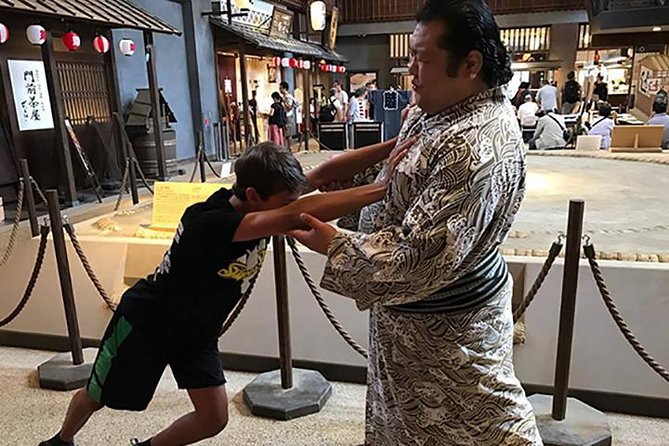
The headline feature is the guide: led by a sumo wrestler, plus a local translator. That combination is the reason this tour feels different from a standard “history walking tour.”
Two points matter a lot for your experience:
1) You’re getting explanations from someone living inside the sport’s culture. The tour’s goal is to teach you the history of Japanese wrestling and connect that story to what you see around Kokugikan and the shrine.
2) You’re not stuck guessing with language barriers. The translator is included, and that makes conversation easier, even if your questions turn personal or you want extra clarity.
One important note from the tour info: if an active wrestler isn’t available due to tournaments or other reasons, you may get a wrestler who has just retired. The listing says there’s no difference in the quality or knowledge about the sumo world—just a different current status. In practice, that often makes the conversation even richer, because a retired wrestler can talk more broadly about the whole journey and what changes after competition.
Also, the vibe is more than “lecture.” You’ll have time to talk and ask questions, and that’s where the tour earns its spot on your Tokyo schedule.
Price and planning: is $402.32 per person worth it?
Let’s talk money honestly. At $402.32 per person, this isn’t a casual add-on. A normal Tokyo walking tour costs a lot less. So you should book this only if you’re specifically interested in sumo culture and you value the one-on-one quality that a private format gives you.
Here’s what you do get for the cost:
- A private tour limited to a maximum of 5 people
- A sumo wrestler guide plus a local translator
- Visits anchored by major sumo landmarks: Ryogoku Edo Noren, Ryogoku Kokugikan, and Nomi Sukune Shrine
- Asakusa’s Senso-ji and time on Nakamise Street
- Included taxes and fees, with a mobile ticket option
- Admission ticket included where applicable (Ryogoku Edo Noren), while other key stops are free
What’s not included: food and drinks, plus transportation to and from the meeting spot. So if you snack while you’re on Nakamise, plan to pay for that yourself.
My practical take: if you’re traveling as a couple or a small group and sumo is a top interest, the guide value can justify the price. If sumo is a secondary interest, you might get a similar day of landmarks cheaper with a general guide.
For timing, the tour is often booked about 25 days in advance on average. If you want a specific slot, don’t wait for the last minute.
Who should book, and who should skip?
This is ideal for:
- Sumo fans (obviously)
- People who like talking with experts, not only following an audio script
- Travelers who want a private, low-rush pace with a translator
It’s less ideal if:
- You’re mainly focused on food-only sightseeing or quick-hit photo spots
- You’re on a tight budget and can’t comfortably treat this as a premium experience
Plan for a short afternoon walking block—about 2 hours in one place and closer to 2.5 hours in the tour description. Either way, it’s a compact itinerary, so wear comfortable shoes and bring water if you think you’ll need it (since drinks aren’t included).
The tour is also described as suitable for most travelers, with a minimum age of 10. That makes it a reasonable family option if your kids can handle walking and attention. Just remember it’s still a private experience, so everyone benefits more when questions and curiosity are part of the plan.
Should you book the Private Ryogoku Walking Tour with a Sumo Wrestler?
If you want a Tokyo experience that feels unusual in a good way, this is a strong choice. The sumo wrestler guide plus translator is the heart of it, and it’s exactly what makes the Kokugikan area and shrine stops land with meaning instead of just facts.
I’d book it if sumo is your thing—or if you like learning how Japanese culture works through real people and real places. I’d hesitate only because of the price. If you can’t see yourself appreciating the sport-side explanations and conversation time, pick a cheaper Asakusa-and-Ryogoku day.
If you can, though, this tour offers something rare: a day that ties stadium scale to shrine tradition, then hands you Nakamise Street so you can enjoy Tokyo the human way.
FAQ
How long is the tour?
The tour is listed as about 2 hours, and the overview describes it as around 2.5 hours.
Where does the tour start and when?
It starts at Ryōgoku Station (1-chōme-3-20 Yokoami, Sumida City, Tokyo 130-0015, Japan) and begins at 1:30 pm.
Is this a private tour?
Yes. Only your group participates.
What’s the group size limit?
A maximum of 5 people per booking.
Is a translator included?
Yes. A local translator is included.
Will the guide always be an active sumo wrestler?
Not necessarily. If an active wrestler isn’t available due to tournaments or other reasons, you may have a wrestler who has just retired.
What are the main stops?
You’ll go to Ryogoku Edo Noren, Ryogoku Kokugikan, and Nomi Sukune Shrine, then continue to Asakusa for Senso-ji and Nakamise Street. There’s also a mention of a Hokusai-focused museum stop if you like his work.
Are admission tickets included?
Ryogoku Edo Noren has an admission ticket included. Kokugikan admission is listed as free, and Nomi Sukune Shrine is listed as free.
Is food and drinks included?
No. Food and drinks are not included, even though the tour includes time for snack experiences on Nakamise Street.
What is the cancellation policy?
This experience is non-refundable and cannot be changed for any reason.
More Tours in Tokyo
- Mt Fuji and Hakone 1-Day Bus Tour Return by Bullet Train
★ 5.0 · 26,383 reviews - 1-Day Tokyo Bus Tour
★ 5.0 · 14,250 reviews - Tokyo: Shinjuku Food Tour (13 Dishes at 4 Local Eateries)
★ 5.0 · 6,603 reviews - Tokyo Mt Fuji 5th St & Hakone Cruise Bus Tour w/Bullet Train
★ 4.4 · 5,024 reviews - Flagship 2-Hours Official Street Go-Kart Tour – Tokyo Bay Shop
★ 5.0 · 4,974 reviews
More Tour Reviews in Tokyo
- Mt Fuji and Hakone 1-Day Bus Tour Return by Bullet Train
★ 5.0 · 26,383 reviews - 1-Day Tokyo Bus Tour
★ 5.0 · 14,250 reviews - Tokyo: teamLab Planets TOKYO Digital Art Museum Entry Ticket
★ 4.6 · 9,779 reviews - Mt Fuji & Hakone Cruise, Drum Show Bullet Train 1 Day from Tokyo
★ 4.0 · 7,413 reviews - Tokyo: Shinjuku Food Tour (13 Dishes at 4 Local Eateries)
★ 5.0 · 6,603 reviews
More Sumo, Ringside and Rated
- Tokyo: Sumo Show and Dining Experience
★ 4.8 · 2,742 reviews - the SUMO show
★ 5.0 · 1,960 reviews - Tokyo Shinjuku Sumo Show & Experience with Photo
★ 5.0 · 1,750 reviews - Tokyo: Sumo Show and Experience in Shinjuku
★ 4.8 · 1,001 reviews - Tokyo Grand Sumo Tournament Viewing Tour with Tickets
★ 5.0 · 692 reviews
Latest Tokyo reviews off our desk

Sumo Tournaments & Shows, compared.
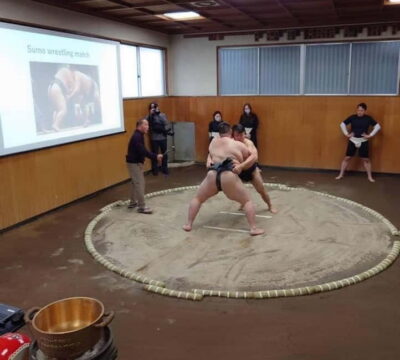 ★ 4.8Sumo Show and Dining ExperienceFrom $792,742 reviews
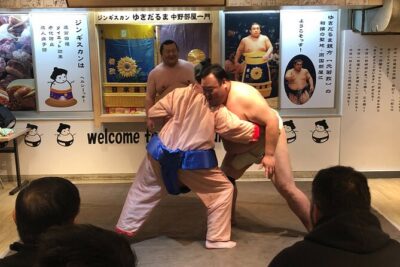 ★ 5.0the SUMO showFrom $891,960 reviews
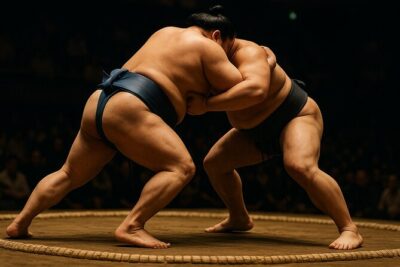 ★ 5.0Tokyo Shinjuku Sumo Show & Experience with PhotoFrom $791,750 reviews
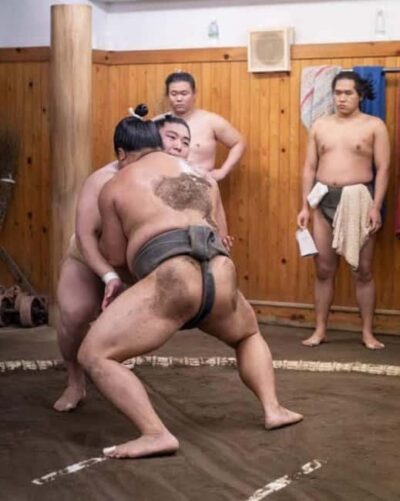 ★ 4.8Sumo Show and Experience in ShinjukuFrom $691,001 reviews
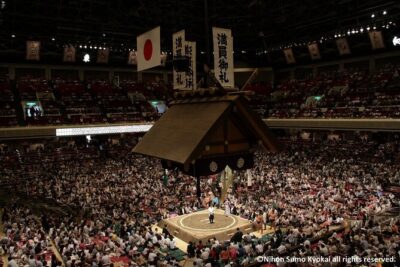 ★ 5.0Tokyo Grand Sumo Tournament Viewing Tour with TicketsFrom $124692 reviews
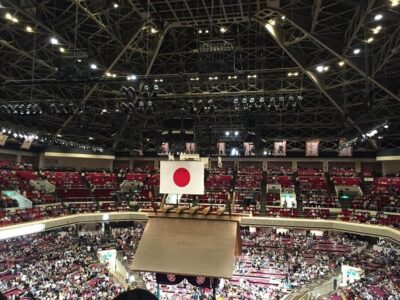 ★ 5.0Tokyo Sumo Wrestling Tournament ExperienceFrom $124660 reviews
 ★ 4.7Luxury Sumo Show Experience & Japanese cuisine & DrinkFrom $103577 reviews
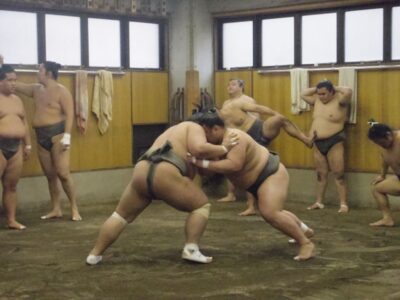 ★ 4.8Sumo Morning Practice Viewing TourFrom $81570 reviews
Browse the lists this tour appears in