
Reviewed · WALKING TOURS
Private Walking Tour: The Little Kyoto of Tokyo, Kagurazaka
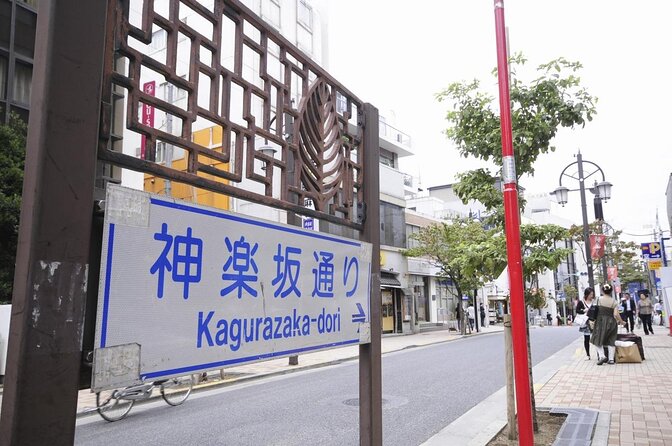
Kagurazaka feels like a time pocket in Tokyo. Cobblestone lanes, black wooden fences, and small historical stops make this neighborhood feel like a quieter side street of Japan’s capital, not a theme park. It was shaped by Tokugawa-era planning from the 1600s, including Kagurazaka Street created in 1636, so the walk has a real sense of place.
What I like most is how easy it is to see old Tokyo up close without tourist crowds pressing in. The tour also includes a multilingual local guide (English/French/German/Spanish), which is a big deal when you’re trying to understand why a shrine or temple is here and what it’s connected to.
One thing to consider: it’s about 2 hours, with five main stops. That’s perfect for a focused taste, but if you’re hoping for a long, food-heavy day, you’ll need to add extra time on your own (and the route starts at Kagurazaka Station and ends at Iidabashi Station).
In This Review
- Key highlights
- Kagurazaka’s Little Kyoto vibe: what you’re actually walking through
- Stop by stop: what you’ll see in 2 hours
- 1) AKOMEYA TOKYO in la kagū: rice, dashi, and design
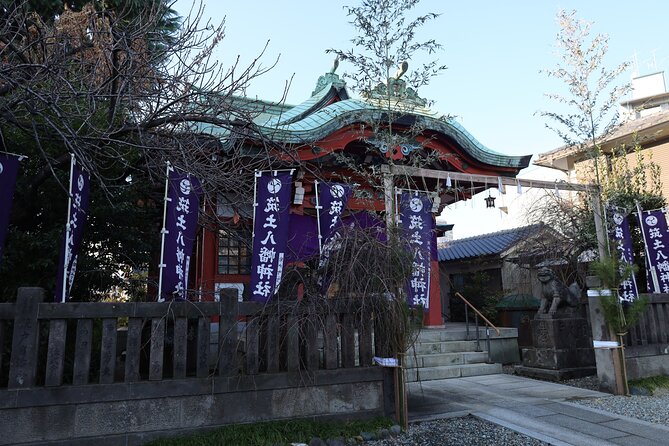
- 2) Akagi Shrine: a small shrine with a migration story
- 3) Zenkoku-ji (Bishamonten): Tokugawa-backed protection
- 4) Tsukudo Hachiman Shrine: an ancient origin and a named carving
- 5) Remains of Ushigome Gate: Edo Castle’s outer moat
- The guide makes the walk feel personal
- Why the Tokugawa-era details matter (and when they don’t)
- Price and value: $104.05 pp for a private 2-hour walk
- Getting there and finishing strong: Kagurazaka Station to Iidabashi
- Snacks and shopping: what to do after you learn the story
- Who should book this Kagurazaka walk
- Should you book the Little Kyoto of Tokyo in Kagurazaka?
- FAQ
- How long is the Kagurazaka walking tour?
- Is it private or shared with other people?
- What is the starting and ending point?
- What does it cost?
- Does the tour include admission fees for the stops?
- What languages are available for the guide?
- How far in advance should I book?
- What is the cancellation policy?
- What time does the experience run?
Key highlights
- Free entry stops at shrines and a temple so you can spend money on shopping and snacks instead
- Edo-era connections tied to Tokugawa Iemitsu (Kagurazaka Street, 1636) and Tokugawa Ieyasu (Zenkoku-ji, 1595)
- Akomeya Tokyo in la kagū, a Kengo Kuma–designed renovation of an older publishing warehouse
- Courtyard-and-gate sights like heart-shaped stones and the remains of Ushigome Gate
- Private group format that makes it easier to ask questions and move at a comfortable pace
- A walk that finishes near Iidabashi Station, so you can keep exploring afterward without backtracking as much
Kagurazaka’s Little Kyoto vibe: what you’re actually walking through
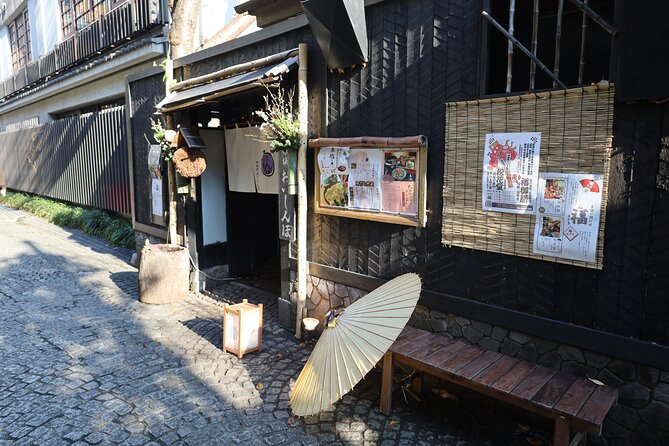
Kagurazaka earns the Little Kyoto nickname the old-fashioned way: you feel the shift from Tokyo’s speed into a slower, more human scale. The streets use cobblestones and dark wooden fences that visually break the city into smaller scenes. One turn can feel like you’re in a different pocket of history, with shrines, temples, and traditional-style lanes living side by side with modern shops.
This is also the kind of neighborhood where you can catch glimpses of Japanese culture beyond the big headline sights. The area is known for its geisha district atmosphere, yet it’s not only about that. You’ll also see everyday shopping streets and more residential edges, so the “old Japan” feeling doesn’t stay stuck in one curated lane.
The tour’s focus is smart: it’s a short walk that’s dense with meaning. Kagurazaka Street was constructed by Tokugawa Iemitsu in 1636, and the area’s layout and heritage still show up in the way you move. Even if your Japanese history reading is light, the guide helps you connect the dots between “what you see” and “why it exists.”
Readers also shortlisted these Tokyo bookings:
- Tokyo Tsukiji Fish Market Food and Culture Walking Tour
★ 5.0 · 3,184 reviews - Tokyo: Imperial Palace and Shogun Historical Walking Tour
★ 5.0 · 2,251 reviews - Tokyo: Shinjuku Local Bar and Izakaya Guided Walking Tour
★ 4.9 · 1,794 reviews - Tokyo: Tsukiji Fish Market Food and Walking tour
★ 5.0 · 1,724 reviews
Stop by stop: what you’ll see in 2 hours
You’ll move through five main stops that mix faith sites, Edo-era remnants, and a modern food-and-lifestyle space. Admissions at the included sites are free, which matters because it keeps your spending focused on what you choose, not fees you can’t avoid.
1) AKOMEYA TOKYO in la kagū: rice, dashi, and design
Your first stop is AKOMEYA TOKYO in la kagū, a commercial space built in a renovated warehouse tied to Shinchosha Publishing Co. The architecture is by Kengo Kuma, which is a nice bonus if you like to see how modern design respects older structures.
What to do with this stop: treat it like a “flavor orientation.” You’ll find high-quality rice, seasonings, and dashi-related items—things that are very Tokyo in the sense that Japanese food culture is taken seriously here. If you want to bring something back that’s genuinely useful (not just a random souvenir), this is an easy place to start thinking.
2) Akagi Shrine: a small shrine with a migration story
Next is Akagi Shrine, founded in Ushigome Waseda by Ohgoshi Hikotaro Shigeharu, who migrated from the foot of Mount Akagi in Gunma in 1300. The shrine was relocated to its current location in 1555.
Even with limited time, this is the kind of stop that makes Tokyo feel layered. Shrines like this carry local human stories—people moving, building, and rebuilding over time. If you like understanding the “why” behind religious locations (instead of just taking photos), this part is satisfying.
3) Zenkoku-ji (Bishamonten): Tokugawa-backed protection
Then you’ll visit Zenkoku-ji Temple, also known for Bishamonten. It was established in 1595 in Nihonbashi Bakurocho on the order of Tokugawa Ieyasu, the first shogun of the Edo shogunate, to protect the nation. The temple was affected by fires and later changed locations, which is part of why you’ll often see temples in Tokyo with “history through rebuilding” baked into their story.
This is a useful stop because the guide can explain how spiritual institutions were tied to the political worldview of the time—protection, order, and legitimacy. You don’t need to be a scholar to appreciate the angle: this wasn’t religion in a vacuum. It was part of how leaders shaped society.
Readers also shortlisted these Tokyo bookings:
- Private Tour to Mt. Fuji and Hakone (Fully Licenced Operator)★ 5.0 · 1,910 reviews
- Tokyo Customized Private Tour (Must See Places in 1 Day)★ 5.0 · 1,499 reviews
- Mount Fuji Full-Day Private Tour from Tokyo (Customizable)★ 4.9 · 1,470 reviews
- Private Custom Tour: Tokyo in a Day★ 5.0 · 1,432 reviews
- Tokyo 4hr Private Tour with Government-Licensed Guide★ 5.0 · 1,394 reviews
4) Tsukudo Hachiman Shrine: an ancient origin and a named carving
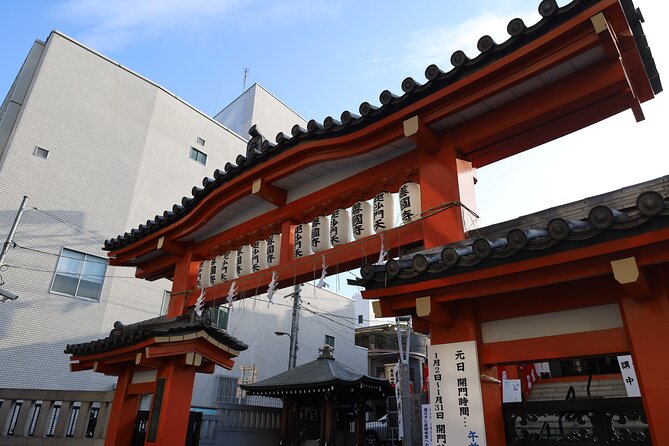
Your fourth stop is Tsukudo Hachiman Shrine, believed to have been established about 1200 years ago. The site includes a story about a statue of Amitabha Buddha housed in a small shrine there, said to have been carved by Saicho, known for his role in the Tendai tradition.
This stop gives you a different kind of context: not just “when,” but “who is connected.” If you care about how Buddhist figures and ideas connect to specific places, you’ll likely enjoy the way this shrine weaves names and timelines together in a small footprint.
5) Remains of Ushigome Gate: Edo Castle’s outer moat
Finally, you’ll see the remains of Ushigome Gate, located in the outer moat of Edo Castle. The gate was constructed in 1636, and seeing what’s left—stone walls and structural remains—helps you understand it wasn’t a small side entrance. It was part of a massive defensive system.
This is where the whole walk “clicks.” Kagurazaka Street traces Iemitsu’s 1600s planning, Zenkoku-ji reflects Ieyasu’s worldview, and the gate remains show you how those same decades also shaped the hard infrastructure of Tokyo. The past becomes physical.
The guide makes the walk feel personal
A private walking tour is only worth it if the guide can actually guide—not just recite dates. This tour is set up for exactly that: you’ll have a multilingual local guide in English, French, German, or Spanish, and the format is private so you and your group can ask questions.
I also like that the operator behind this experience has real personality in how they respond to guests. For example, a past Kagurazaka evening experience connected guests with founder Shinya Yamada and guide Chiharu Iida. Different tour, different time, but it signals an organization that takes guest experience seriously and pays attention to matching people with the right kind of guide.
What you should expect from the guide, based on how these experiences are positioned: context. The stops aren’t just “see this, move on.” The guide helps you interpret the street details that outsiders often walk past—like the historic layout influence and the small “hidden-in-plain-sight” moments that make Kagurazaka feel special.
Why the Tokugawa-era details matter (and when they don’t)
There’s a fine line between history as trivia and history as a tool for seeing. This tour uses Tokugawa-era information as the tool.
Tokugawa Iemitsu is tied to Kagurazaka Street (1636), which anchors the walk in urban planning rather than random landmarks. Tokugawa Ieyasu is tied to Zenkoku-ji (1595), and the shrine/temple stories connect faith to governance—protection, order, and community. Then Ushigome Gate links you to Edo Castle’s outer moat world, showing that Tokyo’s “old” wasn’t only temples and paper lanterns. It was walls, entrances, and control.
Do you need to memorize names? No. But you’ll come away with a mental map: which places are tied to shogun-era decisions, which ones reflect longer religious traditions, and which ones show how rebuilding shaped the city.
Price and value: $104.05 pp for a private 2-hour walk
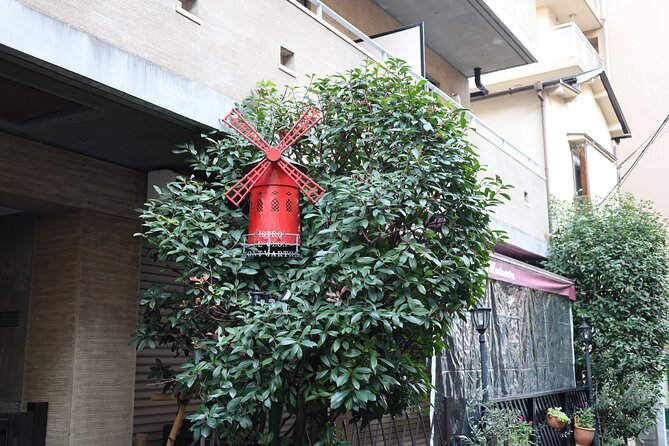
At $104.05 per person for a 2-hour private walking tour, the price is best understood as paying for three things:
1) Your guide (context and interpretation)
2) Time saved (you don’t have to connect the history yourself)
3) A free-admission route through key stops
Because admissions at the included sites are free, your money goes toward expertise and a smoother experience, not entrance fees. And since the format is private and you can have questions answered, the “per-person” cost can feel easier to justify when you’re traveling with 2–4 people (especially if you can use group discounts).
If you’re the kind of traveler who loves to wander alone with a map and a phone, you might do Kagurazaka DIY cheaper. But if your goal is to understand why the lanes and shrines exist—without spending your day hunting for explanations—this kind of guided walk usually pays off fast.
One consideration: the tour is about 2 hours. That’s great for a concentrated hit of Kagurazaka, but it won’t replace a full day of exploring.
Getting there and finishing strong: Kagurazaka Station to Iidabashi
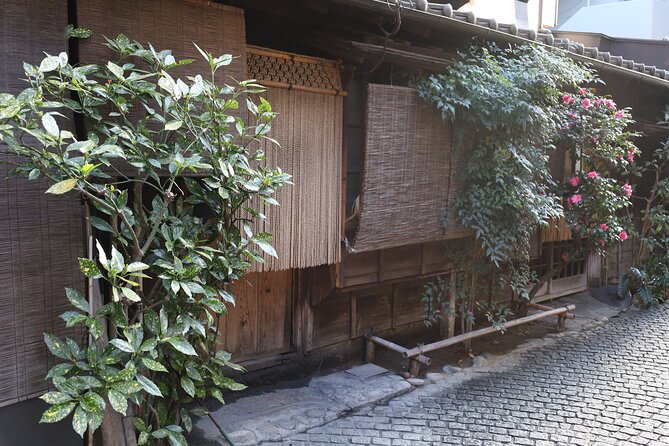
You start at Kagurazaka Sta. Yaraicho, Shinjuku City. You finish at Iidabashi Station (West Exit).
That matters because it changes how you plan your day. Instead of returning to the same station, you can keep moving after the tour. I like ending near Iidabashi because it’s a convenient jump-off point to other parts of central Tokyo.
Hours shown are daily 9:00 AM to 8:30 PM, and you should expect confirmation within 48 hours based on availability. Also, the tour uses a mobile ticket, which is convenient if you prefer not to juggle paper.
Quick practical note: cobblestones and small streets mean comfy walking shoes are not optional. Bring something you’d wear for a city stroll that actually lasts.
Snacks and shopping: what to do after you learn the story
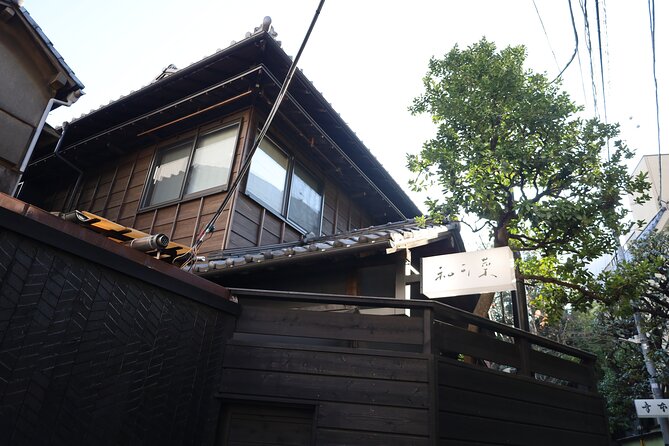
The tour itself doesn’t include meals, but it explicitly points you toward local treats you can grab nearby. Think of Japanese sweets, doughnuts, tofu desserts, and croquettes from butcher-shop style places.
Here’s my practical approach: if you want snacks, do it after the walking part so you’re not distracted while listening. If your group loves food, you can also use the first stop at AKOMEYA as a jumping-off point. Even if you don’t buy anything, you’ll get a feel for what “good ingredients” look like in Japan, and that helps you choose better snacks later.
Who should book this Kagurazaka walk
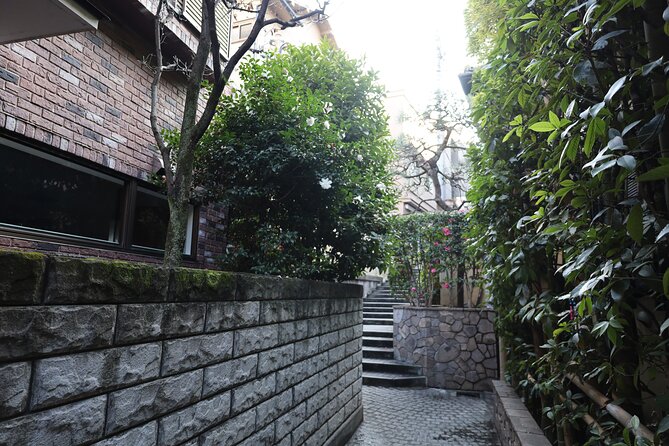
This tour fits best if you want:
- A quiet-feeling Tokyo neighborhood with fewer big crowd vibes
- A guided explanation of shrines, temples, and Edo-era structure
- A short, efficient plan that doesn’t take over your entire day
- A private format where questions are easy
It’s also a strong choice if your group includes different interests: one person can focus on architecture and street details, another on religion and history, and you can still keep everyone moving.
Choose something else if you want a tour that’s built around heavy food tasting or a long multi-hour deep immersion with lots of extra stops. This one is designed for a tight, meaningful walk.
Should you book the Little Kyoto of Tokyo in Kagurazaka?
I’d book it if you’re entering Tokyo and want a day (or half-day) that feels calmer and more textured than the usual sightseeing loop. For the money, you’re buying a structured walk with free admissions and a multilingual guide who can connect Kagurazaka’s physical details to the Tokugawa-era story behind it.
If you’re chasing something purely scenic, you might be satisfied with a self-guided wandering day. But if you want the “why” behind shrines, the gate remains, and the neighborhood layout—and you want it in two hours instead of all day reading—this private walk is a smart, efficient choice.
FAQ
How long is the Kagurazaka walking tour?
It’s listed as about 2 hours.
Is it private or shared with other people?
It’s private, meaning only your group participates.
What is the starting and ending point?
Start: Kagurazaka Station Yaraicho, Shinjuku City. End: Iidabashi Station, West Exit.
What does it cost?
The price is $104.05 per person.
Does the tour include admission fees for the stops?
The included stop admissions are listed as free.
What languages are available for the guide?
The guide is available in English, French, German, and Spanish.
How far in advance should I book?
On average, it’s booked 5 days in advance.
What is the cancellation policy?
It’s non-refundable and cannot be changed for any reason.
What time does the experience run?
It’s shown as operating daily from 9:00 AM to 8:30 PM (with the dates listed for the service period).
More Walking Tours in Tokyo
- Tokyo Tsukiji Fish Market Food and Culture Walking Tour
★ 5.0 · 3,184 reviews - Tokyo: Imperial Palace and Shogun Historical Walking Tour
★ 5.0 · 2,251 reviews - Tokyo: Shinjuku Local Bar and Izakaya Guided Walking Tour
★ 4.9 · 1,794 reviews - Tokyo: Tsukiji Fish Market Food and Walking tour
★ 5.0 · 1,724 reviews - Tokyo: Asakusa Walking Tour with Sensoji Temple Visit
★ 4.8 · 1,583 reviews
More Tours in Tokyo
- Mt Fuji and Hakone 1-Day Bus Tour Return by Bullet Train
★ 5.0 · 26,383 reviews - 1-Day Tokyo Bus Tour
★ 5.0 · 14,250 reviews - Tokyo: Shinjuku Food Tour (13 Dishes at 4 Local Eateries)
★ 5.0 · 6,603 reviews - Tokyo Mt Fuji 5th St & Hakone Cruise Bus Tour w/Bullet Train
★ 4.4 · 5,024 reviews - Flagship 2-Hours Official Street Go-Kart Tour – Tokyo Bay Shop
★ 5.0 · 4,974 reviews
More Tour Reviews in Tokyo
- Mt Fuji and Hakone 1-Day Bus Tour Return by Bullet Train
★ 5.0 · 26,383 reviews - 1-Day Tokyo Bus Tour
★ 5.0 · 14,250 reviews - Tokyo: teamLab Planets TOKYO Digital Art Museum Entry Ticket
★ 4.6 · 9,779 reviews - Mt Fuji & Hakone Cruise, Drum Show Bullet Train 1 Day from Tokyo
★ 4.0 · 7,413 reviews - Tokyo: Shinjuku Food Tour (13 Dishes at 4 Local Eateries)
★ 5.0 · 6,603 reviews
Latest Tokyo reviews off our desk






Walking Tours, compared.
 ★ 5.0Tokyo Tsukiji Fish Market Food and Culture Walking TourFrom $993,184 reviews
 ★ 5.0Imperial Palace and Shogun Historical Walking TourFrom $222,251 reviews
 ★ 4.9Shinjuku Local Bar and Izakaya Guided Walking TourFrom $341,794 reviews
 ★ 5.0Tsukiji Fish Market Food and Walking tourFrom $301,724 reviews
 ★ 4.8Asakusa Walking Tour with Sensoji Temple VisitFrom $221,583 reviews
 ★ 4.9Tsukiji Fish Market Guided Walking TourFrom $221,397 reviews
 ★ 4.7Tokyo Castle & Imperial PalaceーShogun Walking TourFrom $231,068 reviews
 ★ 4.9Imperial Palace Japanese History Walking TourFrom $32987 reviews
Browse the lists this tour appears in