
Reviewed · SHINJUKU FOOD & BAR TOURS
Private Zen Meditation in English in Shinjuku, Tokyo
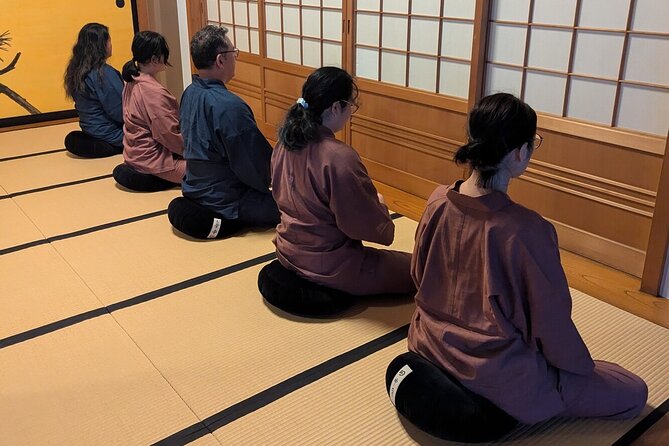
Zen can feel like a locked door. This one is for normal people and beginners. You’ll do private zazen at Denchuji Temple with English guidance from a monk, plus a simple, visual way to get what the practice is actually asking of you. What I like most is how the session focuses on the basics (so you’re not guessing), and how the experience can be done with chair zazen if you can’t sit cross-legged. One thing to consider: it starts at 5:30 pm, so plan your evening around it (and don’t count on changing plans last-minute).
Denchuji itself is the kind of place where you can feel the practice has been there for a long time. The temple traces Soto Zen zazen practice back to the Edo period, and the connection to Eiheiji in Fukui gives the instructions extra weight. If you want a meditation class with spiritual context but not religious homework, this fits well. Still, at 1.5 hours, it’s not a long silent retreat—it’s a guided entry point.
In This Review
- Key highlights to know before you go
- Denchuji Temple in Shinjuku: where the practice has real roots
- Private zazen with a monk: what the English session actually looks like
- The three essentials: posture, breathing, and mind (and why they help)
- Chair Zazen at Denchuji: a real option for kids and limited mobility
- Getting there at 5:30 pm: meeting point, pickup, and how to plan your evening
- Value check: what $169.08 buys in a private English meditation session
- What the reviews highlight most: peace, personalization, and real explanations
- Is this for beginners or seasoned meditators? Yes, with different expectations
- Should you book this private English zazen session in Shinjuku?
- FAQ
- Where is the meeting point and what time does the tour start?
- How long is the zazen meditation experience?
- Is this tour private?
- Will the monk guide the session in English?
- Is chair zazen available instead of sitting cross-legged?
- Is pickup offered?
- Do I get a mobile ticket?
- Is lunch or dinner included?
- Are service animals allowed?
- What happens if I cancel?
Key highlights to know before you go
- Denchuji Temple in Shinjuku: Soto Zen zazen practice tied to the Edo period, with roots dating to 1640
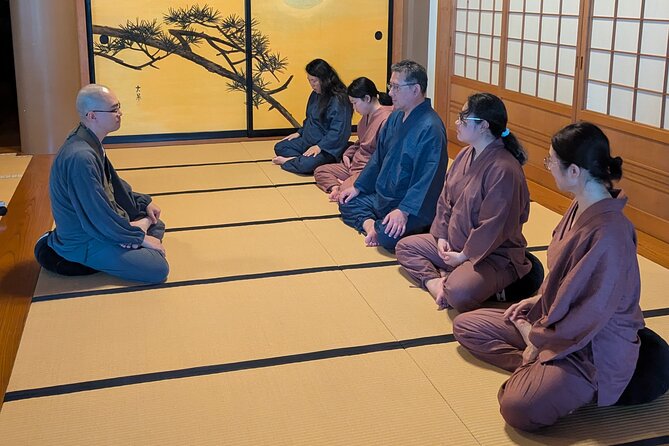
- English instruction by a monk: direct teaching in plain language, aimed at beginners and families
- A simple teaching model: posture, breathing, and mind are taught as the three essentials
- Chair Zazen available: option for children and anyone who can’t sit cross-legged (tell them in advance)
- Private experience: only your group participates, with flexible planning in English
- Peaceful evening timing: a 5:30 pm start at a time that feels quieter and less hectic than daytime
Denchuji Temple in Shinjuku: where the practice has real roots
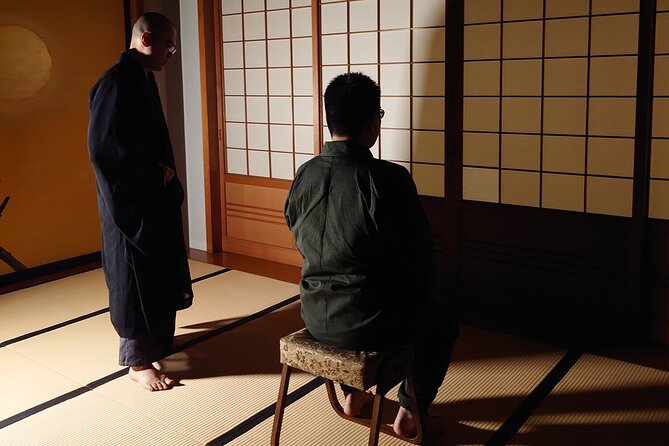
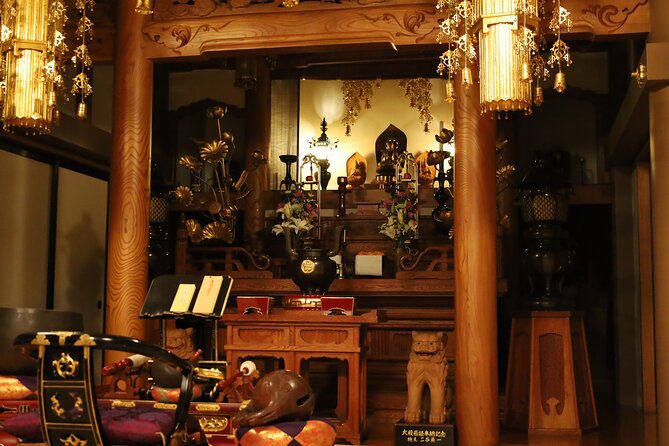
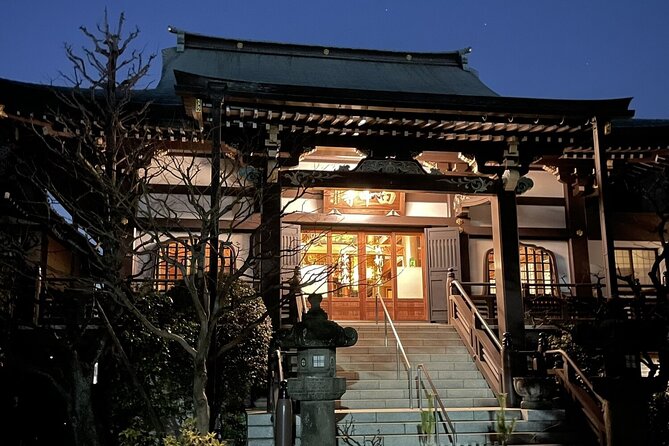
This experience takes place at Denchuji Temple, located in the Shinjuku area. The temple was established in 1628, and its association with zazen goes back to 1640. That matters because you’re not just doing a “wellness activity.” You’re stepping into a place where Soto Zen meditation has been practiced for generations.
Denchuji is also linked to Eiheiji, the head temple of the Soto school. The former head priest, Zen Master Hata Egyoku, served as the 76th chief priest at Eiheiji Temple in Fukui Prefecture. When your monk instructor explains the practice, that connection helps explain why Soto zazen is taught with such consistency: it’s built around repeatable basics, not performance.
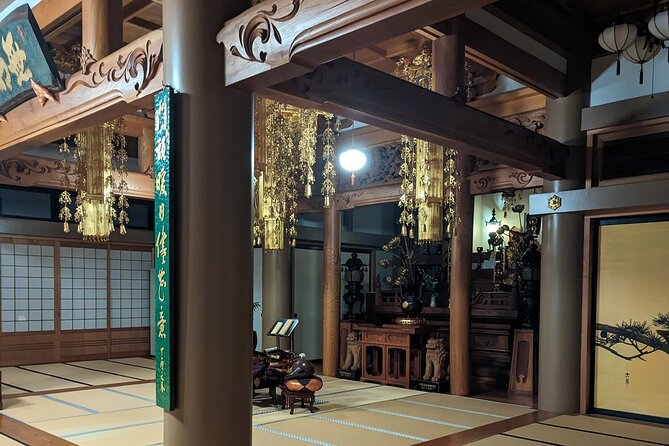
You’ll likely feel the difference once you’re inside. Denchuji has the kind of quiet you can’t fake. It’s not about dramatic scenery; it’s about focus, stillness, and attention to what your body is doing.
More Shinjuku plates and pours our readers rated
- Tokyo: Shinjuku Food Tour (13 Dishes at 4 Local Eateries)
★ 5.0 · 6,603 reviews - Tokyo Bar Hopping Tour in Shinjuku (All-You-Can-Drink + Dinner)
★ 5.0 · 3,587 reviews - Tokyo: Shinjuku Food Tour (15 Dishes and 4 Eateries)
★ 4.9 · 2,033 reviews - Best of Shinjuku: Izakaya Food Tour (4 Stops, 14+ Tastings)
★ 5.0 · 1,863 reviews
Private zazen with a monk: what the English session actually looks like
This is a private zazen experience, so it’s not you floating around with strangers. Only your group participates, which means the monk can pace the guidance for your level. The tour summary also highlights that the teaching is suitable for beginners and families, which usually means you won’t be treated like you should already know the drill.
Here’s what you can expect, based on the tour description and the tone of the reviews:
- You’ll receive direct instruction in English from a Zen monk at Denchuji Temple.
- You’ll get a visually guided explanation of the essence of Zen and how to apply it during zazen.
- The session is built around practice, not lectures. You’ll learn, then you’ll do.
The session duration is about 1 hour 30 minutes. That time window is long enough to settle your body, run through the essentials, and leave with a few usable techniques. It’s also short enough that you can stay mentally fresh—especially if you’re traveling and your day has been full.
One more point I appreciate: chair zazen is available (more on that soon). That tells me the teaching approach is meant to meet real bodies where they are, not forcing one “perfect” posture on everyone.
Also, the meeting start is at 5:30 pm, so you’re entering the temple experience as evening approaches. That timing can make the whole thing feel calmer from the first minute.
The three essentials: posture, breathing, and mind (and why they help)
The tour description is refreshingly clear: the essential principles are only three. That simplicity is a big deal for beginners. When people try to meditate on their own, it’s easy to get lost in instructions like follow your breath perfectly or clear your mind completely. This method avoids that trap.
The three essentials are:
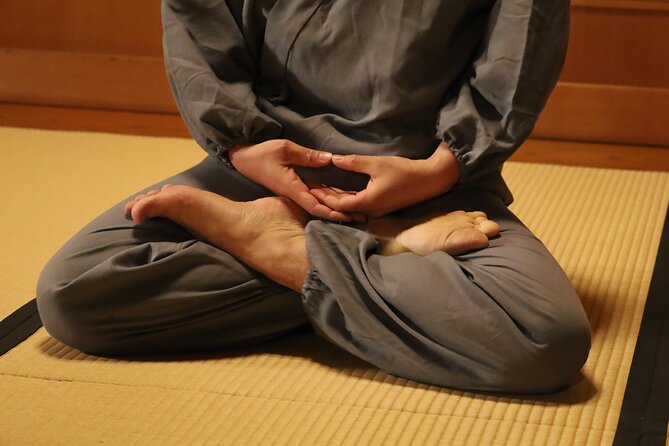
- Adjusting posture
- Regulating breathing
- Adjusting one’s mind
What’s smart here is that the monk isn’t asking you to be some supernatural calm robot. You’re asked to make small, practical adjustments. Posture gives you stability. Breathing gives you rhythm. Mind adjustment gives you the training—how to return when you drift.
In a lot of Western classes, people get told to sit still and figure it out. Here, you’re shown what to focus on and you’re guided through the logic. Even if you don’t keep every technical detail, you’ll come away with a simple mental checklist you can reuse later.
And because the instruction is in English, you’re not translating everything in your head while trying to concentrate. That alone makes the meditation feel more natural.
Chair Zazen at Denchuji: a real option for kids and limited mobility
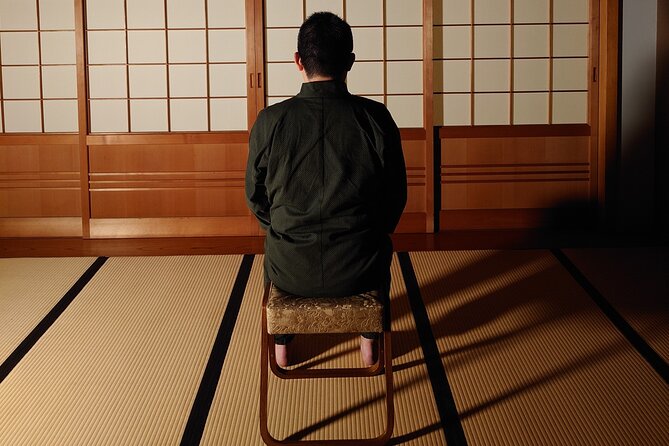
One of the most practical parts of this experience is that chair zazen is available. The tour notes it’s an option for those who can’t sit cross-legged, including children and people with physical limitations. If you want chair zazen, you have to tell them in advance.
This matters because it protects the point of the experience. Meditation isn’t about winning a posture contest. It’s about developing attention and steadiness. If you’re forced into an uncomfortable position, attention is the first thing to go.
So if you’re coming with a child, or you have knee/hip/back issues, this option can turn “I can’t” into “I can do this.” And since it’s a private session, the monk can likely help you adjust your setup so you’re comfortable enough to stay present.
If you’re unsure whether you should request chair zazen, I’d lean toward doing it sooner rather than later. You’ll enjoy the practice more when your body isn’t fighting you.
Getting there at 5:30 pm: meeting point, pickup, and how to plan your evening
The start is at 5:30 pm, and the meeting point is near Edogawabashi Station (Edogawabashi Sta. 1-chōme-19-6 Sekiguchi, Bunkyo City, Tokyo 112-0014, Japan). The tour also indicates that pickup is offered.
If you’re deciding between public transit and pickup, think about how you handle travel stress. If the idea of navigating Shinjuku area right at early evening sounds tiring, pickup can be a nice buffer. If you like to move on your own schedule, use the station meeting point as your anchor.
Since lunch and dinner are not included, you’ll want a plan for food around the session. With a 5:30 pm start, you might aim for a light meal earlier in the day, then keep your dinner options open after the meditation. That way the practice feels like a gentle pause, not an awkward time gap with a hungry stomach.
One more thing: because this is a temple setting, arrive with a calm mindset. Even if you’re not religious, you’ll get more out of the session when you’re not rushing.
More quiet temple hours, reviewed
- Tokyo: Zen Meditation at a Private Temple with a Monk★ 5.0 · 510 reviews
- Tokyo Zen Meditation at Private Temple with Monk★ 5.0 · 178 reviews
- Tokyo Zen Meditation at Kinryu-ji Temple and Asakusa Walking Tour★ 5.0 · 33 reviews
- Zen Buddhist Vegetarian(Shojin Ryori): Cooking Experience★ 5.0 · 9 reviews
- Practicing Zen through Japanese Tea Ceremony★ 4.5 · 6 reviews
Value check: what $169.08 buys in a private English meditation session
The price is $169.08 per person, and the average booking time is about 7 days in advance. That price can sound steep if you compare it to a generic class. But the details here explain why it costs what it costs.
You’re paying for:
- A private experience (only your group participates)
- English instruction directly from a monk at Denchuji Temple
- A setting with a strong Soto Zen connection (Denchuji’s Edo-era zazen link)
- Options like chair zazen for people who need it
- A mobile ticket, plus pickup offered
If you’re traveling as a family, private teaching is often the difference between a frustrating session and a meaningful one. It also reduces the “I’m doing it wrong” anxiety. You get guidance in real time, and you don’t have to guess what your silence is supposed to mean.
Time matters too. At 1 hour 30 minutes, you’re not giving up a whole afternoon. For many visitors, that makes the price feel more reasonable because it slots into a normal travel schedule.
The best way to judge value is simple: if you want a meditation introduction where you understand what you’re doing while doing it, this is built for that. If you just want quiet time and don’t care about instruction, you might find cheaper options. But if you want clarity, the guidance is the product.
What the reviews highlight most: peace, personalization, and real explanations
The reviews are short but consistent in their praise. The most praised aspects are:
- The experience feels private, personal, and relaxing
- The monk’s English guidance is informative and understanding
- The guides are described as friendly and genuine
- The session can feel powerful in a good way
One review mentions it as a Zen experience you don’t want to miss, calling out the monk’s clarity. Another emphasizes how peaceful and relaxing the private setting was, and recommends it. A third review adds something extra: discussion that included Shintoism and a Kannushi-led guided meditation, tied to harmony with nature and ancient traditions.
That Shinto element isn’t stated in the main tour overview, so I’d treat it as session-dependent. But it’s still useful to know: if you’re curious about how Japanese spiritual traditions overlap, you might get a thoughtful cultural conversation alongside the meditation.
It also helps that the operator’s replies are signed by Shinya Yamada. While that doesn’t change the meditation itself, it suggests the team is paying attention to how the experience lands for people.
Is this for beginners or seasoned meditators? Yes, with different expectations
For beginners, this tour is ideal. It’s structured around the basics—posture, breathing, and mind—and delivered in English by a monk. That means you can learn without feeling like you’re failing at silence.
For people who already meditate, it can still be worthwhile because the teaching is Soto Zen focused. The instruction approach isn’t about trends or special effects. It’s about repeatable fundamentals you can practice anywhere afterward. You might leave with a cleaner, more disciplined way to think about what you’re doing when you sit.
One expectation to set: this is a guided introduction, not a long retreat. If you want hours of silent practice with minimal speaking, you may find this too brief. But if you want a grounded start, it’s a strong use of time.
Should you book this private English zazen session in Shinjuku?
Book it if you want:
- An English-first Zen lesson that doesn’t assume you know anything
- A calm evening activity with a monk, in a temple with deep Soto ties
- A session that offers chair zazen, especially if you’re traveling with kids or have mobility limits
- A private setting where you can absorb guidance without social noise
Skip or rethink if:
- You’re looking for a long, unbroken silent retreat format
- Your schedule can’t handle a fixed 5:30 pm start
- You’re only interested in silence and don’t want any instruction
If you’re on the fence, I’d choose based on one question: Do you want to understand what Zen zazen is asking of your body and mind? If yes, this is a solid, practical way to start.
FAQ
Where is the meeting point and what time does the tour start?
The meeting point is Edogawabashi Sta. 1-chōme-19-6 Sekiguchi, Bunkyo City, Tokyo 112-0014, Japan, and the start time is 5:30 pm.
How long is the zazen meditation experience?
The duration is about 1 hour 30 minutes.
Is this tour private?
Yes. It’s a private tour/activity, and only your group will participate.
Will the monk guide the session in English?
Yes. The zazen experience is guided in English by a monk at Denchuji Temple.
Is chair zazen available instead of sitting cross-legged?
Yes. Chair zazen is available for children or anyone unable to sit cross-legged. You should inform the provider in advance if you want to try chair zazen.
Is pickup offered?
Pickup is offered.
Do I get a mobile ticket?
Yes. The experience includes a mobile ticket.
Is lunch or dinner included?
No. Lunch and dinner are not included.
Are service animals allowed?
Yes. Service animals are allowed.
What happens if I cancel?
The experience is non-refundable and cannot be changed for any reason. If it’s canceled because the minimum number of travelers isn’t met, you’ll be offered a different date/experience or a full refund.
More Tour Reviews in Tokyo
- Mt Fuji and Hakone 1-Day Bus Tour Return by Bullet Train
★ 5.0 · 26,383 reviews - 1-Day Tokyo Bus Tour
★ 5.0 · 14,250 reviews - Tokyo: teamLab Planets TOKYO Digital Art Museum Entry Ticket
★ 4.6 · 9,779 reviews - Mt Fuji & Hakone Cruise, Drum Show Bullet Train 1 Day from Tokyo
★ 4.0 · 7,413 reviews - Tokyo: Shinjuku Food Tour (13 Dishes at 4 Local Eateries)
★ 5.0 · 6,603 reviews
More Quiet Temple Hours
- Tokyo: Zen Meditation at a Private Temple with a Monk
★ 5.0 · 510 reviews - Tokyo Zen Meditation at Private Temple with Monk
★ 5.0 · 178 reviews - Tokyo: Practicing Zen with a Japanese Tea Ceremony
★ 4.7 · 105 reviews - Tokyo Zen Meditation at Kinryu-ji Temple and Asakusa Walking Tour
★ 5.0 · 33 reviews - Zen Buddhist Vegetarian(Shojin Ryori): Cooking Experience
★ 5.0 · 9 reviews
More Shinjuku Food and Drink
- Tokyo: Shinjuku Food Tour (13 Dishes at 4 Local Eateries)
★ 5.0 · 6,603 reviews - Tokyo Bar Hopping Tour in Shinjuku (All-You-Can-Drink + Dinner)
★ 5.0 · 3,587 reviews - Tokyo: Shinjuku Food Tour (15 Dishes and 4 Eateries)
★ 4.9 · 2,033 reviews - Best of Shinjuku: Izakaya Food Tour (4 Stops, 14+ Tastings)
★ 5.0 · 1,863 reviews - Tokyo: Shinjuku Local Bar and Izakaya Guided Walking Tour
★ 4.9 · 1,794 reviews
Latest Tokyo reviews off our desk






Shinjuku Food & Bar Tours, compared.
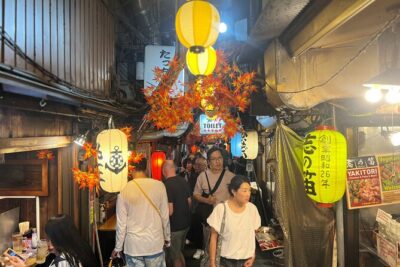 ★ 5.0Shinjuku Food Tour (13 Dishes at 4 Local Eateries)From $866,603 reviews
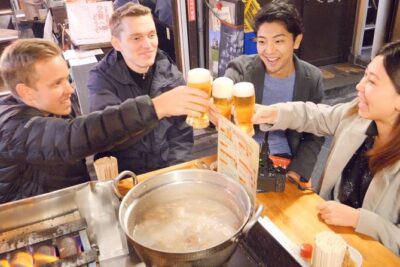 ★ 5.0Tokyo Bar Hopping Tour in Shinjuku (All-You-Can-Drink + Dinner)From $1063,587 reviews
 ★ 4.9Shinjuku Food Tour (15 Dishes and 4 Eateries)From $852,033 reviews
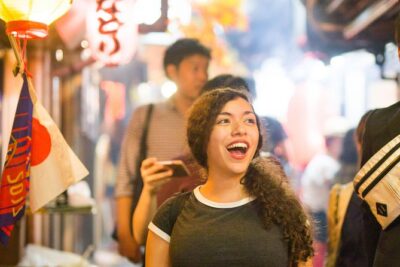 ★ 5.0Best of Shinjuku: Izakaya Food Tour (4 Stops, 14+ Tastings)From $921,863 reviews
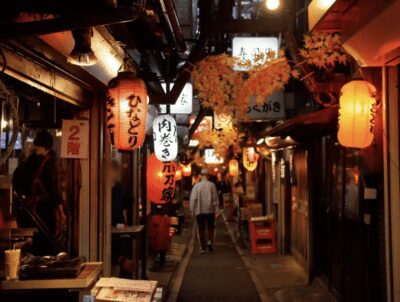 ★ 4.9Shinjuku Local Bar and Izakaya Guided Walking TourFrom $341,794 reviews
 ★ 5.0Tokyo Shinjuku Chopsticks Making ClassFrom $201,763 reviews
 ★ 5.0Tokyo Shinjuku Sumo Show & Experience with PhotoFrom $791,750 reviews
 ★ 5.0Tokyo Night Foodie Tour in Shinjuku – Seasonal Sushi, Wagyu BeefFrom $1111,161 reviews
Browse the lists this tour appears in