
Reviewed · TEA CEREMONY & MATCHA
Tokyo: Practicing Zen with a Japanese Tea Ceremony
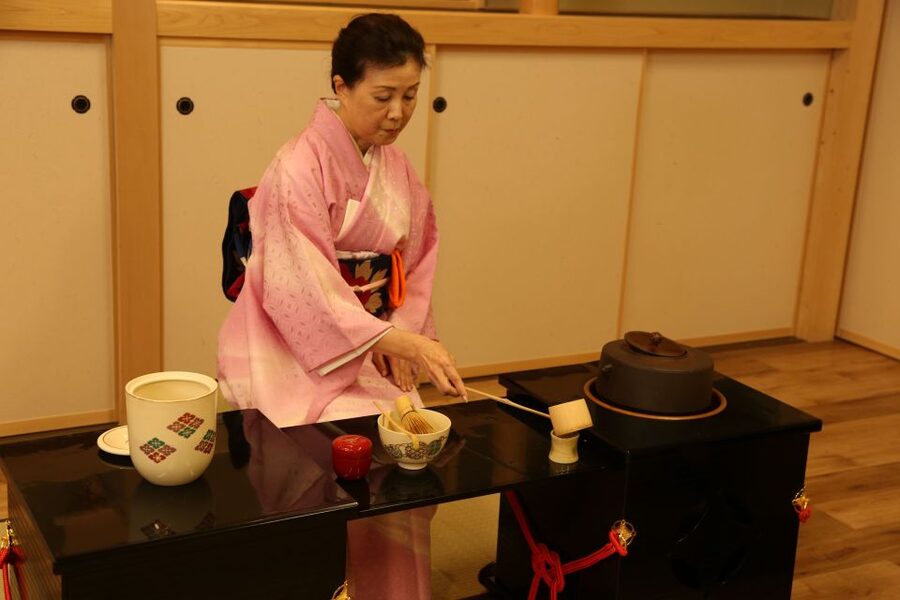
Zen looks like a cup of tea. In Tokyo, you practice a traditional tea ceremony tied to Zen Buddhism, with an English-speaking tea master explaining how Japanese art and architecture shape the mood of the ritual. I especially like the pairing of matcha green tea with traditional Japanese sweets—small, precise flavors that make the lesson feel real.
What really makes this class work is that it’s not only watching. You learn the movements and the purpose behind the utensils, then you get to perform the ceremony yourself with expert guidance. One possible drawback: the ceremony depends on calm, and if the room is noisy from nearby activity, it can shrink the Zen feeling—so keep that in mind if you’re very noise-sensitive.
In This Review
- Key things you’ll notice in this Zen tea ceremony
- Finding the calm at Kikai Shinko Kaikan, across from Tokyo Tower
- The 75-minute flow: two tea ceremonies, first by you then with you
- Matcha and traditional sweets: the taste lesson you can’t fake
- Zen Buddhism, explained through Japanese art and architecture
- Learning the utensils and movements without feeling rushed
- Your second ceremony: perform it yourself with coaching
- Noise rules and etiquette: how to help the room feel Zen
- Who should book this Zen tea ceremony near Tokyo Tower
- Price and value: $63 for matcha, sweets, and doing it yourself
- What to bring (and what to leave behind)
- Should you book this Zen tea ceremony?
- FAQ
- Where is the meeting point for the tea ceremony?
- How long is the experience?
- What’s included in the price?
- Is transportation included?
- What language is the instruction in?
- How many people are in the group?
- Is the venue wheelchair accessible?
- Are there any rules about behavior during the ceremony?
Key things you’ll notice in this Zen tea ceremony
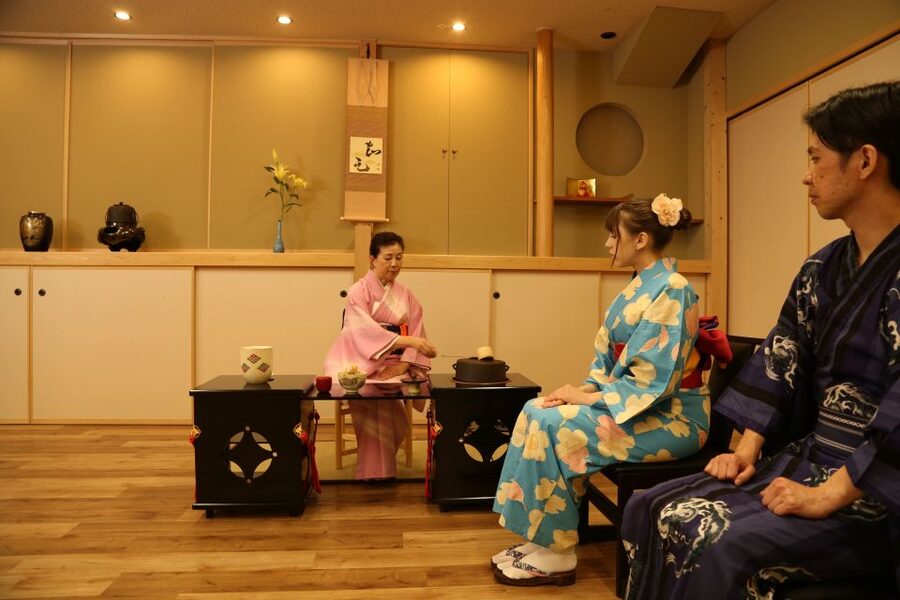
- Matcha + sweets pairing that teaches you how taste fits the pacing of the ritual
- Zen explained in plain terms, connected to the practice and the mindset behind tea
- Utensils and movements shown step-by-step, then coached while you try
- Two ceremonies in 75 minutes, with a second round that’s hands-on
- Comfort options, including seating for guests who prefer not to sit on the floor
- Small-group focus capped at 10 participants, so you can actually see and hear
Finding the calm at Kikai Shinko Kaikan, across from Tokyo Tower
This experience is based at Kikai Shinko Kaikan, right opposite Tokyo Tower. The meeting point is straightforward: you meet your instructor at the main entrance on the 1st floor. If you’re circling like a tourist (we’ve all been there), you can also check True Japan Tour (Room B109) on the B1 floor.
Why this matters: Tokyo is easy to get “lost in” even when you’re right next to a famous landmark. Having a clear meetup location across from Tokyo Tower means you can arrive un-rushed, then focus on the ceremony instead of stress.
Also note the basics that set the tone for the class: this is a small group (limited to 10) and it’s an English-taught experience. That combination usually helps with one of the biggest challenges in a tea ceremony: you need time to understand what you’re doing, not just copy motions.
More tea rooms our readers rated
- Matcha Making Class in Tokyo with Authentic Japanese Sweets Set
★ 5.0 · 744 reviews - Tokyo: Traditional Tea Ceremony with a Tea Master
★ 5.0 · 528 reviews - Tokyo: Matcha Making Experience with Mochi Sweets in Asakusa
★ 4.9 · 388 reviews - Tokyo: Matcha and Kimono Experience
★ 4.7 · 219 reviews
The 75-minute flow: two tea ceremonies, first by you then with you
The session runs 75 minutes, and it’s built around two distinct moments.
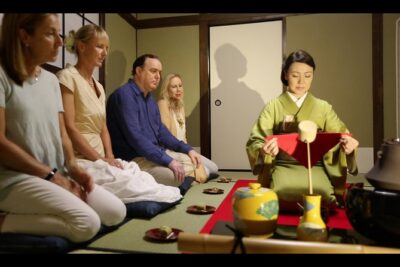
First, you watch the tea ceremony with instruction. You’ll see how the tea master prepares the matcha green tea, and you’ll pick up why each movement is done the way it is—not only the how, but the pacing and intention. You’ll also get a look at the specific utensils used in the ceremony, since the ritual is partly about tools and partly about attention.
Then comes the part most people remember: after the first ceremony, you get a turn. The experience includes a second tea ceremony performed by yourself, with guidance. This is what turns the event from a quick cultural show into a skill you leave with.
In plain terms, the class teaches you in two phases:
- Observe with context (so the ceremony makes sense)
- Practice the sequence (so it becomes something you can repeat)
One practical tip from the way the experience is described: you’ll want to treat your first tasting as part of the learning. The sweets and tea aren’t just a snack break; they’re tied to the rhythm of the ceremony.
Matcha and traditional sweets: the taste lesson you can’t fake
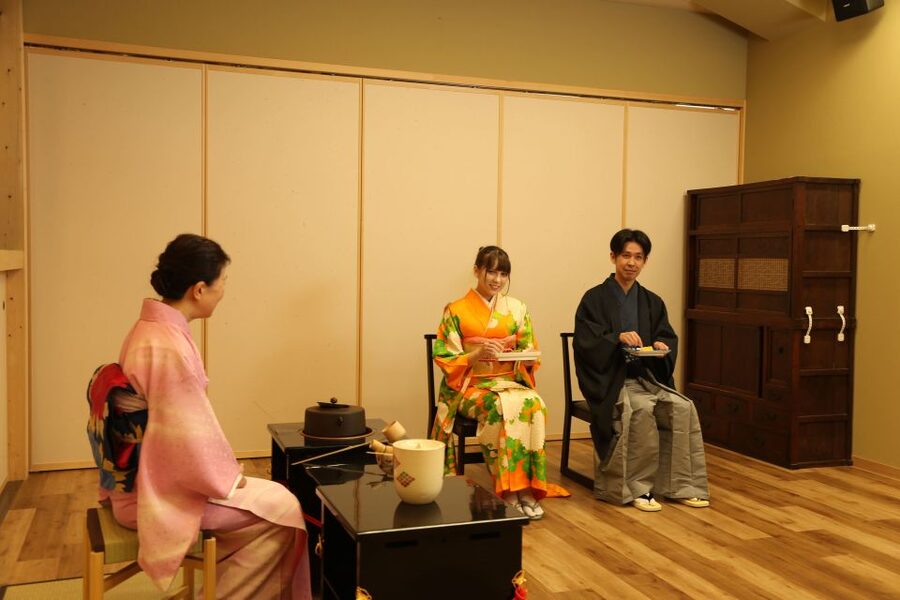
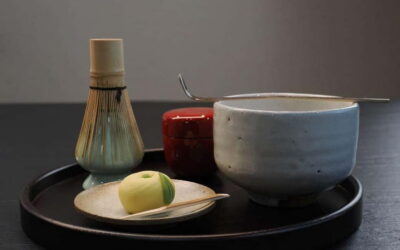
You’ll enjoy matcha green tea plus traditional Japanese confection, specially paired as part of the ceremony. This matters more than it sounds, because tea ceremonies train your attention. You slow down enough to notice temperature, bitterness, aroma, and sweetness—then you connect that sensation to the mindset the instructor is describing.
I like how this structure works for visitors. In many cultural experiences, food is added at the end. Here, it’s integrated into the ritual pacing. That makes the tasting feel like part of the teaching, not a separate “food moment.”
There’s also a realistic comfort angle: the session includes tasting sweets and matcha while you learn. If you’re traveling all day, it’s a gentler pace than a long walking tour, and it gives your day a calm anchor near the middle.
Zen Buddhism, explained through Japanese art and architecture
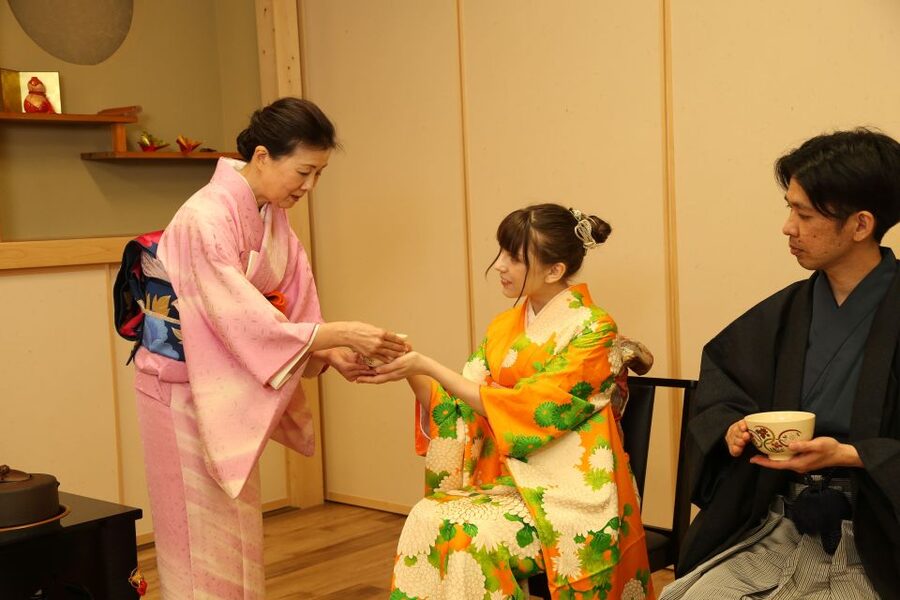
The class doesn’t just say Zen is calm and leave it at that. You learn about the spirit of Zen as expressed through Japanese art and architecture, and you find out more about how Zen Buddhism connects to the tea practice.
This is where the value really shows. A tea ceremony can look pretty, but without context it turns into “nice photos, then leave.” Here, you’re guided toward understanding what the ceremony is doing psychologically: training presence, reducing noise (literal and mental), and treating ordinary actions as meaningful.
If you’ve ever wanted a cultural experience that feels respectful instead of performative, this is the direction. The ritual is presented as a practice that lives inside Japanese society, not just a tourist activity.
One more detail that’s helpful: the instructor explains the role that tea ceremonies play in certain parts of Japanese life. Even if you don’t become a Zen practitioner by the end of 75 minutes, you’ll understand why people take this kind of care seriously.
Learning the utensils and movements without feeling rushed
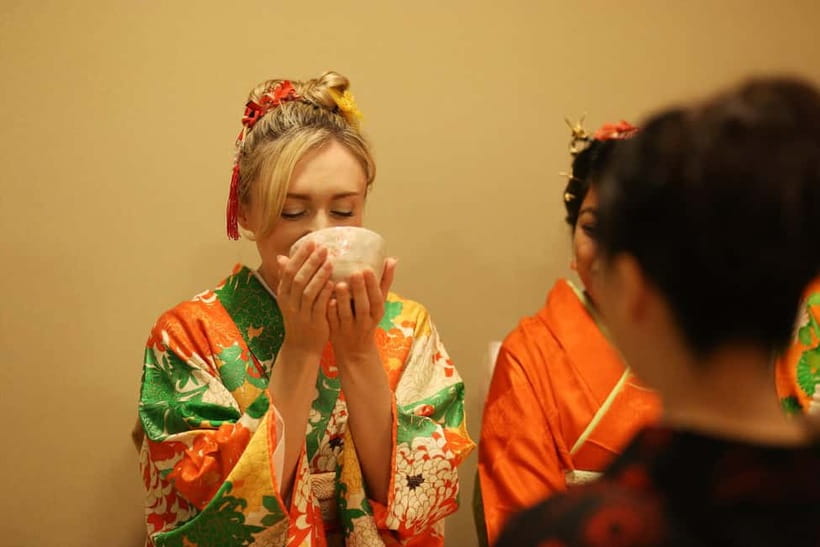
Tea ceremony instruction can be tricky because the movements are precise, and beginners often worry about messing up. This class is built for you to learn step-by-step.
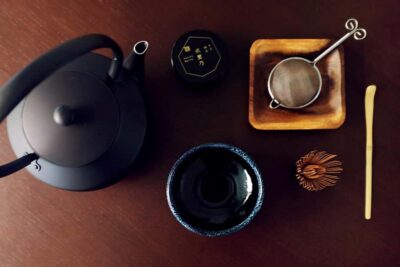
You’ll watch your instructor demonstrate the process, including the movements that go along with preparing matcha. Then you’ll learn the utensils involved and how each part fits the overall flow. That’s important because the ceremony isn’t one single action. It’s a sequence with meaning.
One thing I really appreciate in teaching like this: it’s the difference between copying choreography and understanding purpose. When you know why a movement exists, you stop treating mistakes like failures and start treating them like feedback.
And because the group is limited to 10, the instructor can correct what you’re doing without losing the whole class.
More quiet temple hours, reviewed
- Tokyo: Zen Meditation at a Private Temple with a Monk★ 5.0 · 510 reviews
- Tokyo Zen Meditation at Private Temple with Monk★ 5.0 · 178 reviews
- Tokyo: Practicing Zen with a Japanese Tea Ceremony★ 4.7 · 105 reviews
- Tokyo Zen Meditation at Kinryu-ji Temple and Asakusa Walking Tour★ 5.0 · 33 reviews
- Zen Buddhist Vegetarian(Shojin Ryori): Cooking Experience★ 5.0 · 9 reviews
Your second ceremony: perform it yourself with coaching
The hands-on portion is the star here. After the first ceremony, you conduct a second tea ceremony yourself, with expert guidance.
That “two rounds” design changes the experience completely:
- Round one gives you a model to follow.
- Round two lets you build your own muscle memory and confidence.
This is also where comfort matters. The experience notes that it’s wheelchair accessible, and there are seats available for guests who prefer not to sit on the floor. That’s huge. Tea ceremony learning is easier when you can focus on posture and attention without fighting discomfort.
So if you’re worried about sitting low on the floor or feeling self-conscious, you can relax more than you might expect. You’re still participating in the ritual—just with seating options available.
Noise rules and etiquette: how to help the room feel Zen
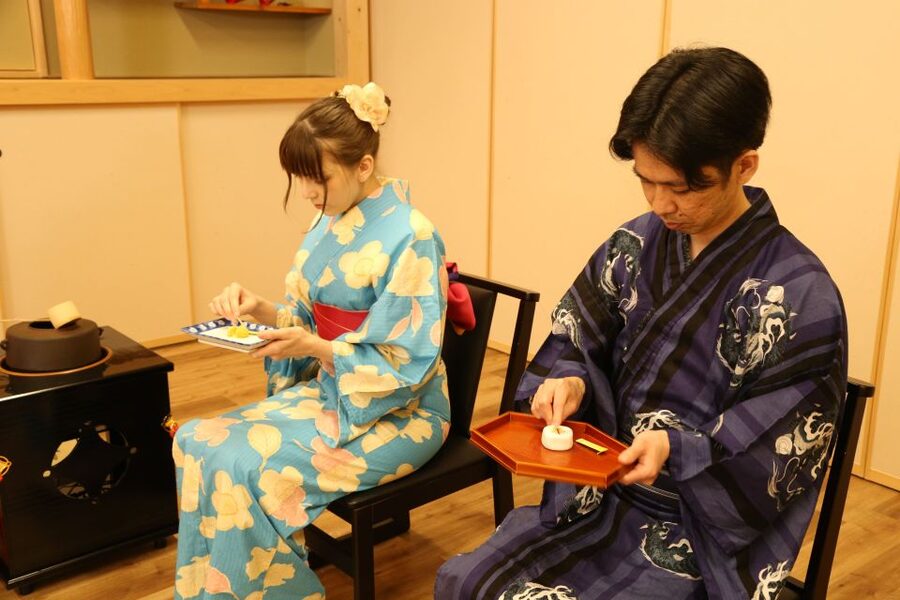
You’re asked not to make noise during the experience. That might sound obvious, but it’s central to what makes a tea ceremony work as a Zen practice. Quiet isn’t just courtesy; it’s part of training the atmosphere.
Here’s the balance to keep in mind: even in a well-run class, the venue’s setting can affect sound. One person specifically pointed out that you could hear another activity going on next door, which interrupted the calm. If you’re very sensitive to noise, it’s worth mentally preparing for the possibility that the world outside the room doesn’t completely shut off.
Still, the class is designed to be intimate. A small learning space helps you see and hear the instruction clearly, and it reduces the chaos that can ruin a quiet ritual.
Who should book this Zen tea ceremony near Tokyo Tower
This is a great fit if you want:
- a calm break from Tokyo’s pace
- cultural instruction in English
- a hands-on experience, not just observation
- a chance to practice the full flow with a guide
It’s also especially appealing if you like thoughtful, slow activities. The session is short at 75 minutes, but it’s paced around attention rather than ticking boxes.
I’d also recommend it if you’re traveling solo or as a couple and want a structured cultural activity that doesn’t require advanced Japanese. The small group format makes questions easier, and the second ceremony gives you a clear “I did this” payoff.
Not ideal if:
- you’re uncomfortable with etiquette-based quiet expectations
- you need a longer practice session (some people found the Zen exercise time short)
- you’re bringing very young children (it’s not suitable for children under 4)
Price and value: $63 for matcha, sweets, and doing it yourself
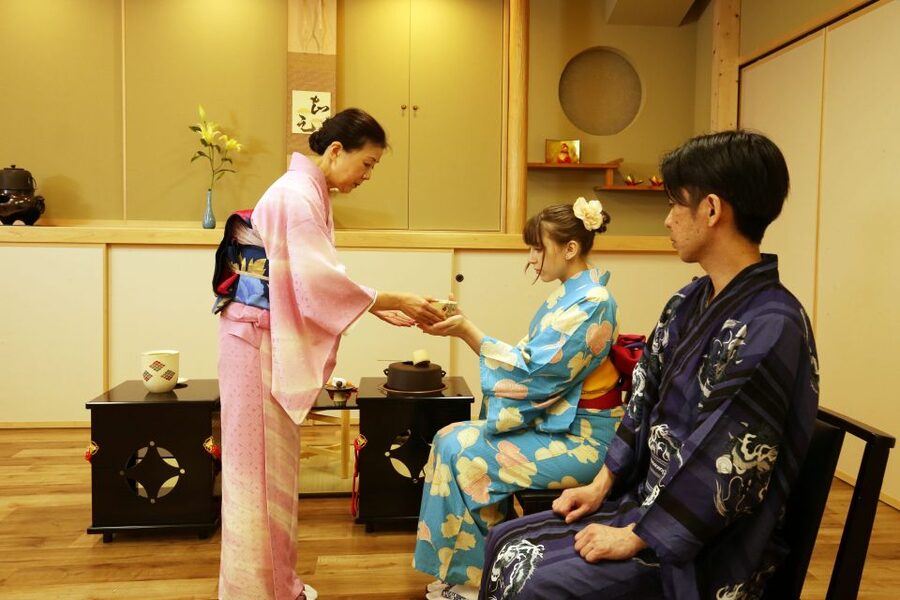
At $63 per person for 75 minutes, this isn’t the cheapest thing near Tokyo Tower—but it’s also not priced like a vague “cultural talk.” You’re paying for a specific skill lesson with multiple components:
- tea ceremony instruction
- matcha green tea
- traditional sweets
- the second ceremony performed by you with guidance
- a small group setting capped at 10
Value-wise, the hands-on coaching is the big deal. Watching a ceremony is nice, but practicing the sequence is what turns the experience into a memory you can recreate. If you leave with even a basic sense of the order of actions and the meaning behind them, that’s more than a standard museum-style visit.
Transportation isn’t included, so budget time and cost for getting there. But once you’re at the building across from Tokyo Tower, the experience itself is self-contained.
What to bring (and what to leave behind)
You don’t need to bring tools; the class includes the ceremony and teaching. The practical items are mostly about comfort and mindset:
- wear something you can move in comfortably
- be ready for quiet etiquette (no chatter during the ceremony)
- if you prefer not to sit on the floor, trust that there are seats available
And do yourself a favor: set your phone to silent or off. Even small disruptions pull you out of the rhythm the instructor is teaching.
Should you book this Zen tea ceremony?
If you want a Tokyo activity that feels slower, more intentional, and genuinely instructive, I’d say book it. The standout reason is the format: you don’t only watch. You take part in the tea ceremony yourself during the second round, with guidance.
Choose this experience especially if:
- you love matcha and want to understand the ritual behind it
- you’re curious about Zen Buddhism in a practical, not preachy, way
- you want a small-group class taught in English
- you appreciate comfort options like seating
Skip it if you’re looking for a long, energetic tour, or if noise control is a dealbreaker for you.
FAQ
Where is the meeting point for the tea ceremony?
Meet your instructor at the main entrance of the Kikai Shinko Kaikan building on the 1st floor, directly opposite Tokyo Tower. If you can’t find the instructor, go to True Japan Tour (Room# B109) on the B1 floor.
How long is the experience?
The tea ceremony experience lasts 75 minutes.
What’s included in the price?
The experience includes a tea ceremony, traditional sweets, matcha green tea, and a second tea ceremony performed by yourself.
Is transportation included?
No. Transportation is not included.
What language is the instruction in?
The instructor speaks English.
How many people are in the group?
It’s a small group limited to 10 participants.
Is the venue wheelchair accessible?
Yes, the experience is wheelchair accessible, and seats are available for guests who prefer not to sit on the floor.
Are there any rules about behavior during the ceremony?
Yes. Making noise is not allowed.
More Tour Reviews in Tokyo
- Mt Fuji and Hakone 1-Day Bus Tour Return by Bullet Train
★ 5.0 · 26,383 reviews - 1-Day Tokyo Bus Tour
★ 5.0 · 14,250 reviews - Tokyo: teamLab Planets TOKYO Digital Art Museum Entry Ticket
★ 4.6 · 9,779 reviews - Mt Fuji & Hakone Cruise, Drum Show Bullet Train 1 Day from Tokyo
★ 4.0 · 7,413 reviews - Tokyo: Shinjuku Food Tour (13 Dishes at 4 Local Eateries)
★ 5.0 · 6,603 reviews
More Quiet Temple Hours
- Tokyo: Zen Meditation at a Private Temple with a Monk
★ 5.0 · 510 reviews - Tokyo Zen Meditation at Private Temple with Monk
★ 5.0 · 178 reviews - Tokyo Zen Meditation at Kinryu-ji Temple and Asakusa Walking Tour
★ 5.0 · 33 reviews - Zen Buddhist Vegetarian(Shojin Ryori): Cooking Experience
★ 5.0 · 9 reviews - Practicing Zen through Japanese Tea Ceremony
★ 4.5 · 6 reviews
More Tea and Matcha Rooms
- Matcha Making Class in Tokyo with Authentic Japanese Sweets Set
★ 5.0 · 744 reviews - Tokyo: Traditional Tea Ceremony with a Tea Master
★ 5.0 · 528 reviews - Tokyo: Matcha Making Experience with Mochi Sweets in Asakusa
★ 4.9 · 388 reviews - Tokyo: Matcha and Kimono Experience
★ 4.7 · 219 reviews - Tea Ceremony Workshop in Tokyo by the Experienced Instrucor
★ 5.0 · 189 reviews
Latest Tokyo reviews off our desk






Tea Ceremony & Matcha, compared.
 ★ 5.0Matcha Making Class in Tokyo with Authentic Japanese Sweets SetFrom $21744 reviews
 ★ 5.0Traditional Tea Ceremony with a Tea MasterFrom $38528 reviews
 ★ 4.9Matcha Making Experience with Mochi Sweets in AsakusaFrom $22388 reviews
 ★ 4.7Matcha and Kimono ExperienceFrom $57219 reviews
 ★ 5.0Tea Ceremony Workshop in Tokyo by the Experienced InstrucorFrom $38189 reviews
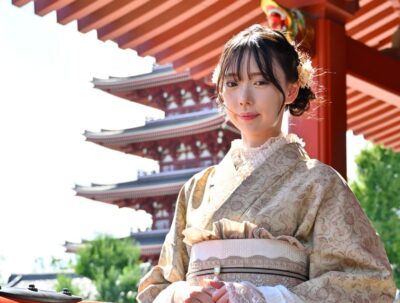 ★ 4.9Asakusa Kimono Dressing and Matcha ExperienceFrom $56173 reviews
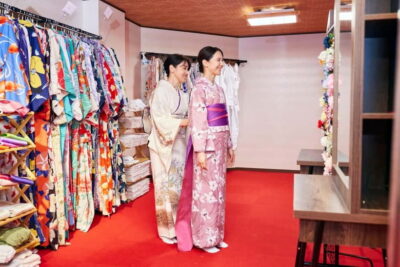 ★ 4.9Asakusa: Kimono Tea Ceremony with Matcha and SweetFrom $66153 reviews
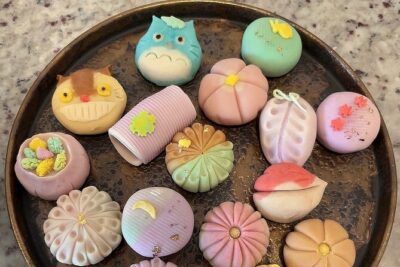 ★ 5.0Make Traditional Nerikiri Sweets & Matcha experience in ShibuyaFrom $60130 reviews
Browse the lists this tour appears in