
Reviewed · ZEN & MEDITATION
Tokyo: Zen Meditation at a Private Temple with a Monk
One calm hour can change your whole day. This private Zen session in Asakusa pairs a monk-led lesson with hands-on Zazen practice in a temple not open to the general public.
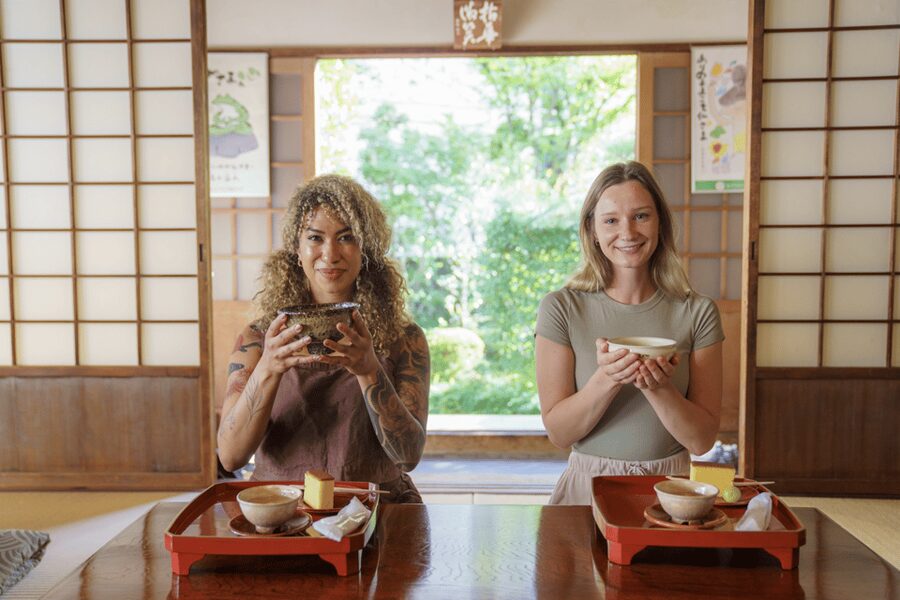
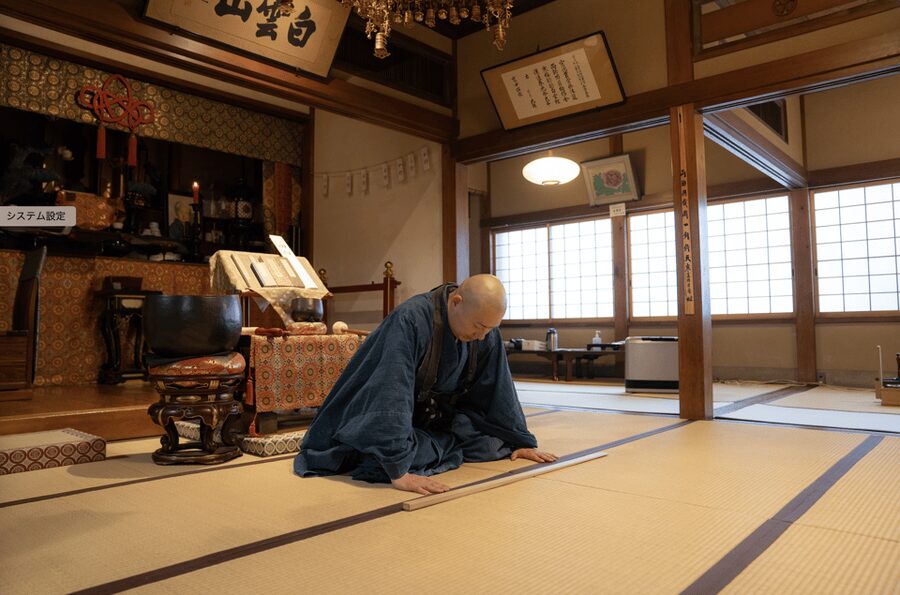
I especially like the way Tamami-san supports the experience, translating smoothly so you don’t miss the monk Namiki-san’s key points. I also like the add-ons—calligraphy and a matcha tea ceremony—that turn quiet learning into something you can feel.
One consideration: the meditation is short and focused (a chance to get the basics right), so if you’re hoping for a long silent retreat-style sit, you may want a different format.
In This Review
- Key moments that make this stand out
- Asakusa’s Private Temple and Why This Feels Different
- Meeting at Tawaramachi: FamilyMart Setup and WhatsApp Contact
- Before the Sit: Temple Etiquette and a Monk’s Zazen Primer
- Zen Meditation Practice: Rhythm, Posture, and Real Mental Reset
- Calligraphy and Chanting: When Writing Becomes Meditation
- Matcha Tea Ceremony and Sweets: End With a Slower Mind
- Q&A With the Monk: Simple Advice for Stress and Ego
- Skip the Crowds: Separate Entrance and Timing That Works
- Price and Value: What $55 Buys You in Real Experience
- Who Should Book This Zen Session in Asakusa
- Should You Book This Zen Meditation at a Private Temple?
- FAQ
- Where is the meeting point for this tour?
- How long is the experience?
- What’s included in the price?
- Is transportation included?
- Do I need WhatsApp for the tour?
- Can I take photos during the session?
Key moments that make this stand out
- A separate entrance helps you skip the usual temple crowd routes
- English live guide with WhatsApp support keeps meeting and timing stress-free
- Monk-led Zazen instruction teaches seated meditation principles, not just vibes
- Calligraphy plus chanting turns attention into a practical, calming skill
- Matcha tea and sweets give the session a gentle ending, not a rushed finish
- Q&A with the monk makes it easier to connect meditation to real life
Asakusa’s Private Temple and Why This Feels Different
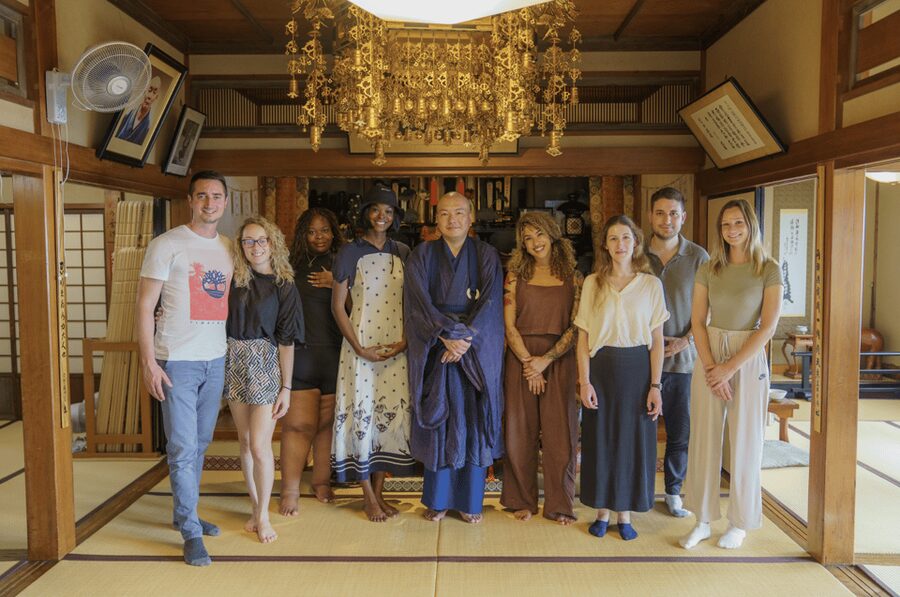
Asakusa is famous for temples and street life. This experience takes you away from the usual public path and into a smaller setting where the rules of the room matter. That shift is the whole point: less sightseeing mode, more stillness mode.
You’re in a temple environment that’s not open to the general public, so you get a calmer pace right away. The atmosphere is part of the lesson. People describe it as serene and intimate, which makes sense when you’re taught in a space where monks have practiced for generations.
The big win for most people is that you’re not just watching meditation. You’re learning what to do with your body and attention—and then practicing before you leave. That’s how the experience sticks.
More quiet temple hours, reviewed
- Tokyo Zen Meditation at Private Temple with Monk
★ 5.0 · 178 reviews - Tokyo: Practicing Zen with a Japanese Tea Ceremony
★ 4.7 · 105 reviews - Tokyo Zen Meditation at Kinryu-ji Temple and Asakusa Walking Tour
★ 5.0 · 33 reviews - Zen Buddhist Vegetarian(Shojin Ryori): Cooking Experience
★ 5.0 · 9 reviews
Meeting at Tawaramachi: FamilyMart Setup and WhatsApp Contact
Plan to start with a simple, human logistics step. You meet in front of FamilyMart in the Asakusa area, about a 2-minute walk from Tawaramachi Station on the Ginza line. There are two FamilyMart branches nearby, so double-check the street corner so you don’t waste time circling.
Your guide contacts you by WhatsApp, so download it before you go. This is one of those small things that makes a big difference once you’re in a busy city. With the message in hand, you can focus on finding the entrance and settling in.
Also note that transportation isn’t included. That’s normal for this type of cultural experience, but it matters for planning: you’ll want a buffer if you’re arriving from elsewhere in Tokyo.
Before the Sit: Temple Etiquette and a Monk’s Zazen Primer
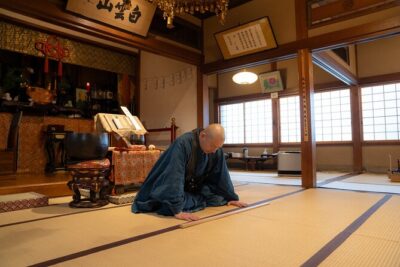
Once you’re inside, the first part is about setting the mind. You’ll get a brief introduction to Japanese culture and Zen, then a lecture from the monk on the principles and techniques of Zazen.
This isn’t a vague talk about calm. It’s more practical than that. Zazen is seated meditation at the center of Zen practice, and you’ll learn what posture and attention are supposed to do for you. The monk’s guidance matters because this is one of the traditions where small physical details change the whole experience.
English support helps a lot. Guides like Tamami-san translate the monk’s points smoothly so the concepts land, even if you’re new to Zen. Several people mention how patient the monk and guide are during questions, which usually means you’re not expected to already know the basics.
If you’re worried about feeling out of place, you probably don’t need to be. The structure is clear: learn, watch, practice, then ask.
Zen Meditation Practice: Rhythm, Posture, and Real Mental Reset
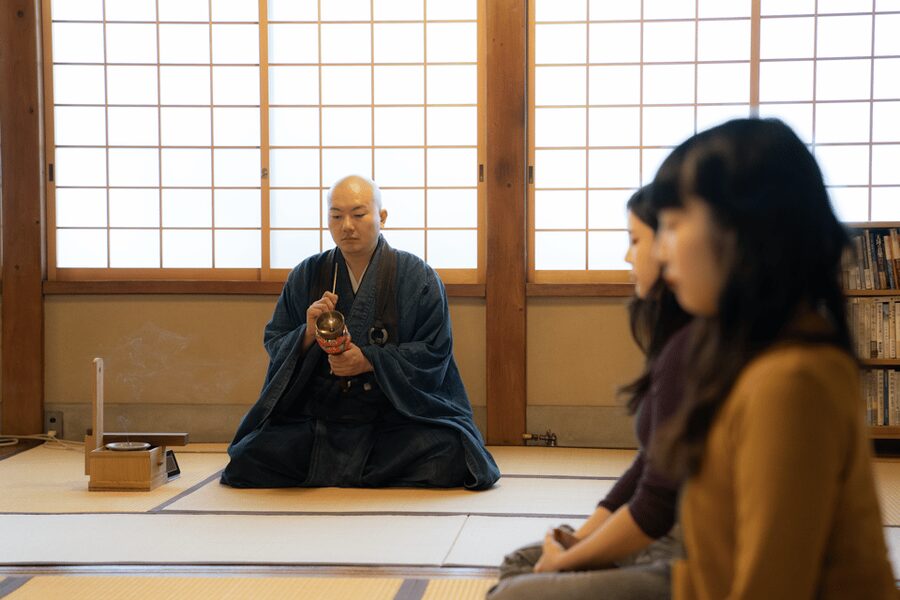
This is the heart of the session: time for seated meditation under instruction. You’ll focus on rhythmic breathing and calm attention. In the room, that becomes your main job—everything else fades.
Exact timing can vary by session flow, but what you can expect is a supervised sitting (some people describe two shorter sits, others a longer silent portion). Either way, the important thing is that you’re taught how to do it, not just told to sit.
A fun practical detail: a few participants mention using a stick during the meditation, which sounds simple but can help you stay guided and on rhythm. If your mind wanders (it will), that kind of structure is useful. It’s not about forcing blankness. It’s about noticing what’s happening and returning to the practice.
Another theme that comes through strongly in the Q&A is ego and worldly concerns. The monk frames meditation as a way to unify your mind and detach from noise—not by pretending you have no thoughts, but by seeing how thoughts work. That mindset shift is often what people carry home.
Calligraphy and Chanting: When Writing Becomes Meditation
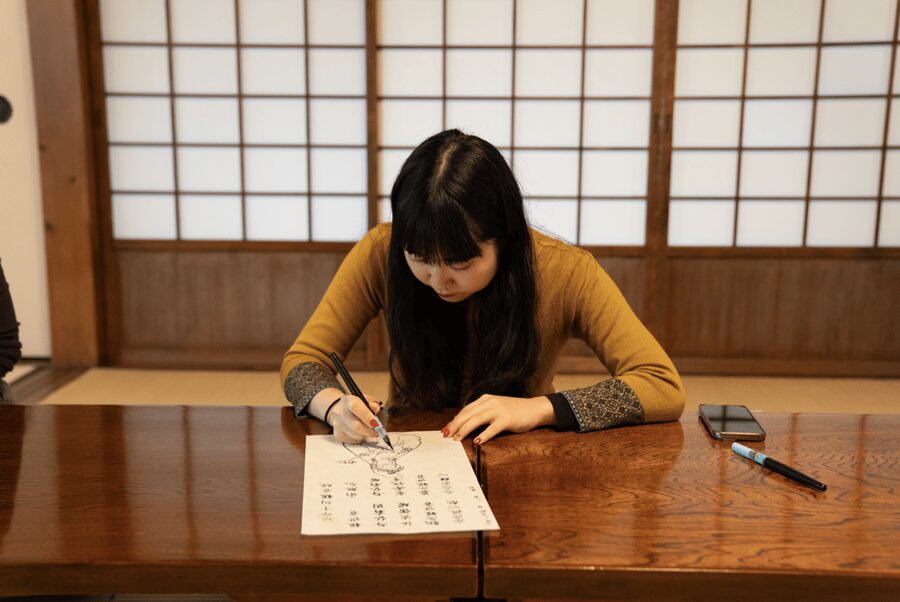
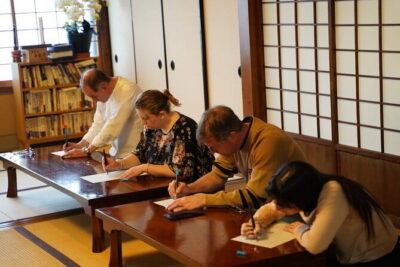
After the sit, the experience shifts from silence to mindful motion with calligraphy. Many people don’t expect this, but it fits Zen thinking well: attention becomes physical.
You may be guided through calligraphy of a sutra or related text, often with chanting. This part works because it gives you a new focus when meditation time ends. Even if you never write with confidence in your own handwriting, you’re not being graded. The goal is calm concentration.
What I like about this segment is that it’s a different doorway into the same mental state. Meditation is about sitting still and noticing. Calligraphy is about doing something carefully while keeping your mind steady. It’s the same principle—just expressed through a brush.
People also mention they got to keep what they wrote. Having something tangible from the session can help you remember the feeling later, when you’re back in the rush.
Readers also shortlisted these Tokyo bookings:
- Tokyo 6hr Private Tour with Government-Licensed Guide★ 5.0 · 3,902 reviews
- Private Tour to Mt. Fuji and Hakone (Fully Licenced Operator)★ 5.0 · 1,910 reviews
- Tokyo Customized Private Tour (Must See Places in 1 Day)★ 5.0 · 1,499 reviews
- Mount Fuji Full-Day Private Tour from Tokyo (Customizable)★ 4.9 · 1,470 reviews
- Tokyo: Private City Highlights Tour with Local Guide★ 4.8 · 1,433 reviews
Matcha Tea Ceremony and Sweets: End With a Slower Mind
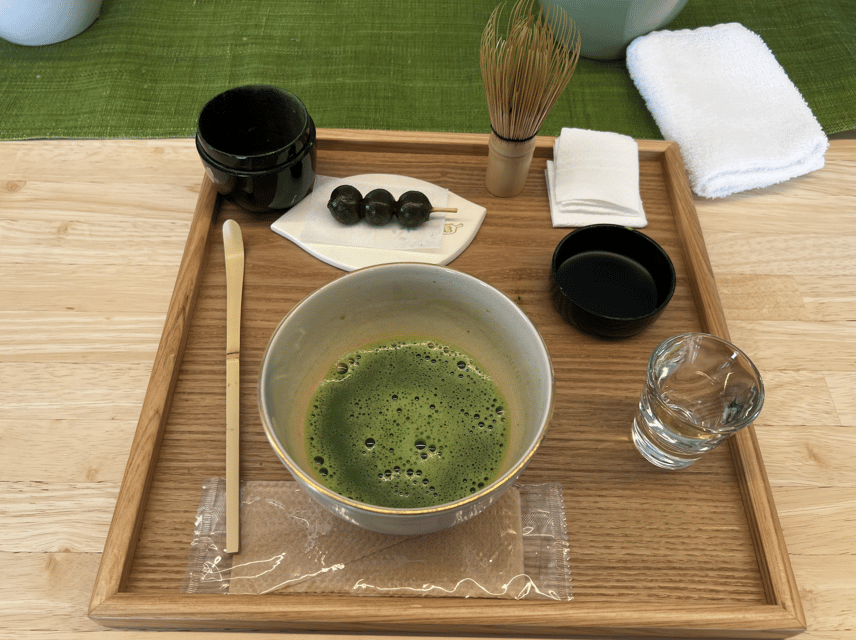
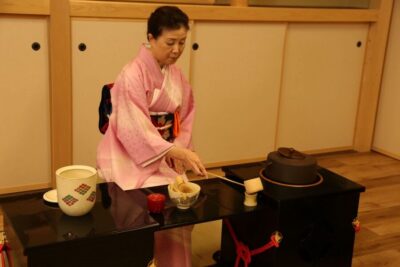
Then comes the part that makes you exhale: matcha tea and sweets. The tea ceremony isn’t treated like a snack stop. It’s part of the ritual timing, a gentle landing after practice.
Matcha is included, and so are traditional sweets. Together, they create a break that feels intentional rather than random. If you’ve been in Tokyo for a few days already, this pause can feel like someone turned down the volume.
I also appreciate that tea happens after Q&A and practice. That order matters. You’ve already learned to quiet down, so the tea doesn’t feel like a separate activity. It feels like the same lesson continues—slow, present, and respectful of small steps.
Q&A With the Monk: Simple Advice for Stress and Ego
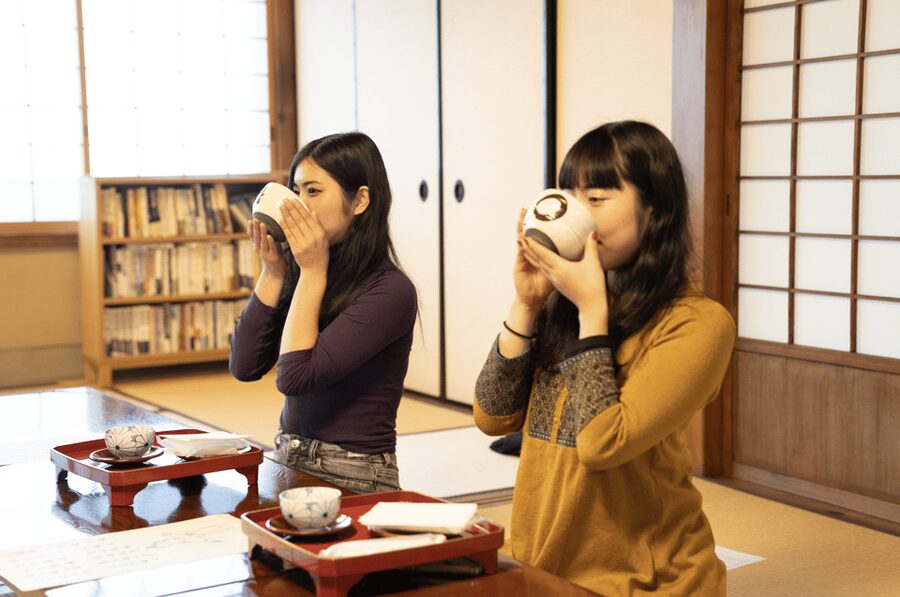
You’ll end with discussion time with the monk. This is where the experience stops being just cultural education and becomes personal coaching.
People report lots of questions and honest, thoughtful answers. The monk’s advice often points to practical habits: fully focusing on each small activity, keeping your environment tidy, and not comparing yourself to others. Those sound basic, but in Zen practice they’re not slogans. They’re training for attention.
Some people also share that the monk discussed how anger works—exploring its root until it becomes clear it’s not as reasonable as it feels in the moment. That kind of framing can be surprisingly helpful on a stressful trip day, even if you’re not planning to become a meditation student.
And yes, you can take photos during the experience. That helps you document the memory without turning the event into a selfie marathon. The tone stays respectful.
Skip the Crowds: Separate Entrance and Timing That Works
A practical advantage: you get skip-the-line access through a separate entrance. That matters in Asakusa. Temple areas can be crowded, and crowd anxiety can scramble your brain right when you want calm.
The total duration is 90 minutes. That’s a sweet spot in Tokyo. It’s long enough to learn, practice, and reflect. It’s short enough that you can still enjoy the rest of your day without feeling like you booked a half-day detour.
One detail to plan around: since it’s private and monk-led, you’ll want to arrive on time. With WhatsApp guidance, you’re less likely to be late, but still, Tokyo stations can be a maze if you’re walking fast.
Price and Value: What $55 Buys You in Real Experience
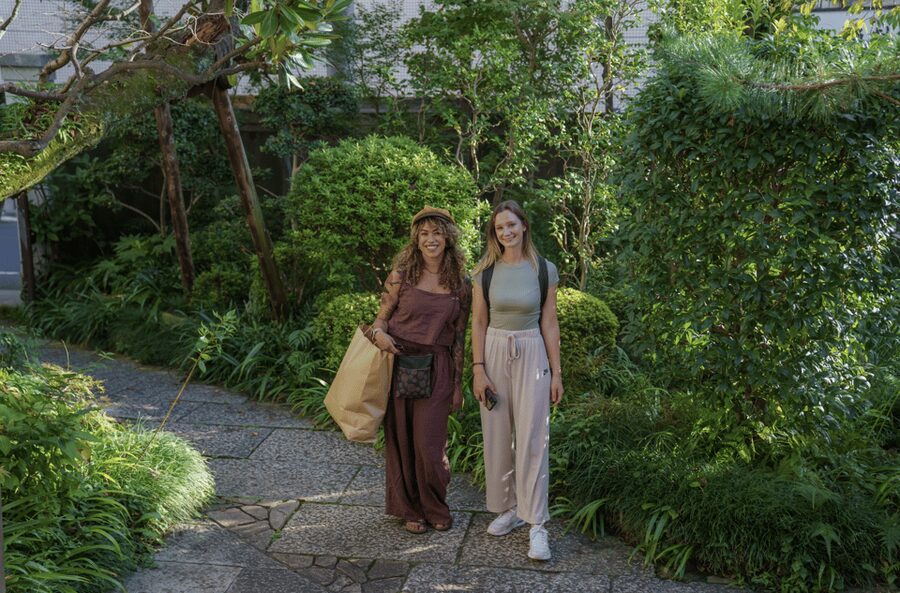
At $55 per person for 90 minutes, this isn’t a cheap add-on, but it’s not overpriced for what you get. You’re paying for three things that are hard to reproduce on your own.
First, you’re paying for guided instruction in Zazen, led by the monk, with an English translator on hand. Second, you’re paying for entry into a temple area that isn’t standard public access. Third, you’re paying for the ritual extras—calligraphy and matcha—plus time for Q&A.
If you compare this to doing meditation classes in a city studio, you’re paying more, but you’re also getting context and a full cultural package. If your top priority is seeing Tokyo’s sights, this may feel like a detour. If your top priority is learning a practice you can use at home, this price starts to look fair.
Who Should Book This Zen Session in Asakusa
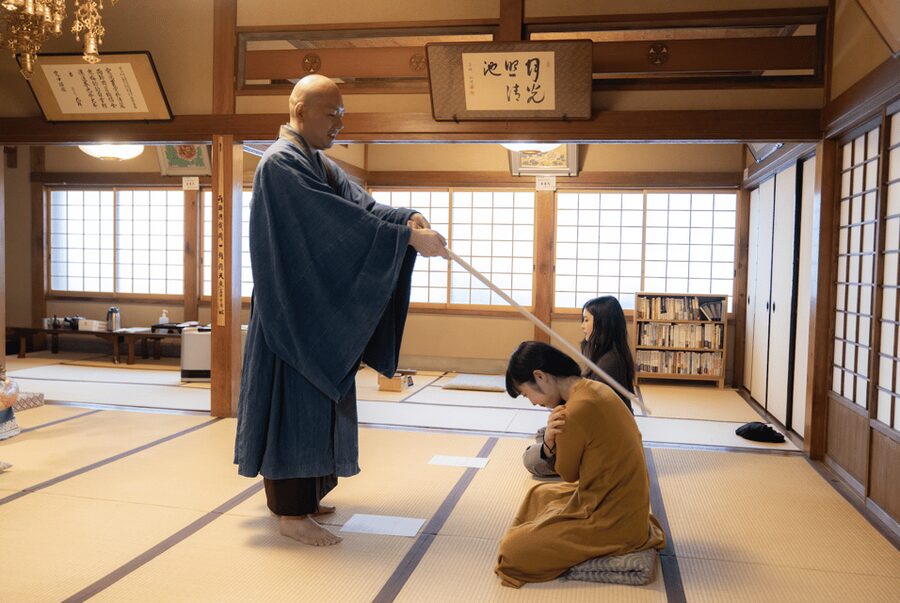
This tour fits best if you:
- want a structured introduction to Zazen, especially with English support
- like hands-on cultural experiences more than museum-style learning
- enjoy intimate, quiet moments in a big city
- want a monk’s perspective paired with practical Q&A
It may be less ideal if you’re looking for a long silent retreat or hours of meditation. This is a teaching-and-practice session, not a full day of Zen.
Also, if calligraphy and tea feel like extra fluff to you, you might still find them useful. People often say those parts make the experience memorable because they reinforce mindfulness in different ways.
Should You Book This Zen Meditation at a Private Temple?
If you’re in Tokyo and you want one experience that slows you down for real, I think it’s an easy yes. The combination of monk-led Zazen, translator support from Tamami-san, temple access, calligraphy, matcha tea, and an unhurried Q&A gives you more than a typical spiritual stop.
The best sign is that the session is designed to teach you how to do it, then let you ask questions. That’s what makes it useful after the visit—not just pretty while you’re there.
If you want a small taste of Zen with practical takeaways and a calm Tokyo morning feel, book it. If you’re only in it for big sightseeing photos, you might prefer a standard temple route.
FAQ
Where is the meeting point for this tour?
You meet in front of FamilyMart in the Asakusa area, about a 2-minute walk from Tawaramachi Station on the Ginza line. There are two FamilyMart branches nearby, so make sure you go to the correct one.
How long is the experience?
The experience lasts 90 minutes.
What’s included in the price?
The package includes the Zen meditation experience, a guide, temple entry, the monk’s explanation, and matcha tea.
Is transportation included?
No. Transportation is not included.
Do I need WhatsApp for the tour?
Yes. Your guide will contact you through WhatsApp, so download it before the tour.
Can I take photos during the session?
Photos or videos are allowed during the experience, including within the temple and with the monk (as described in participant feedback).
More Private in Tokyo
- Tokyo 6hr Private Tour with Government-Licensed Guide
★ 5.0 · 3,902 reviews - Private Tour to Mt. Fuji and Hakone (Fully Licenced Operator)
★ 5.0 · 1,910 reviews - Tokyo Customized Private Tour (Must See Places in 1 Day)
★ 5.0 · 1,499 reviews - Mount Fuji Full-Day Private Tour from Tokyo (Customizable)
★ 4.9 · 1,470 reviews - Tokyo: Private City Highlights Tour with Local Guide
★ 4.8 · 1,433 reviews
More Tour Reviews in Tokyo
- Mt Fuji and Hakone 1-Day Bus Tour Return by Bullet Train
★ 5.0 · 26,383 reviews - 1-Day Tokyo Bus Tour
★ 5.0 · 14,250 reviews - Tokyo: teamLab Planets TOKYO Digital Art Museum Entry Ticket
★ 4.6 · 9,779 reviews - Mt Fuji & Hakone Cruise, Drum Show Bullet Train 1 Day from Tokyo
★ 4.0 · 7,413 reviews - Tokyo: Shinjuku Food Tour (13 Dishes at 4 Local Eateries)
★ 5.0 · 6,603 reviews
More Quiet Temple Hours
- Tokyo Zen Meditation at Private Temple with Monk
★ 5.0 · 178 reviews - Tokyo: Practicing Zen with a Japanese Tea Ceremony
★ 4.7 · 105 reviews - Tokyo Zen Meditation at Kinryu-ji Temple and Asakusa Walking Tour
★ 5.0 · 33 reviews - Zen Buddhist Vegetarian(Shojin Ryori): Cooking Experience
★ 5.0 · 9 reviews - Practicing Zen through Japanese Tea Ceremony
★ 4.5 · 6 reviews
Latest Tokyo reviews off our desk






Zen & Meditation, compared.
 ★ 5.0Tokyo Zen Meditation at Private Temple with MonkFrom $56178 reviews
 ★ 4.7Practicing Zen with a Japanese Tea CeremonyFrom $63105 reviews
 ★ 5.0Tokyo Zen Meditation at Kinryu-ji Temple and Asakusa Walking TourFrom $6033 reviews
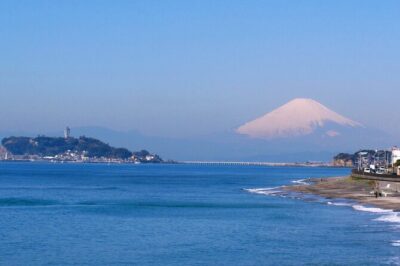 ★ 5.0Buddha, Bamboo & Zen – Bespoke Kamakura Private Walking ToursFrom $35525 reviews
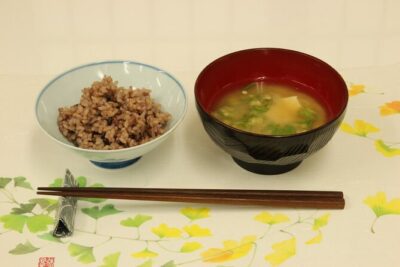 ★ 5.0Zen Buddhist Vegetarian(Shojin Ryori): Cooking ExperienceFrom $1149 reviews
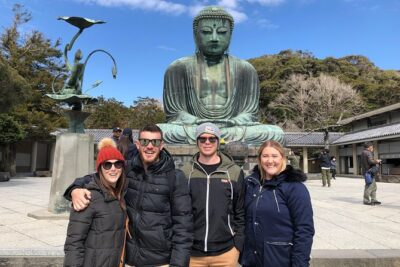 ★ 5.0Kamakura Zen Temples and Gardens Private Trip with Government-Licensed GuideFrom $1537 reviews
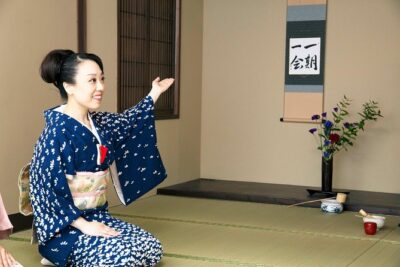 ★ 4.5Practicing Zen through Japanese Tea CeremonyFrom $646 reviews
Browse the lists this tour appears in