
Reviewed · TEA CEREMONY & MATCHA
Practicing Zen through Japanese Tea Ceremony
Quiet moments are rare in Tokyo. This Japanese tea ceremony experience uses Zen practice as the theme, so it’s more than sipping matcha and taking photos. You’ll learn the foundations, prepare matcha using classical ceremonial methods, and follow the ritual step by step in a setting designed to feel calm.
Two things I especially like: you get a hands-on tea-making session (including trying the second ceremony yourself), and the experience includes traditional wagashi sweets chosen to complement the matcha you’re drinking. One possible drawback to plan for: the atmosphere can be very intentionally quiet, and at least one past session has taken place in a basement-like room, so don’t expect a big, airy view.
In This Review
- Quick highlights if you want calm, practical culture
- A Zen Pause in Tokyo: Why This Workshop Feels Different
- Who Runs the Session: Tea Master, English Guidance, and a Welcoming Pace
- Matcha Foundations: Preparing Green Tea the Classical Way
- Wagashi Pairing for Matcha: Sweets Chosen for Balance
- The Tea Ceremony Flow: A Step-by-Step Ritual You Participate In
- Your Second Ceremony: Learning by Doing (Not Just Watching)
- Where You’ll Be: Shibakōen, Minato City, and a Calm Room Setup
- Price and Value: What $64.50 Really Buys You
- Timing and Booking: When to Fit It Into Your Tokyo Day
- Who This Is Best For (and Who Might Prefer Something Else)
- Should You Book This Japanese Zen Through Tea Ceremony?
- FAQ
- How long is the tea ceremony experience?
- Where does the experience start?
- Does it include English explanations?
- Will I prepare matcha myself?
- Are Japanese sweets included?
- What is included in the price?
- What is not included?
- How large is the group?
- When will I receive confirmation after booking?
- Can I cancel for a full refund?
Quick highlights if you want calm, practical culture
- Bilingual licensed tea master who explains Zen connections, utensils, and scrolls in English
- Classical matcha practice, not just tasting, with guidance through each step
- Wagashi pairing set up specifically for how matcha tastes
- You perform a second tea ceremony yourself, so you leave with a repeatable skill
- Small-group feel (maximum 28 people), designed for focus rather than crowds
A Zen Pause in Tokyo: Why This Workshop Feels Different
Tokyo rewards speed. Trains run on time, lines form fast, and your brain can stay on 100% all day. This tea ceremony is built for the opposite: slowing down long enough to notice details you’d normally skip.
What makes it interesting is the way the lesson connects the ritual to Zen practice. You’re not just learning tea as a food thing. You’re learning it as a mindset: attention, respect, and hospitality. Even if you don’t call it Zen in your daily life, you’ll recognize what the ceremony teaches you to do with your hands, your posture, and your pace.
The format also helps. It’s about 1 hour 15 minutes, and the group size cap of 28 keeps it from turning into a lecture where you sit and watch. You’ll get the time you need to participate, and you won’t feel rushed in the middle of the steps.
More tea rooms our readers rated
- Matcha Making Class in Tokyo with Authentic Japanese Sweets Set
★ 5.0 · 744 reviews - Tokyo: Traditional Tea Ceremony with a Tea Master
★ 5.0 · 528 reviews - Tokyo: Matcha Making Experience with Mochi Sweets in Asakusa
★ 4.9 · 388 reviews - Tokyo: Matcha and Kimono Experience
★ 4.7 · 219 reviews
Who Runs the Session: Tea Master, English Guidance, and a Welcoming Pace
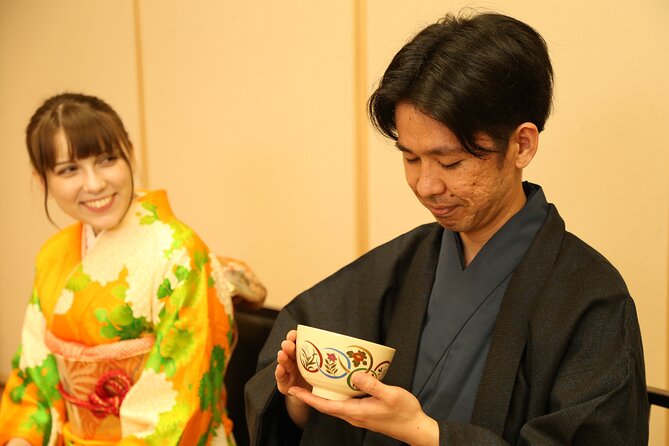
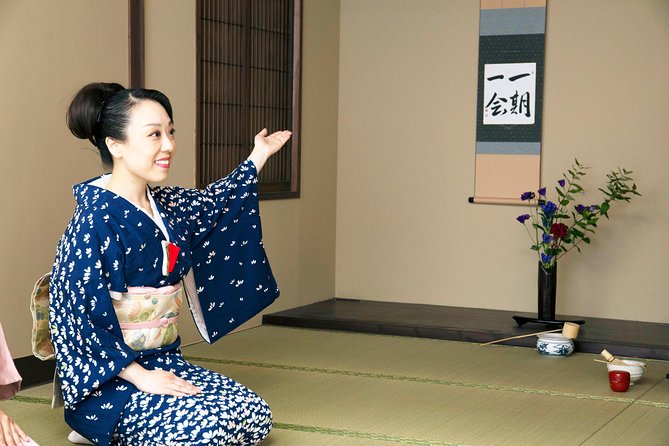
This experience is led by a bilingual licensed tea master. That matters because tea ceremony language can get technical fast, especially around utensils and the meaning behind actions. Here, you’ll get explanations in English, including the connection to Zen practices and the role of Japanese hanging scrolls and tea utensils.
In reviews, hosts such as Miyuki and Yuuko have been praised for giving a warm welcome and communicating clearly. That lines up with what you want on day one of matcha: someone who can make a formal tradition feel approachable, and who can adapt to how the group is responding.
You can also expect the tea master to guide you through the ceremony rather than leaving you to figure it out. That guidance is the difference between a nice activity and a meaningful one.
Matcha Foundations: Preparing Green Tea the Classical Way
Matcha isn’t just green tea powder you stir into water. In a tea ceremony, you’re building something: the right texture, the right flow, and the right attention. This workshop focuses on preparing matcha using classical ceremonial methods, with you participating through the process.
Here’s how that helps you as a visitor: you get the why behind what you’re doing. Instead of treating matcha as a trend, you learn how the ritual shapes the drinking experience. You’ll also get a practical sense of the steps, since you’re not only tasting what you made. You’re learning how the tea master produces the result.
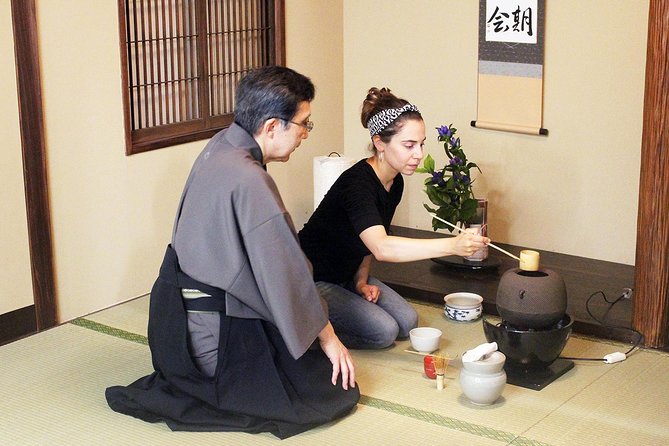
And because the session includes a brief explanation of the tools and ritual meaning, your matcha experience becomes more coherent. You understand what you see: the utensils aren’t random props. They each connect to the way the ceremony is meant to be handled with respect.
You’ll likely notice the pacing is calmer than the rest of your Tokyo day. That’s not an accident. Tea ceremony timing is part of the lesson.
Wagashi Pairing for Matcha: Sweets Chosen for Balance
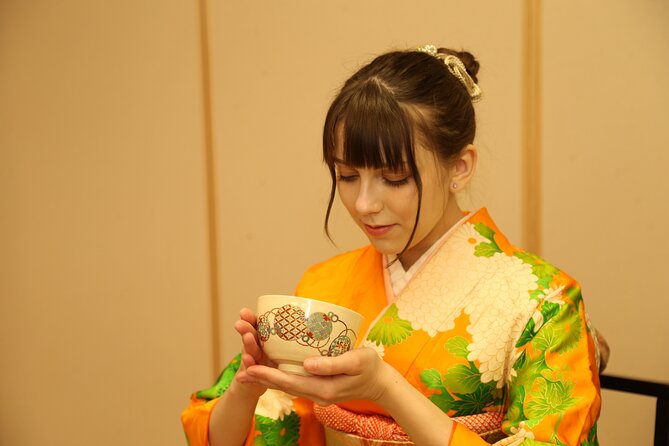
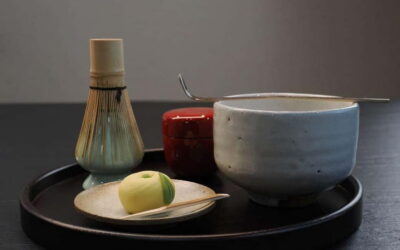
Wagashi are a huge part of why the ceremony feels Japanese rather than simply “a beverage class.” In this experience, you’re served traditional Japanese sweets selected to complement the matcha’s flavor profile.
That pairing matters because matcha has its own personality. It can be grassy, vegetal, and sometimes slightly bitter, depending on the style. The wagashi are meant to meet that character instead of competing with it. The result is a more balanced experience where you taste sweetness, texture, and tea as a coordinated set.
If you only order matcha in a cafe, you might get a sugar-and-drink moment. Here, you get the cultural logic: sweetness is part of the harmony. It’s also a way to slow down. You’ll eat, notice, and reset between parts of the ritual instead of snacking while walking.
The Tea Ceremony Flow: A Step-by-Step Ritual You Participate In
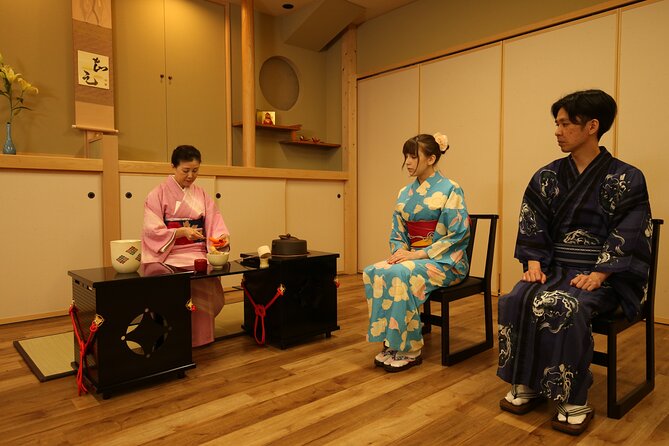
The session is designed to recreate a traditional tea ceremony atmosphere. That means the flow isn’t just “watch, then taste.” You follow the authentic practices of the ritual while the tea master explains the traditions and meaning behind them.
Even without a full schedule printed out here, you can count on the arc:
- The tea master sets the tone and explains the foundations, including Zen connections
- You prepare and enjoy matcha with the included sweets
- You receive guidance through the steps of the ceremony
- You then take part in making tea yourself during a second ceremony
One review also mentioned a short meditation moment connected to the Zen focus. It makes sense: a tea ceremony isn’t only about technique. It’s about quiet attention before and during the act.
If you’re the type who gets restless in indoor cultural activities, the hands-on rhythm helps. Your body has something to do, and your mind has something specific to focus on.
More quiet temple hours, reviewed
- Tokyo: Zen Meditation at a Private Temple with a Monk★ 5.0 · 510 reviews
- Tokyo Zen Meditation at Private Temple with Monk★ 5.0 · 178 reviews
- Tokyo: Practicing Zen with a Japanese Tea Ceremony★ 4.7 · 105 reviews
- Tokyo Zen Meditation at Kinryu-ji Temple and Asakusa Walking Tour★ 5.0 · 33 reviews
- Zen Buddhist Vegetarian(Shojin Ryori): Cooking Experience★ 5.0 · 9 reviews
Your Second Ceremony: Learning by Doing (Not Just Watching)
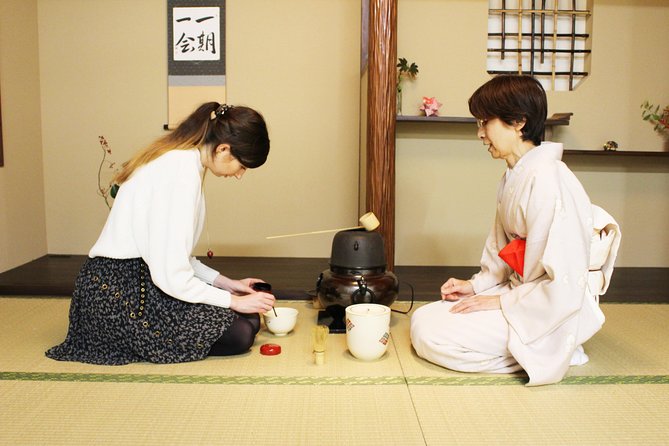
The best part for practical souvenirs is the moment you make tea yourself. This experience includes a second tea ceremony performed by you, with instruction.
That changes what you take home. You’re not only leaving with a story about matcha. You’re leaving with muscle memory: how to handle the moment, how to follow the steps, and how to produce the tea as directed.
It also gives you something to practice later. Back home, you won’t reproduce every perfect detail without the same tools and context, but you can repeat the core technique and the calm pacing. That’s what makes this workshop more useful than many food experiences in Tokyo.
If you learn best by doing, you’ll love this format. If you’re hoping for a purely observational experience, you might find the hands-on participation more engaging than expected.
Where You’ll Be: Shibakōen, Minato City, and a Calm Room Setup
The meeting point is in Minato City, at Kikai Shinkō Kaikan, 3-chōme-5-8 Shibakōen, Tokyo. The activity ends back at the meeting point.
It’s also described as near public transportation, which is a big deal in Tokyo. Tea ceremony time is short, so the last thing you want is a long hike after you’ve already been walking all morning.
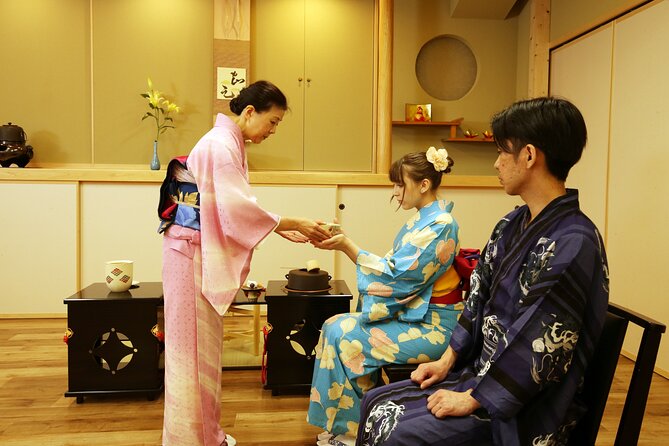
As for the room: the experience is designed to recreate a traditional atmosphere, and at least one past session was described as taking place in a basement-like room in an office building. So if you’re sensitive to enclosed spaces, plan your expectations accordingly and wear something comfortable. In a tea ceremony, comfort and calm beat stylish, restrictive clothes.
Price and Value: What $64.50 Really Buys You
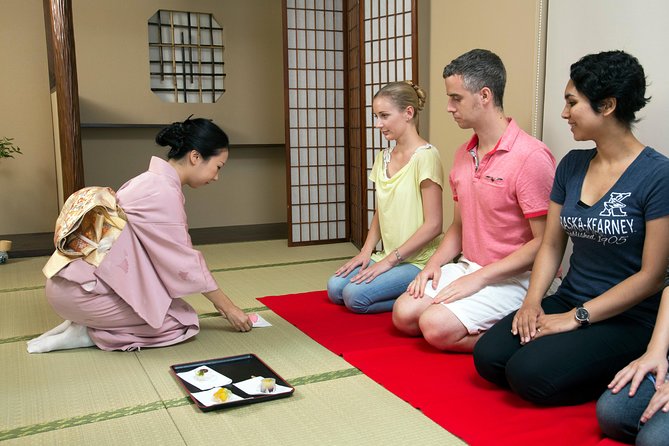
At $64.50 per person for about 1 hour 15 minutes, this is not the cheapest thing you’ll do in Tokyo. It’s also not trying to compete with a low-cost food tasting.
Here’s the value case:
- You get a bilingual licensed tea master, not a quick script read by a host
- You receive authentic matcha plus traditional sweets
- You get an experience that includes your own tea ceremony (the second ceremony you perform yourself)
- Explanations cover Zen practices, plus Japanese hanging scrolls and tea utensils
If you compare it to the price of matcha on its own, this still feels like a “tea plus meaning plus technique” package. The hands-on element is the big reason. You’re paying for guided practice and for the structure that makes the ritual make sense.
Also, there’s a group discount mentioned, and the cap of 28 helps keep the experience from feeling like a production line. If you’re traveling with someone, check whether the group discount applies at purchase time.
Timing and Booking: When to Fit It Into Your Tokyo Day
On average, this is booked about 8 days in advance, so you shouldn’t treat it as last-minute. Tokyo schedules fill up, and you’ll want a time slot that gives you room to stay calm beforehand.
I’d place it on a day when you want a reset. For example:
- After you’ve done a big neighborhood walk
- On a day when you’ve seen temples or museums and want a quieter cultural follow-up
- On your last full day when you want a practical skill to remember
Because it’s only 75 minutes, it’s also a good option if you don’t want to burn half your day on one activity.
Who This Is Best For (and Who Might Prefer Something Else)
This workshop is ideal if you want:
- A calm, respectful cultural experience in the middle of sightseeing
- A practical matcha skill, not just a drink at a cafe
- English explanations of Zen connections and the objects used in the ceremony
It’s also a strong choice for people who enjoy Japanese aesthetics as a way of life, not only as a photo backdrop. The mention of hanging scrolls and utensil explanations points to that focus.
Who might prefer another option:
- If you’re chasing outdoor views or a highly energetic atmosphere, a quiet room and slow ritual may not match your travel style
- If you dislike hands-on activities, the second ceremony you perform yourself could feel like too much participation
Should You Book This Japanese Zen Through Tea Ceremony?
Yes, you should book it if you want one memorable Tokyo activity that teaches a tradition you can actually repeat. The combination of bilingual guidance, classical matcha practice, and wagashi pairing makes this feel like more than a snack stop.
Skip it if you’re mainly looking for an open-air sight, a long cultural lecture, or a flexible menu experience. This is structured. It’s calm. It’s about doing the ritual the right way, not shopping around during the session.
If you’re the type who values atmosphere and technique, this is a very solid use of your time in Tokyo.
FAQ
How long is the tea ceremony experience?
It lasts about 1 hour 15 minutes (approximately).
Where does the experience start?
It starts at Kikai Shinkō Kaikan, 3-chōme-5-8 Shibakōen, Minato City, Tokyo 105-0011, Japan.
Does it include English explanations?
Yes. The explanation of tea ceremony, Zen practices, Japanese hanging scrolls, and tea utensils is provided in English, and the tea master is bilingual.
Will I prepare matcha myself?
Yes. You will participate in the tea ceremony steps, and there is also a second tea ceremony performed by you with instruction.
Are Japanese sweets included?
Yes. Traditional Japanese sweet confections (wagashi) are included and are paired for the matcha experience.
What is included in the price?
Included items are the bilingual licensed tea master, authentic matcha green tea, traditional sweets, the tea ceremony performance with a tea master of 5+ years’ experience, your second tea ceremony with instruction, and the English explanations of Zen and the tea tools.
What is not included?
Pick-up and drop-off services are not included, and any extra food or beverages are not included.
How large is the group?
The maximum group size is 28 travelers.
When will I receive confirmation after booking?
You should receive confirmation within 48 hours of booking, subject to availability.
Can I cancel for a full refund?
Yes. You can cancel for a full refund if you cancel at least 24 hours in advance of the experience start time.
More Tour Reviews in Tokyo
- Mt Fuji and Hakone 1-Day Bus Tour Return by Bullet Train
★ 5.0 · 26,383 reviews - 1-Day Tokyo Bus Tour
★ 5.0 · 14,250 reviews - Tokyo: teamLab Planets TOKYO Digital Art Museum Entry Ticket
★ 4.6 · 9,779 reviews - Mt Fuji & Hakone Cruise, Drum Show Bullet Train 1 Day from Tokyo
★ 4.0 · 7,413 reviews - Tokyo: Shinjuku Food Tour (13 Dishes at 4 Local Eateries)
★ 5.0 · 6,603 reviews
More Quiet Temple Hours
- Tokyo: Zen Meditation at a Private Temple with a Monk
★ 5.0 · 510 reviews - Tokyo Zen Meditation at Private Temple with Monk
★ 5.0 · 178 reviews - Tokyo: Practicing Zen with a Japanese Tea Ceremony
★ 4.7 · 105 reviews - Tokyo Zen Meditation at Kinryu-ji Temple and Asakusa Walking Tour
★ 5.0 · 33 reviews - Zen Buddhist Vegetarian(Shojin Ryori): Cooking Experience
★ 5.0 · 9 reviews
More Tea and Matcha Rooms
- Matcha Making Class in Tokyo with Authentic Japanese Sweets Set
★ 5.0 · 744 reviews - Tokyo: Traditional Tea Ceremony with a Tea Master
★ 5.0 · 528 reviews - Tokyo: Matcha Making Experience with Mochi Sweets in Asakusa
★ 4.9 · 388 reviews - Tokyo: Matcha and Kimono Experience
★ 4.7 · 219 reviews - Tea Ceremony Workshop in Tokyo by the Experienced Instrucor
★ 5.0 · 189 reviews
Latest Tokyo reviews off our desk



Tea Ceremony & Matcha, compared.
 ★ 5.0Matcha Making Class in Tokyo with Authentic Japanese Sweets SetFrom $21744 reviews
 ★ 5.0Traditional Tea Ceremony with a Tea MasterFrom $38528 reviews
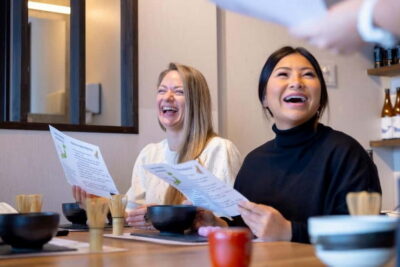 ★ 4.9Matcha Making Experience with Mochi Sweets in AsakusaFrom $22388 reviews
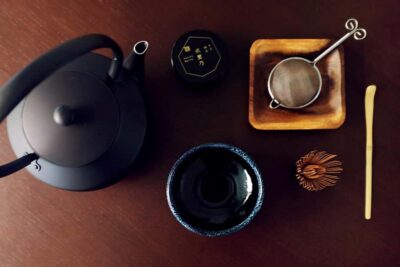 ★ 4.7Matcha and Kimono ExperienceFrom $57219 reviews
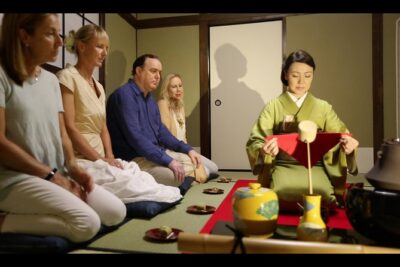 ★ 5.0Tea Ceremony Workshop in Tokyo by the Experienced InstrucorFrom $38189 reviews
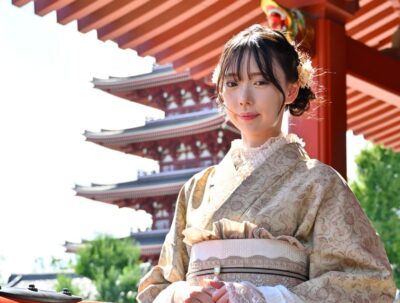 ★ 4.9Asakusa Kimono Dressing and Matcha ExperienceFrom $56173 reviews
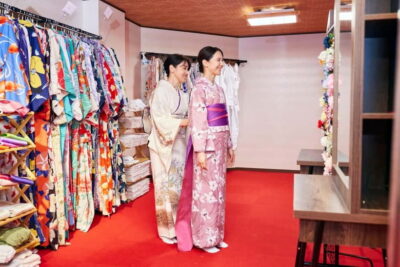 ★ 4.9Asakusa: Kimono Tea Ceremony with Matcha and SweetFrom $66153 reviews
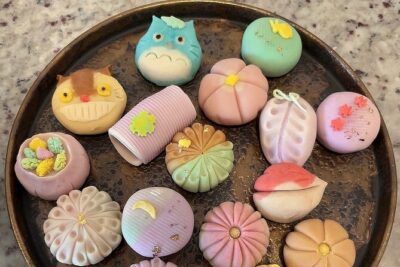 ★ 5.0Make Traditional Nerikiri Sweets & Matcha experience in ShibuyaFrom $60130 reviews
Browse the lists this tour appears in