
Reviewed · COOKING CLASSES
Zen Buddhist Vegetarian(Shojin Ryori): Cooking Experience
A calm meal starts with careful cooking. This small-group Tokyo workshop explains the Zen roots of shojin ryori and lets you hands-on cook plant-based staples you can actually repeat at home. I like the group size capped at eight, which makes it feel attentive instead of rushed, and I also like that you eat what you make, so the learning lands on the plate. One thing to consider: you’ll want to confirm your dietary needs ahead of time, since this is vegetarian cooking and some ingredients may not match every restriction.
You’re not just taking a class for pictures. You’re getting the philosophy behind cruelty-free Zen cooking and then using an instructor’s help to turn that into flavor and technique. The optional upgrade—Japanese tea pairings—adds a thoughtful extra layer, especially if you enjoy slow, quiet food moments. The main drawback is simple: you’re spending about 2.5 hours focused on cooking, so this isn’t the best fit if you prefer roaming Tokyo streets the whole time.
Key highlights
- Zen Buddhist context for shojin ryori, not just recipes
- Max 8 people for clear, personalized instruction
- Hands-on cooking for staples like sesame tofu, dashi broth soup, and vegetable tempura
- Chef-style guidance from friendly, patient instructors (Masue and Hiro are mentioned in reviews)
- You finish by eating your meal, with optional Japanese tea pairings
In This Review
- Shojin Ryori in plain terms: why Zen monks cooked this way
- Small-group cooking at Kikai Shinkō Kaikan (11:00 am, ~2h30)
- What you’ll cook: sesame tofu, dashi broth soup, vegetable tempura
- The philosophy-to-plate flow: how the class keeps it meaningful
- Optional Japanese tea pairings: a calmer way to taste
- Pricing and value: what $114.67 buys you in Tokyo
- Who this shojin ryori class suits best (and who might not)
- Tips to get the most out of the lesson
- Should you book Zen Buddhist Vegetarian (Shojin Ryori)?
- FAQ
- What is the duration of the Shojin Ryori cooking experience?
- What time does the experience start?
- How many people are in the group?
- Where does the experience take place?
- What is included in the price?
- Is transportation included?
- Can I cancel for a refund?
Shojin Ryori in plain terms: why Zen monks cooked this way
Shojin ryori is a vegetarian cooking style linked to Zen Buddhist practice. The idea isn’t trendy. It’s practical and ethical: monks developed methods over centuries, aiming to reduce harm while keeping meals balanced and deeply satisfying.
In this class, you’ll get that context first. You learn why “cruelty-free philosophies” matter here, and then you see how those values translate into cooking choices. That makes the food more than a list of dishes. You’re learning a framework.
I also like that this isn’t positioned as just a shortcut to vegetarian Tokyo. The food is treated as real cuisine—with texture, depth, and technique—rather than watered-down substitute meals.
One more point that matters: shojin ryori often gets compared to other Japanese comfort foods, but this experience helps you understand it as its own tradition. You’ll walk away with recipes you can recreate, not just memories of a one-time meal.
Small-group cooking at Kikai Shinkō Kaikan (11:00 am, ~2h30)
The session runs about 2 hours 30 minutes, starting at 11:00 am, and it ends back at the meeting point. The location is Kikai Shinkō Kaikan, 3-chōme-5-8 Shibakōen, Minato City, Tokyo—a spot that’s described as near public transportation.
For most people, that timing is a good sweet spot. It’s not an early morning sprint, and it’s not an evening gamble where you’re still trying to find dinner afterward. You’re essentially planning a late-morning culinary reset, and you’re leaving with a full meal already handled.
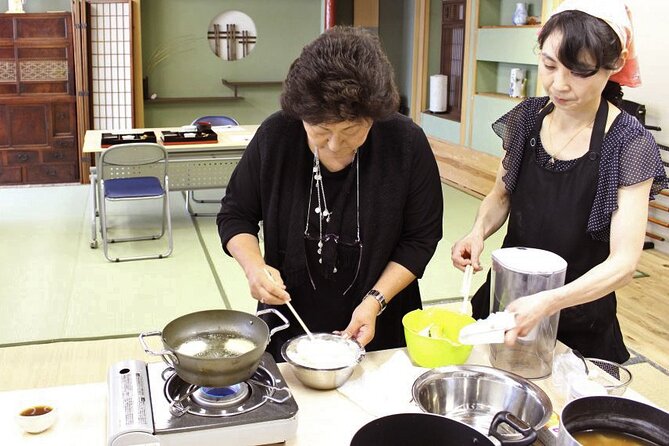
The group size is maximum eight travelers, and that changes how the class feels. With a crowd, you might do mostly watching. Here, the atmosphere is closer to a guided kitchen hangout where you can ask questions and adjust as you cook. Reviews specifically mention instructors being patient and kind, with clear demonstrations—useful if you’re not a confident home cook.
Another practical plus: you get a nationally accredited guide-interpreter included. That means you’re not stuck guessing what the steps are supposed to accomplish, especially if you’re cooking something unfamiliar.
More quiet temple hours, reviewed
- Tokyo Zen Meditation at Private Temple with Monk
★ 5.0 · 178 reviews - Tokyo: Practicing Zen with a Japanese Tea Ceremony
★ 4.7 · 105 reviews - Tokyo Zen Meditation at Kinryu-ji Temple and Asakusa Walking Tour
★ 5.0 · 33 reviews - Zen Buddhist Vegetarian(Shojin Ryori): Cooking Experience
★ 5.0 · 9 reviews
What you’ll cook: sesame tofu, dashi broth soup, vegetable tempura
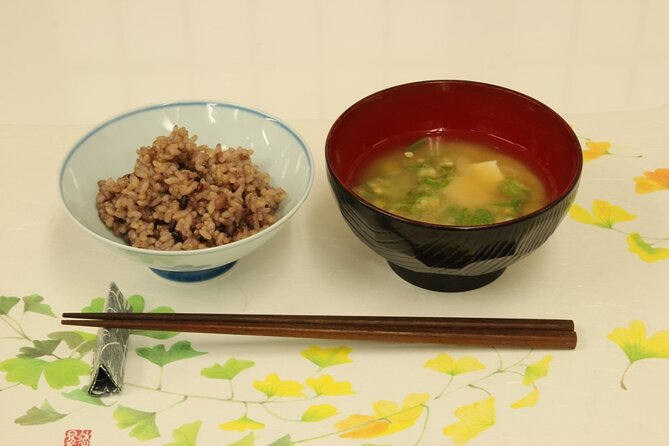
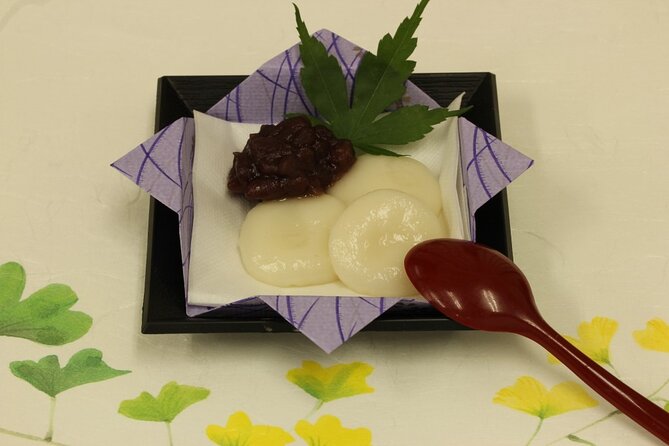
This workshop focuses on vegetarian recipes developed in the shojin ryori tradition, including several familiar-sounding dishes with Japanese technique behind them. The examples listed are sesame tofu, dashi broth soup, and vegetable tempura (plus additional dishes).
Here’s why this menu set is smart for value and learning:
- Sesame tofu teaches how to work with a simple base and build flavor through technique, not just ingredients.
- Dashi broth soup is all about understanding depth and balance in broth. Even if you’ve had similar flavors in restaurants, learning the method helps you reproduce it at home.
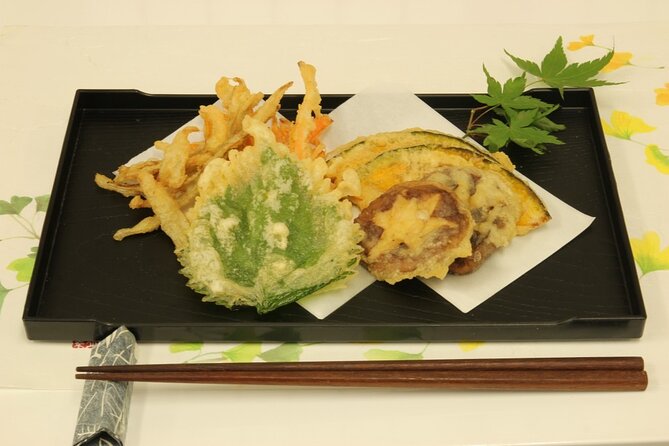
- Vegetable tempura gives you a chance to practice batter and frying basics in a context that’s unmistakably Japanese.
You’re not just chopping vegetables and calling it a day. You’ll have instruction and demonstration alongside time to cook, so the “how” stays with you.
Also, because this is explicitly shojin ryori, you’re learning plant-based logic that differs from typical casual vegetarian cooking. That’s what makes it more interesting than a generic cooking class.
A small consideration: the recipes and cooking style are vegetarian and likely tailored to shojin ryori norms. If you have strict dietary rules beyond standard vegetarian (like specific exclusions), the safest move is to message your needs in advance, as the program asks you to do.
The philosophy-to-plate flow: how the class keeps it meaningful
A lot of cooking classes teach skills but skip the why. This one does the opposite. You learn the ancient Zen Buddhist foundations of shojin ryori—then you apply that into cooking.
That matters because food habits in a place like Japan connect to routine, restraint, and respect. Shojin ryori isn’t only about avoiding meat; it’s about creating meals that support attention and calm. In a small group, that tone comes through in the pace.
One review highlights how it’s a nice slow down type of activity, which fits what the philosophy suggests. If you’re the sort of traveler who’s mentally sprinting through Tokyo, this can be a break that still feels like an authentic cultural experience—not a sightseeing detour.
And because the class is hands-on, you won’t leave with just “cool facts.” You’ll have practical steps you can repeat later. That’s the difference between a cultural talk and a cooking workshop.
Optional Japanese tea pairings: a calmer way to taste
There’s an optional upgrade that adds Japanese tea pairings while you eat the meal you cooked. This isn’t just a beverage add-on. It gives you a structured way to taste and compare flavors—especially with dishes like soup and sesame-forward foods.
Tea pairings also help you slow down after the cooking. You finish, sit, and take your time. That’s often when the class becomes memorable: you’re no longer performing tasks; you’re just eating something you helped make.
If you enjoy tea culture, this upgrade is a good match. If you don’t care much about tea, the core value is still the cooking lesson and meal, since tea is optional.
Pricing and value: what $114.67 buys you in Tokyo
At $114.67 per person, this class isn’t the cheapest thing on a Tokyo list—but it’s not overpriced for what you get.
Here’s what’s included based on the program details:
- Vegetarian cooking lesson
- Ingredients
- A nationally accredited guide-interpreter
- You cook, then you eat your freshly prepared meal
So you’re paying for instruction plus the ingredients and language support. For an experience that lasts about 2.5 hours and caps at eight people, that’s a reasonable value—especially in Tokyo, where small-group, guided food activities can be pricey.
Also, the “value” isn’t only the meal. The best part for your money is what transfers to your life back home. You’re learning recipes like sesame tofu and dashi soup that you can recreate. If you actually cook at home, that pays off quickly.
If you’re just looking for a casual snack stop, this would feel like too much. But if you want a skill you can use and a calm, culturally grounded meal, the price makes more sense.
Readers also shortlisted these Tokyo bookings:
- Ramen & Gyoza Cooking Class in Tokyo with Local Supermarket Visit★ 5.0 · 823 reviews
- Tokyo: Easy Ramen Cooking Experience in Kabukicho, Shinjuku★ 4.6 · 321 reviews
- Ramen and Sushi Cooking Class with Sake Pairing Set in Tokyo★ 5.0 · 291 reviews
- Tokyo: Wagyu and 7 Japanese Dishes Cooking Class★ 4.9 · 273 reviews
- Tokyo Washoku 4-hour Cooking Class: From Market to Table★ 5.0 · 253 reviews
Who this shojin ryori class suits best (and who might not)
This is a strong fit if you:
- Eat vegetarian and want Japanese food that goes beyond sushi and ramen
- Enjoy hands-on learning, not just watching from the sidelines
- Prefer small groups and clear instruction (the class is designed for a maximum of eight)
- Want a calmer activity that still feels cultural and practical
It may be less ideal if:
- You’re rushing and can’t spare 2.5 hours
- You want only street-food wandering time rather than a structured cooking session
- You have complex dietary restrictions and haven’t communicated them in advance
The class is described as open to “most travelers,” but the most important step is to tell the organizer about your diet needs ahead of time.
Tips to get the most out of the lesson
You’ll have a better experience if you come ready to work, not just to observe.
- Arrive a few minutes early so you can settle in before the lesson starts at 11:00 am.
- If you have dietary requests, send them in advance. Don’t wait until you show up.
- Go in with a mindset of learning technique. Even when ingredients look familiar, Japanese cooking often depends on method.
- Use the meal time to ask quick questions. If something tastes great, you’ll get more out of the class by clarifying why.
Also, reviews mention instructors being friendly, patient, and kind, with detailed instructions and clear demonstrations. If you’re nervous about cooking, that’s good news. You don’t need to be a pro.
Should you book Zen Buddhist Vegetarian (Shojin Ryori)?
Yes, if you want an authentic-feeling Tokyo food experience that’s vegetarian at its core and teaches you more than “what to order.” The small eight-person format, the guide-interpreter support, and the chance to learn dishes like sesame tofu, dashi broth soup, and vegetable tempura make this a practical choice.
Book it especially if you like slow, quiet experiences where you cook and then actually sit down to enjoy what you made. The optional tea pairing is a nice bonus if you enjoy Japanese tea culture.
Skip it if you’d rather spend your time on open-ended exploring and you don’t care about learning recipes. This class is structured. It’s meant to be useful and calming—not chaotic and spontaneous.
If you’re on the fence, the deciding factor is simple: do you want cooking skills you can recreate later? If the answer is yes, this one is worth your schedule.
FAQ
What is the duration of the Shojin Ryori cooking experience?
It lasts about 2 hours 30 minutes.
What time does the experience start?
The start time is 11:00 am.
How many people are in the group?
The class has a maximum of 8 travelers.
Where does the experience take place?
It starts at Kikai Shinkō Kaikan, 3-chōme-5-8 Shibakōen, Minato City, Tokyo 105-0011, Japan, and ends back at the meeting point.
What is included in the price?
The experience includes a nationally accredited tour guide-interpreter, a vegetarian cooking lesson, and ingredients.
Is transportation included?
No. Transportation to the venue is not included.
Can I cancel for a refund?
Yes. You can cancel up to 24 hours in advance for a full refund.
More Cooking Classes in Tokyo
- Ramen & Gyoza Cooking Class in Tokyo with Local Supermarket Visit
★ 5.0 · 823 reviews - Tokyo: Easy Ramen Cooking Experience in Kabukicho, Shinjuku
★ 4.6 · 321 reviews - Ramen and Sushi Cooking Class with Sake Pairing Set in Tokyo
★ 5.0 · 291 reviews - Tokyo: Wagyu and 7 Japanese Dishes Cooking Class
★ 4.9 · 273 reviews - Tokyo Washoku 4-hour Cooking Class: From Market to Table
★ 5.0 · 253 reviews
More Tour Reviews in Tokyo
- Mt Fuji and Hakone 1-Day Bus Tour Return by Bullet Train
★ 5.0 · 26,383 reviews - 1-Day Tokyo Bus Tour
★ 5.0 · 14,250 reviews - Tokyo: teamLab Planets TOKYO Digital Art Museum Entry Ticket
★ 4.6 · 9,779 reviews - Mt Fuji & Hakone Cruise, Drum Show Bullet Train 1 Day from Tokyo
★ 4.0 · 7,413 reviews - Tokyo: Shinjuku Food Tour (13 Dishes at 4 Local Eateries)
★ 5.0 · 6,603 reviews
More Quiet Temple Hours
- Tokyo: Zen Meditation at a Private Temple with a Monk
★ 5.0 · 510 reviews - Tokyo Zen Meditation at Private Temple with Monk
★ 5.0 · 178 reviews - Tokyo: Practicing Zen with a Japanese Tea Ceremony
★ 4.7 · 105 reviews - Tokyo Zen Meditation at Kinryu-ji Temple and Asakusa Walking Tour
★ 5.0 · 33 reviews - Practicing Zen through Japanese Tea Ceremony
★ 4.5 · 6 reviews
Latest Tokyo reviews off our desk




Cooking Classes, compared.
 ★ 5.0Ramen & Gyoza Cooking Class in Tokyo with Local Supermarket VisitFrom $122823 reviews
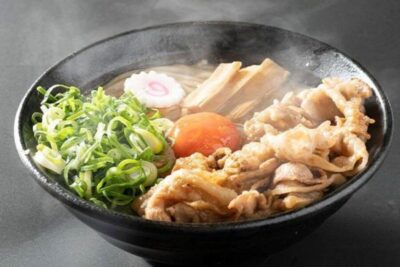 ★ 4.6Easy Ramen Cooking Experience in Kabukicho, ShinjukuFrom $29321 reviews
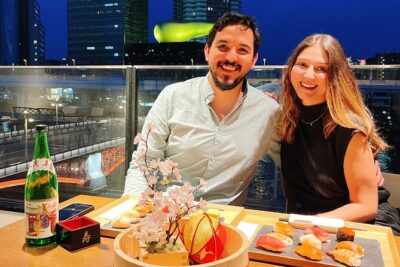 ★ 5.0Ramen and Sushi Cooking Class with Sake Pairing Set in TokyoFrom $79291 reviews
 ★ 4.9Wagyu and 7 Japanese Dishes Cooking ClassFrom $67273 reviews
 ★ 5.0Tokyo Washoku 4-hour Cooking Class: From Market to TableFrom $79253 reviews
 ★ 5.0Small-Group Wagyu Beef and 7 Japanese Dishes Tokyo Cooking ClassFrom $72190 reviews
 ★ 5.0Private Home Cooking in Yanaka – Local Flavors in a Warm SettingFrom $122173 reviews
 ★ 5.0Tokyo Sushi Making Experience & Japanese Cooking ClassFrom $59150 reviews
Browse the lists this tour appears in