
Reviewed · ZEN & MEDITATION
Tokyo Zen Meditation at Private Temple with Monk
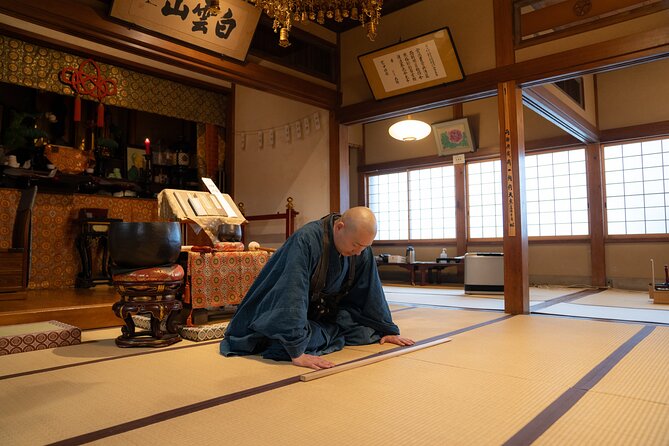
A quiet morning at a real Tokyo temple is surprisingly powerful. You get zazen instruction from a monk at a temple in Asakusa that’s not open to the general public, plus you’ll have an English-speaking guide to translate the meaning behind what you’re doing. I especially like that this includes time with the monk for questions, not just a watch-and-walk experience.
Two other highlights worth planning around: you’ll practice seated meditation, and then you’ll add traditional temple activities like matcha tea and (often) calligraphy/sutra-copy style practice. The main drawback to consider is practical: the meeting point address can be easy to misread, so build in extra time and confirm the exact spot before you go.
In This Review
- Key Things That Make This Monk-Led Zen Session Worth It
- Entering Asakusa’s Private Zen World (and Why It Feels Different)
- Kinryu-ji Temple in Asakusa: A 400-Year-Old Setting for Zazen
- How the Zazen Lesson Works With a Monk (No Prior Zen Degree Required)
- Q&A With the Monk: The Real Magic Moment
- Calligraphy and Sutra Copying: Zen With a Pen
- Matcha Tea Ceremony and Snacks: The Calm Landing
- Photos With the Monk: How to Do It Respectfully and Actually Get Good Shots
- Price and Time: Is $56.16 a Good Deal for This Kind of Access?
- Getting There: Meeting Point and Staying on Track
- Who This Monk-Led Zen Session Is Perfect For
- Final Verdict: Should You Book This Tokyo Zen Experience?
- FAQ
- How long is the Tokyo Zen Meditation experience?
- Where does the experience take place?
- What is the price per person?
- Is there an English-speaking guide?
- What’s included in the experience?
- Is private transportation included?
- What is the cancellation policy?
Key Things That Make This Monk-Led Zen Session Worth It
- A temple you won’t usually access: the venue is described as not open to the general public, so the vibe stays focused and respectful
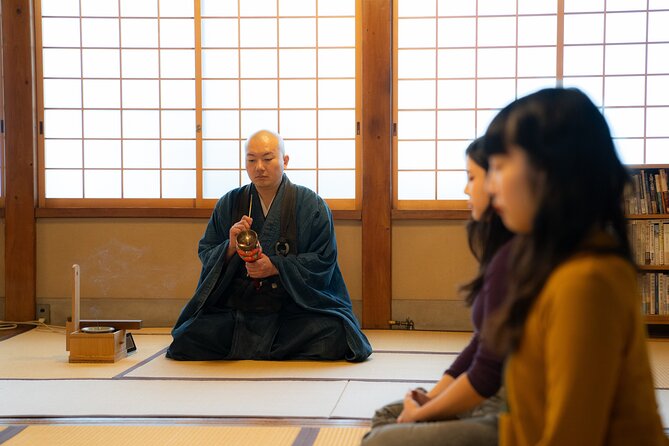
- Monk + English support: a dedicated English-speaking guide helps you understand Zen concepts and techniques
- Learn, practice, then talk: you’ll get instruction, sit for meditation, and enjoy a free talk/Q&A with the monk
- Matcha tea as a finishing ritual: you’ll end with a matcha tea ceremony plus snacks
- Photos inside the temple: you’ll have an opportunity for pictures with the monk and within the temple grounds
Entering Asakusa’s Private Zen World (and Why It Feels Different)
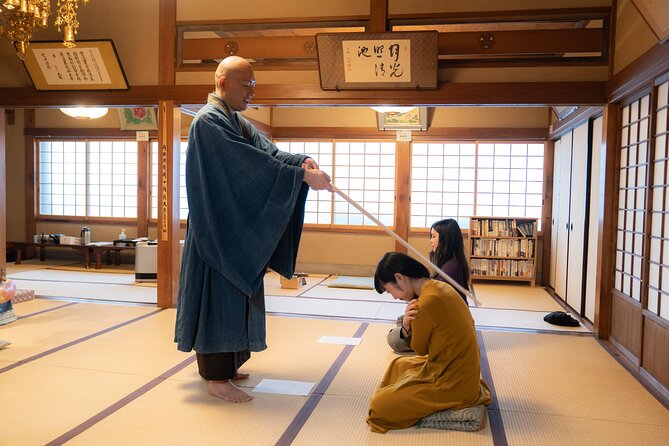
This is the kind of Tokyo experience you choose when you want something real, not just a crowd-and-camera stop. You’re going into a hidden/private temple space, with a direct connection that allows a guided session you can’t normally join on your own.
What makes it work for most visitors is the structure. You don’t need to know Japanese to follow along because you have an English-speaking guide doing the translation and cultural context. And you’re not stuck listening the whole time either; you’re guided into the actual seated meditation.
The group size cap is also important. With a maximum of 15 travelers, you get the sense that this is meant to be personal enough for questions, not a conveyor belt.
More quiet temple hours, reviewed
- Tokyo Zen Meditation at Private Temple with Monk
★ 5.0 · 178 reviews - Tokyo: Practicing Zen with a Japanese Tea Ceremony
★ 4.7 · 105 reviews - Tokyo Zen Meditation at Kinryu-ji Temple and Asakusa Walking Tour
★ 5.0 · 33 reviews - Zen Buddhist Vegetarian(Shojin Ryori): Cooking Experience
★ 5.0 · 9 reviews
Kinryu-ji Temple in Asakusa: A 400-Year-Old Setting for Zazen
The session centers on Kinryu-ji Temple in Asakusa, described as having a history spanning over 400 years. That matters more than it sounds, because Zen is less about spectacle and more about practice and place.
Inside a temple hall, the environment does a lot of the work for you. Even if you come in with a busy mind, the rhythm of the ceremony-style instruction (arrive, listen, sit, repeat) helps quiet the mental noise. It’s also easier to take photos respectfully when the moment is guided, and the space isn’t crowded with casual visitors.
One practical note: since the temple isn’t open to the general public, the session feels more “invited” than “tour.” That’s a good thing for authenticity, and it usually means you’ll follow the monk’s pace rather than yours.
How the Zazen Lesson Works With a Monk (No Prior Zen Degree Required)
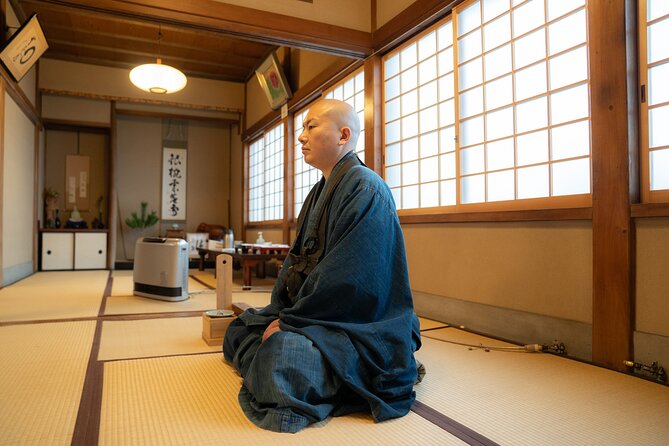
You’ll start with a brief orientation that covers Japanese culture and Zen basics, then the monk takes over with a lecture on the principles and techniques of Zazen (seated meditation). The key is that the guide helps bridge the language gap so you understand what you’re being asked to do.
Then comes the part you’ll remember: you practice. You’re not only observing. You’re learning the basics of posture and focus as the session moves from explanation into actual sitting.
Here’s why that’s valuable in Tokyo, where most cultural experiences are either performance or shopping. Zazen instruction gives you a skill—something you can repeat later, even back home. And when you get a moment to ask questions directly, you start to understand the “why” behind the practice, not just the steps.
Q&A With the Monk: The Real Magic Moment
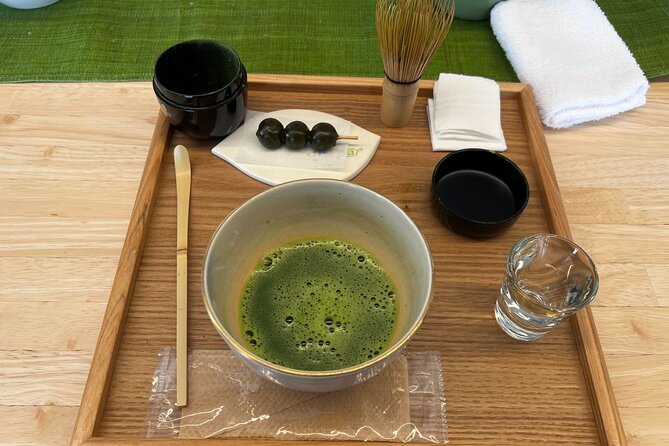
This is one of the most praised parts of the experience: the chance to speak with the monk. In many sessions, the questions can go beyond meditation technique, which helps if you’re curious about Zen Buddhism as a whole—ritual, mindset, daily practice, or how the tradition connects to ordinary life.
The monk-led Q&A also makes the experience feel grounded. You’re not guessing what the symbols mean, and you’re not relying on generic explanations. With an English-speaking guide in the mix, you can ask for clarification without feeling lost.
If you’re the type who likes to get answers instead of just taking in vibes, this is a huge plus. It turns the temple visit into a conversation, not a lecture you forget the next day.
Calligraphy and Sutra Copying: Zen With a Pen
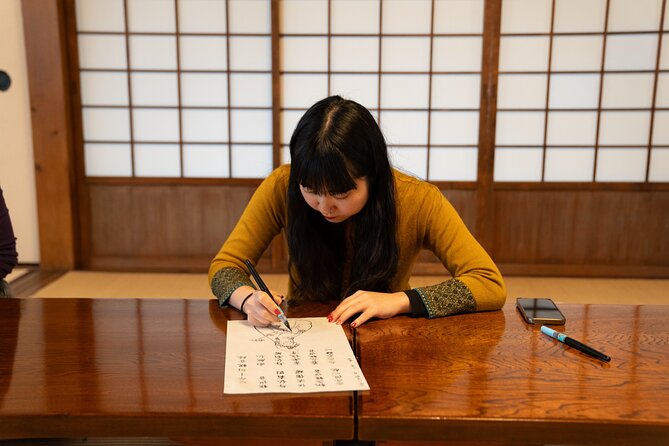
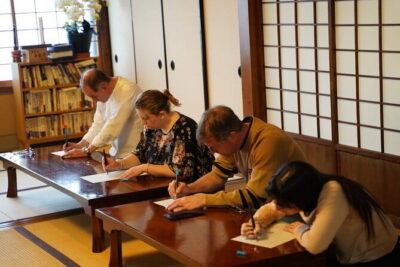
Alongside meditation and tea, the session includes traditional activities such as copying sutras as a meditative act and doing calligraphy (often with temple-style guidance). Even if you’ve never written anything in a formal way, this section is usually relaxing because it replaces mental chatter with slow, careful motion.
There’s also a practical benefit. Calligraphy work helps you experience attention in a different form than sitting—your focus goes into each stroke, each pause, each adjustment. That’s a very Zen way to learn without needing perfect “spiritual vibes.”
You should expect to be guided. This isn’t an art class where you freestyle. It’s closer to a mindful ritual where the intention behind the work matters as much as the final result.
Readers also shortlisted these Tokyo bookings:
- Tokyo 6hr Private Tour with Government-Licensed Guide★ 5.0 · 3,902 reviews
- Private Tour to Mt. Fuji and Hakone (Fully Licenced Operator)★ 5.0 · 1,910 reviews
- Tokyo Customized Private Tour (Must See Places in 1 Day)★ 5.0 · 1,499 reviews
- Mount Fuji Full-Day Private Tour from Tokyo (Customizable)★ 4.9 · 1,470 reviews
- Tokyo: Private City Highlights Tour with Local Guide★ 4.8 · 1,433 reviews
Matcha Tea Ceremony and Snacks: The Calm Landing
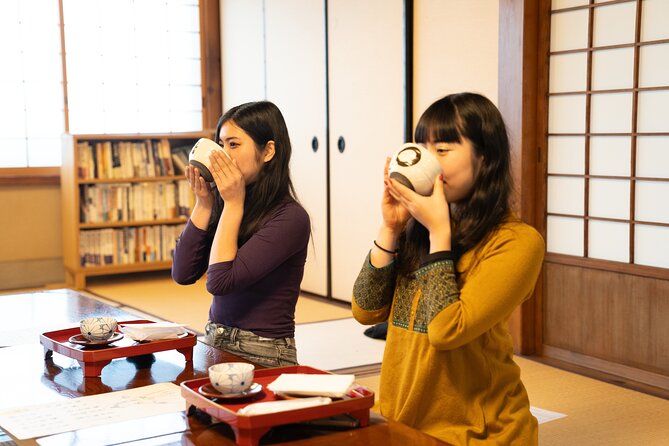
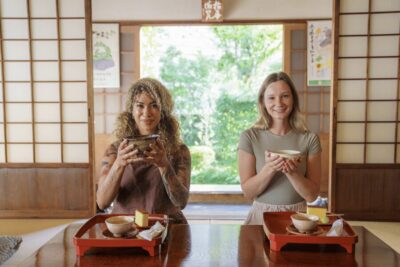
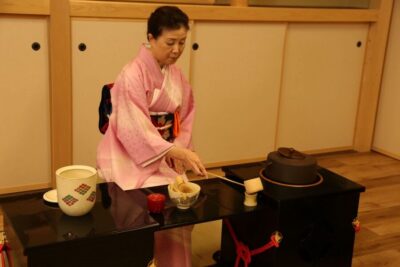
After you’ve sat in meditation and tried your hand at traditional practice, you’ll shift into matcha tea and snacks as a closing ritual. This is a common Zen-adjacent pattern: practice your mind, express gratitude through ritual, and leave with a calmer body.
A tea ceremony also gives structure to your break. You’re not rushing out right after meditation like it was just a workout. Instead, the session gives you a gentle transition, and that helps the whole experience stick.
Think of it as a mental bookmark. When you sip matcha, you’re reinforcing the idea that Zen isn’t only something you do for 90 minutes—it’s something you train your attention to notice.
Photos With the Monk: How to Do It Respectfully and Actually Get Good Shots
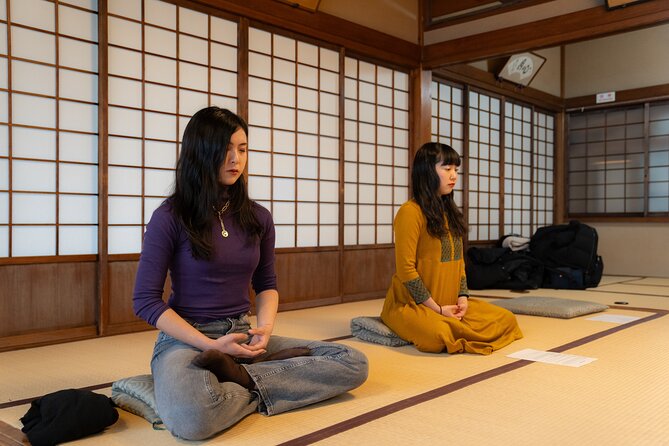
You’ll have the opportunity for pictures with the monk and photos within the temple. That’s a rare feature for a spiritual site, and it’s also where etiquette matters.
The best move is to let the guide lead the timing. If you’re taking photos, keep it quiet and brief. A temple is not a place to roam with your camera like a tourist. You want respectful framing, not disruption.
Also, plan to keep your phone ready but not constantly out. The best shots often happen after the guide gives you the cue, when the moment is already set and the monk is comfortable.
If you’re the person in the group who always ends up with no photos, this part is a relief. It’s built into the experience, not something you scramble to arrange at the last second.
Price and Time: Is $56.16 a Good Deal for This Kind of Access?
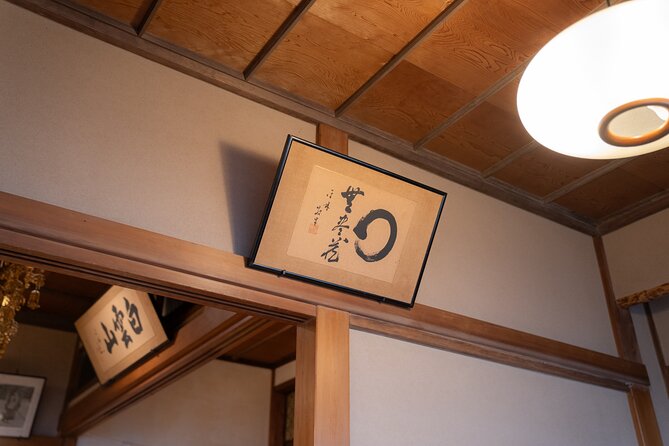
At $56.16 per person for about 1 hour 30 minutes, this is priced like a premium cultural experience because you’re paying for access and translation—not just a venue.
Here’s what you’re getting value for:
- Private/connection-based temple access (not open to the general public)
- A monk-led lecture and practice time with English-speaking support
- A structured sequence: instruction → practice → Q&A → matcha tea ceremony/snacks
- Photos with the monk included
If you compare it to typical city tours that mostly rely on walking and background talk, this has more “hands-on” value. Meditation instruction plus an actual conversation with a monk is the kind of access that usually costs more when it’s available at all.
Also, the time is realistic. Ninety minutes is long enough to learn and sit without turning the visit into a full-day commitment. It fits well between Asakusa sightseeing blocks.
Getting There: Meeting Point and Staying on Track
The meeting point is listed at Japan, 111-0042 Tokyo, Taito City, Kotobuki, 2-chōme113 偕楽ビルディング, and the activity ends back at the meeting point. It’s near public transportation, so you won’t need to arrange private transit.
One practical consideration: addresses in Japan can be interpreted in different ways around convenience stores and building corners. Build in a little buffer time and double-check the exact spot when you’re instructed. Arriving early is the simplest way to avoid stress.
Since private transportation isn’t included, plan to handle the commute with Tokyo public transit. This is normal for Tokyo tours, but it’s still worth thinking about if you’re staying far from Taito City.
Who This Monk-Led Zen Session Is Perfect For
This tour suits you if you want:
- A calming, spiritual break that still feels hands-on
- Real instruction in seated meditation (Zazen)
- The ability to ask questions with English help
- A culturally grounded experience with matcha tea and traditional practice components
It’s also a good fit if you’re traveling with someone who doesn’t want another fast-paced “see everything” itinerary. The session is quiet-focused and structured, and the small group size helps keep the energy respectful.
If you’re looking for a strict beginner’s meditation retreat-style day (hours and hours of practice), this may feel short. But for a first taste of Zen in Tokyo, it’s a very practical length.
Final Verdict: Should You Book This Tokyo Zen Experience?
Yes, you should book this if you want a meaningful, guided Zen practice with real monk access, not a sightseeing performance. The combination of Zazen instruction, Q&A, and a matcha tea ending is strong value for the time, and the small group size keeps it from feeling rushed.
I’d skip it only if you know you don’t enjoy stillness or structured rituals at all. Otherwise, this is one of those rare Tokyo moments where you leave calmer than you arrived—and you actually learned something you can repeat.
FAQ
How long is the Tokyo Zen Meditation experience?
It’s approximately 1 hour 30 minutes.
Where does the experience take place?
The session is in Asakusa, Tokyo, at Kinryu-ji Temple.
What is the price per person?
The price is $56.16 per person.
Is there an English-speaking guide?
Yes. The experience includes an English-speaking guide.
What’s included in the experience?
Included items are Zen experience, entrance ticket, matcha tea/snacks, pictures, and an English-speaking guide.
Is private transportation included?
No. Private transportation is not included.
What is the cancellation policy?
You can cancel for a full refund if you cancel up to 24 hours in advance of the experience start time. Free cancellation is available, but cancellations made less than 24 hours before start time aren’t refunded.
More Private in Tokyo
- Tokyo 6hr Private Tour with Government-Licensed Guide
★ 5.0 · 3,902 reviews - Private Tour to Mt. Fuji and Hakone (Fully Licenced Operator)
★ 5.0 · 1,910 reviews - Tokyo Customized Private Tour (Must See Places in 1 Day)
★ 5.0 · 1,499 reviews - Mount Fuji Full-Day Private Tour from Tokyo (Customizable)
★ 4.9 · 1,470 reviews - Tokyo: Private City Highlights Tour with Local Guide
★ 4.8 · 1,433 reviews
More Tour Reviews in Tokyo
- Mt Fuji and Hakone 1-Day Bus Tour Return by Bullet Train
★ 5.0 · 26,383 reviews - 1-Day Tokyo Bus Tour
★ 5.0 · 14,250 reviews - Tokyo: teamLab Planets TOKYO Digital Art Museum Entry Ticket
★ 4.6 · 9,779 reviews - Mt Fuji & Hakone Cruise, Drum Show Bullet Train 1 Day from Tokyo
★ 4.0 · 7,413 reviews - Tokyo: Shinjuku Food Tour (13 Dishes at 4 Local Eateries)
★ 5.0 · 6,603 reviews
More Quiet Temple Hours
- Tokyo: Zen Meditation at a Private Temple with a Monk
★ 5.0 · 510 reviews - Tokyo: Practicing Zen with a Japanese Tea Ceremony
★ 4.7 · 105 reviews - Tokyo Zen Meditation at Kinryu-ji Temple and Asakusa Walking Tour
★ 5.0 · 33 reviews - Zen Buddhist Vegetarian(Shojin Ryori): Cooking Experience
★ 5.0 · 9 reviews - Practicing Zen through Japanese Tea Ceremony
★ 4.5 · 6 reviews
Latest Tokyo reviews off our desk


Zen & Meditation, compared.
 ★ 5.0Zen Meditation at a Private Temple with a MonkFrom $55510 reviews
 ★ 4.7Practicing Zen with a Japanese Tea CeremonyFrom $63105 reviews
 ★ 5.0Tokyo Zen Meditation at Kinryu-ji Temple and Asakusa Walking TourFrom $6033 reviews
 ★ 5.0Buddha, Bamboo & Zen – Bespoke Kamakura Private Walking ToursFrom $35525 reviews
 ★ 5.0Zen Buddhist Vegetarian(Shojin Ryori): Cooking ExperienceFrom $1149 reviews
 ★ 5.0Kamakura Zen Temples and Gardens Private Trip with Government-Licensed GuideFrom $1537 reviews
 ★ 4.5Practicing Zen through Japanese Tea CeremonyFrom $646 reviews
Browse the lists this tour appears in