
Reviewed · ASAKUSA & SENSOJI TOURS
Tokyo Zen Meditation at Kinryu-ji Temple and Asakusa Walking Tour
Quietly learn zazen in the heart of Tokyo. This tour pairs iconic Asakusa sights with a calmer stop at Kinryu-ji, where you learn zazen from a real monk and finish with matcha tea. It’s a smart way to see Tokyo’s famous landmarks, then switch gears to a practice that slows your mind down.
I really like that the zazen instruction focuses on posture and breathing, not vague “sit and think” advice. I also love that the experience keeps culture tangible with matcha tea and Japanese sweets, plus time to ask questions after.
One thing to plan for: there’s no air conditioning at the venue, and shoes come off indoors—so come ready for socks/stockings and the season’s temperature.
In This Review
- Key Highlights at a Glance
- Asakusa First, Then Zen at Kinryu-ji
- Kaminarimon Gate: The Thunder Gate Photo Stop That Sets the Mood
- Senso-ji Temple Time: Kannon, Incense, and a Calm Walking Pace
- Entering Kinryu-ji: Where Zazen Actually Becomes Learnable
- The Zazen Session: Posture and Breathing, Step-by-Step
- Sutra Copying: Zen Study You Can Hold in Your Hands
- Matcha Tea and Japanese Sweets: Turning Quiet Into a Ritual
- Talking Time With the Monk: Questions You’ll Actually Care About
- Asakusa Logistics That Affect Your Comfort (Shoes, Socks, and Heat)
- Duration and What to Expect From the Time Window
- Price and Value: Why $60 Can Be Worth It Here
- Who This Tour Is Best For
- Should You Book This Tokyo Zen Meditation at Kinryu-ji and Asakusa Walking Tour?
- FAQ
- How long is the Tokyo Zen Meditation at Kinryu-ji and Asakusa tour?
- What is included in the price?
- Is transportation included?
- Where do I meet the guide?
- Do I need to remove my shoes?
- What should I wear for this experience?
- Is there air conditioning at the temple venue?
- How big is the group?
- Is zazen taught for beginners?
- What is the cancellation policy?
Key Highlights at a Glance
- Monk-led zazen with clear guidance on correct posture and breathing
- Kinryu-ji’s historic temple setting (over 400 years of tradition)
- Sutra copying practice as a hands-on link to Zen study
- Matcha tea and sweets as a gentle ritual after meditation
- Q&A time with the monk for real answers, not just sightseeing talk
- Small group size (up to 15) for a more personal feel
Asakusa First, Then Zen at Kinryu-ji
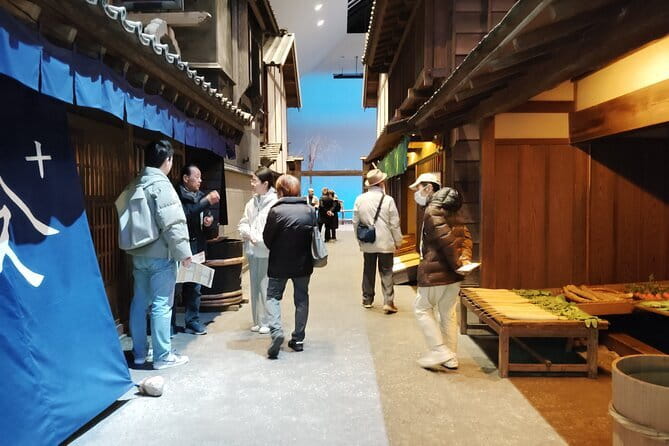
This is the kind of Tokyo tour that won’t just check boxes. You start in Asakusa, where Kaminarimon and Senso-ji are instantly recognizable, then you head to Kinryu-ji, a temple that feels quieter and more local. That shift is the whole point: you get the postcard streets, then you step into a practice space where your body and attention slow down.
Timing is short enough to keep you moving, but long enough to feel like something real happens in the quiet part. The zazen and temple activities are the main event, while Asakusa is the easy warm-up.
Price-wise, $60 for a guided Zen experience plus matcha and sweets can feel reasonable because you’re not paying just for walking. You’re paying for instruction, temple time, and a structured ritual that includes sitting meditation, sutra copying, and a teachable tea moment.
More temple mornings in old Asakusa
- Tokyo: Japanese Dance Cabaret Theater Asakusa-Kaguwa Ticket
★ 4.8 · 2,270 reviews - Tokyo: Meiji Shrine, Asakusa, Skytree Bus Tour and Cruise
★ 4.7 · 1,986 reviews - Tokyo: Roll and Authentic Sushi Making Class in Asakusa
★ 4.9 · 1,957 reviews - Tokyo: Asakusa Walking Tour with Sensoji Temple Visit
★ 4.8 · 1,583 reviews
Kaminarimon Gate: The Thunder Gate Photo Stop That Sets the Mood
You’ll begin at Kaminarimon Gate, the famous Thunder Gate entrance to Senso-ji. It’s known for the statues of Fujin and Raijin (wind and thunder) and the big red lantern that practically begs for a photo.
This stop is brief—about 10 minutes. That actually helps. You get to see the landmark and orient yourself fast, without spending your whole tour battling crowds. If you like photos but don’t want a half-hour of waiting for the perfect shot, this timing is friendly.
Practical note: Kaminarimon is part of a major tourist area. Plan to move with the flow, keep your eyes up, and treat it as a quick kickoff rather than your main focus.
Senso-ji Temple Time: Kannon, Incense, and a Calm Walking Pace
Next comes Senso-ji Temple, one of Tokyo’s best-known and oldest temples. It’s dedicated to Kannon, the goddess of mercy. You’ll have around 30 minutes here, and that window is a good match for first-timers who want to see the key spaces without burning your whole schedule.
What I like about pairing Senso-ji with a later Zen temple stop is contrast. At Senso-ji you’ll feel the energy of a major Tokyo landmark. Then, when you reach Kinryu-ji, the tone shifts into patience, breathing, and quiet attention.
Drawback to consider: 30 minutes can feel short if you want to linger for shopping, side streets, or extra detours. If you’re the type who likes slow temple wandering, you may wish you had more time after Kinryu-ji finishes.
Entering Kinryu-ji: Where Zazen Actually Becomes Learnable
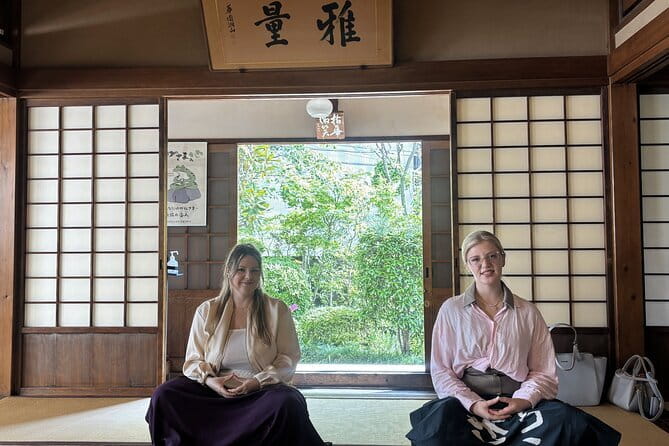
Kinryu-ji is the heart of the tour, with a history spanning more than 400 years. The temple setting matters because Zen practice is physical and specific. It’s harder to understand zazen from a brochure than it is to sit down, get coached on posture, and feel how the instructions change your experience.
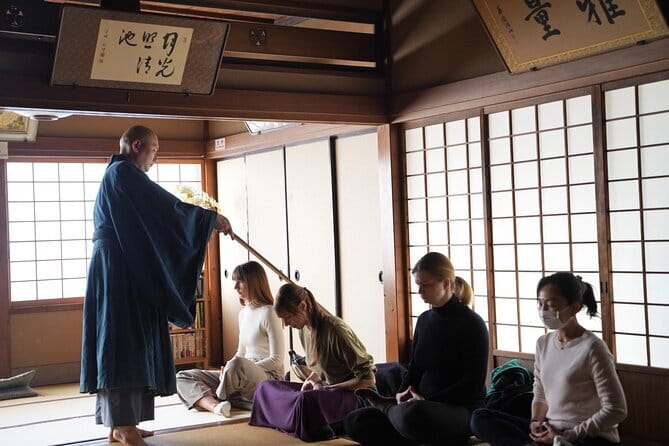
This is where a real monk guides you. That’s important. Zazen isn’t “one size fits all,” and small posture adjustments can make a big difference in comfort and focus. You’ll learn proper techniques, including correct posture and breathing.
Also, this part of the tour is designed to take you away from the louder tourist vibe. In your head, you’ll go from visual input (Asakusa) to sensory calm (incense, quiet rooms, soft guidance). That’s why people say it feels like a mental reset.
The Zazen Session: Posture and Breathing, Step-by-Step
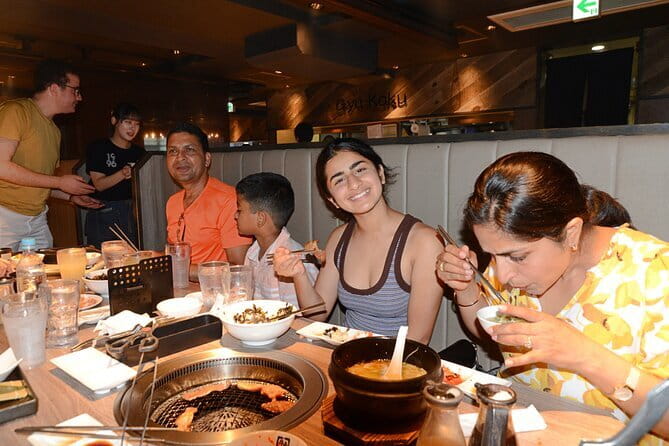
Your zazen practice is guided and structured. The instructions focus on two fundamentals:
- Posture: how you sit, how your spine and body line up, and what to do with your attention
- Breathing: not just “breathe,” but breathing in a way that supports steadiness
The tour’s value here is clarity. First-timers often struggle with what to do with the mind. Good guidance helps you stop fighting the practice and start participating in it.
I also like that the tour gives you more than meditation talk. You’re not just observing; you’re actively practicing during the session. And because the group is capped at 15, you’re less likely to get lost in the shuffle.
One consideration: zazen can be uncomfortable at first, especially if you’re not used to sitting still. The tour notes a moderate physical fitness level—so if you have mobility issues or strong sensitivity to kneeling/sitting positions, you’ll want to think ahead and ask the guide how you can adapt.
More quiet temple hours, reviewed
- Tokyo: Zen Meditation at a Private Temple with a Monk★ 5.0 · 510 reviews
- Tokyo Zen Meditation at Private Temple with Monk★ 5.0 · 178 reviews
- Tokyo: Practicing Zen with a Japanese Tea Ceremony★ 4.7 · 105 reviews
- Tokyo Zen Meditation at Kinryu-ji Temple and Asakusa Walking Tour★ 5.0 · 33 reviews
- Zen Buddhist Vegetarian(Shojin Ryori): Cooking Experience★ 5.0 · 9 reviews
Sutra Copying: Zen Study You Can Hold in Your Hands
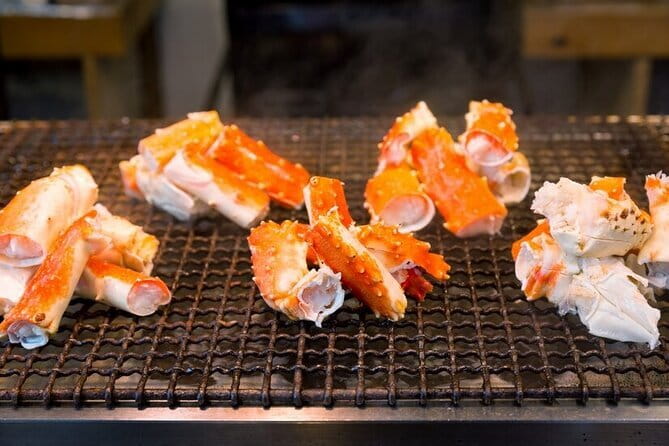
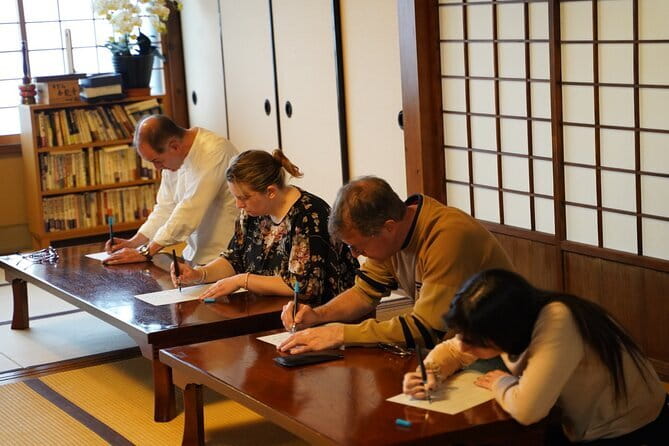
After the meditation portion, you’ll take part in a sutra copying activity. This isn’t just a craft add-on. In Zen contexts, copying texts connects practice to discipline and attention. The act of writing slows you down on purpose.
In practice, this means:
- You focus on strokes and form
- You pay attention to the present moment through repetitive motion
- You get a feel for the seriousness behind Zen study
From the experience description and what participants highlighted, this is one of the moments that makes the tour feel deeper than a typical “watch and listen” activity.
If you worry you’ll be bad at writing, don’t. The goal is participation and mindful attention, not calligraphy competition.
Matcha Tea and Japanese Sweets: Turning Quiet Into a Ritual
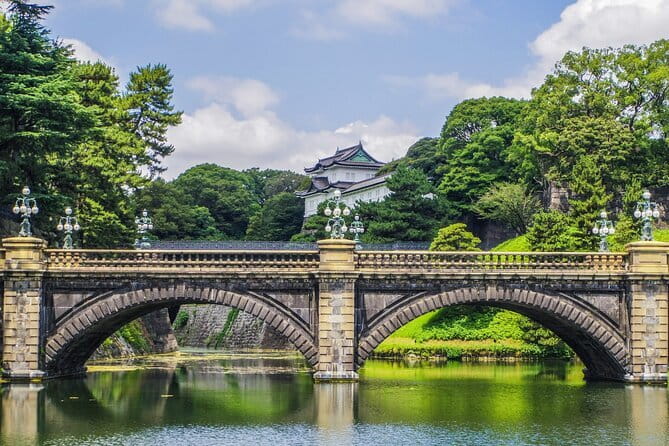
After sitting and writing, you finish with matcha tea and Japanese sweets. This part matters more than it might seem at first. Tea provides a gentle closing ritual. Instead of leaving immediately, you transition into calm conversation and taste.
The tour description says matcha is part of the experience, and participants also mentioned enjoying different regional green teas—examples included Kyoto and Nagano—served with sweets. Even if you don’t get exactly those regions on your date, the structure is the same: matcha as a cultural moment, not a random snack stop.
How to think about it: meditation trains your attention. Tea trains your awareness again, through smell, warmth, and pacing. Together, it helps the practice stick, even after you leave the temple.
Talking Time With the Monk: Questions You’ll Actually Care About

One of the most valuable parts is the chance to talk with the monk. This is where the tour becomes more than cultural performance. You can ask how to apply Zen thinking to real life, or what the practice is trying to cultivate.
Participants repeatedly mention that the Q&A feels meaningful—especially because it’s calm, personal, and guided. For you, that means you can tailor the experience. If you came with curiosity about mindfulness, posture, daily habits, or Zen etiquette, this is your chance to get clear answers in plain language.
Asakusa Logistics That Affect Your Comfort (Shoes, Socks, and Heat)
Small rules here really change how the experience feels.
Shoes off indoors: You’ll need to remove shoes during the experience. The tour recommends wearing socks or stockings so you’re not going barefoot. If you hate cold floors, consider thicker socks.
Clothes for movement: The tour advises loose-fitting clothing that’s easy to move in, and pants rather than skirts. That’s practical for sitting and posture work.
No air conditioning: The venue doesn’t have AC. In summer, heatstroke is a real concern—bring water and dress smart. In winter, you’ll want warm layers. This isn’t the place to rely on indoor climate comfort.
Group size: Maximum of 15 travelers. That keeps attention focused and helps the monk and guide manage instruction smoothly.
Duration and What to Expect From the Time Window
The experience runs about 1 hour 30 minutes to 3 hours. That range makes sense because it blends two different modes:
- faster sightseeing time in Asakusa (Kaminarimon and Senso-ji)
- longer sitting and temple activities (zazen, sutra copying, tea)
If you’re tight on schedule, plan buffer time around the walking portion. If you’re not, you’ll appreciate the slower pacing inside Kinryu-ji.
Also, this tour uses a mobile ticket. That simplifies entry once you arrive at the meeting point.
Price and Value: Why $60 Can Be Worth It Here
At $60 per person, you’re paying for more than a guide walking you between sites. You’re paying for:
- guided Zen instruction with a real monk
- temple time for meditation and sutra copying
- matcha tea and Japanese sweets
- a small group experience (max 15)
You can often find cheaper walking tours in Asakusa. But if you want the cultural angle to go past surface-level photos, this is where the value is. The “extra” cost buys you structured participation: sitting, writing, and tea as rituals.
If your main goal is just seeing Senso-ji and grabbing street snacks, then this may be pricier than you need. But if you want a calm, hands-on cultural practice, $60 is a fair trade for the amount of instruction and guided time you receive.
Who This Tour Is Best For
This tour is a great fit if you:
- want a real introduction to zazen, not just a quick temple visit
- like structured cultural experiences that include participation
- enjoy matcha and want it tied to Japanese ritual, not an afterthought
- want small group attention and the option for questions with a monk
It’s also a solid choice if you’re doing a first Tokyo visit and want more than “landmark tourism.” The Asakusa part gives you the famous entry points, and Kinryu-ji gives you something calmer and more personal.
Should You Book This Tokyo Zen Meditation at Kinryu-ji and Asakusa Walking Tour?
I’d book it if your ideal Tokyo day includes both famous sights and a genuine change of pace. The biggest reason is that zazen here is taught with correct posture and breathing by a monk, and it’s paired with sutra copying and matcha tea. That combination makes the experience feel complete, not stop-and-go.
Skip it or reconsider if:
- you’re worried about sitting still for a guided meditation session
- you’re traveling in peak summer and heat will be a major problem for you (because there’s no air conditioning)
- you mainly want a long, independent wander through Asakusa and Senso-ji
If you want a thoughtful cultural experience with a calm payoff, this one is a strong choice.
FAQ
How long is the Tokyo Zen Meditation at Kinryu-ji and Asakusa tour?
The duration is about 1 hour 30 minutes to 3 hours, depending on the flow of the visit.
What is included in the price?
Included are a professional local guide, the Zen experience, and matcha tea with Japanese sweets.
Is transportation included?
No. Transportation is not included.
Where do I meet the guide?
You meet at Kinryuji 2-chōme-10-4 Kotobuki, Taito City, Tokyo 111-0042, Japan. It’s about a 2-minute walk from Tawaramachi Station.
Do I need to remove my shoes?
Yes. Shoes must be removed during the experience, and the tour recommends wearing socks or stockings.
What should I wear for this experience?
Wear loose-fitting clothes that are easy to move in, and pants rather than skirts.
Is there air conditioning at the temple venue?
No. There is no air conditioning, so plan for the season. In summer, take care to avoid heatstroke and stay hydrated. In winter, bring warm clothing.
How big is the group?
The maximum group size is 15 travelers.
Is zazen taught for beginners?
The tour teaches zazen techniques, including correct posture and breathing, with guidance from a monk.
What is the cancellation policy?
Free cancellation is available up to 24 hours before the experience for a full refund. Cancel less than 24 hours before the start time, and the amount paid is not refunded.
More Tour Reviews in Tokyo
- Mt Fuji and Hakone 1-Day Bus Tour Return by Bullet Train
★ 5.0 · 26,383 reviews - 1-Day Tokyo Bus Tour
★ 5.0 · 14,250 reviews - Tokyo: teamLab Planets TOKYO Digital Art Museum Entry Ticket
★ 4.6 · 9,779 reviews - Mt Fuji & Hakone Cruise, Drum Show Bullet Train 1 Day from Tokyo
★ 4.0 · 7,413 reviews - Tokyo: Shinjuku Food Tour (13 Dishes at 4 Local Eateries)
★ 5.0 · 6,603 reviews
More Quiet Temple Hours
- Tokyo: Zen Meditation at a Private Temple with a Monk
★ 5.0 · 510 reviews - Tokyo Zen Meditation at Private Temple with Monk
★ 5.0 · 178 reviews - Tokyo: Practicing Zen with a Japanese Tea Ceremony
★ 4.7 · 105 reviews - Zen Buddhist Vegetarian(Shojin Ryori): Cooking Experience
★ 5.0 · 9 reviews - Practicing Zen through Japanese Tea Ceremony
★ 4.5 · 6 reviews
More Mornings in Old Asakusa
- Tokyo: Japanese Dance Cabaret Theater Asakusa-Kaguwa Ticket
★ 4.8 · 2,270 reviews - Tokyo: Meiji Shrine, Asakusa, Skytree Bus Tour and Cruise
★ 4.7 · 1,986 reviews - Tokyo: Roll and Authentic Sushi Making Class in Asakusa
★ 4.9 · 1,957 reviews - Tokyo: Asakusa Walking Tour with Sensoji Temple Visit
★ 4.8 · 1,583 reviews - Tokyo Asakusa Rickshaw Tour
★ 5.0 · 1,375 reviews
Latest Tokyo reviews off our desk






Asakusa & Sensoji Tours, compared.
 ★ 4.8Japanese Dance Cabaret Theater Asakusa-Kaguwa TicketFrom $492,270 reviews
 ★ 4.7Meiji Shrine, Asakusa, Skytree Bus Tour and CruiseFrom $1221,986 reviews
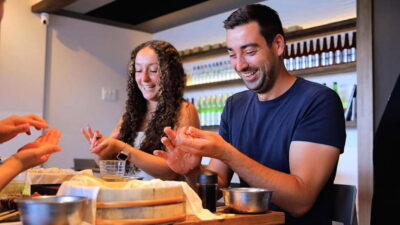 ★ 4.9Roll and Authentic Sushi Making Class in AsakusaFrom $581,957 reviews
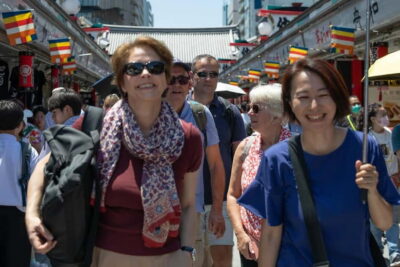 ★ 4.8Asakusa Walking Tour with Sensoji Temple VisitFrom $221,583 reviews
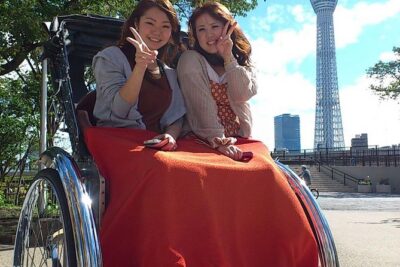 ★ 5.0Tokyo Asakusa Rickshaw TourFrom $421,375 reviews
 ★ 4.5Tokyo Panoramic 1 Day: Meiji Shrine, Asakusa, Odaiba and SKYTREE®From $851,222 reviews
 ★ 5.0Tokyo Go Kart: Asakusa, Skytree, and Akihabara **IDP MUST**From $99988 reviews
 ★ 4.7Asakusa, Skytree & Akhihabara Go-Kart City ExperienceFrom $96761 reviews
Browse the lists this tour appears in