
Reviewed · SUMO TOURNAMENTS & SHOWS
Ryogoku: Sumo Town Guided Walking Tour with Lunch
Sumo in Tokyo is serious business, but this tour keeps it fun. I love the way you get real context—how sumo started and evolved over 1600 years—then you walk it off with an expert guide. I also love the chanko-nabe lunch, a wrestler-style hot pot tied to stable life, not just another set-menu meal. One thing to consider: this is a walking and landmark tour, and it does not include watching sumo bouts.
Because it’s limited to 8 people max, the guide can answer your questions instead of rushing past them. Expect a mix of sumo culture and broader Japanese culture along the way—stables (from the outside), shrines/temples, and the food that supports the sport.
In This Review
- Key highlights worth your time
- Ryogoku is Sumo’s Real Neighborhood
- Meeting outside Ryogoku Station and setting the pace
- Seeing sumo stables from the outside: Hakkaku-beya and Kasugano-beya
- Ryogoku Kokugikan: the arena explained, not just seen
- Ryogoku Edo Noren and the sensory side of old-meets-sumo
- Ekō-in: a temple stop that helps you connect Shinto and Buddhism
- More cultural stops: prints, gardens, swords, and Japanese details
- Chanko-nabe lunch: why wrestler food is more than hot pot
- The tour’s best guides make the sport feel personal
- Timing, walking, and what to wear
- Value check: is $122 worth it?
- Who should book this Ryogoku tour
- Should you book it or skip it?
- FAQ
- How long is the Ryogoku sumo guided walking tour with lunch?
- Where do I meet the guide?
- Is lunch included?
- What exactly is included with the tour besides lunch?
- Will I watch sumo bouts during this tour?
- How big is the group?
- What language is the tour guide?
- What should I bring?
- Is the tour suitable if I have food allergies or mobility needs?
- What’s the cancellation policy?
Key highlights worth your time
- Small group (8 max): more Q&A and a better chance to see wrestlers in the neighborhood
- Hakkaku-beya and Kasugano-beya stable views: you get a sense of where training life happens
- Ryogoku Kokugikan focus: understand what that arena means to sumo culture
- Chanko-nabe lunch included: hot-pot nutrition and stable-style preparation at a top Ryogoku restaurant
- Temple and shrine stops: you connect sumo to Shinto and Buddhist influences
- 1600-year sumo story: a guided timeline that makes watching matches later easier
Ryogoku is Sumo’s Real Neighborhood
Ryogoku feels purpose-built for sumo. It’s the part of Tokyo where the sport stops being a TV event and becomes local routine: training, rituals, and the kind of food that wrestlers eat to build muscle and weight.
What makes this tour hit is that it teaches you how to watch. Even if you never catch a bout during your trip, you’ll leave knowing the rhythm behind the rules, the traditions, and the daily grind. And the lunch matters. Chanko-nabe isn’t just a Japanese comfort food you sample once; it’s presented as a cornerstone of stable life.
One practical point: you’ll do a solid chunk of walking. With comfortable shoes, you’ll be fine, but this isn’t the kind of tour to treat like a quick stroll.
Other ringside bookings readers scored
- Tokyo: Sumo Show and Dining Experience
★ 4.8 · 2,742 reviews - the SUMO show
★ 5.0 · 1,960 reviews - Tokyo Shinjuku Sumo Show & Experience with Photo
★ 5.0 · 1,750 reviews - Tokyo: Sumo Show and Experience in Shinjuku
★ 4.8 · 1,001 reviews
Meeting outside Ryogoku Station and setting the pace
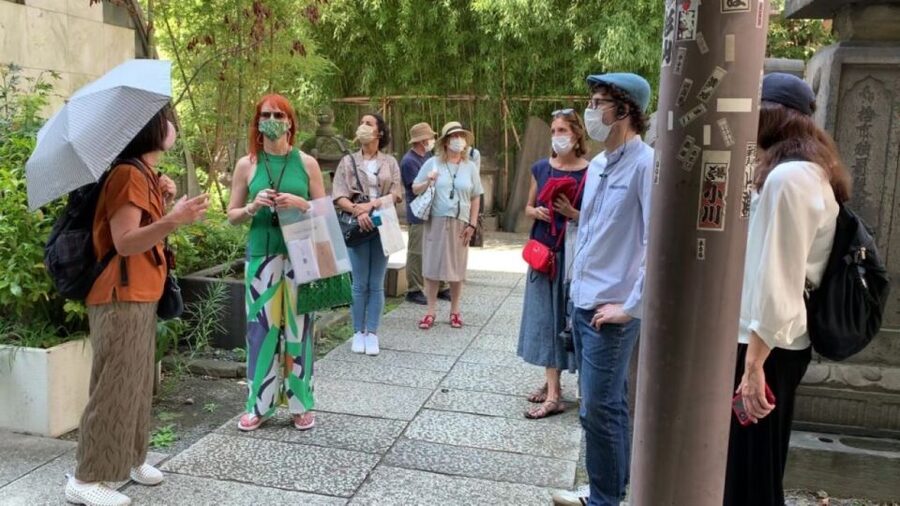
You meet your guide outside Ryogoku Station and then start moving right away. The total tour time is 210 minutes, so you’re not commuting for hours before the good parts begin.
The route is designed for a walkable rhythm: short stop, short lesson, then another look at Ryogoku’s sumo landmarks. Because the group stays small, you can ask things as they come up—like how stable life works, what certain ceremonies mean, and why sumo culture has such deep roots in older Japanese traditions.
If you’ve ever been to Tokyo and thought, I want this to connect to something real, this is that kind of tour. It turns street-level sights into understanding.
Seeing sumo stables from the outside: Hakkaku-beya and Kasugano-beya
One of the tour’s best ideas is the stable-focused start. You get to visit Hakkaku-beya Sumo Stable and later Kasugano-beya Sumo Stable. You’re not going inside like a VIP, but you can still pick up what stable life feels like from the outside.
Several guides on this experience are praised for exactly this: making the stable look less mysterious. You’ll learn about training careers and the way sumo is structured around stables, routine, and progression. That’s the kind of context that makes the sport feel human, not just dramatic.
Also, keep expectations reasonable. This is not billed as a guaranteed chance to watch training. One review notes sightings of wrestlers relaxing or loin cloths airing after practice, which tells me the neighborhood can sometimes surprise you, but it’s never a sure thing. Either way, the stable visits are still valuable because you’ll know what you’re looking at.
Ryogoku Kokugikan: the arena explained, not just seen
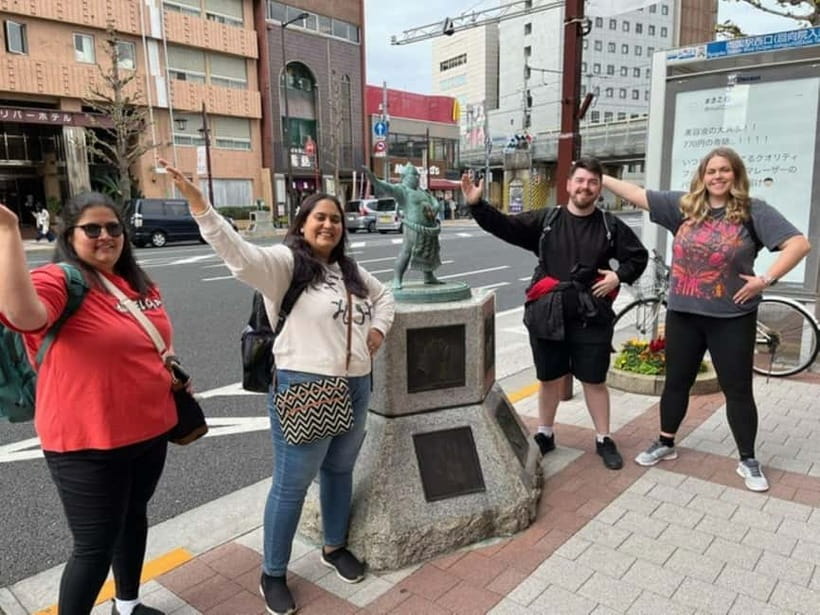
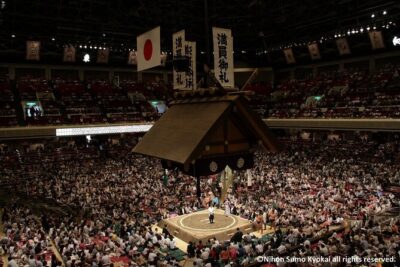
Next comes Ryogoku Kokugikan, the major sumo arena in the area. Looking at the building is one thing. Understanding why it matters is another.
This stop is where the guide’s story becomes practical. You’ll connect the arena to sumo’s traditions and to how major tournaments fit into the yearly cycle. Even if you’re not attending a grand tournament during your dates, you’ll leave with a mental map of how sumo is organized and why the venue is more than just a stadium.
I like this approach because it prevents the common problem: seeing a landmark but forgetting it five minutes later. Here, the meaning is explained while you’re standing nearby.
Ryogoku Edo Noren and the sensory side of old-meets-sumo
You’ll also pass by Ryōgoku Edo NOREN. Places like this help you understand how sumo is wrapped into the local identity, not isolated from daily Tokyo life.
This stop isn’t about facts you memorize for an exam. It’s about atmosphere. You start noticing the “sumo town” vibe—souvenir culture, themed streets, and the way the area signals what’s important. It’s a reminder that sumo isn’t only rituals and wrestling; it’s also community and commerce.
That matters because when you later see sumo on TV or in person, you’ll remember it has a home base that’s been shaped over centuries.
Readers also shortlisted these Tokyo bookings:
- Tokyo Tsukiji Fish Market Food and Culture Walking Tour★ 5.0 · 3,184 reviews
- Tokyo: Imperial Palace and Shogun Historical Walking Tour★ 5.0 · 2,251 reviews
- Tokyo: Shinjuku Local Bar and Izakaya Guided Walking Tour★ 4.9 · 1,794 reviews
- Tokyo: Tsukiji Fish Market Food and Walking tour★ 5.0 · 1,724 reviews
- Tokyo: Asakusa Walking Tour with Sensoji Temple Visit★ 4.8 · 1,583 reviews
Ekō-in: a temple stop that helps you connect Shinto and Buddhism
Tour stops include Ekō-in, and the overall walk is built to cover key threads of Japanese culture such as Shinto shrines and Buddhist temples. In a sport like sumo, that combination isn’t random—it helps explain the spiritual backdrop to the ceremonies and the respect-heavy mindset around the ring.
This is where the tour feels especially useful for non-experts. If you don’t know Japanese religion basics, you’re not stuck. Your guide frames the relevance so temple and shrine architecture aren’t just scenery.
Even better: because this is a walking tour, you’re not trapped indoors with a lecture style delivery. You see the place and then get the interpretation.
More cultural stops: prints, gardens, swords, and Japanese details
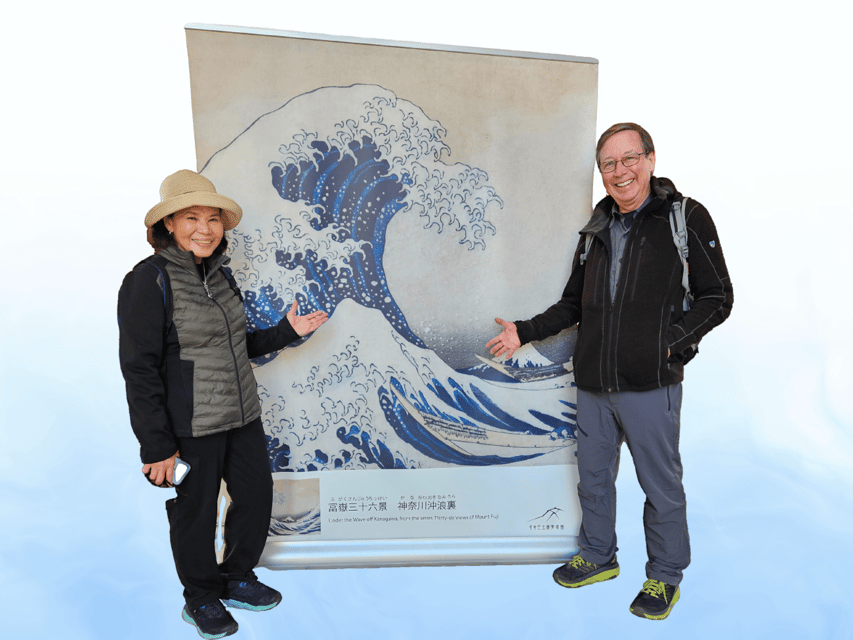
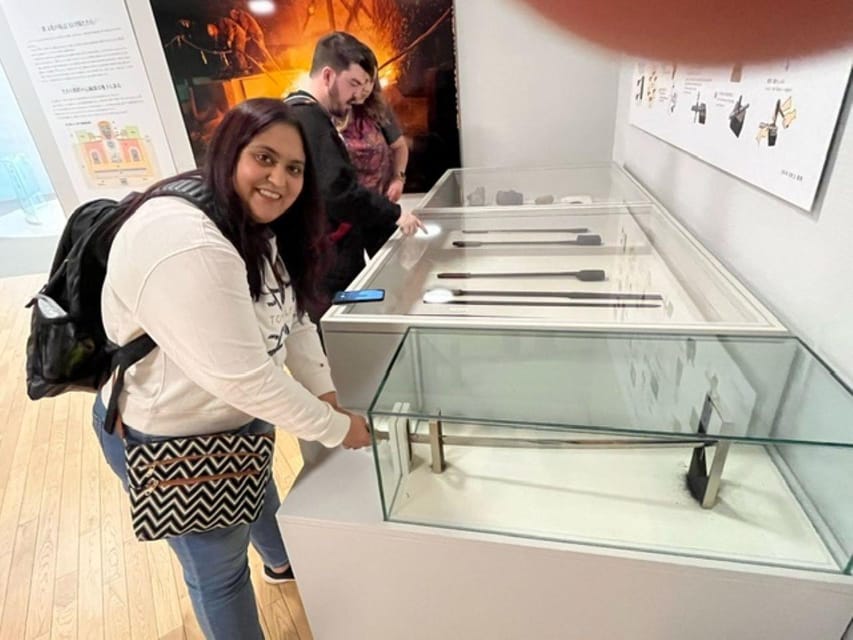
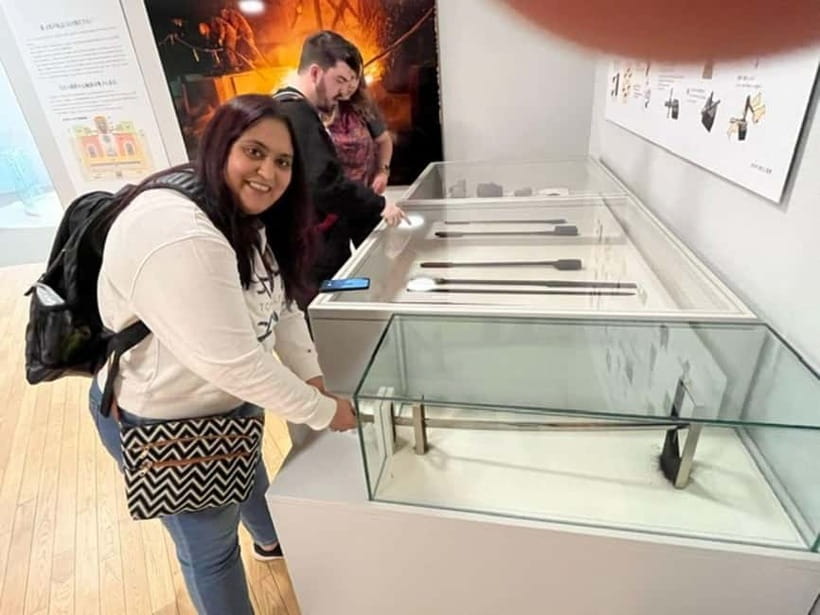
The broader experience is more than sumo-only sightseeing. The tour includes cultural elements such as woodblock prints, gardens, and swords, plus the cuisine connection through lunch.
One review specifically mentions stops tied to Hokusai and a Japanese sword museum, and another notes a Japanese garden as part of the route. Those aren’t random add-ons. They show you how Ryogoku and Tokyo’s craft and art traditions connect to identity, discipline, and ceremony—things sumo leans on heavily.
You’ll also notice the tour moves between different kinds of landmarks, so the pace stays varied. When one part becomes too “sport lecture,” another stop brings you back to streets, architecture, and how people move through their day.
Chanko-nabe lunch: why wrestler food is more than hot pot
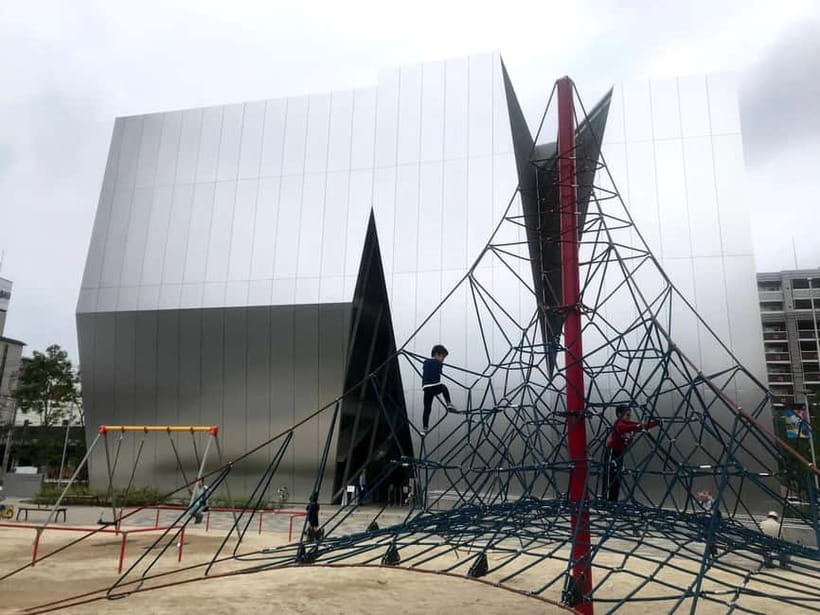
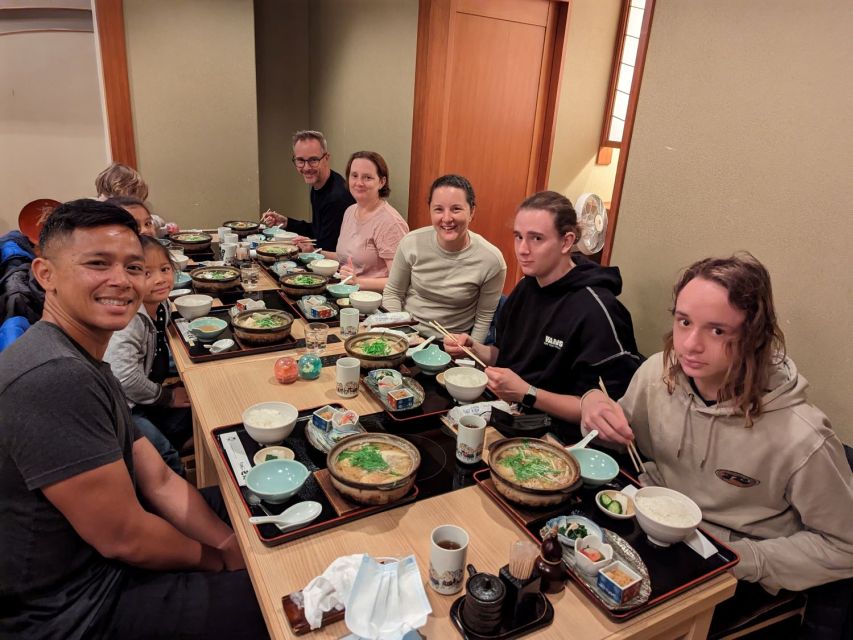
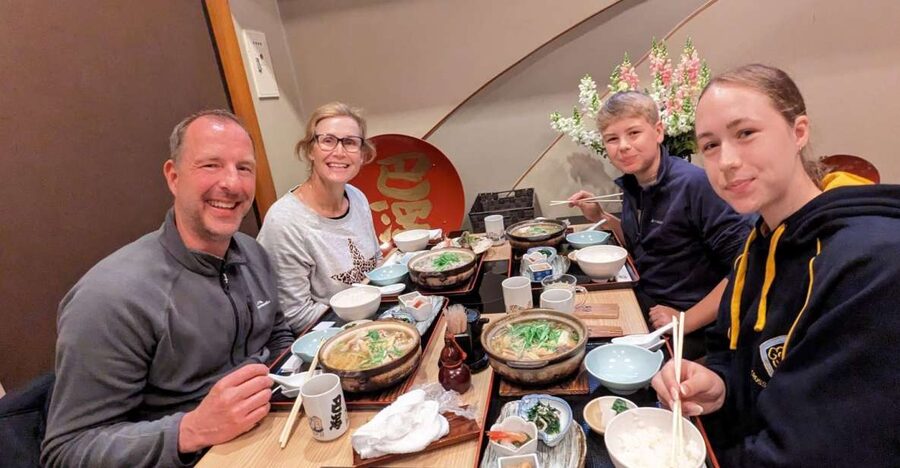
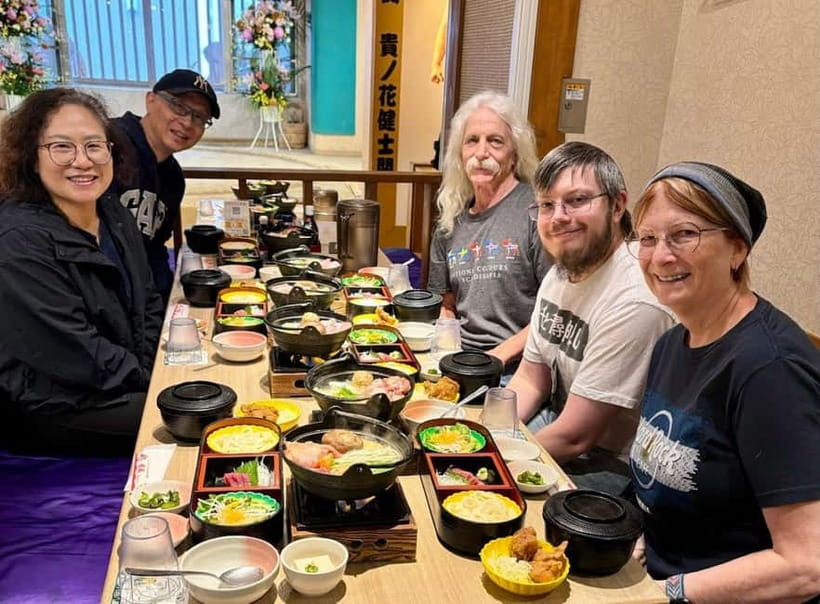
The lunch is the main food reason to book. You’ll eat at a top Ryogoku chanko-nabe restaurant, and the centerpiece is a hot-pot meal that’s strongly tied to how sumo wrestlers eat.
Here’s what I love about how the tour frames chanko-nabe:
- It’s described as nutritionally balanced for the demands of wrestlers.
- It’s prepared hot during the process, which keeps things hygienic.
- You eat from the same pot, which builds the team feeling that’s part of stable life.
- The tour emphasizes an important detail: there aren’t professional cooks supplying it. The food is prepared within the stable, under constraints that make the dish practical for that environment.
If you’re used to restaurant lunches where the food arrives and you forget about the method, this is different. The guide helps you understand the logic behind the dish, which makes the meal more interesting than a simple taste test.
You’ll also appreciate the practical side: lunch is included, so you don’t have to plan it, and you get a meal that fits the theme instead of guessing what to order near the arena.
The tour’s best guides make the sport feel personal
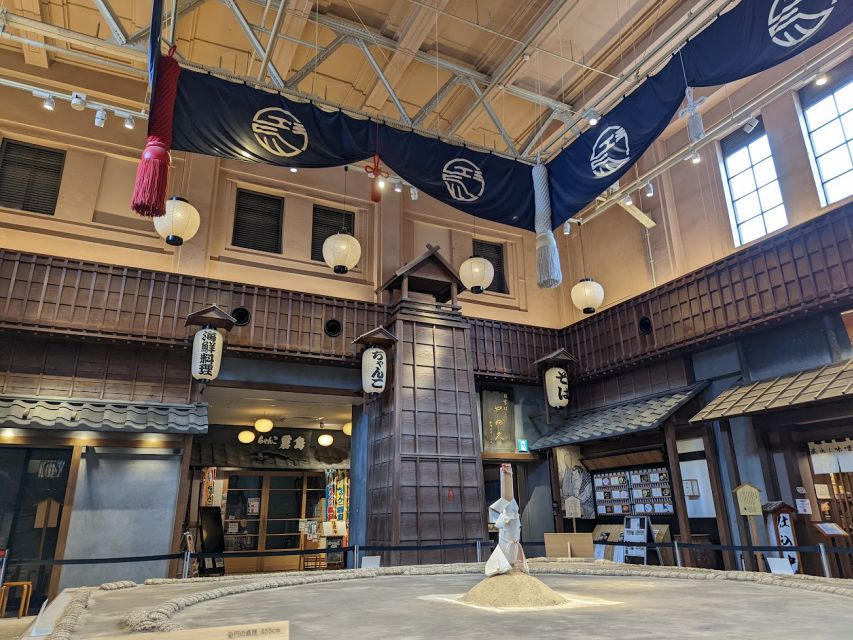
This experience really depends on the guide, and the reviews show strong consistency. Different guides are mentioned—Jeff, Taka, Sue, Jean, and Yoko—and the praise patterns match what you want from a small-group tour: friendly delivery, humor, and explanations that make sumo culture understandable fast.
One reason this matters: you don’t want a “fact dump.” You want your questions answered as you walk. The group limit of 8 supports that, and that’s why people mention things like life behind closed doors and the guide acting like a host rather than a ticket taker.
If you’re the type who likes stories—how training days work, why certain rituals exist, and what stable life looks like—this is the right format.
Timing, walking, and what to wear
This tour is 210 minutes, so it’s long enough to feel substantial, but not so long that you’re exhausted before lunch. Because it’s a walking route, plan for the usual Tokyo comfort issues: uneven sidewalks, stairs near landmarks, and weather swings.
Bring comfortable shoes. That’s the single most important pre-trip tip here. Also, since it’s not suitable for mobility impairments (and it involves food that can be an issue for allergies), be realistic about your comfort level before booking.
If you’re sensitive to heavy meals, remember chanko-nabe is hearty. It’s meant to support big physiques, so this lunch is not a light snack.
Value check: is $122 worth it?
At $122 per person, you’re paying for three things that add up quickly in Tokyo: an English-speaking expert guide, a structured walking route through meaningful sumo landmarks, and lunch included at a notable chanko-nabe restaurant.
If you tried to DIY this, you’d probably spend your time hunting for sights, then paying separately for a guided explanation elsewhere, and still figure out what to eat. Here, the lunch is already tied to the theme, and the guide provides the context that helps the landmarks stick.
To me, the value is best if you:
- don’t want to plan a self-guided sumo day from scratch
- want to understand the sport so watching later feels smarter
- like food that comes with a story and a method
It might not feel as worth it if your main goal is guaranteed sumo action in the ring, because the tour explicitly does not include watching bouts.
Who should book this Ryogoku tour
I think this tour is a great fit if you:
- love sports, but you also love culture and history
- want to see sumo beyond the arena lights
- enjoy small-group walking tours with real commentary
- plan to watch sumo later and want the background first
It’s also a good choice for travelers who like “neighborhood sightseeing.” You’re not just checking off famous buildings; you’re learning the logic of a place.
If you want strictly wheelchair-friendly logistics or you have food allergies, you should skip this one. The tour isn’t designed for those needs, and chanko-nabe is central to the experience.
Should you book it or skip it?
Book it if you want your sumo experience to be understood, not just observed. The combination of stable-area views, Ryogoku Kokugikan context, and a chanko-nabe lunch that’s explained as wrestler food makes this more satisfying than a typical “see sights, eat food” day.
Skip it if your main goal is to watch bouts during the day. This tour is about meaning and background, and you can’t rely on match viewing.
FAQ
How long is the Ryogoku sumo guided walking tour with lunch?
It runs for 210 minutes.
Where do I meet the guide?
Meet your guide outside Ryogoku Station.
Is lunch included?
Yes. Lunch is included at a chanko-nabe restaurant in Ryogoku.
What exactly is included with the tour besides lunch?
You get an English-speaking live guide, and a guided walking route that includes sumo-related landmarks in Ryogoku and visits to places like sumo stables (from the outside) and Ryogoku Kokugikan.
Will I watch sumo bouts during this tour?
No. This tour does not include actual watching of sumo bouts.
How big is the group?
The group is small, limited to 8 participants.
What language is the tour guide?
The tour is offered with an English-speaking guide.
What should I bring?
Wear comfortable shoes for walking.
Is the tour suitable if I have food allergies or mobility needs?
It’s not suitable for people with mobility impairments or people with food allergies.
What’s the cancellation policy?
Free cancellation is available up to 24 hours in advance for a full refund.
More Tours in Tokyo
- Mt Fuji and Hakone 1-Day Bus Tour Return by Bullet Train
★ 5.0 · 26,383 reviews - 1-Day Tokyo Bus Tour
★ 5.0 · 14,250 reviews - Tokyo: Shinjuku Food Tour (13 Dishes at 4 Local Eateries)
★ 5.0 · 6,603 reviews - Tokyo Mt Fuji 5th St & Hakone Cruise Bus Tour w/Bullet Train
★ 4.4 · 5,024 reviews - Flagship 2-Hours Official Street Go-Kart Tour – Tokyo Bay Shop
★ 5.0 · 4,974 reviews
More Tour Reviews in Tokyo
- Mt Fuji and Hakone 1-Day Bus Tour Return by Bullet Train
★ 5.0 · 26,383 reviews - 1-Day Tokyo Bus Tour
★ 5.0 · 14,250 reviews - Tokyo: teamLab Planets TOKYO Digital Art Museum Entry Ticket
★ 4.6 · 9,779 reviews - Mt Fuji & Hakone Cruise, Drum Show Bullet Train 1 Day from Tokyo
★ 4.0 · 7,413 reviews - Tokyo: Shinjuku Food Tour (13 Dishes at 4 Local Eateries)
★ 5.0 · 6,603 reviews
More Sumo, Ringside and Rated
- Tokyo: Sumo Show and Dining Experience
★ 4.8 · 2,742 reviews - the SUMO show
★ 5.0 · 1,960 reviews - Tokyo Shinjuku Sumo Show & Experience with Photo
★ 5.0 · 1,750 reviews - Tokyo: Sumo Show and Experience in Shinjuku
★ 4.8 · 1,001 reviews - Tokyo Grand Sumo Tournament Viewing Tour with Tickets
★ 5.0 · 692 reviews
Latest Tokyo reviews off our desk


Sumo Tournaments & Shows, compared.
 ★ 4.8Sumo Show and Dining ExperienceFrom $792,742 reviews
 ★ 5.0the SUMO showFrom $891,960 reviews
 ★ 5.0Tokyo Shinjuku Sumo Show & Experience with PhotoFrom $791,750 reviews
 ★ 4.8Sumo Show and Experience in ShinjukuFrom $691,001 reviews
 ★ 5.0Tokyo Grand Sumo Tournament Viewing Tour with TicketsFrom $124692 reviews
 ★ 5.0Tokyo Sumo Wrestling Tournament ExperienceFrom $124660 reviews
 ★ 4.7Luxury Sumo Show Experience & Japanese cuisine & DrinkFrom $103577 reviews
 ★ 4.8Sumo Morning Practice Viewing TourFrom $81570 reviews
Browse the lists this tour appears in