

Reviewed · SAKE TASTING
Sake & Food Pairing with Sake Professional
Sake tastes different once you learn how. This Honshu-based sake class in Shinjuku is a smart way to understand Japanese sake beyond myths, because you’ll taste five distinct styles and connect each one to real flavor cues. I like the small group feel, and I especially like that you create your own tasting chart instead of just listening and leaving.
One thing to plan for: the Japanese snacks are great, but it’s not a full meal, so eat beforehand if you’re hungry.
In This Review
- Key takeaways before you go
- Why this Shinjuku sake tasting is more useful than a casual drink
- Enter Ushinobi Sake Bar: how to find it without wasting time
- The flow of the 150 minutes: what the sake professional actually does
- Five different sake styles: how you build real taste memory
- Pairing sake with Japanese snacks: why food is the real teacher
- Building your own sake tasting chart (and using it later)
- Tokyo sake lovers and local tips: what to do after the class
- Price and value: why $69 for 150 minutes can be a smart spend
- Who should book this sake & food pairing session
- A few practical tips to get the most out of it
- Should you book this sake experience in Shinjuku?
- FAQ
- Where does the tour meet, and how do I find it?
- What is included in the experience?
- How long is the tour, and what group size should I expect?
- Is the tour available in English?
- I have dietary restrictions. Can I still join?
- Is transport included, and is it suitable for pregnant women?
Key takeaways before you go
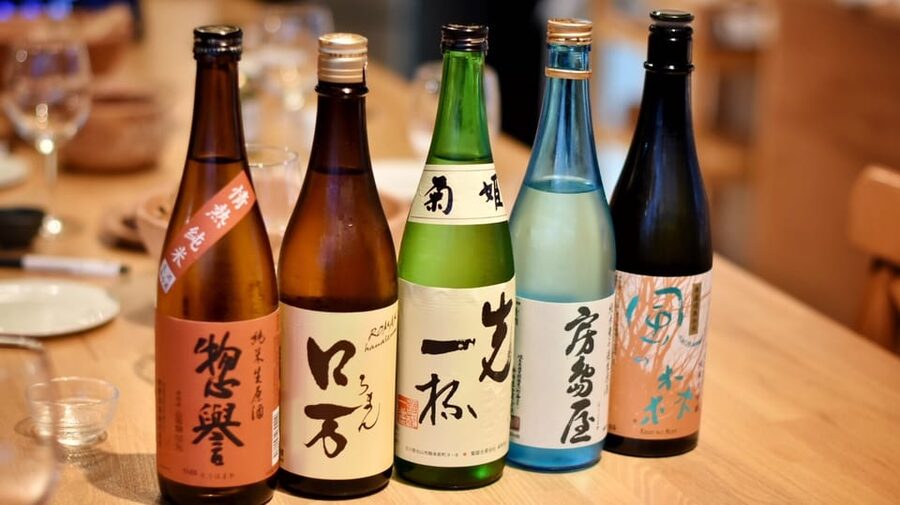
- Five sakes to train your palate: you’ll sample multiple styles and learn what to notice
- Your own tasting chart: you’ll record flavors so you can shop smarter later
- English guide, small group (up to 10): expect real back-and-forth, not a lecture
- Snacks paired with sake: you’ll see how food changes the drink
- Tokyo local tips from Japanese sake lovers: practical guidance, not just facts
Why this Shinjuku sake tasting is more useful than a casual drink
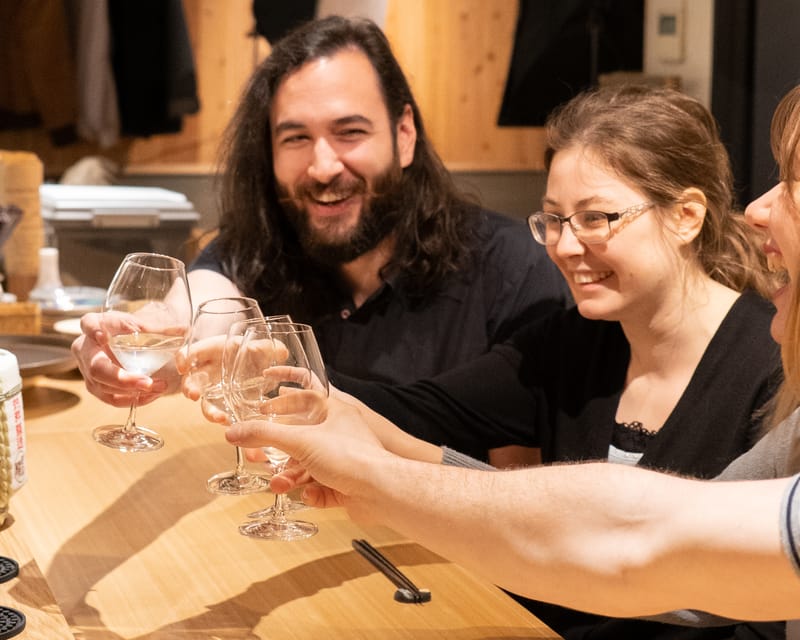
A lot of sake experiences start and end at flavor roulette: you taste something cold or warm, you like it or you don’t, and that’s it. This class is different because it teaches you how to read sake with a method. After 150 minutes, you’ll have a framework for deciding what you want next, whether you’re at a bar, a bottle shop, or a restaurant.
The setting helps too. You meet at Ushinobi Sake Bar in Shinjuku, right by Okubo Station (JB09, South Exit). The venue is on the 2nd floor, and the entrance is a bit easy to miss, which is why it’s worth checking the provided directions in advance. Once you’re inside, the vibe is focused and social—more “guided tasting” than “big show.”
If you’re new to sake, don’t worry. The point here is that even people who think they don’t like sake often end up liking at least a couple styles once they understand what they’re tasting. The class also reflects how sake is evolving: traditional breweries now produce multiple approaches, and younger operators are shaping what you’ll see on shelves.
Readers also shortlisted these Tokyo bookings:
- Tokyo: Shinjuku Food Tour (13 Dishes at 4 Local Eateries)
★ 5.0 · 6,603 reviews - Tokyo Tsukiji Fish Market Food and Culture Walking Tour
★ 5.0 · 3,184 reviews - Tokyo: Shinjuku Food Tour (15 Dishes and 4 Eateries)
★ 4.9 · 2,033 reviews - Best of Shinjuku: Izakaya Food Tour (4 Stops, 14+ Tastings)
★ 5.0 · 1,863 reviews
Enter Ushinobi Sake Bar: how to find it without wasting time
Logistics matter because the first few minutes set the tone. You’ll want to arrive early enough to get your bearings and walk up to the second floor without stress. The meeting point is at Ushinobi Sake Bar, Shinjuku, with the closest station listed as Okubo (JB09, South Exit).
The entrance is described as a little hidden, so I’d treat this like any small Tokyo venue: check the map, then confirm where the staircase is before you commit your time. Once you enter the venue on the 2nd floor, you’re in the right place and the session can start smoothly.
Also note this is a walk-in friendly but transport-not-included experience. That means you’re responsible for getting there—so if you’re building a day plan, factor in subway time and buffer for the entrance.
The flow of the 150 minutes: what the sake professional actually does
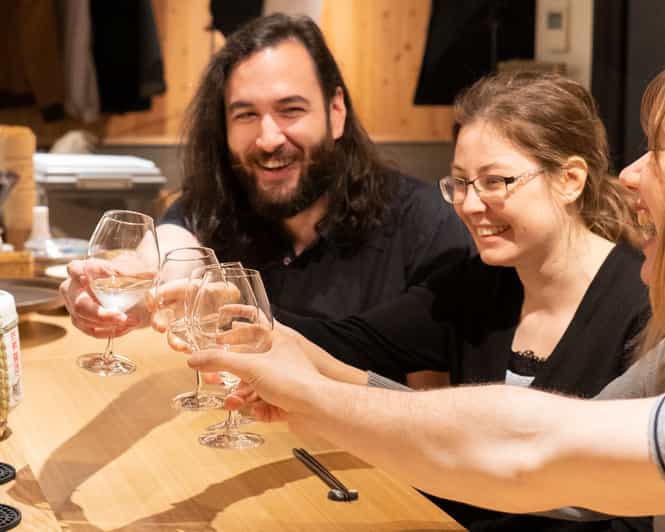
You’re in a small group limited to 10 participants, and that changes everything. With fewer people, your guide can slow down for questions and adapt when someone says, I thought sake only tasted harsh. That kind of course correction is hard in larger groups.
A live English guide runs the class, and a key part of the experience is that you learn from a sake professional (the instructors have included English-speaking hosts such as Tadashi, Max, Joe, and Andrea in recent sessions). Even if the host changes, the format is the same: clear instruction, careful pouring, and plenty of chances to compare one style against another.
In practice, the session typically moves like this:
- You get an overview of what sake is and how it’s categorized
- You start tasting, one style at a time
- You discuss what makes each bottle different
- You pair each pour with Japanese snacks so your mouth can notice the shifts
- You build a tasting chart as you go, so your notes become useful later
You’ll finish with a bigger picture of how breweries think, and what to look for when you’re choosing sake yourself.
Five different sake styles: how you build real taste memory
The highlight is the five-sake tasting. That’s the right number for a beginner. Too few tastings and you don’t learn contrasts; too many and you blur the differences.
The class also pushes you to make sense of why the flavors land the way they do. Even without naming every technical detail (because sake styles and labels can get complicated fast), you’ll learn to separate what you like from what you think you’re supposed to like.
Here’s what a “good tasting set” does for your brain:
- It gives you a baseline (what plain sake tastes like to your palate)
- It teaches you contrast (how one style changes the next sip)
- It trains your language (you start noticing sweetness, dryness, aroma, and texture)
The tasting chart is the practical payoff. Instead of relying on vague impressions like good or bad, you’ll record notes you can reuse. For example, you’ll be able to look back and remember which style felt smooth, which one felt drier, and which one tasted more like it belonged with food.
If you’ve ever bought a bottle after a trip and then couldn’t repeat the result at home, this is how you prevent that.
Pairing sake with Japanese snacks: why food is the real teacher
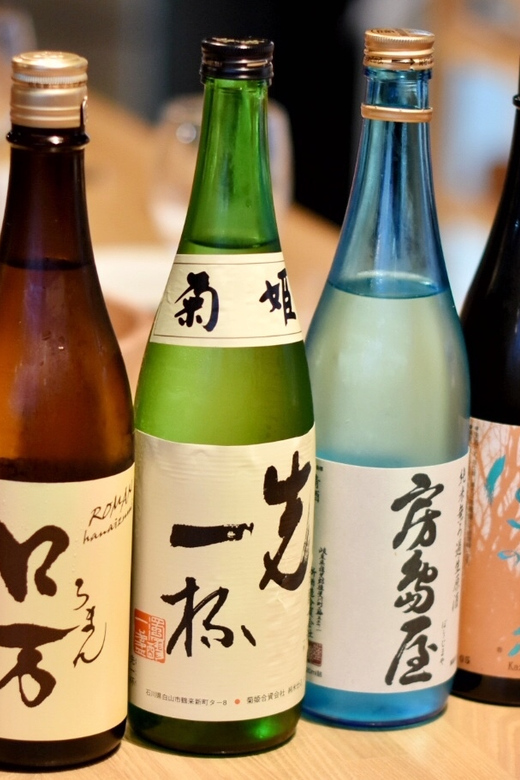
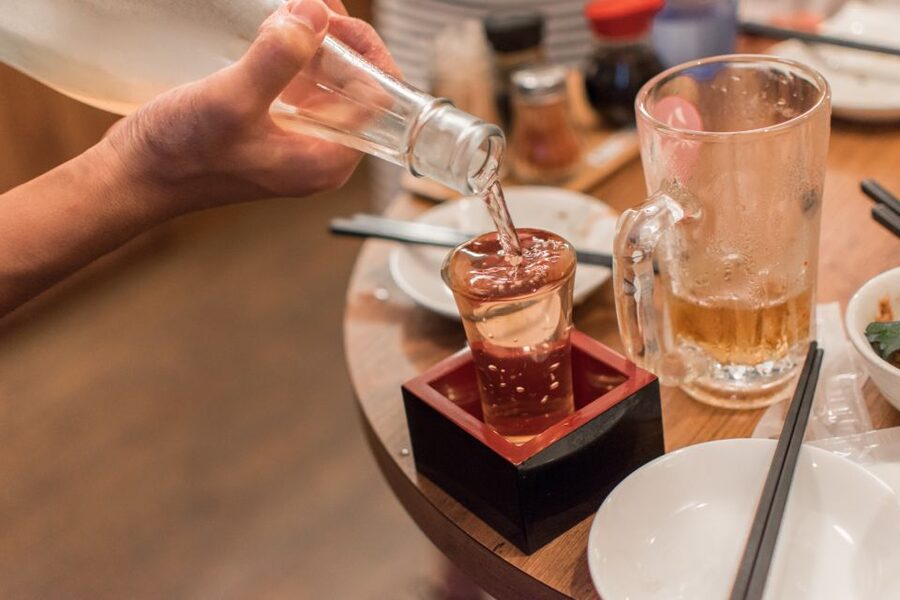
The tasting isn’t just about drinking. You’ll get Japanese snacks paired with the pours, and that’s essential, because sake doesn’t taste the same way on an empty mouth.
I’d go one step further: pairing teaches you what to ask for when you’re eating in Tokyo. The class is nudging you toward a key idea—that sake selection often works like wine selection: the drink isn’t a solo act. It plays off salt, fat, sweetness, and umami.
One review note that lines up with the setup: people found there was plenty to drink, and they still advised eating beforehand because the snacks aren’t a full meal. That’s your cue. Treat the tasting as a guided flavor workshop, not a dinner replacement.
If you do come hungry, you might feel a little full by the end, but you’ll also miss some nuance because your mouth will be distracted. If you arrive with a light meal in you, you’ll notice pairing differences more clearly and get more out of the notes you’re taking.
Readers also shortlisted these Tokyo bookings:
- Tokyo: Tsukiji Fish Market Food and Walking tour★ 5.0 · 1,724 reviews
- Tokyo Night Foodie Tour in Shinjuku – Seasonal Sushi, Wagyu Beef★ 5.0 · 1,161 reviews
- Eat and Drink Like a Local: Tokyo Ueno Food Tour-Taverns&Ramen★ 5.0 · 957 reviews
- Tokyo: Shibuya Food Tour (13 dishes and 4 Eateries)★ 5.0 · 770 reviews
- Tokyo: Tsukiji Fish Market Food and Culture Walking Tour★ 4.7 · 757 reviews
Building your own sake tasting chart (and using it later)
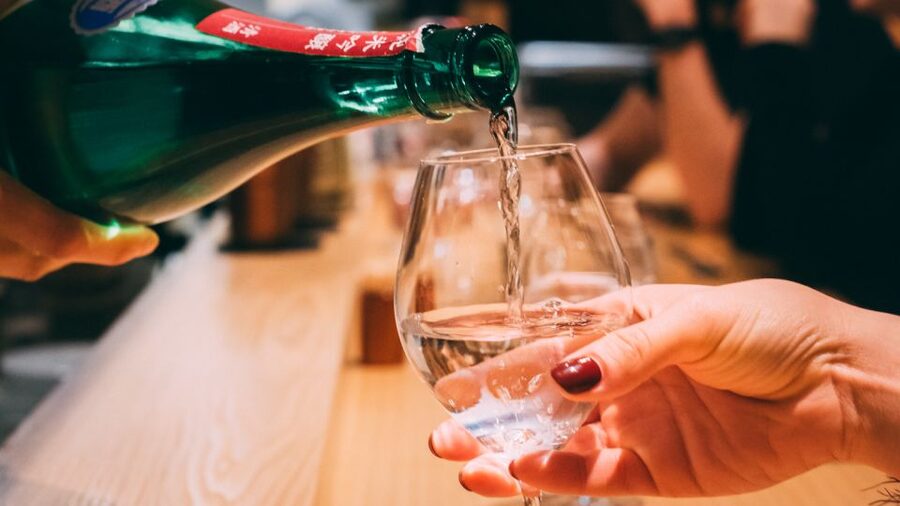
This is one of the most valuable parts because it turns the class into a tool, not a moment.
As you taste, you’ll create a chart that helps you map each sake to your own sensory categories. Even if you don’t know the technical labels yet, the act of tracking aroma, taste, and finish gives you a system. Later, when you look at bottles at a shop, you’ll have something to connect to.
This also makes you more confident. Sake menus in Japan can look like a wall of jargon. A chart you made yourself is a shortcut through that uncertainty. You’ll be able to say things like, I’m looking for something that felt drier, or I liked the style that paired well with salty snacks, or I prefer the one with a cleaner finish.
And confidence matters when you’re spending money in a country where your best judgment is based on the last 10 seconds of tasting.
Tokyo sake lovers and local tips: what to do after the class
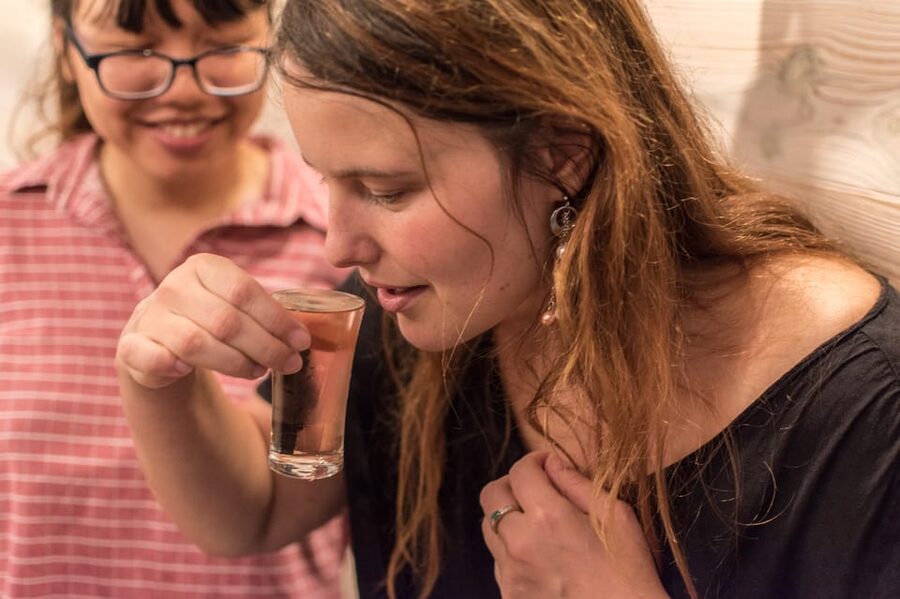
Another strong reason to book is the social side. The experience includes meeting Japanese sake lovers in Tokyo and getting local tips. That’s not just friendly conversation; it’s practical because locals tend to point you toward what matters in daily life: what to try next, how to order, and what styles people actually go for.
Even with a guide explaining the basics, these personal tips can steer you toward better choices. For example, you might learn what a certain style is good for at home, or what to look for when you’re buying for an evening meal.
Think of this as the bridge between “I learned sake basics” and “I can actually enjoy sake in real life once I’m on my own.”
Price and value: why $69 for 150 minutes can be a smart spend
At $69 per person for a 150-minute session, you’re paying for three things at once:
- Guided instruction in English
- Five tastings plus paired snacks
- A small-group environment where you can ask questions
The value here isn’t just the drinks. It’s the structure. If you tried to replicate this on your own, you’d spend time hunting down multiple styles, guessing which ones to compare, and then paying bar prices without a clear tasting method.
Also, small group limits matter. With up to 10 people, you’re less likely to be left watching while the guide focuses on others. That’s what turns “a tasting” into “a lesson.”
One more value point: the guide helps you shift from brand obsession to style understanding. That matters because sake shelves can be overwhelming, and your future selections will go faster and cost less when you know what you like.
Who should book this sake & food pairing session
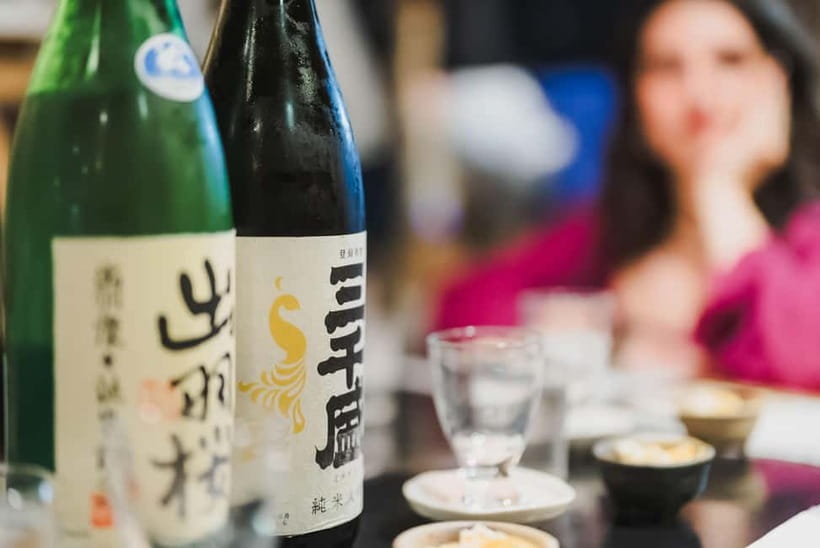
This is a great fit if you:
- Have limited sake experience and want a structured introduction
- Want to try a range of styles instead of betting on one bottle
- Like hands-on learning where you take notes
- Are in Tokyo with a few hours to spare and want something more specific than a food tour
It may not be for you if:
- You’re looking for a full meal experience, since it’s snack-sized
- You’re pregnant, since the activity is listed as not suitable for pregnant women
A few practical tips to get the most out of it
Here are my straightforward “do this, not that” suggestions based on the way the experience is set up:
- Eat beforehand so the snacks plus tastings don’t leave you hungry or impatient.
- Bring questions about what you like and what confused you in the past. A smaller group makes questions easier.
- Use your tasting chart immediately. After you leave, write a one-line memory for each sake while the flavors are still fresh.
- Plan your timing. With 150 minutes, treat it like a real appointment, not a quick stop between errands.
If you’re the type who takes pride in ordering confidently on the trip, this class will set you up for that.
Should you book this sake experience in Shinjuku?
If you want sake that makes sense—style, flavor, and pairing—this is an excellent booking choice. The biggest advantage is the combination of five tastings, guided explanations, and your own tasting chart, all in a small English-speaking group. That turns sake from something you sample into something you can choose.
Book it if you’re curious, a little unsure, or you think you don’t like sake. The format is built for first-time learning, and the pairing with Japanese snacks helps you figure out what works for your palate.
Skip it only if you need a full dinner or you’re sensitive to having alcohol while you’re hungry. Otherwise, for $69 and 150 minutes, it’s one of the more efficient ways to level up your sake knowledge in Tokyo.
FAQ
Where does the tour meet, and how do I find it?
You meet at Ushinobi Sake Bar in Shinjuku. The closest station is Okubo (JB09, South Exit). Enter the venue directly on the 2nd floor, and note that the entrance is described as somewhat hidden.
What is included in the experience?
The tour includes sake tastings and Japanese snacks. It’s not a full meal, just snacks paired with the pours.
How long is the tour, and what group size should I expect?
The duration is 150 minutes, and it’s a small group with a limit of 10 participants.
Is the tour available in English?
Yes. The session is described as having a live tour guide in English.
I have dietary restrictions. Can I still join?
You should let the supplier know in advance about any dietary restrictions.
Is transport included, and is it suitable for pregnant women?
Transport is not included. The experience is listed as not suitable for pregnant women.
More Food in Tokyo
- Tokyo: Shinjuku Food Tour (13 Dishes at 4 Local Eateries)
★ 5.0 · 6,603 reviews - Tokyo Tsukiji Fish Market Food and Culture Walking Tour
★ 5.0 · 3,184 reviews - Tokyo: Shinjuku Food Tour (15 Dishes and 4 Eateries)
★ 4.9 · 2,033 reviews - Best of Shinjuku: Izakaya Food Tour (4 Stops, 14+ Tastings)
★ 5.0 · 1,863 reviews - Tokyo: Tsukiji Fish Market Food and Walking tour
★ 5.0 · 1,724 reviews
More Food & Drink in Tokyo
- Tokyo: Shinjuku Food Tour (13 Dishes at 4 Local Eateries)
★ 5.0 · 6,603 reviews - Tokyo Tsukiji Fish Market Food and Culture Walking Tour
★ 5.0 · 3,184 reviews - Tokyo: Shinjuku Food Tour (15 Dishes and 4 Eateries)
★ 4.9 · 2,033 reviews - Best of Shinjuku: Izakaya Food Tour (4 Stops, 14+ Tastings)
★ 5.0 · 1,863 reviews - Tokyo: Tsukiji Fish Market Food and Walking tour
★ 5.0 · 1,724 reviews
More Tour Reviews in Tokyo
- Mt Fuji and Hakone 1-Day Bus Tour Return by Bullet Train
★ 5.0 · 26,383 reviews - 1-Day Tokyo Bus Tour
★ 5.0 · 14,250 reviews - Tokyo: teamLab Planets TOKYO Digital Art Museum Entry Ticket
★ 4.6 · 9,779 reviews - Mt Fuji & Hakone Cruise, Drum Show Bullet Train 1 Day from Tokyo
★ 4.0 · 7,413 reviews - Tokyo: Shinjuku Food Tour (13 Dishes at 4 Local Eateries)
★ 5.0 · 6,603 reviews
Latest Tokyo reviews off our desk




Sake Tasting, compared.
 ★ 5.0Ramen and Sushi Cooking Class with Sake Pairing Set in TokyoFrom $79291 reviews
 ★ 5.0Sake Tasting Masterclass in Shinjuku (8+ Varieties with a Pro)From $72271 reviews
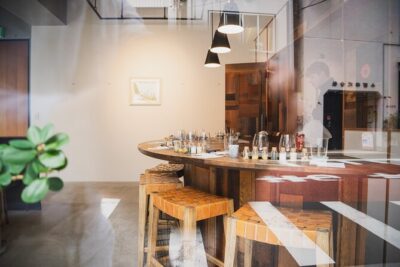 ★ 5.0Sake Omakase in Tokyo: Guided Tasting by Certified SommeliersFrom $79239 reviews
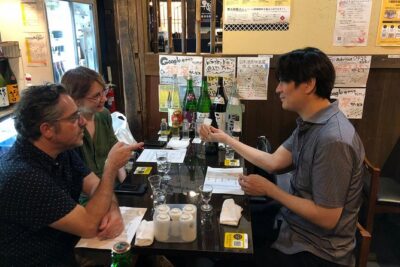 ★ 5.0Tasting All Types of Sake with SommelierFrom $62151 reviews
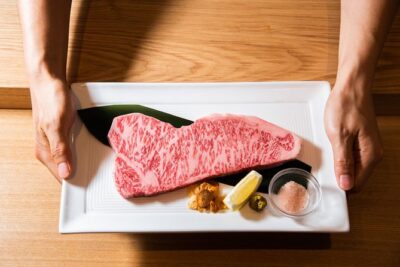 ★ 5.0Wagyu & Sake Pairing in Shinjuku – Steak, Shabu-Shabu & MoreFrom $148112 reviews
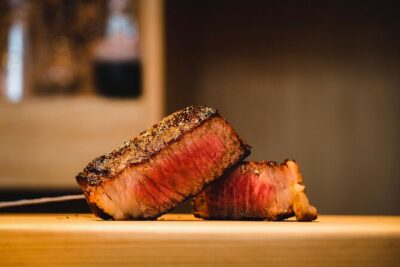 ★ 5.0Tokyo Wagyu & Sake Pairing Tasting Experience with Local FlavorsFrom $151108 reviews
 ★ 5.0Sushi and Ramen Cooking Class with Sake Pairing SetFrom $12981 reviews
 ★ 4.9Tsukiji: Outer Market Walking Tour & Sake Tasting ExperienceFrom $7081 reviews
Browse the lists this tour appears in