
Reviewed · ASAKUSA & SENSOJI TOURS
Samurai Training Tokyo Asakusa
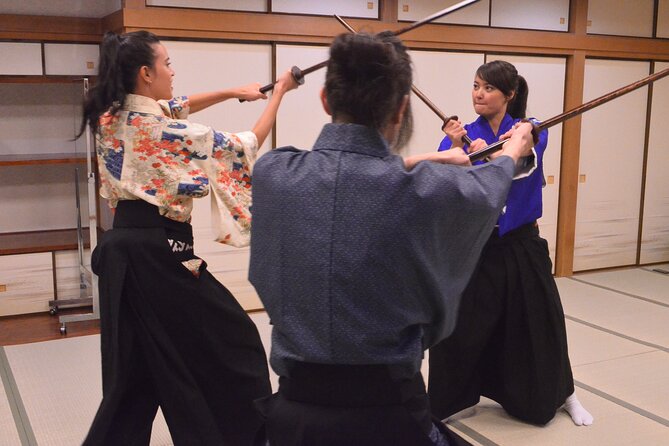
Don the armor, then learn real katana basics. I love the hands-on private attention and the way you leave with an official-style certificate and photo keepsakes. One thing to consider: it’s a short, guided workout, not a hardcore dojo grind.
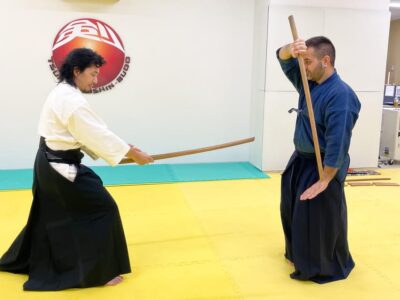
Set in Tokyo’s Asakusa neighborhood, this lesson is supervised by Ukon Takafuji of Kenbu Ukon-ryu. You’ll practice the draw and sheath routines (Battou and Nattou), then stage a controlled sword-fighting sequence with your group.
In This Review
- Key Points You’ll Actually Care About
- First Impressions in Asakusa and the Samurai Setup
- Costumes, Sword Belt, and That First Photo Moment
- Battou, Nattou, and Kata: What You’ll Practice in Real Time
- Staged Sword-Fighting and the Video Recording
- Keepsakes That Turn the Hour Into a Milestone
- Price and Value: Is $85.89 Worth It?
- Who This Is Best For (and What to Expect)
- Getting There and Making the Most of the Hour
- Should You Book Samurai Training Tokyo Asakusa?
- FAQ
- How long is the Samurai Training Tokyo Asakusa experience?
- Is this experience private?
- What age is the minimum for this class?
- What do I do during the lesson?
- What photos and video do I receive?
- Where is the meeting point?
- Do I need hotel pickup and drop-off?
- What should I bring or prepare?
- What is the cancellation timeframe?
Key Points You’ll Actually Care About
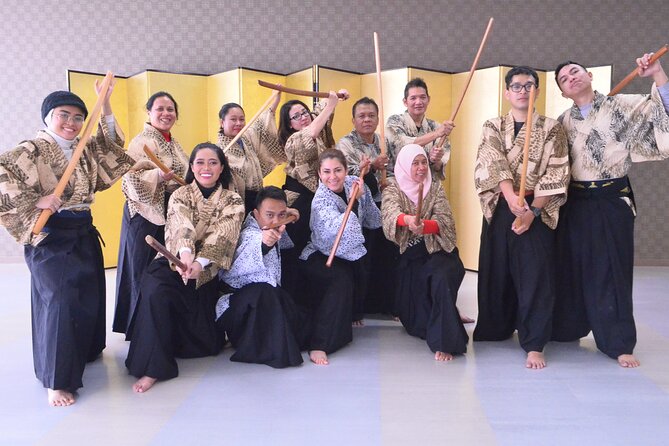
- Private group up to 10 means more feedback and less waiting around
- Costume rental is part of the show, not an add-on you have to hunt for
- You practice core katana movements: Battou, Nattou, and Kata
- Video recording is included, so you get more than still photos
- A certificate + photo data on an SD card makes this feel like a real milestone
- Family-friendly pace with a minimum age of 6, as long as kids have an adult with them
First Impressions in Asakusa and the Samurai Setup
Asakusa is a smart base for this kind of experience. It’s historic, easy to reach, and you’ll feel the Tokyo heritage vibe right before you start. The meeting point is in Taito City at 花川戸サニーマンション2-chōme-2-5 (Hanakawado, Tokyo 111-0033), and the activity ends back at the same place.
The exact training location can vary depending on how many people are in your booking. The good news is they’ll message you at least 2 days ahead so you’re not showing up totally in the dark. You’ll also want to plan to get there on your own since hotel pickup and drop-off aren’t included.
One practical tip: bring yourself with a calm schedule mindset. This is about learning and photos, and the flow matters. Even if you’re just a first-timer, you’ll get a clear sequence so the experience stays smooth.
More temple mornings in old Asakusa
- Tokyo: Japanese Dance Cabaret Theater Asakusa-Kaguwa Ticket
★ 4.8 · 2,270 reviews - Tokyo: Meiji Shrine, Asakusa, Skytree Bus Tour and Cruise
★ 4.7 · 1,986 reviews - Tokyo: Roll and Authentic Sushi Making Class in Asakusa
★ 4.9 · 1,957 reviews - Tokyo: Asakusa Walking Tour with Sensoji Temple Visit
★ 4.8 · 1,583 reviews
Costumes, Sword Belt, and That First Photo Moment
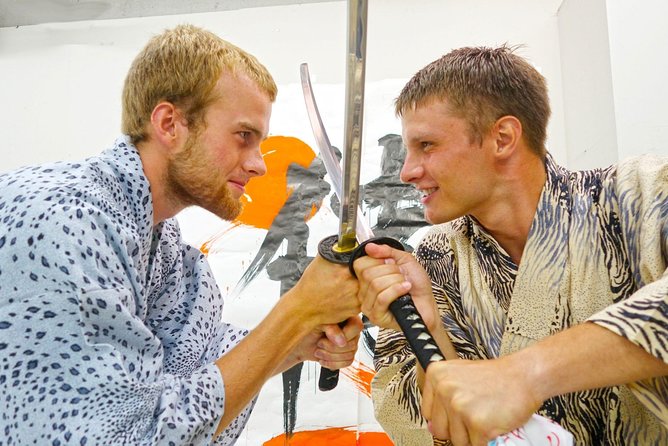
Right when you arrive, the class follows a simple rhythm. You’ll gather, then change into your samurai outfit. For families and groups, this part is half the fun. Everyone looks the part fast, and the instructor guides you through it.
Next comes a very “instant memory” step: you belt the sword and take a picture. That moment matters more than it sounds. It turns the training into a story you can bring home, not just a skill demo. You also start building confidence early, because once you’re in costume, the rest feels playful instead of intimidating.
The lesson includes rental costume, so you don’t need to worry about clothing costs or packing. If you’re traveling light, this helps a lot.
Battou, Nattou, and Kata: What You’ll Practice in Real Time
After greetings, you start the core training: Battou (pull out katana), Nattou (pull back katana), and Kata (form-based practice moves). Even if the names are new to you, the structure is familiar: you’ll learn the motions in a sequence, then repeat them until they look and feel right.
This is where the “private” part pays off. With your group only (max 10 people), the instructor can correct timing and posture. For kids, that reassurance helps. For adults, it keeps your technique from going off the rails when you get excited and move too fast.
What I like about this approach is that it teaches the foundation first. You’re not thrown into chaotic sparring. You build muscle memory for draw and sheath, then you practice set movement patterns. That’s a good match for mixed ages, and it explains why so many families end up loving it.
Staged Sword-Fighting and the Video Recording
Once the basics are in place, you move into sword-fighting practice—think staged, controlled battle-style moves. You’ll practice “moves like samurai battle” as a group segment, guided step-by-step. It’s designed to be safe and understandable, with enough structure that you can focus on learning rather than guessing.
Then comes the part that makes the experience feel like a performance: video recording. Your group gets filmed during the practice, and that footage becomes one of the most shareable souvenirs from the day. A lot of people get photos in Tokyo; fewer get an actual action sequence they can keep.
One consideration for your expectations: this isn’t a long, intense martial arts session. Reviews and the lesson flow point toward a fun learning pace with some exertion. If you want hours of sparring or a serious training camp, this may feel too short. But if you want a meaningful, memorable first contact with samurai sword basics, it’s an excellent fit.
Keepsakes That Turn the Hour Into a Milestone
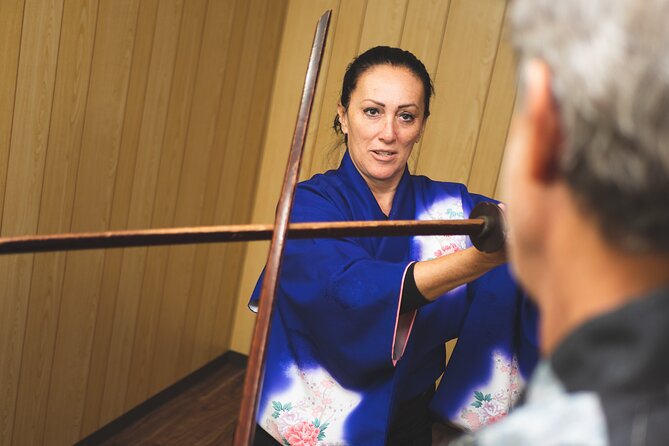
This is one of the biggest value pieces. You don’t just leave with a vague “cool experience” feeling. You get a concrete package.
After changing back out of costume, you receive:
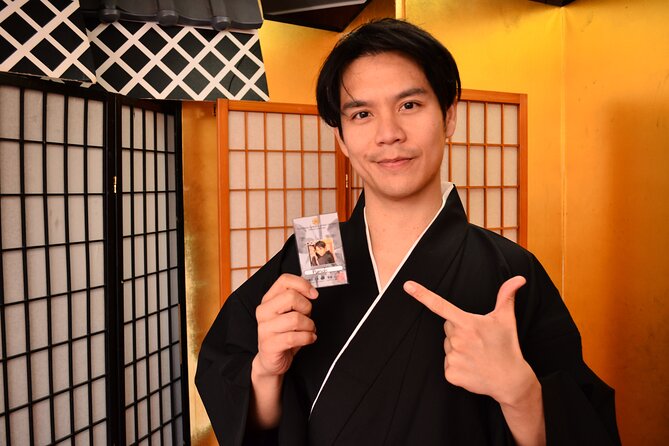
- a certificate of recognition with your photo
- photo data and other footage, provided on an SD card
- a photo of your face included in the keepsake set
They also include picture and video footage in the experience. In practice, that means you’re not stuck asking someone else to take blurry smartphone shots while you’re trying to learn sword movements. The photo setup is built into the class.
If you’re traveling with kids, this is huge. Parents often want to enjoy the moment too, not just capture it. With the certificate and SD card, you can focus on participating while still bringing home something “official” enough to feel special on the living room shelf.
Also note: you’re using a mobile ticket for this experience. That’s a minor detail, but it usually means less back-and-forth on the day-of.
More blade-and-dojo sessions, reviewed
- Tokyo: Samurai Ninja Museum Guided tour and Experience★ 4.6 · 1,010 reviews
- Tokyo: Samurai Sword & Archery Class from Samurai Descendant★ 5.0 · 603 reviews
- Best Samurai Experience in Tokyo★ 5.0 · 458 reviews
- Ninja Experience (Family Friendly) at Samurai Ninja Museum TOKYO★ 5.0 · 441 reviews
- Tokyo: Samurai Entertainment Night Show in Kanda Shrine★ 4.6 · 417 reviews
Price and Value: Is $85.89 Worth It?
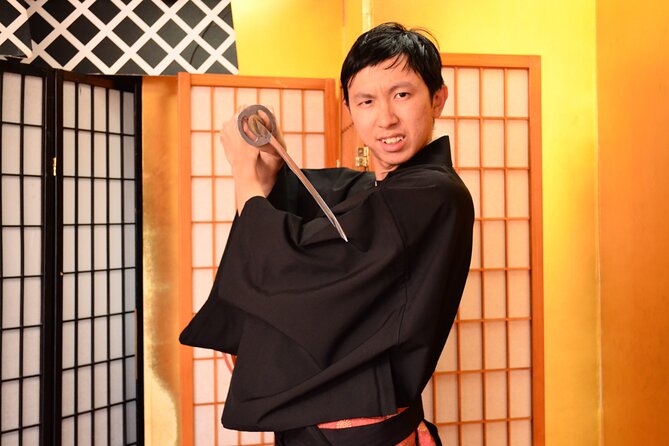
At $85.89 per person for about 1 hour, the price only makes sense if you compare it to what you actually receive. You’re paying for four things bundled together:
- instruction from a local instructor
- rental samurai costume
- guided katana basics training (draw/sheath and forms)
- professional-style photos and video, plus the certificate
If you tried to recreate that yourself, you’d quickly spend time and money on costume rentals, a photo setup, and finding an instructor who can teach families safely in a short window.
A second value factor: private means you’re not fighting for attention with strangers. And max 10 people keeps the session from turning into a group assembly line.
Booking-wise, it’s commonly reserved around 48 days in advance on average. If you’re traveling during a busier season or want a specific time slot, you’ll have better luck reserving earlier rather than waiting.
Who This Is Best For (and What to Expect)
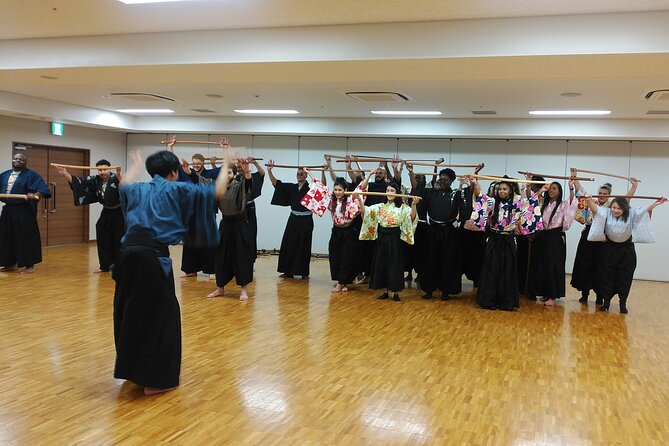
This class is built for a wide range of people, especially families. The experience highlights it as a great option for children, and the details match that:
- minimum age is 6 years
- children must be accompanied by an adult
- moderate physical fitness is recommended
- the session is private for your group
If you’re a family, you get a built-in structure that keeps kids engaged: costume time, a sword photo moment, practice drills, then battle-style moves, then video. The final certificate makes it feel like an accomplishment day, not just an attraction.
If you’re a couple on a Tokyo trip, this is a memorable way to do something active without committing to a full-day program. You’ll still get the “Tokyo photo” component, but it comes from doing the activity, not just standing in front of it.
If you want a super-serious martial arts curriculum, plan for a lighter touch. The hour is short by design. You’ll learn key motions and basic forms, but it’s not positioned as an advanced dojo replacement.
Getting There and Making the Most of the Hour
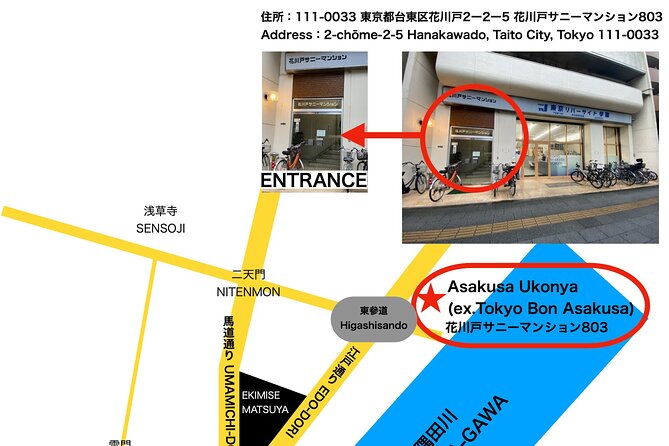
Because hotel pickup isn’t included, your biggest planning job is getting to the meeting point in Asakusa. The location is near public transportation, so you should be able to reach it without a complicated itinerary. Still, give yourself a buffer. Costumes take a few minutes, and you’ll start greetings once everyone is in place.
The class itself moves through a fixed sequence, so you don’t need to worry about choosing between activities. The outline is clear:
- gather
- change costume
- sword belt and photo
- greetings
- Battou, Nattou, Kata
- sword-fighting practice
- video recording
- end greetings
- change clothes and receive certificate + SD card data
If you keep that in mind, you can avoid the common mistake of trying to schedule something right before or after too tightly.
One more small pro tip: if you want the most enjoyable experience, treat it like a photo-and-learning event. Follow instructions, slow down when needed, and let the instructor guide your pace. You’ll get better results, and everyone stays comfortable.
Should You Book Samurai Training Tokyo Asakusa?
Book it if you want a short, private, family-friendly samurai sword experience in Asakusa that comes with real keepsakes—costume, certificate, and SD card photo/video. At this price, the bundle makes sense, especially if you’re traveling with kids or you value professional documentation more than just a quick sightseeing stop.
Skip it (or look for a longer martial arts program) if you’re chasing a heavy training workout or advanced technique coaching. This is more like a memorable introduction with guided practice and staged action, not an all-day dojo session.
If you want one hour in Tokyo that feels like a story you can take home, this is a strong pick.
FAQ
How long is the Samurai Training Tokyo Asakusa experience?
It’s about 1 hour (approx.), from meeting through the costume change and the final certificate/photo delivery.
Is this experience private?
Yes. It’s a private tour/activity, and only your group participates. The maximum is 10 people per booking.
What age is the minimum for this class?
The minimum age is 6 years. Children must be accompanied by an adult.
What do I do during the lesson?
You’ll change into a samurai costume, do a sword belt photo, learn greetings, practice Battou (pull out katana), Nattou (pull back katana), and Kata, then do sword-fighting practice and video recording.
What photos and video do I receive?
You’ll get picture and video footage included, and after the session you receive a certificate with photo data. The photo data is provided on an SD card, and you also receive a photo of your face.
Where is the meeting point?
The meeting point is 花川戸サニーマンション2-chōme-2-5 Hanakawado, Taito City, Tokyo 111-0033, Japan, and the activity ends back at the meeting point.
Do I need hotel pickup and drop-off?
No. Hotel pickup and drop-off are not included.
What should I bring or prepare?
You should be prepared for a light physical activity and have a moderate physical fitness level. You’ll use the mobile ticket, and you’ll receive confirmation within 48 hours subject to availability.
What is the cancellation timeframe?
You can cancel up to 6 days in advance for a full refund. Between 2 and 6 days before, you may receive a 50% refund, and less than 2 days before is not refundable.
More Tour Reviews in Tokyo
- Mt Fuji and Hakone 1-Day Bus Tour Return by Bullet Train
★ 5.0 · 26,383 reviews - 1-Day Tokyo Bus Tour
★ 5.0 · 14,250 reviews - Tokyo: teamLab Planets TOKYO Digital Art Museum Entry Ticket
★ 4.6 · 9,779 reviews - Mt Fuji & Hakone Cruise, Drum Show Bullet Train 1 Day from Tokyo
★ 4.0 · 7,413 reviews - Tokyo: Shinjuku Food Tour (13 Dishes at 4 Local Eateries)
★ 5.0 · 6,603 reviews
More Samurai and Ninja Sessions
- Tokyo: Samurai Ninja Museum Guided tour and Experience
★ 4.6 · 1,010 reviews - Tokyo: Samurai Sword & Archery Class from Samurai Descendant
★ 5.0 · 603 reviews - Best Samurai Experience in Tokyo
★ 5.0 · 458 reviews - Ninja Experience (Family Friendly) at Samurai Ninja Museum TOKYO
★ 5.0 · 441 reviews - Tokyo: Samurai Entertainment Night Show in Kanda Shrine
★ 4.6 · 417 reviews
More Mornings in Old Asakusa
- Tokyo: Japanese Dance Cabaret Theater Asakusa-Kaguwa Ticket
★ 4.8 · 2,270 reviews - Tokyo: Meiji Shrine, Asakusa, Skytree Bus Tour and Cruise
★ 4.7 · 1,986 reviews - Tokyo: Roll and Authentic Sushi Making Class in Asakusa
★ 4.9 · 1,957 reviews - Tokyo: Asakusa Walking Tour with Sensoji Temple Visit
★ 4.8 · 1,583 reviews - Tokyo Asakusa Rickshaw Tour
★ 5.0 · 1,375 reviews
Latest Tokyo reviews off our desk


Asakusa & Sensoji Tours, compared.
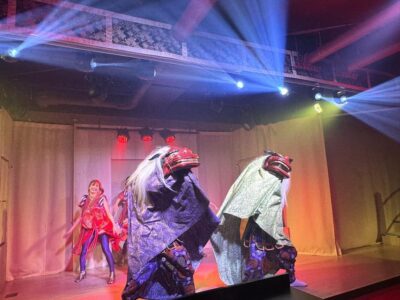 ★ 4.8Japanese Dance Cabaret Theater Asakusa-Kaguwa TicketFrom $492,270 reviews
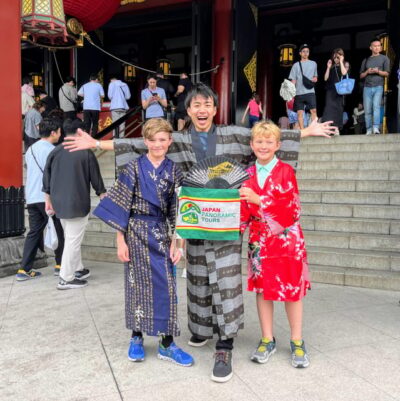 ★ 4.7Meiji Shrine, Asakusa, Skytree Bus Tour and CruiseFrom $1221,986 reviews
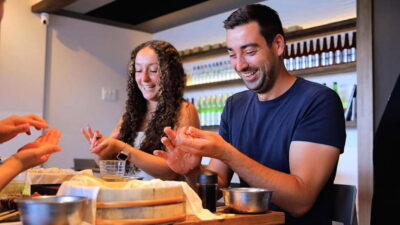 ★ 4.9Roll and Authentic Sushi Making Class in AsakusaFrom $581,957 reviews
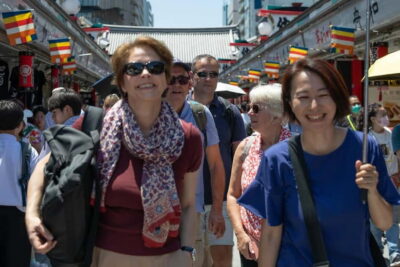 ★ 4.8Asakusa Walking Tour with Sensoji Temple VisitFrom $221,583 reviews
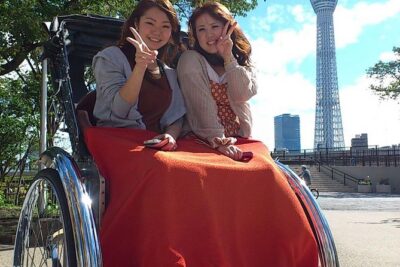 ★ 5.0Tokyo Asakusa Rickshaw TourFrom $421,375 reviews
 ★ 4.5Tokyo Panoramic 1 Day: Meiji Shrine, Asakusa, Odaiba and SKYTREE®From $851,222 reviews
 ★ 5.0Tokyo Go Kart: Asakusa, Skytree, and Akihabara **IDP MUST**From $99988 reviews
 ★ 4.7Asakusa, Skytree & Akhihabara Go-Kart City ExperienceFrom $96761 reviews
Browse the lists this tour appears in