
Reviewed · WALKING TOURS
Sumida Riverside Walk:Garden&Temple Ritual(4 Meeting Points)
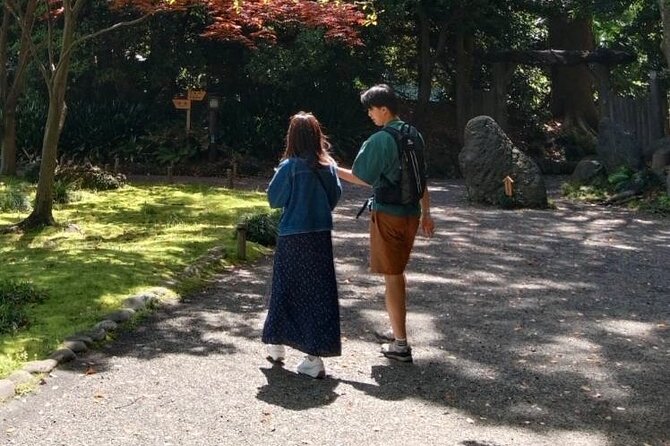
A quiet river path in Tokyo changes your whole mood fast. This Sumida Riverside Walk pairs Kiyosumi Garden’s seasonal calm with an active temple moment at Fukagawa Fudōdō, plus a guide who’s literally from Tokyo. I loved how the pacing feels gentle, and I really appreciated the way Hiro (Hiro travel) makes temple life easy to understand. One thing to consider: it’s only 3 hours, so you won’t get the long, unhurried time you might want for deeper wandering.
What makes this experience worth your money is the mix of nature, local neighborhood rhythm, and spirituality—without turning into a rushed checklist. You’ll use the subway to get to the garden, then walk the Sumida at a comfortable pace, and finish with a traditional goma fire ritual at Naritasan Fukagawa Fudōdō. The small group size (limited to 4) means your questions don’t get swallowed, but you do need to show up on time because late arrivals can mean you miss the start.
In This Review
- Key points at a glance
- Why this Sumida Riverside walk feels different from typical Tokyo tours
- Meeting points around Tokyo: pick what saves you time
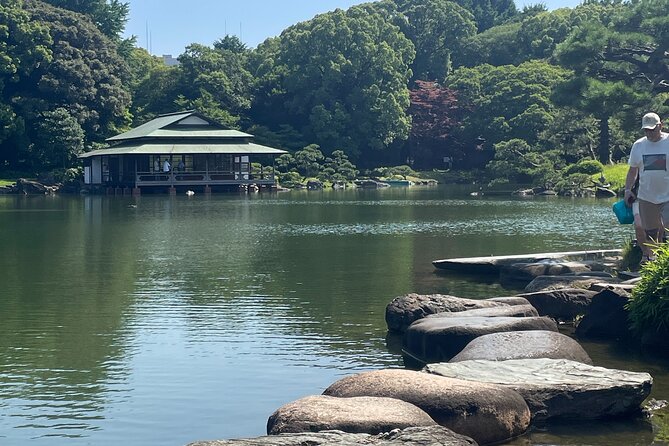
- Kiyosumi Garden: a guided 40 minutes of seasonal calm
- The Sumida River riverside walk: the calm stretch you’ll remember
- Naritasan Fukagawa Fudōdō: temple life you can feel
- The small group of 4: why Hiro’s guidance works
- Price and value: what $48 covers, and why it can be fair
- Who this tour suits best (and who should look elsewhere)
- Before you go: timing, transit comfort, and basic readiness
- Should you book this Sumida Riverside walk?
- FAQ
- How long is the Sumida Riverside Walk tour?
- What’s included in the price?
- What are the meeting point options?
- Is the tour guided in English?
- Is it a small group?
- What stops are included in the itinerary?
- Is the tour suitable for babies?
- What’s the policy if I’m late to the meeting?
- Is free cancellation available?
Key points at a glance
- Kiyosumi Garden in a short, satisfying guided visit with design details many people miss
- Sumida River walking time that’s calm enough to actually notice boats and city rhythm
- Fukagawa Fudōdō temple visit with context for what you’re seeing
- Traditional goma fire ritual experience as a living practice, not a staged show
- Small group of up to 4 people for better conversation with your English guide
- Multiple departure meeting points so you can start from a convenient area
Why this Sumida Riverside walk feels different from typical Tokyo tours
Tokyo gets loud, fast. This tour takes you away from the big-center bustle and gives you room to breathe, first with Kiyosumi Garden and then with the river air along the Sumida.
The key is how the day is structured: you don’t just “go to places,” you move through them in a way that mirrors daily life. A garden first sets the tone, the riverside walk slows your senses, and the temple stop brings you into local faith while it’s still happening.
This is also a good choice if you want Tokyo’s tradition without sacrificing comfort. The route stays focused on walking and public transit, and you’re guided all the way so you’re not stuck translating signs or guessing what matters.
Readers also shortlisted these Tokyo bookings:
- Tokyo Tsukiji Fish Market Food and Culture Walking Tour
★ 5.0 · 3,184 reviews - Tokyo: Imperial Palace and Shogun Historical Walking Tour
★ 5.0 · 2,251 reviews - Tokyo: Shinjuku Local Bar and Izakaya Guided Walking Tour
★ 4.9 · 1,794 reviews - Tokyo: Tsukiji Fish Market Food and Walking tour
★ 5.0 · 1,724 reviews
Meeting points around Tokyo: pick what saves you time
One practical win here is that you choose from several meeting points, depending on what’s easiest for your day. Your options include Shibuya Tsutaya, UNIQLO Shinjuku West, Asakusa Culture Tourist Information Center, and Nissan Crossing.
That matters because Tokyo subway time can quietly eat your schedule. Starting closer to where you’re already staying helps you arrive calm instead of stressed.
Once everyone meets, you travel together by train to the first destination. This is handy if you’re not fully fluent with Tokyo transit yet, because the guide takes the guesswork out of the early leg.
Kiyosumi Garden: a guided 40 minutes of seasonal calm
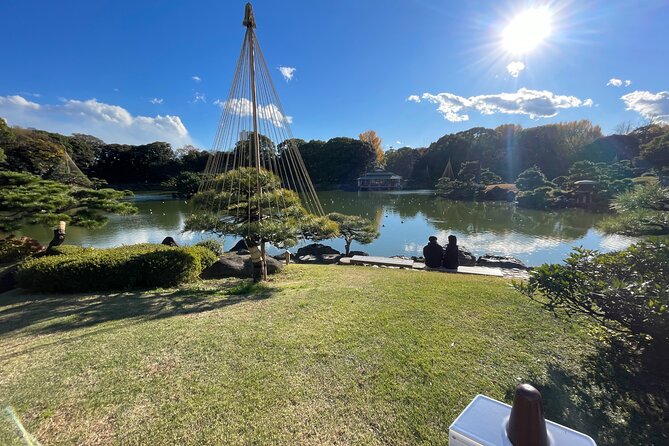
Kiyosumi Garden is one of those places that works even if you only have a short window. In about 40 minutes, the guide helps you notice what’s easy to overlook—like how the garden’s layout guides your eye and how seasonal plants shape the feel of the space.
You’re not just looking at pretty greenery. You’re learning how Japanese gardens are designed to feel intentional as you move—small changes in view, the way water and plant placement interact, and the sense of quiet order that makes even a busy city feel far away.
This stop is especially valuable because it’s timed early enough to reset you before the walking portion. When you leave the garden, you’re ready for the Sumida’s slower pace, not still buzzing from central Tokyo crowds.
A small consideration: 40 minutes goes quickly. If you’re a serious garden wanderer, you may want extra time on your own after the tour ends.
The Sumida River riverside walk: the calm stretch you’ll remember
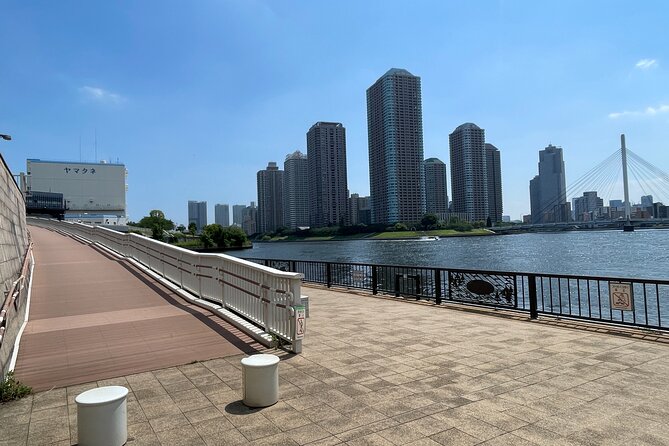
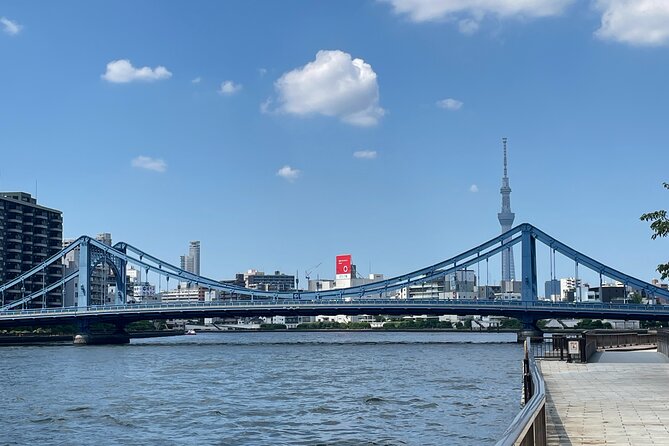
After the garden, the tour shifts into a guided riverside walk along the Sumida River. Expect about 40 minutes here, with views across the water, passing boats, and quieter cityscapes that feel more local than famous-postcard.
What I like about this stretch is that it gives you a different Tokyo texture. Instead of sprinting from one landmark to the next, you get a linear experience—watching movement on the river while the city stays in the background.
This is also where the tour’s rhythm becomes obvious. You’re not trapped in a rigid “look at that” script. The guide’s pace leaves room for you to pause, take photos if you want, and simply notice the sound level and spacing of everyday life along the water.
Shoes matter here. You’re walking outdoors and on paths, so comfortable footwear is the difference between enjoying the moment and rushing through it.
Naritasan Fukagawa Fudōdō: temple life you can feel
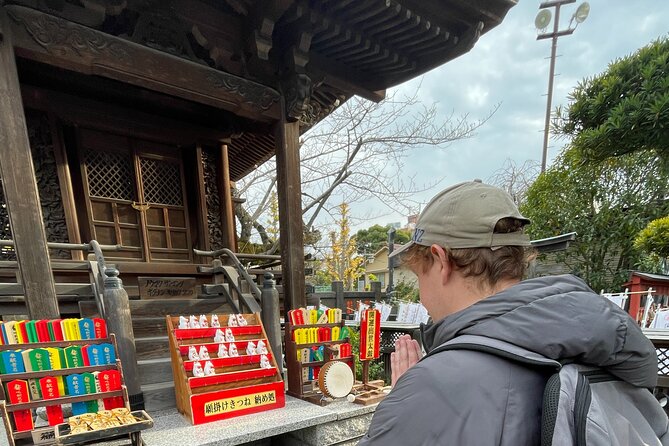
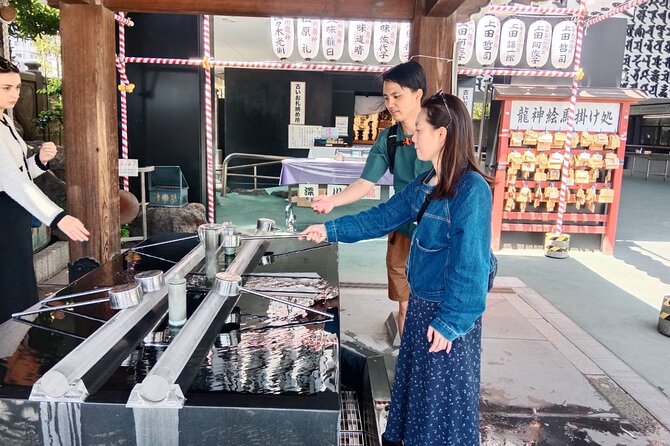
The final major stop is Naritasan Fukagawa Fudōdō, with about 45 minutes on-site. This temple is known for centuries of presence in the area, and the important part is that it’s an active spiritual center—not just a photo stop.
Your guide explains the beliefs and practices in a way that’s accessible, whether you’re religious, spiritual, or just curious. That context changes what you see. You’ll understand why people come, what certain moments mean, and how rituals fit into the temple’s daily rhythm.
Then comes the highlight: a traditional goma fire ritual. Goma rituals are known for their spiritual role, and experiencing it in an actual temple setting gives the moment weight. It’s not something you can fully replicate by reading about it later, because you’re seeing how participants and the space interact in real time.
A practical consideration: temple experiences often involve your attention shifting quickly. You may want to keep your phone usage to a minimum during key ritual moments so you don’t feel like you’re half-watching everything.
- Tokyo: Shinjuku Food Tour (13 Dishes at 4 Local Eateries)★ 5.0 · 6,603 reviews
- Tokyo Mt Fuji 5th St & Hakone Cruise Bus Tour w/Bullet Train★ 4.4 · 5,024 reviews
- Flagship 2-Hours Official Street Go-Kart Tour – Tokyo Bay Shop★ 5.0 · 4,974 reviews
- From Tokyo: Mount Fuji Full-Day Sightseeing Trip★ 4.5 · 4,970 reviews
- Tokyo: Hop-On Hop-Off Sightseeing Bus Ticket★ 3.9 · 4,207 reviews
The small group of 4: why Hiro’s guidance works
This isn’t a big-bus tour. It’s limited to 4 participants, and that changes the experience more than you’d think.
First, the guide can adjust the pace to your group. If you’re curious about garden details or want extra explanation at the temple, you’re more likely to get real conversation rather than a one-size-fits-all lecture.
Second, it’s easier to ask practical questions. For example: where to look, what you’re seeing in simple terms, and how to understand the ritual without needing prior knowledge. The guide is English-speaking and born and raised in Tokyo, so you get both language skill and local perspective—not just general sightseeing commentary.
You’ll also enjoy a calmer feel throughout. Less crowding on paths, fewer people blocking your view, and more space to actually look around.
Price and value: what $48 covers, and why it can be fair
At $48 per person, you’re paying for more than a guide. The tour includes admission for Kiyosumi Garden and Fukagawa Fudōdō, plus train ticket support to the first destination and a guided walking format for the whole 3 hours.
That’s the value part: you’re not separately buying entry tickets and then figuring out how to combine garden + river + temple with a guide who understands the flow. The small group size also makes the service feel more personal than standard guided tours.
Is it expensive for a casual Tokyo morning? It can be. But if you care about having context for what you’re seeing—and you’re the type who would otherwise pay for entry fees and then still be a bit lost at the temple—this price can feel reasonable.
Who this tour suits best (and who should look elsewhere)
This tour fits best if you want a quieter side of Tokyo and you enjoy guided interpretation.
It’s a strong match for:
- First-time visitors who’ve seen the big sights and now want a calmer Tokyo experience
- Travelers who like gardens but want them explained in plain language
- People curious about Japanese temple rituals and how daily faith works
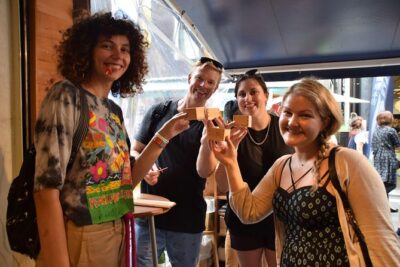
- Anyone who prefers small groups and a conversation-friendly pace
It may not be ideal if:
- You want a long, self-guided temple visit with lots of unstructured time
- You’re looking for a full-day itinerary with multiple neighborhoods packed in
- You need a baby-toddler-friendly option for infants under 1 year (this one isn’t suitable for babies under 1)
Before you go: timing, transit comfort, and basic readiness
Because the tour meets at different starting locations, you’ll want to plan your arrival to be early. If you’re more than 10 minutes late, the tour may depart without you.
I also suggest dressing for walking and outdoor air. Tokyo in the morning can feel different from midday, and riverside paths can be breezy. Bring a light layer if you run cold easily.
Finally, treat this as a guided experience. If you’re the type who likes to take over with your own plan, the structure (garden, riverside, temple, ritual) is the point. Working with the flow makes the whole morning land better.
Should you book this Sumida Riverside walk?
I’d book it if you want a genuine Tokyo morning that isn’t just photos and transit hubs. You get a garden visit with guided attention, a calming riverside walk along the Sumida, and a temple stop at Naritasan Fukagawa Fudōdō with a traditional goma fire ritual—plus English guidance from Hiro and a small group size that keeps things relaxed.
Skip it only if you need more time at each site or you dislike walking outdoors. For most people, the 3-hour length is actually a strength: it’s enough to feel the theme without draining your whole day.
If you’re building a Tokyo trip and you want one experience that connects nature, local life, and living spirituality, this is a smart pick.
FAQ
How long is the Sumida Riverside Walk tour?
The tour lasts 3 hours.
What’s included in the price?
The tour includes pickup at your chosen meeting point (you travel together by train with the guide to the first destination), admission fees for Kiyosumi Garden and Fukagawa Fudōson Temple, a guided walking tour, and a train ticket to the first destination.
What are the meeting point options?
Meeting points can vary by booking option. Options listed include SHIBUYA TSUTAYA, UNIQLO Shinjuku West, Asakusa Culture Tourist Information Center, and Nissan Crossing.
Is the tour guided in English?
Yes, the live tour guide speaks English.
Is it a small group?
Yes. It’s limited to 4 participants.
What stops are included in the itinerary?
You’ll visit Kiyosumi Gardens, walk along the Sumida River, and go to Naritasan Fukagawa Fudōdō for a guided temple visit and the traditional goma fire ritual.
Is the tour suitable for babies?
It is not suitable for babies under 1 year.
What’s the policy if I’m late to the meeting?
You should arrive before the meeting time. If you are more than 10 minutes late, the tour may depart without you.
Is free cancellation available?
Yes. You can cancel up to 24 hours in advance for a full refund.
More Walking Tours in Tokyo
- Tokyo Tsukiji Fish Market Food and Culture Walking Tour
★ 5.0 · 3,184 reviews - Tokyo: Imperial Palace and Shogun Historical Walking Tour
★ 5.0 · 2,251 reviews - Tokyo: Shinjuku Local Bar and Izakaya Guided Walking Tour
★ 4.9 · 1,794 reviews - Tokyo: Tsukiji Fish Market Food and Walking tour
★ 5.0 · 1,724 reviews - Tokyo: Asakusa Walking Tour with Sensoji Temple Visit
★ 4.8 · 1,583 reviews
More Tour Reviews in Tokyo
- Mt Fuji and Hakone 1-Day Bus Tour Return by Bullet Train
★ 5.0 · 26,383 reviews - 1-Day Tokyo Bus Tour
★ 5.0 · 14,250 reviews - Tokyo: teamLab Planets TOKYO Digital Art Museum Entry Ticket
★ 4.6 · 9,779 reviews - Mt Fuji & Hakone Cruise, Drum Show Bullet Train 1 Day from Tokyo
★ 4.0 · 7,413 reviews - Tokyo: Shinjuku Food Tour (13 Dishes at 4 Local Eateries)
★ 5.0 · 6,603 reviews
Latest Tokyo reviews off our desk






Walking Tours, compared.
 ★ 5.0Tokyo Tsukiji Fish Market Food and Culture Walking TourFrom $993,184 reviews
 ★ 5.0Imperial Palace and Shogun Historical Walking TourFrom $222,251 reviews
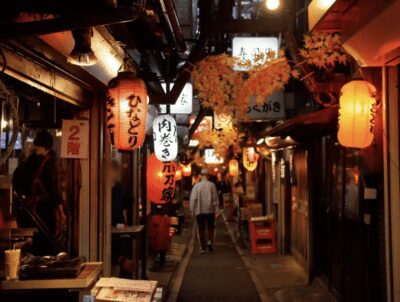 ★ 4.9Shinjuku Local Bar and Izakaya Guided Walking TourFrom $341,794 reviews
 ★ 5.0Tsukiji Fish Market Food and Walking tourFrom $301,724 reviews
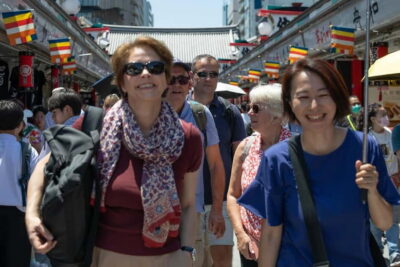 ★ 4.8Asakusa Walking Tour with Sensoji Temple VisitFrom $221,583 reviews
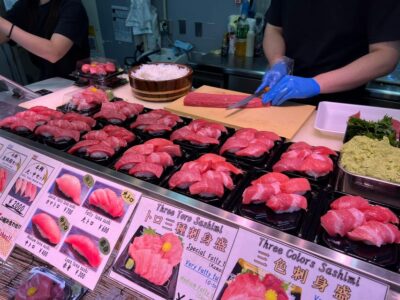 ★ 4.9Tsukiji Fish Market Guided Walking TourFrom $221,397 reviews
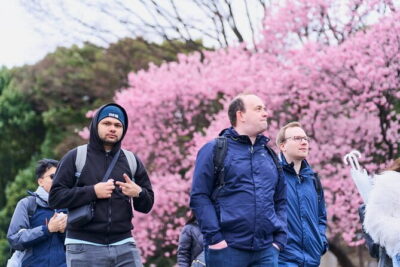 ★ 4.7Tokyo Castle & Imperial PalaceーShogun Walking TourFrom $231,068 reviews
 ★ 4.9Imperial Palace Japanese History Walking TourFrom $32987 reviews
Browse the lists this tour appears in