
Reviewed · ASAKUSA & SENSOJI TOURS
This is Asakusa! A Tour Includes the All Must-Sees!
Asakusa can feel like organized chaos. This private 6.5-hour tour turns the noise into an organized day, with your guide taking you through the big hitters like Senso-ji while you stay focused on what to see and how to move through crowds. You also get time for classic neighborhood flavor, plus practical stops that make the whole area easier to understand.
I really like two things here. First, you start at the Asakusa Culture Tourist Information Center, where the free top-floor observation terrace gives you a quick sense of layout before you head into the busiest streets. Second, the route mixes temple sights with shopping streets like Kappabashi, so you can browse knives, tableware, and kitchen tools without guessing what’s worth a closer look.
One heads-up: the tour price is only part of the total day cost. You should plan on extra spending for expected add-ons (including transportation and admissions, plus lunch at a specific soba spot), and the tour finishes at Oshiage Station, which is different from the start.
In This Review
- Key Highlights You’ll Actually Feel During the Day
- A Private Asakusa Day That Actually Controls the Crowds
- The 6.5-Hour Route: From Old-School Asakusa to Skytree
- Stop-by-Stop: What You Get at Each Place
- Asakusa Culture Tourist Information Center and the Free Terrace View
- Senso-ji Temple: More Than the Big Lantern
- Asakusa Shrine: Sanja Matsuri Connections
- Asakusa Nishi-sandō Shopping Street: Tradition in Motion
- Hoppy Street: Snacks, Drinks, and a Casual Pace
- Kappabashi Street (Kappabashi Dogugai): Knife and Tableware Shopping Time
- Gonpachi Soba Lunch: River Views Included in the Experience
- Tokyo Skytree and Tokyo Solamachi: Views Plus a Postcard Neighborhood Feel
- What It Costs in Real Life (and How to Judge Value)
- Meeting Point and End Point: One Detail That Can Save Stress
- When You Should Choose This Tour (and Who It Suits)
- Book It or Skip It? My Practical Take
- FAQ
- How long is the Asakusa tour?
- Is this a private tour?
- What does the tour price include, and what extra costs should I expect?
- Where do I meet, and where does the tour end?
- Is admission to Tokyo Skytree included?
- What happens if the weather is bad?
Key Highlights You’ll Actually Feel During the Day
- Private, party-only pace that helps you keep moving without constant stopping and backtracking
- Free observation terrace at the Asakusa Culture Tourist Information Center for quick orientation
- Temple-and-shrine context so Senso-ji and Asakusa Shrine land with meaning, not just photos
- Hoppy Street + budget-friendly drinks area for an easy, local-food-and-snack mood
- Kappabashi kitchenware browsing time that’s timed well for shopping decisions
- Tokyo Skytree area pairing with Solamachi nearby, so you get big views without scrambling
A Private Asakusa Day That Actually Controls the Crowds
Asakusa is one of Tokyo’s most famous old-school areas, and that means crowds. The real value of this tour isn’t just that you visit the right places—it’s that you do it with a guide who helps you keep your energy for the sights instead of spending it on navigation.
This is also set up as a private experience, exclusively for your party. That matters because you’re not forced into a fixed group rhythm. If someone needs extra time at Senso-ji for photos, or you want to slow down in a shopping street, your guide can help shape the flow.
Guides on this route can make a big difference in the day’s tone. People have praised guides like Haruo, Macky, Walt, and Sayaka for being friendly, organized, and fluent in English, which helps a lot when you’re asking simple questions like what to look for or how locals think about the places you’re seeing.
More temple mornings in old Asakusa
- Tokyo: Japanese Dance Cabaret Theater Asakusa-Kaguwa Ticket
★ 4.8 · 2,270 reviews - Tokyo: Meiji Shrine, Asakusa, Skytree Bus Tour and Cruise
★ 4.7 · 1,986 reviews - Tokyo: Roll and Authentic Sushi Making Class in Asakusa
★ 4.9 · 1,957 reviews - Tokyo: Asakusa Walking Tour with Sensoji Temple Visit
★ 4.8 · 1,583 reviews
The 6.5-Hour Route: From Old-School Asakusa to Skytree
The tour runs about 6 hours 30 minutes, with stops timed so you’re not sprinting nonstop but also not standing around. Expect a classic “downtown loop” feel: start in Asakusa, work your way through temples and traditional streets, then finish in the Skytree/Oshiage side.
This pacing is helpful if it’s your first time in Tokyo or your first time in Asakusa. You get the iconic sights plus the practical streets where you’ll want to shop, snack, or grab a meal without turning the day into a separate planning project.
Also, the tour ends at Oshiage Station rather than back at the starting point. That’s not a problem if you plan your next step (subway transfer or dinner plans) with that in mind.
Stop-by-Stop: What You Get at Each Place
Asakusa Culture Tourist Information Center and the Free Terrace View
You begin at the Asakusa Culture Tourist Information Center, and this is a smart first move. It’s not only a desk for directions. The big bonus is the free observation terrace on the top floor, which looks out over Asakusa.
That terrace time helps you build a mental map fast. You’ll start noticing where streets lead, how the river and major areas connect, and where the temple area sits in relation to everything else. It’s a small stop, but it changes how the rest of the day feels.
Senso-ji Temple: More Than the Big Lantern
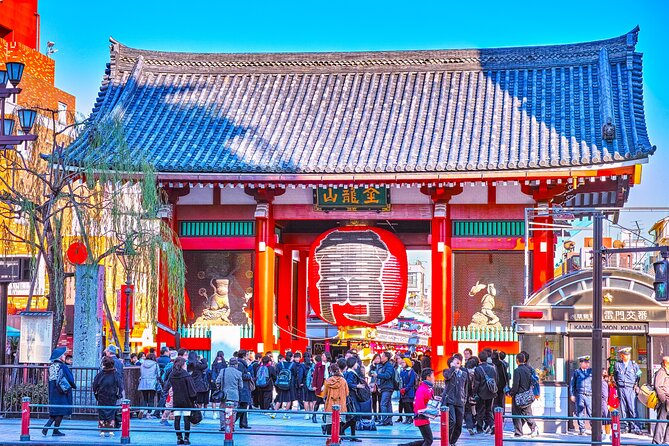
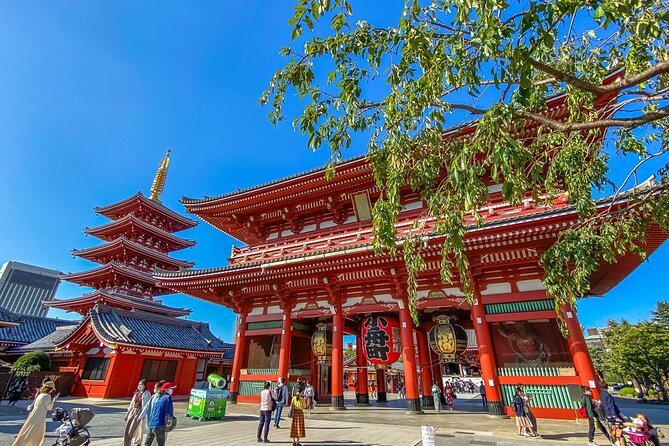
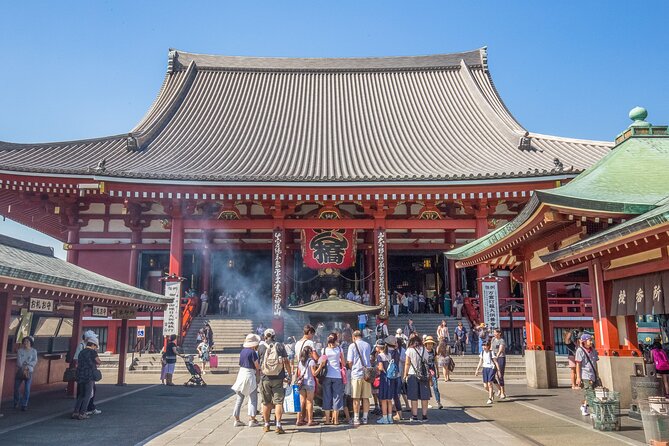
Senso-ji is Tokyo’s oldest temple, and yes, the oversized red lanterns are the instant photo magnet. But the value here is what you notice beyond the postcard look—red buildings, the overall approach to the temple grounds, and the way the site draws people in from every direction.
With a guide, you can also focus your attention. Instead of wandering into the flow without context, you know what you’re looking at and what makes the place special, which makes your photos and memories better.
Admission here is free, so you can spend your money on better stuff later, like lunch or shopping in the kitchenware district.
- Tokyo: Shinjuku Food Tour (13 Dishes at 4 Local Eateries)★ 5.0 · 6,603 reviews
- Tokyo Mt Fuji 5th St & Hakone Cruise Bus Tour w/Bullet Train★ 4.4 · 5,024 reviews
- Flagship 2-Hours Official Street Go-Kart Tour – Tokyo Bay Shop★ 5.0 · 4,974 reviews
- From Tokyo: Mount Fuji Full-Day Sightseeing Trip★ 4.5 · 4,970 reviews
- Tokyo: Hop-On Hop-Off Sightseeing Bus Ticket★ 3.9 · 4,207 reviews
Asakusa Shrine: Sanja Matsuri Connections
Next comes Asakusa Shrine, famous for its link to Sanja Matsuri, one of Tokyo’s major festivals. Even if you’re not visiting during festival season, you’ll get a better feel for why people care about the shrine and how it fits into local religious life.
There’s also a useful point your guide can cover: shrines and temples are different religious institutions. That distinction can turn a “looks similar on a street” moment into something clearer and more respectful.
Admission is free, and the stop is short enough that you stay energized for the shopping streets that follow.
Asakusa Nishi-sandō Shopping Street: Tradition in Motion
Asakusa Nishi-sandō is the kind of place where tourism and tradition overlap, which is exactly why it’s worth having guided time. The street has festival-themed decorations and shopfronts that help you see how the neighborhood markets itself while still feeling grounded.
This is a good stretch for slow walking and watching what locals buy and eat. It’s also a place where having a guide matters because you can ask what to try and what’s worth skipping, instead of buying the first thing that looks familiar.
Admission for the area is free; you’re paying with time, not tickets.
Hoppy Street: Snacks, Drinks, and a Casual Pace
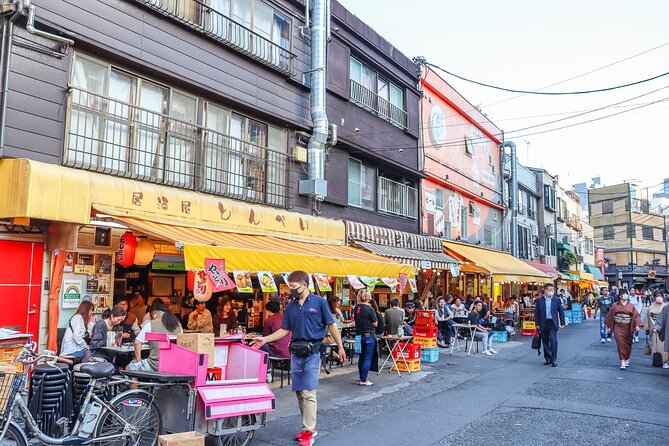
Hoppy Street is known for restaurants with outdoor tables and reasonably priced drinks. The whole vibe here is easy: you’re surrounded by people out for an evening atmosphere, and it’s a practical place to grab a drink or a quick bite.
The stop is brief, so think of it as a mood reset. You’ll go from spiritual sights to “okay, now we eat and relax,” which keeps the day from feeling like one long museum.
Kappabashi Street (Kappabashi Dogugai): Knife and Tableware Shopping Time
Kappabashi Street is a specialty shopping district for kitchen tools, knives, and tableware. This is where you go if you want gifts that actually feel useful: a quality kitchen knife, Japanese-style utensils, or matching serving pieces.
The shopping time here is long enough to browse without panic (about 30 minutes). That’s important because good tools can take time to compare. With a guide, you can also avoid common mistakes like buying something too cheap to be meaningful or missing a shop that specializes in the item you want.
Even if you don’t plan to buy knives, it’s still fun to see the variety and craftsmanship. Expect the street to be designed for visitors, but the products are the real draw.
Gonpachi Soba Lunch: River Views Included in the Experience
You’ll then head to Gonpachi, a handmade soba restaurant near Azumabashi Bridge. Here’s the standout detail: the Sumida River and Tokyo Skytree are visible from inside the restaurant through large windows.
The meal itself is not included in the tour price. But the experience is positioned well because it connects your day’s theme: traditional Asakusa, then the modern Skytree rising in the same line of sight. It’s the kind of practical meal stop that turns into part of the sightseeing.
Tokyo Skytree and Tokyo Solamachi: Views Plus a Postcard Neighborhood Feel
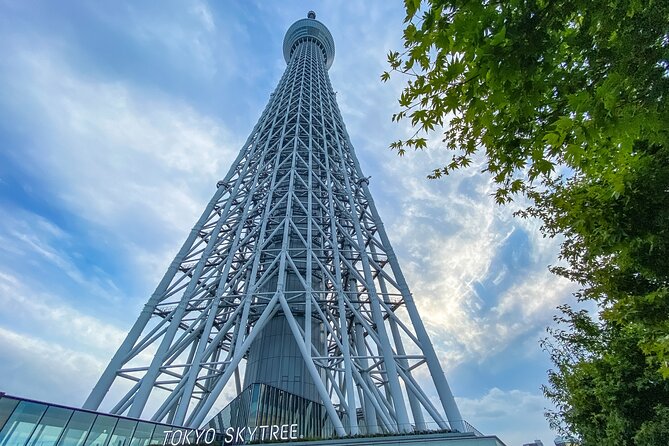
Skytree is the tallest building in Japan at 634 meters, opened in 2012. This tour includes time to reach it and spend about 1 hour 10 minutes in the area, but the admission for Skytree itself is not included.
After Skytree, you go to Tokyo Solamachi, the commercial complex right next door. Solamachi takes about 30 minutes on this route, and admission for the stop is listed as free.
This pairing is smart because you can plan your day around views and souvenirs together. Even if you don’t go up for the full tower experience, you still get a place designed for visitors to spend time without feeling lost.
What It Costs in Real Life (and How to Judge Value)
The tour is priced at $137.29 per person, and it’s booked on average about 36 days ahead. That’s a premium position compared with cheap group tours, but the private format changes the math.
Here’s what you should expect for extra spending: a separate estimated cost of 4,880 JPY per person. The breakdown listed is transportation 180 JPY, admission fees 3,400 JPY, and meal costs 1,200 JPY. There’s also an optional experience cost of about 100 JPY.
What I like about this structure is that it’s not a total blind charge. You can estimate your day budget instead of hoping everything is covered. If you want to shop in Kappabashi and maybe add a snack or drink, that’s on you, but the planned stops are clearly mapped.
If you’re a small group, this tour can be a solid value because you’re paying for your own pacing, guidance, and crowd control, not just “permission to enter a temple.”
Meeting Point and End Point: One Detail That Can Save Stress
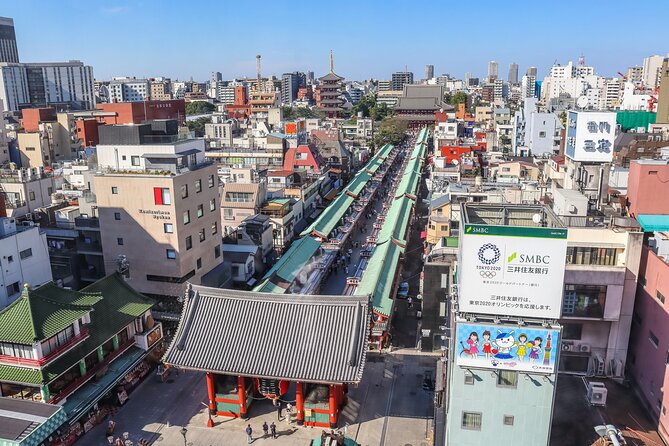
You meet at Asakusa Sta. 1-chōme-1-3 in Taito City. The tour ends at Oshiage Sta. 1-chōme-1-65 in Sumida City.
Because this start/end setup is different, I recommend you plan your return subway ride ahead of time. If you keep your transit plan flexible, you’ll feel calmer if the route shifts due to weather.
Also, if you’re arriving by taxi or using a hotel concierge, double-check the exact station area for the meeting point. A small mismatch can lead to a long, annoying wait, even when everyone is trying to be helpful.
When You Should Choose This Tour (and Who It Suits)
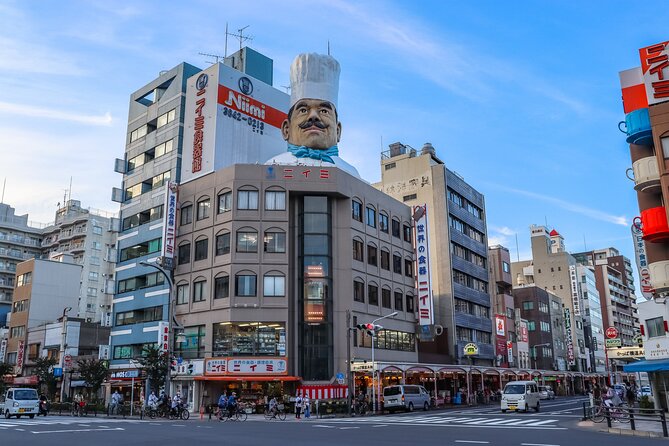
This is a good fit if you want an Asakusa best-of day without turning it into a logic puzzle. It works well for first-timers who want the big iconic temples and streets but also want practical context—what you’re looking at and where to go next.
It’s also a strong choice if you care about shopping with intention. Kappabashi is the kind of place where you can waste time wandering. With timed shopping and a guide who can point you toward the right direction, you’ll get more out of the time you set aside.
If you already know Asakusa well and you’re the type who likes wandering freely with no structure, a private guided route may feel a little scheduled. But if you want to reduce friction, this tour is built for that.
Book It or Skip It? My Practical Take
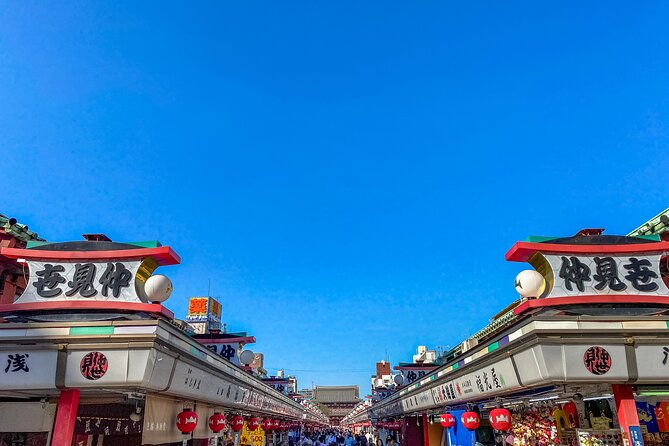
I’d book this tour if you want the classics—Senso-ji, Asakusa Shrine, Hoppy Street, Kappabashi, and the Skytree area—done in a way that reduces stress and adds context. The private format helps you move through crowds without losing your day to confusion, and the terrace start gives you a handy sense of orientation.
I’d think twice if your main goal is spontaneous wandering with zero extra planning, or if you’re trying to keep costs as low as possible. The base price is only part of the budget once you add the expected JPY admissions and the meal.
FAQ
How long is the Asakusa tour?
It runs for about 6 hours 30 minutes.
Is this a private tour?
Yes. It’s a private tour/activity exclusively for your party.
What does the tour price include, and what extra costs should I expect?
The tour includes a tour guide, a private tour, and the necessary expenses for the guide. It does not include the estimated costs for the tour (about 4,880 JPY per person), broken down as transportation (180 JPY), admission fees (3,400 JPY), and meal costs (1,200 JPY) per person. There is also an optional experience cost (about 100 JPY per person).
Where do I meet, and where does the tour end?
You meet at Asakusa Sta. 1-chōme-1-3, Asakusa, Taito City, Tokyo, and the tour ends at Oshiage Sta. 1-chōme-1-65, Oshiage, Sumida City, Tokyo.
Is admission to Tokyo Skytree included?
No. Tokyo Skytree admission is listed as not included, while the Tokyo Solamachi stop is listed as free.
What happens if the weather is bad?
If the weather is bad, the means of transportation, destinations, and routes may be changed. In case of temporary closure, some tour spots might be swapped for alternatives.
More Tours in Tokyo
- Mt Fuji and Hakone 1-Day Bus Tour Return by Bullet Train
★ 5.0 · 26,383 reviews - 1-Day Tokyo Bus Tour
★ 5.0 · 14,250 reviews - Tokyo: Shinjuku Food Tour (13 Dishes at 4 Local Eateries)
★ 5.0 · 6,603 reviews - Tokyo Mt Fuji 5th St & Hakone Cruise Bus Tour w/Bullet Train
★ 4.4 · 5,024 reviews - Flagship 2-Hours Official Street Go-Kart Tour – Tokyo Bay Shop
★ 5.0 · 4,974 reviews
More Tour Reviews in Tokyo
- Mt Fuji and Hakone 1-Day Bus Tour Return by Bullet Train
★ 5.0 · 26,383 reviews - 1-Day Tokyo Bus Tour
★ 5.0 · 14,250 reviews - Tokyo: teamLab Planets TOKYO Digital Art Museum Entry Ticket
★ 4.6 · 9,779 reviews - Mt Fuji & Hakone Cruise, Drum Show Bullet Train 1 Day from Tokyo
★ 4.0 · 7,413 reviews - Tokyo: Shinjuku Food Tour (13 Dishes at 4 Local Eateries)
★ 5.0 · 6,603 reviews
More Mornings in Old Asakusa
- Tokyo: Japanese Dance Cabaret Theater Asakusa-Kaguwa Ticket
★ 4.8 · 2,270 reviews - Tokyo: Meiji Shrine, Asakusa, Skytree Bus Tour and Cruise
★ 4.7 · 1,986 reviews - Tokyo: Roll and Authentic Sushi Making Class in Asakusa
★ 4.9 · 1,957 reviews - Tokyo: Asakusa Walking Tour with Sensoji Temple Visit
★ 4.8 · 1,583 reviews - Tokyo Asakusa Rickshaw Tour
★ 5.0 · 1,375 reviews
Latest Tokyo reviews off our desk

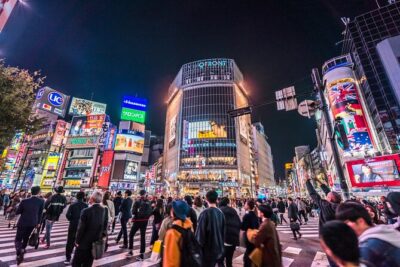
Asakusa & Sensoji Tours, compared.
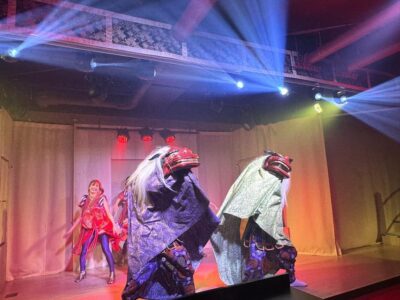 ★ 4.8Japanese Dance Cabaret Theater Asakusa-Kaguwa TicketFrom $492,270 reviews
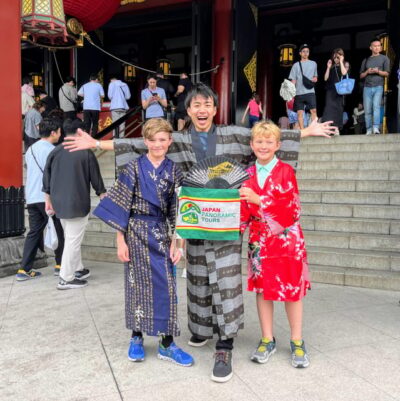 ★ 4.7Meiji Shrine, Asakusa, Skytree Bus Tour and CruiseFrom $1221,986 reviews
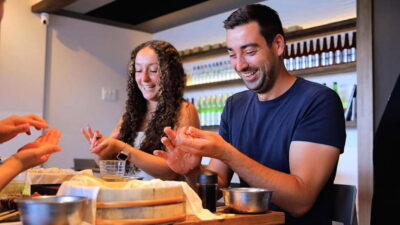 ★ 4.9Roll and Authentic Sushi Making Class in AsakusaFrom $581,957 reviews
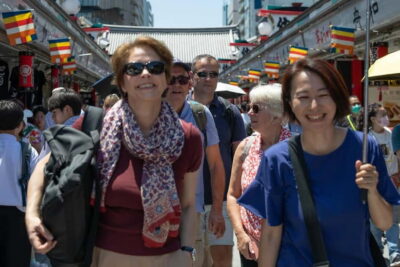 ★ 4.8Asakusa Walking Tour with Sensoji Temple VisitFrom $221,583 reviews
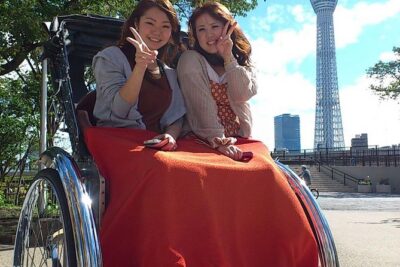 ★ 5.0Tokyo Asakusa Rickshaw TourFrom $421,375 reviews
 ★ 4.5Tokyo Panoramic 1 Day: Meiji Shrine, Asakusa, Odaiba and SKYTREE®From $851,222 reviews
 ★ 5.0Tokyo Go Kart: Asakusa, Skytree, and Akihabara **IDP MUST**From $99988 reviews
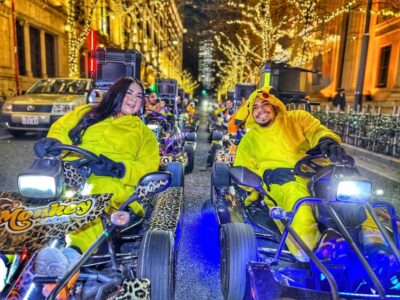 ★ 4.7Asakusa, Skytree & Akhihabara Go-Kart City ExperienceFrom $96761 reviews
Browse the lists this tour appears in