
Reviewed · ASAKUSA & SENSOJI TOURS
Time Travel in Tokyo Explore Old Town Asakusa and Local Food
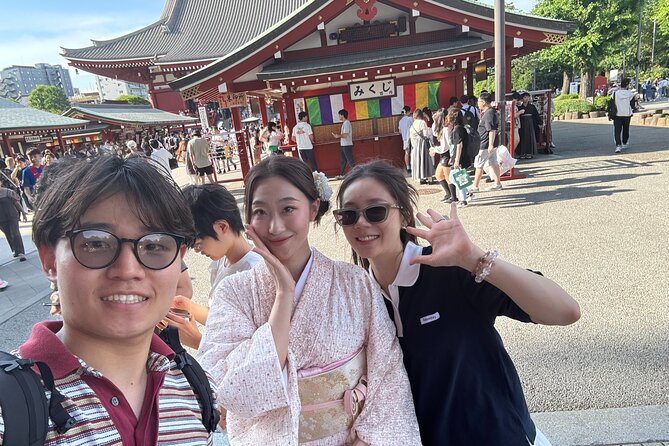
Asakusa feels like Tokyo’s time machine. This 2-hour old-town stroll takes you from Kaminarimon Gate into the snack-and-temple heart of Asakusa, with local stories and food stops built into the route. I especially like how it pairs landmark sights with practical street-level guidance, so you get the feel of the neighborhood without wandering in circles.
Two things I really like: you get temple know-how (how to offer incense and pray correctly at Senso-ji), and you’re guided through the snack culture with bites like ningyo-yaki and senbei. One possible drawback: it is a fairly compact walk, so if you want lots of sitting-down time or long shopping breaks, you may feel rushed.
In This Review
- Why This Asakusa Walk Feels Like a Local Day Out
- Key Highlights You’ll Actually Use
- From Asakusa Culture Tourist Info to Kaminarimon’s Lantern Entrance
- Nakamise Shopping Street: Snacks, Sights, and How to Not Waste Time
- Sensō-ji: The 1,300-Year Story and the Right Way to Pray
- Backstreets and Hidden Photo Spots: The Part That Changes the Mood
- Don Quijote Asakusa Finish: Quirky Shopping Without the Guesswork
- Price and Value: What $26.13 Buys You in Real Terms
- Practical Notes Before You Go
- Who This Tour Fits Best
- Should You Book Time Travel in Tokyo’s Asakusa Food Walk?
- FAQ
- How long is the Asakusa walking tour?
- What are the starting and ending points?
- Is this a private tour?
- Do I need a printed ticket?
- What stops are included?
- Is admission included for the main sights?
- Are service animals allowed?
- Can I cancel for a refund if plans change?
Why This Asakusa Walk Feels Like a Local Day Out
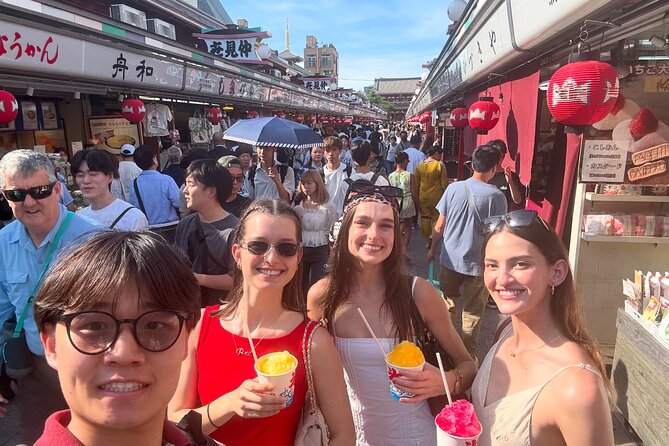
This experience is built for people who want Tokyo’s traditional side without getting buried in logistics. In just about 2 hours, you cover the big Asakusa moments—then you move into the side streets where the atmosphere changes from postcard to lived-in. It ends in a place most visitors recognize, but in a useful way: a final stop that’s great for grabbing last-minute snacks and weird little souvenirs.
Because it’s a private tour, your group stays together and the pacing can feel more relaxed than hopping between crowded attractions on your own. You also start in an easy-to-find area near public transportation, with a clear end point in front of Don Quijote Asakusa.
And yes, the food angle matters. The tour isn’t just history talk over photos—it includes classic local snacks and guidance on what to look for and how to enjoy them.
Key Highlights You’ll Actually Use
- Kaminarimon Gate to Sensō-ji: you get the famous entrance moment, not just a quick peek.
- Nakamise snack strategy: you try popular street treats and get context for what you’re eating.
- Temple etiquette tips: incense and prayers are explained so you don’t guess.
- Backstreet stories and photo spots: guidance helps you find viewpoints that feel more personal than tourist signage.
- Finish at Don Quijote Asakusa: a practical stop for quirky souvenirs, snacks, and pop-culture goods.
More temple mornings in old Asakusa
- Tokyo: Japanese Dance Cabaret Theater Asakusa-Kaguwa Ticket
★ 4.8 · 2,270 reviews - Tokyo: Meiji Shrine, Asakusa, Skytree Bus Tour and Cruise
★ 4.7 · 1,986 reviews - Tokyo: Roll and Authentic Sushi Making Class in Asakusa
★ 4.9 · 1,957 reviews - Tokyo: Asakusa Walking Tour with Sensoji Temple Visit
★ 4.8 · 1,583 reviews
From Asakusa Culture Tourist Info to Kaminarimon’s Lantern Entrance
Your day begins at the Asakusa Culture Tourist Information Center at 2-chōme-18-9 Kaminarimon, Taito City. It’s a smart meeting point because it’s in the right neighborhood to start walking immediately, rather than spending precious minutes getting oriented.
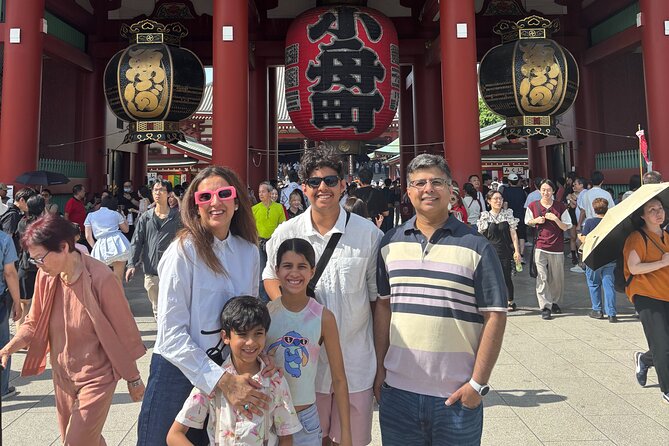
From there, the route heads toward Kaminarimon Gate, the iconic entryway lined with massive lanterns and guardian statues. This is the moment where Asakusa goes from streetscape to landmark, and where the atmosphere shifts into something ceremonial without feeling staged.
If you’re the kind of traveler who likes to know what you’re looking at, this part works well. The guide is positioned to translate the scene—what matters, what’s symbolic, and how the flow of people moves through the space.
Nakamise Shopping Street: Snacks, Sights, and How to Not Waste Time
Nakamise Shopping Street is Asakusa’s famous corridor, packed with stalls and strong smells—fresh rice crackers and sweet bean snacks are usually the first thing you notice. It’s lively in a very normal Tokyo way: people shopping, people snacking, and the rhythm changing from one stall to the next.
This stop is also about choices. Instead of you blindly picking something random, you’re guided toward local favorites like ningyo-yaki (cute doll-shaped cakes) and senbei (rice crackers). The experience also references other classic treats like kibi-dango and age-manju, which helps you understand what’s typical here versus what’s just being sold as a novelty.
One practical thing I like: the guide helps you spot what’s worth your time. Asakusa can be touristy, and not every stall gives good value. If you’re shopping on a budget, this is where the guidance earns its keep—think less wandering, more eating, and better odds of getting something that tastes like it belongs in Tokyo.
A small consideration: street snacks can turn into a shopping spree fast. Even if the tour includes tastings, you’ll likely want extra cash or card backup for anything you decide to buy and carry.
Sensō-ji: The 1,300-Year Story and the Right Way to Pray
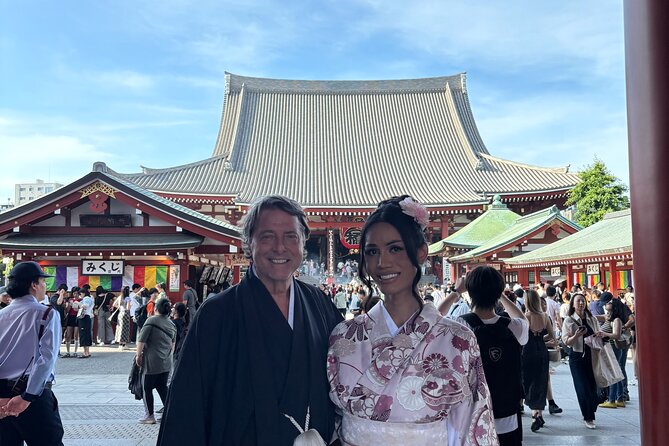
Sensō-ji is Tokyo’s oldest and most beloved Buddhist temple, and you’ll spend about 45 minutes walking through the most meaningful parts. The big focus here is not just seeing the structures—it’s understanding what the temple ritual means and how to join in respectfully.
You begin through Kaminarimon Gate, then move into the temple area with its massive lanterns and guardian statues setting the tone. The experience includes a story behind Sensō-ji’s legend that traces back roughly 1,300 years, which helps the place feel grounded in time instead of just old buildings.
Here’s one of the most praised parts of this tour: you’re taught the practical etiquette for offering incense and praying. That’s a big deal in a crowded temple space. If you’ve ever worried about accidentally doing the wrong thing, you’ll appreciate clear guidance on what to do and when.
It also helps that the guide can explain the flow of people and why certain spots are where they are. Even if you’re not the type who memorizes religious symbolism, you’ll leave with a better sense of what to notice the next time you see a Japanese temple.
Backstreets and Hidden Photo Spots: The Part That Changes the Mood
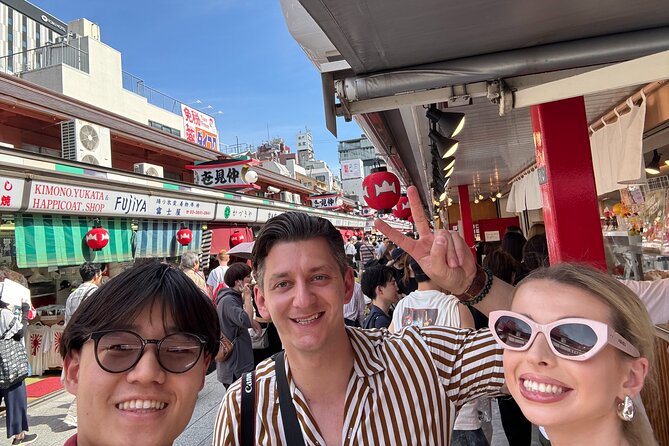
After the main sights, the tour turns into the part that feels more personal. You follow a friendly local guide into backstreets to find smaller scenes and photo spots that don’t always show up on the most basic routes.
This is where the day earns its name—time travel. The scale gets smaller. Streets feel more residential. Details like how people move through lanes, where the quiet corners are, and how locals talk about the neighborhood become part of the story.
The guide also shares local cultural tips and even some useful Japanese phrases. That’s not just fun; it’s practical. A couple of phrases can help you order snacks, ask simple questions, or show respect when you interact with stall owners or temple staff.
One more plus that comes through strongly in feedback: the guiding style includes great attention to photos. If you like taking pictures but don’t want to stop every 20 seconds to figure out angles, this part helps a lot.
Readers also shortlisted these Tokyo bookings:
- Tokyo: Shinjuku Food Tour (13 Dishes at 4 Local Eateries)★ 5.0 · 6,603 reviews
- Tokyo Tsukiji Fish Market Food and Culture Walking Tour★ 5.0 · 3,184 reviews
- Tokyo: Shinjuku Food Tour (15 Dishes and 4 Eateries)★ 4.9 · 2,033 reviews
- Best of Shinjuku: Izakaya Food Tour (4 Stops, 14+ Tastings)★ 5.0 · 1,863 reviews
- Tokyo: Tsukiji Fish Market Food and Walking tour★ 5.0 · 1,724 reviews
Don Quijote Asakusa Finish: Quirky Shopping Without the Guesswork
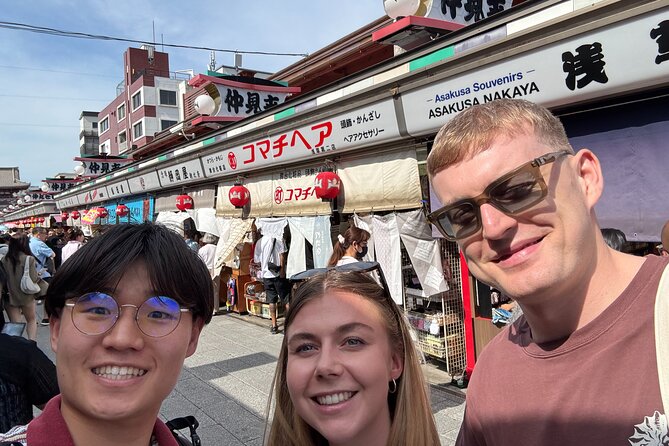
The tour ends at Don Quijote Asakusa, and the meeting instructions specify the end point as in front of the Don Quijote Asakusa Store (2 Chome-10 Asakusa, Taito City). This is a chaotic, colorful discount store, and it’s exactly the kind of place you either love or avoid on principle.
If you love it, you’ll appreciate having a guide’s route already done for you. You can shift into shopping mode immediately—souvenirs, snacks, cosmetics, and pop-culture goods are all easy to find. It’s also a friendly landing point after temple and street-food time because it’s indoor and easy to browse at your own pace.
If you’re not interested in stores, you might find this final stop less compelling. Still, it’s useful even for non-shoppers: it’s a convenient place to grab a snack and keep your energy up before you head back out.
Price and Value: What $26.13 Buys You in Real Terms
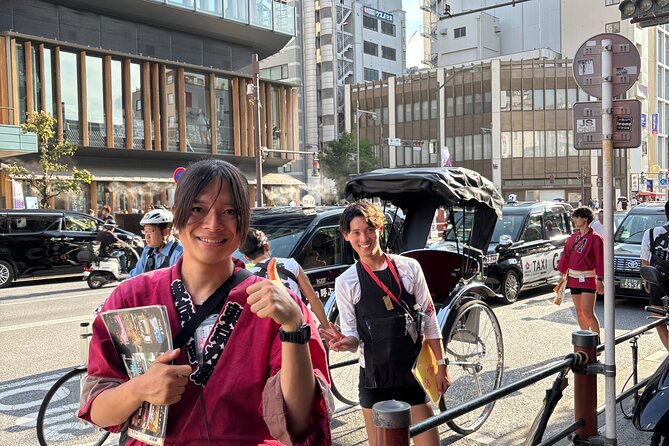
At $26.13 per person, this tour sits in a range that makes sense for a guided neighborhood experience. You’re paying primarily for time and local guidance, not entrance fees—the info indicates admission tickets for stops are free.
For value, the big win is the combination: temple etiquette you can’t easily guess, plus street-snack direction you can act on immediately. A self-guided Asakusa day is easy to assemble, but it’s harder to do well unless you already know where to go and what to pay attention to.
Also, the tour is private. That can be especially good for families or small groups who don’t want the stop-and-start of a larger crowd. Your guide can adapt the walking pace and focus based on your interests, which matters when you’re mixing photos, snacks, and a temple space where flow matters.
A final note on timing: the average booking window is about 81 days in advance. That doesn’t mean you must plan that early, but it’s a sign this is a popular activity and dates can fill in.
Practical Notes Before You Go
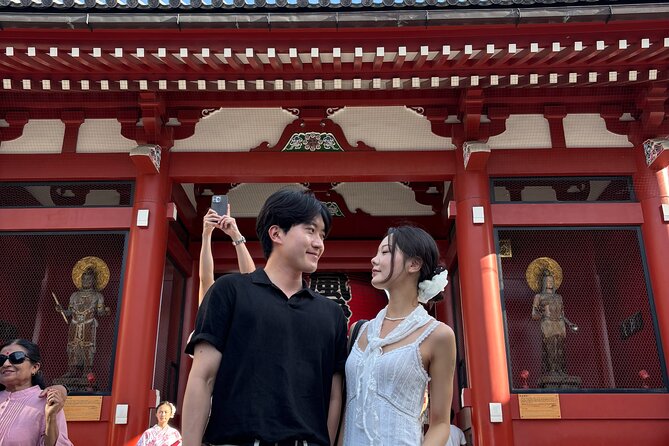
- You’ll walk for about 2 hours, so wear comfortable shoes. Asakusa can be uneven in small stretches.
- The tour uses a mobile ticket, so have that ready on your phone.
- Service animals are allowed.
- It’s listed as near public transportation, which helps if you want to connect it with other Tokyo sights the same day.
- Most travelers can participate, so it’s a solid first-timer choice if you want a gentle structure.
Who This Tour Fits Best
This tour is a great match if you’re:
- visiting Tokyo for the first time and want a guided “old Tokyo” experience in a short time
- the kind of traveler who likes street food but hates spending extra time figuring out what’s good
- interested in respectful temple visiting and want clear steps for incense and prayer
- traveling with a small group that benefits from a private route
It’s less ideal if you want a slow, shop-first day or you prefer totally independent exploring with zero guidance.
Should You Book Time Travel in Tokyo’s Asakusa Food Walk?
I’d book it if you want the Asakusa highlights with guidance that saves you time and improves your experience. The strongest reasons are practical: temple etiquette so you feel comfortable, plus snack direction so you eat well without guessing.
I wouldn’t book it if you’re mainly after long shopping hours or you already have a strong plan for Asakusa and don’t care about learning how to participate in temple rituals. In that case, you could DIY. But if you want a guided shortcut to feeling like you understand the neighborhood, this is a smart use of your limited sightseeing time.
FAQ
How long is the Asakusa walking tour?
It runs for about 2 hours.
What are the starting and ending points?
The tour starts at Asakusa Culture Tourist Information Center at 2-chōme-18-9 Kaminarimon, Taito City, Tokyo. It ends in front of Don Quijote Asakusa at 2 Chome-10 Asakusa, Taito City, Tokyo.
Is this a private tour?
Yes. Only your group participates.
Do I need a printed ticket?
No. The tour uses a mobile ticket.
What stops are included?
The tour includes Nakamise Shopping Street, Sensō-ji Temple, and a final stop at Don Quijote Asakusa.
Is admission included for the main sights?
The provided details indicate admission ticket-free stops for Nakamise Shopping Street, Sensō-ji, and Don Quijote Asakusa.
Are service animals allowed?
Yes, service animals are allowed.
Can I cancel for a refund if plans change?
Yes. Free cancellation is available up to 24 hours in advance for a full refund.
More Food & Drink in Tokyo
- Tokyo: Shinjuku Food Tour (13 Dishes at 4 Local Eateries)
★ 5.0 · 6,603 reviews - Tokyo Tsukiji Fish Market Food and Culture Walking Tour
★ 5.0 · 3,184 reviews - Tokyo: Shinjuku Food Tour (15 Dishes and 4 Eateries)
★ 4.9 · 2,033 reviews - Best of Shinjuku: Izakaya Food Tour (4 Stops, 14+ Tastings)
★ 5.0 · 1,863 reviews - Tokyo: Tsukiji Fish Market Food and Walking tour
★ 5.0 · 1,724 reviews
More Tour Reviews in Tokyo
- Mt Fuji and Hakone 1-Day Bus Tour Return by Bullet Train
★ 5.0 · 26,383 reviews - 1-Day Tokyo Bus Tour
★ 5.0 · 14,250 reviews - Tokyo: teamLab Planets TOKYO Digital Art Museum Entry Ticket
★ 4.6 · 9,779 reviews - Mt Fuji & Hakone Cruise, Drum Show Bullet Train 1 Day from Tokyo
★ 4.0 · 7,413 reviews - Tokyo: Shinjuku Food Tour (13 Dishes at 4 Local Eateries)
★ 5.0 · 6,603 reviews
More Mornings in Old Asakusa
- Tokyo: Japanese Dance Cabaret Theater Asakusa-Kaguwa Ticket
★ 4.8 · 2,270 reviews - Tokyo: Meiji Shrine, Asakusa, Skytree Bus Tour and Cruise
★ 4.7 · 1,986 reviews - Tokyo: Roll and Authentic Sushi Making Class in Asakusa
★ 4.9 · 1,957 reviews - Tokyo: Asakusa Walking Tour with Sensoji Temple Visit
★ 4.8 · 1,583 reviews - Tokyo Asakusa Rickshaw Tour
★ 5.0 · 1,375 reviews
Latest Tokyo reviews off our desk

Asakusa & Sensoji Tours, compared.
 ★ 4.8Japanese Dance Cabaret Theater Asakusa-Kaguwa TicketFrom $492,270 reviews
 ★ 4.7Meiji Shrine, Asakusa, Skytree Bus Tour and CruiseFrom $1221,986 reviews
 ★ 4.9Roll and Authentic Sushi Making Class in AsakusaFrom $581,957 reviews
 ★ 4.8Asakusa Walking Tour with Sensoji Temple VisitFrom $221,583 reviews
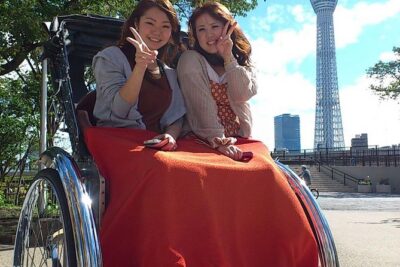 ★ 5.0Tokyo Asakusa Rickshaw TourFrom $421,375 reviews
 ★ 4.5Tokyo Panoramic 1 Day: Meiji Shrine, Asakusa, Odaiba and SKYTREE®From $851,222 reviews
 ★ 5.0Tokyo Go Kart: Asakusa, Skytree, and Akihabara **IDP MUST**From $99988 reviews
 ★ 4.7Asakusa, Skytree & Akhihabara Go-Kart City ExperienceFrom $96761 reviews
Browse the lists this tour appears in