
Reviewed · ASAKUSA & SENSOJI TOURS
Tokyo: 2-Hour Asakusa Food Hunt & Cultural Tour
Asakusa tastes better when someone points. I love how this tour mixes real local food with quick cultural context, so you’re not just eating bites—you’re learning how people actually order and eat in the neighborhood. I also like the small-group pace, capped at 6 people, which keeps the stops comfortable and lets your guide answer questions.
One thing to consider: this is still a walking tour. You’ll cover about 1 to 2 kilometers in 150 minutes, and it runs 11:30 to 14:00, so plan for heat and wear shoes that can handle uneven streets.
In practice, you’ll meet your guide in Asakusa and follow a logical route that goes beyond the most obvious tourist lanes, ending with a major cultural anchor at Sensoji Temple.
In This Review
- Key highlights worth planning for
- Asakusa Food Hunt: How the route actually works
- Start at Hinatomaru Kaminarimon and settle into the local rhythm
- Stop 1: Standing sushi in a seafood-connected shop
- Stop 2: Soba and gyoza at a family-run restaurant
- Stop 3: Handmade rice crackers from a shop with 100+ years
- Stop 4: Japanese snacks with a 50-year origin story
- Stop 5: Sensoji Temple as the cultural payoff
- Guides matter: why Max, Shino, Chi, and Leigh get praised
- What it feels like overall: balanced, filling, and not too scripted
- Who this tour suits best (and who might want a different plan)
- Price and logistics: does $76 make sense?
- Should you book the Asakusa Food Hunt?
- FAQ
- FAQ
- How long is the Tokyo Asakusa food hunt tour?
- What time does the tour run?
- Where do I meet the guide?
- Is the tour mostly walking?
- What food is included?
- How many people are in the group?
- Is transportation included?
- What language is the guide?
- Can I cancel for a refund?
Key highlights worth planning for
- Fresh sushi served with practical eating tips, including how to eat it properly
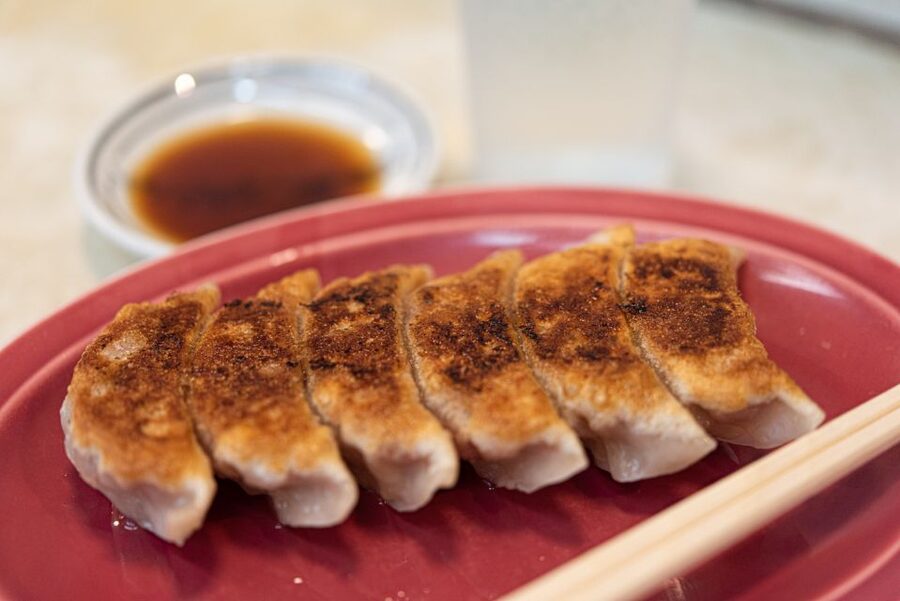
- Soba and gyoza at a family-run spot where locals go, not just tour groups
- Time-honored snacks and shops, including a place with 100+ years of history
- A food-first route through non-touristy parts of Asakusa, not the standard checklist
- Small group energy (limited to 6) that keeps conversation flowing
Asakusa Food Hunt: How the route actually works
This is a 150-minute, 11:30 to 14:00 tour designed to fit into a normal Tokyo day without turning your schedule upside down. You start at Hinatomaru Kaminarimon in Asakusa (1 Chome-20-3, Taito City). From there, you walk roughly 1 to 2 kilometers total while making several food stops and one major cultural stop.
The big idea is simple: Asakusa is famous, but the guide focuses on the quieter streets and family-owned shops where you’ll get better context and more interesting food choices. Even if you’ve visited Sensoji before, the food route gives you a different angle on the area—how the neighborhood eats, not just what it looks like.
Group size matters here. With a maximum of 6, you’re less likely to feel like you’re rushing from one crowd to another. That also means the guide can adjust pace if you’re slower, need a quick break out of the sun, or want extra explanation about something you’re tasting.
Price-wise, it’s $76 per person, and the tour includes guide fees plus full lunch-size tastings. If you’ve ever paid for two meals in Tokyo plus snacks “just because,” this can feel like a tidy deal—especially because you’re not choosing the food yourself. You’re getting guided ordering help and a route that strings together foods that make sense.
More temple mornings in old Asakusa
- Tokyo: Japanese Dance Cabaret Theater Asakusa-Kaguwa Ticket
★ 4.8 · 2,270 reviews - Tokyo: Meiji Shrine, Asakusa, Skytree Bus Tour and Cruise
★ 4.7 · 1,986 reviews - Tokyo: Roll and Authentic Sushi Making Class in Asakusa
★ 4.9 · 1,957 reviews - Tokyo: Asakusa Walking Tour with Sensoji Temple Visit
★ 4.8 · 1,583 reviews
Start at Hinatomaru Kaminarimon and settle into the local rhythm
Meet at Hinatomaru Kaminarimon, and expect the tour to feel like it has momentum from the first minutes. You’re not starting with a lecture. You’re starting with food.
That’s a big reason it works. Tokyo neighborhoods can be confusing fast—tiny storefronts, menu boards you can’t read quickly, and spots where locals don’t need to explain anything. With an English-speaking guide, you get the small but important advantages: when to ask, what to order, and how to eat what’s in front of you.
And since the guide is live and in English, you’ll actually understand the “why” behind the choices. In reviews, people highlighted guides like Max, Shino, Chi, and Leigh as being patient, engaging, and good at explaining proper eating habits—so the tour doesn’t just hand you food. It teaches you how to eat it like you belong there.
One practical note: the tour emphasizes comfort shoes, because you’ll be walking some city blocks. Bring a water bottle if you tend to get thirsty in the midday heat.
Stop 1: Standing sushi in a seafood-connected shop
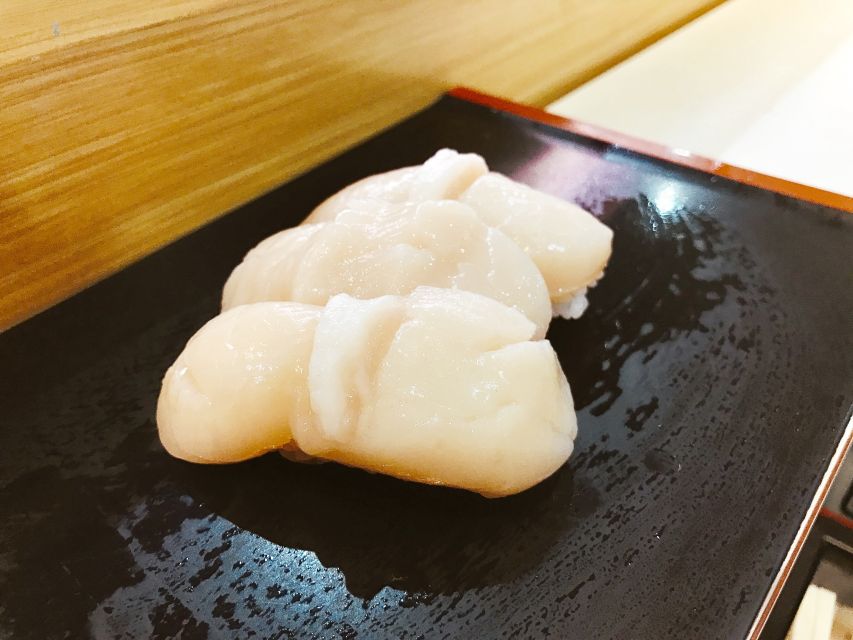
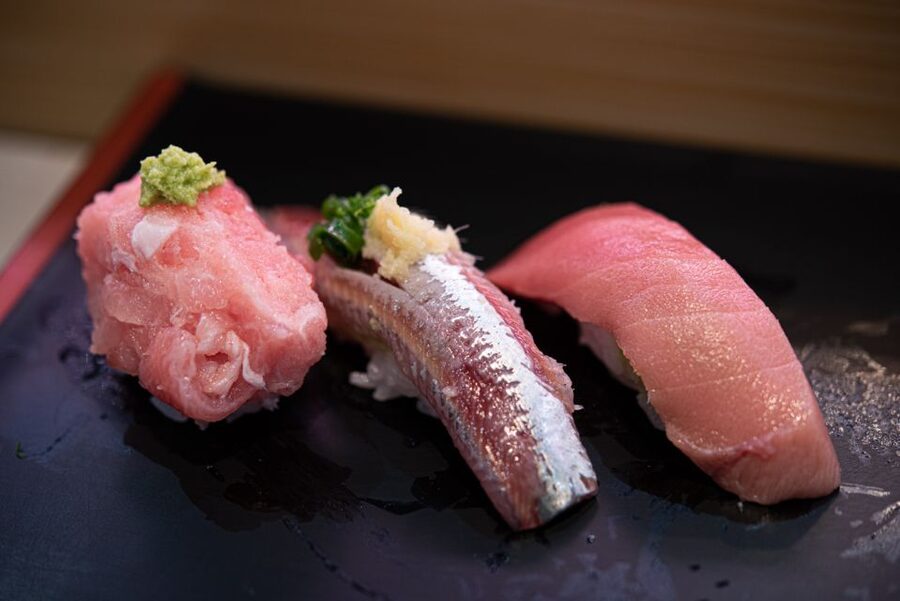
The first food stop is a standing sushi restaurant owned by a fish dealer. That’s a useful detail because it hints at what you’re really buying: not just sushi as an item, but sushi as a trade—fresh seafood access and an attitude toward how it should be eaten.
This is where you’ll learn how to eat sushi properly, not just “pick it up.” The tour also frames sushi as something that used to be fast food in Japan, which helps you adjust your expectations. This isn’t a formal, sit-down ceremony. It’s more about quick skill and good ingredients.
What you should look for while you eat:
- How the fish tastes compared with what you might be used to elsewhere
- How the sushi is served in a practical, no-fuss way
- The guide’s eating tips, which can change your experience right away
Possible drawback: standing formats aren’t for everyone. If you have mobility limits or you hate standing in close quarters, this part might feel less comfortable. The upside is that it’s short, and it sets you up for the rest of the tastings.
Stop 2: Soba and gyoza at a family-run restaurant
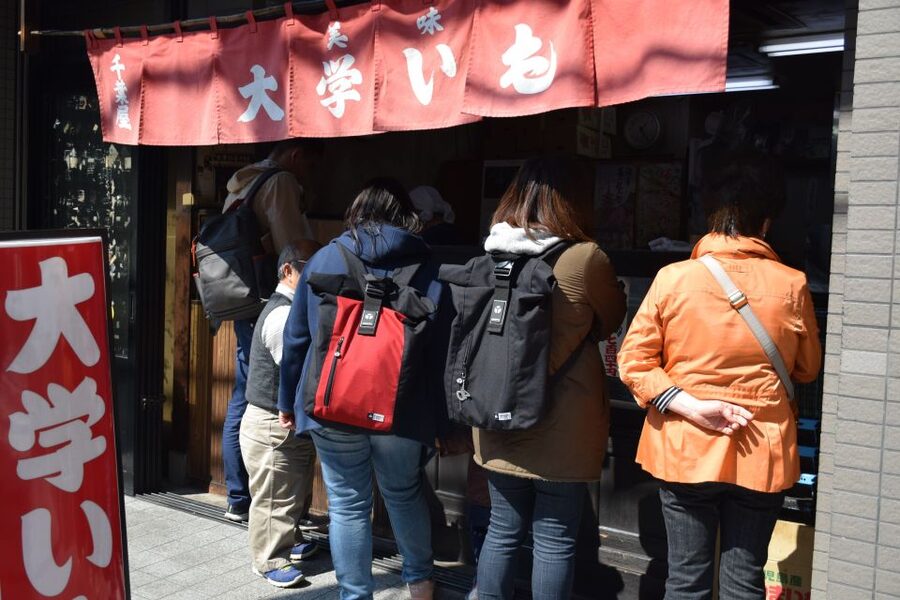
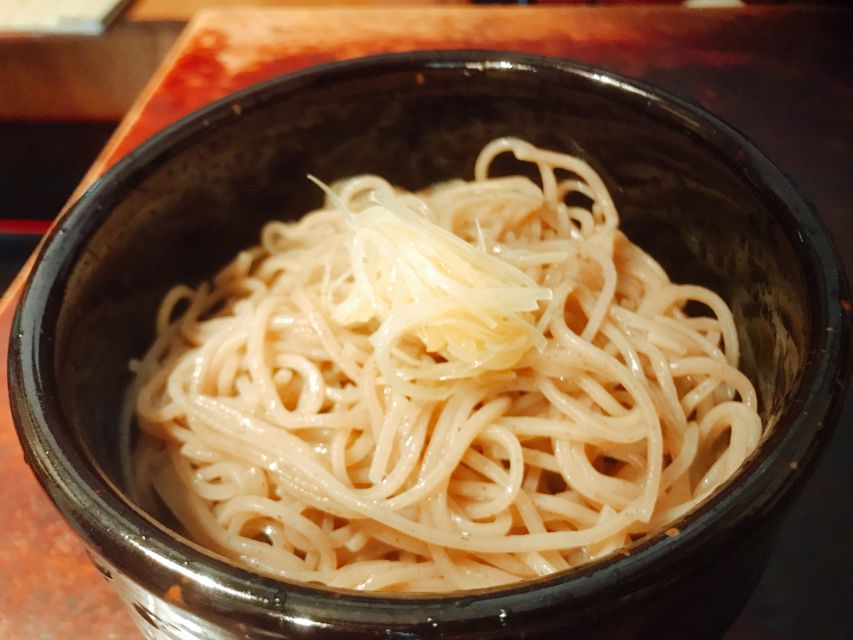
Next comes a family-owned soba restaurant. You’ll enjoy fresh soba and gyoza at a local place that’s meant for the neighborhood, not for the line-up crowd.
Soba is one of those foods that’s easy to misunderstand if you treat it like generic noodles. Here, the context matters. Soba shops tend to be proud of the texture, the serving style, and the way customers approach the meal.
Why this stop is valuable: it balances the seafood-heavy sushi with something wheat-and-broth based, so your palate gets a reset. It also gives you a real window into everyday Japanese eating culture—food that’s comforting, fast, and normal to locals.
If you’re picky about texture, go slowly at first. Soba noodles can feel different from other noodle types. But that’s also why the guide helps: you’ll be able to ask what to expect and how to enjoy it.
Stop 3: Handmade rice crackers from a shop with 100+ years
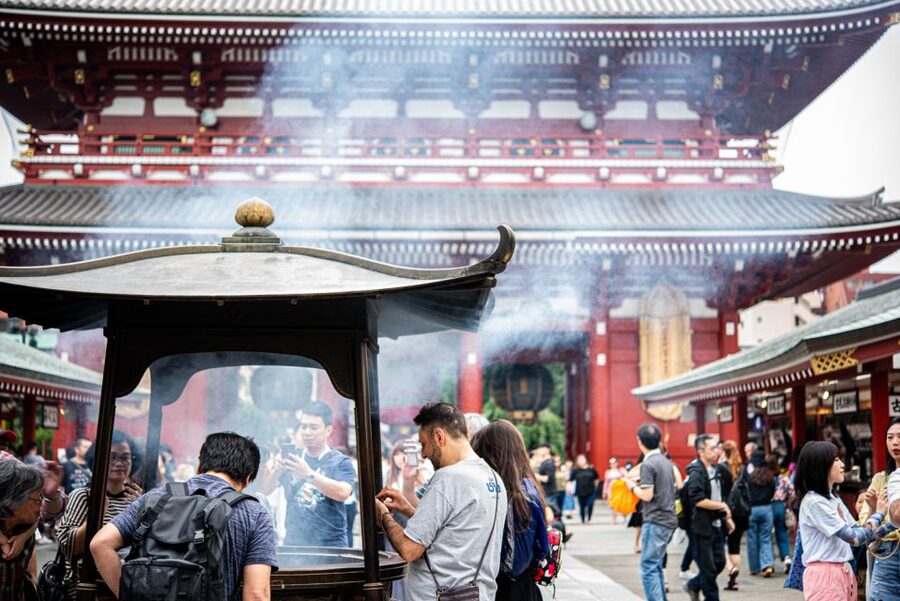
Then you’ll hit a store that sells handmade rice crackers, with more than 100 years of history. This kind of stop is easy to overlook on your own, because you might not think of it as part of a “food tour.” But it’s exactly the sort of thing that makes the tour feel authentic.
Rice crackers aren’t just a snack. They’re a simple, portable food with deep Japanese roots. The handmade angle matters because you can often taste the difference in crunch, seasoning, and how the product holds up.
What I like about this kind of tasting stop: it teaches you that snacks are part of the culture, not just filler. By the time you reach this point, you’re no longer wondering where the next meal will come from. You’re enjoying the rhythm.
Readers also shortlisted these Tokyo bookings:
- Tokyo: Shinjuku Food Tour (13 Dishes at 4 Local Eateries)★ 5.0 · 6,603 reviews
- Tokyo Tsukiji Fish Market Food and Culture Walking Tour★ 5.0 · 3,184 reviews
- Tokyo: Shinjuku Food Tour (15 Dishes and 4 Eateries)★ 4.9 · 2,033 reviews
- Best of Shinjuku: Izakaya Food Tour (4 Stops, 14+ Tastings)★ 5.0 · 1,863 reviews
- Tokyo: Tsukiji Fish Market Food and Walking tour★ 5.0 · 1,724 reviews
Stop 4: Japanese snacks with a 50-year origin story
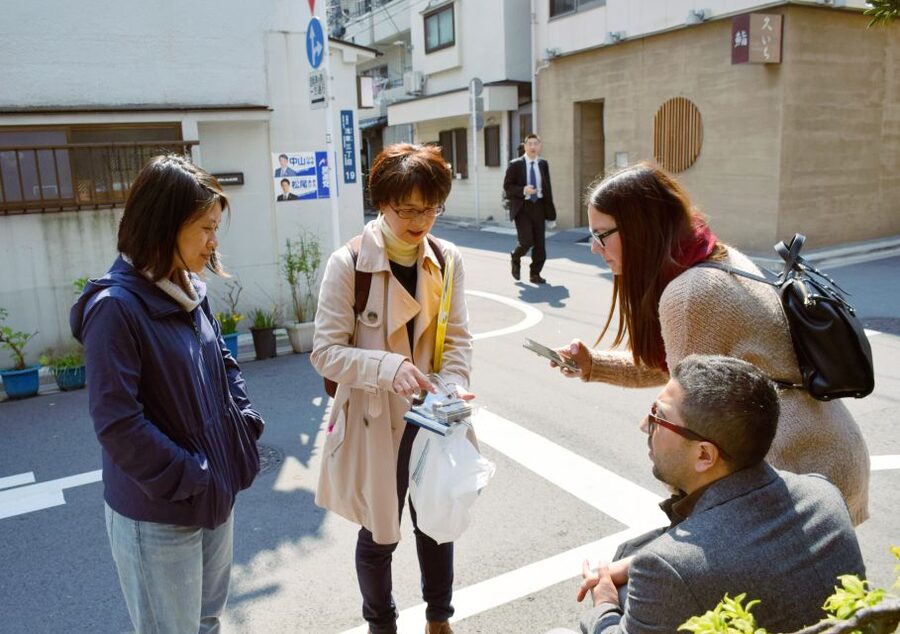
After that, you’ll taste some Japanese snacks that started with a food stand about 50 years ago in Tokyo. This is the kind of detail I find useful while traveling. A snack can be more interesting when you know it began as a small street offering and grew into something people recognize.
This stop is also a smart strategy for a food hunt tour. You’ll have had savory seafood and noodles. Then you get something smaller and more varied, which keeps your mouth from tiring out too early.
If you’re the type who worries you’ll eat “too much” by the end: this snack stop usually makes you feel better because it’s often a lighter bite than a full dish. Still, you’ll end up full, since the tour includes lunch-size tastings overall.
Stop 5: Sensoji Temple as the cultural payoff
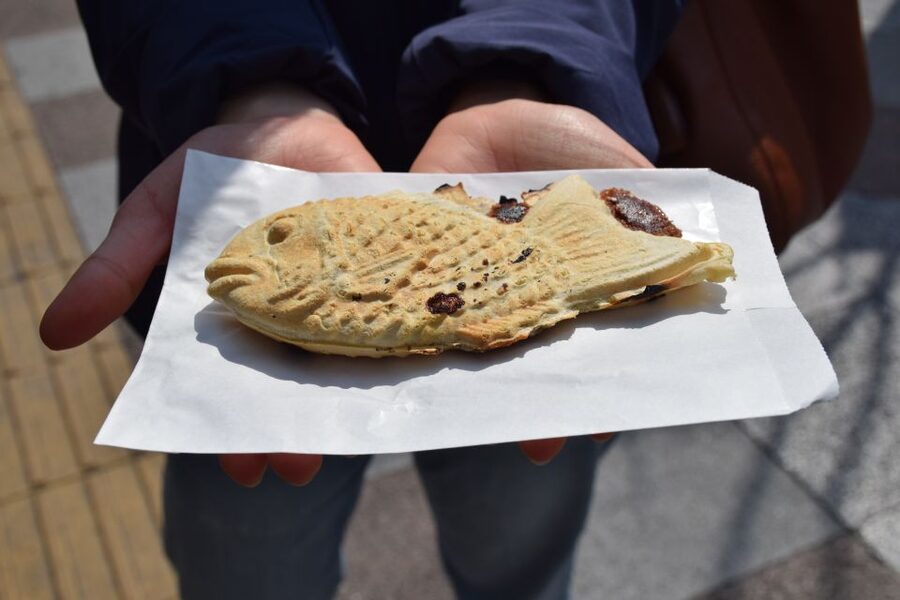
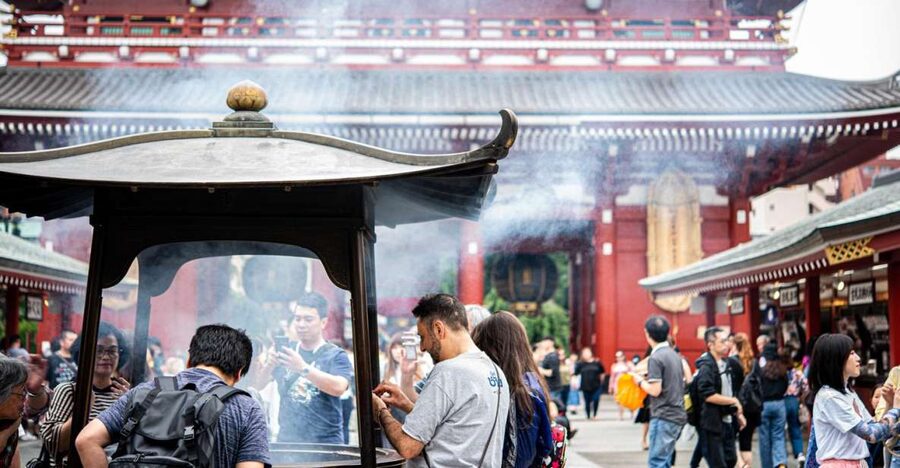
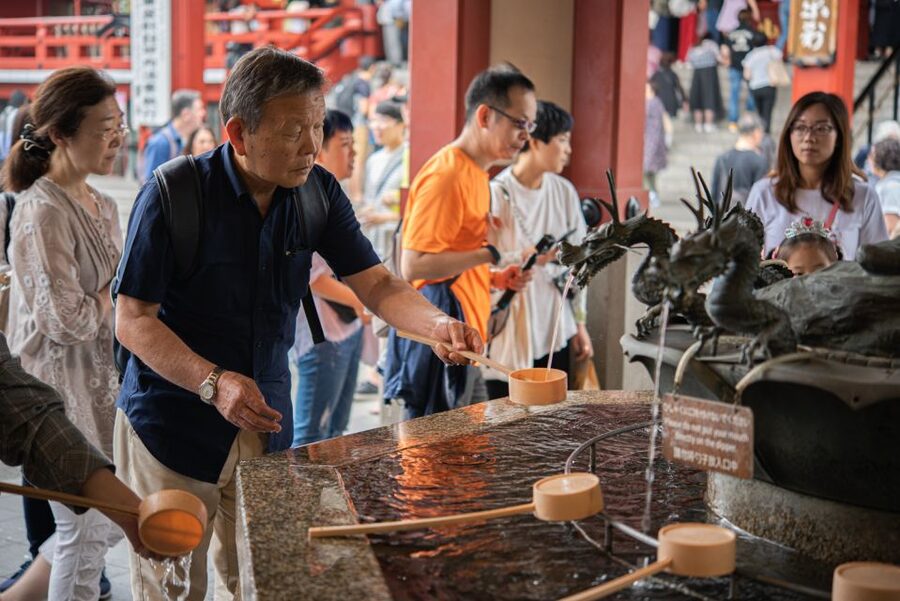
The tour doesn’t end with food. It finishes at Sensoji Temple, one of Tokyo’s largest and best-known temples. This part adds context to everything you ate.
Food tours can feel like separate experiences: eat here, see something there. This one tries to connect the dots. You’ll learn about Japanese culture and history as you’re already in the thick of Asakusa’s heritage space.
Even if you’re already familiar with Sensoji, you may not have thought about how places like this function alongside daily life. That’s what makes the pairing work. The temple gives you meaning for the neighborhood you just walked through.
Practical note: if it’s crowded, it can slow your movement. That’s normal for Sensoji. Your guide will help you manage timing, but it’s smart to keep expectations flexible.
Guides matter: why Max, Shino, Chi, and Leigh get praised
In reviews, guides like Max, Shino, Chi, and Leigh show up again and again, and it’s not just because they speak English. People consistently call out patience, good explanations, and the ability to adapt—whether that means helping older travelers feel comfortable or working with kids.
That matters because Japanese food customs can be second nature to locals and confusing for visitors. The tour specifically includes sushi eating practice, which is where a good guide earns their fee. You don’t want to guess. You want correct cues like when and how to handle what you’re served.
If you’re traveling with family, this tour may be a good fit because guides seem used to mixing explanations with a comfortable pace. If you’re traveling solo, you’ll still get a personal experience thanks to the small group limit.
What it feels like overall: balanced, filling, and not too scripted
At 150 minutes, this isn’t a marathon. It’s long enough to feel like you actually ate lunch, plus extra bites along the way. It’s short enough that you won’t lose your whole afternoon.
The stop order also helps:
- Sushi gives you a seafood start and a skill lesson
- Soba and gyoza reset your palette with comfort noodles
- Crackers and snacks fill in the fun, cultural snack angle
- Sensoji Temple lands the plane with cultural context
Two more practical thoughts:
- Since transportation isn’t included, you should plan how you’ll reach the meeting point on your own. That’s normal for local tours, but it affects your total time budgeting.
- Eat like you’re on a planned outing. This is not a light tasting that leaves you hungry. It’s full lunch-size tastings, so you’ll likely skip a major meal right afterward.
Who this tour suits best (and who might want a different plan)
This fits you if you want:
- Authentic local food in Asakusa, not only the obvious tourist traps
- A guided route that shows you non-touristy areas
- Practical help with Japanese eating style, especially sushi
It might not be your best match if:
- You strongly dislike standing/waiting formats (the standing sushi stop is part of the experience)
- You can’t do midday walking at all, even at a modest 1 to 2 kilometers
For couples, this feels like a great “we want food and culture but not museum time” option. For families, the small group and guide engagement can help keep everyone comfortable. For solo travelers, the group size keeps you from feeling lost.
Price and logistics: does $76 make sense?
$76 is not a budget price, but it can be good value because:
- You get lunch-size local tastings (not just a few samples)
- A live English guide is included
- You’re also paying for the route knowledge—knowing where to go and what to order
The main cost you should factor in is transportation to the meeting point, since it’s not included. If you’d otherwise spend money on multiple meals plus snacks while searching for places yourself, the math often works out. If you already planned to eat a specific sit-down meal and don’t want any other food, then you might feel like it’s more than you need.
Should you book the Asakusa Food Hunt?
I’d book it if you want an Asakusa day that feels local from the first bite to the final temple stop. The standout part for most people is the combination of practical food instruction—like sushi eating style—with real meal-size tastings and historical context at Sensoji.
Book it especially if:
- You love food and you want help picking the right places
- You’d rather walk with a plan than wander hungry
- You like small-group tours where questions actually get answered
Skip it if:
- Standing sushi sounds like a deal-breaker for you
- You prefer self-guided exploring and don’t want structure
FAQ
FAQ
How long is the Tokyo Asakusa food hunt tour?
The tour lasts 150 minutes.
What time does the tour run?
It runs from 11:30 to 14:00.
Where do I meet the guide?
You meet at Hinatomaru Kaminarimon, 1 Chome-20-3 Asakusa, Taito City, Tokyo.
Is the tour mostly walking?
Yes. Expect about 1 to 2 kilometers of walking during the 150 minutes.
What food is included?
The tour includes full lunch-size local food tastings, with multiple food stops such as sushi, soba and gyoza, and other snacks.
How many people are in the group?
The group is limited to 6 participants.
Is transportation included?
No. Transportation is not included.
What language is the guide?
The live tour guide speaks English.
Can I cancel for a refund?
Yes. You can cancel up to 24 hours in advance for a full refund.
More Tours in Tokyo
- Mt Fuji and Hakone 1-Day Bus Tour Return by Bullet Train
★ 5.0 · 26,383 reviews - 1-Day Tokyo Bus Tour
★ 5.0 · 14,250 reviews - Tokyo: Shinjuku Food Tour (13 Dishes at 4 Local Eateries)
★ 5.0 · 6,603 reviews - Tokyo Mt Fuji 5th St & Hakone Cruise Bus Tour w/Bullet Train
★ 4.4 · 5,024 reviews - Flagship 2-Hours Official Street Go-Kart Tour – Tokyo Bay Shop
★ 5.0 · 4,974 reviews
More Tour Reviews in Tokyo
- Mt Fuji and Hakone 1-Day Bus Tour Return by Bullet Train
★ 5.0 · 26,383 reviews - 1-Day Tokyo Bus Tour
★ 5.0 · 14,250 reviews - Tokyo: teamLab Planets TOKYO Digital Art Museum Entry Ticket
★ 4.6 · 9,779 reviews - Mt Fuji & Hakone Cruise, Drum Show Bullet Train 1 Day from Tokyo
★ 4.0 · 7,413 reviews - Tokyo: Shinjuku Food Tour (13 Dishes at 4 Local Eateries)
★ 5.0 · 6,603 reviews
More Mornings in Old Asakusa
- Tokyo: Japanese Dance Cabaret Theater Asakusa-Kaguwa Ticket
★ 4.8 · 2,270 reviews - Tokyo: Meiji Shrine, Asakusa, Skytree Bus Tour and Cruise
★ 4.7 · 1,986 reviews - Tokyo: Roll and Authentic Sushi Making Class in Asakusa
★ 4.9 · 1,957 reviews - Tokyo: Asakusa Walking Tour with Sensoji Temple Visit
★ 4.8 · 1,583 reviews - Tokyo Asakusa Rickshaw Tour
★ 5.0 · 1,375 reviews
Latest Tokyo reviews off our desk






Asakusa & Sensoji Tours, compared.
 ★ 4.8Japanese Dance Cabaret Theater Asakusa-Kaguwa TicketFrom $492,270 reviews
 ★ 4.7Meiji Shrine, Asakusa, Skytree Bus Tour and CruiseFrom $1221,986 reviews
 ★ 4.9Roll and Authentic Sushi Making Class in AsakusaFrom $581,957 reviews
 ★ 4.8Asakusa Walking Tour with Sensoji Temple VisitFrom $221,583 reviews
 ★ 5.0Tokyo Asakusa Rickshaw TourFrom $421,375 reviews
 ★ 4.5Tokyo Panoramic 1 Day: Meiji Shrine, Asakusa, Odaiba and SKYTREE®From $851,222 reviews
 ★ 5.0Tokyo Go Kart: Asakusa, Skytree, and Akihabara **IDP MUST**From $99988 reviews
 ★ 4.7Asakusa, Skytree & Akhihabara Go-Kart City ExperienceFrom $96761 reviews
Browse the lists this tour appears in