
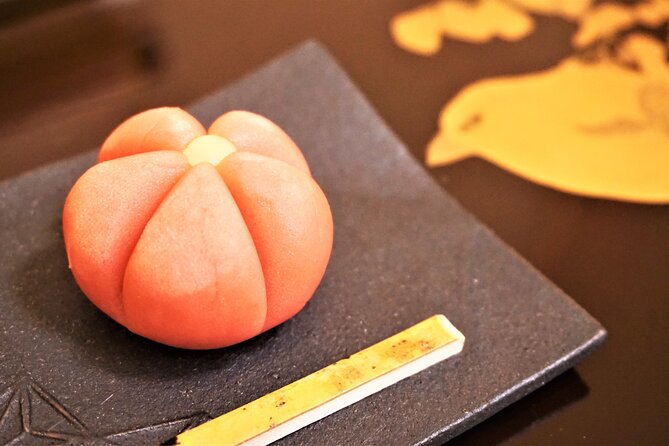
Reviewed · DESSERT TOURS
Tokyo 6hr Private Guided Tour & Japanese Sweets Making Experience
Tokyo can feel like a maze. This private 6-hour tour uses a licensed local guide to connect the city’s big sights to day-to-day Japanese life, and you finish with hands-on wagashi you make yourself in an Asakusa workshop. I especially like the flexibility: you pick 2–3 stops (from a longer list) so your day doesn’t turn into a sprint.
You’ll get a lot more value here than on a checklist-only walk. You just need to plan around one trade-off: you can’t do everything on the long list, and some garden admissions aren’t included, so the final cost can edge up once you factor in transit.
In This Review
- Key Things You’ll Notice on This Tour
- A Private 6-Hour Tour Beats the Guesswork
- Wagashi Making in Asakusa: The Hands-On Moment
- Asakusa and Jidaiya: Old Neighborhood Feel With Context
- Sensoji Temple (Asakusa Kannon Temple)
- Jidaiya: An Asakusa Alternative
- A practical tip from guide styles
- Tsukiji Fish Market: Food Culture in Short Form
- Meiji Jingu and Harajuku: Tradition Next to Teen Fashion
- Takeshita Street (Harajuku Area)
- Garden Time That Actually Works in 6 Hours
- Shinjuku Gyoen National Garden
- Koishikawa Korakuen Garden
- Hamarikyu Gardens
- Rikugien
- Imperial Palace Grounds: Edo Castle Without the Inside
- Akihabara and Shinjuku Golden Gai: Two Kinds of Tokyo Fun
- Akihabara
- Shinjuku Golden Gai
- How the Guide Helps You Use Tokyo’s Train System
- Pick Your 2–3 Stops Like a Pro (Not Like a Tourist)
- Who This Tour Fits Best (And Who Should Skip It)
- Should You Book This Tokyo Private Tour and Wagashi Workshop?
- FAQ
- How long is the Tokyo private guided tour?
- Is this tour private?
- What’s included in the tour price?
- What are not included costs I should plan for?
- Can I visit all the stops on the full list?
- Is there an age requirement?
- What’s the cancellation policy?
Key Things You’ll Notice on This Tour
- Private, guide-only attention so you can ask questions without feeling rushed
- Wagashi made by hand in an Asakusa workshop (the most memorable part of the day)
- Choose 2–3 sites from the provided options, instead of being forced into a fixed route
- A mix of Tokyo eras: Asakusa’s shitamachi feel plus modern areas like Akihabara and Harajuku
- Gardens are optional picks, not guaranteed stops, and some have admissions not included
- Your guide can help you navigate trains, which matters in Tokyo
A Private 6-Hour Tour Beats the Guesswork
Tokyo has two speeds: the city moves fast, and your confidence can lag behind it. This tour’s whole setup is built to solve that problem with a real person in your corner. You get a licensed local guide and your group stays private, so you’re not competing with other people for time, directions, or explanations.
One detail I like: the day is designed around “choose your stops” rather than trying to cram in everything. Your tour includes a customizable plan of 2–3 sites, taken from a menu that includes Asakusa, Tsukiji, Meiji Jingu, multiple gardens, Akihabara, Harajuku area, Shinjuku Golden Gai, and more. That’s a smarter use of 6 hours than doing a full highlight loop.
Pickup is listed as offered, but the meeting plan centers on linking up in Tokyo (on foot). Translation: don’t wait until the day of the tour to map your meeting spot. I’d also plan your transit so you arrive a few minutes early—Tokyo trains are efficient, but your walking time matters.
Possible drawback to keep in mind: you’re paying for private time plus the wagashi workshop, so you won’t be visiting the entire menu of sights. The tour is intentionally selective.
Readers also shortlisted these Tokyo bookings:
- Tokyo 6hr Private Tour with Government-Licensed Guide
★ 5.0 · 3,902 reviews - Tokyo: Shinjuku Local Bar and Izakaya Guided Walking Tour
★ 4.9 · 1,794 reviews - Tokyo: Private City Highlights Tour with Local Guide
★ 4.8 · 1,433 reviews - Tokyo: Tsukiji Fish Market Guided Walking Tour
★ 4.9 · 1,397 reviews
Wagashi Making in Asakusa: The Hands-On Moment
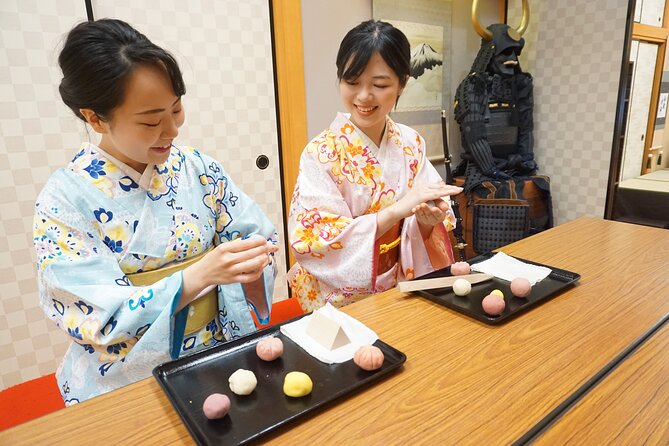
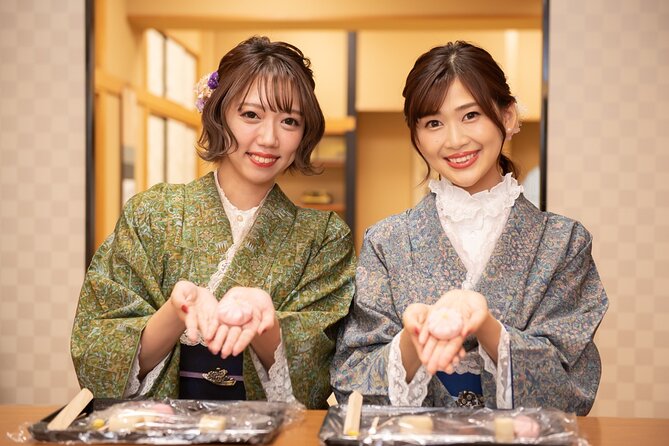
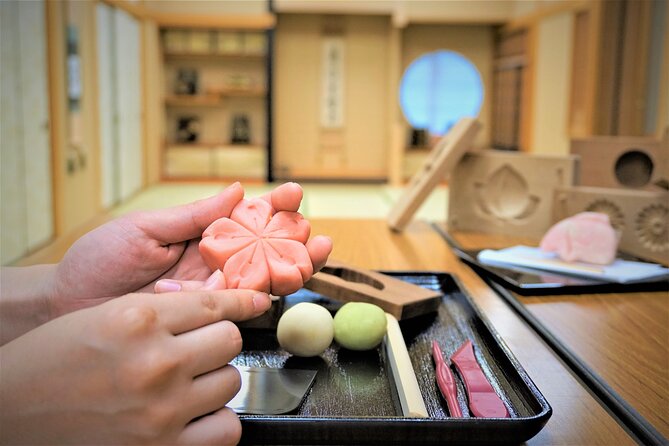
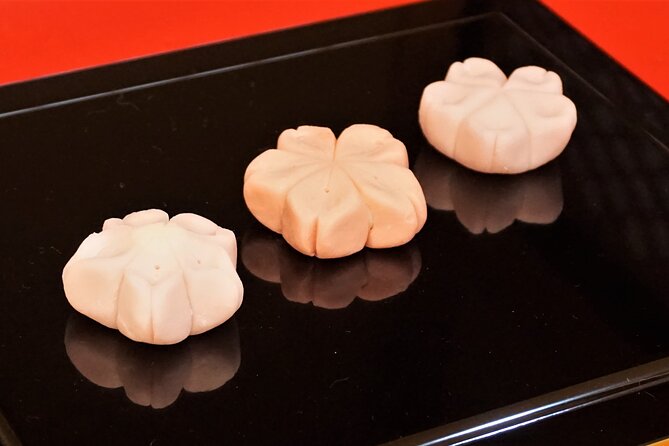
If you’ve only ever eaten Japanese sweets, wagashi making is the kind of activity that flips a light switch. You don’t just read about it—you shape it. In this tour, the workshop is part of the experience, and you’ll make wagashi sweets by hand in an Asakusa setting.
Why this matters: a hands-on food activity gives you a practical lens on culture. Wagashi isn’t only about taste. It’s also about craft, presentation, and seasonal thinking. Even when you’re not sure what you’re doing at first, the act of making forces you to slow down and pay attention.
Also, this is the piece of the day that stays interesting even if the outdoor walking is hot, rainy, or simply crowded with school groups. You can’t “speedrun” a workshop. It has a natural rhythm, and you’ll likely remember the textures, tools, and the finished sweets long after you’ve forgotten which street you turned on.
One more thing: Asakusa is the right neighborhood to pair with this. It’s where the tour leans into traditional Tokyo atmosphere, not just landmarks.
Asakusa and Jidaiya: Old Neighborhood Feel With Context
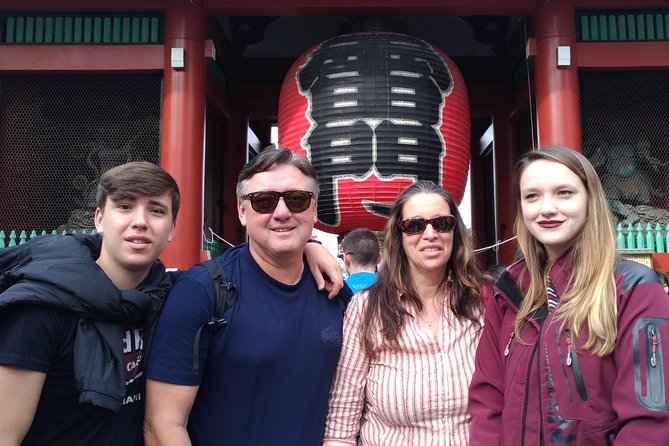
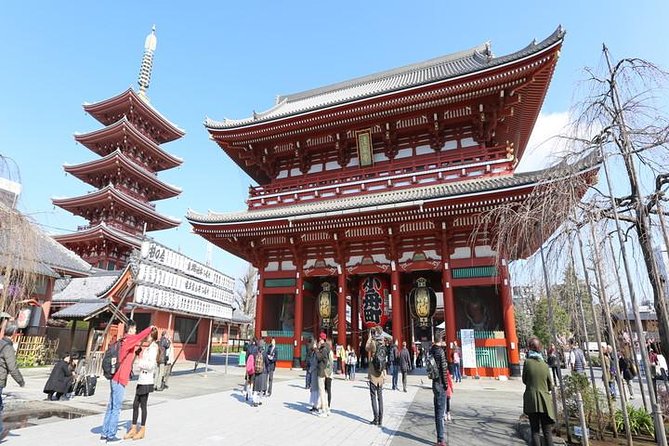
Your day can start in Asakusa, Tokyo’s shitamachi, often described as the low-city area where the vibe of earlier decades still hangs in the air. The star stop in this zone is Sensoji—one of Tokyo’s most colorful and popular temples. This isn’t just a “see the gate” moment. A good guide helps you understand what you’re looking at and why people behave the way they do there.
Sensoji Temple (Asakusa Kannon Temple)
Sensoji is a Buddhist temple and, according to the temple legend, it traces back to the year 628. Even if you don’t memorize every story detail, you’ll walk away with better meaning than a quick photo. The guide can also help you understand common etiquette expectations so you don’t feel awkward in front of worshippers.
Time on-site is short, so your best move is to treat it as a guided orientation. If you want to linger for longer, plan that for after the tour ends.
Jidaiya: An Asakusa Alternative
Jidaiya is offered as an option for people who want a different take on Asakusa sightseeing. It’s described as a more profound and authentic Japanese experience than the typical checklist route. If you like “how people lived” explanations—rather than only “what to see”—this can be a smart pick.
The key is that Jidaiya doesn’t just sit next to Asakusa. It gives you a different entry point into the district, so pairing it with Sensoji (or replacing Sensoji) can make your day feel less repetitive.
Readers also shortlisted these Tokyo bookings:
- Tokyo 6hr Private Tour with Government-Licensed Guide★ 5.0 · 3,902 reviews
- Private Tour to Mt. Fuji and Hakone (Fully Licenced Operator)★ 5.0 · 1,910 reviews
- Tokyo Customized Private Tour (Must See Places in 1 Day)★ 5.0 · 1,499 reviews
- Mount Fuji Full-Day Private Tour from Tokyo (Customizable)★ 4.9 · 1,470 reviews
- Tokyo: Private City Highlights Tour with Local Guide★ 4.8 · 1,433 reviews
A practical tip from guide styles
In previous tours, guides like Emiko have given an overview that started from a rooftop opposite the shrine, then moved into history and customs in a clear way. That’s a great model for first-timers: get oriented first, then walk with better understanding.
Tsukiji Fish Market: Food Culture in Short Form
Tsukiji is included as a stop option, and it’s described plainly: the old fish market of Japan, full of delicious and unique foods, with locals and tourists showing up for the selection. Even if you’re not there to eat everything, you can treat this as a sensory crash course.
You’ll have time here to look around and (importantly) buy something if you want. The tour info also hints at supporting local vendors—so if you do one “spend a little” decision, this is the place.
The downside? Tsukiji can be a lot for a short window. If you’re the kind of person who freezes when confronted with many choices, decide in advance what you’ll buy. Otherwise your 30 minutes can turn into “just browsing” that doesn’t lead to a satisfying takeaway.
Meiji Jingu and Harajuku: Tradition Next to Teen Fashion
Meiji Jingu is a shrine dedicated to the deified spirits of Emperor Meiji and Empress Shoken. It’s positioned beside the busy JR Yamanote Line’s Harajuku area, which makes it a powerful example of Tokyo contrasts: train noise nearby, calm and ceremony inside.
If your day includes Meiji Jingu, you’ll likely get a guided explanation of why the shrine matters and how people approach it—again, not just a landmark photo. This is a great stop for visitors who want more meaning than “big gate, big crowd.”
Takeshita Street (Harajuku Area)
Takeshita Street is listed as part of the Harajuku area, described as the center of Japan’s most extreme teenage cultures and fashion styles. That’s a fun counterbalance to shrine time. Where Meiji Jingu slows you down, this area does the opposite.
One small consideration: if fashion culture isn’t your thing, Harajuku might feel like noise. But if you want to see Tokyo’s youth energy up close (and walk away with a few cool street-style photos), it’s a solid choice.
Garden Time That Actually Works in 6 Hours
Tokyo gardens can eat time fast. This tour avoids that trap by making gardens an intentional pick: you select up to 2–3 stops total. So if you choose a garden, you’re choosing the mood shift.
Here are the garden options available, with what each one signals about Japanese design.
Shinjuku Gyoen National Garden
Shinjuku Gyoen is one of Tokyo’s largest and most popular parks. The tour info emphasizes spacious lawns, meandering walking paths, and tranquil scenery—classic ingredients for a reset button in the middle of a walking day. Note: admission isn’t included here.
Koishikawa Korakuen Garden
Koishikawa Korakuen is described as one of Tokyo’s oldest and best Japanese gardens, built in the early Edo Period as part of the Mito branch residence. If you like gardens with a stronger historical backbone, this is the pick. Admission isn’t included.
Hamarikyu Gardens
Hamarikyu is a central Tokyo garden along Tokyo Bay, featuring seawater ponds that change level with the tides. It also mentions a teahouse on an island. If you want a garden that feels tied to the water-world instead of purely inland green space, this one has personality. Admission isn’t included.
Rikugien
Rikugien is often considered one of Tokyo’s most beautiful Japanese gardens alongside Koishikawa Korakuen. The name means six poems garden, and it was built around 1700 for the 5th Tokugawa Shogun. Admission isn’t included.
My practical advice: if you choose a garden, don’t stack two gardens unless you’re really into Japanese garden design. Pick one, enjoy it fully, and keep your day feeling relaxed rather than rushed between points.
Imperial Palace Grounds: Edo Castle Without the Inside
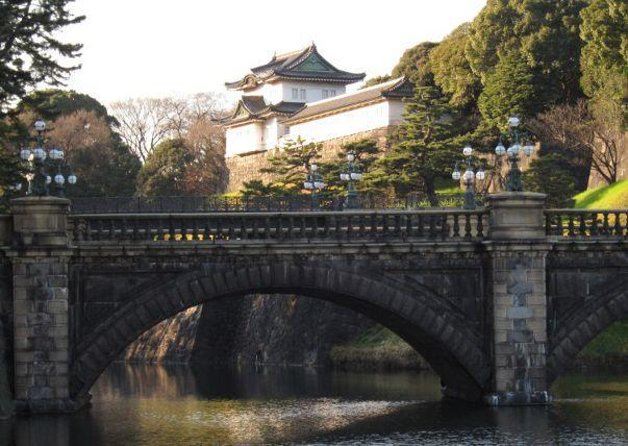
The Imperial Palace stop is listed as exterior-only. The current palace sits on the former site of Edo Castle, with moats and massive stone walls around a park area. This is a useful stop if you want a “big power history” marker without spending your day waiting for inside access.
You’ll still get value from the exterior: the scale of the walls and the moat layout give you a visual sense of how the city was organized around authority. Just plan it as a guided walk-and-look, not a deep museum moment.
Akihabara and Shinjuku Golden Gai: Two Kinds of Tokyo Fun
Tokyo’s modern districts don’t all feel the same. This tour lets you pick options that are modern in very different ways.
Akihabara
Akihabara is famous for electronics shops, and it’s also described as the center of Japanese pop culture. If you’re the type who likes browsing tech, anime-related items, or just soaking up the neighborhood energy, this is a strong choice.
Time is short on this tour, so treat it as a orientation stop. If you have a specific store in mind, decide what you want before you arrive.
Shinjuku Golden Gai
Golden Gai is described as full of a downtown city atmosphere with a famous crazy shop (Donkihote) for interesting gifts, and it also notes a Godzilla presence nearby. This is the more “quirky night-life alley” side of Tokyo, even if you’re seeing it during daylight.
Consideration: if you’re not interested in small streets and gift shopping, it might feel like a fun detour rather than a must-do. But if you want Tokyo to show you its odd corners, this one can deliver.
How the Guide Helps You Use Tokyo’s Train System
Tokyo’s public transit is excellent and a little intimidating at first. A big reason private guides get high marks here is that they help you get your bearings fast. One guide (Ted) specifically helped visitors feel confident using the train system afterward.
So even if the tour itself stays structured, the real payoff can show up the next day: you’ll have a better sense of how lines connect, and you’ll feel more comfortable choosing your own route later.
Another practical note from the tour info: the Metro Pass is optional and listed with pricing (800 yen for adults for 24 hours, 400 yen for children). Since transportation fees aren’t included in the tour, you should expect to pay for transit yourself. Your guide can still help you plan which route makes sense, but you’re the one buying the ticket/passing.
Pick Your 2–3 Stops Like a Pro (Not Like a Tourist)
Since you’re limited to 2–3 sites, your best strategy is to choose based on mood. Here’s a simple way to decide:
- Choose Asakusa + wagashi if you want tradition plus a hands-on activity.
- Choose one modern district (Akihabara or Harajuku area) if you want Tokyo’s current flavor.
- Choose one garden if you need calm and a change of pace.
- Choose Imperial Palace exterior if you want a big-history feel without extra waiting.
If you’re with kids or visiting with a family member, keep the age rule in mind: the tour is only for those 12 and over, and it’s not for young children or babies. That single detail can make or break the fit.
Also remember: the tour can’t combine groups, and you can’t visit all places on the longer list. So treat this as a focused, guided “best-of what you pick” day, not an all-day mega itinerary.
Who This Tour Fits Best (And Who Should Skip It)
This is a great fit for:
- First-timers who want cultural context, not only photos
- People who care about etiquette and want questions answered
- Food lovers who want something active, not just sightseeing
- Travelers who want confidence navigating Tokyo after the tour
This is probably not your best match if:
- You want a full-day tour that checks every major sight
- You’re traveling with a child under 12
- You don’t want to pay extra for transit or garden admissions
The strong point across guide styles—like Takako customizing an itinerary with a personable, professional feel, or Sachi creating a personalized plan that exceeded expectations—is that the guide will adjust to what you actually want to see.
Should You Book This Tokyo Private Tour and Wagashi Workshop?
If you like Tokyo but hate feeling lost, this booking makes sense. The value isn’t just the sights. It’s the combination of private attention and a hands-on wagashi experience that gives you a real memory.
Book it if you’ll pick stops that match your interests (Asakusa/food, one garden, one modern area, or the Imperial Palace exterior). You’ll get a day that feels tailored instead of rushed.
Skip it if your dream is doing everything in one go. This tour is selective on purpose, and it works best when you choose thoughtfully.
FAQ
How long is the Tokyo private guided tour?
The tour runs for about 6 hours.
Is this tour private?
Yes. It’s a private tour/activity, and only your group participates.
What’s included in the tour price?
A licensed local guide, a meet-up in Tokyo on foot, the wagashi making experience, and a customizable plan for 2–3 sites from the listed options are included.
What are not included costs I should plan for?
Private transportation is not included, and transportation fees are not included. Some garden admissions are also not included (for example Shinjuku Gyoen, Koishikawa Korakuen, Hamarikyu Gardens, and Rikugien), while some other sites list free admission.
Can I visit all the stops on the full list?
No. You can’t visit all places on the itinerary. The tour is set up so you choose 2–3 sites.
Is there an age requirement?
Yes. Only people 12 and over can participate. It is not for young children or babies.
What’s the cancellation policy?
Free cancellation is available up to 24 hours in advance for a full refund. If you cancel less than 24 hours before the start time, the amount paid will not be refunded.
More Guided in Tokyo
- Tokyo 6hr Private Tour with Government-Licensed Guide
★ 5.0 · 3,902 reviews - Tokyo: Shinjuku Local Bar and Izakaya Guided Walking Tour
★ 4.9 · 1,794 reviews - Tokyo: Private City Highlights Tour with Local Guide
★ 4.8 · 1,433 reviews - Tokyo: Tsukiji Fish Market Guided Walking Tour
★ 4.9 · 1,397 reviews - Tokyo 4hr Private Tour with Government-Licensed Guide
★ 5.0 · 1,394 reviews
More Tours in Tokyo
- Mt Fuji and Hakone 1-Day Bus Tour Return by Bullet Train
★ 5.0 · 26,383 reviews - 1-Day Tokyo Bus Tour
★ 5.0 · 14,250 reviews - Tokyo: Shinjuku Food Tour (13 Dishes at 4 Local Eateries)
★ 5.0 · 6,603 reviews - Tokyo Mt Fuji 5th St & Hakone Cruise Bus Tour w/Bullet Train
★ 4.4 · 5,024 reviews - Flagship 2-Hours Official Street Go-Kart Tour – Tokyo Bay Shop
★ 5.0 · 4,974 reviews
More Tour Reviews in Tokyo
- Mt Fuji and Hakone 1-Day Bus Tour Return by Bullet Train
★ 5.0 · 26,383 reviews - 1-Day Tokyo Bus Tour
★ 5.0 · 14,250 reviews - Tokyo: teamLab Planets TOKYO Digital Art Museum Entry Ticket
★ 4.6 · 9,779 reviews - Mt Fuji & Hakone Cruise, Drum Show Bullet Train 1 Day from Tokyo
★ 4.0 · 7,413 reviews - Tokyo: Shinjuku Food Tour (13 Dishes at 4 Local Eateries)
★ 5.0 · 6,603 reviews
Latest Tokyo reviews off our desk






Dessert Tours, compared.
 ★ 5.0Matcha Making Class in Tokyo with Authentic Japanese Sweets SetFrom $21744 reviews
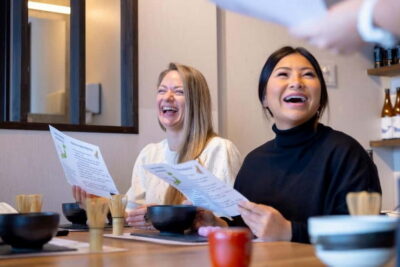 ★ 4.9Matcha Making Experience with Mochi Sweets in AsakusaFrom $22388 reviews
 ★ 5.0Make Traditional Nerikiri Sweets & Matcha experience in ShibuyaFrom $60130 reviews
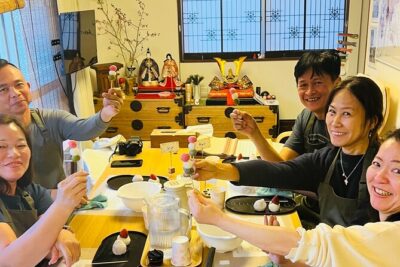 ★ 5.0Private Mochi Sweets Making class near Shibuya areaFrom $7993 reviews
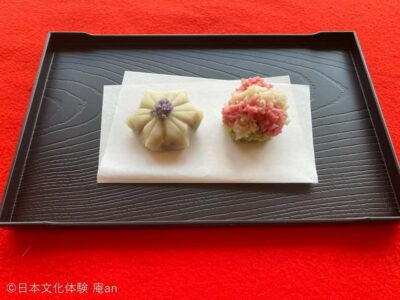 ★ 4.7Japanese Traditional Sweets making and Tea CeremonyFrom $1850 reviews
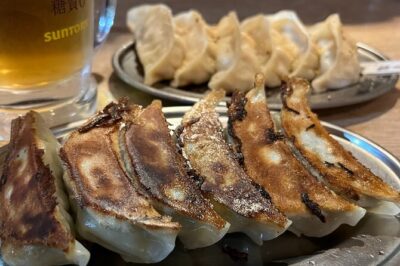 ★ 5.0Tokyo Local Food Tour: Noodles, Skewers, Dumplings, SweetsFrom $7448 reviews
 ★ 4.6Two Types of Japanese Sweets Making and Tea CeremonyFrom $2826 reviews
 ★ 5.0Mochi Matcha Gluten Free Japanese Sweets Class near Shibuya areaFrom $11226 reviews
Browse the lists this tour appears in