
Reviewed · WALKING TOURS
Tokyo After 5: Local Eats, Drinks & Culture Walk
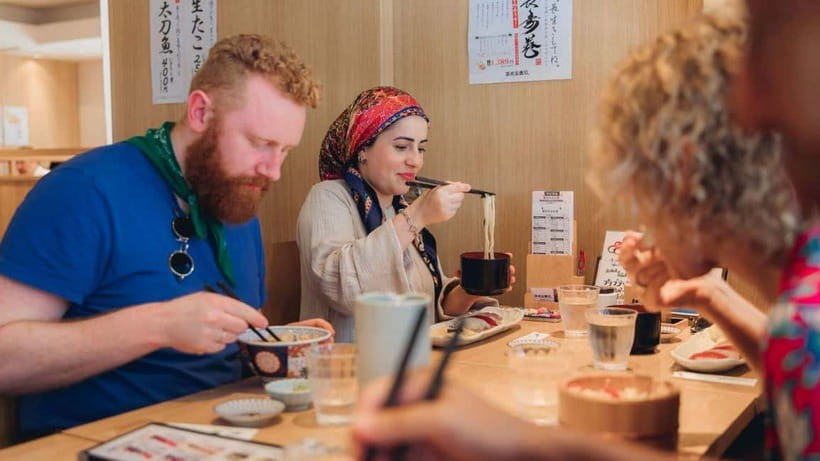
After-work Tokyo has its own flavor map. This small-group food walk shows you how locals snack, sip, and talk their way through the city’s neighborhoods, from a Depachika basement hall to hotplate cooking. I especially love starting in Ginza with the sights-and-snacks rhythm you’d miss if you only follow train-station grids, and I love that max 8 guests keeps the pace human and the guide able to answer every question (including the awkward ones). One drawback to flag: this isn’t a tour for special diets, and there’s enough walking and subway movement to be an issue if you’re mobility-limited or dislike lots of stairs.
In This Review
- Key things to know before you go
- Why Tokyo After 5 feels like a real evening, not a checklist
- Meeting at Mitsukoshi Ginza: the location you’ll want to find quickly
- Ginza walking time: where the night starts to make sense
- Depachika in the basement: the “how to order” lesson in a few stops
- Yurakucho yakitori alleys: smoky skewers and after-work energy
- Tsukishima Monja Town: cooking monja-yaki at the hotplate
- Wagashi stop: seasonal sweets with meaning
- Food, drinks, and pace: what $89 buys you in Tokyo evening reality
- Who this tour suits best (and who should think twice)
- Guides you might meet: why personalities matter on this kind of tour
- Should you book Tokyo After 5?
- FAQ
- Where is the meeting point?
- How long is the tour?
- What does the tour include for food and drink?
- Is it a small group tour?
- What about dietary restrictions like vegetarian, vegan, or gluten-free?
- Is there an age limit?
- What transportation is included?
Key things to know before you go
- Max 8 guests means more time at each stop and less rushing.
- Depachika first: you learn how to read the food-hall game before you order anything.
- Hands-on monja-yaki in Tsukishima Monja Town: you cook at the hotplate, not just watch.
- Yurakucho yakitori alleys: a classic after-work scene with skewers grilled fresh.
- Seasonal wagashi: you’ll get the meaning behind the look and ingredients.
- Diet limits are real: no vegetarian, vegan, or gluten-free options on this tour.
Why Tokyo After 5 feels like a real evening, not a checklist
Tokyo can be intimidating at night. This tour is designed to get you comfortable fast by matching what Tokyoites do after work: eat something satisfying, share it with friends (or new friends), then keep walking to the next place without treating it like a mission.
You’ll cover food you can’t easily “figure out” on your own—Depachika choices, after-work yakitori etiquette, and the technique of monja-yaki. The payoff is practical: you learn enough about how locals think about food that your next meal in Tokyo feels easier, not random.
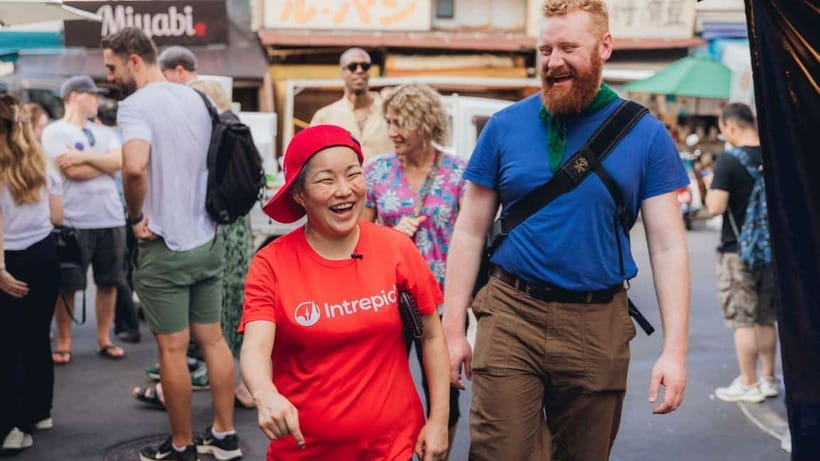
The group size also matters. With a maximum of 8, you’re not just standing in a line waiting for the next photo. You can ask about flavors, cooking methods, and why certain foods appear seasonally—then actually understand the answers.
Readers also shortlisted these Tokyo bookings:
- Tokyo Tsukiji Fish Market Food and Culture Walking Tour
★ 5.0 · 3,184 reviews - Tokyo: Imperial Palace and Shogun Historical Walking Tour
★ 5.0 · 2,251 reviews - Tokyo: Shinjuku Local Bar and Izakaya Guided Walking Tour
★ 4.9 · 1,794 reviews - Tokyo: Tsukiji Fish Market Food and Walking tour
★ 5.0 · 1,724 reviews
Meeting at Mitsukoshi Ginza: the location you’ll want to find quickly
Your tour meets at Mitsukoshi Ginza department store, outside in front of a life-size sitting Lion statue. If you take the A7 exit up to street level, you can see it. Ginza Station connects multiple subway lines (Tokyo Metro Ginza, Hibiya, and Marunouchi), so you’ll have options for getting there.
One real-world tip from past participants: the meeting spot is easy once you know what you’re looking for, but if you don’t, it can take a few minutes to clock the right statue and person holding the group. I’d arrive a bit early, scan the front area, and confirm the tour name with the guide on site.
Ginza walking time: where the night starts to make sense
Ginza is a good warmup because it’s both recognizable and compact enough to orient you. You get a guided segment in Ginza as part of the plan, before the tour shifts into food-heavy neighborhoods.
What you’re really getting in this first stretch is pacing and context. You’ll learn how the evening flows: where people go after work, how to move between stops, and how to order without second-guessing yourself. Even if you don’t know a word of Japanese, the guide helps you understand what matters—timing, how to approach the counters or small dining spaces, and what to expect from each type of food.
The tour also includes public transit time. You’ll use two subway tickets, which matters because it keeps the walking manageable enough to focus on food rather than logistics.
Depachika in the basement: the “how to order” lesson in a few stops
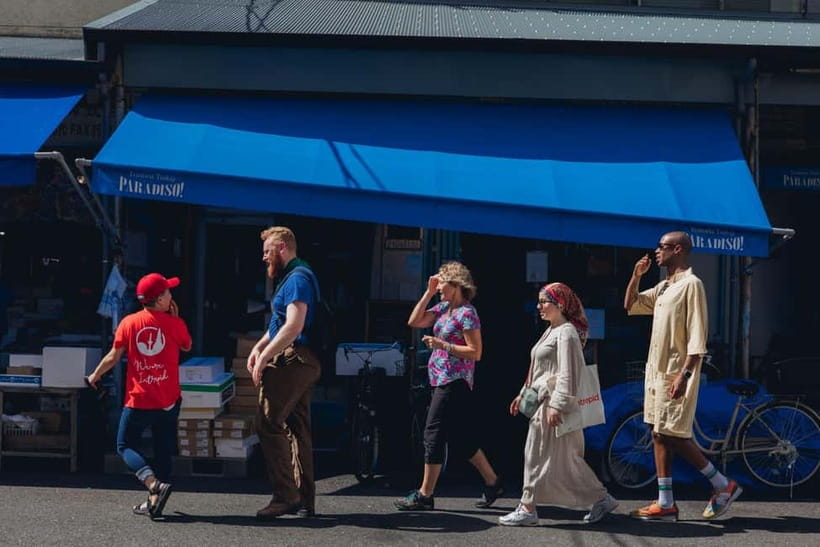
The tour starts tasting in a Depachika, the basement food hall where Tokyo shoppers pick up carefully made comfort food and seasonal sweets. If you’ve ever wandered one of these halls and felt like you needed a translator, this is your fix.
Here’s what I like about this part: it’s not just eating. Your guide explains the etiquette, the flavors, and the traditions behind popular picks. That makes a big difference because Depachika shopping is culture, not only calories. You’ll get a sense of how to choose something that feels right for the season and for the mood of the day.
You’ll also see how locals think about “small treats” as a complete experience. You’re not just grabbing a snack—you’re learning how Tokyo people build an evening meal from multiple bites. That lesson pays off later when you’re back on your own.
Yurakucho yakitori alleys: smoky skewers and after-work energy
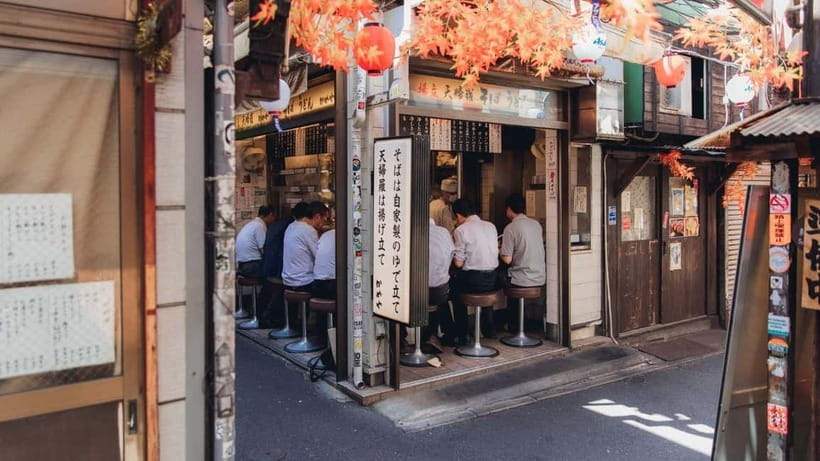
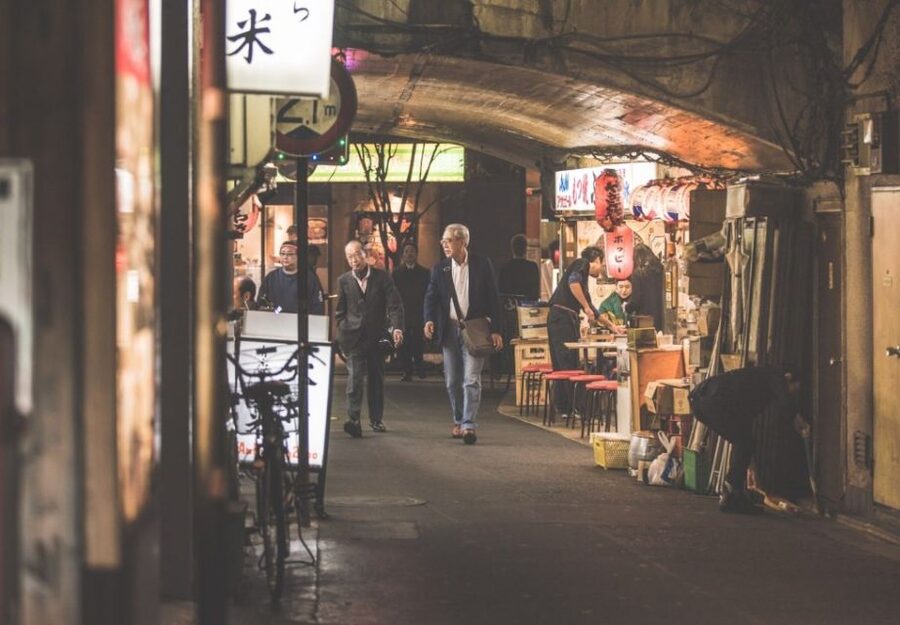
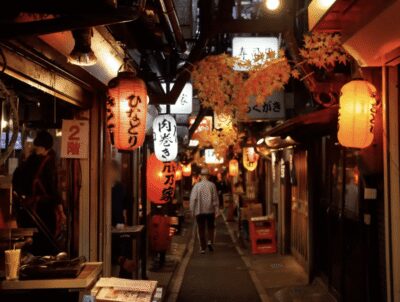
After the Depachika, you head into Yurakucho, famous for lantern-lit backstreets where office workers gather. This is the part of Tokyo that feels most alive at night, because the food is the reason you’re there—and it’s happening in front of you.
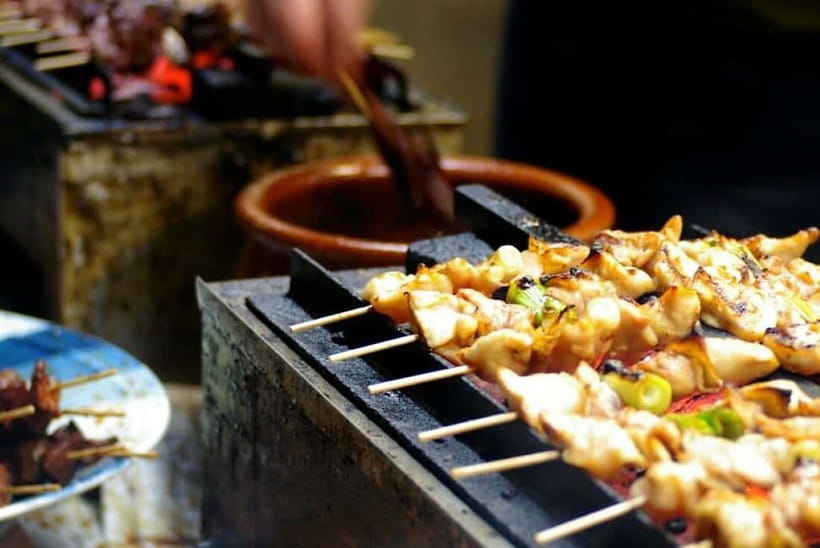
You’ll taste freshly grilled yakitori, and your guide explains how skewers are prepared and why these smoky alleys are such an essential part of Tokyo life. That cooking detail is key. Yakitori isn’t just “chicken on a stick.” The guide helps you connect the flavor to what’s on the skewer and the way it’s grilled.
Two practical notes to keep you comfortable:
- Expect tighter spaces. Even when a restaurant is friendly, it can be small.
- Be ready for a lively scene. One past participant noted a loud moment from a child inside a tiny restaurant, and the space itself couldn’t really absorb it. That’s not something the guide controls, but it’s good to know that some stops are compact and close to other diners.
- Mt Fuji and Hakone 1-Day Bus Tour Return by Bullet Train★ 5.0 · 26,383 reviews
- 1-Day Tokyo Bus Tour★ 5.0 · 14,250 reviews
- Tokyo: teamLab Planets TOKYO Digital Art Museum Entry Ticket★ 4.6 · 9,779 reviews
- Mt Fuji & Hakone Cruise, Drum Show Bullet Train 1 Day from Tokyo★ 4.0 · 7,413 reviews
- Tokyo: Shinjuku Food Tour (13 Dishes at 4 Local Eateries)★ 5.0 · 6,603 reviews
Tsukishima Monja Town: cooking monja-yaki at the hotplate
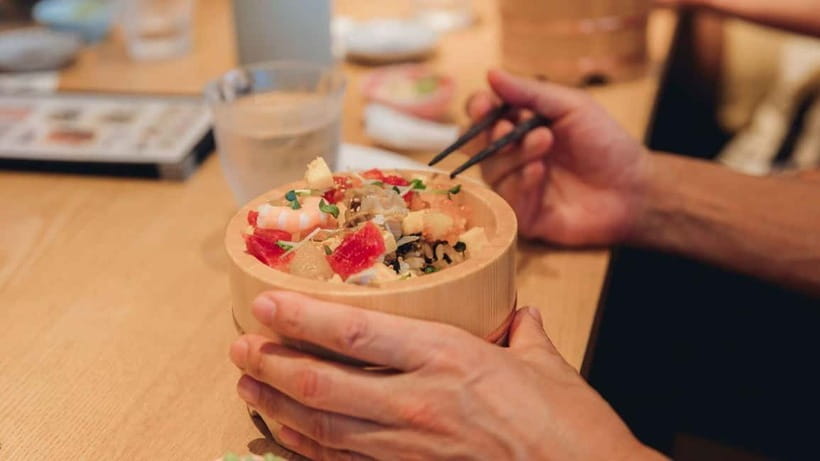
Then comes the hands-on highlight: Tsukishima Monja Town, known as the birthplace of monja-yaki. If yakitori is about grilling technique, monja-yaki is about performance and patience.
You’ll sit around the hotplate and watch your meal cooked in front of you, then you’ll try the technique yourself. That matters because monja-yaki is easier to understand once you’re working it, not just eating it. The guide’s role here is huge—because you’ll learn what you’re aiming for in texture and how the process differs from other savory Japanese griddled foods.
This is also where the tour feels most “Tokyo” in a way that’s hard to replicate. Most food tours let you sample. This one actually gives you a chance to participate.
One more reason I’d prioritize this stop: it takes you outside the most over-photographed areas. You get a local food identity (monja-yaki) tied to a real neighborhood story, and it’s the kind of place tourists often skip.
Wagashi stop: seasonal sweets with meaning
You’ll finish sweetly with wagashi, Japan’s traditional handcrafted sweets. Your guide explains how seasons, ingredients, and aesthetics shape what you’re eating.
Wagashi is a good lesson in Japanese “food as design.” Even if you’re not a dessert person, you’ll probably remember the experience because wagashi is meant to be seen as well as tasted. One participant got a wagashi described as red bean paste filled with mochi, which is a reminder that these sweets often balance chewy textures with gentle sweetness.
This stop also helps you land the evening. After savory cooking and grilled bites, wagashi gives you a lighter, slower moment to talk about what you just learned—then you’re ready for the final stretch back toward Ginza.
Food, drinks, and pace: what $89 buys you in Tokyo evening reality
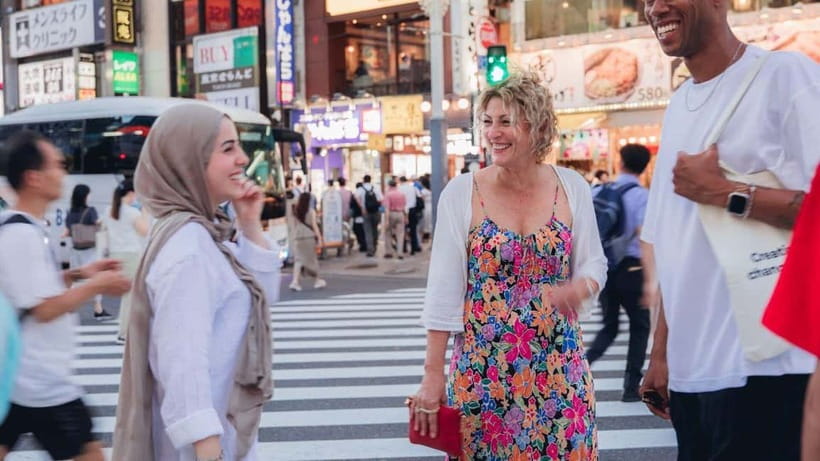
Let’s talk value. The price is $89 per person, and for a 210-minute tour, it includes more than most “just eat” walks.
What’s included:
- Guided food tour through hidden local spots
- Local English-speaking guide
- Public transportation (2 subway tickets)
- Three tastings: yakitori, monja-yaki, wagashi
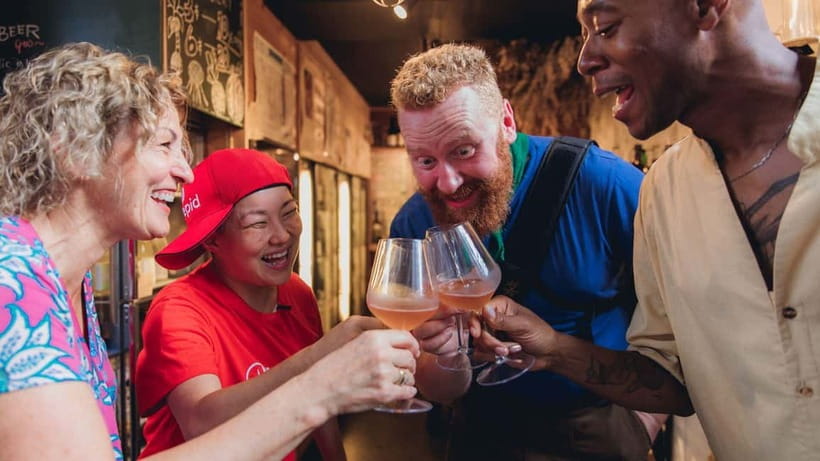
- Two drinks: sake, beer, or soft drink (depending on your preferences and age)
- Hands-on monja-yaki and yakitori experience
- Meeting local chefs and exploring neighborhood food culture
What that means for you: your money goes toward three things that are hard to DIY—finding the right small spots, navigating ordering and etiquette, and getting a guide to connect food to culture. In Tokyo, those are exactly the ingredients that save time and reduce the stress of guessing.
One important detail: the tour is for people 12 and older, but Japan’s legal drinking age is 20. If you’re under 20, you’ll be served non-alcoholic drinks only. So the drink part won’t feel awkward for younger teens.
Also, the tour notes that establishments can’t cater all dietary needs. Vegetarian, vegan, and gluten-free options aren’t available. If your diet has strict requirements, you should treat this as a no-go and plan an alternative.
Who this tour suits best (and who should think twice)
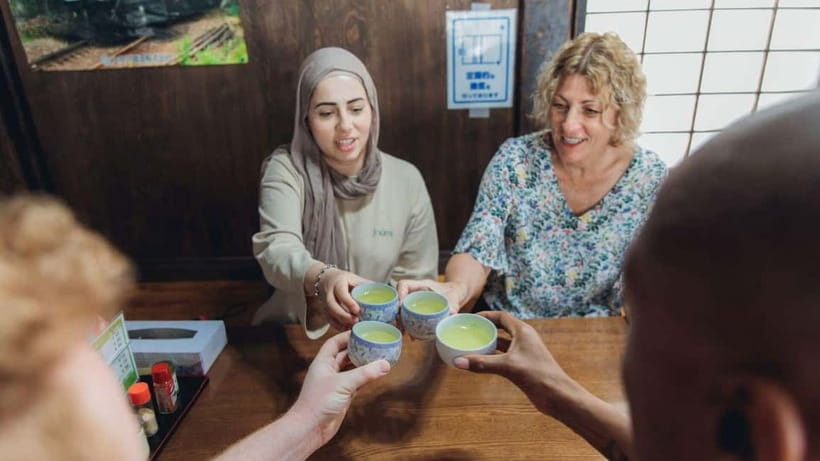
This tour is a strong fit if you:
- Want an easy entry into Tokyo’s evening food scene without language stress
- Enjoy eating your way through neighborhoods rather than hitting only landmarks
- Like hands-on cooking, not only tasting
- Appreciate guidance on etiquette and food meaning (not just flavor descriptions)
It may not suit you if:
- You need vegetarian, vegan, or gluten-free food (not available on this tour)
- You have mobility limits or dislike subway stairs and walking. One participant who was 83 couldn’t finish because the walking and routing felt too demanding.
If you’re on a tight schedule and want maximum sampling with minimum planning, this can be a great start to your Tokyo night. It’s also a good choice if you’ve never handled Japanese food halls or small late-night restaurants before.
Guides you might meet: why personalities matter on this kind of tour
A tour like this lives or dies on the guide’s storytelling and pacing. Past participants highlighted guide styles that range from energetic to super patient, and several names came up clearly: Tsunematsu Hidenori, Yuki (noted as snoopy), Kirir, and Meg, plus mention of Yoshi.
Even if you don’t know the guide ahead of time, you can expect the format to support a conversation. The small group and the hands-on cooking create natural moments to ask questions and get real explanations—especially at monja-yaki and wagashi, where meaning and method matter more than generic taste notes.
Should you book Tokyo After 5?
If you want a Tokyo evening that feels practical, local, and slightly social, I’d book this. The mix of Depachika, Yurakucho yakitori, and Tsukishima monja-yaki cooking gives you variety without chaos, and the max 8 group size keeps it from turning into a cattle line.
I’d only hesitate if your diet is restricted (because there are no vegetarian/vegan/gluten-free options) or if you have trouble with walking and subway stairs. If that’s you, you’ll likely enjoy a different type of food experience with fewer movements and more flexible menus.
If those issues don’t apply, this is a smart way to spend your after-work window: you’ll eat well, learn what to look for next time, and leave Tokyo with a clearer sense of how locals actually unwind after the workday ends.
FAQ
Where is the meeting point?
You meet at Mitsukoshi Ginza department store in front of the life-size sitting Lion statue outside. From Ginza Station, the A7 exit brings you to street level where you can see it.
How long is the tour?
The tour lasts 210 minutes.
What does the tour include for food and drink?
You get three tastings: yakitori, monja-yaki, and wagashi. You also get two local drinks: sake, beer, or soft drink.
Is it a small group tour?
Yes. The group size is limited to a maximum of 8 participants.
What about dietary restrictions like vegetarian, vegan, or gluten-free?
Unfortunately, vegetarian, vegan, or gluten-free options are not available on this tour.
Is there an age limit?
The tour is for travelers 12 and older. In Japan, the legal drinking age is 20, so participants under 20 will be served non-alcoholic drinks only.
What transportation is included?
The tour includes public transportation using two subway tickets.
More Walking Tours in Tokyo
- Tokyo Tsukiji Fish Market Food and Culture Walking Tour
★ 5.0 · 3,184 reviews - Tokyo: Imperial Palace and Shogun Historical Walking Tour
★ 5.0 · 2,251 reviews - Tokyo: Shinjuku Local Bar and Izakaya Guided Walking Tour
★ 4.9 · 1,794 reviews - Tokyo: Tsukiji Fish Market Food and Walking tour
★ 5.0 · 1,724 reviews - Tokyo: Asakusa Walking Tour with Sensoji Temple Visit
★ 4.8 · 1,583 reviews
More Tour Reviews in Tokyo
- Mt Fuji and Hakone 1-Day Bus Tour Return by Bullet Train
★ 5.0 · 26,383 reviews - 1-Day Tokyo Bus Tour
★ 5.0 · 14,250 reviews - Tokyo: teamLab Planets TOKYO Digital Art Museum Entry Ticket
★ 4.6 · 9,779 reviews - Mt Fuji & Hakone Cruise, Drum Show Bullet Train 1 Day from Tokyo
★ 4.0 · 7,413 reviews - Tokyo: Shinjuku Food Tour (13 Dishes at 4 Local Eateries)
★ 5.0 · 6,603 reviews
Latest Tokyo reviews off our desk


Walking Tours, compared.
 ★ 5.0Tokyo Tsukiji Fish Market Food and Culture Walking TourFrom $993,184 reviews
 ★ 5.0Imperial Palace and Shogun Historical Walking TourFrom $222,251 reviews
 ★ 4.9Shinjuku Local Bar and Izakaya Guided Walking TourFrom $341,794 reviews
 ★ 5.0Tsukiji Fish Market Food and Walking tourFrom $301,724 reviews
 ★ 4.8Asakusa Walking Tour with Sensoji Temple VisitFrom $221,583 reviews
 ★ 4.9Tsukiji Fish Market Guided Walking TourFrom $221,397 reviews
 ★ 4.7Tokyo Castle & Imperial PalaceーShogun Walking TourFrom $231,068 reviews
 ★ 4.9Imperial Palace Japanese History Walking TourFrom $32987 reviews
Browse the lists this tour appears in