
Reviewed · ASAKUSA & SENSOJI TOURS
Tokyo Asakusa: Food Sample Making Workshop
Food that looks real is the whole point. In Tokyo’s Asakusa, this hands-on food sample making workshop lets you build a convincing replica of popular Japanese meals, then add your own personal details. I especially love the photo-friendly moment of doing a side-by-side comparison with the actual dish, and I like that you leave with a take-home souvenir that feels genuinely handmade. One thing to consider: if you want super detailed explanations in English, the level of English support can be uneven, though the steps are still straightforward.
The experience runs in a small shop setup with a guided workflow, real food on display, and plenty of time to get creative. If you’re the type who likes activities that are both fun and practical (not just a ticket and a line), this is a smart use of an hour or so in Asakusa.
In This Review
- Key reasons this workshop earns its hype
- Entering the Food Sample Making Cafe in Asakusa
- Choosing between omelette rice, spaghetti, crepe, or jelly parfait
- How the food replica is made: realistic, guided, and creatively yours
- The optional meal: you eat the dish you built
- Time on the clock: planning for 1 hour vs 1.5 hours
- Price and value: why $39 feels fair for a take-home Tokyo souvenir
- Staff guidance and language: you’ll be okay even if English is light
- Turning your sample into a personal masterpiece
- What to expect when you finish: take-home display and photo proof
- Who should book this food sample workshop in Asakusa
- Should you book the Tokyo Asakusa Food Sample Making Workshop?
- FAQ
- What dishes can I make in the Tokyo Asakusa food sample workshop?
- How long is the workshop?
- Does the price include a meal?
- What’s the meeting point?
- What languages will the instructor use?
- Is it suitable for young children?
- Can I cancel or pay later?
Key reasons this workshop earns its hype
- You craft the souvenir: your replica goes home with you, not just your photos.
- Optional matching meal: make the sample, then eat the same dish style for a real comparison.
- Big choice, low stress: pick from omelette rice, spaghetti, crepe, or jelly parfait.
- Personal touches are encouraged: names, shapes, and details are part of the experience.
- You get staff guidance: you’re not left figuring it out alone.
- Side-by-side moments: the fun is in comparing your work to the real dish.
Entering the Food Sample Making Cafe in Asakusa
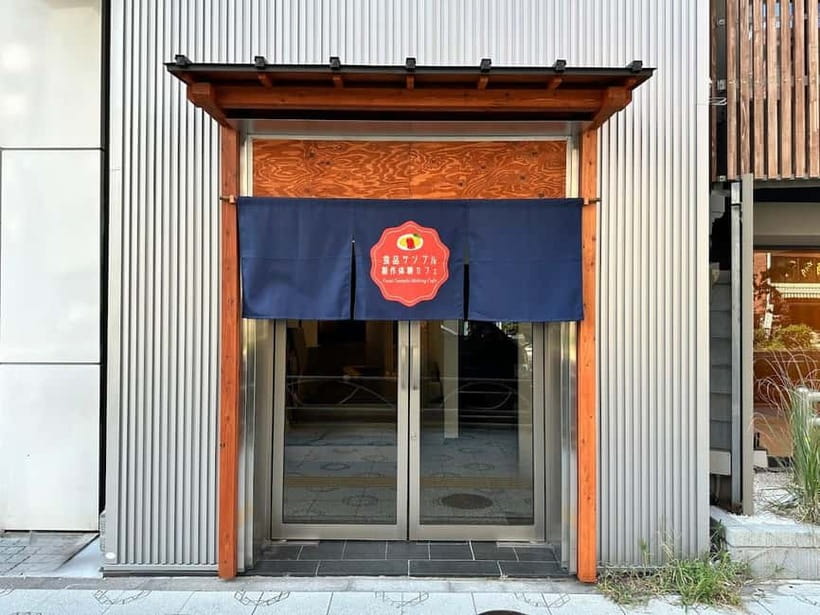
This workshop is set up like a proper little cafe shop in Asakusa. Your best move is to find the noren curtain that clearly says Food Sample Making Cafe, then step inside. The entrance faces the main street, so you’re not hunting alleyways for long.
Once you’re in, you’ll feel why food sample places work so well as an activity. The whole environment is built around replicas and the real foods behind them. That means your workshop doesn’t feel abstract—you’re constantly looking at food forms, colors, and textures while you build your own.
More temple mornings in old Asakusa
- Tokyo: Japanese Dance Cabaret Theater Asakusa-Kaguwa Ticket
★ 4.8 · 2,270 reviews - Tokyo: Meiji Shrine, Asakusa, Skytree Bus Tour and Cruise
★ 4.7 · 1,986 reviews - Tokyo: Roll and Authentic Sushi Making Class in Asakusa
★ 4.9 · 1,957 reviews - Tokyo: Asakusa Walking Tour with Sensoji Temple Visit
★ 4.8 · 1,583 reviews
Choosing between omelette rice, spaghetti, crepe, or jelly parfait
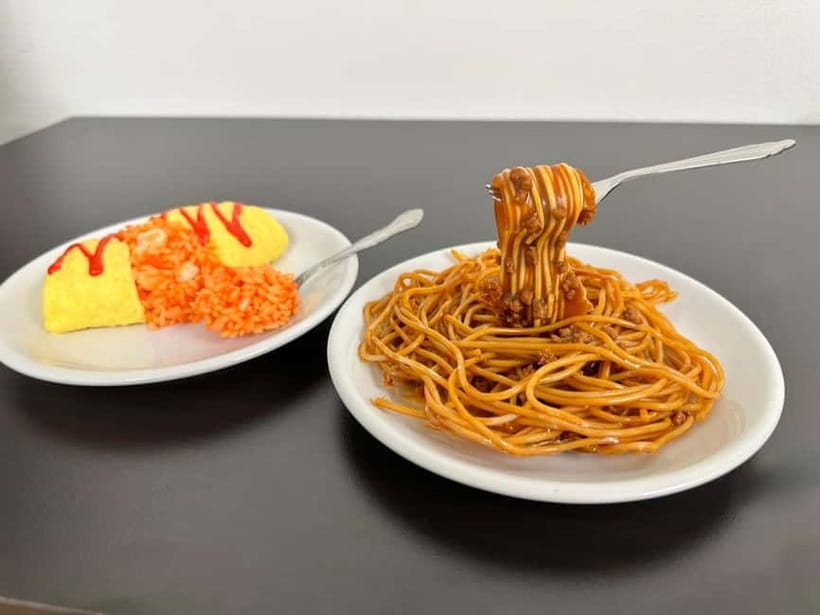
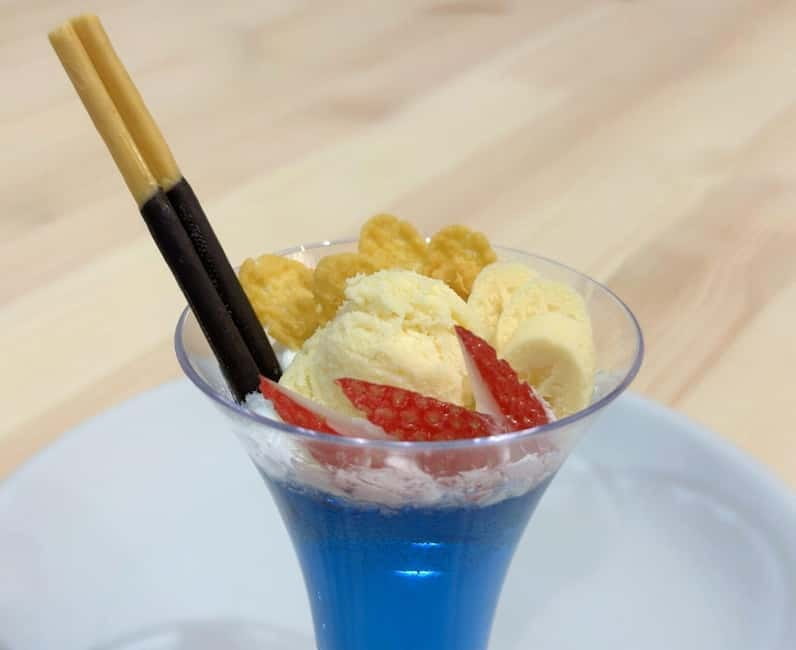
You start by picking the dish you want to make. Options include omelette rice, spaghetti with meat sauce, crepe, or jelly parfait. This matters more than it sounds: each dish has a different texture and “make it real” challenge, and your personal style will show up differently depending on what you choose.
Here’s how I’d think about your choice:
- Omelette rice: great if you like the classic Japanese comfort-food look. It also gives you an obvious place to add a message or name detail.
- Spaghetti with meat sauce: better if you enjoy hands-on shaping and using chopsticks for a more dynamic look.
- Crepe: a good pick if you want something sweet and visually playful to build.
- Jelly parfait: ideal if you like layered dessert presentation and color contrast.
No matter what you choose, you’ll be making a realistic version designed to look like the “real thing” from a distance and up close.
How the food replica is made: realistic, guided, and creatively yours
After you select your dish, the workshop focuses on building a food replica that looks convincingly real. You’ll work with the materials provided and follow staff guidance through the steps. Even if you’re not artist-level, the structure helps you move from basic components to a finished sample.
The fun part is that it doesn’t have to look exactly like anyone else’s version. You’re encouraged to add your own touches. Want to write your name in ketchup on the omelette? That’s the kind of detail that makes your sample feel personal. Prefer lifting the spaghetti in a specific way with chopsticks? You can shape your finished piece around that idea. You can also create your own original shape and design—think of it like styling, not just copying.
One useful mindset: aim for “looks right” more than “looks perfect.” Food samples are designed to read well at a glance, so your goal is convincing form and color, not perfection.
The optional meal: you eat the dish you built
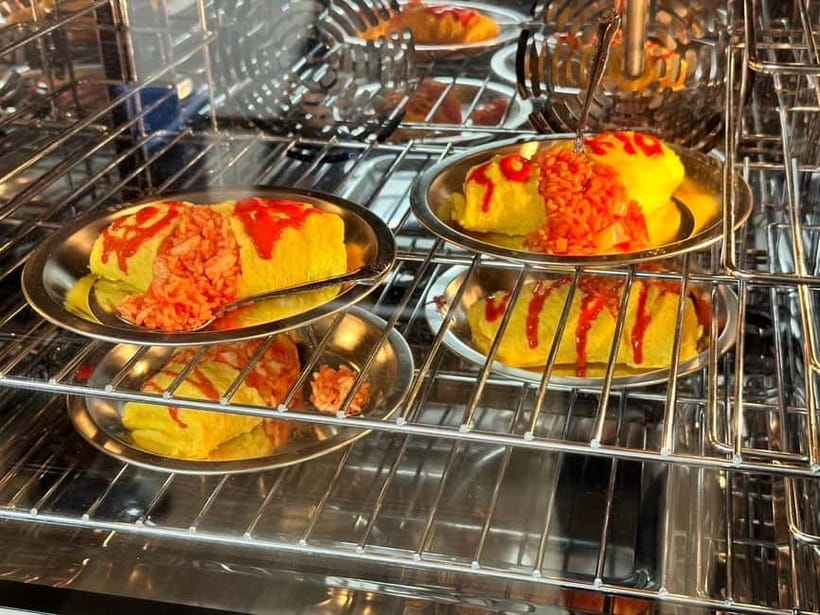
If you choose the dining option, this workshop gets an extra layer of joy. You make the replica, then you get a real dish that looks identical to the food sample you created. That means you can actually recreate the moment—same dish, same styling, same “this is too perfect to be real” feeling.
You’ll pour ketchup or lift noodles in the same way you practiced while building. Then you can compare. Is your color close? Does the portion look right? Does the arrangement feel similar? You can also take side-by-side photos and even make fun videos pretending to eat your food sample.
This is one of the most praised aspects because it turns a craft project into an experience with immediate payoff. A replica souvenir is cool, but seeing it matched by an actual meal makes it unforgettable.
Time on the clock: planning for 1 hour vs 1.5 hours
Timing is simple, but you should plan around the option you pick. The workshop takes about 1.5 hours if you select the meal option, and about 1 hour without the meal.
If your day in Asakusa is already packed—temples, streets, snacks—choose the shorter format so you don’t feel rushed. If you have the time and you want the most memorable comparison moment, the meal option is worth it because it adds that real dish element and gives you extra time to enjoy your creation.
Starting times vary, so check availability for the day you want. Then build your other plans nearby—this is the kind of activity you’ll enjoy most when you can linger afterward.
Readers also shortlisted these Tokyo bookings:
- Tokyo: Shinjuku Food Tour (13 Dishes at 4 Local Eateries)★ 5.0 · 6,603 reviews
- Tokyo Tsukiji Fish Market Food and Culture Walking Tour★ 5.0 · 3,184 reviews
- Tokyo: Shinjuku Food Tour (15 Dishes and 4 Eateries)★ 4.9 · 2,033 reviews
- Best of Shinjuku: Izakaya Food Tour (4 Stops, 14+ Tastings)★ 5.0 · 1,863 reviews
- Tokyo: Tsukiji Fish Market Food and Walking tour★ 5.0 · 1,724 reviews
Price and value: why $39 feels fair for a take-home Tokyo souvenir
At $39 per person, the price can feel like a small splurge—until you break down what you’re actually getting. You’re paying for the guided experience, the materials to craft your replica, and (if you choose it) the matching meal that looks identical to what you made.
And you’re not leaving with a disposable novelty. You’re taking home a handmade, realistic food sample you can display. That’s a different category from paying for a single photo-op. If you like travel souvenirs that spark conversations back home—this one does.
If you’re cost-conscious, consider skipping the meal option and just making the replica. You’ll still get the craft, guidance, and the take-home souvenir, which are the core value drivers of the workshop.
Staff guidance and language: you’ll be okay even if English is light
The instruction is available in English and Japanese, which is great for flexibility. Still, it’s smart to go in with realistic expectations. Some sessions may have an instructor who uses less English than you’d prefer, but the good news is the steps are easy to follow.
Your advantage here is that a food-sample workshop is visual. You’re working with the materials right in front of you, so you can watch, copy the method, and learn through doing. Even when explanations are brief, you can usually understand what to do next.
If you’re someone who gets nervous without detailed instructions, this is exactly the kind of activity where it helps to trust the process. The structure is there; your job is to make it fun.
Turning your sample into a personal masterpiece
The workshop isn’t only about copying a dish. It’s designed to let you put your own stamp on the final piece. That’s why details like writing your name in ketchup on the omelette are such a big deal—they turn a cute replica into a souvenir with a story.
Spaghetti lovers can make the noodle arrangement feel like a pose, not just a pile of strands. Dessert makers can focus on how cleanly the layers read. And if you’re into playful design, you can experiment with original shapes and styling.
This is also why your photos will come out better than you expect. When your sample includes one distinctive feature—your handwriting, a signature arrangement, a custom shape—it stands out in side-by-side shots with the real meal.
What to expect when you finish: take-home display and photo proof
At the end, you take home your handmade food replica. That means the workshop doesn’t just end when the timer runs out—it keeps giving when you pack it, display it, and share it.
The best part is that your souvenir works in two modes:
- at home as decor (a conversation starter)
- on your camera roll as proof you did something hands-on in Asakusa
And if you chose the meal option, you’ll have photos that actually match what you ate. That’s rare. Most experiences have a gap between the activity and the edible reward—here, they line up.
Who should book this food sample workshop in Asakusa
This experience fits best if you like hands-on activities, food culture, and souvenirs that aren’t generic. You’ll probably enjoy it most if you’re:
- a foodie who likes Japanese “attention to detail” culture
- the type who enjoys crafts with clear steps
- traveling with a group and want something everyone can participate in
- into photo moments where your effort shows in the final result
It’s also a solid choice for people who want a break from nonstop sightseeing. It’s focused, structured, and fun without requiring any special skills.
One clear limitation: it’s not suitable for children under 5 years. If you’re traveling with young kids, plan accordingly.
Should you book the Tokyo Asakusa Food Sample Making Workshop?
Book it if you want a hands-on Asakusa experience with a real payoff: you make something, you take it home, and with the dining option you can compare it to an identical real meal. The $39 price makes more sense when you consider the included materials and instruction, plus the take-home souvenir value.
Skip or reconsider if you’re expecting a long, deep lecture or a very language-heavy lesson. This is a doing experience. If you prefer purely observational activities, you may find it a bit more hands-on than you want.
If you’re planning your day in Asakusa and you want one “different from the usual” stop—this is a strong contender. It’s creative, tactile, and surprisingly satisfying once your replica is sitting in your hands.
FAQ
What dishes can I make in the Tokyo Asakusa food sample workshop?
You can choose from omelette rice, spaghetti with meat sauce, crepe, or jelly parfait.
How long is the workshop?
It takes about 1 hour without the meal option, and about 1.5 hours with the meal option.
Does the price include a meal?
A real meal same as the food sample is included only if you select the dining option.
What’s the meeting point?
Look for the shop curtain (noren) that says Food Sample Making Cafe and come inside. The entrance faces the main street.
What languages will the instructor use?
The instructor provides guidance in English and Japanese.
Is it suitable for young children?
It is not suitable for children under 5 years.
Can I cancel or pay later?
Yes. You can cancel up to 24 hours in advance for a full refund, and you can reserve now and pay later.
More Food & Drink in Tokyo
- Tokyo: Shinjuku Food Tour (13 Dishes at 4 Local Eateries)
★ 5.0 · 6,603 reviews - Tokyo Tsukiji Fish Market Food and Culture Walking Tour
★ 5.0 · 3,184 reviews - Tokyo: Shinjuku Food Tour (15 Dishes and 4 Eateries)
★ 4.9 · 2,033 reviews - Best of Shinjuku: Izakaya Food Tour (4 Stops, 14+ Tastings)
★ 5.0 · 1,863 reviews - Tokyo: Tsukiji Fish Market Food and Walking tour
★ 5.0 · 1,724 reviews
More Tour Reviews in Tokyo
- Mt Fuji and Hakone 1-Day Bus Tour Return by Bullet Train
★ 5.0 · 26,383 reviews - 1-Day Tokyo Bus Tour
★ 5.0 · 14,250 reviews - Tokyo: teamLab Planets TOKYO Digital Art Museum Entry Ticket
★ 4.6 · 9,779 reviews - Mt Fuji & Hakone Cruise, Drum Show Bullet Train 1 Day from Tokyo
★ 4.0 · 7,413 reviews - Tokyo: Shinjuku Food Tour (13 Dishes at 4 Local Eateries)
★ 5.0 · 6,603 reviews
More Mornings in Old Asakusa
- Tokyo: Japanese Dance Cabaret Theater Asakusa-Kaguwa Ticket
★ 4.8 · 2,270 reviews - Tokyo: Meiji Shrine, Asakusa, Skytree Bus Tour and Cruise
★ 4.7 · 1,986 reviews - Tokyo: Roll and Authentic Sushi Making Class in Asakusa
★ 4.9 · 1,957 reviews - Tokyo: Asakusa Walking Tour with Sensoji Temple Visit
★ 4.8 · 1,583 reviews - Tokyo Asakusa Rickshaw Tour
★ 5.0 · 1,375 reviews
Latest Tokyo reviews off our desk
Asakusa & Sensoji Tours, compared.
 ★ 4.8Japanese Dance Cabaret Theater Asakusa-Kaguwa TicketFrom $492,270 reviews
 ★ 4.7Meiji Shrine, Asakusa, Skytree Bus Tour and CruiseFrom $1221,986 reviews
 ★ 4.9Roll and Authentic Sushi Making Class in AsakusaFrom $581,957 reviews
 ★ 4.8Asakusa Walking Tour with Sensoji Temple VisitFrom $221,583 reviews
 ★ 5.0Tokyo Asakusa Rickshaw TourFrom $421,375 reviews
 ★ 4.5Tokyo Panoramic 1 Day: Meiji Shrine, Asakusa, Odaiba and SKYTREE®From $851,222 reviews
 ★ 5.0Tokyo Go Kart: Asakusa, Skytree, and Akihabara **IDP MUST**From $99988 reviews
 ★ 4.7Asakusa, Skytree & Akhihabara Go-Kart City ExperienceFrom $96761 reviews
Browse the lists this tour appears in