
Reviewed · ASAKUSA & SENSOJI TOURS
Tokyo Asakusa Temple & Shrine Walking Tour with Local Guide
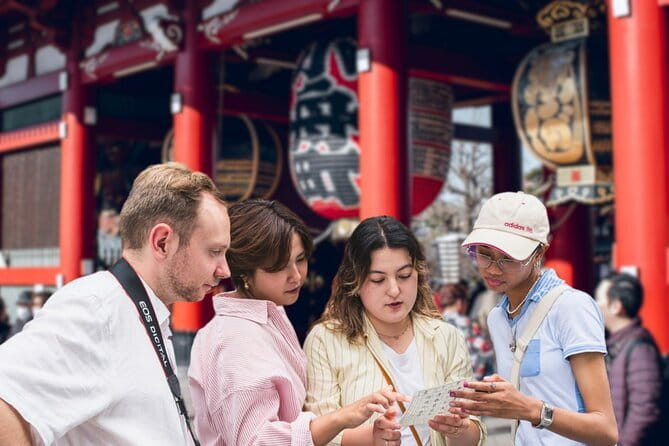
Asakusa gets easier when someone knows where to look. This 2-hour guided walk links the big sights—Senso-ji Temple, Kaminarimon (Thunder Gate), and Asakusa Shrine—with the small moments you’d miss on your own, like the meaning behind rituals at the temple. You also get help staying oriented, so you’re not spending the best part of the day stuck with your phone.
I especially like the small group size capped at eight travelers, which keeps the pace human and your questions from getting lost. I also like that the guide explains what’s happening during prayer and cleansing, including temizu (hand cleansing) and omikuji fortune-telling slip rituals.
One possible drawback: you’ll be walking in a busy, tourist-popular area, and with only ~2 hours, you won’t have time to linger everywhere on Nakamise Street or buy souvenirs at every stall.
In This Review
- Quick reasons this Asakusa tour is a smart use of time
- Why this 2-hour Asakusa walk beats DIY
- The real value is etiquette, not just sightseeing
- Getting your bearings: Azumabashi Bridge and the Sumida River
- The Thunder Gate (Kaminarimon) and that 700kg red lantern
- Nakamise Street: snacks, crafts, and what to notice
- Practical tip for Nakamise time
- Hozomon Gate: the gate you walk under (and why it matters)
- Senso-ji Temple: rituals you can actually participate in
- What temizu and omikuji mean for your experience
- Asakusa Shrine stop: the Shinto layer under the same sky
- Small group with a local guide: what it feels like
- Price and value: is $19.82 worth it?
- Timing and stamina: what 2 hours means in real life
- Should you book this Asakusa Temple & Shrine walking tour?
- FAQ
- How long is the Tokyo Asakusa Temple & Shrine Walking Tour?
- What’s the group size limit?
- What does the tour cost?
- Where do we meet for the tour?
- Where does the tour end?
- Is admission to Senso-ji included?
- What rituals are included?
- Is there a mobile ticket?
- Are language barriers a problem?
- What should I budget for since it’s not included?
- Is free cancellation available?
Quick reasons this Asakusa tour is a smart use of time
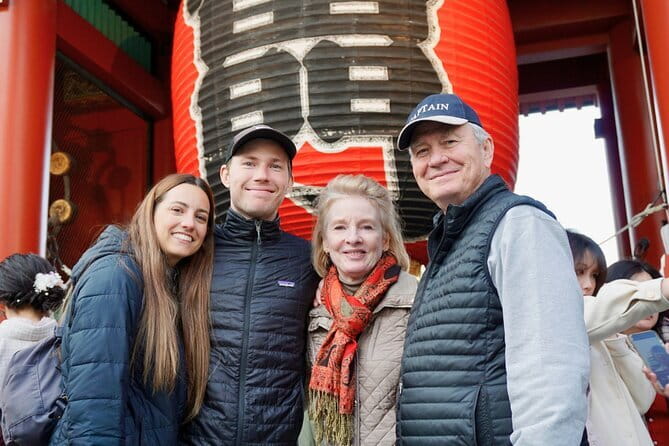
- Max 8 people means you can actually hear your guide and follow along without a herd
- No language barriers is the point here: the guide talks through rituals and customs clearly
- Mobile ticket keeps entry simple and cuts down on paper
- Ritual walkthroughs like temizu and omikuji help you participate correctly
- Photo-stop context turns famous landmarks into stories, not just backdrops
Why this 2-hour Asakusa walk beats DIY
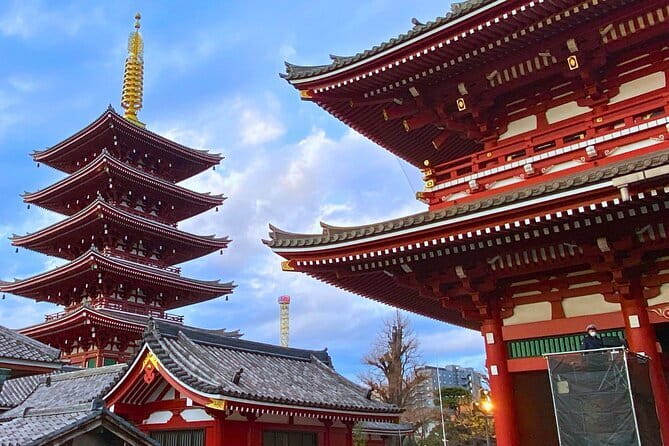
Asakusa is one of those Tokyo neighborhoods where it’s easy to feel “I’m here, now what?” You can find the main sights, sure. But a good guide changes the whole experience by explaining what you’re looking at—especially the religious etiquette.
This tour is timed well for first-timers: about 2 hours, starting near Azumabashi Bridge and ending back at the same meeting spot. That structure matters, because it keeps you from burning half a day bouncing between temples and side streets that all look equally interesting.
More temple mornings in old Asakusa
- Tokyo: Japanese Dance Cabaret Theater Asakusa-Kaguwa Ticket
★ 4.8 · 2,270 reviews - Tokyo: Meiji Shrine, Asakusa, Skytree Bus Tour and Cruise
★ 4.7 · 1,986 reviews - Tokyo: Roll and Authentic Sushi Making Class in Asakusa
★ 4.9 · 1,957 reviews - Tokyo: Asakusa Walking Tour with Sensoji Temple Visit
★ 4.8 · 1,583 reviews
The real value is etiquette, not just sightseeing
Most temple tours are basically “see this, see that.” Here, you’re not only walking past historic architecture and gates—you’re learning how to take part respectfully. The temizu hand cleansing and omikuji fortune-telling are the kind of activities that feel awkward if you don’t know the basics, and reassuring if you do.
Getting your bearings: Azumabashi Bridge and the Sumida River
You start near Burger King Asakusa Azumabashi, at the Kaminarimon area. The meeting spot is practical for transit, and the tour quickly gives you a sense of where you are in old-school Tokyo geography.
The first meaningful stop is Azumabashi Bridge, with views across the Sumida River. Even if you’ve seen River photos before, standing here helps you connect Asakusa’s identity to water-based trade and movement—this area wasn’t just temples and shopping; it was a gateway for people coming in and out.
Then you’ll pass by a modern landmark while your guide explains the neighborhood’s context. That contrast is useful. Asakusa isn’t frozen in time, and the guide helps you see how tradition and everyday Tokyo share the same blocks.
The Thunder Gate (Kaminarimon) and that 700kg red lantern
Next comes one of Tokyo’s most recognizable icons: the Thunder Gate, Kaminarimon. Your guide focuses on the gate’s meaning, including why it’s called Kaminarimon and the story behind the famous 700kg red lantern.
This is where a guided format really pays off. Without context, Kaminarimon can become only a photo moment. With the story, you start noticing details: how the lantern became a symbol of the gate’s role as an entry point, and how repeated reconstruction due to fires shaped how the gate is seen today.
And yes, you’ll likely be walking through the busiest photo angles. Your guide helps you move so you don’t get stuck watching others take pictures while you fall behind the group.
Nakamise Street: snacks, crafts, and what to notice
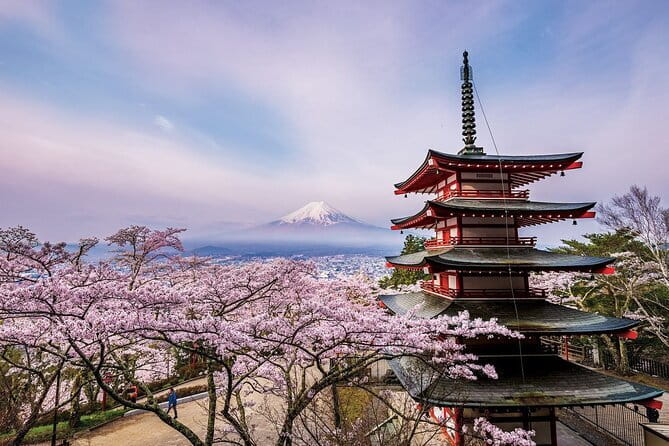
After the big dramatic gate, you hit Nakamise Shopping Street, a classic stretch lined with traditional stalls. This is where the tour becomes more than cultural education—it turns into sensory Tokyo.
Your guide will share the street’s origins and why it exists as part of the temple visit experience. That makes a difference when you’re deciding what to snack on or what to buy, because you’re not just shopping for the sake of it—you’re stepping into a pathway that’s meant to lead visitors toward worship.
Readers also shortlisted these Tokyo bookings:
- Tokyo Tsukiji Fish Market Food and Culture Walking Tour★ 5.0 · 3,184 reviews
- Tokyo: Imperial Palace and Shogun Historical Walking Tour★ 5.0 · 2,251 reviews
- Tokyo: Shinjuku Local Bar and Izakaya Guided Walking Tour★ 4.9 · 1,794 reviews
- Tokyo: Tsukiji Fish Market Food and Walking tour★ 5.0 · 1,724 reviews
- Tokyo: Asakusa Walking Tour with Sensoji Temple Visit★ 4.8 · 1,583 reviews
Practical tip for Nakamise time
With only ~2 hours total, don’t try to do everything. Pick one or two small things (a snack and maybe a souvenir), then keep moving. The guide’s job is to keep you aligned with the route so you don’t lose the ritual parts later.
Hozomon Gate: the gate you walk under (and why it matters)
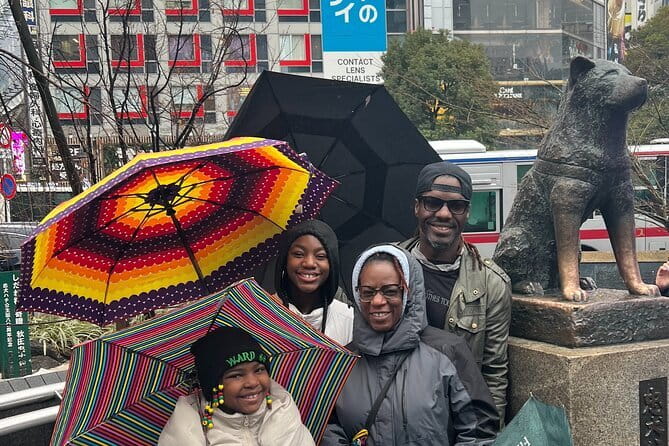
Before you reach the temple areas proper, you’ll pass the Hozomon Gate. This gate protects temple grounds and carries architectural symbolism that most people miss if they’re just staring up for photos.
Your guide points out features and helps you understand why the gate exists in the temple layout—think of it as a filter between the everyday street world and the sacred space beyond. It’s also a nice “reset” moment: the crowd noise is still there, but you’re shifting your attention.
If you’ve ever wondered why Japanese temple approaches often feel ceremonial even before you reach the main buildings, this is part of the answer.
Senso-ji Temple: rituals you can actually participate in
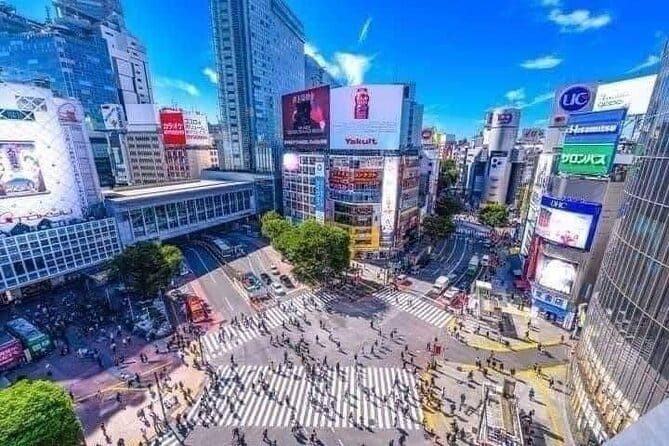
The tour’s centerpiece is Senso-ji Temple, one of Tokyo’s best-known Buddhist temples. Your guide leads you through the temple area and explains its cultural significance and long-running place in Asakusa life.
But the main reason this tour feels different is the ritual component. You’ll get hands-on instruction for temizu (hand cleansing), prayer, and omikuji fortune-telling slips. These are common at Japanese shrines and temples, but they can be confusing if you don’t know the flow.
What temizu and omikuji mean for your experience
- Temizu (hand cleansing): it’s a way to prepare yourself before you pray. When you understand the steps, it stops feeling like you’re copying a random sequence and starts feeling respectful and calm.
- Omikuji (fortune slips): the guide’s explanation helps you participate without guessing what you’re supposed to do with the paper afterward.
This is also where you’ll see the spiritual blending that’s part of Asakusa’s identity, with Shinto and Buddhism influencing how people practice around the temple complex.
Asakusa Shrine stop: the Shinto layer under the same sky
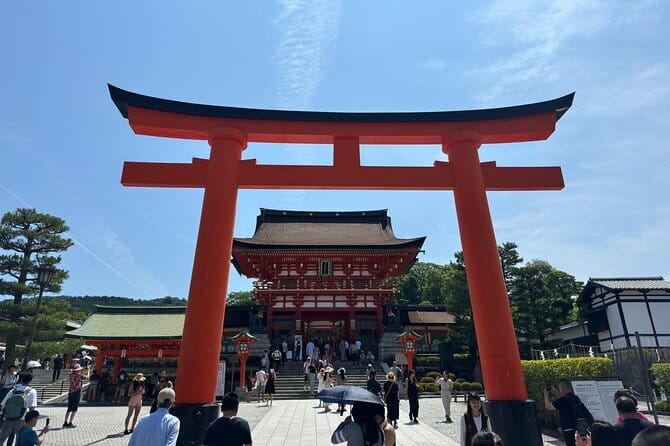
The experience includes a visit to Asakusa Shrine as well. Even though the biggest “main character” photo usually goes to Senso-ji and Kaminarimon, the shrine stop adds a second lens—Shinto practice running alongside the temple traditions.
That matters because Asakusa isn’t a one-faith theme park. The guide helps you connect the dots: why people move between shrines and temples, and how the rituals you learn earlier fit into the broader spiritual landscape of the neighborhood.
If you’re the kind of traveler who likes seeing how locals actually do things—not just what landmarks look like—this shrine layer is a big win.
Small group with a local guide: what it feels like
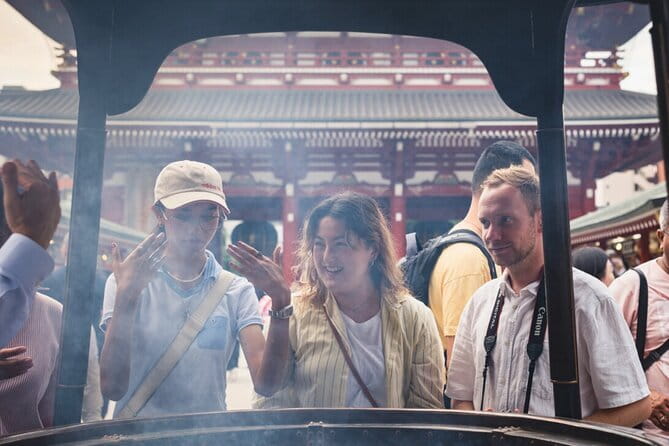
This is a small-group walking tour capped at eight travelers, and it changes the whole tone. You’re not yelling instructions over a crowd, and you’re not constantly waiting for stragglers at the gates.
The guide also handles navigation, which is huge in Asakusa. Even with maps, it’s easy to drift into side streets that are charming but slow you down. Here, the route is planned so you’re always moving forward toward the next key stop.
One review described a guide as a young man from the UK who was doing a gap year in Japan, and the tour felt lively and organized even in the middle of the hustle. That tells me the guides aren’t just reciting facts—they’re adapting to crowd flow and keeping you moving.
Price and value: is $19.82 worth it?
At $19.82 per person, this isn’t a “pay a lot, see a lot” kind of experience. It’s priced like a focused neighborhood walk, and that’s the right category for what you’re getting.
You’re paying for:
- A guide to explain rituals (temizu, prayer, omikuji) so you don’t guess
- A guided route that reduces wasted time
- Access to the main Asakusa icons in one compact loop
- A small group so the experience doesn’t feel lost in noise
Also, Senso-ji admission is free as part of the visit setup. You still may spend money on food or souvenirs because personal purchases aren’t included, but the core temple access isn’t something you’re paying extra for.
If you want to DIY Asakusa, you can. But if you’re a first-timer who’d rather understand what to do during the rituals than just watch others do it, the value makes sense quickly.
Timing and stamina: what 2 hours means in real life
Expect a walk that fits within a short sightseeing window. Two hours sounds easy until you realize temples bring lines, crowds, and “wait for the group” moments near gates and ritual spots.
The tour is best for:
- First-time visitors to Tokyo who want the Asakusa highlights without map stress
- Travelers who care about local customs (especially ritual etiquette)
- Anyone who wants a single organized loop rather than a half-day free-for-all
It may be less ideal if you’re hoping for a slow, photo-every-10-seconds pace, or if you want to go deep into every shop on Nakamise Street. The tour is designed to cover the major sights and ritual basics, not to turn Asakusa into an all-day shopping crawl.
Should you book this Asakusa Temple & Shrine walking tour?
Book it if you want the Asakusa classics—Senso-ji, Kaminarimon, Nakamise Street, Hozomon Gate, and Asakusa Shrine—with a guide who helps you understand what’s going on. The ritual hands-on piece is the deciding factor for me, because temizu and omikuji are the kinds of activities you’ll enjoy more when you know the steps.
Skip it if your main goal is slow wandering and shopping time, or if you’d rather spend your budget on snacks, souvenirs, or a longer self-guided exploration. This tour is short and focused—excellent for getting your bearings fast.
FAQ
How long is the Tokyo Asakusa Temple & Shrine Walking Tour?
It runs for about 2 hours.
What’s the group size limit?
The tour caps at a maximum of eight travelers.
What does the tour cost?
It costs $19.82 per person.
Where do we meet for the tour?
You meet at Burger King Asakusa Azumabashi, Taito City, Kaminarimon, Tokyo (as listed on the tour details).
Where does the tour end?
It ends back at the meeting point.
Is admission to Senso-ji included?
The tour includes an admission ticket setup for Senso-ji, and admission is listed as free.
What rituals are included?
You’ll participate in temizu cleansing, prayer, and omikuji fortune-telling.
Is there a mobile ticket?
Yes, the tour uses a mobile ticket.
Are language barriers a problem?
The tour description highlights that there are no language barriers because the guide explains shrine and temple rituals.
What should I budget for since it’s not included?
Personal expenses like snacks and souvenirs are not included in the tour price.
Is free cancellation available?
Yes. You can cancel up to 24 hours in advance for a full refund.
More Tours in Tokyo
- Mt Fuji and Hakone 1-Day Bus Tour Return by Bullet Train
★ 5.0 · 26,383 reviews - 1-Day Tokyo Bus Tour
★ 5.0 · 14,250 reviews - Tokyo: Shinjuku Food Tour (13 Dishes at 4 Local Eateries)
★ 5.0 · 6,603 reviews - Tokyo Mt Fuji 5th St & Hakone Cruise Bus Tour w/Bullet Train
★ 4.4 · 5,024 reviews - Flagship 2-Hours Official Street Go-Kart Tour – Tokyo Bay Shop
★ 5.0 · 4,974 reviews
More Tour Reviews in Tokyo
- Mt Fuji and Hakone 1-Day Bus Tour Return by Bullet Train
★ 5.0 · 26,383 reviews - 1-Day Tokyo Bus Tour
★ 5.0 · 14,250 reviews - Tokyo: teamLab Planets TOKYO Digital Art Museum Entry Ticket
★ 4.6 · 9,779 reviews - Mt Fuji & Hakone Cruise, Drum Show Bullet Train 1 Day from Tokyo
★ 4.0 · 7,413 reviews - Tokyo: Shinjuku Food Tour (13 Dishes at 4 Local Eateries)
★ 5.0 · 6,603 reviews
More Mornings in Old Asakusa
- Tokyo: Japanese Dance Cabaret Theater Asakusa-Kaguwa Ticket
★ 4.8 · 2,270 reviews - Tokyo: Meiji Shrine, Asakusa, Skytree Bus Tour and Cruise
★ 4.7 · 1,986 reviews - Tokyo: Roll and Authentic Sushi Making Class in Asakusa
★ 4.9 · 1,957 reviews - Tokyo: Asakusa Walking Tour with Sensoji Temple Visit
★ 4.8 · 1,583 reviews - Tokyo Asakusa Rickshaw Tour
★ 5.0 · 1,375 reviews
Latest Tokyo reviews off our desk






Asakusa & Sensoji Tours, compared.
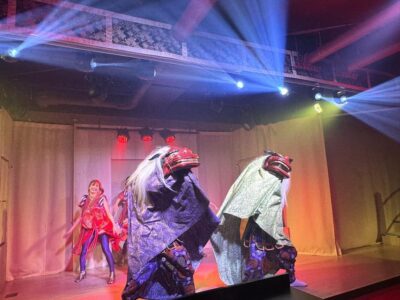 ★ 4.8Japanese Dance Cabaret Theater Asakusa-Kaguwa TicketFrom $492,270 reviews
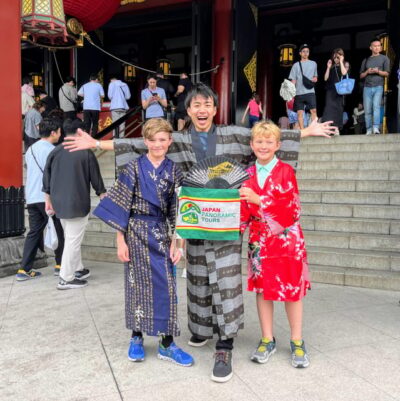 ★ 4.7Meiji Shrine, Asakusa, Skytree Bus Tour and CruiseFrom $1221,986 reviews
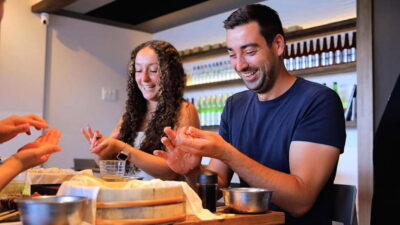 ★ 4.9Roll and Authentic Sushi Making Class in AsakusaFrom $581,957 reviews
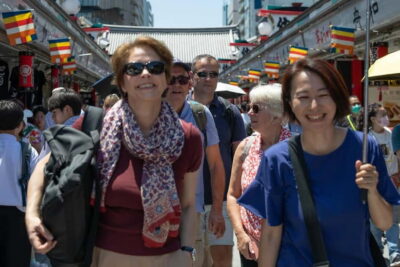 ★ 4.8Asakusa Walking Tour with Sensoji Temple VisitFrom $221,583 reviews
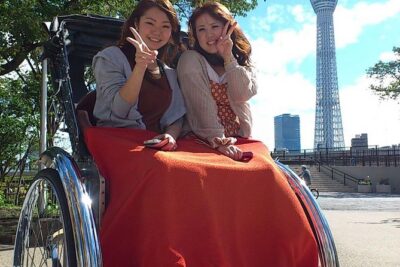 ★ 5.0Tokyo Asakusa Rickshaw TourFrom $421,375 reviews
 ★ 4.5Tokyo Panoramic 1 Day: Meiji Shrine, Asakusa, Odaiba and SKYTREE®From $851,222 reviews
 ★ 5.0Tokyo Go Kart: Asakusa, Skytree, and Akihabara **IDP MUST**From $99988 reviews
 ★ 4.7Asakusa, Skytree & Akhihabara Go-Kart City ExperienceFrom $96761 reviews
Browse the lists this tour appears in